From “fierce entanglement” to a viable path toward Palestinian statehood: A pragmatic proposal
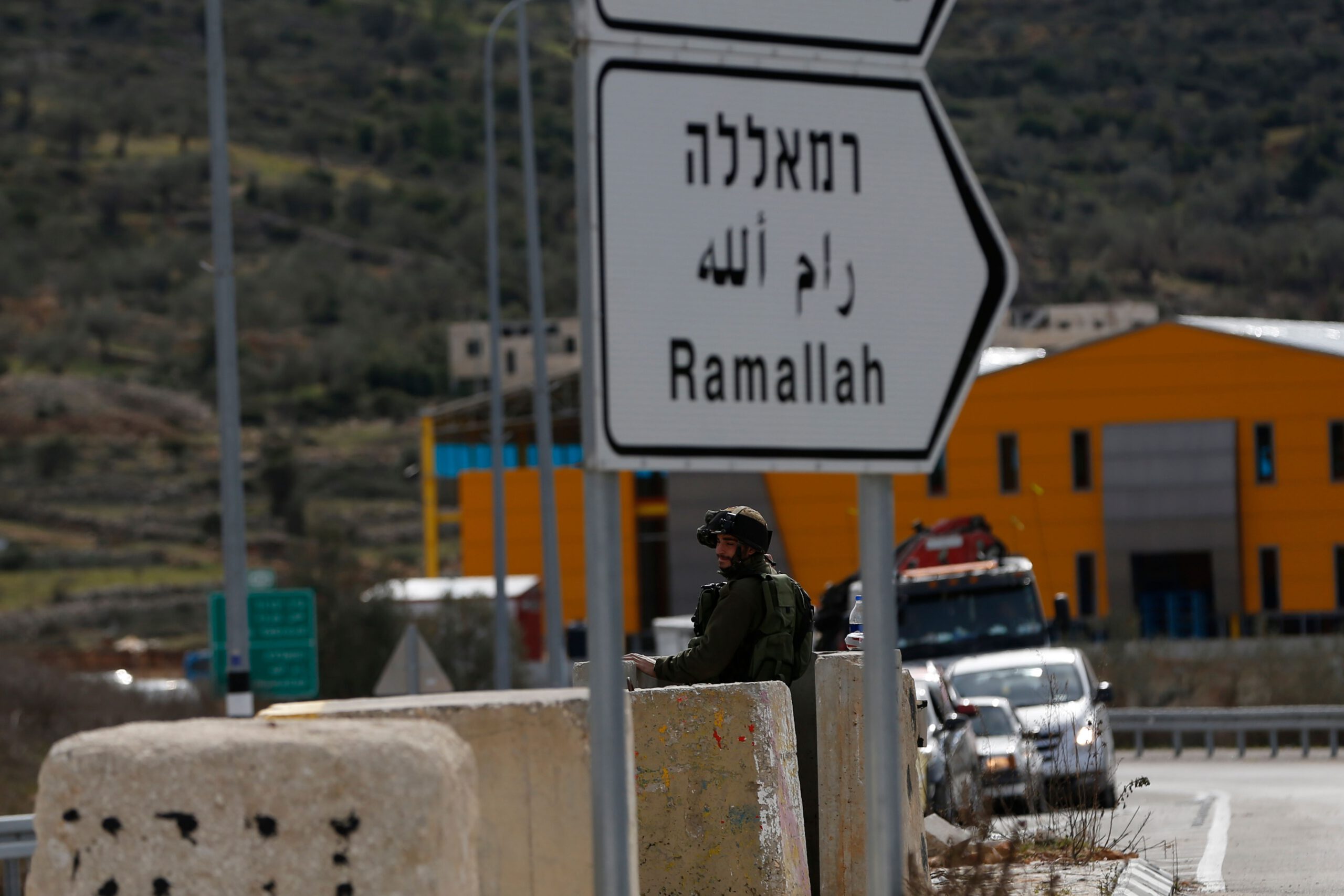
The Israelis and Palestinians are stuck with each other in a situation of “fierce entanglement.” Things never got “bad enough” for Israel to work toward a better and lasting solution with the Palestinians until Oct. 7 abruptly changed the status quo. After the visceral anger subsides and Hamas is replaced in Gaza, Israel and the Palestinian Authority must work together for something other than “waiting for the next round of violence.”
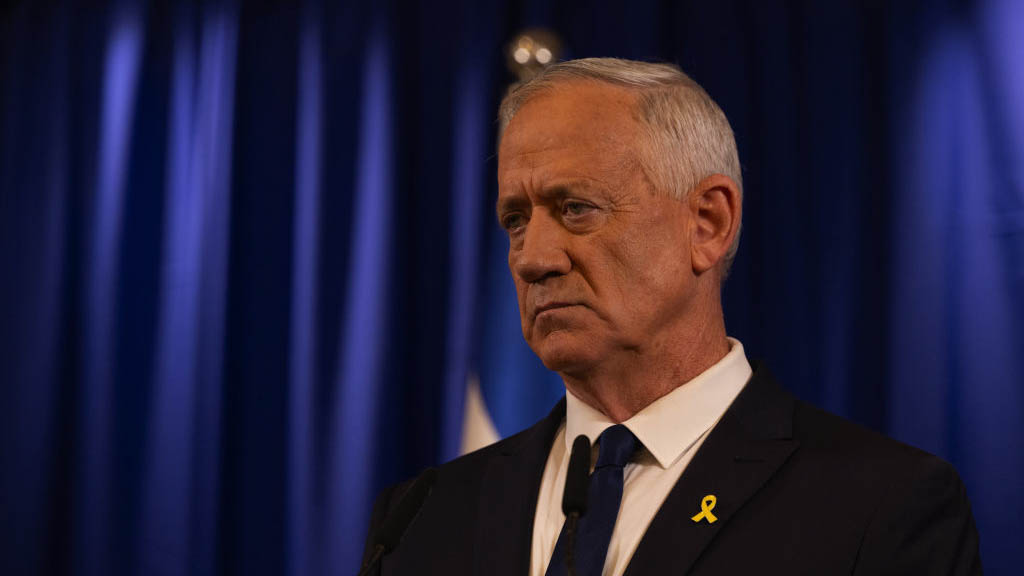
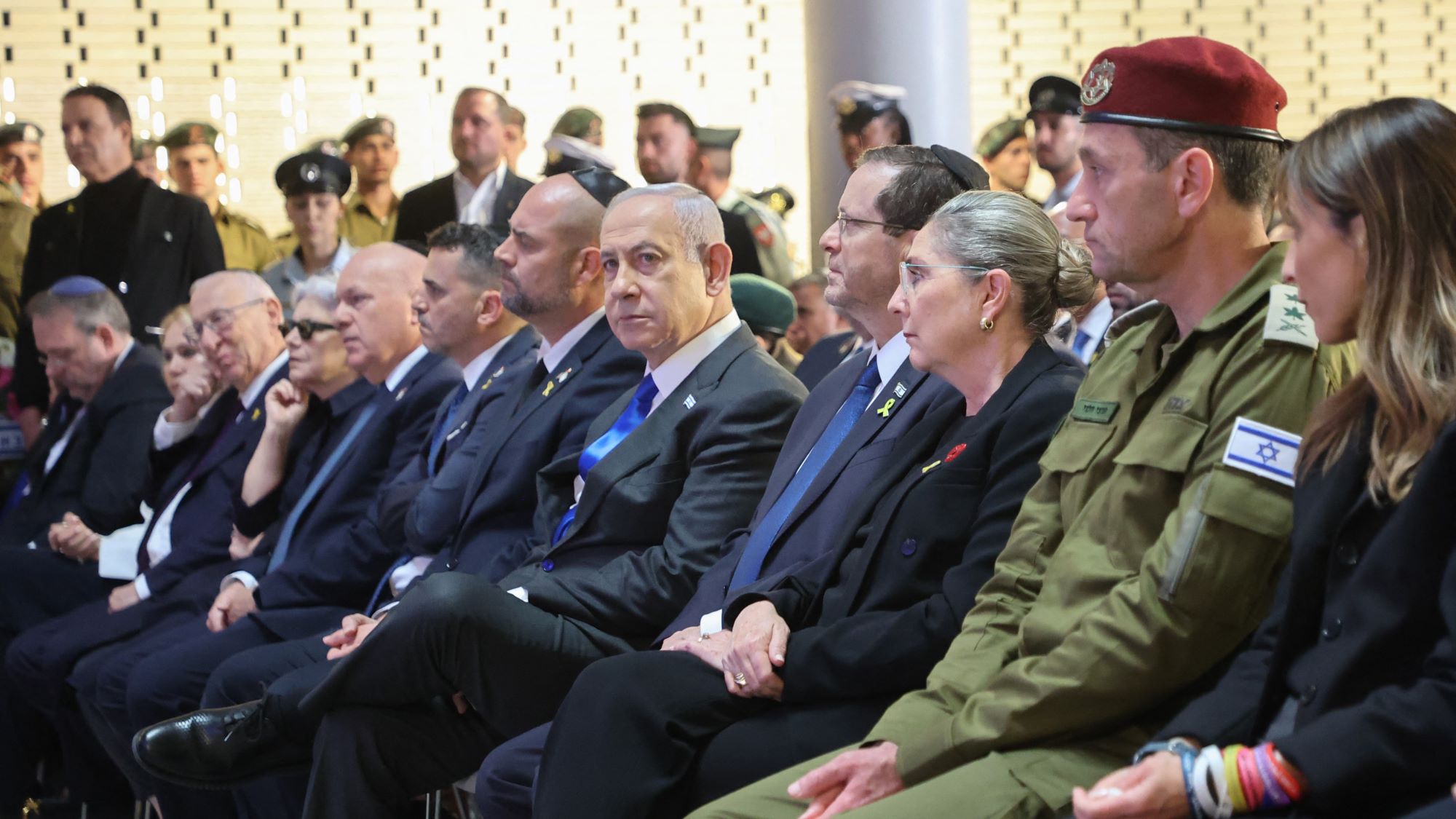
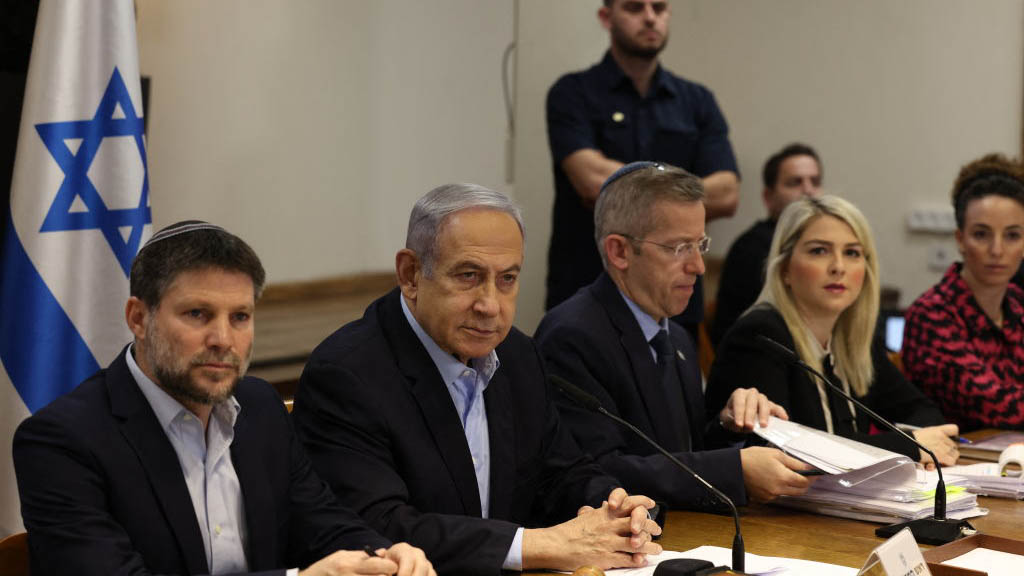
Netanyahu has sought to direct the blame for the debacle of Oct. 7, as well as the subsequent failures in the management of the war, squarely on the Israeli security establishment, while avoiding taking personal responsibility that would cost him his job.
Why they left: The causes and implications of the Russian peacekeepers’ withdrawal from Karabakh
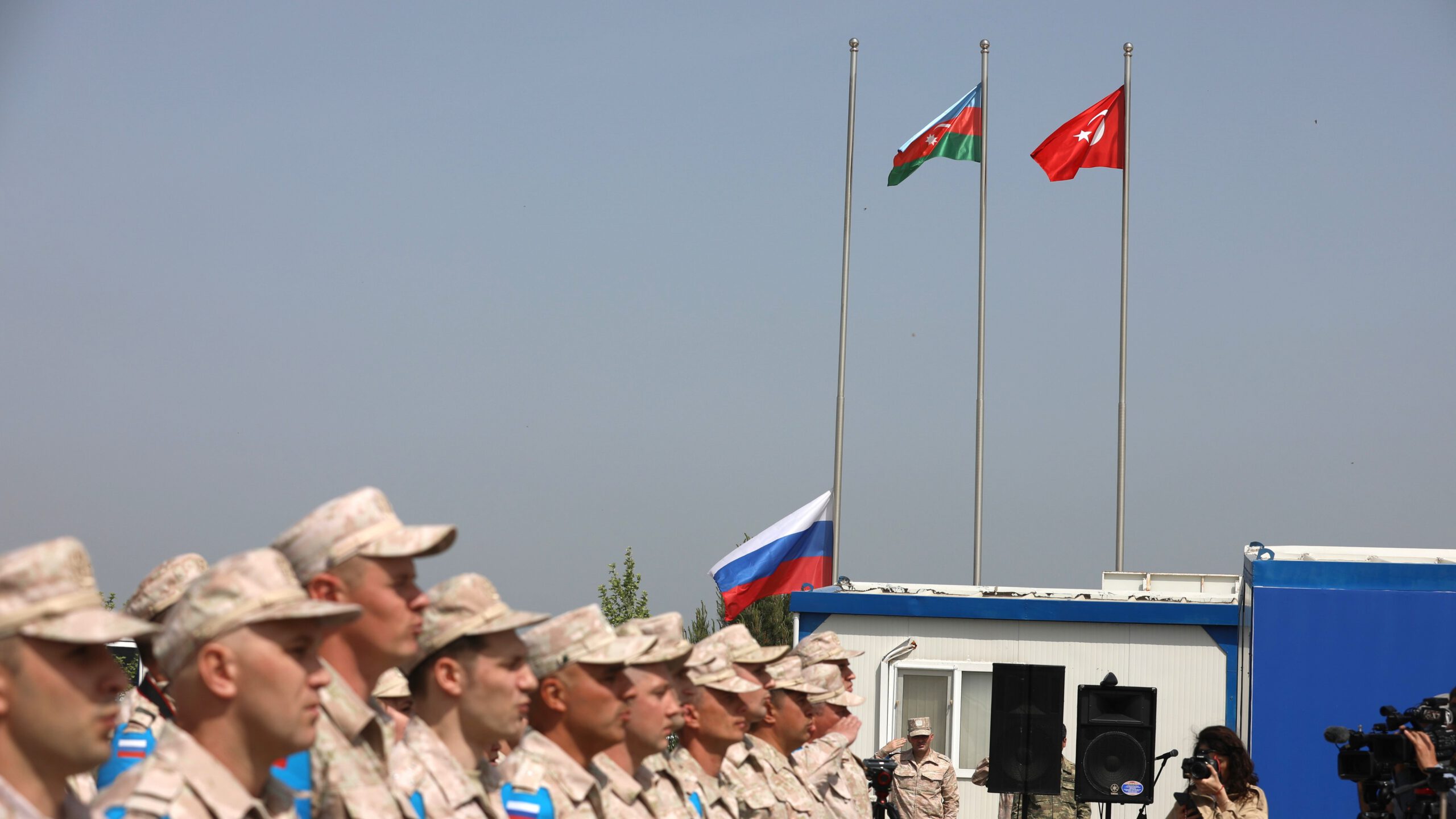
On April 17, Russian and Azerbaijani officials confirmed that the Russian peacekeeping forces deployed in Karabakh since November 2020 had begun pulling out from the region. The reasons behind the decision remain a matter of intense debate; but it is possible to draw several important conclusions from its timing and consequences.
Rafah operation won’t help Israel escape its political doom loop
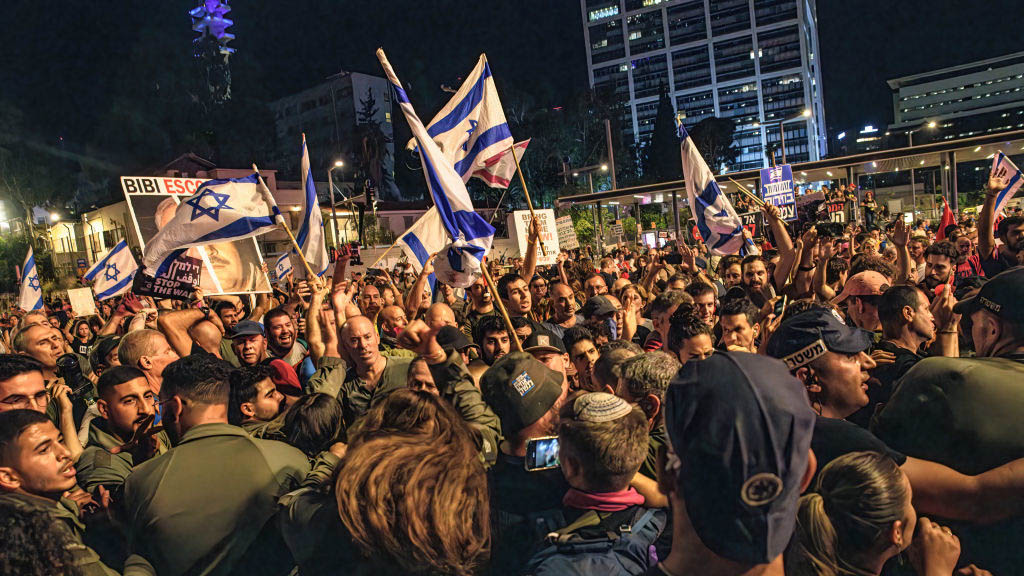
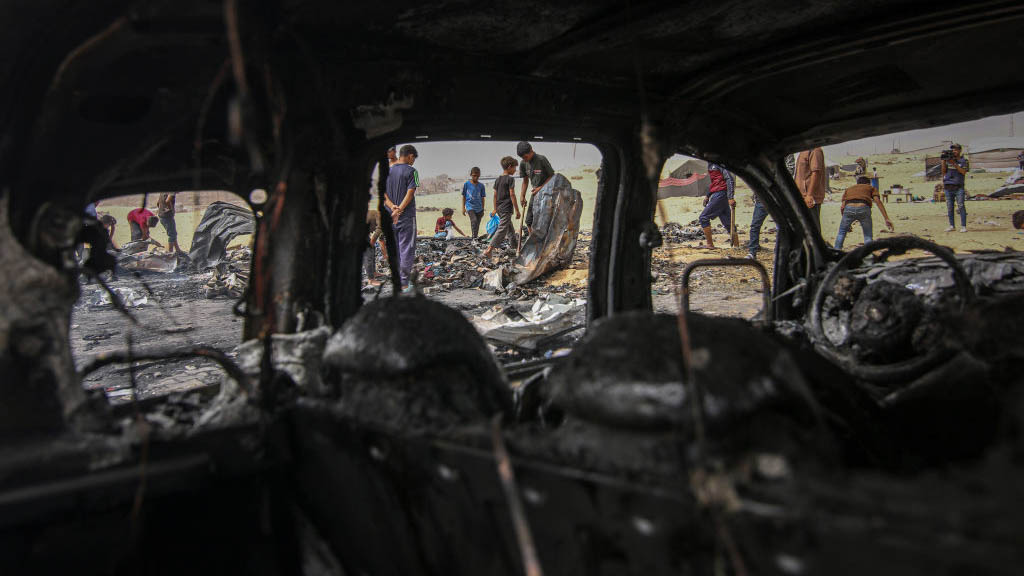
As the ongoing attempts to revive a ceasefire and hostage deal between Israel and Hamas are showing minimal signs of success, Israel is moving forward with its plan for an operation in Rafah, the most southern city in Gaza that borders Egypt. On May 6, the Israeli military issued an evacuation order for more than 200,000 Gazans in the southern-west part of the Gaza Strip.
Human shields or shielding Israel from accountability?
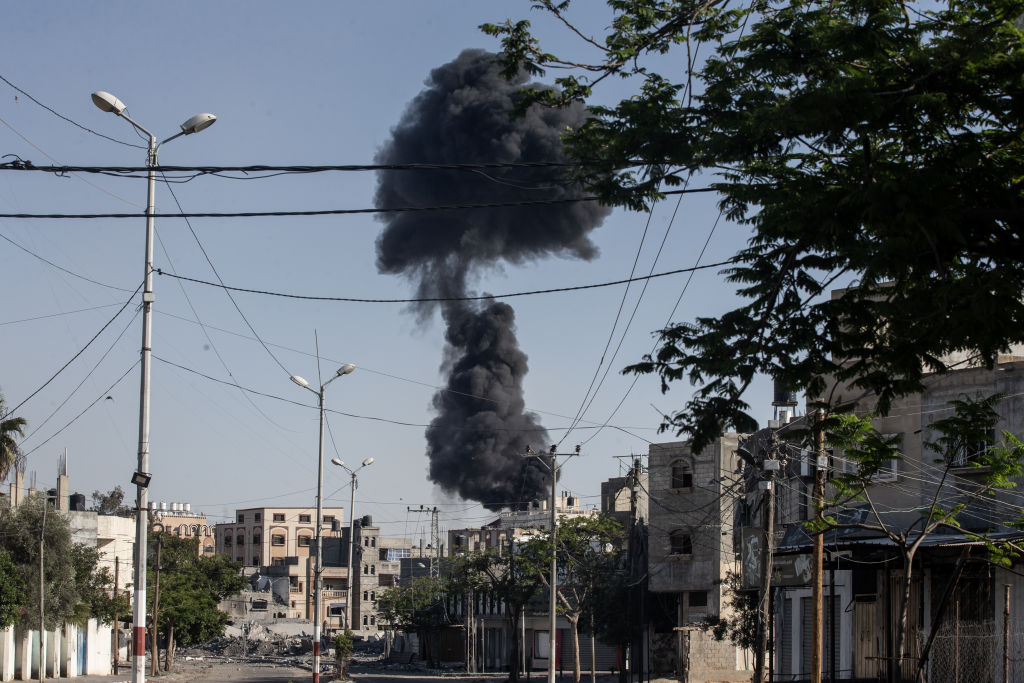
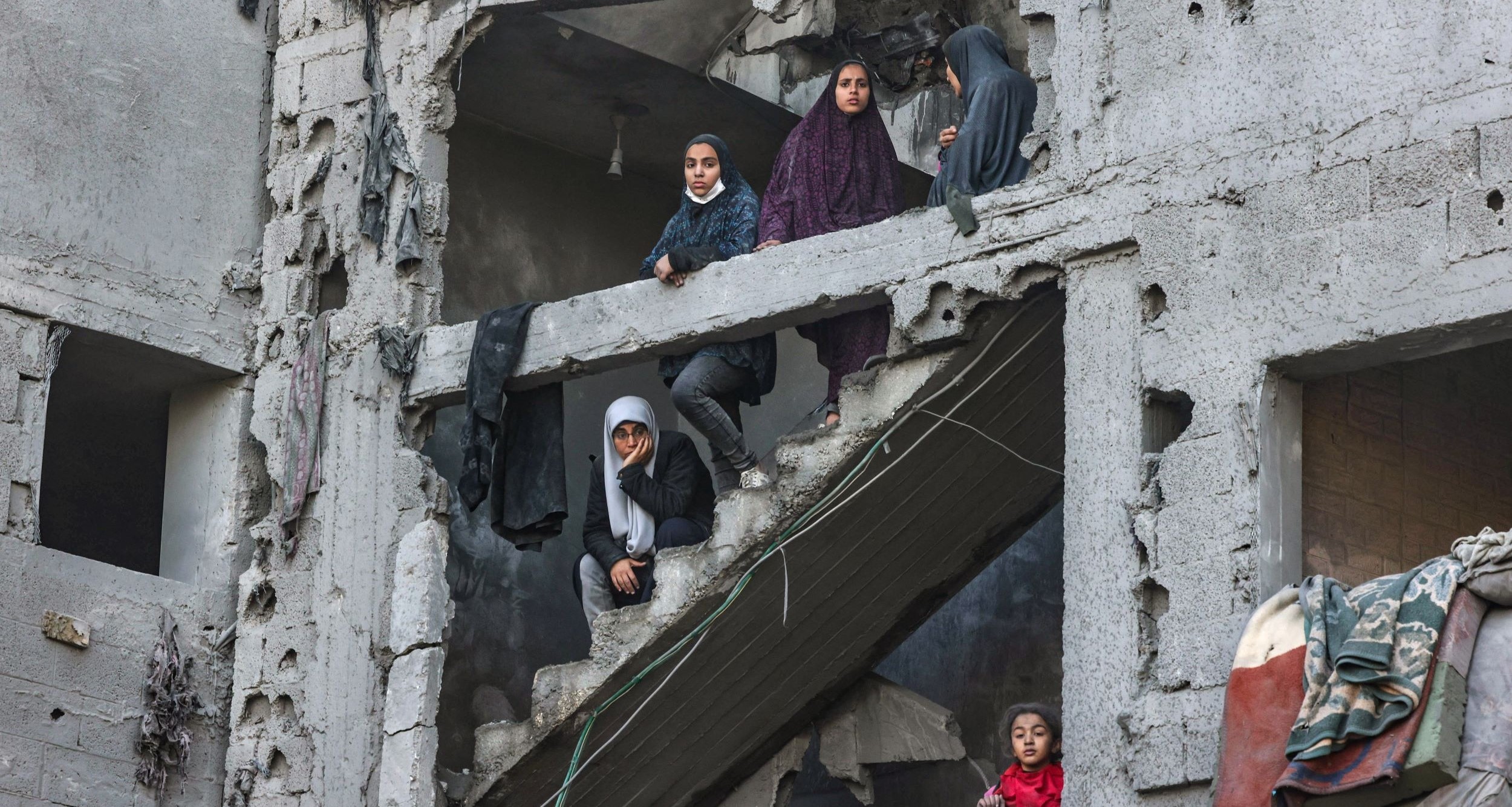
Israeli leaders insist that the extreme destruction in the Gaza Strip is unavoidable given Hamas’ use of “human shields” and the fact that the militant group has embedded itself among the civilian population and routinely operates from civilian structures like hospitals and schools. But far from explaining the current devastation, the questionable “human shields” charge has become a way to shield Israel from legitimate scrutiny and accountability.
Israel in the Red Sea during the War in Gaza: Strategic insights
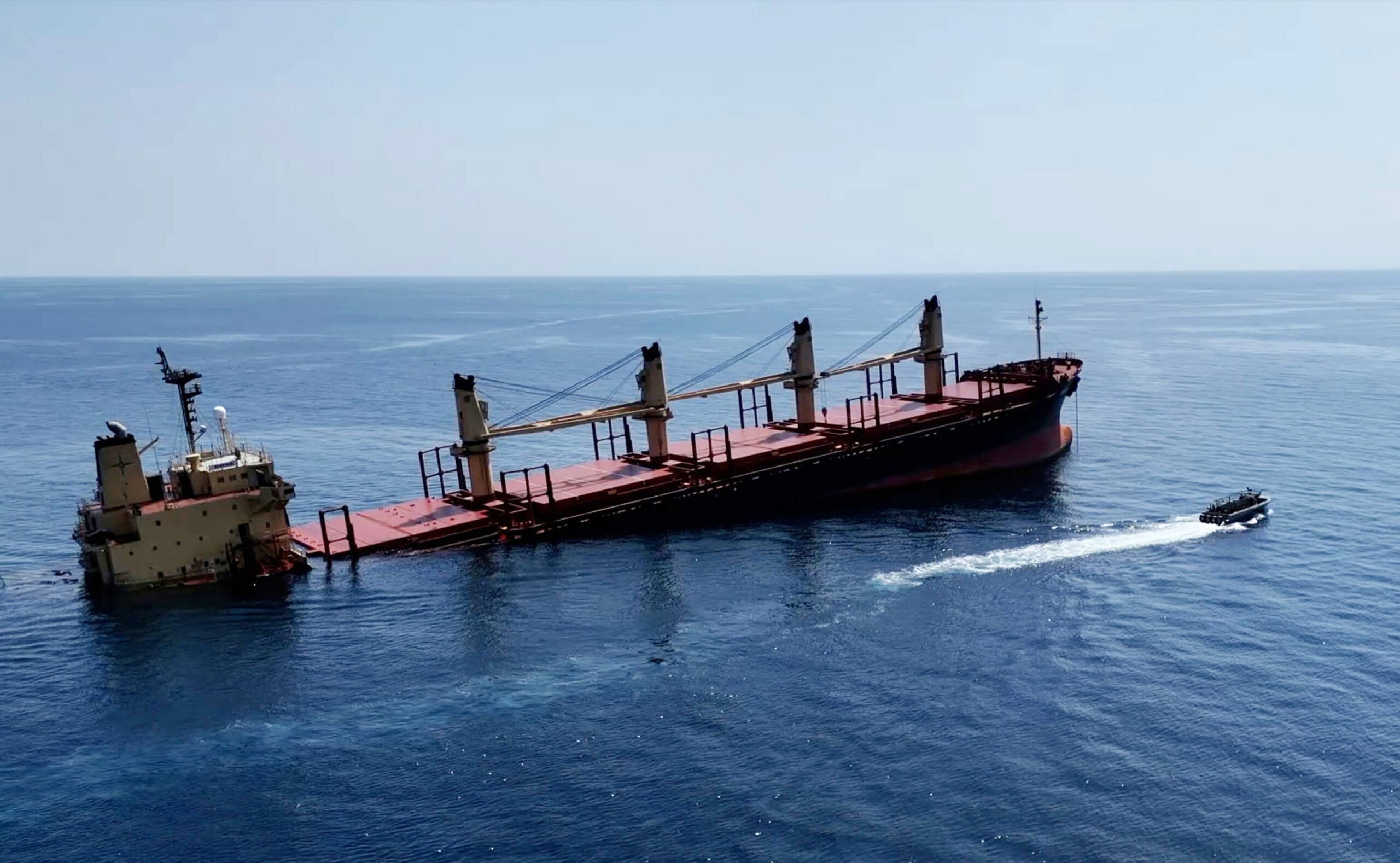
In recent months, Israel’s situation in the Red Sea has grown increasingly challenging in the security, economic, and diplomatic spheres. But the country is in a better position to meet these challenges and threats by leveraging the strategic regional partnerships it has developed over the past several years.
US-Saudi accords must not remain hostage to normalization with Israel
After Hamas’s unprecedented attack against Israel on Oct. 7, the siren song of Saudi-Israeli normalization risks wrecking the US-Saudi relationship against the rocks of stubborn geopolitical realities. An interim less-for-less approach in US-Saudi negotiations that doesn’t immediately require Senate approval nor is beholden to a much less certain Israeli-Palestinian peace process could set the stage for an even more consequential “mega deal” down the line.
“The IRGC has become a multi-headed dragon”: A conversation with Mohsen Sazegara about the IRGC’s emergence and evolution
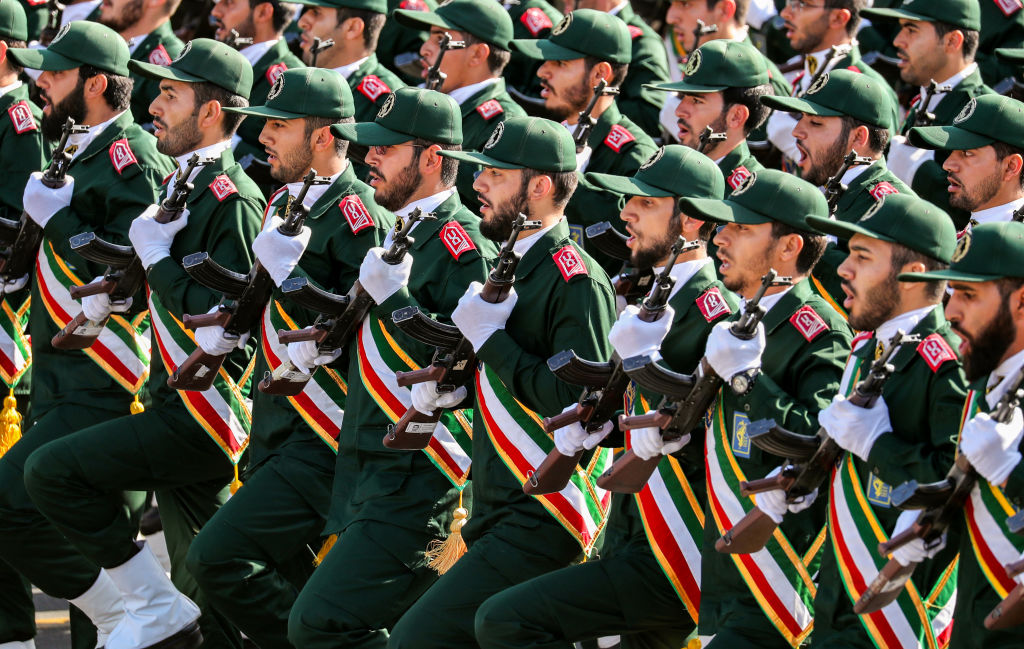
This month marks the 45th anniversary of the founding of Iran’s Islamic Revolutionary Guard Corps (IRGC). Mohsen Sazegara, a non-resident scholar with MEI’s Iran Program, was one of the group’s founders and a member of its first board of commanders. He later became a journalist and a reformist political activist. He was arrested and imprisoned four times before ultimately leaving Iran. He was interviewed by MEI in early May.
It’s time for Tehran to take a cold, hard look at its proxy strategy
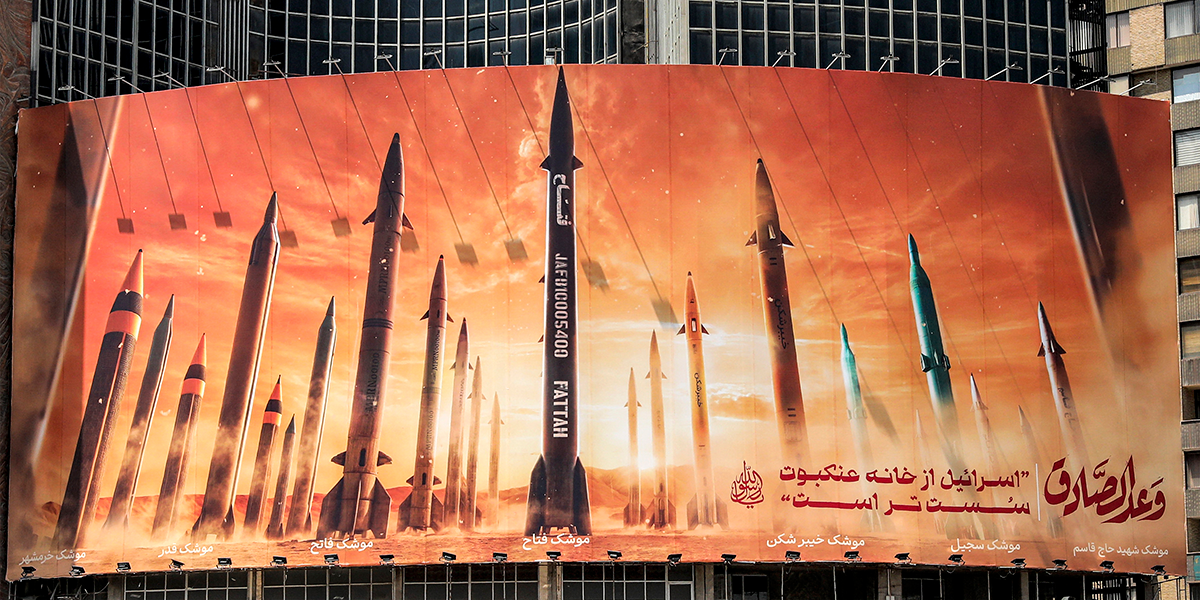
The recent blow-for-blow strikes by Iran and Israel are bound to result in some introspection in Tehran. It is the first time since the launch of the “Axis of Resistance” some 20 years ago that Tehran has to choose whether it wants to center its entire national security strategy around the conflict with Israel. Going forward, Tehran could choose to handle this conflict through political and diplomatic means rather than via the Axis of Resistance.