Since the 1970s oil boom, the Gulf region has been one of the principal destinations for workers from South Asia, with the result that today Indians constitute a large percentage of the non-nationals living in the region. Indeed, at five million out of an estimated 15 million people, the Indian community forms the largest expatriate group in each of the Gulf countries. Most Indian immigrants are from the south Indian state of Kerala, while many of the rest originate from Tamil Nadu, Punjab, Uttar Pradesh, and Bihar.
Iranians in Malaysia: Artist Asghar Yaghoubi and His "Journey Within"
Artist Asghar Yaghoubi, who was born in Shiraz, Iran, moved to Malaysia in 2008. An accomplished painter and sculptor, he also teaches art at the Cube Gallery, of which he is the founder and director. The gallery is the first and only art gallery in Southeast Asia owned by an Iranian.
Iranians in Malaysia: Batik Artist Pegah Jahangiri
Artist Pegah Jahangiri hails from Tehran, but is currently a doctoral student in visual arts at the University of Malaya, Malaysia. She recently spoke to MEI about her work with batik, strikingly dyed cloth found all over the world, but particularly popular and refined in Southeast Asia.
When the young Shaykh Tamim bin Hamad al-Thani became ruler of Qatar last month after his father stepped aside in a seamless transition, one of his first official acts was to seal the generational shift by appointing a new prime minister.
The Iranian Diaspora in Malaysia: Emergent Pluralism
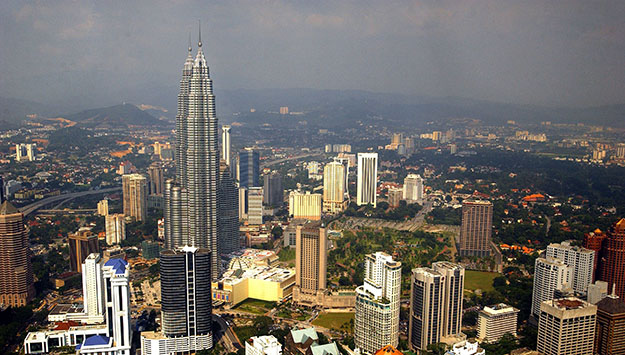
The Iranian diaspora in Malaysia is incredibly diverse. Supporters of the Green Movement, students, individuals who fast and pray and those who do not know the direction of the qibla, clerics who promote secularism and those who promote the authority of the vilayat-i faqih, Iranian Kurds, Turks, and Arabs, journalists, artists, and environmentalists: all these—and more—constitute the community of Iranians who have fled or quietly moved to Malaysia.
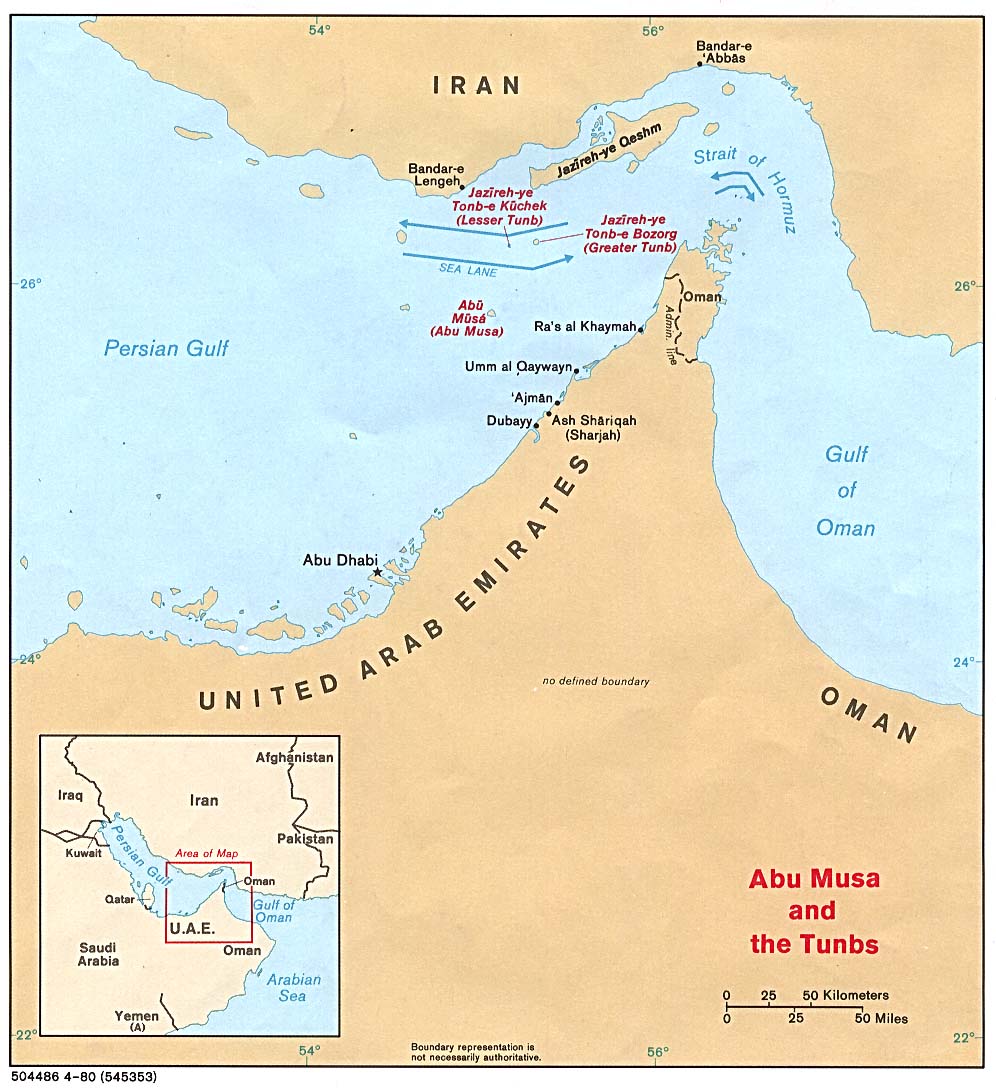
Oman is strategically positioned across the Gulf of Oman from Iran, north of Yemen, and east of Saudi Arabia. It has arguably been able to secure its rapid economic growth—spurred by oil riches—by maintaining neutral, if not friendly, relations with these neighbors, including Iran. Yet while Oman has successfully kept itself neutral, it still inhabits a precarious location. It shares with Iran the Strait of Hormuz, a waterway that Iran has threatened to close due to its charged relations with the GCC countries and the United States, who rely on the Strait to transport oil to world markets.
The Middle East Institute Center for Turkish Studies’ Fourth Annual Conference on TurkeyPanel 4: The Turkey-Iran-Iraq NexusHenri J. Barkey, Lehigh UniversityAlireza Nader, RAND CorporationDenise Natali, National Defense UniversityModerator: Phebe Marr, Author and HistorianJune 14, 2013 3:30pm-5:00 pm
The Middle East Institute Center for Turkish Studies’ Fourth Annual Conference on TurkeyPanel 4: The Turkey-Iran-Iraq NexusHenri J. Barkey, Lehigh UniversityAlireza Nader, RAND CorporationDenise Natali, National Defense UniversityModerator: Phebe Marr, Author and HistorianJune 14, 2013 3:30pm-5:00 pm
The Middle East Institute Center for Turkish Studies’ Fourth Annual Conference on TurkeyPanel 4: The Turkey-Iran-Iraq NexusHenri J. Barkey, Lehigh UniversityAlireza Nader, RAND CorporationDenise Natali, National Defense UniversityModerator: Phebe Marr, Author and HistorianJune 14, 2013 3:30pm-5:00 pm
The Middle East Institute Center for Turkish Studies’ Fourth Annual Conference on TurkeyPanel 4: The Turkey-Iran-Iraq NexusHenri J. Barkey, Lehigh UniversityAlireza Nader, RAND CorporationDenise Natali, National Defense UniversityModerator: Phebe Marr, Author and HistorianJune 14, 2013 3:30pm-5:00 pm
The Middle East Institute Center for Turkish Studies’ Fourth Annual Conference on TurkeyPanel 4: The Turkey-Iran-Iraq NexusHenri J. Barkey, Lehigh UniversityAlireza Nader, RAND CorporationDenise Natali, National Defense UniversityModerator: Phebe Marr, Author and HistorianJune 14, 2013 3:30pm-5:00 pm
Challenging Stereotypes: Educational Aspirations of Emirati and Indian Muslim Women
Many Muslim women do not choose to forego education, but rather are unable to access this basic right mainly due to a lack of opportunity and socio-political constraints. The sharply contrasting cases of India and the United Arab Emirates (UAE) are illuminating in this respect. While the Indian case presents a stark picture, the Emirati case presents a bright and more hopeful one.