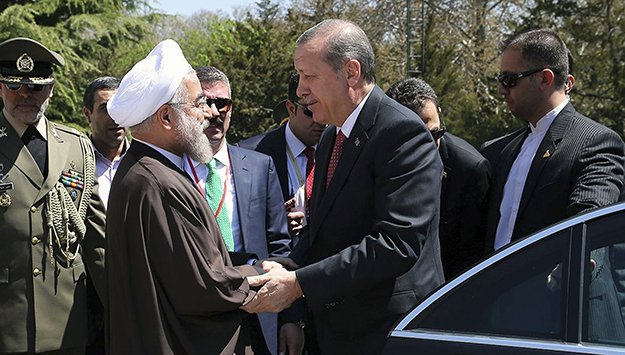
Turkey’s Balancing Act between Iran and Saudi Arabia
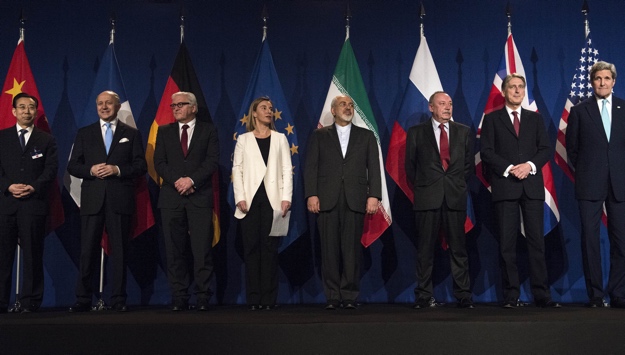
Turkish Foreign Minister Mevlut Cavusoglu, reiterating Turkey’s support for a diplomatic solution over the use of force regarding Iran’s nuclear program, welcomed the interim deal between Tehran and the world powers. Turkey’s slowing economy may be among the first to reap economic benefits from the deal, and Ankara’s longtime quest to become an energy hub could finally be realized. Yet the deal could also pose a challenge to Ankara’s Iraq and Syria policies and its recent rapprochement with the Saudis.
The Middle East in China’s Silk Road Visions: Business as Usual?
Chinese President Xi Jinping’s 2013 proclamation of the Silk Road Economic Belt (“One Belt, One Road”) and Twenty-First Century Maritime Silk Road initiatives provided an overarching framework for understanding China’s strategic priorities over the coming decade. The land-based and sea-based Silk Roads will link Asia and Europe via the Middle East and Central Asia through a series of transcontinental railroads, pipelines, ports, airports, and other infrastructure projects.
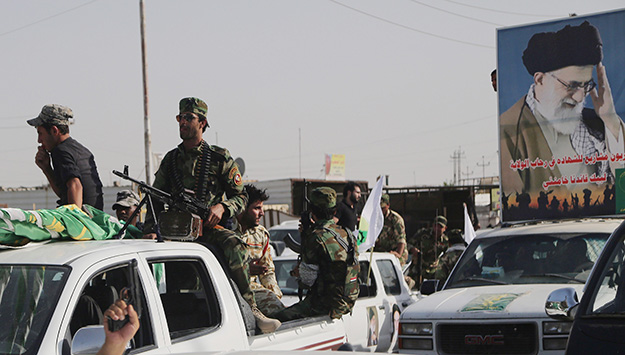
The Hashd: Redrawing the Military and Political Map of Iraq
Al-Hashd al-Sha‘bi—also known as the Popular Mobilization Units, the Shi‘i militias, or simply “the Hashd”—has joined Iraqi security forces and the Kurdish peshmerga to spearhead Iraq’s ongoing offensive against ISIS. The coordinated assault has scored significant successes in various parts of Diyala, Babil, and Salah al-Din, including the recapture of Tikrit. With this string of recent triumphs, the Hashd has provided a potent rallying point for a reinvigorated sense of Iraqi nationalism, albeit one with distinctly Shi‘i overtones.
In the past four decades, the greatest achievements of American diplomacy were probably the Camp David Accords and the Dayton Agreement. Camp David led to the end of the perpetual state of war between Israel and Egypt. Dayton ended the carnage of the war in the Balkans.
Robert Baer’s See No Evil presents a firsthand account of the life of a CIA case officer in the war on terror. From recruiting agents in the volatile Bekaa Valley in Lebanon to wiretapping Abu Nidal students in France, Baer provides a fascinating description of his CIA service.
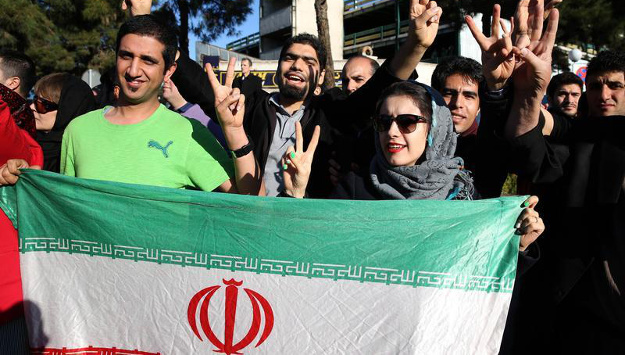
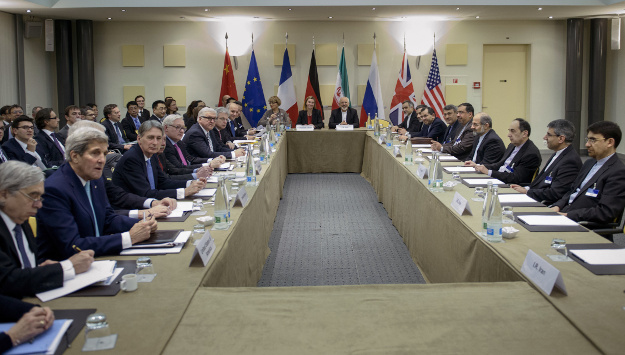
Iran’s foreign minister, Javad Zarif, was on his way back to Tehran from Lausanne as accolades began to pile up. At the airport, he received a rapturous reception, as if the Team Melli, Iran’s national soccer team, had beat Germany.
Will the Nuclear Deal Help or Harm Regional Stability?
As the United States and other world powers pursued nuclear negotiations with Iran over the past 18 months, the Middle East descended into one of the worst periods of chaos and proxy conflict in its modern history, with Iran engaged aggressively in many of the region’s hotspots. Most leaders in the region fear that a nuclear deal with Iran will abet its aggressive interventionism and lead to further geopolitical and sectarian confrontation. But could the agreement—if it is completed—also create conditions for rebuilding stability?
March 24, 2015: Alex Vatanka, senior fellow at The Middle East Institute, discusses the mood in Tehran as the deadline for negotiations approaches, the state of U.S.-Iranian relations, and what reaching a deal could mean to that relationship and the Arab world, in a brief interview.
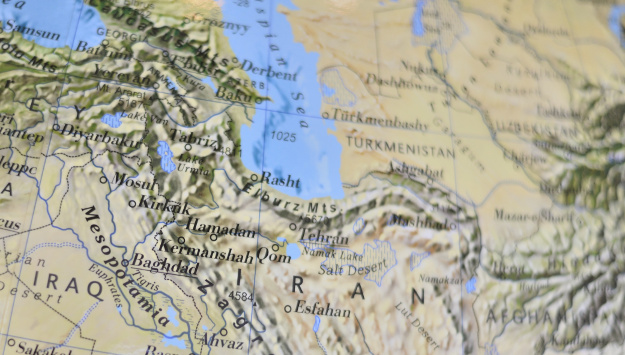
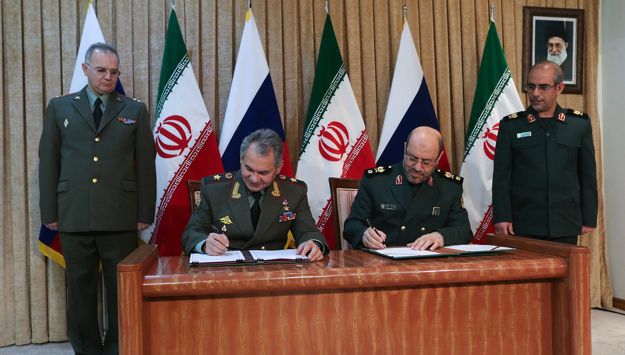
President Hassan Rouhani’s recent trip to Turkmenistan cannot be dismissed as a one-off. Since coming to office in August 2013, the Rouhani administration has prioritized relations with the Muslim states of the former Soviet Union. Given the potential for economic ties and trade, Tehran’s aspirations are fully understandable.
When the Houthis, a Shia rebel group in Yemen, forced the country’s pro-Western president, Abed Rabbo Mansour Hadi, to flee the capital this past January, many in the region concluded that another Arab state had fallen into Tehran’s lap—a result, as one prominent commentator put it, of Iran’s “offensive state, the likes of which we have not seen in modern history.”
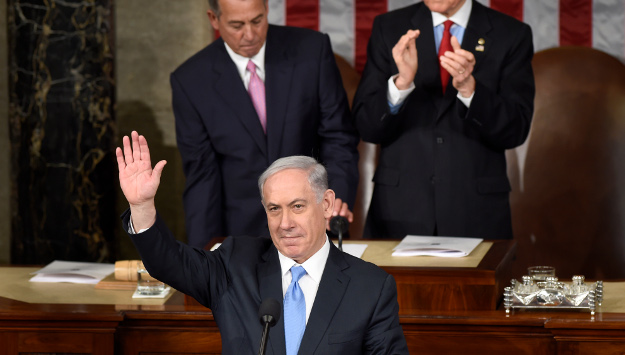
Israeli Prime Minister Benjamin Netanyahu has come to the United States, spoken his piece and returned home to Israel to finish campaigning for the March 17 elections. Netanyahu’s visit to Washington was neither the triumph he expected nor the disaster forecast by opponents of the visit. Indeed, the visit shed no new light on the supposedly central issue of the day: the state of play in the Iran negotiations.
The Middle East is experiencing unprecedented upheaval, and by all indications the region is likely to remain in turmoil for the foreseeable future. From Yemen to Bahrain to Syria and Lebanon, the sectarian agendas and geopolitical maneuverings of the two regional heavyweights – Iran and Saudi Arabia – will likely remain the key drivers fueling the regional fire.

 Robert Baer’s See No Evil presents a firsthand account of the life of a CIA case officer in the war on terror. From recruiting agents in the volatile Bekaa Valley in Lebanon to wiretapping Abu Nidal students in France, Baer provides a fascinating description of his CIA service.