This paper is part of an MEI scholar series, titled “Obama’s Legacy in the Middle East: Passing the Baton in 2017.” Click here to view the full project, or navigate using the table of contents to the right.
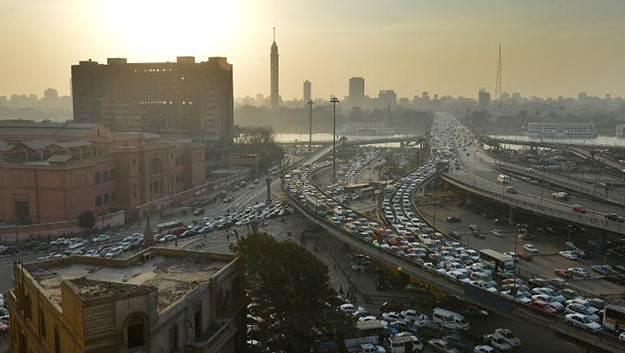
Cairo’s Ring Road, a peripheral highway linking the city’s core to surrounding districts, is an eight-lane free-for-all, with cars, buses, and overloaded trucks weaving randomly at high speeds. “I for one consider it to be an off-road, not a highway,” says Mahmoud Mostafa Kamal, editor of the online Arabic-language automotive magazine, el-Tawkeel (The Dealership).
This paper is part of an MEI scholar series, titled “Obama’s Legacy in the Middle East: Passing the Baton in 2017.” Click here to view the full project, or navigate using the table of contents to the right.
This paper is part of an MEI scholar series, titled “Obama’s Legacy in the Middle East: Passing the Baton in 2017.” Click here to view the full project, or navigate using the table of contents to the right.
Egypt’s War on Terror: ISIS, President Sisi, and the U.S.-led Coalition
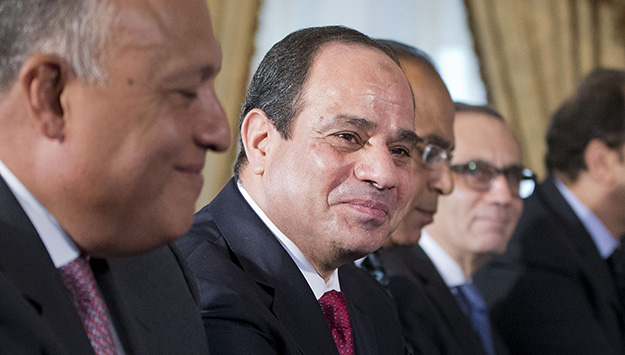
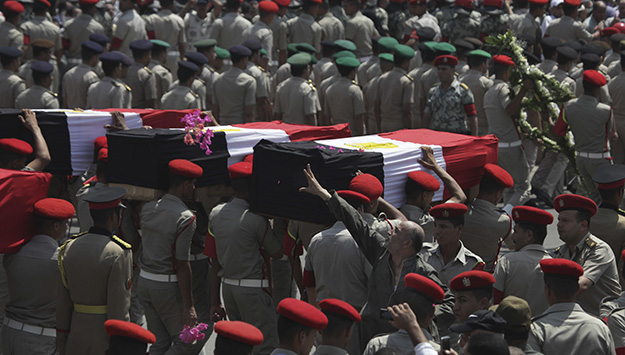
As the war against ISIS rages in Syria and Iraq, Egypt is fighting its own war on terror. On October 24, the Sinai Peninsula witnessed the deadliest attack on Egypt’s military in years. Twenty-eight soldiers were killed and another 30 injured when a car bomb exploded at the Karm al-Qawadis security checkpoint in Sheikh Zuweid in North Sinai.
Iranian women have long been in a cat-and-mouse game with the interpretation and enforcement of many aspects of Islamic law, but most especially the hijab. Since 1983, when the first written law was passed, the Islamic Republic has made it officially mandatory for women to wear the headscarf and loose clothing, with punishment for failing to comply ranging from lashes to imprisonment. Even before the law was passed, just a few strands of hair outside the scarf would not be tolerated.
Contemporary Patterns in Transregional Islam: Indonesia’s Shi‘a
Representing about 1% of the country’s 200 million Muslims, Indonesia’s Shi‘a are but a small group in the overwhelmingly Sunni majority. These contemporary communities of devotees of the ahl al-bayt (“people of the house,” referring to the Prophet Muhammad, his daughter Fatima, her husband ‘Ali, and their sons Hasan and Husayn) explain their identities, albeit with differences, in transregional terms. Recently, this transregional focus has turned from South Asia toward the Islamic Republic of Iran.
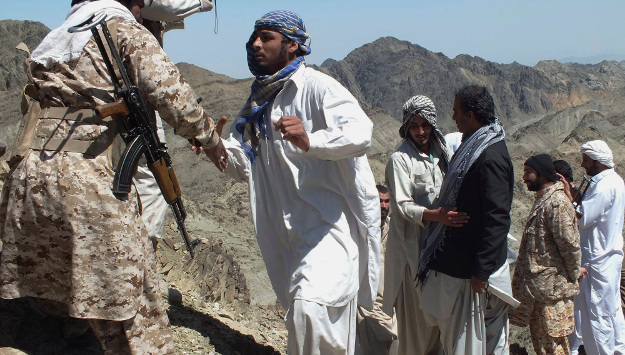
There have been a number of rounds of border skirmishes between Iran and Pakistan since the first week of October. However, reports that Pakistani forces have returned mortar fire is highly unusual and represents an increase in tensions that have marred this region for years.
Q&A with Hala Shukrallah, President of Egypt's Al-Dostour Party
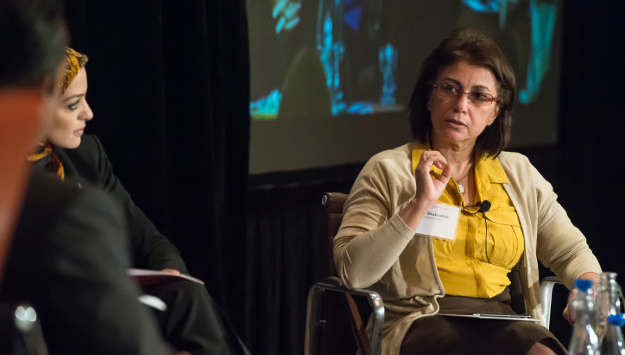
Hala Shukrallah, president of Egypt’s Al Dostour (Constitution) Party, spoke with MEI about the party’s preparations for upcoming parliamentary elections, its legislative agenda, and the challenges it will face in Parliament.See more of her comments at this year’s Egypt Conference.
Q: How has the Dostour party been preparing for the upcoming parliamentary elections?
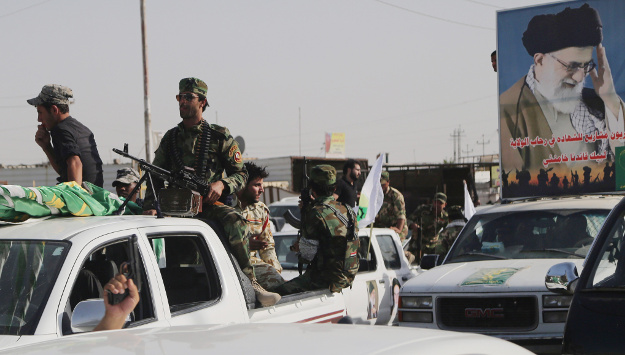
The conventional wisdom in Washington is that Tehran regards Sunni-jihadist movements as ideologically incompatible rivals. This is not surprising, as the bulk of Sunni-jihadist literature makes it clear that Shia-majority Iran is considered to be the embodiment of apostasy. To most Sunni jihadists, including those from ISIS, Iran is an archenemy surpassing both Israel and the United States.
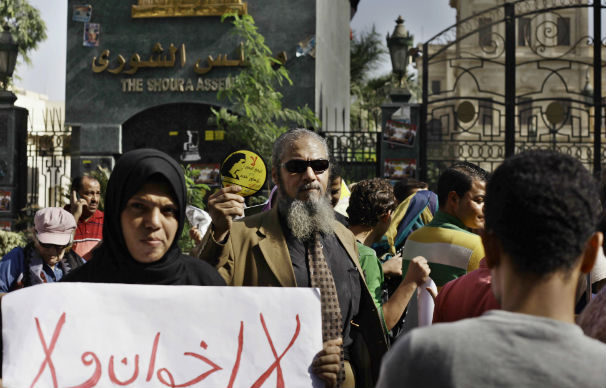
Most of Egypt’s newly created secular political parties have complained bitterly about the Parliament Election Law, which former Interim President Adly Mansour rushed to approve in his last day in office, before handing over power to newly-elected President Abdel Fattah el-Sissi.
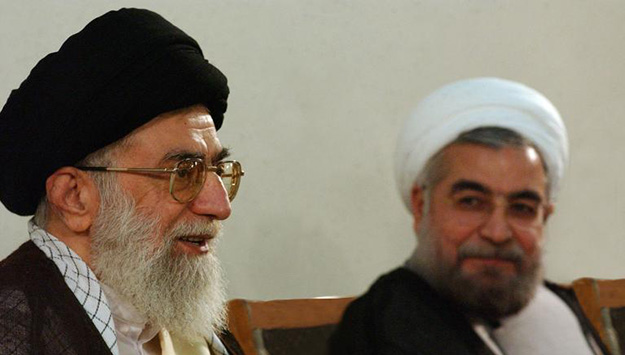
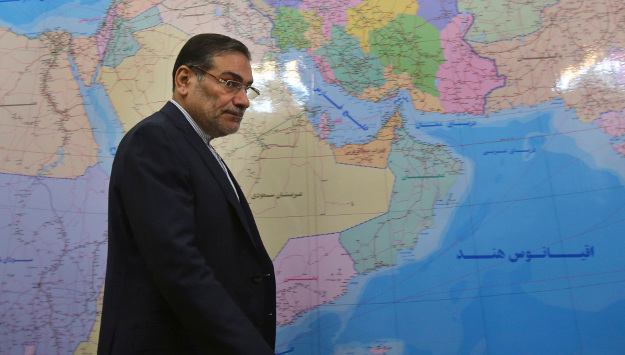
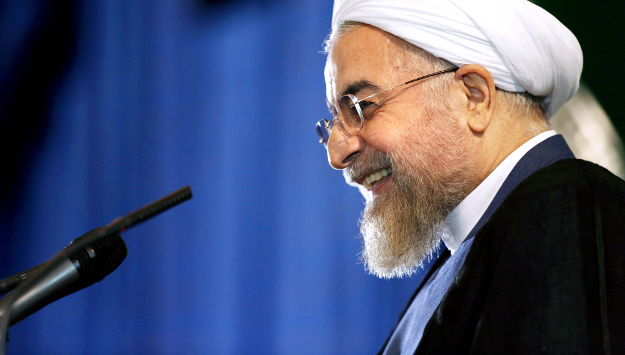
After a year of hesitation, Iranian president Hassan Rouhani is signaling his readiness to reach out to Tehran’s chief regional rival—Saudi Arabia. Last week, a top official was sent to Riyadh; he was the most senior Iranian visitor to the country since Rouhani’s election in June 2013.