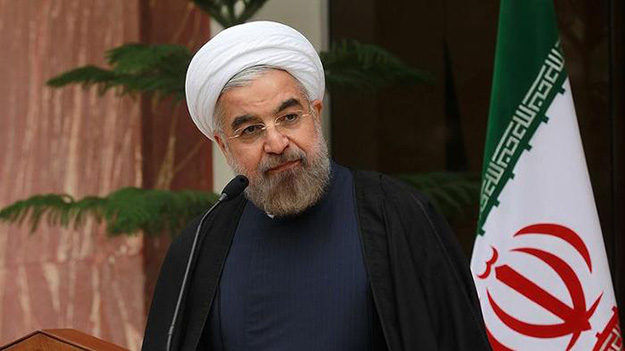
Earlier this week, Iran and world powers reached a deal in which Iran will curb its nuclear program for six months in exchange for a drop in some sanctions. MEI spoke with one of its experts, Alex Vatanka, to gain an understanding of how hardliners in Iran are reacting to the deal as well as other internal dynamics in the Islamic Republic.
How have hardliners in Iran, such as the Revolutionary Guards, responded to the news of the interim agreement?
Turkey-Pakistan Security Relations since the 1950s
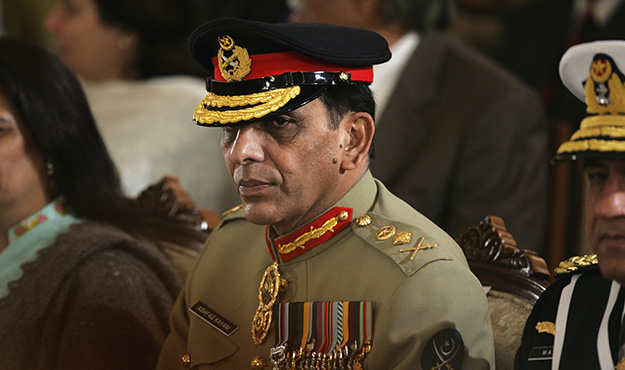
The initial impulse for Pakistan and Turkey to pursue security cooperation stemmed from their common opposition to Communism in the 1950s. Over the past decade, Pakistan and Turkey have once again sought to cooperate in the security sphere, this time in countering terrorism and ensuring stability in Afghanistan.
The Iran Nuclear Deal: Risks and Opportunities for the Region
The nuclear deal with Iran, though still temporary and tentative, is ushering in a historic shift in the patterns of power, conflict, and diplomacy in the region. Like all historic shifts, it is laden with uncertainty and risk of new conflicts, but also carries with it potential opportunities for further diplomacy and finding common ground. Given the precedent of conflict and mistrust in the region, it is no surprise that the deal has raised concerns among many of America’s allies.
The Tortuous Route of the U.S.-Afghan Security Pact
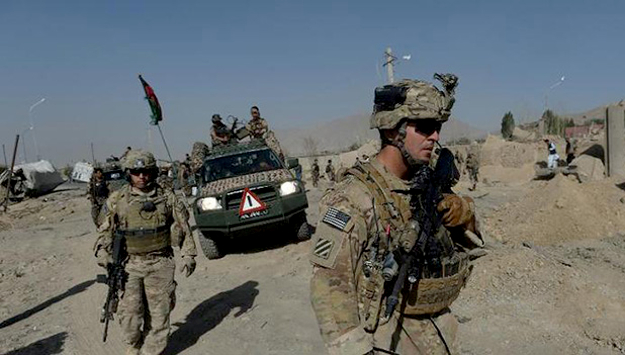
Yesterday, the United States and Afghanistan completed a bilateral security pact ensuring that U.S. troops will remain in the country. It now goes to a council of elders—the loya jirga—for authorization. MEI spoke with Scholar-in-Residence Marvin Weinbaum about the pact’s sticking points, next steps for its approval, and what each country gains from the agreement.
What does the U.S.-Afghan security pact stipulate?
Earlier today, double explosions near the Iranian embassy in Beirut killed at least 23, including an Iranian diplomat. The Abdullah Azzam Brigades, an Islamist group with links to al-Qa`ida, took responsibility for the attack. MEI sat down with its Vice President for Policy and Research, Paul Salem, to discuss the significance of the bombings in Lebanon as well as their regional and global implications.
Tell us about the bombing and the group that claimed responsibility for it.
Iran-India relations are far-reaching and multidimensional. However, a variety of issues, including the upheaval in the Middle East and North Africa, U.S and Israeli influence over the region, Iran-Israel belligerence, and terrorism all constrain bilateral diplomacy.
A Discussion with Ken Pollack, Author of Unthinkable
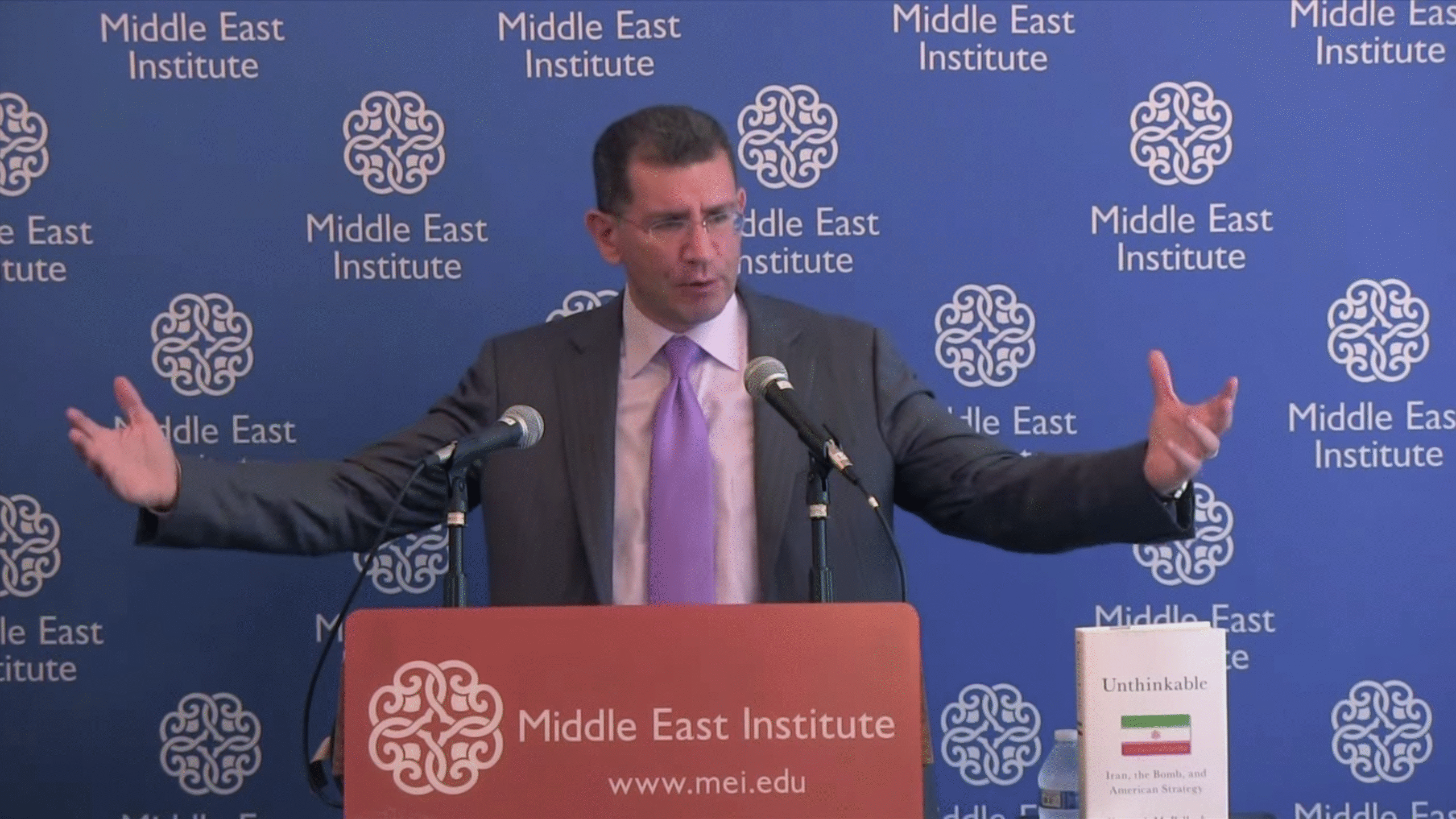
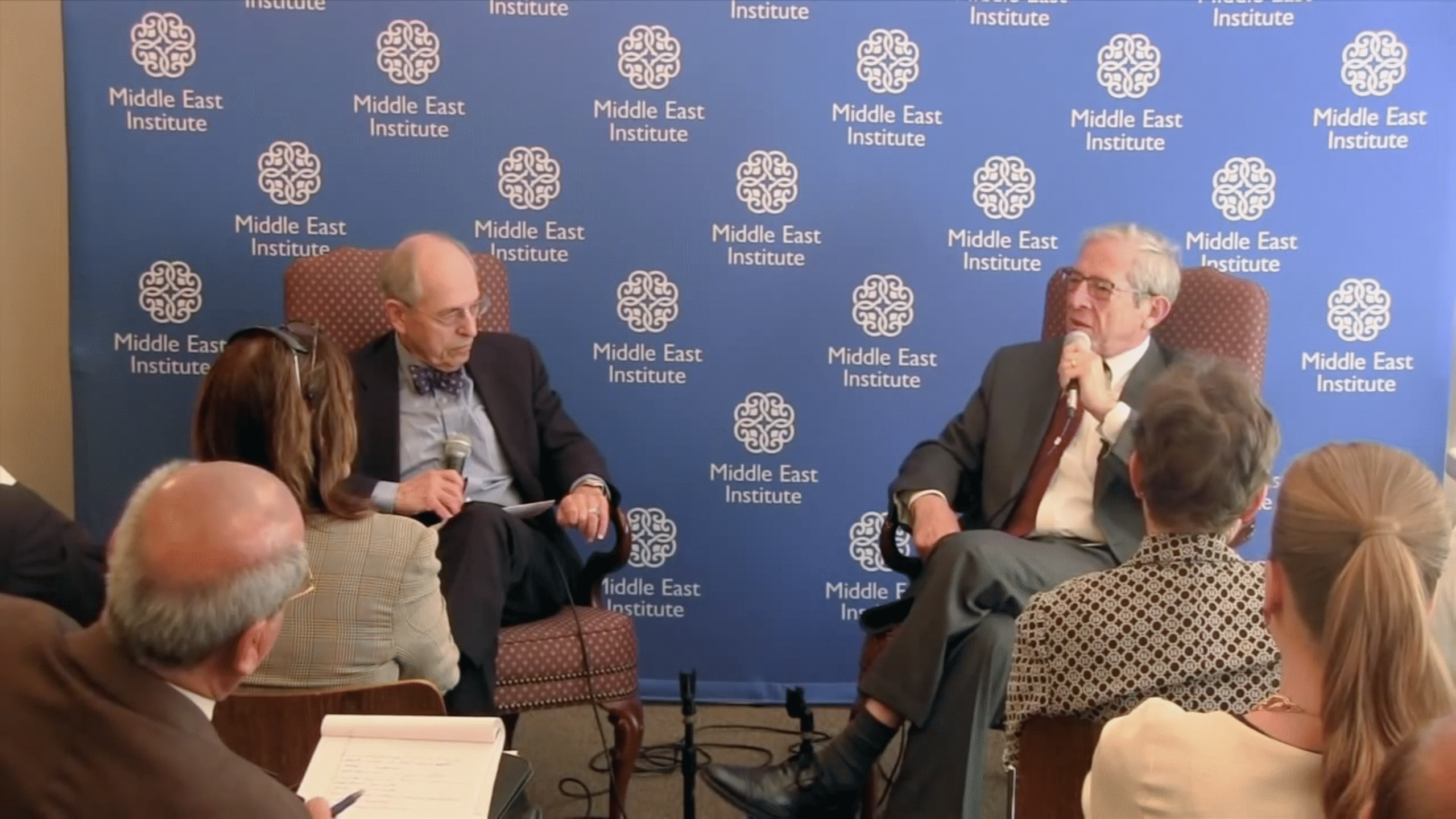
On Wednesday, October 16, 2013, the Middle East Institute hosted author and Brookings senior fellow Ken Pollack for a discussion of his book, Unthinkable: Iran, the Bomb, and American Strategy(Simon & Schuster, 2013). In his latest work, Pollack explores the protracted tensions underlying the U.S.-Iranian relationship, how it evolved to its current status, and how the U.S. should best address Iran’s nuclear ambitions.
A Discussion with Ken Pollack, Author of Unthinkable
The Middle East Institute is proud to host author and Brookings senior fellow Ken Pollack for a discussion of his book, Unthinkable: Iran, the Bomb, and American Strategy (Simon & Schuster, 2013). In his latest work, Pollack explores the protracted tensions underlying the U.S.-Iranian relationship, how it evolved to its current status, and how the U.S. should best address Iran’s nuclear ambitions.
In C.S. Lewis’ fantasy land of Narnia, the white witch put a spell on her realm to ensure that there would be perpetual winter and that Christmas would never come. For 34 years American-Iranian relations have been similar: a long, hard freeze unbroken by any cracks or signs of thaw.
Author Stephen Cohen on the India-Pakistan Conundrum
The Middle East Institute is proud to host author and Brookings senior fellow Stephen P. Cohen for a reading and discussion of his book, Shooting for a Century: The India-Pakistan Conundrum (Brookings Institution Press, 2013). In his latest book, Dr. Cohen explores one of the most intractable conflicts in modern history and examines the parallels with the ongoing Israeli-Palestinian conflict, observing how nuclear weapons, minority and victim psychology, and outside powers come into play in both regions. Widely regarded as one of America’s foremost experts on South Asian affairs, Dr.
A Discussion With Stephen Cohen, Author of Shooting for a Century: The India-Pakistan Conundrum
The Middle East Institute is proud to host author and Brookings senior fellow Stephen P. Cohen for a reading and discussion of his book, Shooting for a Century: The India-Pakistan Conundrum (Brookings Institution Press, 2013). In his latest book, Dr. Cohen explores one of the most intractable conflicts in modern history and examines the parallels with the ongoing Israeli-Palestinian conflict, observing how nuclear weapons, minority and victim psychology, and outside powers come into play in both regions. Widely regarded as one of America’s foremost experts on South Asian affairs, Dr.
Assessing the Past, Informing the Future: U.S. Aid Policy in Afghanistan & Pakistan
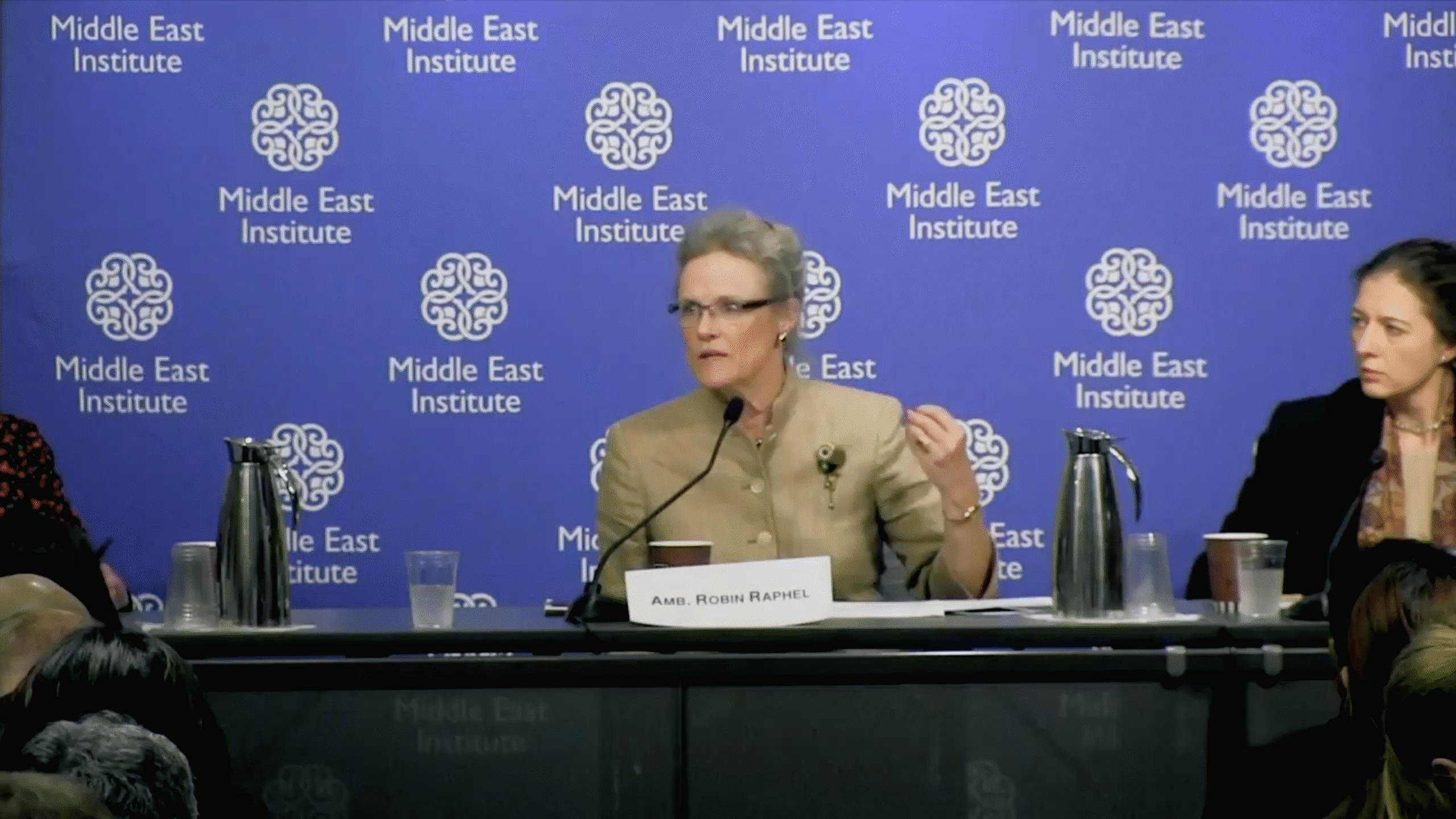
The Middle East Institute is pleased to welcome Vanda Felbab-Brown, senior fellow with the Center for 21st Century Security and Intelligence in the Foreign Policy program at Brookings, independent consultant Polly Nayak, Amb. Robin Raphel, U.S. Coordinator for Non-Military Assistance to Pakistan, and Alex Thier, assistant to the Administrator for Policy, Planning, and Learning at USAID, for a panel discussion examining how the US can contribute to the stability of post-2014 Afghanistan and Pakistan through economic and development assistance.
Assessing the Past, Informing the Future: U.S. Aid Policy in Afghanistan & Pakistan
Thu, 9/19/2013 12:00 pm to 1:30 pmThe Middle East Institute is pleased to welcome Vanda Felbab-Brown, senior fellow with the Center for 21st Century Security and Intelligence in the Foreign Policy program at Brookings, independent consultant Polly Nayak, Amb. Robin Raphel, U.S. Coordinator for Non-Military Assistance to Pakistan, and Alex Thier, assistant to the Administrator for Policy, Planning, and Learning at USAID, for a panel discussion examining how the US can contribute to the stability of post-2014 Afghanistan and Pakistan through economic and development assistance.