Iran Tells British Woman to Keep Toddler in Jail or Lose Custody
Iranian officials have told a British-Iranian mother held in Tehran’s notorious Evin Prison that she should either keep her toddler with her in jail or give up custody.
Saudi Female Conservationist Fights to Preserve Islamic Heritage
The Middle East’s descent into chaos has been accompanied by a growing threat to the region’s historic sites. The breakdown of states and growth in extremism have exposed these ancient sites to looting and destruction. The drivers, however, are varied. Extremist groups like ISIS profit from the smuggling of antiquities, but there are also religious motivations. Extremist movements such as ISIS and al-Qaeda, which adhere to a strictly puritanical view of Islam, perceive heritage sites, including Islamic, as a sinful distraction from faith.
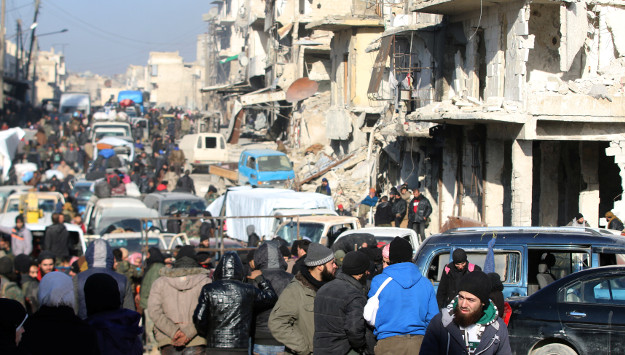
The Iranian media reports that the evacuation of Syrian rebels and civilians from eastern Aleppo has come to an end, and that the entire city is now under the control of the Syrian army.
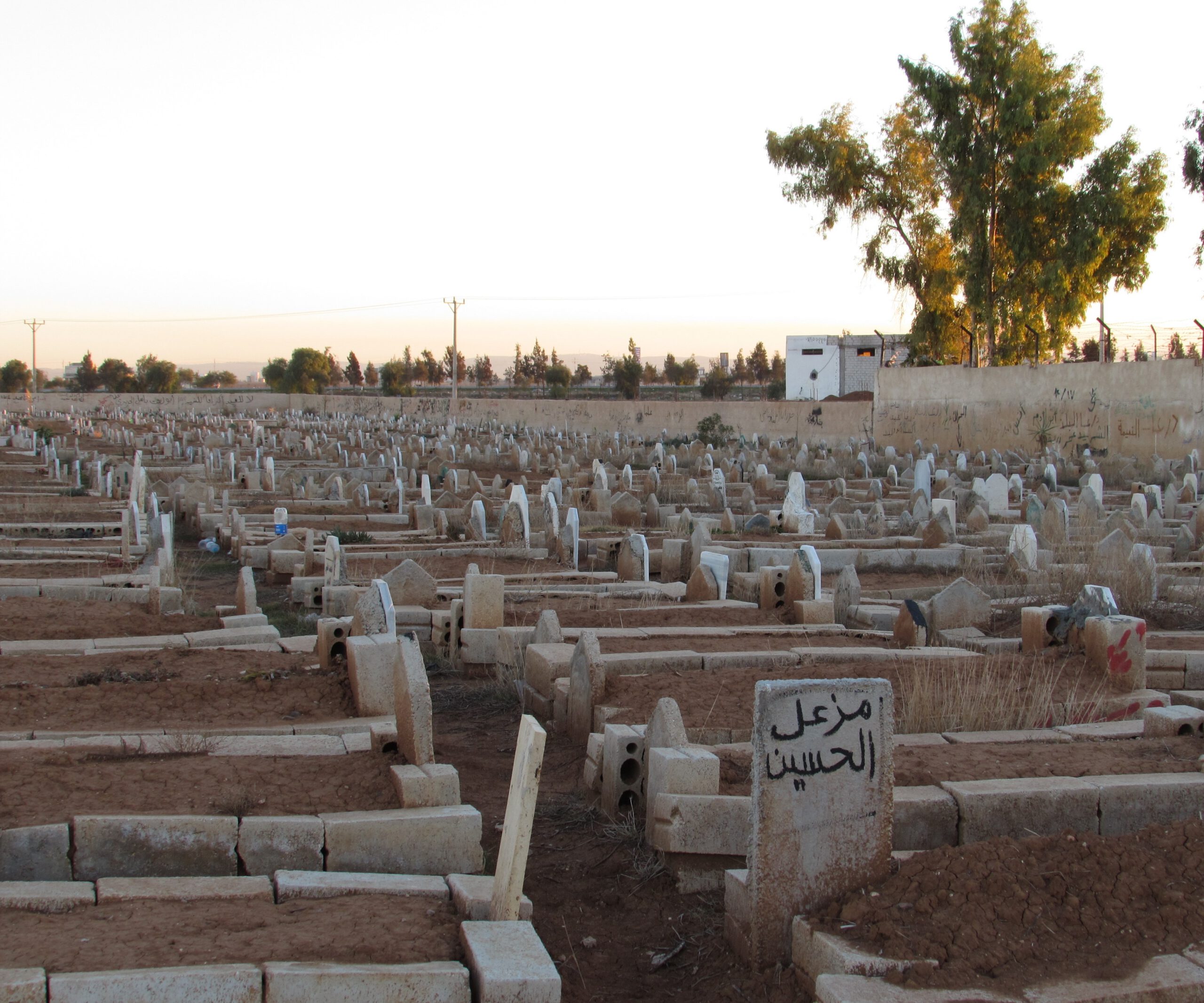
For the Assad regime in Damascus, displacement has become an essential tactic in shaping the terms of its encounter with dissent, alongside violence and detention. At the same time, the process of displacement has not unfolded in a coherent or predictable manner. Rather, displacement in the Syrian conflict is a product of choices, chief among them the regime’s choice to erase, rather than accommodate, political Opposition in Syria. It is also the result of how the Opposition responds to these challenges. This essay explores how Opposition networks have adapted pragmatically to displacement and exile. Far from accepting the terms of the conflict passively, Syria’s diverse opposition continues to mobilize in the face of ongoing state oppression.
Iran Shows No Concern for Safety of Civilians in Aleppo
A senior Iranian security official has slammed a United Nations Security Council resolution that calls for international observers to monitor the evacuation of civilians trapped in the besieged Syrian city of Aleppo.
Iranian Official Admits Role in Syria’s Destruction
A top Iranian official admitted on December 21 that Tehran and Moscow shared a base in Syria to coordinate their military support for the country’s embattled President Bashar al-Assad.
Rouhani Trying to Woo Voters with Empty Human Rights Slogans
On December 19, Iranian President Hassan Rouhani unveiled a “Citizens’ Rights Charter” that he promised would guarantee Iranians’ individual rights and civil liberties.
In a speech published in the Iranian media, Rouhani called on relevant authorities to ensure that all Iranian citizens enjoy personal security and freedom, have access to fair trial and justice, are not subjected to forced confessions, are immune from illegal intrusions into their privacy, and are not persecuted for religious beliefs.
The Islamic Revolutionary Guards Corps (IRGC) has claimed that its engineers are tasked to repair the Mosul Dam, Iraq’s largest dam that generates hydroelectricity and provides water for agricultural irrigation in Nineveh Governorate.
Hailing the IRGC’s scientific capabilities and non-military expertise, General Salar Abnoush, the deputy head of IRGC’s construction conglomerate Khatam al-Anbiya Construction Base, said that the company was busy “repairing cracks in Mosul Dam to prevent the complete inundation of the Iraqi cities of Samarra, Mosul and Kadhimiya.”
Iran-led Militia Forces Planning to Seize Iraq’s Tal Afar
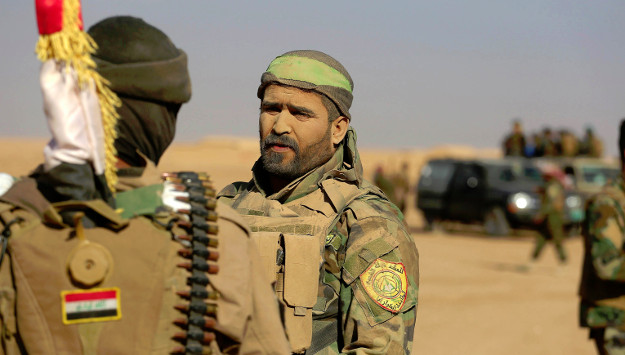
On December 20, a senior commander of an Iran-run Popular Mobilization Forces (PMF) unit in Iraq said the militia forces were stationed within three kilometers of Tal Afar city and were awaiting for an order from Baghdad to enter the city center.