This piece was originally published by Reuters on January 3, 2013 under the title Will This Be the Year That Israel Goes to War with Iran?
Assertions and opinions in this publication are solely those of the above-mentioned author(s) and do not necessarily reflect the views of the Middle East Institute, which expressly does not take positions on Middle East policy.
Israel did not bomb Iran last year. Why should it happen this year?
China and the Middle East: Rising Power and a Region in Turmoil
China and the Middle East: Rising Power and a Region in Turmoil Featuring:Dr. Yitzhak Shichor, Professor of political science and Asian studies, University of Haifa Dr. Dawn Murphy, Princeton-Harvard China and the World Postdoctoral Fellow Moderated by: Sam Chester, Masters candidate in China and the Middle East studies, Johns Hopkins University’s School of Advanced International Studies Tuesday, December 4, 201212:00-1:30pm Middle East InstituteBoardman Room1761 N Street, NWWashington D.C., 20036 This program features three experts on China’s relations with the Middle East.
China and the Middle East: Rising Power and a Region in Turmoil
China and the Middle East: Rising Power and a Region in Turmoil Featuring:Dr. Yitzhak Shichor, Professor of political science and Asian studies, University of Haifa Dr. Dawn Murphy, Princeton-Harvard China and the World Postdoctoral Fellow Moderated by: Sam Chester, Masters candidate in China and the Middle East studies, Johns Hopkins University’s School of Advanced International Studies Tuesday, December 4, 201212:00-1:30pm Middle East InstituteBoardman Room1761 N Street, NWWashington D.C., 20036 This program features three experts on China’s relations with the Middle East.
China and the Middle East: Rising Power and a Region in Turmoil
China and the Middle East: Rising Power and a Region in Turmoil Featuring:Dr. Yitzhak Shichor, Professor of political science and Asian studies, University of Haifa Dr. Dawn Murphy, Princeton-Harvard China and the World Postdoctoral Fellow Moderated by: Sam Chester, Masters candidate in China and the Middle East studies, Johns Hopkins University’s School of Advanced International Studies Tuesday, December 4, 201212:00-1:30pm Middle East InstituteBoardman Room1761 N Street, NWWashington D.C., 20036 This program features three experts on China’s relations with the Middle East.
China and the Middle East: Rising Power and a Region in Turmoil
China and the Middle East: Rising Power and a Region in Turmoil Featuring:Dr. Yitzhak Shichor, Professor of political science and Asian studies, University of Haifa Dr. Dawn Murphy, Princeton-Harvard China and the World Postdoctoral Fellow Moderated by: Sam Chester, Masters candidate in China and the Middle East studies, Johns Hopkins University’s School of Advanced International Studies Tuesday, December 4, 201212:00-1:30pm Middle East InstituteBoardman Room1761 N Street, NWWashington D.C., 20036 This program features three experts on China’s relations with the Middle East.
Based on the concerned parties’ positions recently expressed on the issue and relevant discussions by Iran experts in Washington, there seems to be numerous policy indications pertaining to Iranian nuclear development. The followings are the key points:
Iran’s Abuse of its Own People a Humanitarian Catastrophe
This article was first published by iPolitics.ca on October 15, 2012
Assertions and opinions in this publication are solely those of the above-mentioned author(s) and do not necessarily reflect the views of the Middle East Institute, which expressly does not take positions on Middle East policy.
Introduction to Iraq's Refugees and IDP Crisis: Human Toll and Implications
Originally posted July 2008
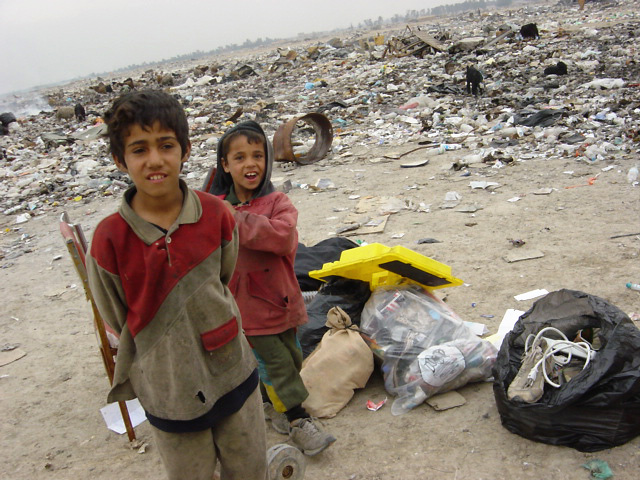
In the comparatively short time since the establishment of the Iraqi state in 1920, the country has experienced successive waves of forced migration. Yet the magnitude of the forced displacement of Iraqis from their homes since 2003 is unprecedented. In addition to the still dire humanitarian situation are the potentially far-reaching negative implications of the refugee/IDP crisis for the future of Iraq and the Middle East as a whole.
Iraq’s Internally Displaced Persons (IDPs) Scale, Plight, and Prospects
Originally posted July 2008
Over the past several decades, and especially in the past two years, Iraq has suffered from one of the worst displacement crises in the world.
While new displacement has slowed to a trickle in 2008, the conditions of those already displaced continue to deteriorate, and prospects for those returning to their homes are grim. The plight of internally displaced Iraqis and those who have crossed international borders in search of refuge remains largely unknown and unaddressed.
This article was first published by Jane’s Islamic Affairs Analyst.
Assertions and opinions in this publication are solely those of the above-mentioned author(s) and do not necessarily reflect the views of the Middle East Institute, which expressly does not take positions on Middle East policy.
Iran’s President Mahmoud Ahmadinejad had high hopes for the visit to Tehran by new Egyptian President Mohamed Morsi. His trip on Thursday for the Non-Aligned Movement (NAM) summit might have been brief — his spokesman emphasized ahead of time that he would spend only four hours on Iranian soil, including getting stuck in traffic — but Iran’s leaders relished the opportunity to demonstrate progress in overcoming its isolation in the Arab world and to gain some democratic and revolutionary legitimacy by proxy.