This text has been translated by AI and may contain errors.
Skip to Content

Research & Commentary Results

Filter by
2964 Results
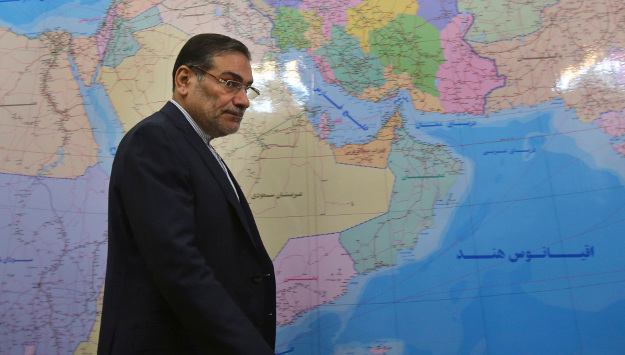
Prospects for U.S.-Iran Relations on the Nuclear Issue in the Year Ahead
Middle East Institute
  • Analysis
  • Prospects for U.S.-Iran Relations on the Nuclear Issue in the Year Ahead

    Principal Authors: Allen Keiswetter and Roby Barrett

    Contributing MEI Scholars and Guests:

    Geneive Abdo, Reza Akbari, Roby Barrett, Charles Dunne,Philip Frayne, George Harris, Mark N. Katz (George Mason University), Allen Keiswetter, David Mack, Melissa Mahle (C&O Resources), Richard Murphy, Greg Myre, Michael Ryan, Paul Scham, Daniel Serwer, Alex Vatanka, Marvin Weinbaum, Wayne White, Philip Wilcox, Molly Williamson

    August 1, 2012

    Saudi Professor Faces Charges After Fighting for Free Speech
    Middle East Institute
  • Analysis
  • Saudi Professor Faces Charges After Fighting for Free Speech

    This Opinion was first published on Al-Monitor.com on June 28, 2012

    What are the limits of free speech and open dissent in the Kingdom of Saudi Arabia? They are often unclear and seemingly arbitrary, but there is no doubt that Dr. Mohammad al-Qahtani, a professor and activist, went well beyond them, and he knew it. He was hardly surprised when Saudi prosecutors, finally fed up with his vociferous denunciations of the regime, hit him with a long list of criminal charges. He had predicted it, and in the context of Saudi Arabia, he was asking for it.

    July 2, 2012

    Saudi Arabia Moves Closer to A New Generation of Leaders
    Middle East Institute
  • Analysis
  • Saudi Arabia Moves Closer to A New Generation of Leaders

    This Opinion first appeared in Al-Monitor on June 16, 2012

    The death Saturday (June 16) of Saudi Crown Prince Nayef bin Abdul Aziz is likely to have little short-term impact on the economic or political life of the kingdom or on its international relations. But it does accelerate the inevitable transition to a new generation of rulers who may have very different ideas about how the al-Saud should rule their people, deal with their neighbors and manage the critical relationship with the United States.

    June 18, 2012

    America's Catch-22: The Iran Question in Afghanistan
    Middle East Institute
  • Analysis
  • America's Catch-22: The Iran Question in Afghanistan

    This Opinion first appeared in Frontline.com’s Tehran Bureau on June 13, 2012 and was co-authored by Christina Lin

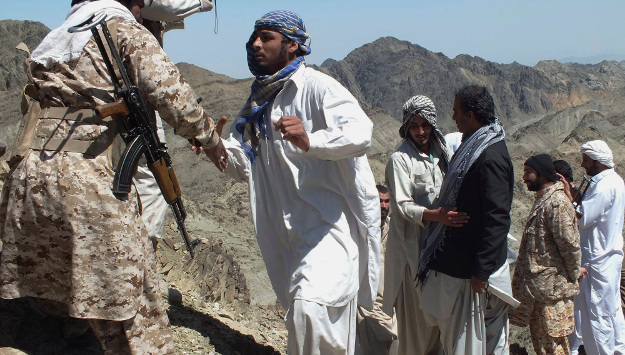
    As U.S. and other NATO troops prepare to leave Afghanistan in 2014, a geopolitical realignment will be under way in Southwest Asia. One possible scenario would outright undermine a principle U.S. policy objective in the region: the containment of Iran.

    'Reality Check' for Iran Nuclear Talks
    Middle East Institute
  • Analysis
  • 'Reality Check' for Iran Nuclear Talks

    This Opinion first appeared on CNN.com on May 21, 2012

    Iran is set for nuclear talks Wednesday with members of the U.N. Security Council, and the Obama administration, as well as some Iranian and European Union officials, expressed optimism that a compromise will be reached. But it is useful to examine Israel’s long-term objectives for a bit of a reality check.

    May 22, 2012

    Saudi Women in a Time of Change
  • Video
  • Saudi Women in a Time of Change

    The Middle East Institute is pleased to host poet, writer and activist Nimah Nawwab for a conversation about Saudi women in an era of unprecedented change in the Middle East. Despite the many advances of the Arab Spring, the region continues to face mounting social, political, and economic challenges. In Nawwab's native Saudi Arabia, these challenges form the basis for her art and activism.

    April 27, 2012

    Understanding Iranian Foreign Policy
  • Analysis
  • Understanding Iranian Foreign Policy

    Originally posted January 2009

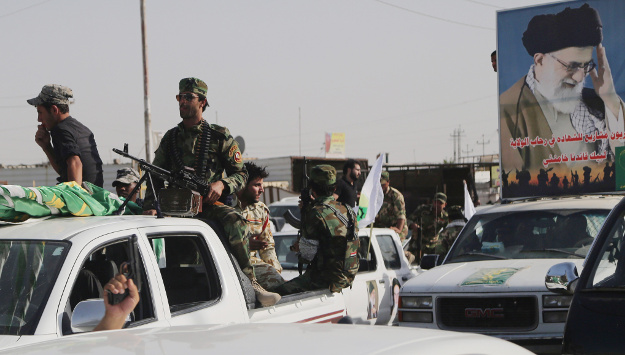
    Understanding Iran’s foreign policy is the key to crafting sensible and effective policies toward Iran and requires, above all, a close analysis of the profound cultural and psychological contexts of Iranian foreign policy behavior.

    April 20, 2012

    Containment: A Viable Strategy for Iran?
  • Video
  • Containment: A Viable Strategy for Iran?

    The Middle East Institute is proud to host Georgetown University professor Paul Pillar for a discussion about Iran and how best to address its nuclear ambitions. Pillar argues that the acceptable range of opinion on Iran has narrowed around the idea that all options, including a military strike, must be pursued to prevent the country from acquiring nuclear weapons. And yet, Pillar argues, if the combination of nuclear talks and sanctions do not yield the outcome the West and Israel seek, containment is preferable to war.

    April 18, 2012