This text has been translated by AI and may contain errors.
Skip to Content

Research & Commentary Results

Filter by
8735 Results
Biden could generate momentum for Israeli-Palestinian peace
  • Analysis
  • Biden could generate momentum for Israeli-Palestinian peace

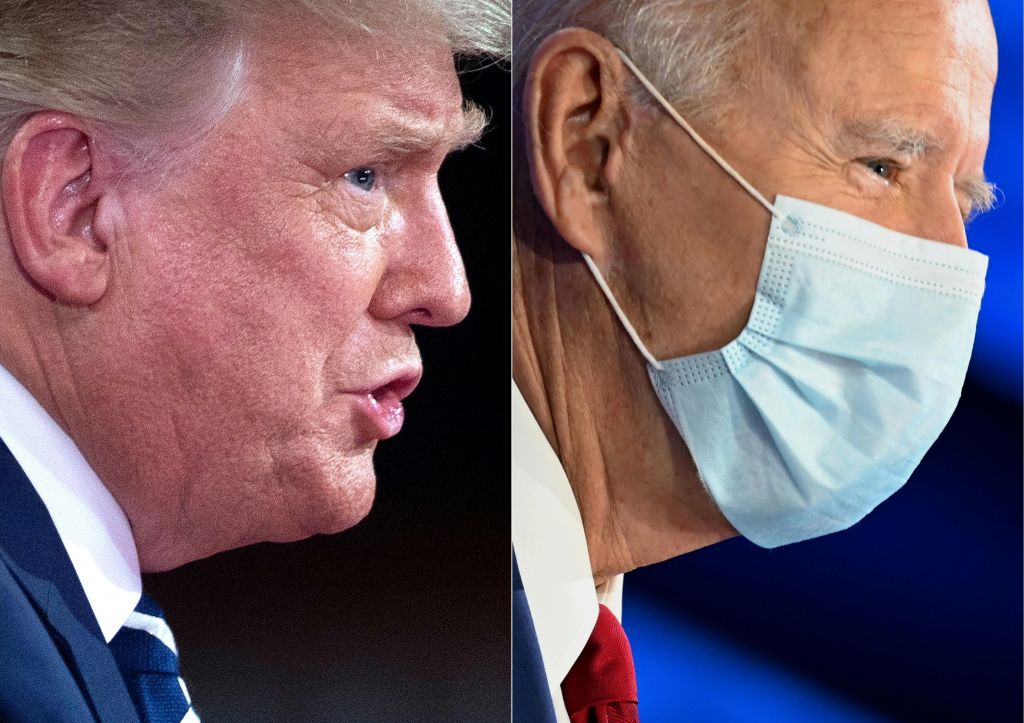
    While the Israeli-Palestinian issue and renewal of negotiations is unlikely to feature prominently on his agenda anytime soon, Biden’s election generates renewed positive momentum.

    November 30, 2020

    Deeds matter most
    Photo by AFP via Getty Images
  • Analysis
  • Deeds matter most

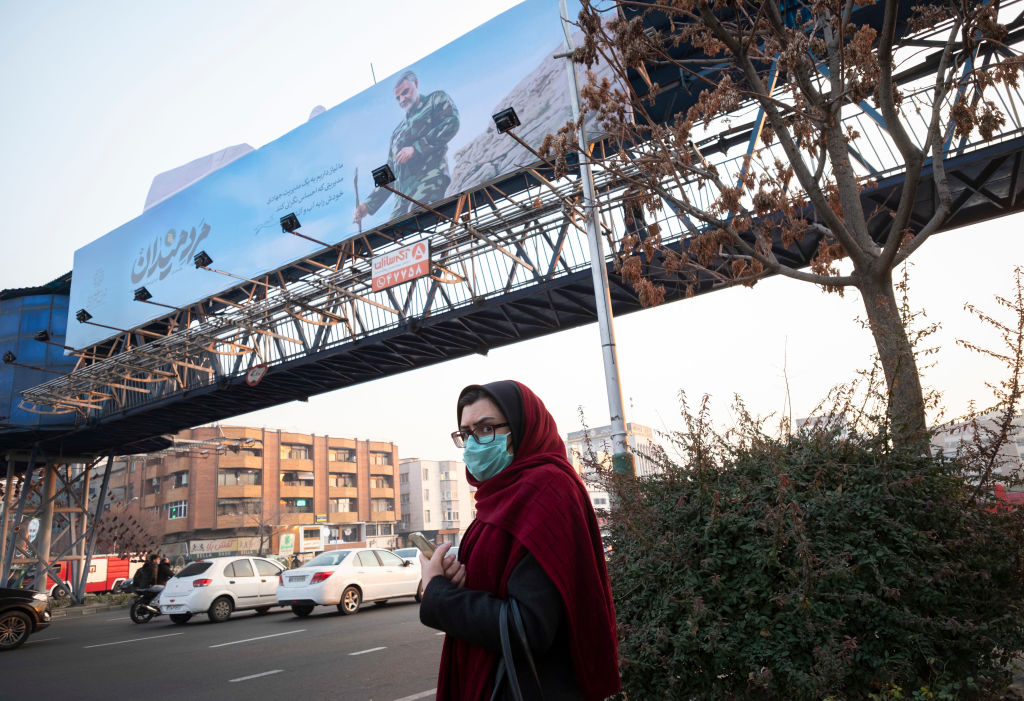
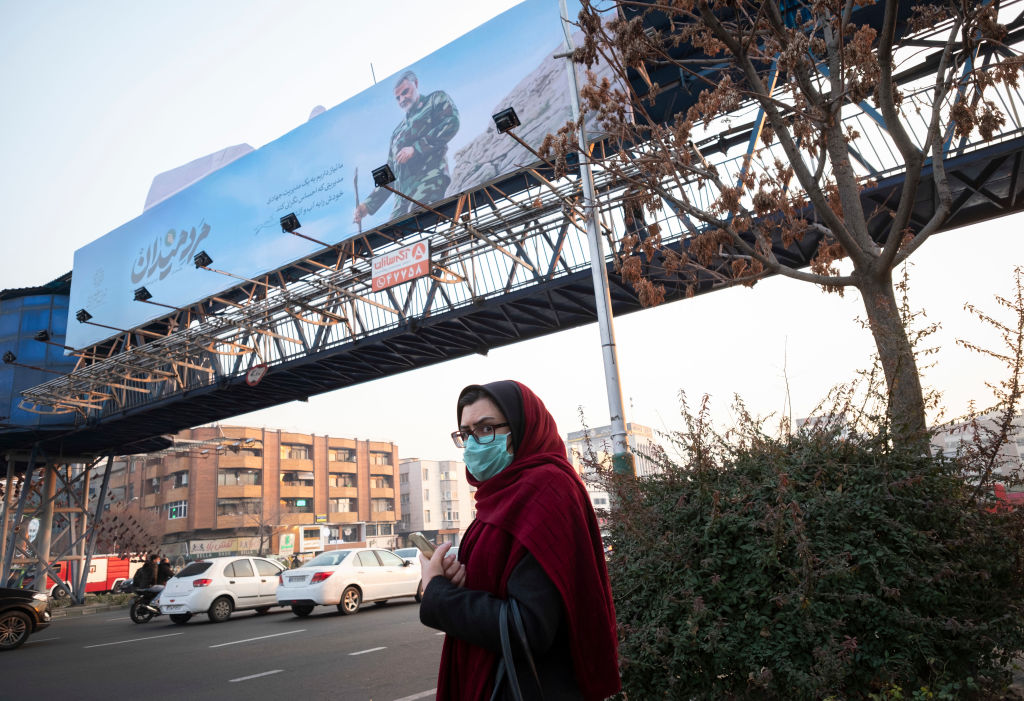
    “Deeds matter most” was the official diplomatic response to Joe Biden’s election from the Islamic Republic’s foreign minister, Javad Zarif. It came in the form of an early morning Tweet, an appropriate medium given the new political norm established in recent years. The statement read like one from a career diplomat urging “dignity, interest, and responsible diplomacy,” based not on empty rhetoric, but on actions — measurable steps that would demonstrate each side’s commitment to “multilateralism, cooperation, respect for law …” Yet the tweet’s author, Mr. Zarif, has a history of practicing the age-old political principle of “do as I say, not as I do.” Indeed, when it comes to U.S.-Iran relations, the month of November is the perfect time to assess each side’s deeds in this decades-old conflict. Bombastic rhetoric has been a hallmark of this rancorous relationship since Islamic revolutionaries stormed America’s embassy in Tehran in early November 41 years ago. Yet for all the regime’s bluster, including slogans like “Death to America,” its deeds, especially toward Iranians, speak much more loudly.

    November 30, 2020

    Absent with Leave: Moscow’s Deficient Eurasian Military Alliance
  • Analysis
  • Absent with Leave: Moscow’s Deficient Eurasian Military Alliance

    The Russian government has spent more than a decade constructing a multilateral security structure for the former Soviet space—the Collective Security Treaty Organization (CSTO). Yet, despite the occurrence this year of some of the most serious crises in Russia’s neighboring former Soviet republics, the CSTO has been notable for its absence in the Kremlin’s response.

    November 29, 2020

    حلقة 15: أولويات بايدن وشكل سياساته تجاه الشرق الأوسط — مع رندى سليم
  • Podcast
  • حلقة 15: أولويات بايدن وشكل سياساته تجاه الشرق الأوسط — مع رندى سليم

    هل ستكون سياسات بايدن استمرار لسياسات أوباما؟ كيف يمكن أن يكون أثر ترامب على السياسة الأمريكية بعد مغادرته البيت الأبيض؟ ما الذي يمكن أن يحصل بين اليوم ويوم استلام بايدن في السياسة الخارجية؟ خصوصاً بعد حادثة اغتيال العالم النووي الإيراني في طهران، هل نتوقع ظهور مفاجآت؟ ما هي توجهات وأولويات بايدن تجاه الشرق الأوسط؟ إيران، الخليج، اليمن، سوريا، لبنان، تركيا، وليبيا؟

    November 28, 2020

    Ending Trump’s war on refugees
  • Analysis
  • Ending Trump’s war on refugees

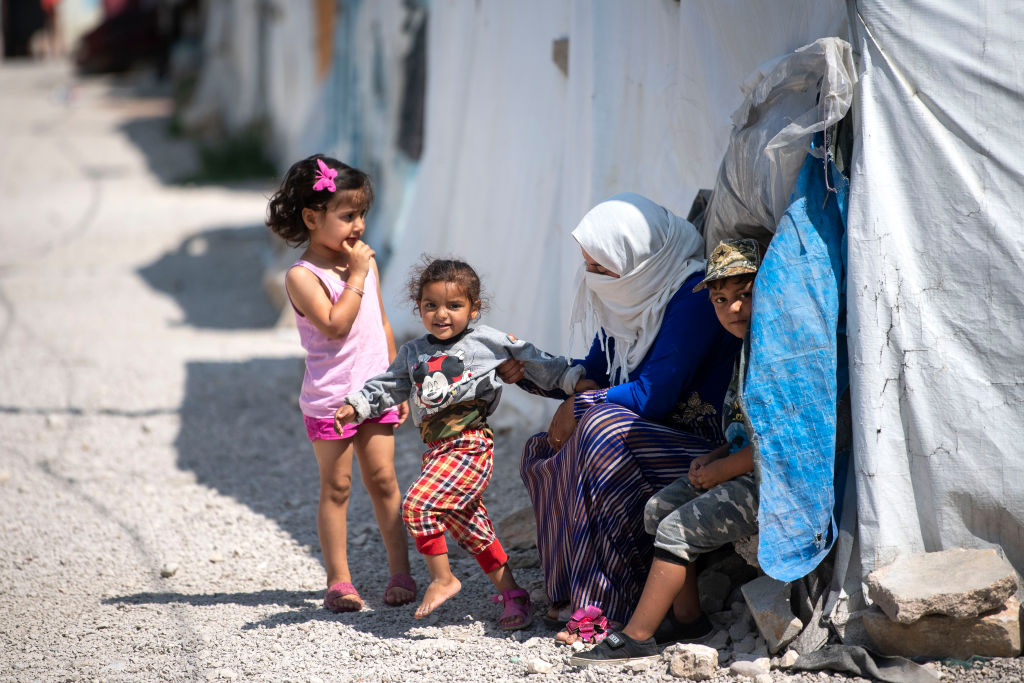
    President-elect Joe Biden has promised a return to normalcy. However, for refugees and asylum seekers, merely reversing the policies of President Trump will not be sufficient. Since entering office in January 2017, President Trump has engaged in an undeclared war on refugees. With the added stress of the COVID-19 pandemic, it is essential that the Biden administration adopt new policies that will support the most vulnerable populations around the world.

    November 27, 2020

    Intra-Party Democracy in Tunisia’s Ennahda: Ghannouchi and the Pitfalls of “Charismatic” Leadership
  • Analysis
  • Intra-Party Democracy in Tunisia’s Ennahda: Ghannouchi and the Pitfalls of “Charismatic” Leadership

    Rached Ghannouchi, president of the Islamist party Ennahda and speaker of Parliament, has been a voice of moderation and reason contributing to Tunisia’s incipient democratization. While there is much to praise in Ghannouchi’s stewardship of Ennahda, he should consider the pitfalls of longevity in power. This article examines the ongoing debate on Ennahda’s leadership crisis, considering it from the vantage point of intra-party democracy. 

    November 25, 2020

    Maia Sandu: Common Sense Prevails in Moldova
  • Analysis
  • Maia Sandu: Common Sense Prevails in Moldova

    Recent presidential elections in the Republic of Moldova were won by Maia Sandu of the Action and Solidarity Party (PAS), a party advocating for judicial and anti-corruption reform and for rapprochement with the European Union (EU). Sandu becomes the first female president of Europe’s poorest country, securing 57.7 percent of the vote ahead of incumbent Igor Dodon’s 42.2 percent. The result followed an unprecedented election campaign during which verbal violence was widely witnessed.

    November 25, 2020

    State of play for Middle East cybersecurity leaders
    Photo by VALERY SHARIFULIN/TASS via Getty Images
  • Analysis
  • State of play for Middle East cybersecurity leaders

    This new white paper distills the findings of the Middle East Institute panel “State of Play for Middle East Cybersecurity Leaders,” a discussion held in September 2020 about the unique threats, best practices, and corporate landscape in the Middle East and North Africa region.

    November 25, 2020

    US-Gulf relations and the Biden administration
    Middle East Institute
  • Podcast
  • US-Gulf relations and the Biden administration

    Elana DeLozier and Jerry Feierstein join host Alistair Taylor to discuss prospects for US-Gulf relations and regional policy under the Biden presidency.

    November 25, 2020

    Biden’s presidency cannot mean a return to the status quo for Palestinians
    Palestinians wave national flags as they march in the streets of the occupied West Bank city of Ramallah, calling for the cessation of divisions between Fatah and Hamas and the unification of the West Bank and Gaza Strip, on January 12, 2019.
  • Commentary
  • Biden’s presidency cannot mean a return to the status quo for Palestinians

    On Nov. 17 and 19, MEI’s Program on Palestine and Palestinian-Israeli Affairs convened a two-part series looking at the future of Palestinian politics and the Palestinian national movement. Below is a summary of Part 2, “Toward a Palestinian National Strategy,” which examined the efficacy of the Palestinian leadership’s current focus on a negotiated two-state settlement, as well as alternative visions and means of liberation, such as a one-state solution and the Boycott, Divestment, and Sanctions (BDS) movement.

    November 25, 2020

    Foreign Terrorist Fighters: Implications for Malaysia’s Border Security
     (Photo credit should read MOHD RASFAN/AFP via Getty Images)
  • Analysis
  • Foreign Terrorist Fighters: Implications for Malaysia’s Border Security

    As governments around the world continue to deal with the COVID-19 pandemic, the world must not lose sight of the ongoing threat of returning Islamic State (IS) foreign terrorist fighters from Syria. As foreign fighters and their families scour for places to seek refuge, Malaysia may inadvertently turn out to be an attractive destination given the country’s visa-waiver program; the porousness of the tri-border region of Sabah, Indonesia, and the Philippines; and insider threats. In the past, terrorists have capitalized on these vulnerabilities. Given the country’s susceptibility to being used as a terrorist safe haven and platform for staging trans-border terrorist attacks, Malaysian authorities need to strengthen and improve existing measures aimed at countering terrorist infiltration.

    November 24, 2020

    Biden’s presidency indicates new opportunities for Palestinian politics
    A man waves a Palestinian flag while protesting.
  • Commentary
  • Biden’s presidency indicates new opportunities for Palestinian politics

    On Nov. 17 and 19, MEI’s Program on Palestine and Palestinian-Israeli Affairs convened a two-part series looking at the future of Palestinian politics and the Palestinian national movement. Below is a summary of Part 1, “Reviving Palestinian Political Life,” which focused on issues such as national reconciliation, elections, succession, the future of institutions like the Palestinian Authority (PA), and reform of the Palestine Liberation Organization (PLO).

    November 24, 2020

    Direct Libyan-to-Libyan talks are giving Libyan peace a new chance
    Photo by Yassine Gaidi/Anadolu Agency via Getty Images
  • Analysis
  • Direct Libyan-to-Libyan talks are giving Libyan peace a new chance

    Hoping to avoid a foreign takeover of their country, a growing number of Libyans seem to have finally recognized that progress in Libya required Libyans to take charge of their own future. Accordingly, they are now taking active steps to see if they can forge a political deal to create a new, short-term transitional government to succeed the current GNA created by the Libyan Political Agreement of December 2015, following growing momentum that has already transformed Libya’s security situation with remarkable speed.