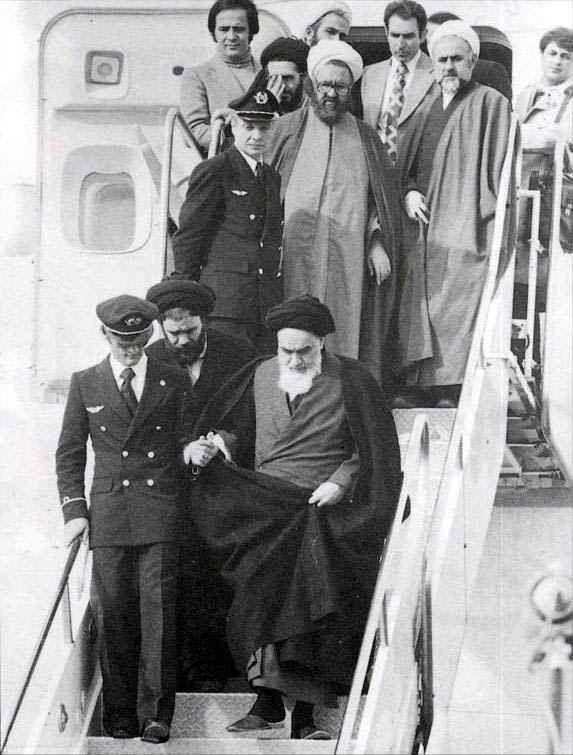
As one of the most important events of the past three decades in the Middle East, the Islamic Revolution not only has sustained itself, but the Islamic Republic which it spawned celebrated its 30th anniversary in February 2009.
The revolution of February 1979 was a revolt of the society against the state. In some of its basic characteristics, the revolution did not conform to the usual norms of Western revolutions, because the state did not represent just an ordinary dictatorship but an absolute and arbitrary system that lacked political legitimacy and a social base virtually across the whole of the society.
The Arab world, especially the Gulf countries, face many environmental threats and problems such as desertification, biodiversity loss, marine and coastal areas pollution, air pollution, and water scarcity and quality. Beside these traditional environmental threats, various other environmental problems have begun to emerge in the last few years, related to military conflicts, construction and demolition debris, and climate change.
Climate Change Threats, Opportunities, and the GCC Countries
Originally posted April 2008
Oil and gas revenues for GCC countries have enabled exceptional and accelerated development in all aspects of life. These countries have become a hub of intense activity in many spheres—geopolitical, military, economic, industrial, construction, and tourism, to name a few. However, the scale of oil and gas production and use has also led to severe environmental problems.
One of the strangest features of contemporary Iranian politics must surely be the reality that despite the concerted and successful effort to narrow the range of candidates allowed to run for various political offices, competition among individuals and groups has not only remained unabated, it has intensified. The elite jockeying that has taken place in the past few months, leading to the upcoming March 14 Majlis elections, is a good example of the competitive intensity that had come to characterize Iranian politics.
On January 3, 2008, Iran’s supreme leader, Ayatollah ‘Ali Khamene’i once again sought to remind domestic and foreign audiences about his stature in Tehran. Stating that “cutting off relations with the US” was one of the “principal policies” of the Iranian government, but that he would be the “first person to endorse these relations” if it benefited the Iranian people, Khamene’i secured news headlines.[1]
“In the past week Iran’s president, Mahmud Ahmadinejad, has damned it as a ‘worthless piece of paper’ and China’s premier, Wen Jiabao, has moaned that it is causing his country ‘big pressure’. The dollar’s relentless decline—it hit a new low of $1.49 against the euro on November 21st—is prompting jibes from America’s critics, jangling investors’ nerves and giving policymakers headaches.”[1]