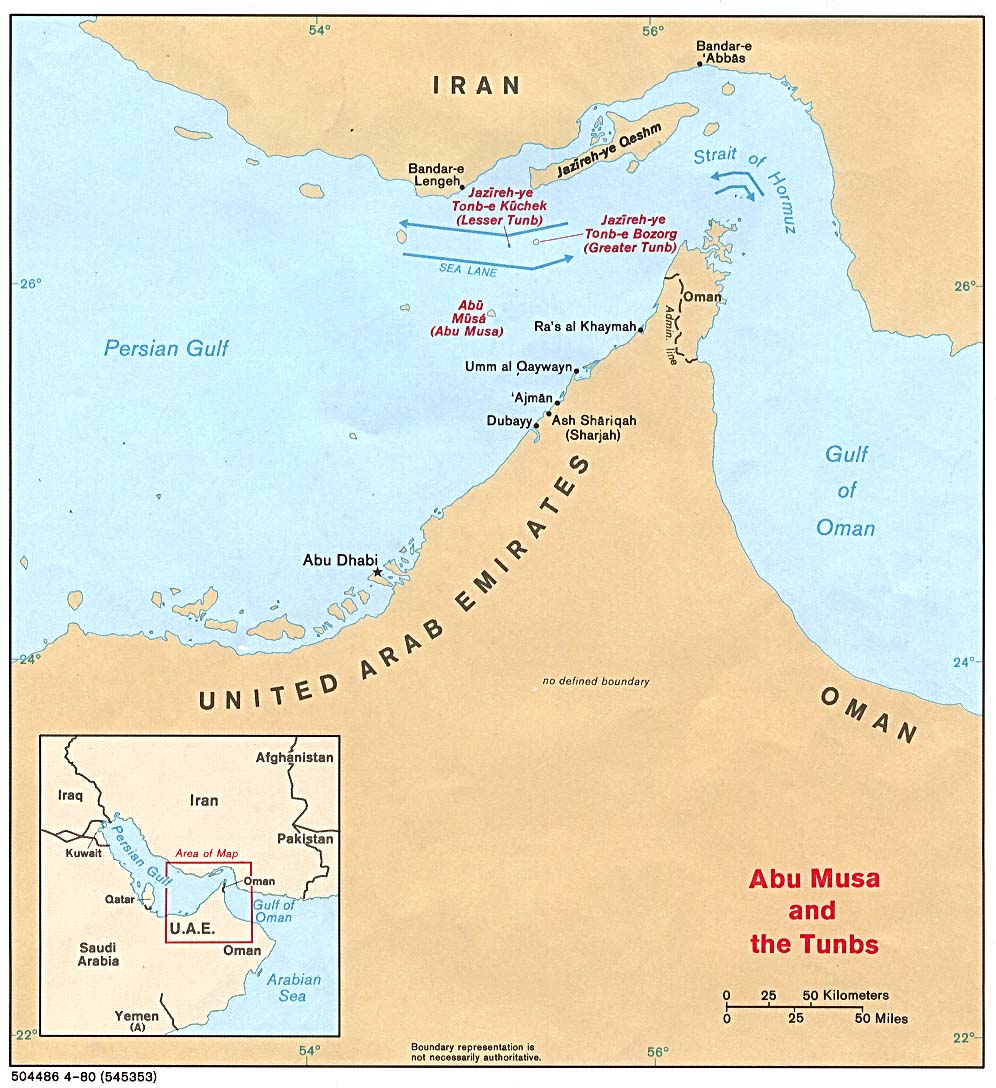
Oman is strategically positioned across the Gulf of Oman from Iran, north of Yemen, and east of Saudi Arabia. It has arguably been able to secure its rapid economic growth—spurred by oil riches—by maintaining neutral, if not friendly, relations with these neighbors, including Iran. Yet while Oman has successfully kept itself neutral, it still inhabits a precarious location. It shares with Iran the Strait of Hormuz, a waterway that Iran has threatened to close due to its charged relations with the GCC countries and the United States, who rely on the Strait to transport oil to world markets.
The Middle East Institute Center for Turkish Studies’ Fourth Annual Conference on TurkeyPanel 4: The Turkey-Iran-Iraq NexusHenri J. Barkey, Lehigh UniversityAlireza Nader, RAND CorporationDenise Natali, National Defense UniversityModerator: Phebe Marr, Author and HistorianJune 14, 2013 3:30pm-5:00 pm
The Middle East Institute Center for Turkish Studies’ Fourth Annual Conference on TurkeyPanel 4: The Turkey-Iran-Iraq NexusHenri J. Barkey, Lehigh UniversityAlireza Nader, RAND CorporationDenise Natali, National Defense UniversityModerator: Phebe Marr, Author and HistorianJune 14, 2013 3:30pm-5:00 pm
The Middle East Institute Center for Turkish Studies’ Fourth Annual Conference on TurkeyPanel 4: The Turkey-Iran-Iraq NexusHenri J. Barkey, Lehigh UniversityAlireza Nader, RAND CorporationDenise Natali, National Defense UniversityModerator: Phebe Marr, Author and HistorianJune 14, 2013 3:30pm-5:00 pm
The Middle East Institute Center for Turkish Studies’ Fourth Annual Conference on TurkeyPanel 4: The Turkey-Iran-Iraq NexusHenri J. Barkey, Lehigh UniversityAlireza Nader, RAND CorporationDenise Natali, National Defense UniversityModerator: Phebe Marr, Author and HistorianJune 14, 2013 3:30pm-5:00 pm
The Middle East Institute Center for Turkish Studies’ Fourth Annual Conference on TurkeyPanel 4: The Turkey-Iran-Iraq NexusHenri J. Barkey, Lehigh UniversityAlireza Nader, RAND CorporationDenise Natali, National Defense UniversityModerator: Phebe Marr, Author and HistorianJune 14, 2013 3:30pm-5:00 pm
Withdrawal from Afghanistan: Next Steps and Challenges
Wed, 3/20/2013 12:00 pm to 1:30 pmLocation: The SEIU Building1800 Massachusetts Avenue, NWWashingtonDistrict of Columbia20 036 The Middle East Institute is proud to host Lieutenant General (Ret.) David W. Barno and Dr. Michael E.
Withdrawal from Afghanistan: Next Steps and Challenges
Wed, 3/20/2013 12:00 pm to 1:30 pmLocation: The SEIU Building1800 Massachusetts Avenue, NWWashingtonDistrict of Columbia20 036 The Middle East Institute is proud to host Lieutenant General (Ret.) David W. Barno and Dr. Michael E.
Withdrawal from Afghanistan: Next Steps and Challenges
Wed, 3/20/2013 12:00 pm to 1:30 pmLocation: The SEIU Building1800 Massachusetts Avenue, NWWashingtonDistrict of Columbia20 036 The Middle East Institute is proud to host Lieutenant General (Ret.) David W. Barno and Dr. Michael E.
Withdrawal from Afghanistan: Next Steps and Challenges
Wed, 3/20/2013 12:00 pm to 1:30 pmLocation: The SEIU Building1800 Massachusetts Avenue, NWWashingtonDistrict of Columbia20 036 The Middle East Institute is proud to host Lieutenant General (Ret.) David W. Barno and Dr. Michael E.
Withdrawal from Afghanistan: Next Steps and Challenges
Wed, 3/20/2013 12:00 pm to 1:30 pmLocation: The SEIU Building1800 Massachusetts Avenue, NWWashingtonDistrict of Columbia20 036 The Middle East Institute is proud to host Lieutenant General (Ret.) David W. Barno and Dr. Michael E.
This piece was originally published by ForeignAffairs.com on January 15, 2013
Assertions and opinions in this publication are solely those of the above-mentioned author(s) and do not necessarily reflect the views of the Middle East Institute, which expressly does not take positions on Middle East policy.