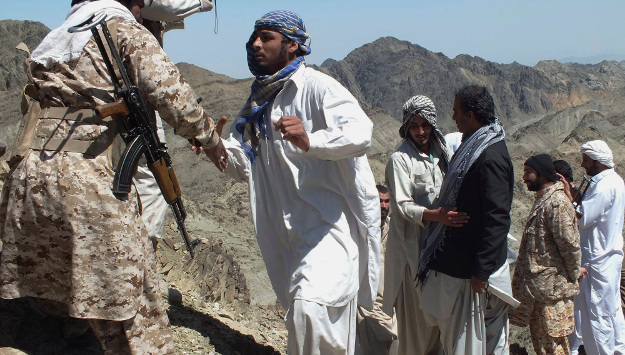
There have been a number of rounds of border skirmishes between Iran and Pakistan since the first week of October. However, reports that Pakistani forces have returned mortar fire is highly unusual and represents an increase in tensions that have marred this region for years.
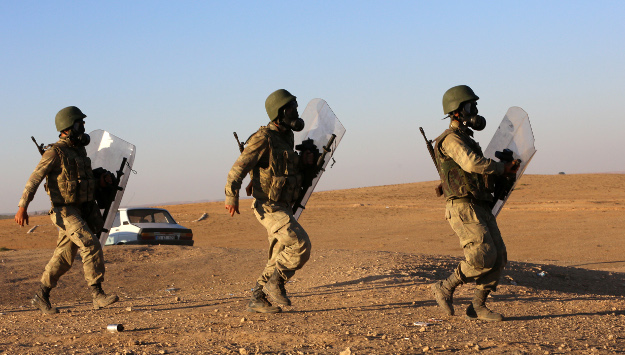
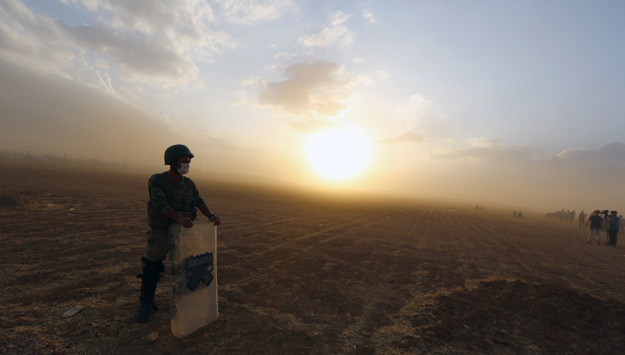
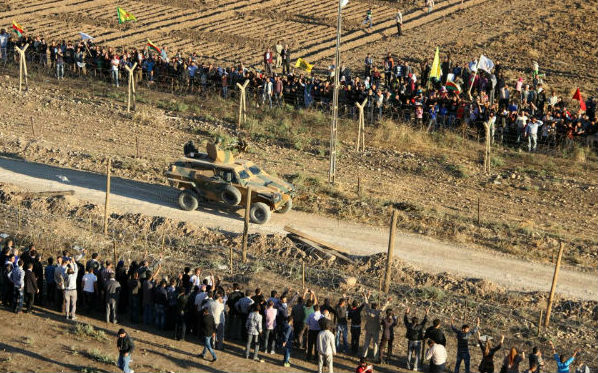
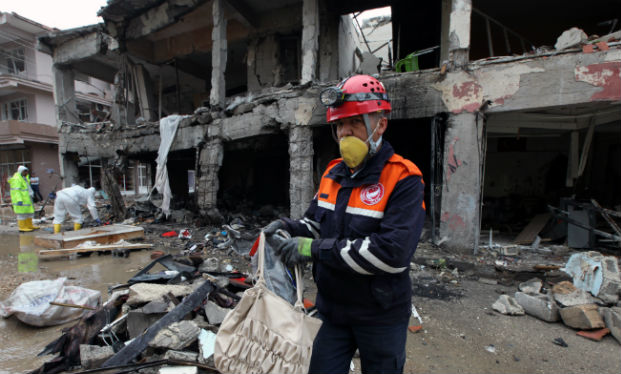
Turkey is in a tough spot. It has ISIS militants threatening the Syrian border town of Kobani, inching ever closer to confronting Turkish security forces. In addition thousands of Syrian Kurds, fleeing ISIS attacks, have massed along its border, adding further to Ankara’s troubles.
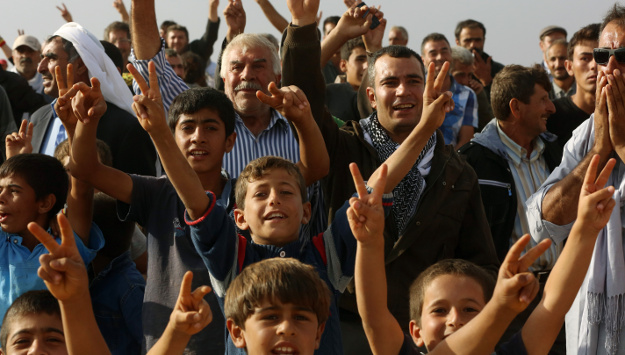
Alongside the wave of Syrian Kurdish refugees into Turkey this month is an equally unsettling story: alarming gains by the Islamic State in an offensive against a potential ally. Syria’s Kurds carved out their own regional bastion extending west from their main base in the extreme northeast corner of Syria. For two years they have fiercely defended their lands against the Islamic State and other extremists, employing many thousands of veteran Kurdish fighters.
Turkey, a key U.S. ally and a NATO member that borders the territory captured by ISIS, which now calls itself the Islamic State, in Syria and Iraq, could play a critical role in the U.S.-led military assault against the jihadist group.
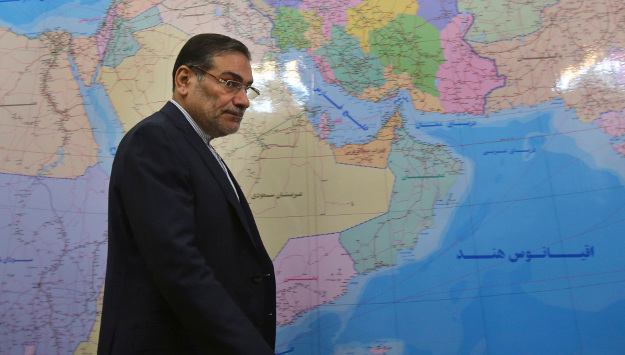
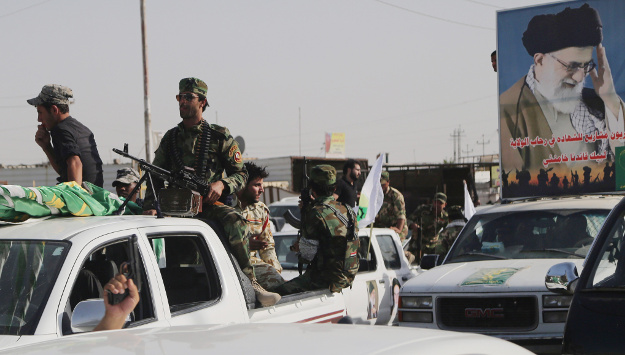
The conventional wisdom in Washington is that Tehran regards Sunni-jihadist movements as ideologically incompatible rivals. This is not surprising, as the bulk of Sunni-jihadist literature makes it clear that Shia-majority Iran is considered to be the embodiment of apostasy. To most Sunni jihadists, including those from ISIS, Iran is an archenemy surpassing both Israel and the United States.
Turkey: A Reluctant Partner in the Fight against the Islamic State
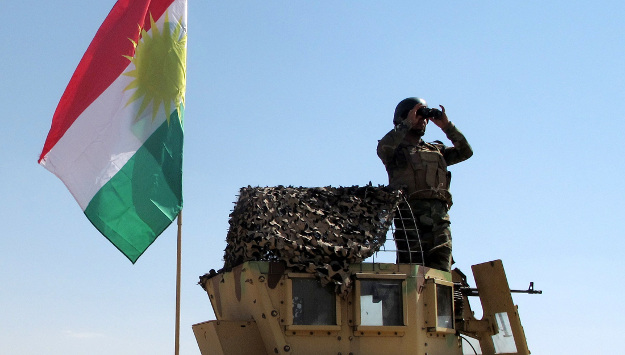
Last week, President Obama laid out his strategy to fight the Islamic State (also known as ISIS or ISIL). The strategy includes a systematic campaign of airstrikes; support to forces fighting ISIS on the ground, including Iraqi Security forces and the Peshmerga (the Kurdish armed forces); redoubling U.S. efforts to cut off ISIS funding; improving intelligence; strengthening defenses; and stemming the flow of foreign fighters into and out of the Middle East.
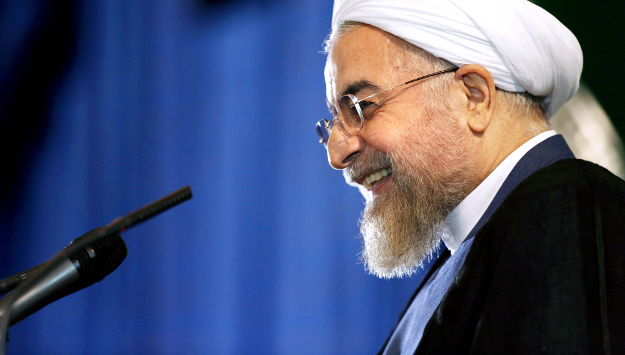
After a year of hesitation, Iranian president Hassan Rouhani is signaling his readiness to reach out to Tehran’s chief regional rival—Saudi Arabia. Last week, a top official was sent to Riyadh; he was the most senior Iranian visitor to the country since Rouhani’s election in June 2013.
Turkey’s Syria and Iraq Policy Hostage to Islamic State
As the United States struggles to mobilize a coalition of allies including Turkey behind potential military action against the Islamic State (formerly known as ISIS) in Syria, Turkey’s Iraq and Syria policies remain captive to ISIS and the 49 Turkish hostages it holds. Turkey might be key to the U.S. effort to confront ISIS, and it is in a very tough spot.
Pro-Kurdish Peoples’ Democratic Party is Big Winner in Turkish Elections
A recent statement from the imprisoned leader of the Kurdistan Workers’ Party, Abdullah Ocalan, hails a new era for Turkey’s Kurds. In a statement from his cell on the prison island of Imrali in the Sea of Marmara, Ocalan said that Turkey was now on the verge of “historic developments” after last week’s presidential elections and declared that through a major democratic negotiation, the 30-year war was coming to an end.
Erdogan Wins the Presidential Vote but the Race Is Not Over
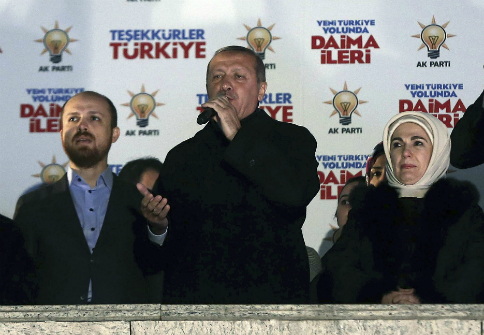
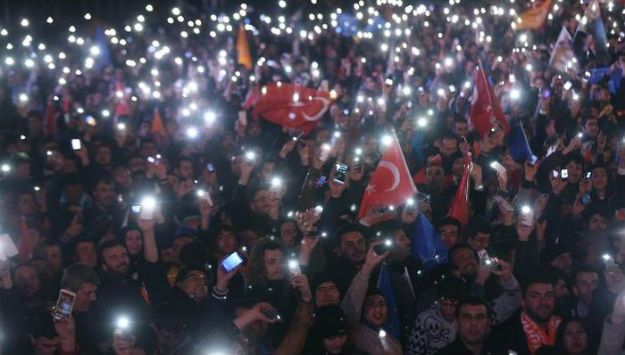
Turkish Prime Minister Recep Tayyip Erdogan has won the presidential election in Turkey’s first direct presidential election on Sunday, extending his 12-year grip on power. Despite heavy campaigning and the financial support from public funds, he won the election with only 51.95 percent of the vote, slightly higher than the minimum required to win the election.
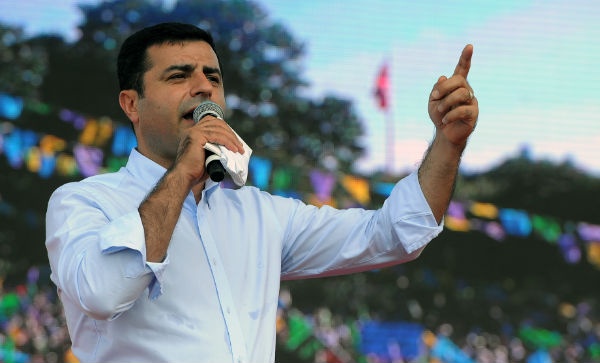
On August 10, Turkish voters will go to the polls to choose a new president for the first time in the country’s history. The following candidates are on the ballot: Recep Tayyip Erdogan, the Prime Minister and leader of the governing Justice and Development Party (AKP); Ekmeleddin Ihsanoglu, joint candidate for the opposition Republican People’s Party (CHP) and Nationalist Action Party (MHP); and Selahattin Demirtas, the candidate of the pro-Kurdish People’s Democratic Party (HDP).
Israel’s ongoing military operation in Gaza — Protective Edge — has animated the Shia Islamist leadership in Tehran.
The bloody conflict, and the global Muslim outrage it has provoked, is held by the Iranian regime as a chance to redeem itself in the eyes of the Sunni Muslim majority in the world.