Randa Slim on Russia’s Decision to Partially Withdraw from Syria
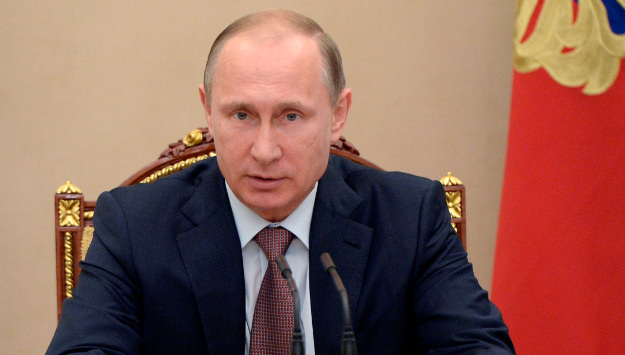
Russian President Vladimir Putin surprised observers when he announced on March 14 that he is going to begin withdrawing Russian military forces from Syria. As the director of MEI’s Initiative for Track II Dialogues Randa Slim has worked extensively with all parties on the Syrian conflict, including Russian participants. She discusses the meaning of Putin’s decision with MEI Senior Editor Antoun Issa.
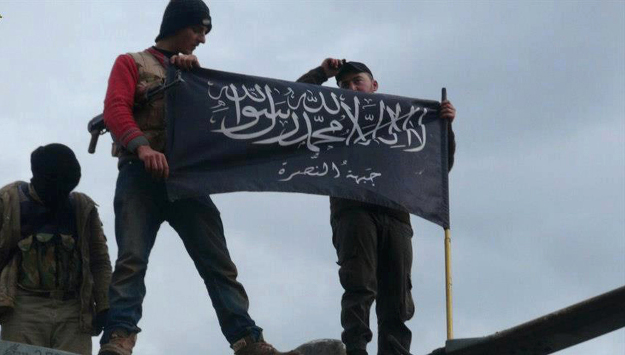
Jabhat al-Nusra Oversteps Mark with Idlib Crackdown
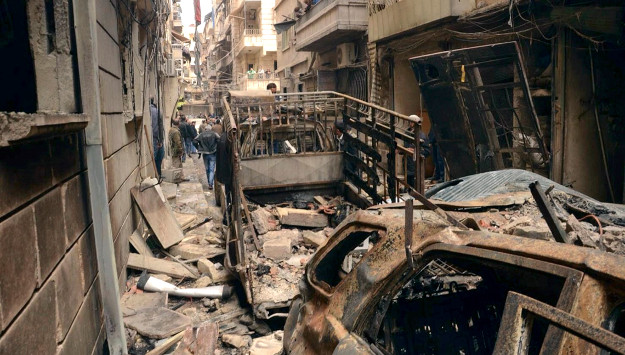
Ten days ago, under the relative calm of Syria’s cessation of hostilities, hundreds of civilians gathered in the Idlib town of Maarat al-Numan to celebrate the continuation of their populist revolution.
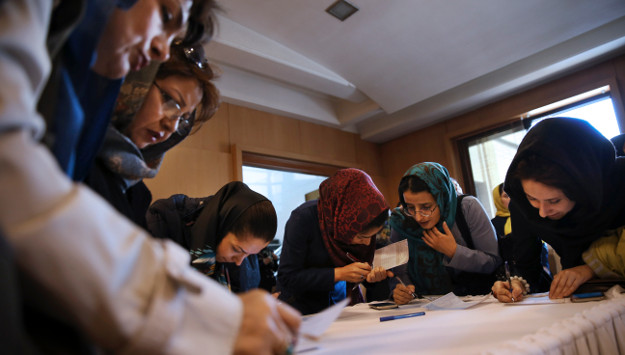
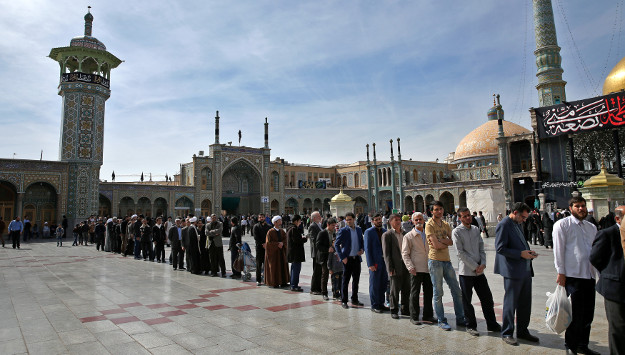
The stunning performance of Iran’s moderate forces in the Feb. 26 elections has prompted new optimism for democracy in the Islamic Republic. It should not.
This essay explores how, if the European Union had a more complete refugee policy—one that covers all aspects of refugee arrival, reception, and protection—the Syria crisis might have been mitigated, if not averted. The essay focuses specifically on the desirability and advantages of resettlement (among other mooted policies) as a vital protection tool.
New Documentary Honors Father of Modern Iranian Sculpture
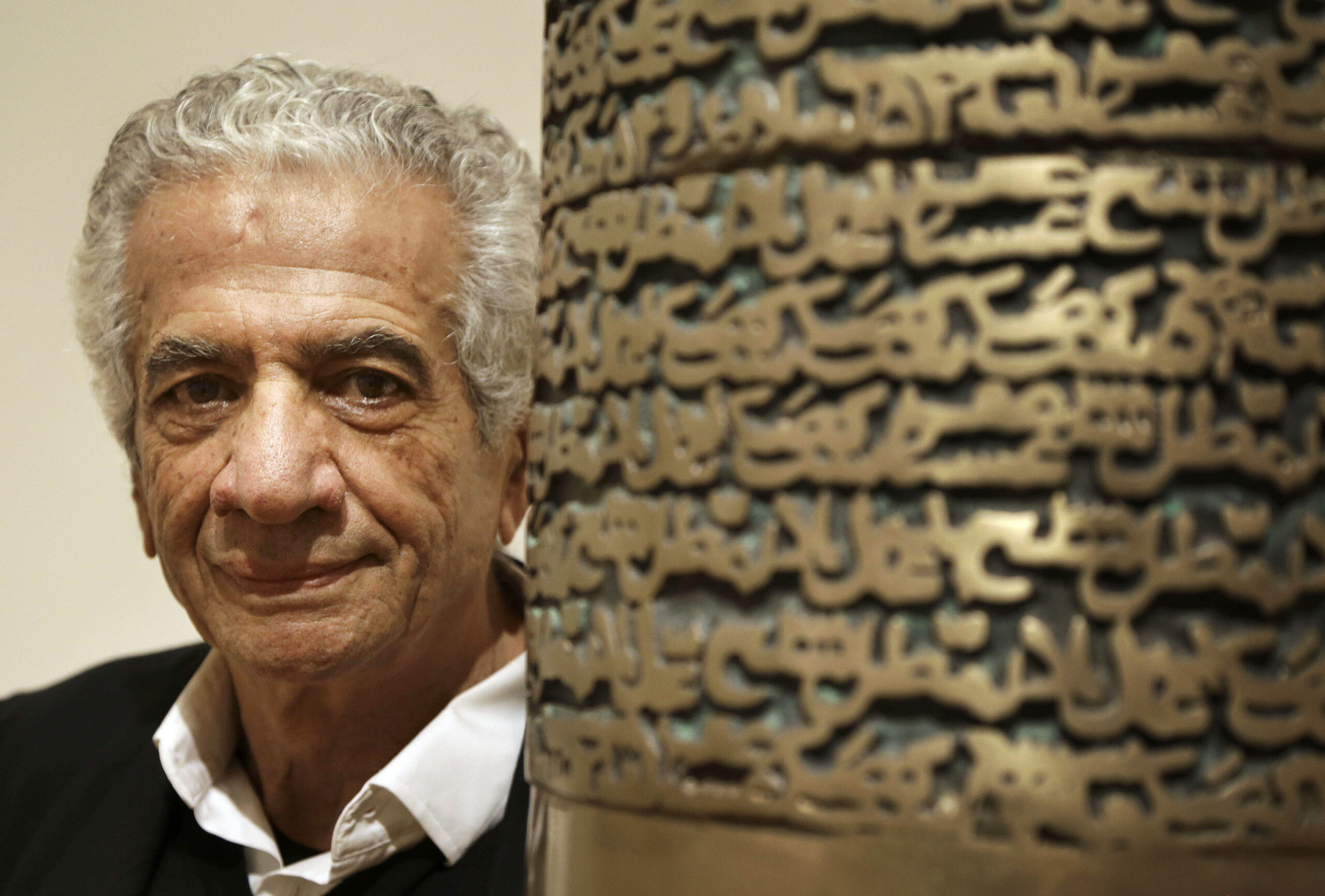
At the edge of the Pacific, in a bucolic suburb of Vancouver called Horseshoe Bay, the “father of modern Iranian sculpture” has lived a quiet existence since 1989.
Despite being a pioneer of Iranian modernism and one of the founders of the Saqqakhaneh School of Art in mid-20th century Tehran, Parviz Tanavoli has been virtually invisible in Vancouver.
Today, however, a new documentary about the artist directed by Canadian filmmaker Terrence Turner has bridged the chasm between the Middle East and the Pacific Northwest.
Monday Briefing: Syria Ceasefire, Iran's Elections, and ISIS in Libya
In this week’s Monday Briefing, MEI experts Robert S. Ford, Paul Salem, Alex Vatanka, and David Mack provide analysis on recent events including the ceasefire agreement in Syria, Iran’s elections, and how the United States should respond to the growing threat of ISIS in Libya.
Turkey is confronting a nightmare as its two archenemies, President Bashar al-Assad’s regime and the Kurdish Democratic Union Party (PYD), gain ground in Syria with the help of U.S. and Russian air cover. Turkey has long called for a no-fly zone in northern Syria to protect areas held by the opposition and a halt to the PYD advances west of the Euphrates. Frustrated with U.S. cooperation with the PYD, Ankara has insisted that the PYD is a terrorist organization and poses a grave danger to Turkey’s national security.
Weekly Briefing: Syria Ceasefire, Iran Elections, and Saudi Arabia's Suspension of Aid to Lebanon
In the first installment of a new series of weekly briefings on the most important regional issues, MEI experts Randa Slim, Alex Vatanka, and Paul Salem analyze recent events including the ceasefire agreement in Syria, upcoming elections in Iran, and Saudi Arabia’s suspension of military aid to Lebanon.
Will New Cease-fire Deal in Syria Succeed?
Randa Slim Director, Initiative for Track II Dialogues
What MEI’s Experts Say on Situation in Northern Syria
MEI experts Charles Lister, Paul Salem, Randa Slim, and Gonul Tol weigh in on the intensifying battles in northern Syria, with dire predictions for the humanitarian situation as well as for the internal stability of neighbors. Lister argues the loss of the Azaz corridor would be a “catastrophic morale blow” to the Syrian opposition, while Tol believes current Turkish attacks on YPG positions is not a prelude to an invasion.
Turkey Squeezed by Russian-backed Offensives in Syria
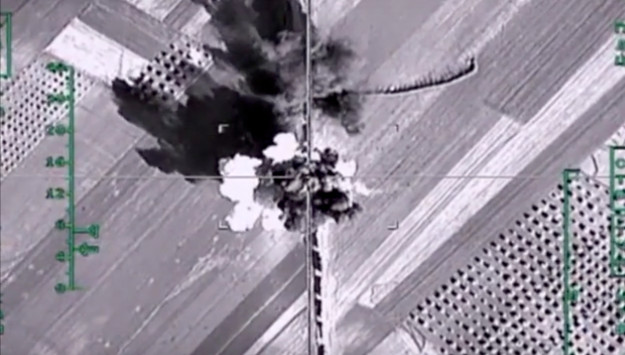
The cessation of hostilities was to begin in Syria on February 19. As was the case with the late 2011 and mid-2012 ceasefire efforts, this one is likely to fail. Instead of halting fire, the Syrian government is currently trying to isolate and assert dominion over the rebel-held portion of Aleppo, and, just as importantly, to block armed opposition supply lines extending down from Turkey. The Syrian government and its Russian and Iranian allies want to impose surrender terms on the armed opposition, not negotiate a compromise political deal.
Five years of war have unexpectedly reset gender roles in Syria. With so many men killed or missing, women are finding themselves the main supporters of their families and communities, and are often breaking with tradition and cultural taboos.
“Activists that engaged with the revolution have experienced big differences in gender relations, especially among the most conservative women,” said a 30-year-old underground activist and filmmaker in government-held central Damascus. She goes by the name Rafia, and she spoke to this author by Skype.
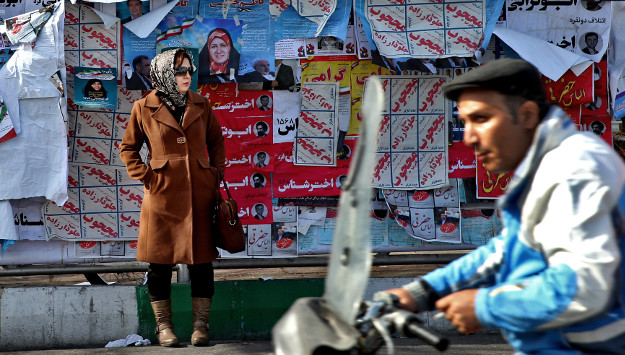
Two weeks ahead of critical elections, President Hassan Rouhani can boast of achieving two of his key election pledges from 2013: He secured a groundbreaking diplomatic nuclear deal with world powers and has removed crippling sanctions on the country. Rouhani should, therefore, feel confident ahead of the Feb. 26 vote and see himself as well on course to winning re-election in 2017.
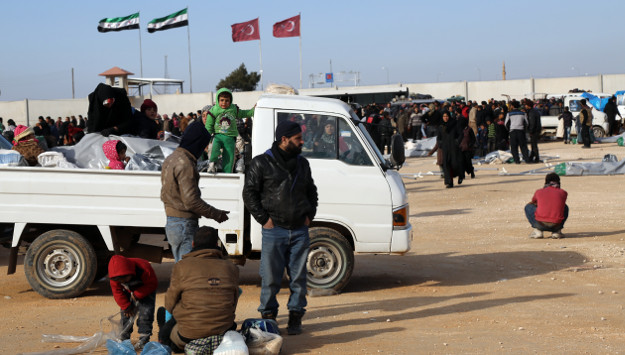
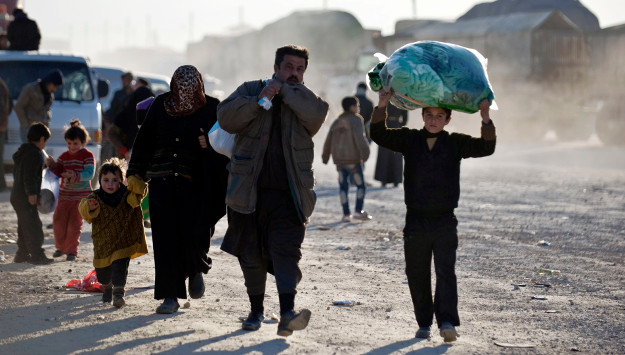
Not only is the battle for Aleppo sending tens of thousands of desperate people fleeing toward Turkey, but the fall of the rebel-held city would deliver a major blow to Ankara’s Syria policy.
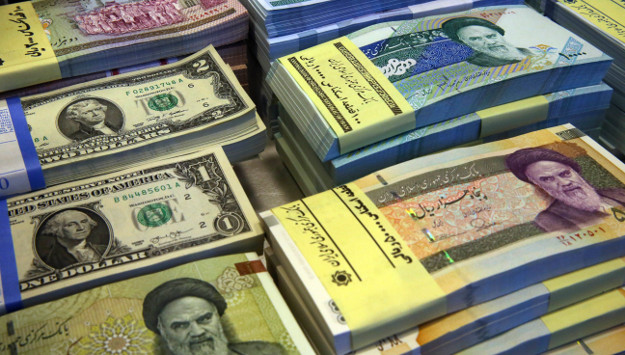
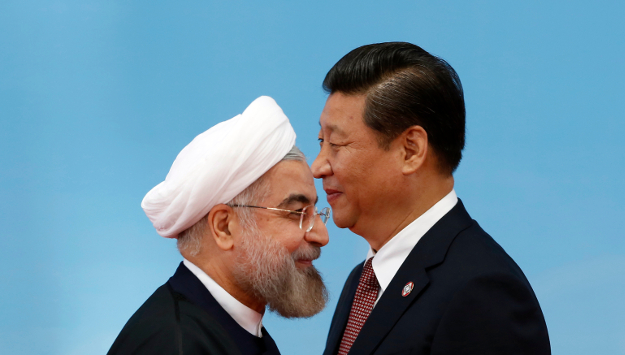
China and Iran: An Emerging Partnership Post-Sanctions
This essay is part of the series “All About China”—a journey into the history and diverse culture of China through essays that shed light on the lasting imprint of China’s past encounters with the Islamic world as well as an exploration of the increasingly vibrant and complex dynamics of contemporary Sino-Middle Eastern relations. Read more