Under pressure: Houthis target Yemeni government with economic warfare
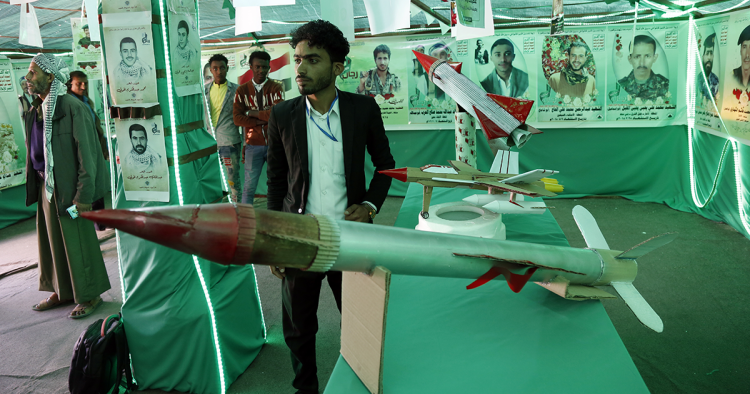
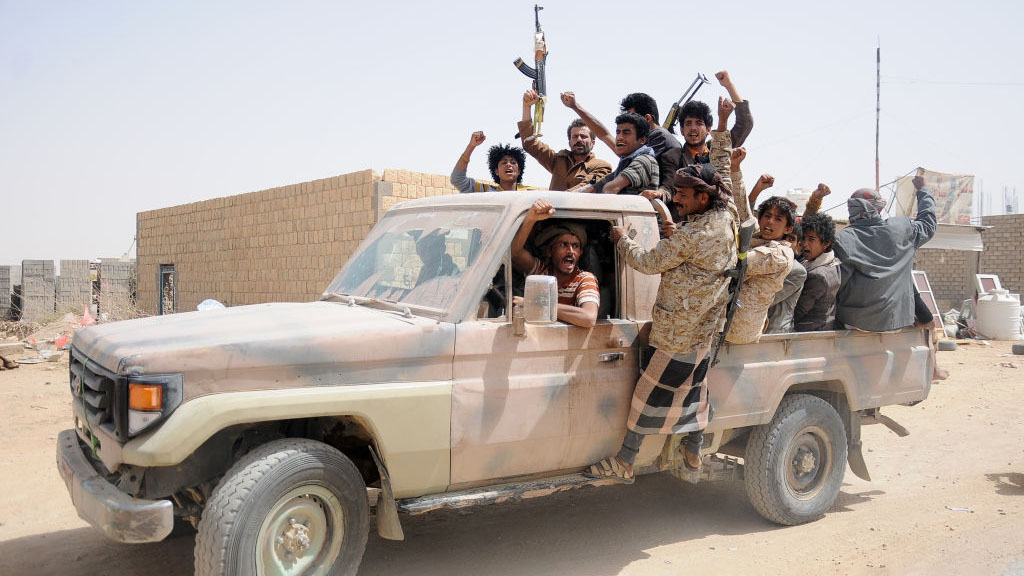
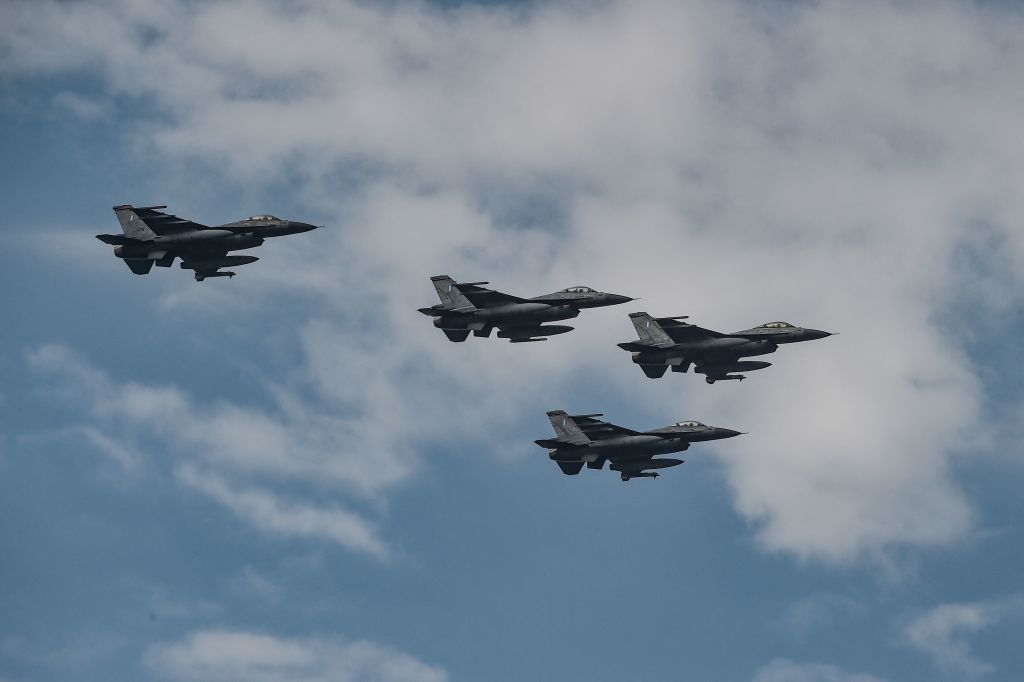
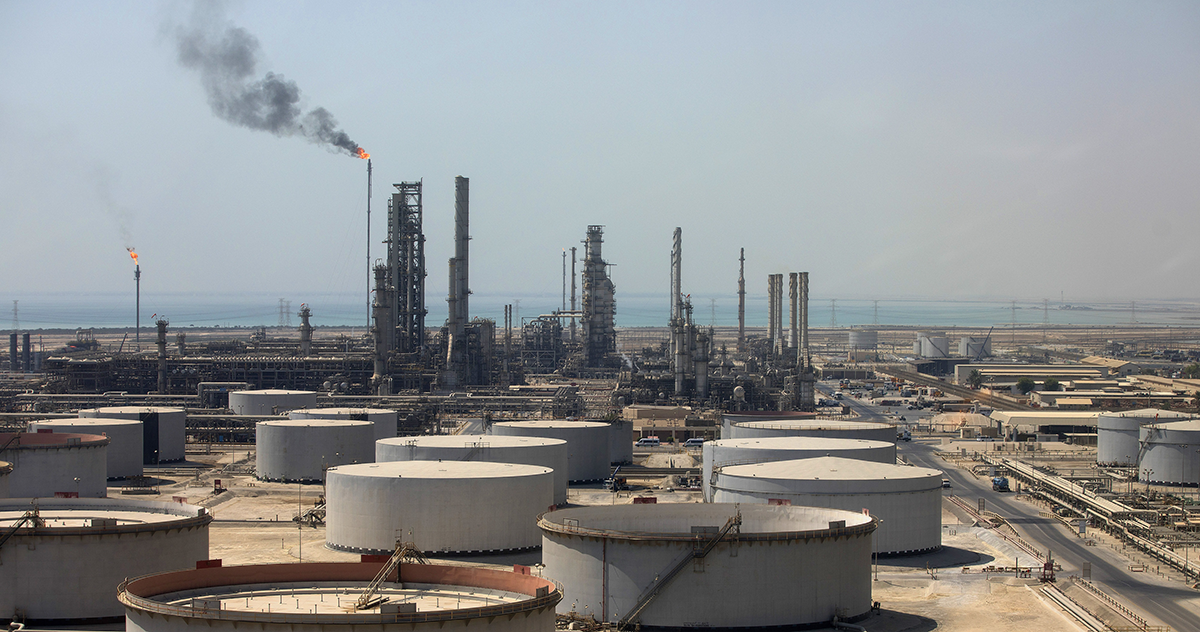
Even as the Iran-backed Houthi rebels pursue back-channel talks with Saudi Arabia as Riyadh looks for a major de-escalation in the coming weeks, they have also been ratcheting up the pressure on the internationally recognized Republic of Yemen Government. The Houthis’ strikes on government-controlled critical infrastructure exhibit the same strategic use of Iranian-supported non-conventional warfare tactics seen in their previous cross-border attacks into Saudi Arabia and the United Arab Emirates.
The dilemma of public sector salary payments in Yemen
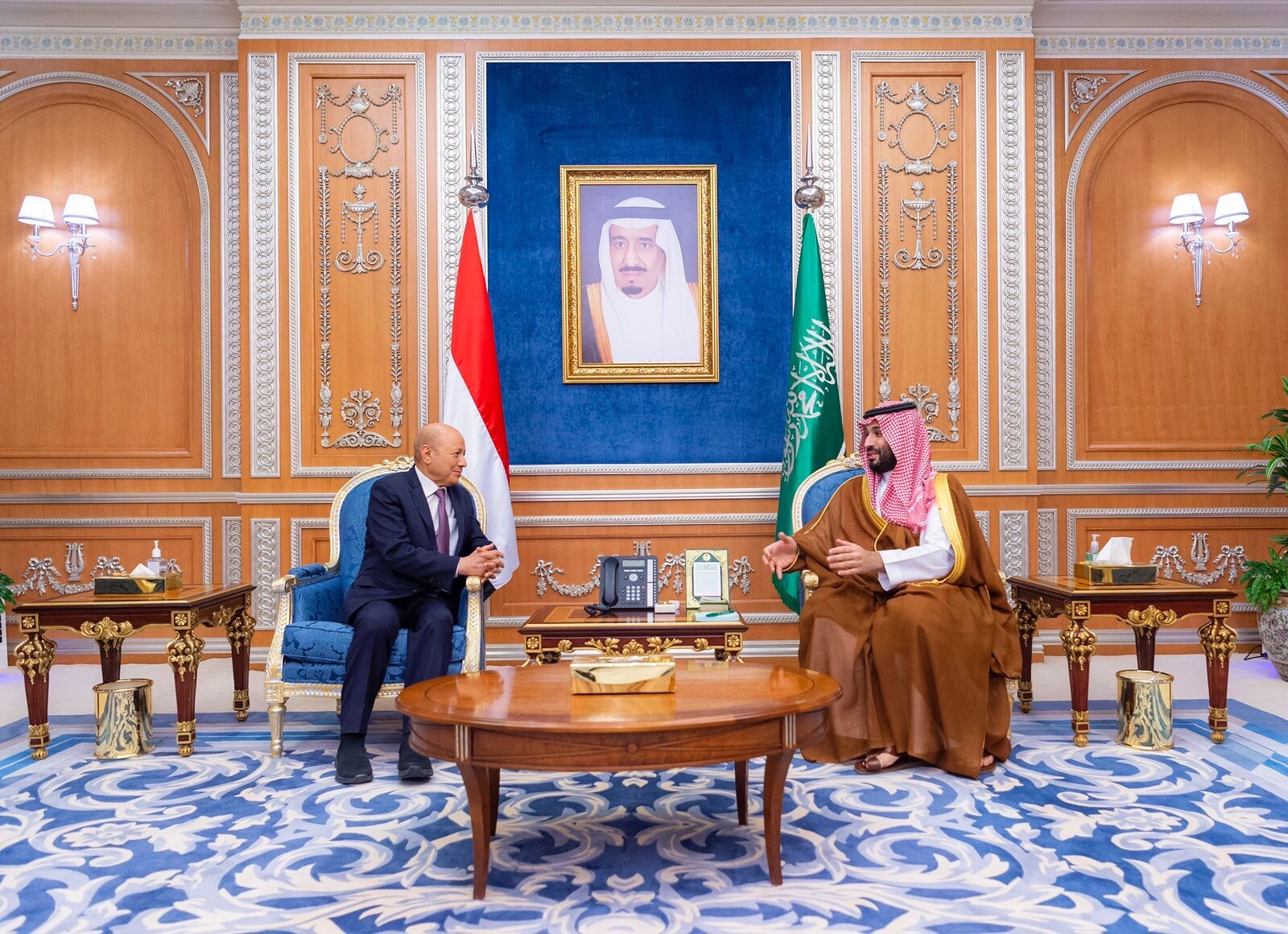
Amid international efforts to resurrect the fragile peace in Yemen, the Iran-backed Houthi militia is imposing stringent conditions for their return to the negotiating table, demanding that state payments of civil servant salaries also go to their militia members and loyalists through direct deposits, which would bolster both their forces and their transnational allies. While the need to compensate Yemeni civil servants is undeniable, the Houthis’ self-serving demands threaten to undermine any progress toward a lasting peace.
As great power competition in the Middle East heats up, polling data shows a complex picture of popular attitudes
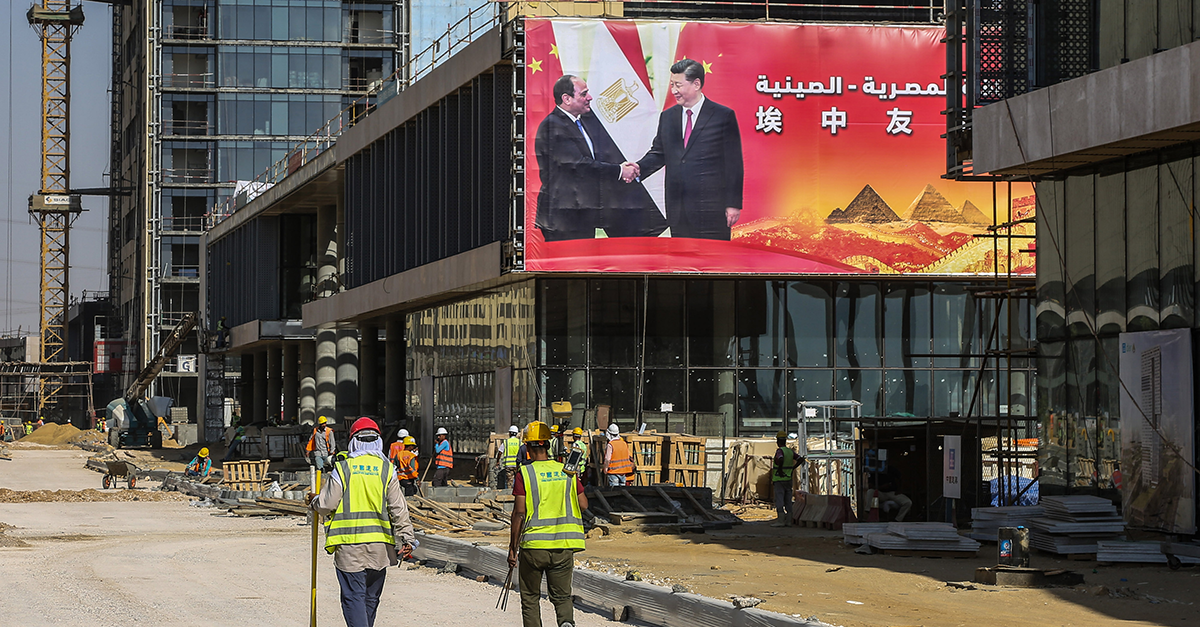
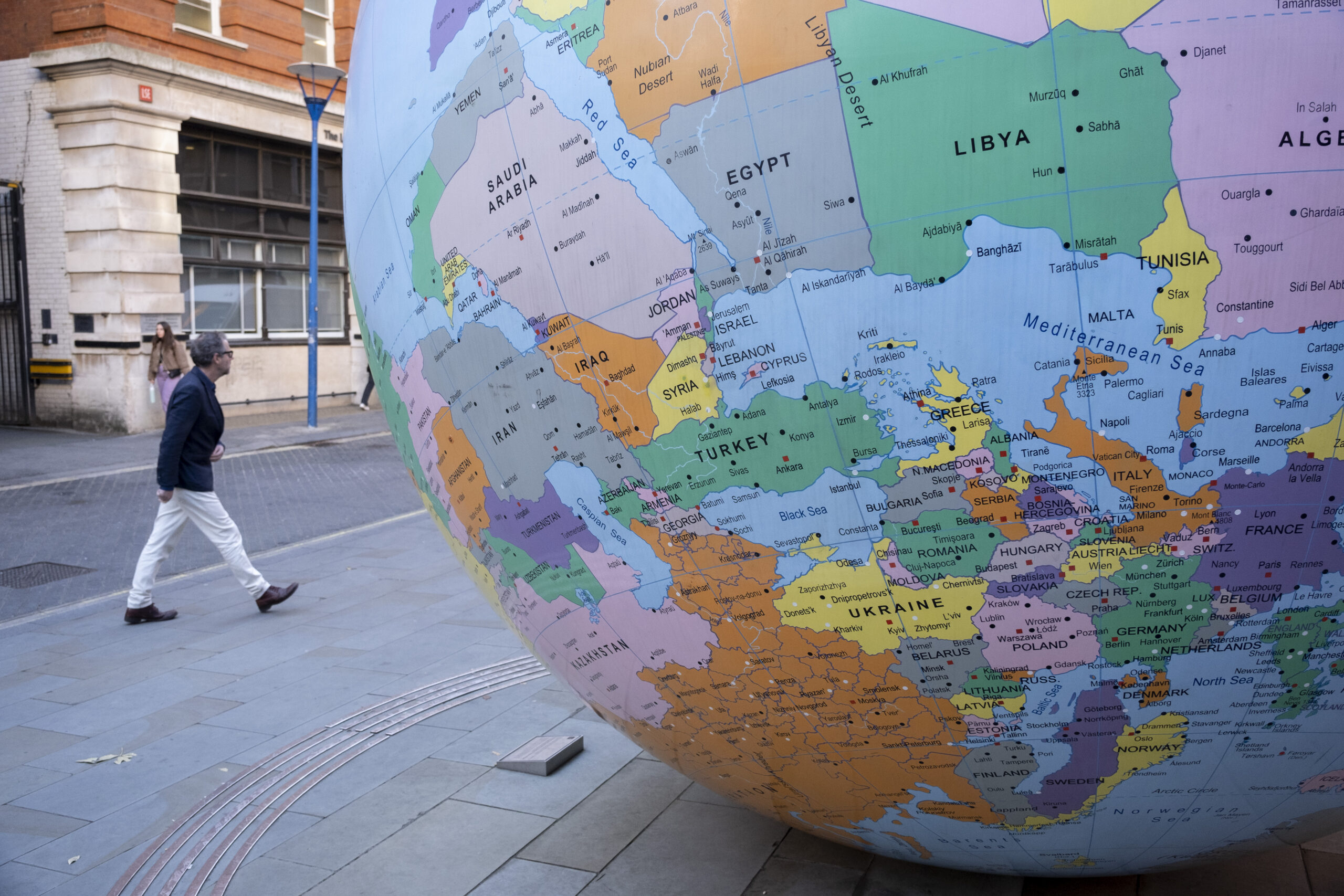
The Middle East and North Africa is one of the epicenters for what the U.S. has termed “great power competition” especially between the U.S. and China, although Russia also figures into the assessment. There is particular sensitivity to China’s perceived economic inroads into the region as it has surged to become its largest economic partner. Based on Arab Barometer’s Wave 7 raw favorability numbers, China’s increased presence in the region appears to have paid dividends in terms of its popular standing, especially in North Africa.
Saudi-Houthi talks could pave the way for intra-Yemeni ones, but will they ensure sustainable peace?
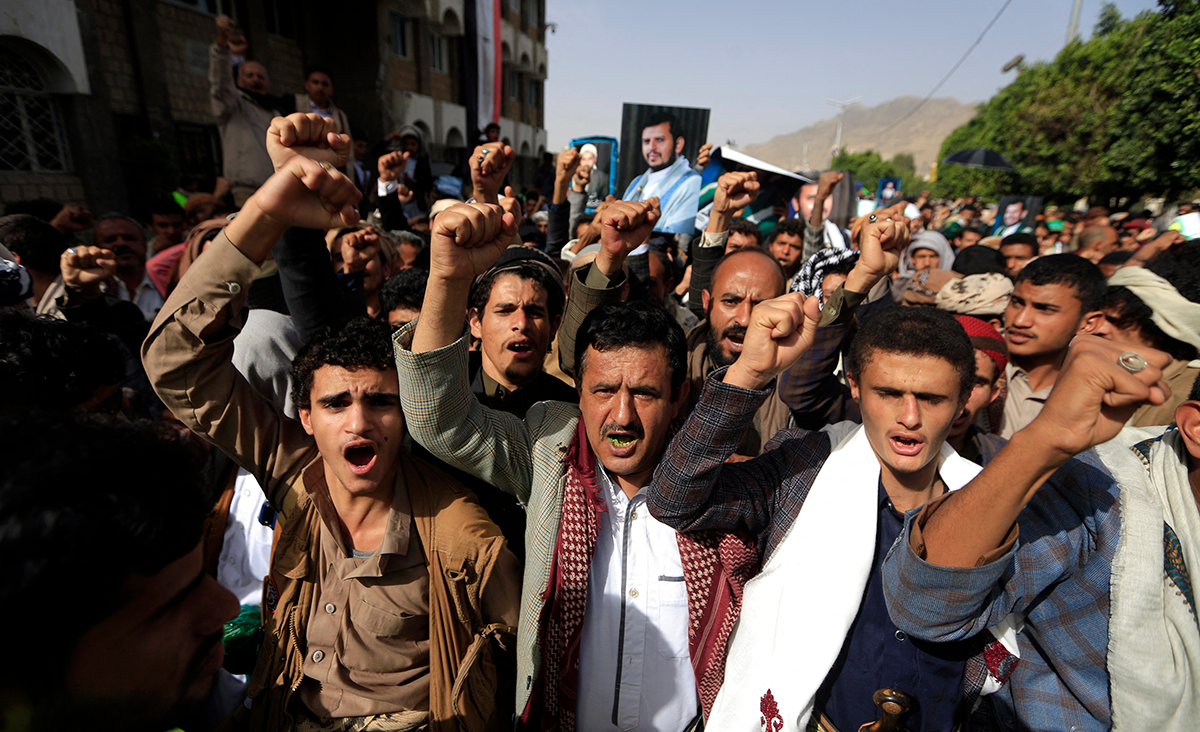
A Saudi-Houthi agreement now looks increasingly likely, but it is highly doubtful that such a deal by itself will end the multi-layered war or build a sustainable peace.
Is There a Way Forward for Political Resolution in Yemen?
Director of MEI’s Arabian Peninsula Program Gerald Feierstein speaks to MEI Non-Resident Scholars Fatima Abo Alasrar & Ibrahim Jalal on a host of current events in Yemen. What have been the takeaways from U.S. Special Envoy Timothy Lenderking’s recent visit to the country – and what are the current trends in the Saudi-Houthi dialogue?
The Middle East in an era of great tech competition
With the acute impacts of US-Chinese global tech decoupling becoming clearer, MENA is slowly emerging as an important region to watch. Economic and geopolitical ties with the West have long dictated the shape of the region’s digital environment, but more recent great power competition and Middle Eastern countries’ pursuit of economic and technological sovereignty have slowly deconstructed these dynamics.
Gender gaps in MENA remain stubbornly entrenched, despite positive trends
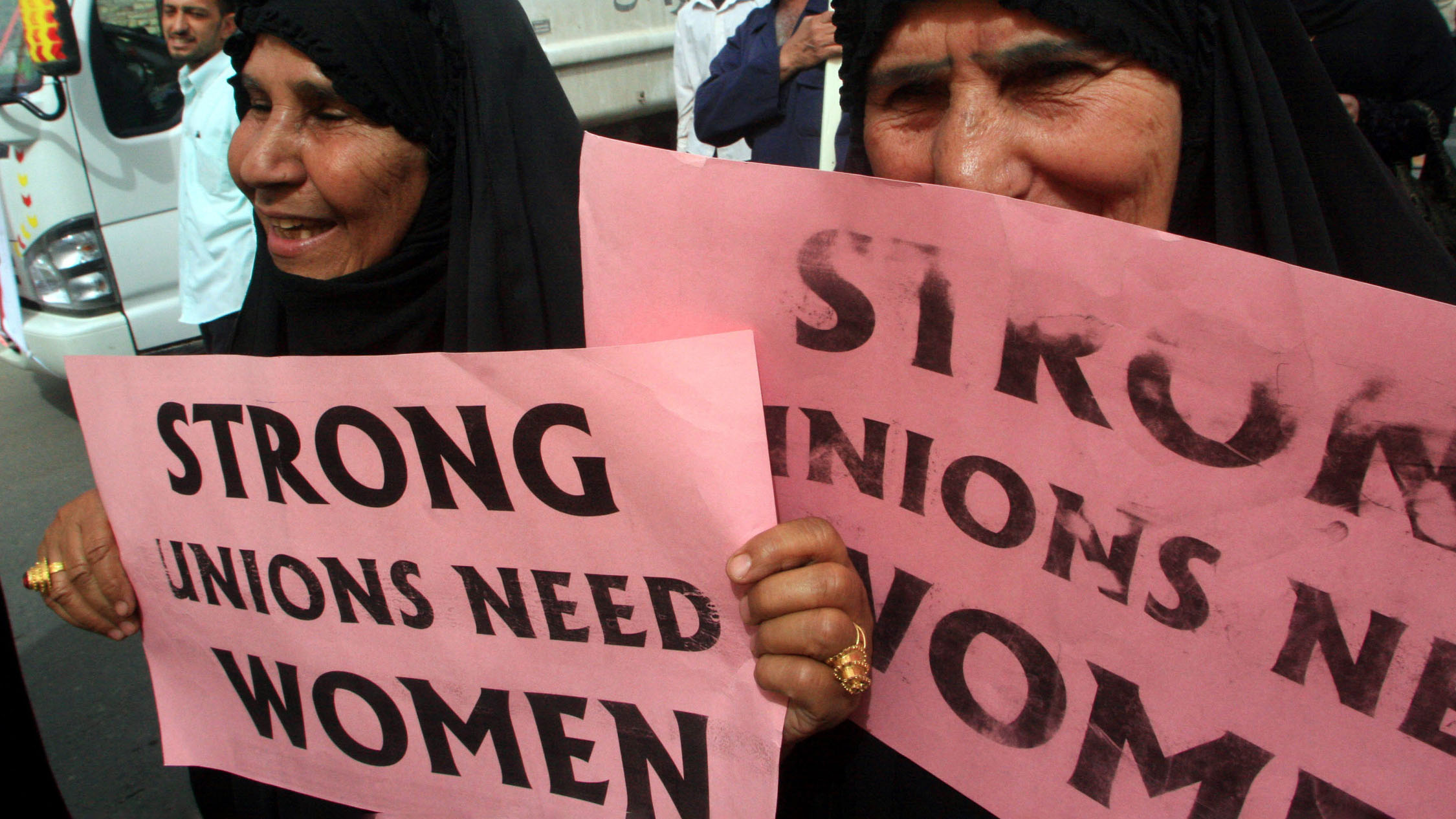
Key findings from the latest Arab Barometer survey, its seventh wave, reveal that, despite some political gains in several Arab states, clear majorities in the 12 countries in which the survey was conducted still hold traditional views on gender norms.
Saudi Arabia’s proactive military strategy in southern Yemen is a risky gamble
Despite formal agreements and vast financial resources, Saudi Arabia has largely failed to integrate the various armed groups in Aden and southern Yemen under one national security sector. This adds to Riyadh’s ineffectiveness in establishing military-political influence in southern Yemen or in limiting the UAE’s continuing leverage. In an effort to boost its influence, since late 2022 Saudi Arabia has established new armed formations in Aden and nearby governorates, such as the Nation Shield Force.
A new momentum: Recalibrating Germany's foreign policy toward the Gulf monarchies
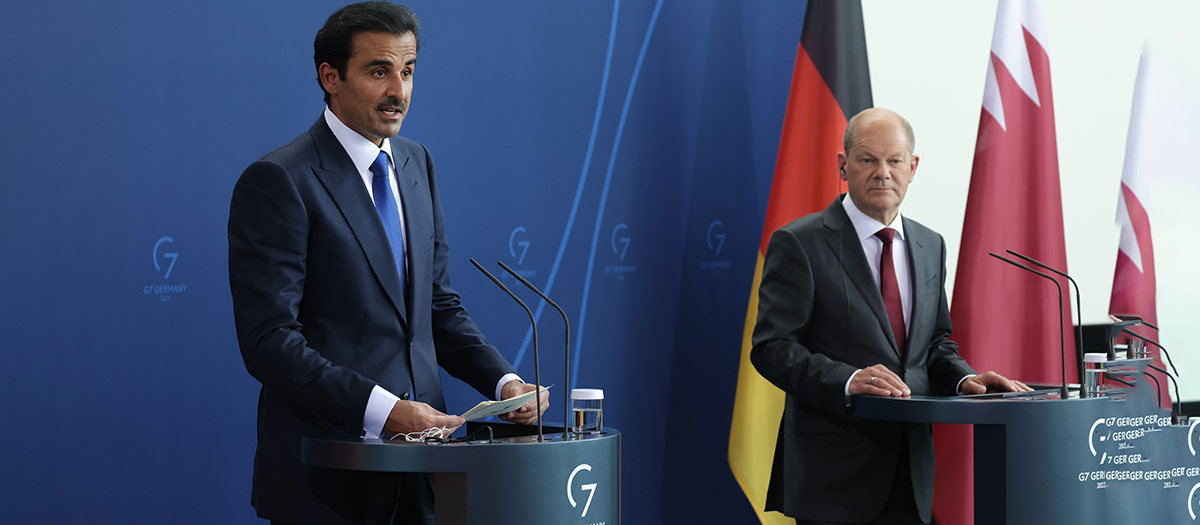
Facing the profound challenge of trying to diversify its energy supply while a destabilizing war rages on in Ukraine, Germany has looked to several Gulf monarchies to forge new energy partnerships. Notwithstanding heated domestic debates over controversial topics such as their human rights record, Berlin should consider a more comprehensive strategic approach toward the Gulf monarchies that encompasses issues beyond energy supply, such as joint efforts in regional integration and development.
Climate-induced migration in the GCC states: A looming challenge
Gulf states are collectively investing billions of dollars in developing renewable energy. Yet climate change patterns in neighboring regions, combined with rising average temperatures, could eventually trigger more serious climate migration problems for the Gulf countries themselves.
The Gulf states: Beneficiaries of the Russia-Europe energy war?
The Gulf states are often overlooked as indirect beneficiaries of the Russia-Europe energy war. In what ways and to what extent have they leveraged it? Are these benefits sustainable?