Iran’s Abuse of its Own People a Humanitarian Catastrophe
This article was first published by iPolitics.ca on October 15, 2012
Assertions and opinions in this publication are solely those of the above-mentioned author(s) and do not necessarily reflect the views of the Middle East Institute, which expressly does not take positions on Middle East policy.
This article was first published by Jane’s Islamic Affairs Analyst.
Assertions and opinions in this publication are solely those of the above-mentioned author(s) and do not necessarily reflect the views of the Middle East Institute, which expressly does not take positions on Middle East policy.
Iran’s President Mahmoud Ahmadinejad had high hopes for the visit to Tehran by new Egyptian President Mohamed Morsi. His trip on Thursday for the Non-Aligned Movement (NAM) summit might have been brief — his spokesman emphasized ahead of time that he would spend only four hours on Iranian soil, including getting stuck in traffic — but Iran’s leaders relished the opportunity to demonstrate progress in overcoming its isolation in the Arab world and to gain some democratic and revolutionary legitimacy by proxy.
Prospects for U.S.-Iran Relations on the Nuclear Issue in the Year Ahead
Principal Authors: Allen Keiswetter and Roby Barrett
Contributing MEI Scholars and Guests:
Geneive Abdo, Reza Akbari, Roby Barrett, Charles Dunne,Philip Frayne, George Harris, Mark N. Katz (George Mason University), Allen Keiswetter, David Mack, Melissa Mahle (C&O Resources), Richard Murphy, Greg Myre, Michael Ryan, Paul Scham, Daniel Serwer, Alex Vatanka, Marvin Weinbaum, Wayne White, Philip Wilcox, Molly Williamson
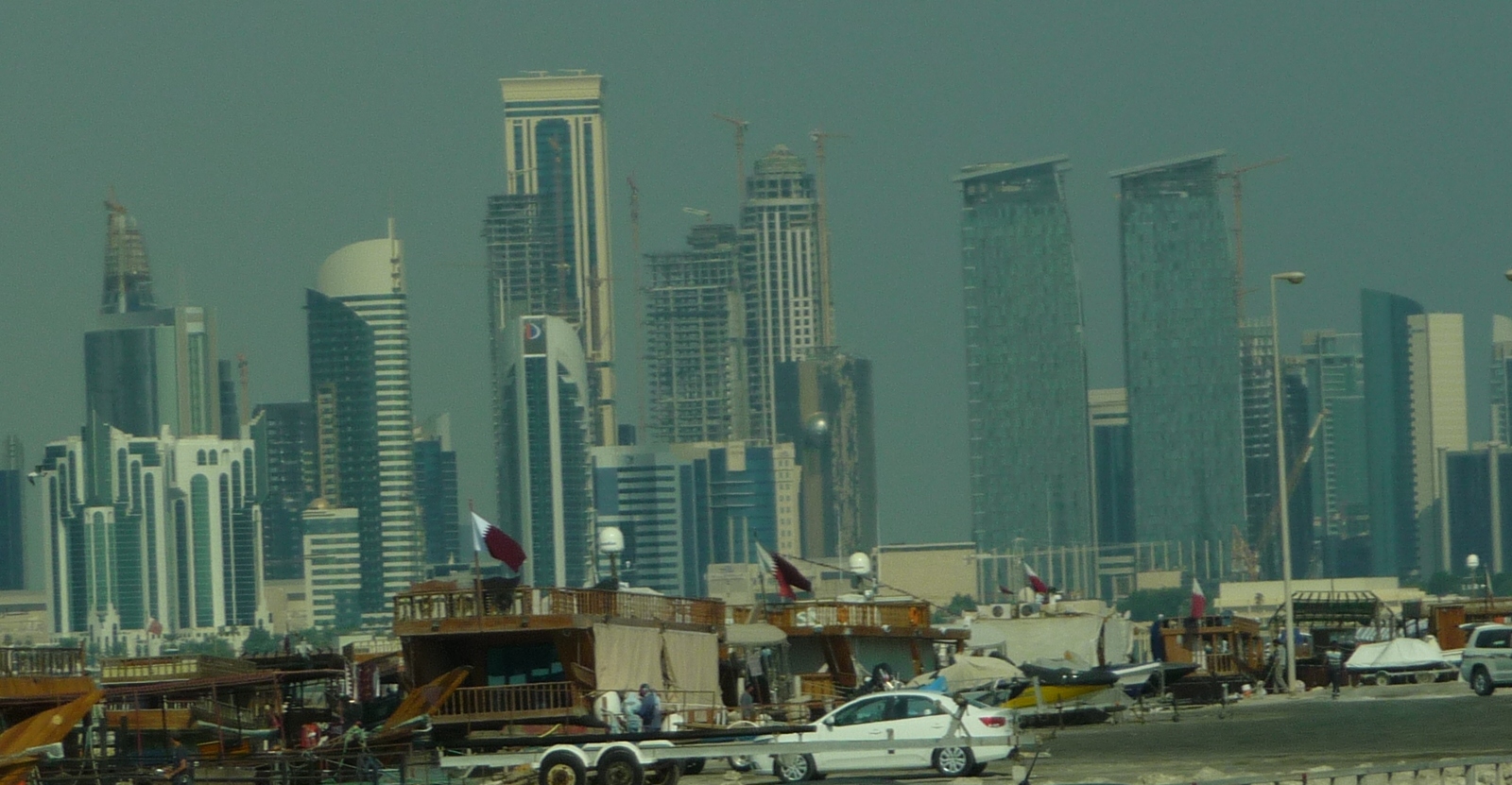
Higher Education Reform in the Arab World: The Model of Qatar
Higher education—and its successful reform—is essential to the long term stability and prosperity of the Arab world. The youth uprisings which triggered the Arab Spring in Tunisia and Egypt have highlighted the urgency of defusing the region’s ticking demographic time bomb: young, growing populations facing uncertain futures. To combat high unemployment and sluggish private sector growth, the Arab world must focus on building a knowledge society quickly in order to create three million more jobs annually than it currently generates, according to World Bank estimates.
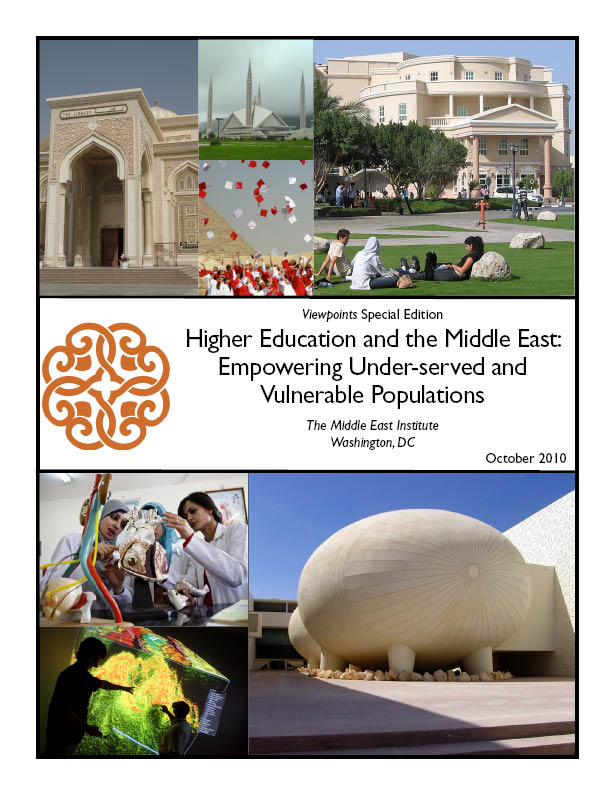
Introduction to Higher Education and the Middle East: Empowering Under-served and Vulnerable Populations
Originally posted October 2010
This second edition of the MEI Viewpoints series on Higher Education and the Middle East focuses on Empowering Under-served and Vulnerable Populations.
America's Catch-22: The Iran Question in Afghanistan
This Opinion first appeared in Frontline.com’s Tehran Bureau on June 13, 2012 and was co-authored by Christina Lin
As U.S. and other NATO troops prepare to leave Afghanistan in 2014, a geopolitical realignment will be under way in Southwest Asia. One possible scenario would outright undermine a principle U.S. policy objective in the region: the containment of Iran.
On March 11, 2011 Japan was struck by a massive earthquake and tsunami that devastated the northeastern part of the country. The quake and tsunami also damaged three reactors at the Fukushima Daiichi Nuclear Power Plant, triggering a nuclear crisis that led to the shutdown of nearly a third of the country’s energy production.