Travels beyond Gurnah: Migration in the work of Ali Al-Sharji and Shaima Al-Tamimi
When Abdulrazak Gurnah was awarded the Nobel Prize in Literature in October, he and his novels came under the international spotlight. The award committee praised his “uncompromising and compassionate penetration of the effects of colonialism and the fates of the refugee in the gulf between cultures and continents.” But Gurnah is not the only son of Zanzibar whose art has been shaped by the memories of migration, and his recent recognition is an occasion to highlight and reflect on creative work in different media by individuals of similar backgrounds who have also been shaped by the trauma of forced departure.
Marvin Weinbaum and Javid Ahmad discuss conditions in Afghanistan since falling back under Taliban rule, including worsening economic and humanitarian crises, the security situation, the role of international and regional actors, and where things might be headed moving forward.
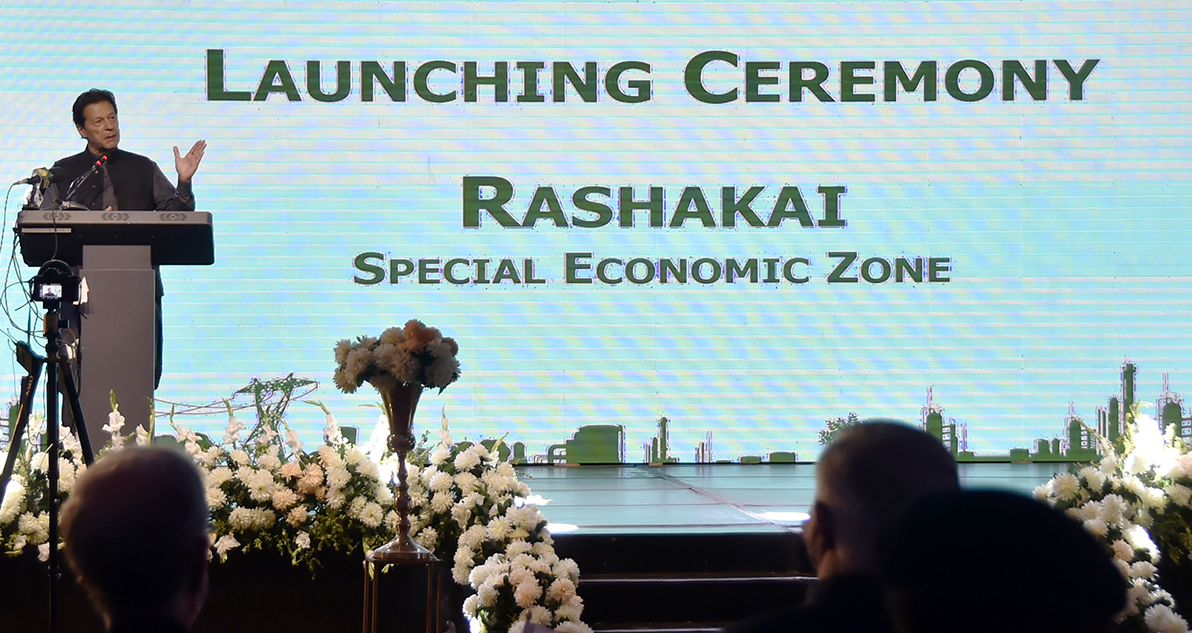
The China-Pakistan Economic Corridor: Slower may be better
In September, China and Pakistan convened the tenth session of their joint coordination committee that oversees the CPEC — the largest of the BRI corridors. The long-anticipated meeting ultimately yielded no major breakthroughs. The momentum of CPEC appears to be losing steam once again, but for Pakistan, slower may actually be better.
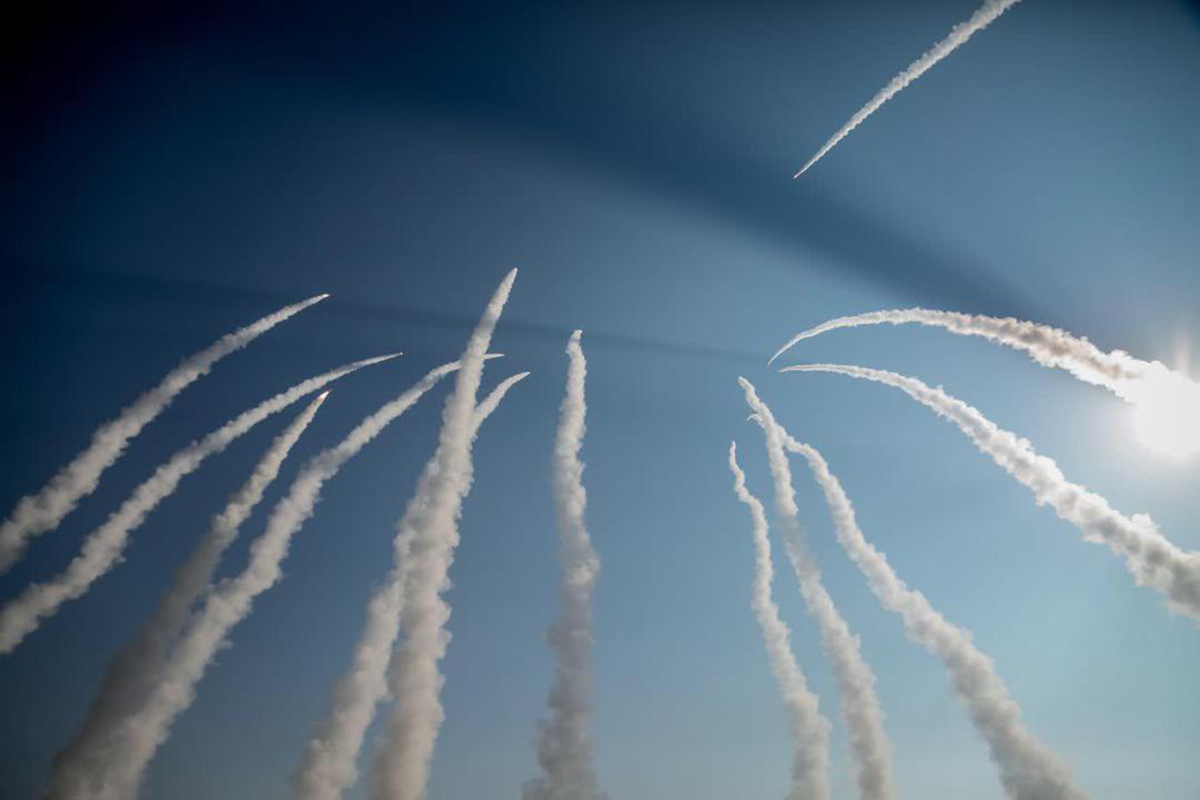
Integrated Air and Missile Defense Will Enhance Security in the Middle East
Integrated air and missile defense will make America’s partners in the Persian Gulf safer and bolster America’s policy against Iran. It’s past time to make IAMD a priority.
America’s reputation and local actors in a trust vacuum
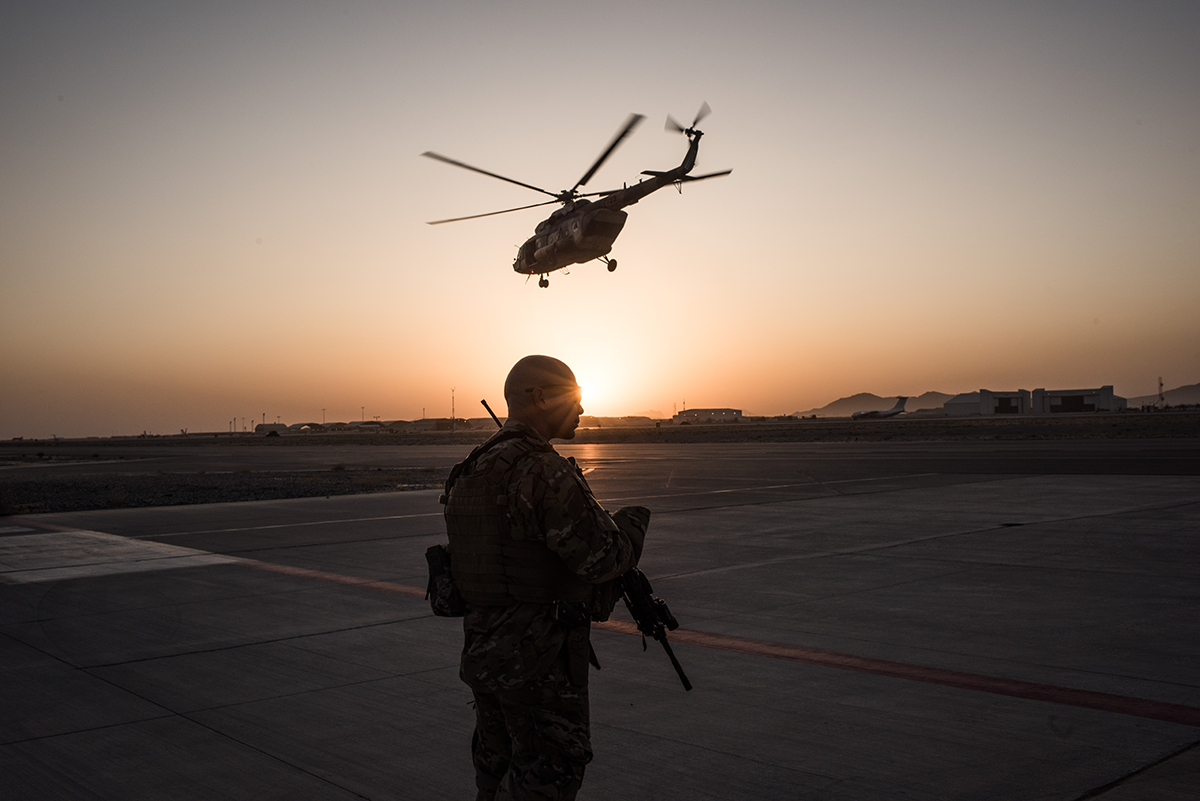
The rapid collapse of the U.S.-supported Afghan government after the withdrawal of U.S. troops raised a number of questions about America’s credibility and reputation in the eyes of its allies, especially those who had participated in and contributed to the 20-year war. Analysts and commentators have focused on how NATO member states or the European Union now perceive the U.S., but it is also important to consider the perspective of non-state groups or individuals who served or could serve as local partners for the U.S. government and military.
Overcoming unemployment in Jordan: The need for evidence-based policies
In the last few years, it has become conventional wisdom that unemployment is Jordan’s most pressing challenge. While King Abdullah himself has stressed on many occasions that reducing unemployment is a top priority, the number of unemployed is still on the rise. This problem can be overcome with evidence-based active labor market policies, which are lacking in Jordan.
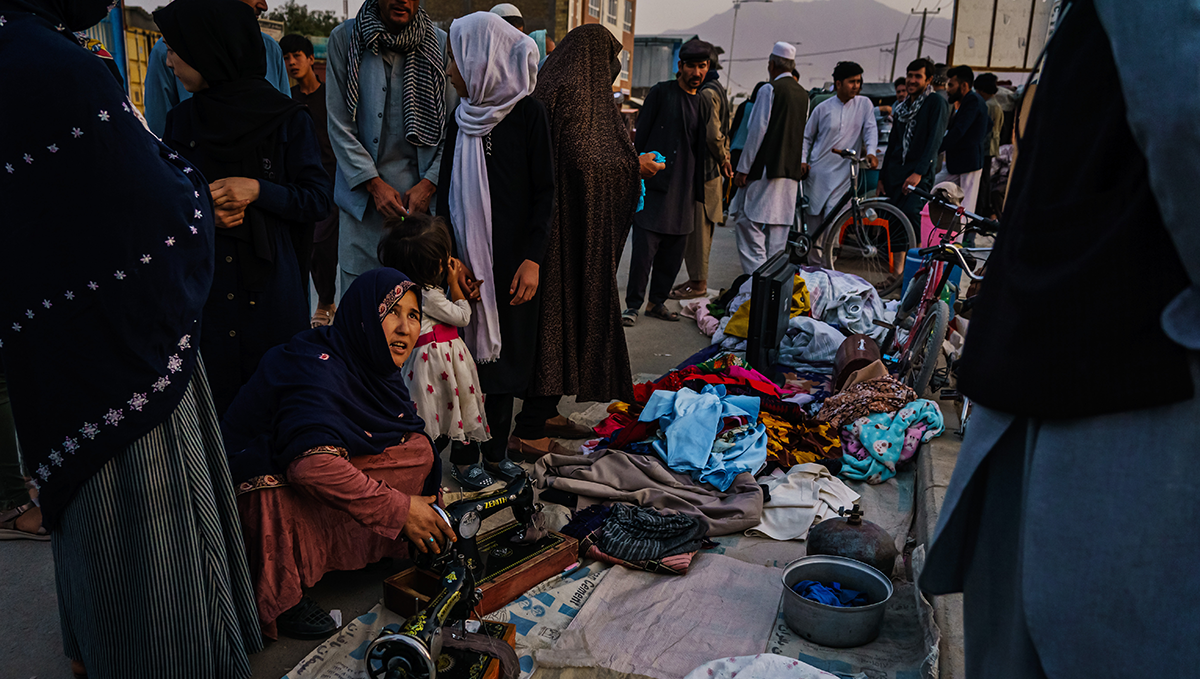
The humanitarian and human security crises in Afghanistan
The concept of human security encompasses people-centric policies to protect individuals from insecurity that could pose threats to their survival and dignity. Traditional security systems support that protection and state institutions are responsible for enabling conditions for growth and development in a society. This article discusses the emerging characteristics of Taliban governance, the current state of human security in Afghanistan, and how these new conditions affect the protection of human security.
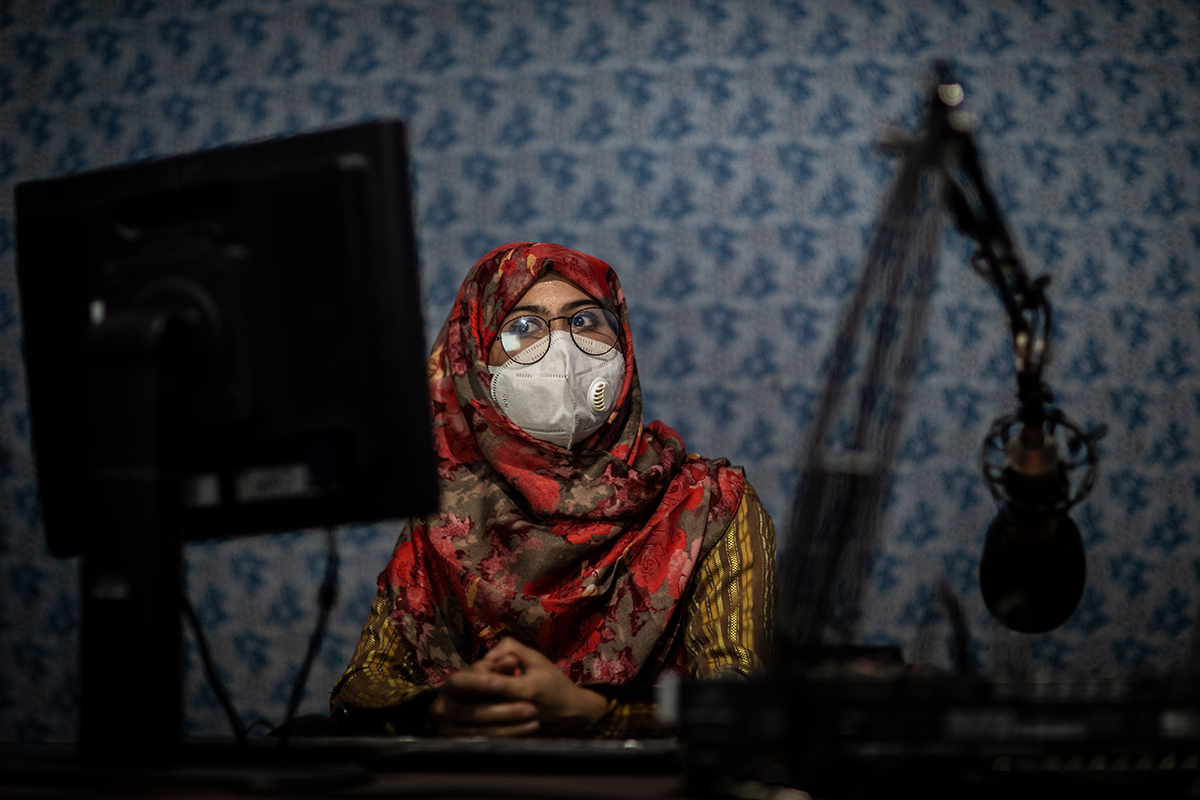
How digital rights are key to protecting Afghans under the Taliban
Like the rest of the world during the past 20 years, Afghanistan has lived much of its life online and via networked technology; a multifaceted understanding of how digital rights are foundational to protecting Afghans in the face of an uncertain future must be key to any humanitarian or policy strategy undertaken by the U.S. or the international community.
Cyclone Shaheen: A reminder of the Arabian Peninsula’s vulnerability to extreme weather events
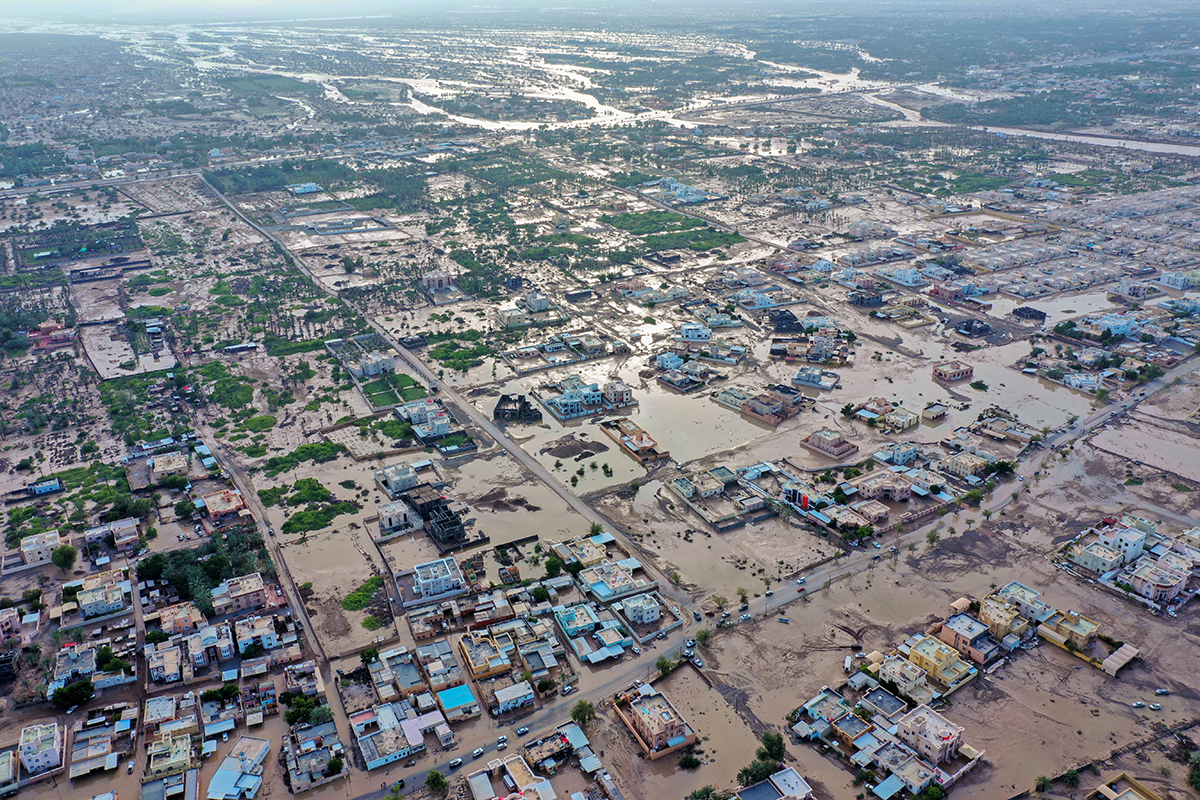
On Oct. 3 Cyclone Shaheen made landfall in Oman, near Muscat, after traveling through the Gulf of Oman from the Arabian Sea. According to the India Meteorological Department, which monitors and tracks the formation of cyclones in the North Indian Ocean, Cyclone Shaheen was categorized as a severe cyclonic storm when it made landfall with sustained winds of 70 miles per hour. Its arrival brought on heavy rainfall and excessive flooding in the many valleys that are a natural part of Oman’s topography. The high winds of the cyclone generated massive storm surges along the coast and caused serious damage to infrastructure and homes, displacing many.