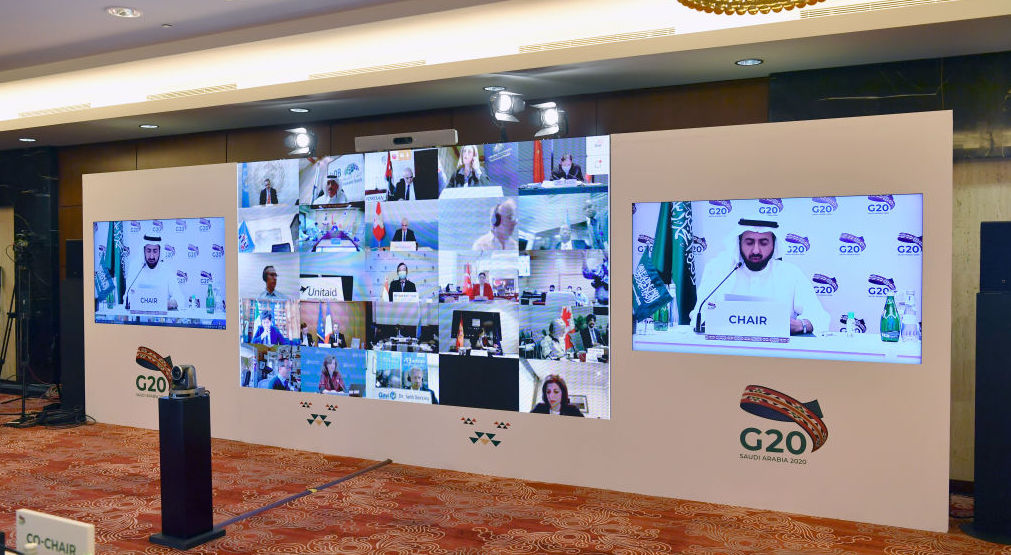
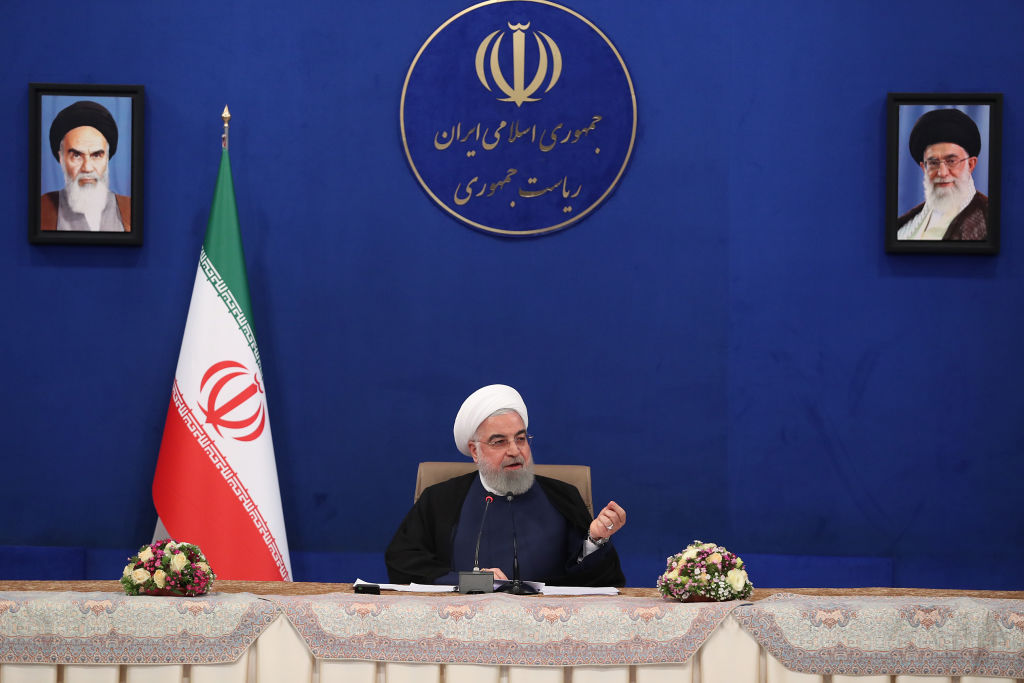
While COVID-19 and historically low oil prices are disrupting the Gulf’s political economy, the pandemic has demonstrated the region’s tech resilience.
Salafism Meets Populism: The Al-Karama Coalition and the Malleability of Political Salafism in Tunisia
The nascent research on political Salafism suggests that it can often be much more pragmatic, flexible, and malleable than both the quietist and the jihadist Salafist strand and can sometimes show a certain openness to other political actors and ideologies. The case of the Tunisian al-Karama Coalition (Dignity Coalition) indicates that the new (tactical) openness of some politicized Salafists can also extend to populism. In this article, the authors locate the rise of al-Karama within the context of Tunisia’s successful but still incomplete and “bumpy democratic transition.”
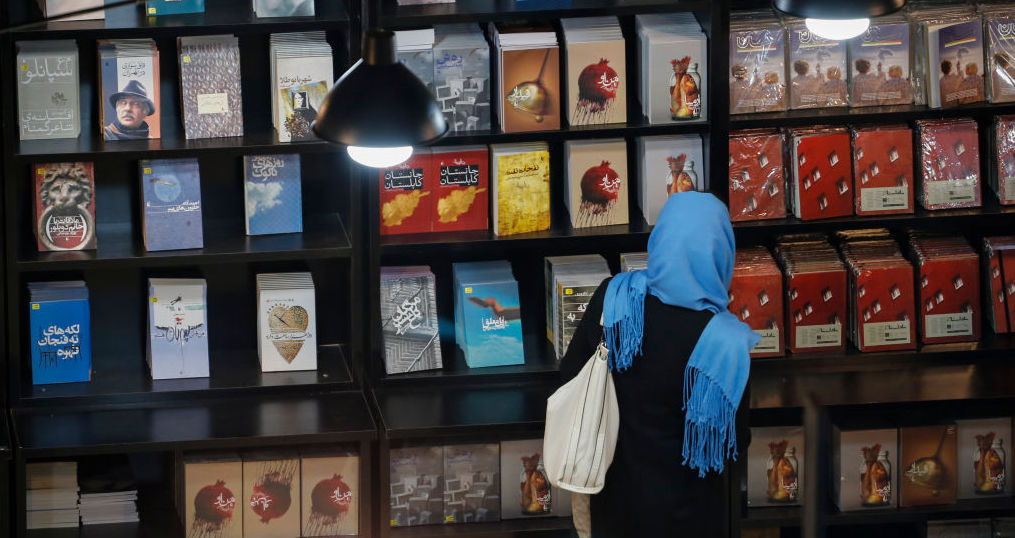
Unfortunately, many distinguished Arab writers are unknown to the majority of Iranian readers and their works are not available in Persian. Arab literature has largely been neglected in the Iranian literary translation market.
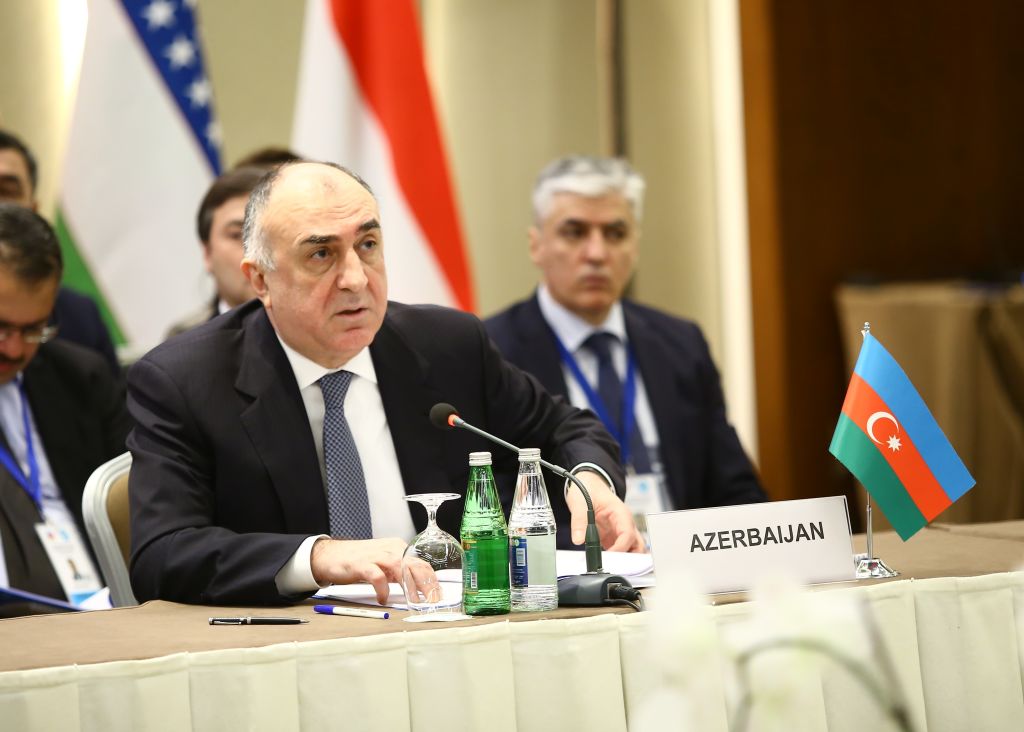
Azerbaijan’s foreign policy priorities and the role of the Middle East
Azerbaijan will soon celebrate 30 years since its independence and sovereignty was restored. However, the country’s foreign policy priorities have stayed largely the same since the early 1990s. That is, the restoration of territorial integrity, strengthening the country’s independence, and the development of strong regional economic partnerships.
The Middle East and China: Trust in the time of COVID-19
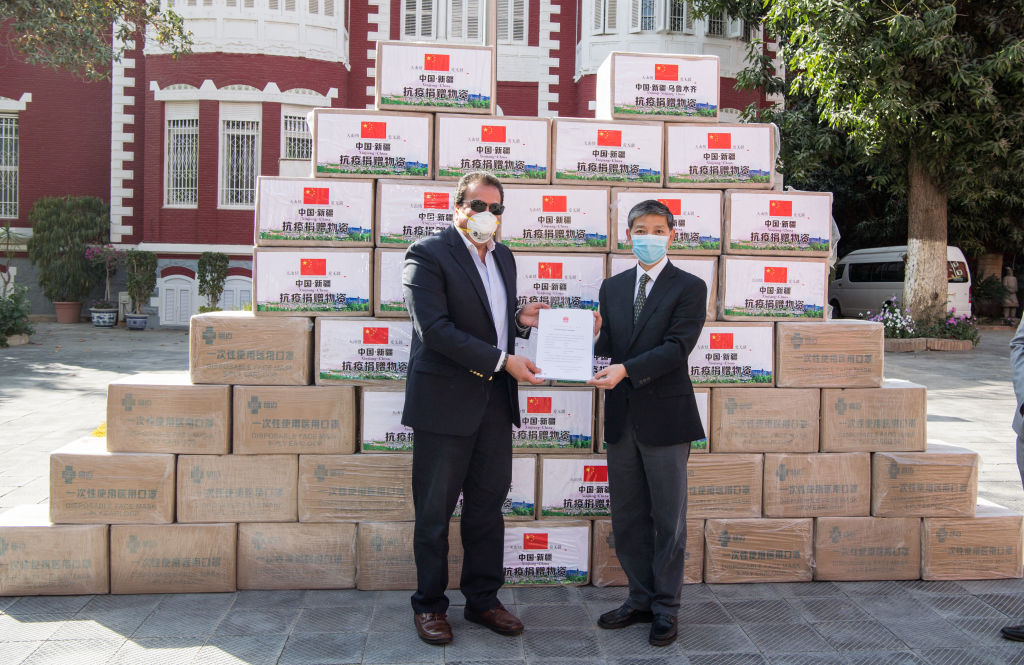
China and the Middle East have long-standing historical ties that have grown significantly closer in recent years, driven by rising levels of trade and investment, as well as a burgeoning political relationship. However, the outbreak of the COVID-19 pandemic, which spread from China to the region and the rest of the world, has ushered in a complex new dynamic in relations between the two sides.
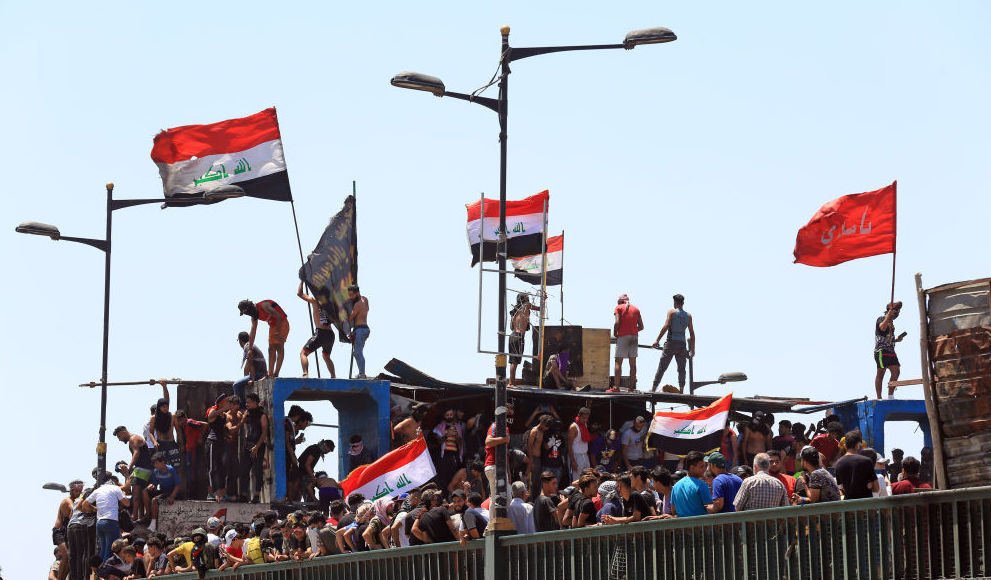
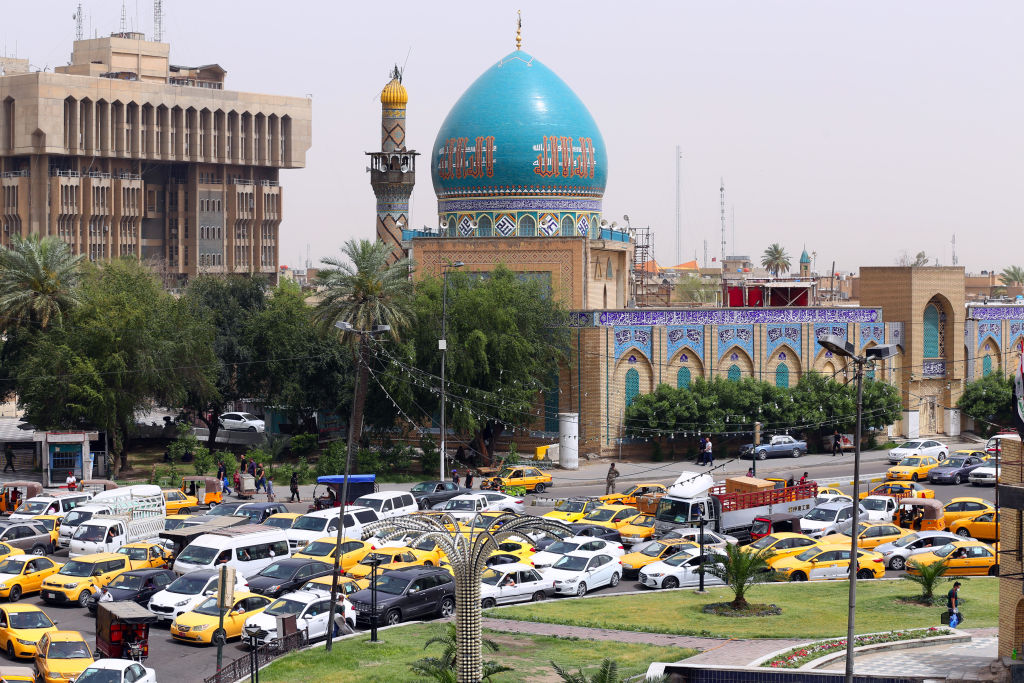
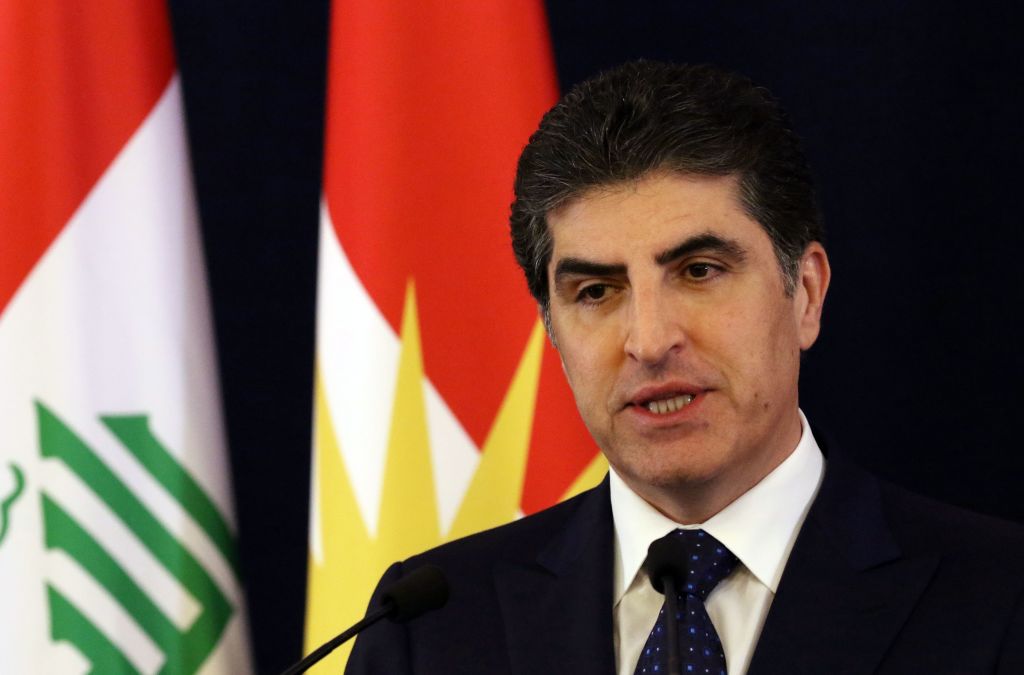
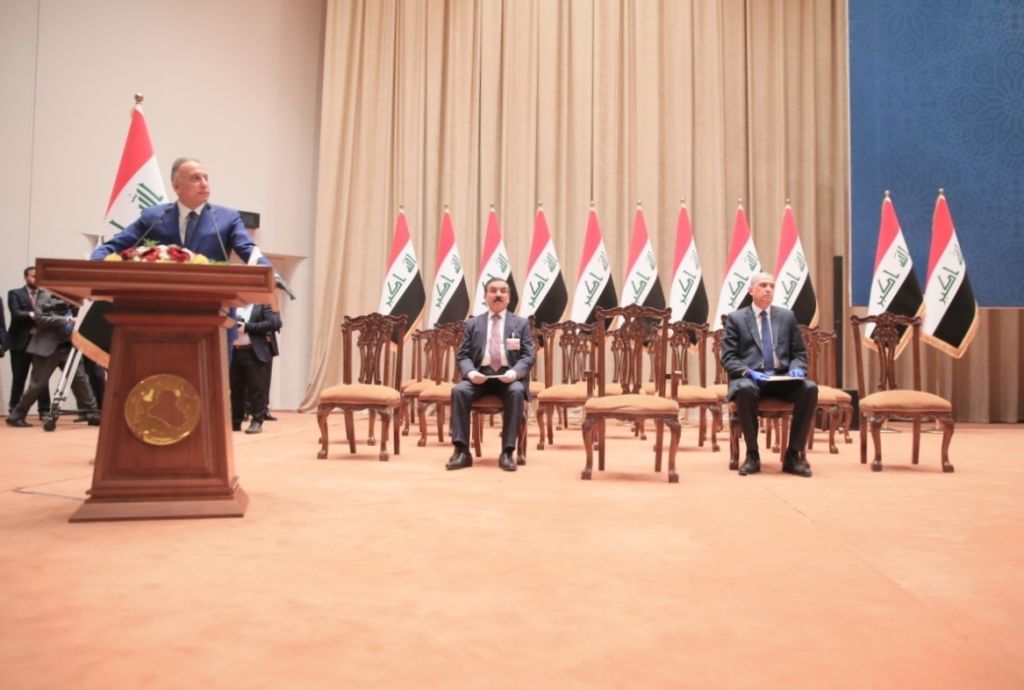
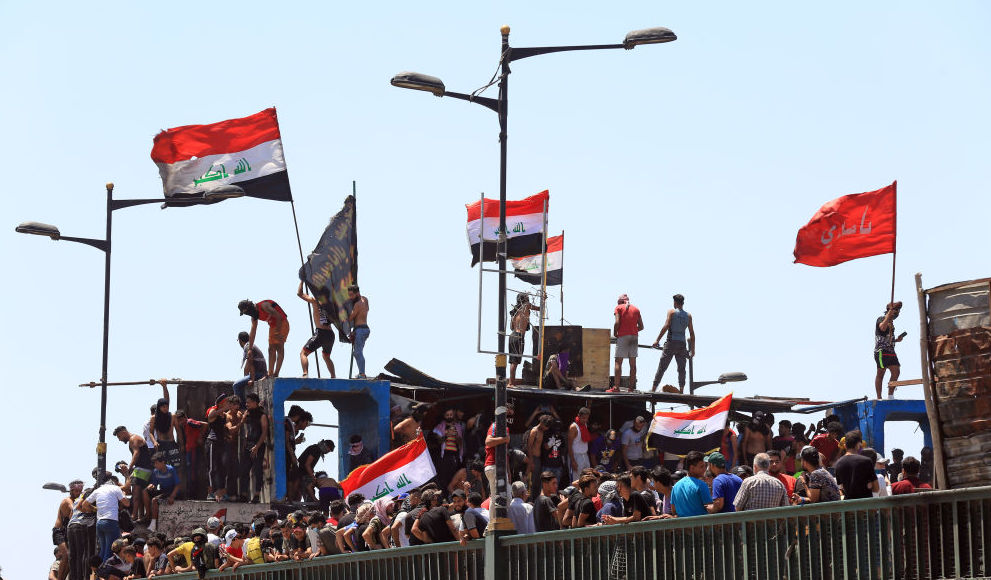
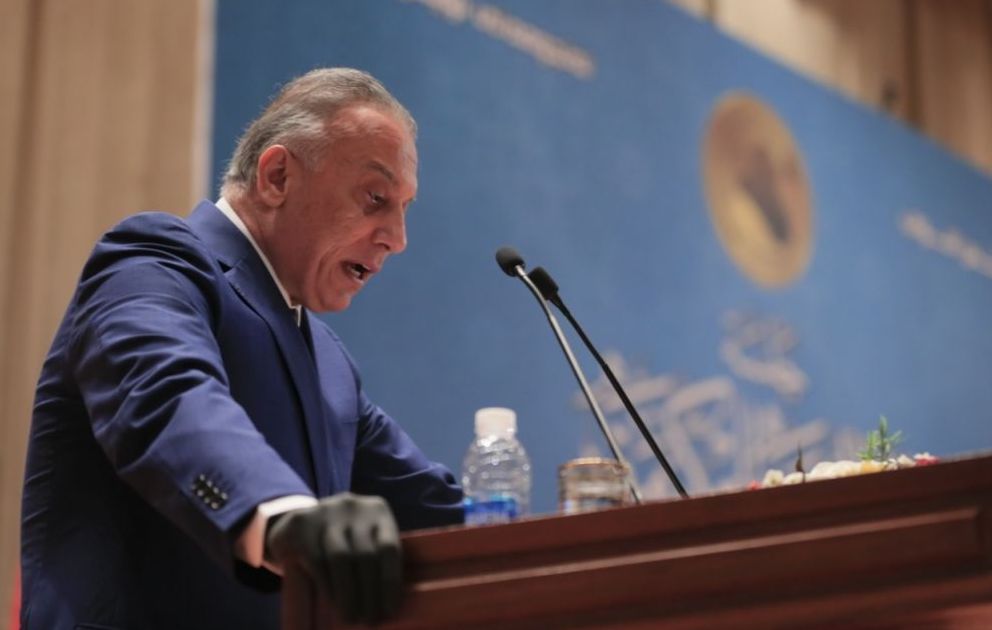
Iraq special briefing: The challenges facing Prime Minister Mustafa al-Kadhimi
Six scholars from across MEI take a closer look at the challenges facing Iraq’s new prime minister, from the protest movement and Baghdad-Erbil relations to the balancing act between Washington and Tehran.
Baghdad will continue its outreach to its Arab neighbors
While regional tensions will complicate the task of promoting a centrist foreign policy, they will also create opportunities for a skilled mediator like al-Kadhimi
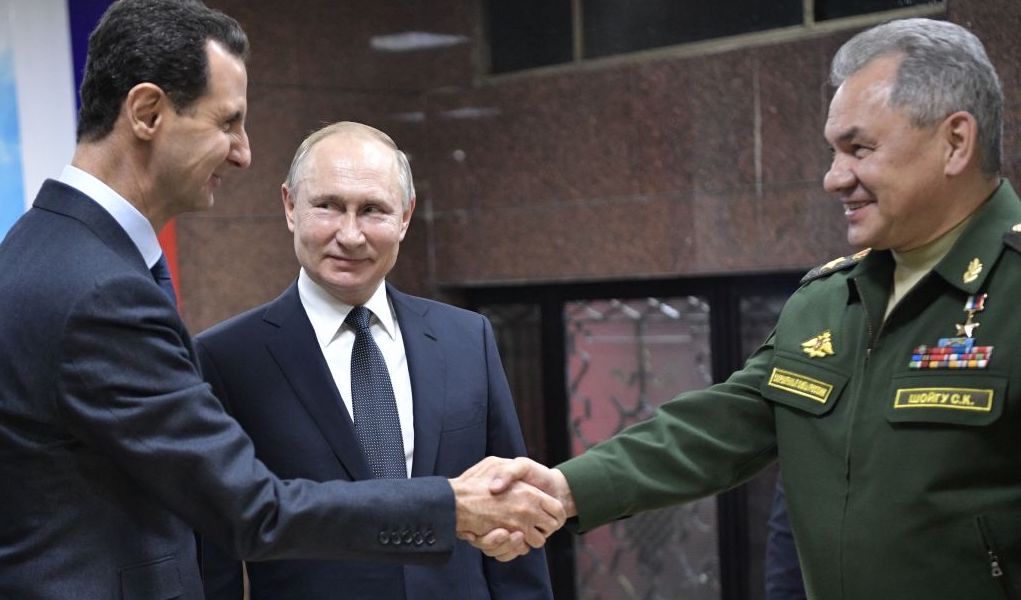
Saying that Moscow is having a change of heart at this very moment, let alone is willing to publicly broadcast this to Damascus, may be a bit premature.
Challenges of COVID-19 in areas of protracted conflict
COVID-19 poses immense humanitarian, economic, social and political challenges for the world. However, the threat is especially serious for those affected by ongoing or protracted conflicts. Despite United Nations Secretary General António Guterres appealing for a global ceasefire, there are many conflicts which are not at the forefront of international attention but remain extremely vulnerable to COVID-19. Among them are ongoing and protracted conflicts in the Black Sea and South Caucasus regions.