تمت ترجمة هذا النص بواسطة الذكاء الاصطناعي وقد يحتوي على أخطاء.
تخطي إلى المحتوى

Research & Commentary Results

تصفية حسب
1610 Results
ذكرى تشرين، مسألة مكتومة في الفترة التي تسبق الانتخابات العراقية
  • تعليق
  • ذكرى تشرين، مسألة مكتومة في الفترة التي تسبق الانتخابات العراقية

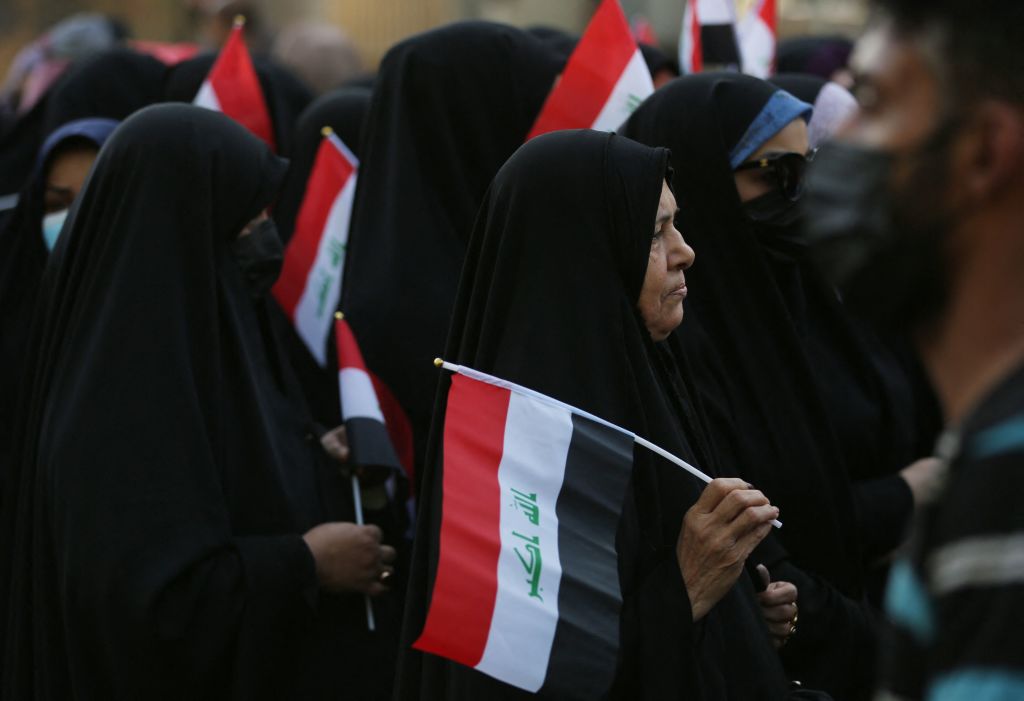
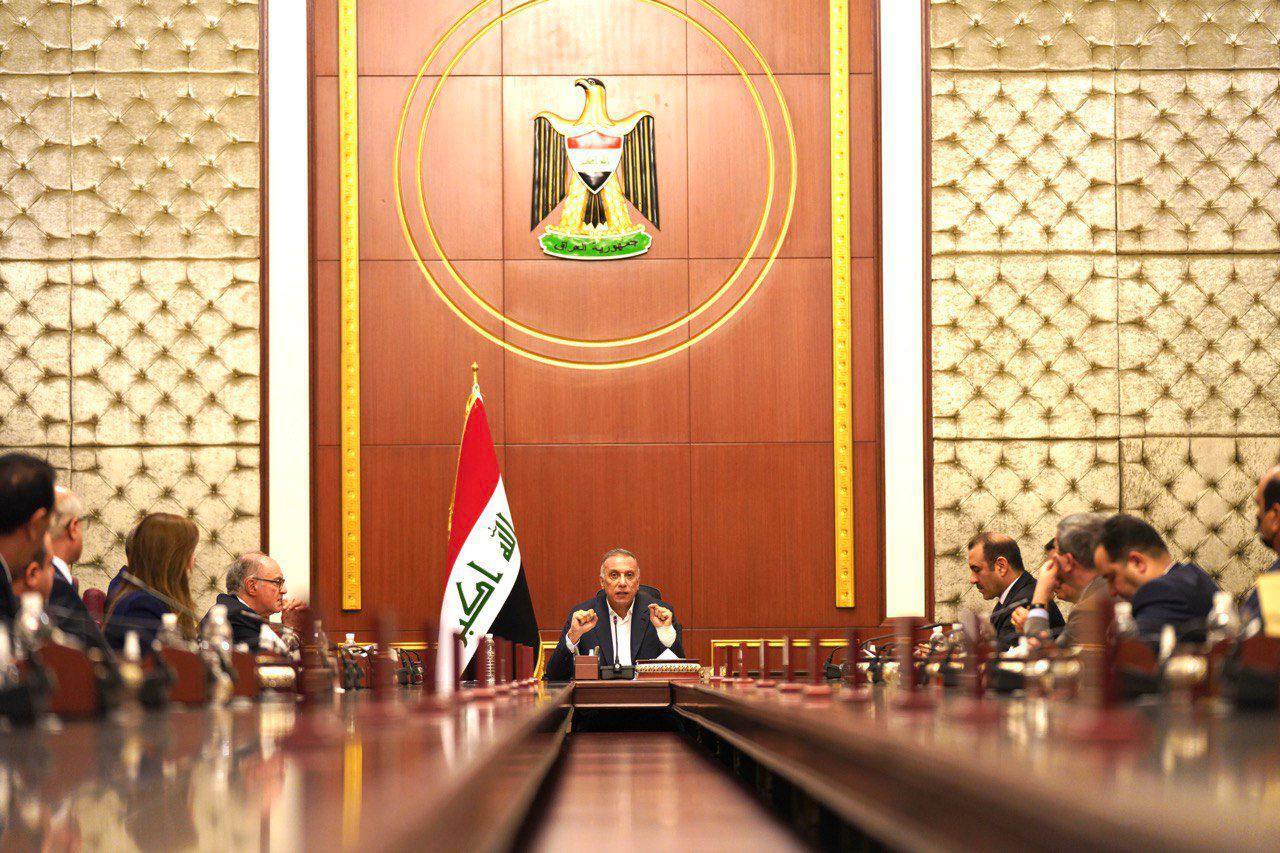
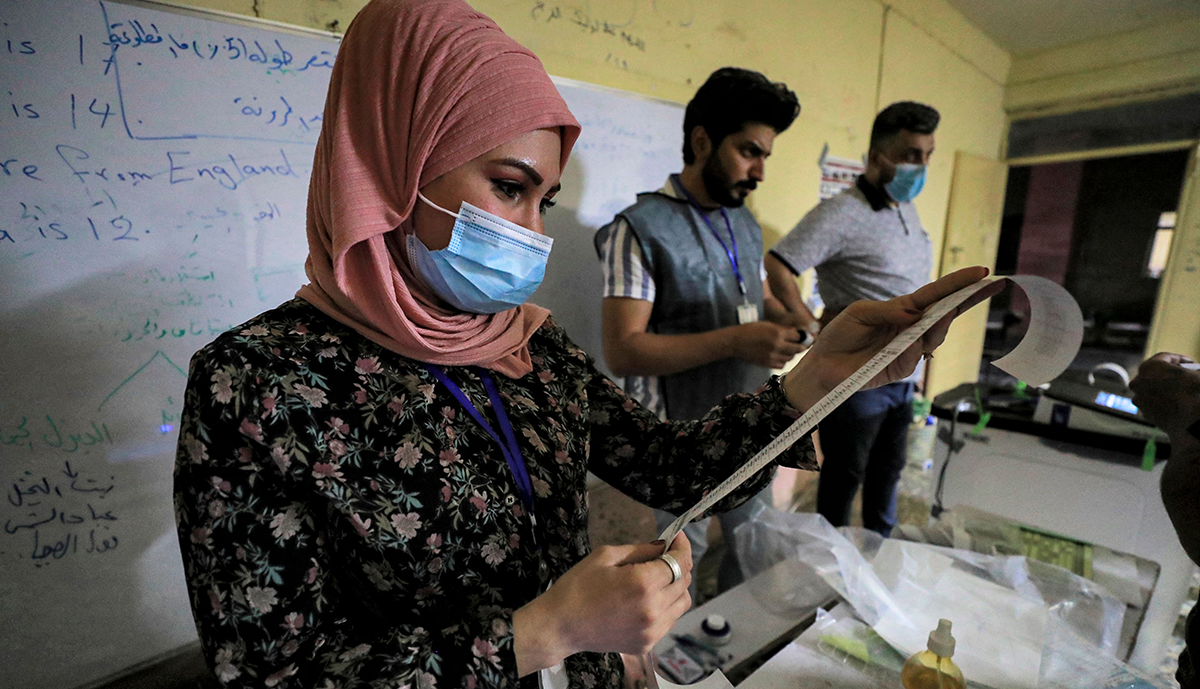
    في الأول من أكتوبر/تشرين الأول، تجمع عدة مئات من العراقيين وشاركوا في مسيرة، احتجاجًا على عدم حدوث تغيير وذلك في ذكرى حركة تشرين التي اندلعت قبل عامين من ذاك اليوم والتي أحدثت هزة عنيفة بين النخبة السياسية العراقية. كانت التجمعات صغيرة والاحتجاجات خافتة لا صوت لها، وهي محاطة بالمنشورات الدعائية الانتخابية وملصقات المرشحين بينما يستعد العراقيون للذهاب إلى صناديق الاقتراع في 10 أكتوبر/تشرين الأول في انتخابات برلمانية مبكرة.

    October 6, 2021

    هل سيكون السيستاني آخر العظماء؟
    Photo by AHMAD AL-RUBAYE/AFP via Getty Images.
  • تعليق
  • هل سيكون السيستاني آخر العظماء؟

    بعد غزو العراق في ٢٠٠٣، تحولت الأنظار إلى السيد علي السيستاني في النجف بوصفه نقطة محورية ليس فقط على مستوى العراق، بل في عموم المنطقة. اليوم، يبلغ السيستاني ٩١ عامًا مما يجعل مسألة خلافته أمرًا يشغل المتابعين، ليس فقط على مستوى الساحة الشيعية، ولكن على مستوى منطقة الشرق الأوسط بشكل عام. وعليه، تهدف هذه الدراسة إلى تسليط الضوء على مستقبل المرجعية الشيعية على أساس التغيير المرتقب القادم بعد السيستاني.

    September 28, 2021

    Will Sistani be the Last Legend? The Challenge of Succession and the Future of the Marj’aiyyah
    Photo by AHMAD AL-RUBAYE/AFP via Getty Images.
  • التحليل
  • Will Sistani be the Last Legend? The Challenge of Succession and the Future of the Marj’aiyyah

    For Shi’a Muslims, the highest-ranking religious authorities are known as marj’as, who serve as a reference point for emulation for laypeople (marj’a al-taqlīd). The position of the marj’a, known as the marj’aiyyah, has the exclusive right to issue religious rulings (fatwas). Since the 2003 invasion of Iraq, Ayatollah Sayyid Ali Sistani in Najaf has become a focal point not only for Shi’a in Iraq, but for the entire region. Sistani is now 91 years old and the question of succession is a central one — one that concerns not only Shi’a Muslims, but the wider Middle East as well. This paper aims to shed light on the future of the religious authority in the Shi’a world based on the unavoidable change after Sistani.

    September 28, 2021

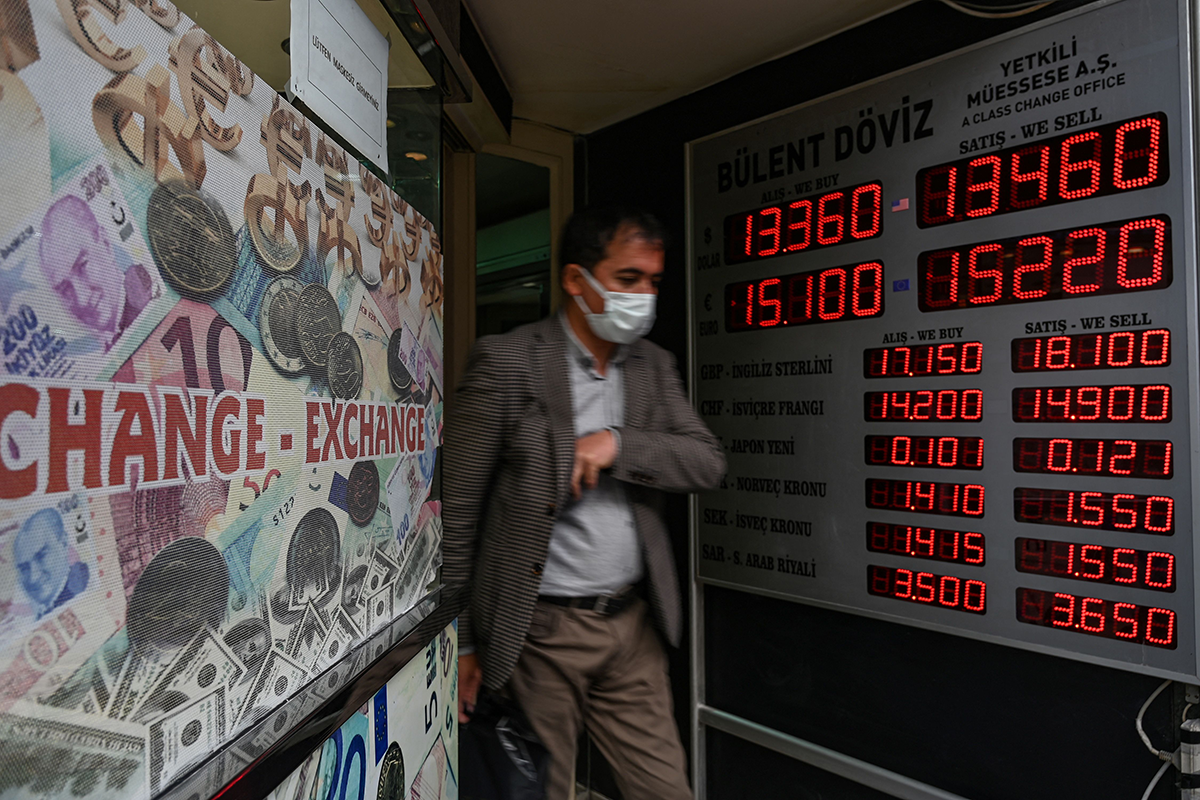
    Courting danger, Erdoğan ramps up reliance on China
    Photo by Jason Lee-Pool/Getty Images
  • التحليل
  • Courting danger, Erdoğan ramps up reliance on China

    China’s recent multi-sectoral engagements in Turkey suggest that the Black Sea region’s significance is on the rise in Beijing, and under President Erdoğan, Turkey has consistently sought its favor and investment.

    September 21, 2021

    Budget dust: Better approaches for security and sustainability — lessons learned from Iraq and Afghanistan
    Photo by MARCUS YAM/LOS ANGELES TIMES/GETTY IMAGES
  • التحليل
  • Budget dust: Better approaches for security and sustainability — lessons learned from Iraq and Afghanistan

    It took the Taliban just three and a half months to undermine a 20-year international effort to build a competent Afghan military. The Afghanistan National Army (ANA) collapsed once it was clear the U.S. was pulling out ground troops and ceasing air support operations after two decades of training and sustainment that cost the American taxpayer approximately $83 billion. When required to stand alone, against a Taliban force, the ANA failed unequivocally. Building the ANA as a mirror image of the U.S. military was strategically and operationally flawed. If they are designed to fight like the U.S. but cannot fight in the absence of U.S. forces, they are ineffective. What lessons should we learn from this and how could our approach be different in the future?

    9/11’s legacy for U.S.-Middle East relations
    معهد الشرق الأوسط
  • Podcast
  • 9/11’s legacy for U.S.-Middle East relations

    Ross Harrison, Paul Salem, and Randa Slim join host Alistair Taylor to reflect on 9/11’s impact on US policy in the Middle East over the past 20 years and how its legacy has been viewed by the region.

    September 9, 2021

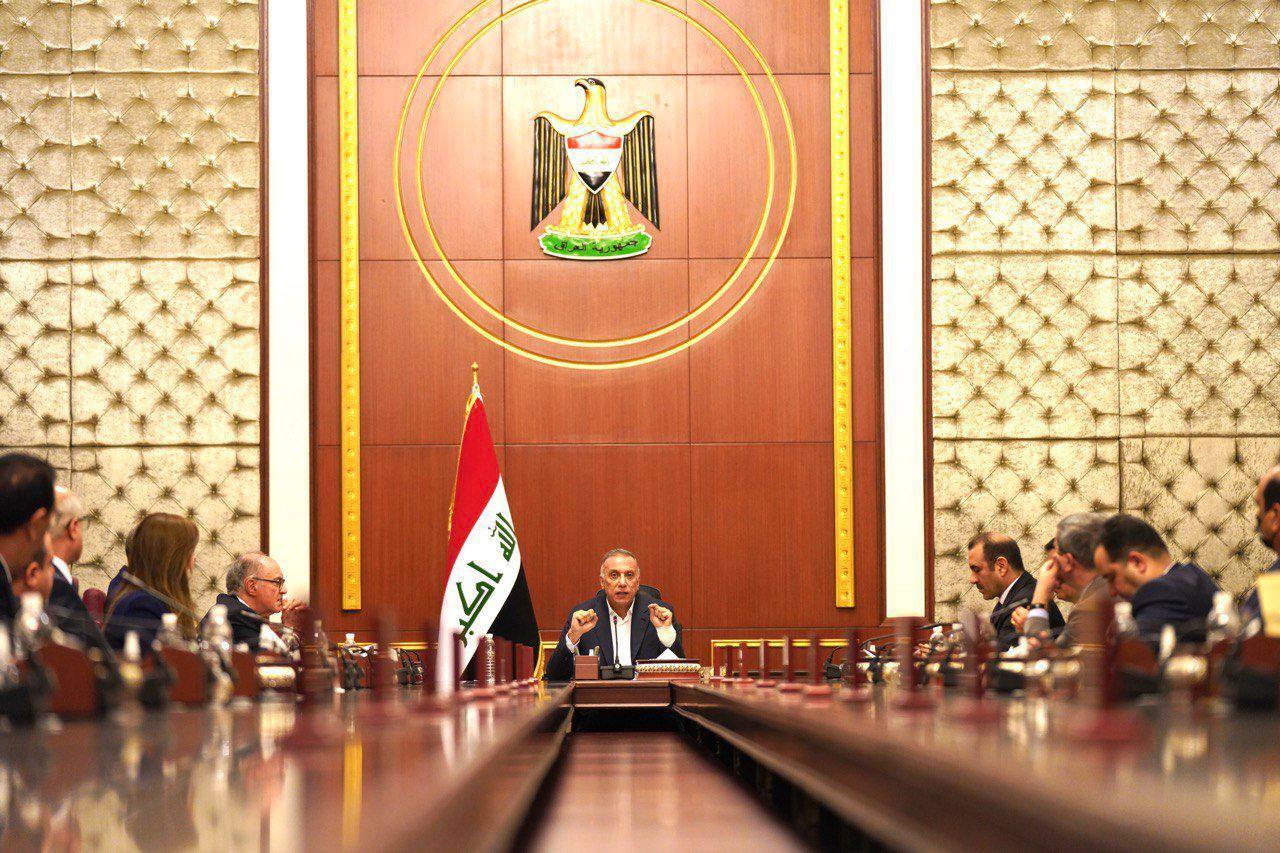
    Baghdad, Beirut, and the politics of Lebanon’s power crisis
    الصورة من وكالة فرانس برس عبر غيتي إيمدجز
  • التحليل
  • Baghdad, Beirut, and the politics of Lebanon’s power crisis

    On July 24, Beirut and Baghdad signed a governmental framework agreement under which Iraq pledged 1 million tons of heavy fuel oil to Lebanon over a full year.

    September 7, 2021

    A Case Study in Irregular Warfare
    معهد الشرق الأوسط
  • Podcast
  • A Case Study in Irregular Warfare

    Mick Mulroy and Ken Tovo join host Alistair Taylor to discuss their recent paper on how US intelligence and military operatives effectively collaborated with local Kurdish partners in Northern Iraq in the early 2000s, why it was a successful partnership, and what lessons it may provide for future operations. The paper, “Irregular Warfare: A Case Study in CIA and US Army Special Forces Operations in Northern Iraq, 2002-03,” is available now on MEI’s website.

    September 1, 2021

    Erdoğan eyes an opening in the Balkans
    Photo by Emin Sansar/Anadolu Agency via Getty Images
  • التحليل
  • Erdoğan eyes an opening in the Balkans

    Just before visiting Turkish-occupied Northern Cyprus in late July, Turkish President Recep Tayyip Erdoğan gave Serbia an unpleasant surprise. He announced that Turkey would lobby to increase the number of countries that recognized independent Kosovo. Erdoğan stated on July 19, “Now 114 countries recognize Kosovo, and we want that number to increase. We hope that this year at the United Nations General Assembly, at the meeting I will have with [U.S. President Joe] Biden, we will discuss this topic again, that we will work together on the recognition of Kosovo.”

    August 31, 2021

    Building a Closer Black Sea: Promoting Trade and Economic Interdependence
    Photo by Evgeniy Maloletka/Bloomberg via Getty Images.
  • التحليل
  • Building a Closer Black Sea: Promoting Trade and Economic Interdependence

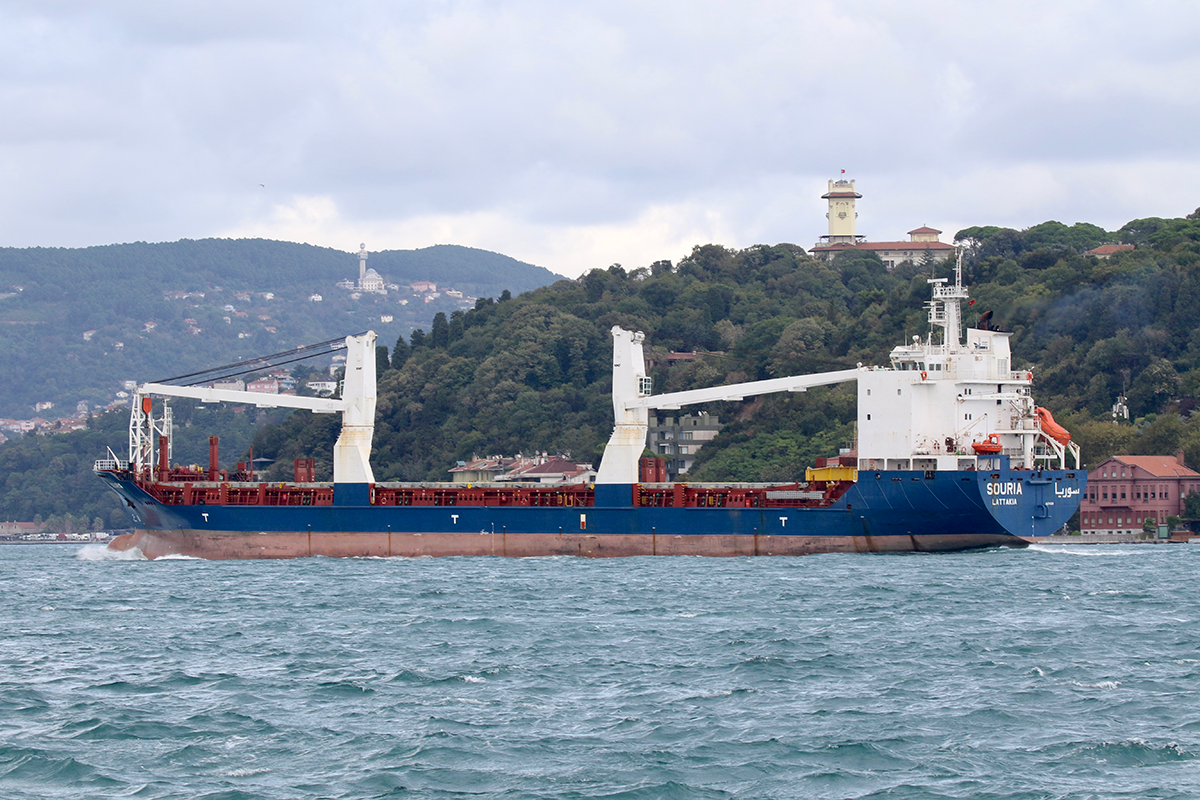
    While the Black Sea has historically been an area of significant geostrategic importance, this has not made it a vibrant zone of commerce, transport, energy, tourism, or cultural exchange. Rather, it has become a theater of struggle for dominance and competing geopolitical and geo-economic interests. This situation has been exacerbated by conflict between Russia and countries in the region, like Ukraine and Georgia, that have sought closer ties with the West and aspire to NATO membership and EU integration. These developments have dire consequences for regional security and stability, disrupting political and economic ties in the area and beyond. A long-term solution to the region’s security issues could be based on intensifying trade relations and increasing economic interdependence between the states. This paper identifies major barriers to closer regional trade and economic cooperation and outlines ways to overcome them.

    August 30, 2021

    Preparing for advancements in Russian warfare in the Black Sea region
    Photo by Sergei MalgavkoTASS via Getty Images
  • التحليل
  • Preparing for advancements in Russian warfare in the Black Sea region

    Suddenly and seemingly without warning, Russian forces amassed in Crimea and near the Ukrainian border in April 2021. Heavy armor, long-range missiles and artillery, modern air forces, and elite airborne infantry units deployed into positions that raised alarm in Ukraine and throughout Europe. The situation today appears stable, but reports of new and upgraded hardware, including unmanned vehicles, demand a fresh evaluation of the Russian way of war.

    August 23, 2021

    The race to reset the Middle East's maritime map
    Photo by Xinhua/Wu Lu via Getty Images
  • التحليل
  • The race to reset the Middle East's maritime map

    One of the most consequential changes in the Middle East’s geopolitical map is happening at the water’s edge. Along the entire eastern rim of the Mediterranean basin, global and regional actors are engaging in a spate of port capacity expansions, new private port construction, and the sell-off of major state-owned ports that will determine who sits atop the region’s global trade flows for decades to come. The international competition to rebuild Beirut’s port is one key puzzle piece in this larger process that is reconfiguring the Levant’s maritime commercial architecture and, as a consequence, the geopolitical contours of the Middle East.

    The possibility that the Lebanese government could opt for China to reconstruct Beirut’s port has raised alarm in Washington and European capitals given China’s already outsized commercial port presence in Egypt, Israel, and Greece. Increased Chinese involvement in Lebanon’s port operations could consolidate Beijing’s hold over the commercial connectivity architecture of the Levant. Re-orienting global commercial flows between Europe, the Middle East, and Asia according to Beijing’s priorities would make China’s Belt and Road Initiative a dominant organizing principle in the international relations of the Middle East. The most effective way to offset China’s ambition may be to facilitate Mediterranean rivals France and Turkey to jointly rebuild Beirut’s port.