The first volume of the migration and the Arab World series dealt primarily with the trends in, consequences of, and policy responses to labor migration in the Gulf Cooperation Council (GCC) states since the “oil boom” period of the 1970s. This volume focuses on the countries of the Mashreq (i.e., Egypt and the Levant) as source and destination countries for various migrant groups, dating from the late 19th century up to the present day.
Panelists will examine how the reverberations from last year's Arab Awakening, including the resulting unrest in Syria and the rise to power in Egypt of the Muslim Brotherhood, are re-shaping Hamas' relations with its patrons Iran and Syria, its rival, Fatah, and even the dynamics inside the organization itself.
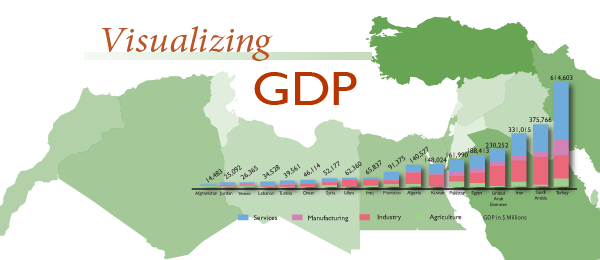
Arab Economic Challenges and Opportunities in the Wake of the Upsrisings
What are some of the fundamental socio-economic features they all share and what steps must they take if their economies are to enjoy sustained growth in the medium to long term? Dr. Toufic Gaspard, the economic adviser to Lebanon's minister of finance, will focus on Arab economies in Egypt and the Levant to examine how to solve the dominant regional problems of unemployment and poor productivity with the goal of establishing social and political stability.
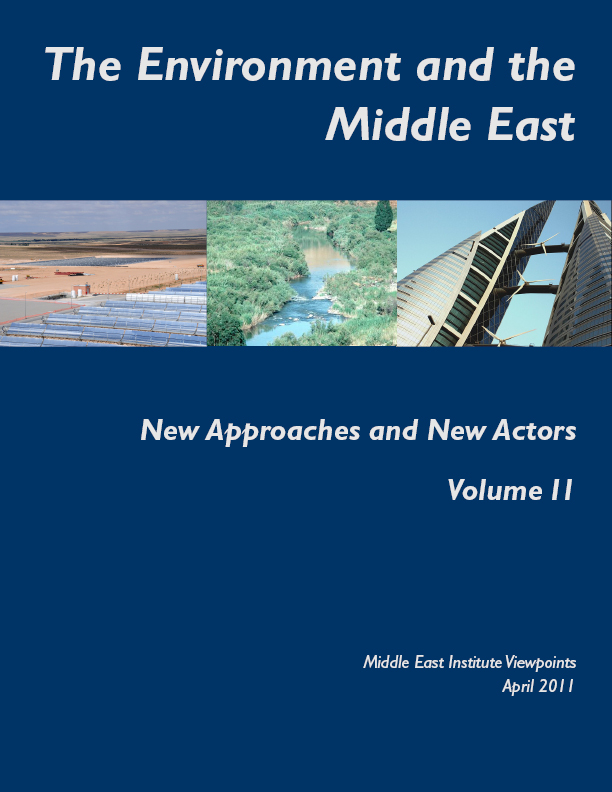
Introduction to The Environment and the Middle East: New Approaches and New Actors , Volume II
The tumultuous political changes taking place across the region dominate the news — deservedly so. Yet, there are other changes taking place throughout the Middle East which, though less prominent, also merit attention. Indeed, the region has no shortage of creative and committed “change agents” who in ways great and small have taken meaningful steps to address the myriad challenges to the sustainability of the region’s physical environment. Volume II in this series offers snapshots of a small selection of the many efforts aimed at cultivating responsible environmental stewardship.