Washington Has Enabled Israeli Extremism
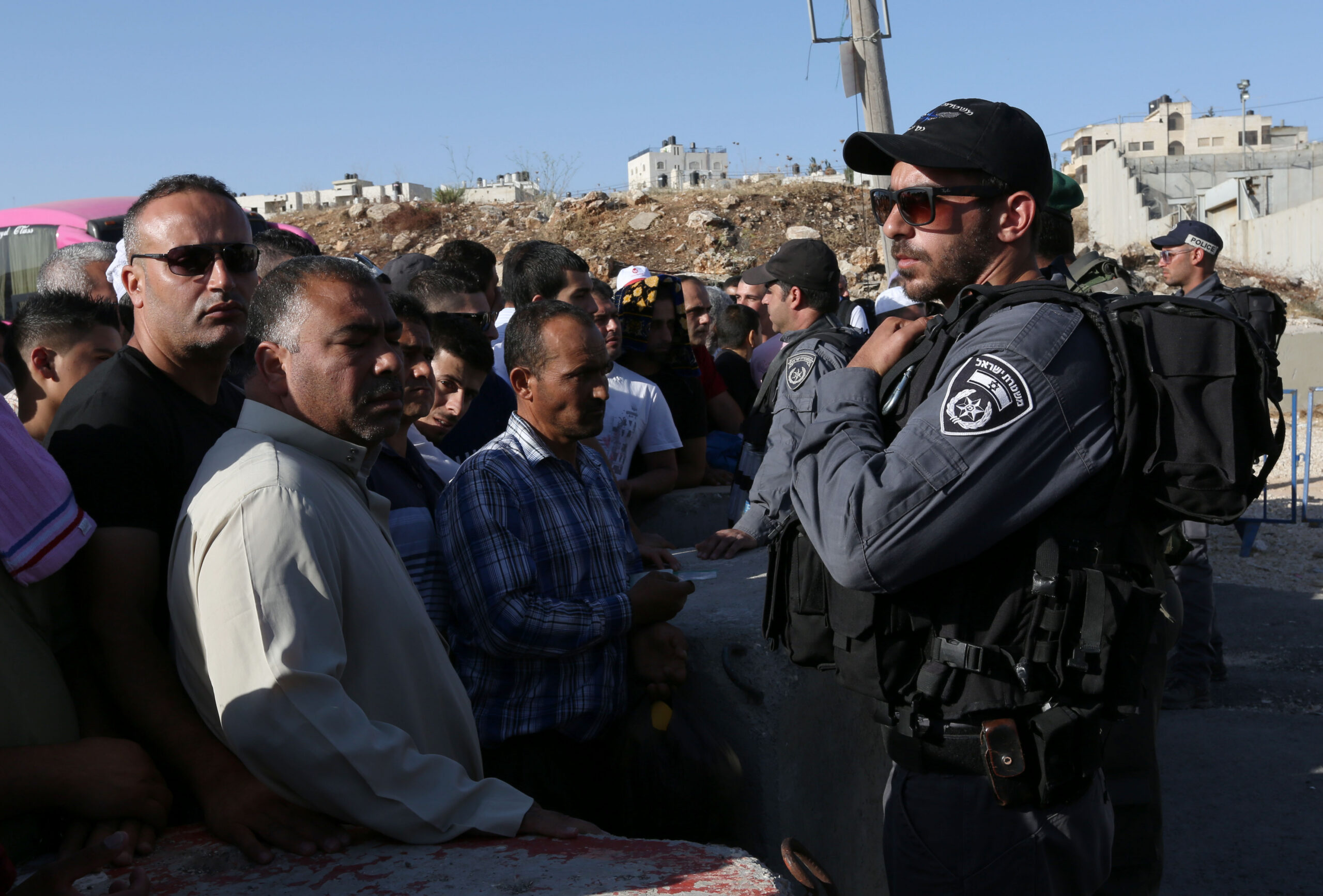
Failure to condemn anti-Palestinian violence will only further it.
“في حين أن المدى الكامل لتداعيات القرار لا يزال غير واضح، فليس هناك شك بأن عباس تسبب لنفسه بضرر كبير”.
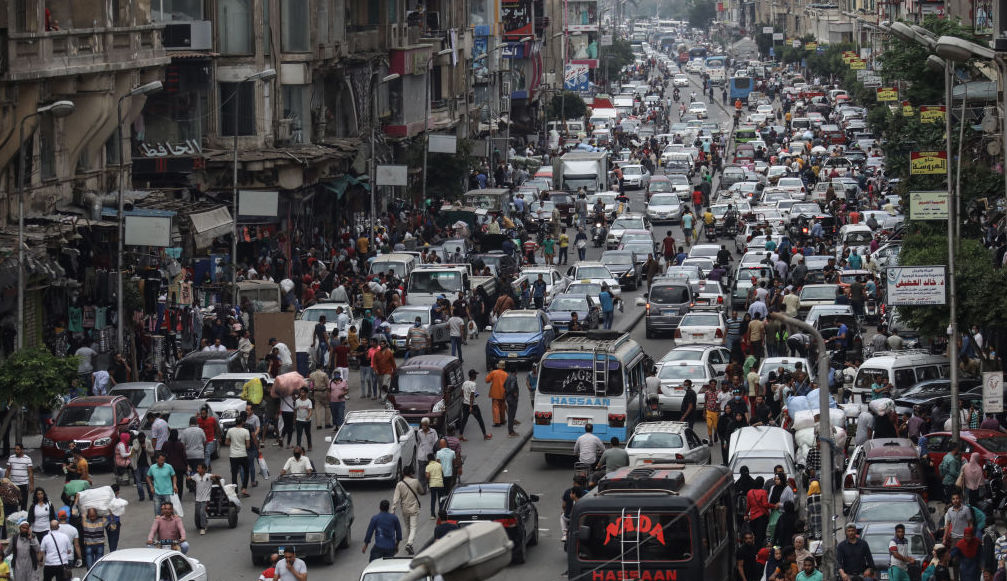
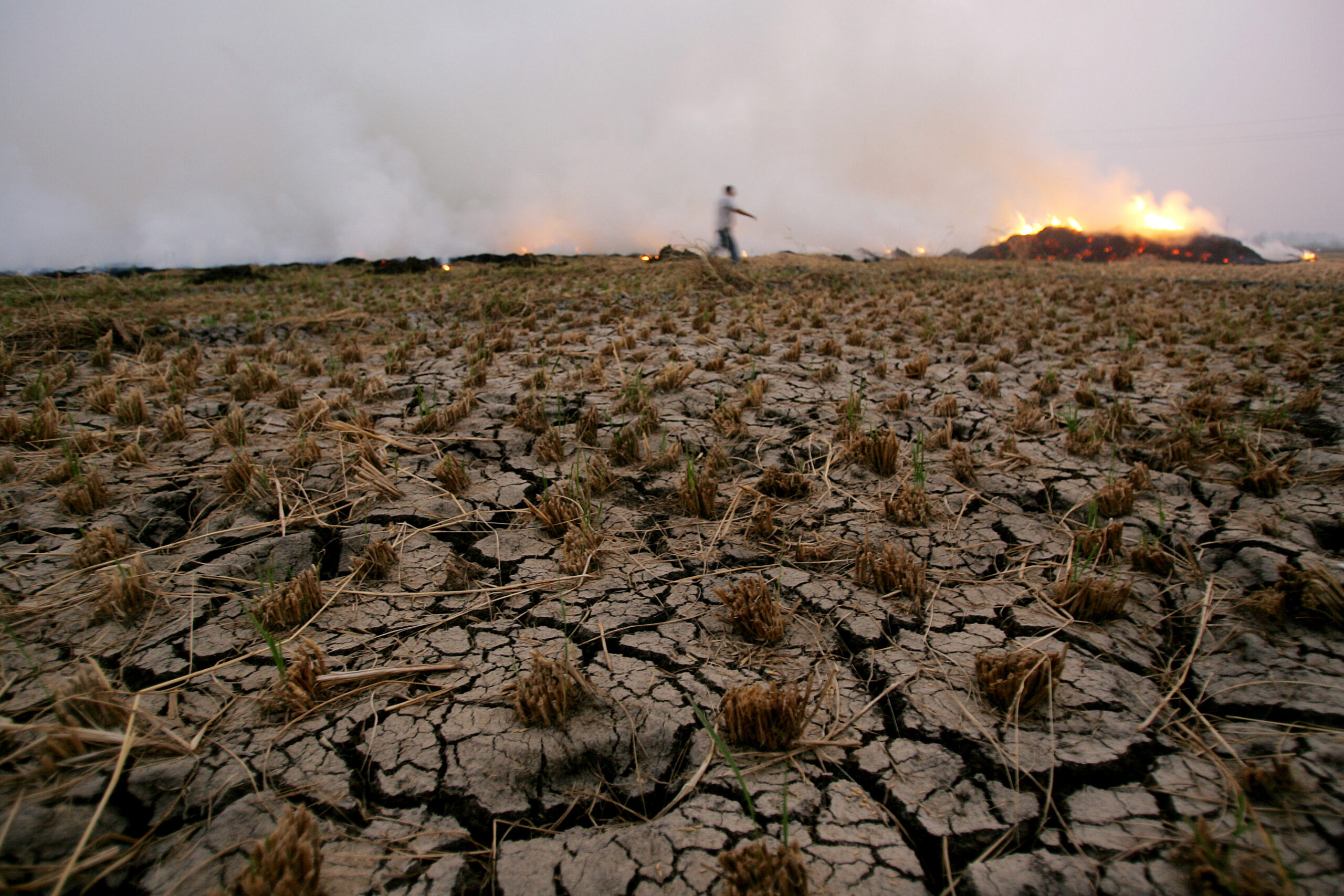
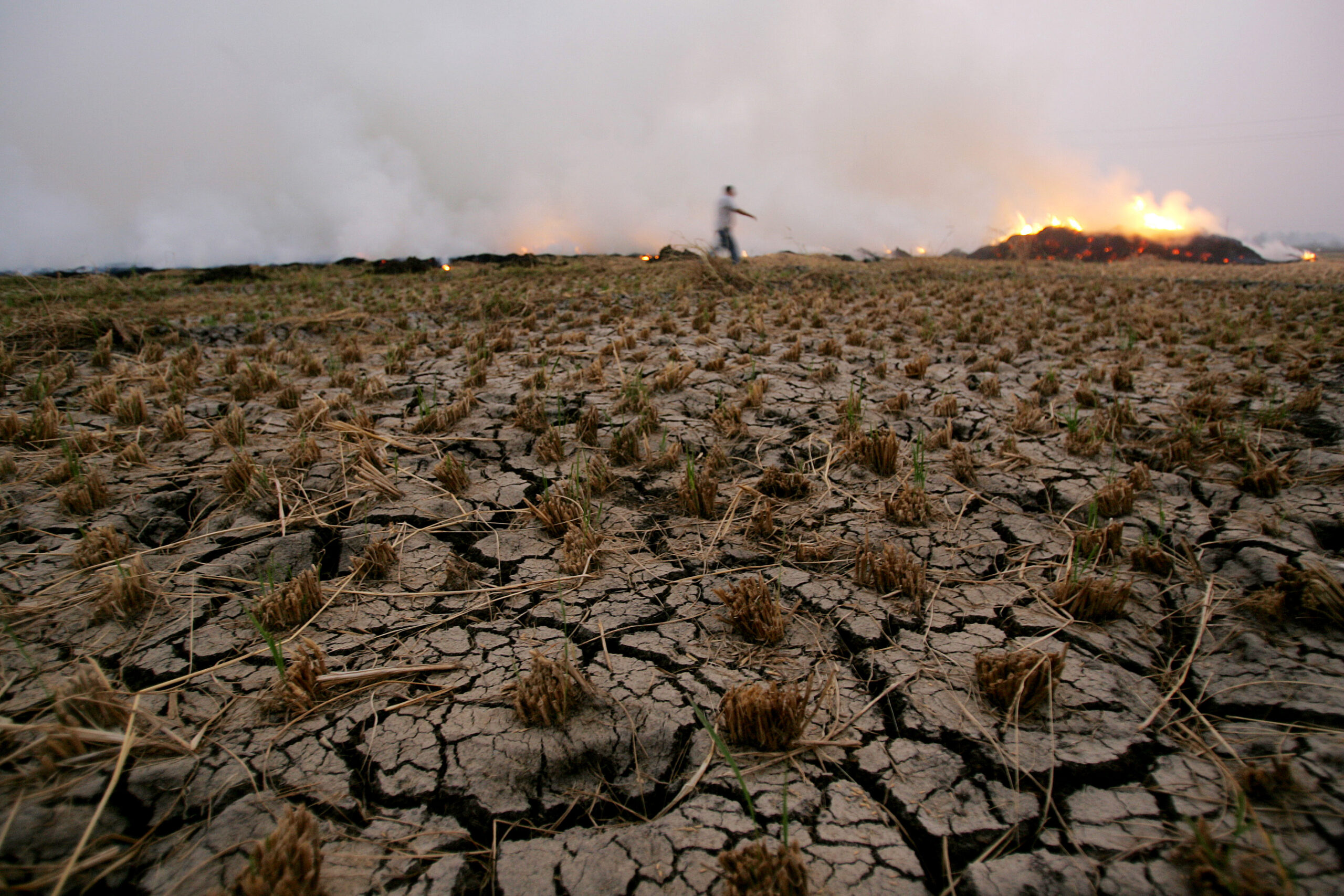
The Middle East and North Africa (MENA) region is grappling with many challenges on several fronts. Air pollution, water scarcity, and climate change in general are some of the serious challenges facing the MENA economies and residents that have been overshadowed by energy, security, and political debates surrounding the region. Nonetheless, considering their significant negative impact on the economic development of the MENA countries, inclusive, sustainable, and stable economic growth will require timely and effective solutions for the region’s environmental challenges.
The Middle East and North Africa faces a host of major environmental challenges, from water scarcity and food insecurity to climate change adaptation. In recognition of Earth Day on April 22 and in conjunction with MEI’s Climate Week 2021 events, we asked experts and scholars to weigh in with their thoughts on the most pressing environmental issues facing the region.
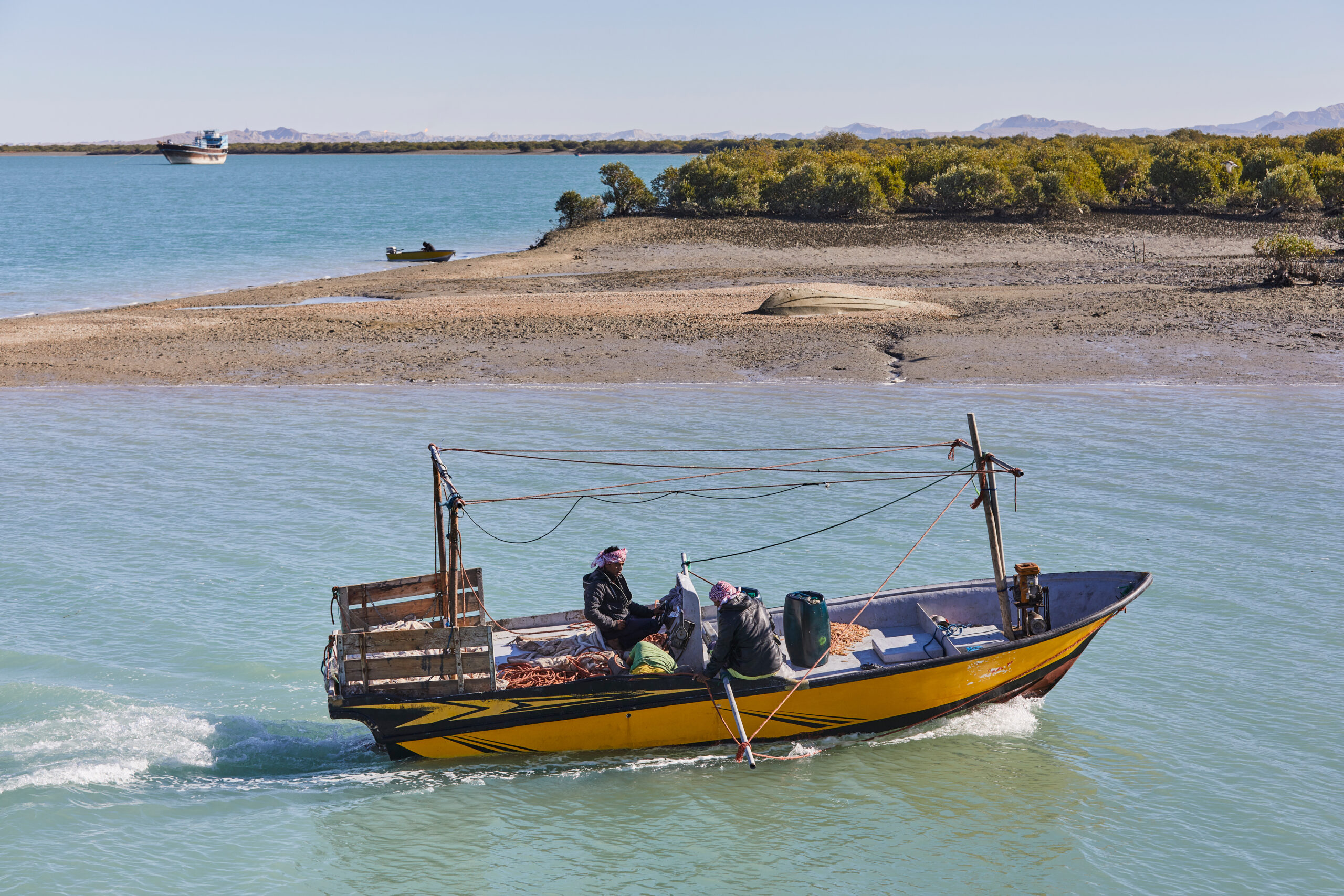
Overfishing in the Gulf waterway is an acute problem, and Iran and China might not be enforcing proper restrictions on commercial trawlers. In recent years, the introduction of industrial-scale fishing has harmed local fishermen off the coast of Iran. Equipped with sonar systems, commercial trawlers are responsible for a 50% decline in yields for local fishermen in the past five years.
Khaled Elgindy and Lara Friedman discuss the public launch of their congressional teach-in series, “Israel-Palestine: Where We Are, What Comes Next, and Why It Matters to Congress.” The series of webinars features an array of American, Palestinian, Israeli, and international experts on topics dealing with the Israeli-Palestinian conflict and U.S. policy.
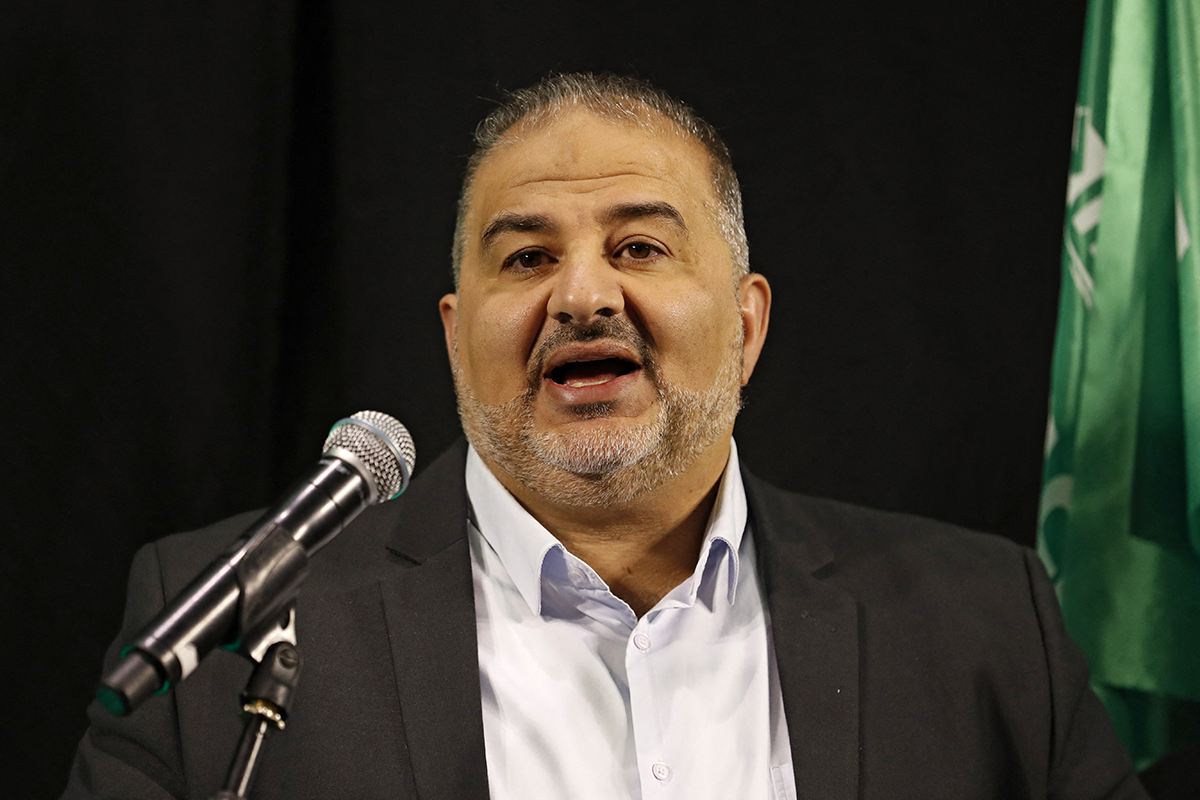
At a press conference on Thursday, MK Mansour Abbas, head of the newly elected Islamist party in Israel, the United Arab List (Ra’am), made what many in the Israeli media dubbed a historic speech. In an effort to reach out to the Jewish Israeli public, he spoke in Hebrew and during the prime time on television often given to Israeli politicians. Speaking surrounded by the party’s green flags, the conservative Islamist quotedverses from the Quran calling for the creation of “an opportunity for a shared life, in the holy and blessed land for the followers of the three religions and both peoples” and told his Hebrew-speaking audience that “Now is the time for change.”
With virtually all of the vote in and results unlikely to change, it is clear: Not only will there be no kingmaker in Israel’s latest election, there will probably be no king.
While support for Israel across the political spectrum remains strong in Washington, the traditional bipartisan consensus in favor of unconditional support for Israel has begun to fray in recent years.
“بينما تعد ندرة المياه في إيران وبقية دول الشرق الأوسط مشكلة طويلة الأمد، فإن بعض الجهود للتعامل معها تبدو محاولات يائسة ولم يتم التخطيط لها دائمًا بعناية”.
Read MEI’s weekly briefing featuring expert analysis of key regional developments for the week ahead.
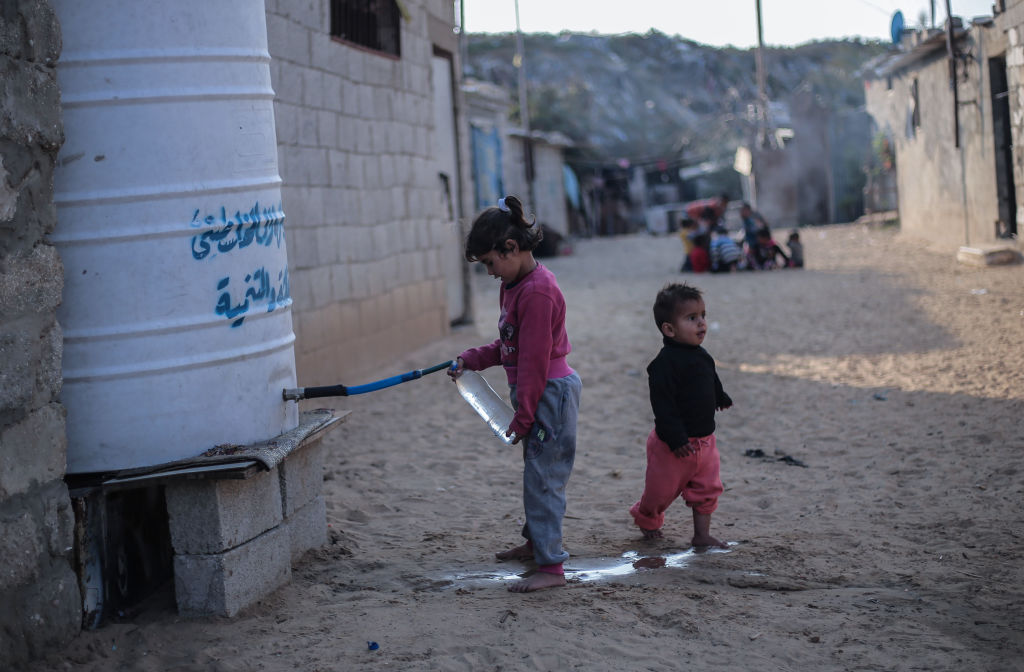
The issue of access to water is of particular relevance in the Middle East and North Africa, the world’s most water-scarce region.
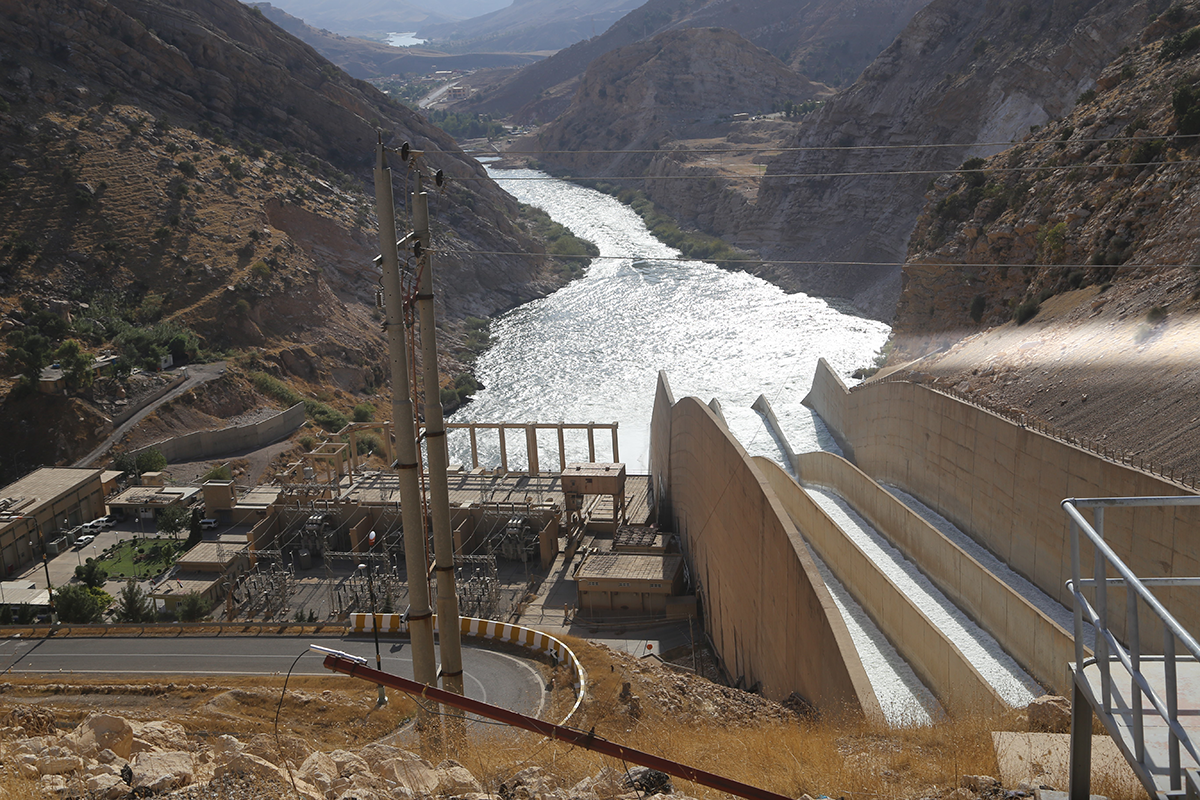
Iran and Iraq are frequently at odds over water issues. Iraq depends on the Tigris and Euphrates rivers for nearly all of its water. But Iran is building dams to redivert some of that water, causing alarm and creating major water shortages for Iraq.
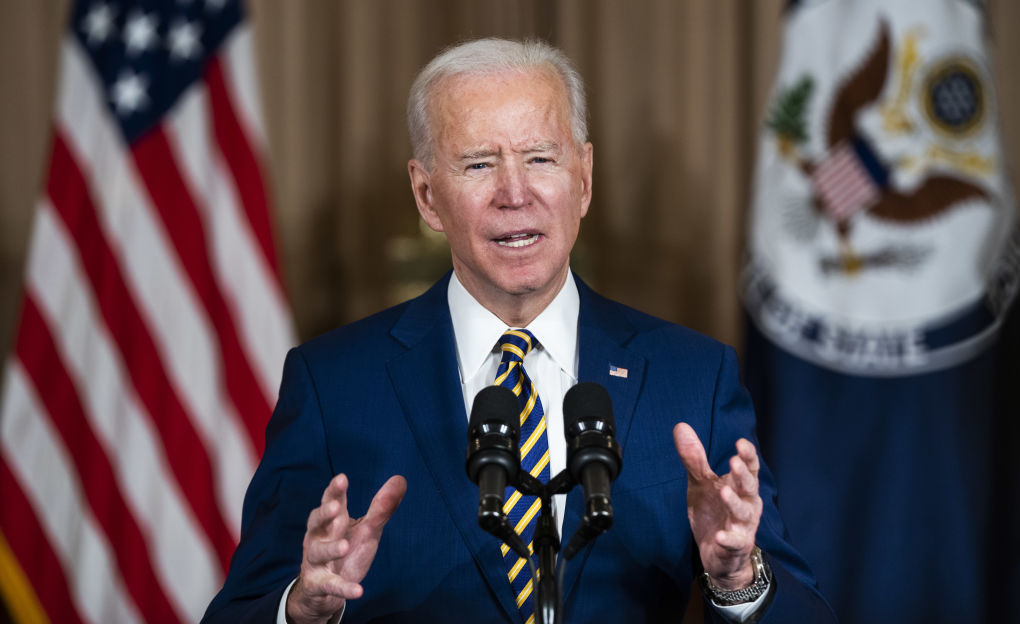
In a new policy briefing book, entitled The Biden Administration and the Middle East: Policy Recommendations for a Sustainable Way Forward, MEI scholars tackle a large number of country-specific and region-wide issue areas, laying out both the abiding U.S. interests and specific recommendations for Biden administration policies that can further U.S. interests amid a region in turmoil.
On March 4, OPEC+ members agreed to maintain their current production cut levels into April, and the Saudi- and Russia-led cartel’s decision further strengthened the upward trajectory of oil prices. While there were differing opinions among the OPEC+ members regarding the state of the global economy, the group’s unanimous decision reflects Riyadh’s current take on the markets, which is that the health of the world’s economy remains fragile as the recovery from the pandemic continues.