Egypt’s sustainable development threatened by Ethiopian dam
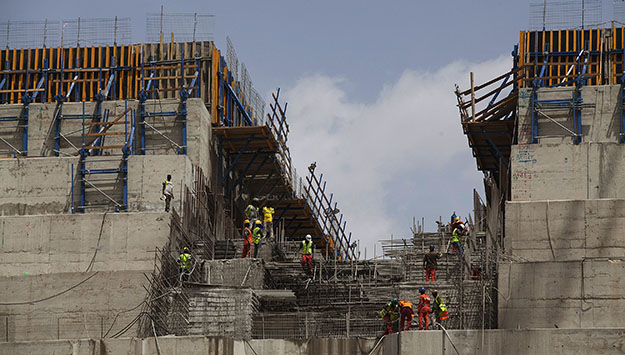
It is a travesty that in the 21st century the construction of a mega-hydropower-generation project, the Great Ethiopian Renaissance Dam (GERD) has been underway for over seven years without an independent, comprehensive transboundary Environmental and Social Impact Assessment (ESIA) conducted first.
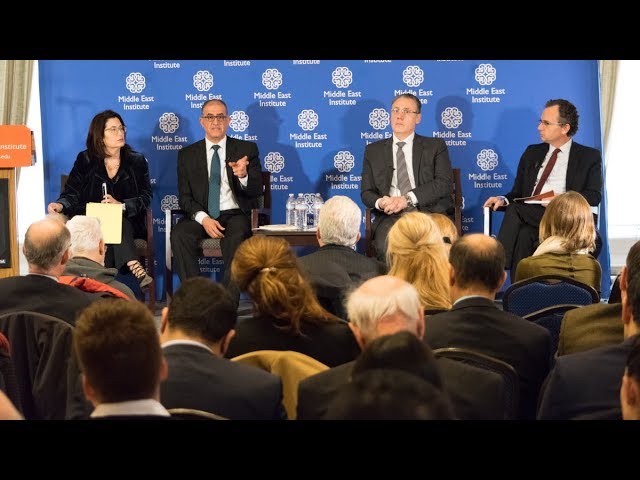
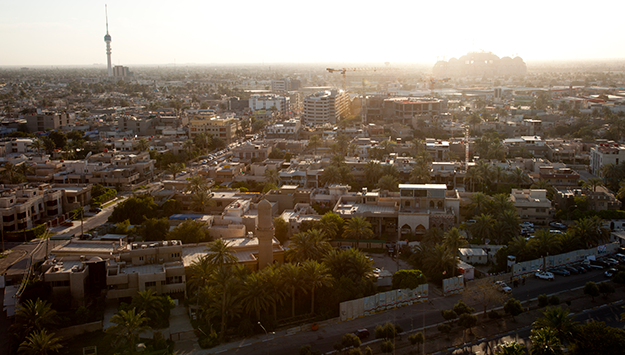
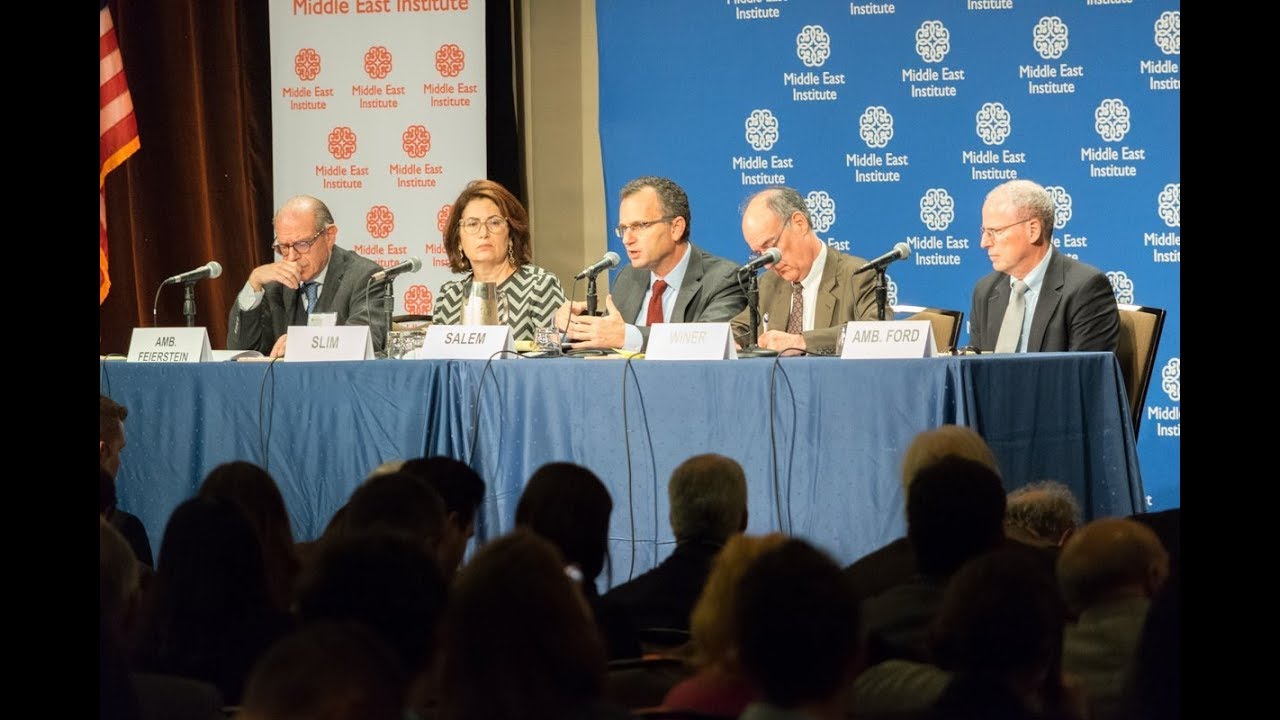
Amb. Lukman Faily, Iraq’s ambassador to the United States from 2013-2016, and Randa Slim, director of MEI’s program on Conflict Resolution and Track II Dialogues, join host Paul Salem to analyze the results of Iraq’s parliamentary elections and their implications for Iraq, the region, and U.S. policy going forward.
Sub-Saharan Africa must respect North Africa's water rights
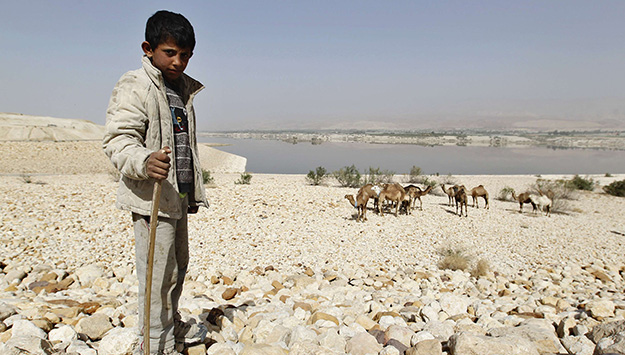
The Middle East is the world’s most arid region and the one most dependent on renewable freshwater resources that originate outside its territories. These resources are largely contained in the Nile, Euphrates-Tigris, and Jordan river basins. An international law-based approach to transboundary watercourse development and management is vital for human security and regional stability. Applying legal principles in the Nile Basin is imperative, as unilateral actions by upstream countries can harm livelihoods on a large scale in downstream countries and destabilize their economies.
U.S.-Russia Dialogue and Preventing Regional Confrontation
Irina Zvyagelskaya, of the Institute of Oriental Studies of the Russian Academy of Sciences in Moscow and Randa Slim, director of MEI’s Program on Conflict Resolution and Track II Dialogues, join host Paul Salem to discuss U.S. and Russian efforts to find shared interests in the region, from Syria to Yemen, and to avoid confrontation and escalation.
Regional cooperation in the Middle East: the Baghdad Declaration
Since 2014, the Middle East Institute (MEI) has convened the Middle East Dialogue, a Track 1.5 initiative involving current and former officials and senior experts from across the Middle East as well as from China, Europe, Russia and the United States. These meetings focus on the conflicts in Syria and Iraq, and on the principles and architecture of a new regional cooperation framework in the Middle East. At the Dialogue’s most recent meeting in Baghdad, the group issued a consensus document outlining Good Neighborhood Principles for the Middle East.
Oil in Iraq: pathways to enabling better governance
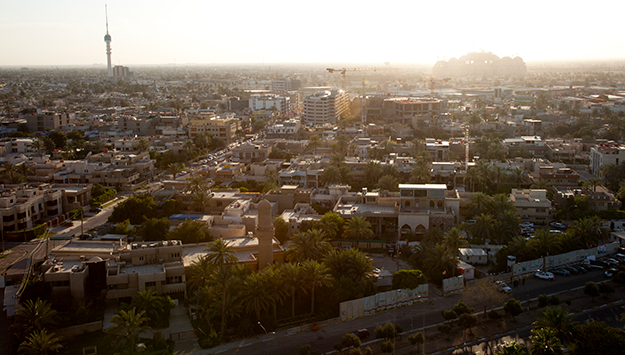
Despite setbacks from the war against ISIS, Iraq remains the world’s fourth largest producer of oil, second only to Saudi Arabia among OPEC states. However, the administration of this vital natural resource has been plagued by corruption and disputes over how revenues should be allocated to promote equitable economic growth. The issue has drawn Iraq’s ethnic, sectarian, and political divisions to the surface.
The Baghdad Declaration: good neighborhood principles for the Middle East
Over the course of the last three years, the Middle East Institute convened a regional dialogue involving participants acting in their personal capacities from Egypt, Iraq, Iran, Jordan, Lebanon, Saudi Arabia, Syria, United Arab Emirates and Turkey. The dialogue also involved participants from China, Europe, Russia and the United States. The discussions resulted in the following declaration of good neighborhood principles for the Middle East agreed in Baghdad 15-16 December 2017.
…….
The Middle East dialogue, which began its twice-a-year meetings in October 2012, convened its eleventh meeting in Baghdad 15-16 December. Participants included current and former officials and senior experts from Egypt, Iraq, Iran, Jordan, Lebanon, Saudi Arabia, Syria and United Arab Emirates as well as China, Europe, Russia, and the United States.
With the absence of multilateral diplomatic forums in the Middle East and the Trump administration scaling back on U.S. diplomatic outreach, the role of backdoor diplomatic channels, known as “Track II” dialogues, has seldom been more important. Randa Slim, director of MEI’s program on conflict management and Track II dialogues, and Robert Ford, former US ambassador to Syria, join Paul Salem to discuss the role of these dialogues in addressing issues ranging from the Syrian civil war to the conflict in Yemen and regional tensions between Iran and Saudi Arabia.
Climate Change: The Middle East Faces a Water Crisis
The International Panel on Climate Change (IPCC) projects that the Middle East and North Africa (MENA) will be one of the world’s regions hit hardest by climate change in the 21st century, particularly due to increased heat and aridity. In face of these challenges, interventions in domestic agricultural sectors have the potential to offset many negative impacts on the region.
Wars Distracting Middle East from Serious Climate Change Threats
Wars in MENA are causing irreparable damage to water security and resilience to climate change in some of the region’s countries and to their viability. The continuation of this dangerous state could ultimately reinforce even deeper instability in MENA.
Millions of Rural Working Women in Egypt at Risk from Climate Change
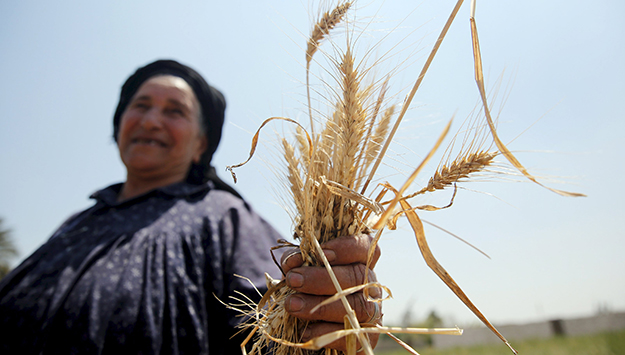
The impacts of climate change on Egypt’s agriculture are likely to be substantial, and will affect the millions of Egyptian women reliant on this economic activity for their livelihoods. The agricultural sector employs a large percentage of Egypt’s working women, a sector known for its low and unstable earnings. Millions of rural Egyptian women working in agriculture already suffer from poverty, and climate change will make matters worse.
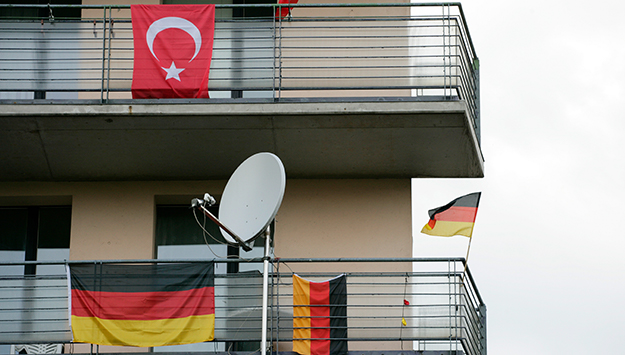
The Real Reasons behind the Current Turkish-German Row
Relations between Turkey and Germany have become increasingly fraught over the past few months. They hit a new low following the August 19 arrest of Turkish-born German writer Dogan Akhanli in Spain. Akhanli, a frequent critic of Turkish President Recep Tayyip Erdogan, was held by Spanish authorities in connection with criminal proceedings in Turkey. Germany’s foreign minister has urged Spanish officials not to extradite the writer.
The Middle East Dialogue, a regional Track 1.5 group in which officials and non-officials from the region and beyond meet to discuss current issues in their personal capacities, met May 12-13 in Malta. Read the full report (PDF).