In Turkish-Russian relations, the Ukraine grain deal is not the point
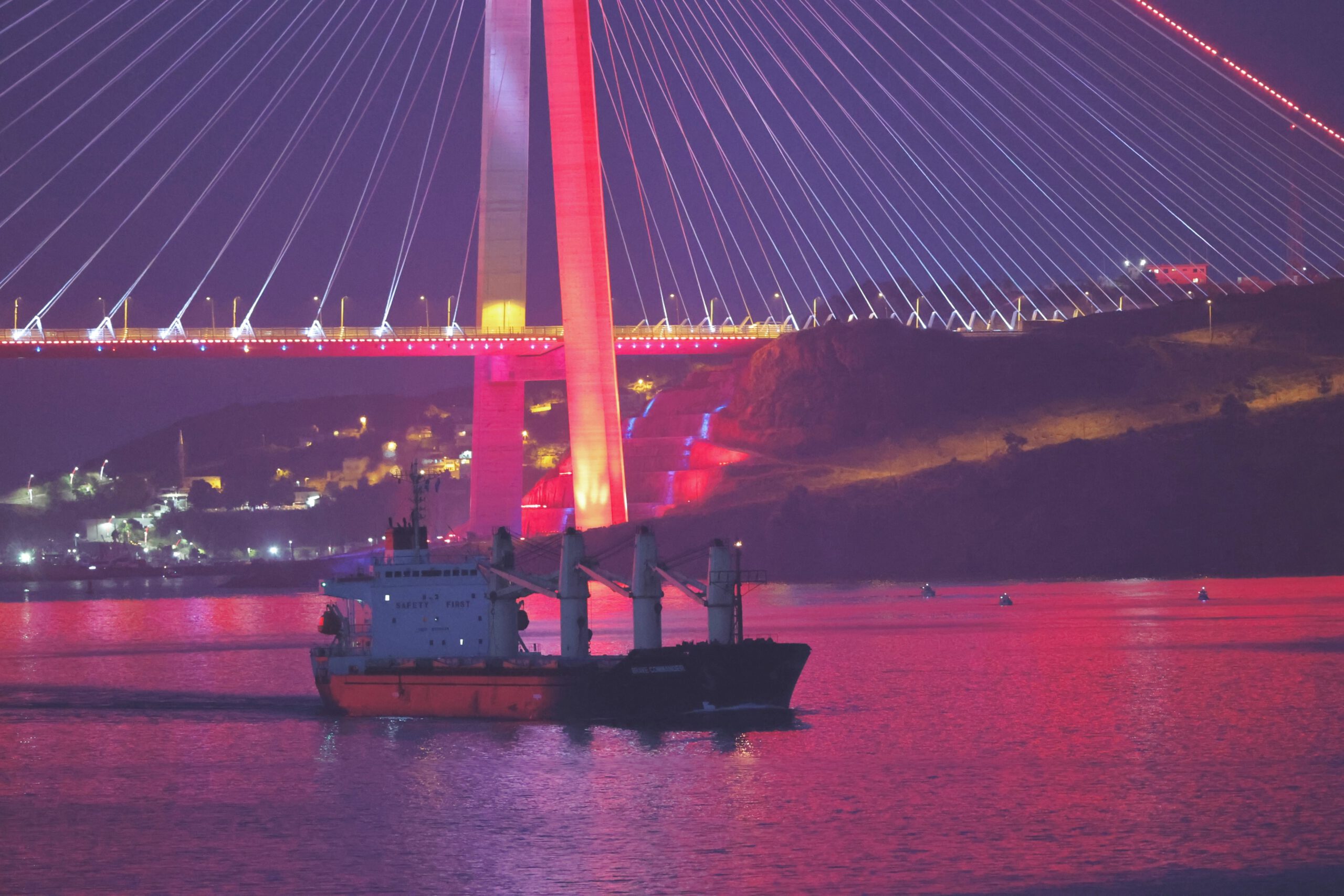
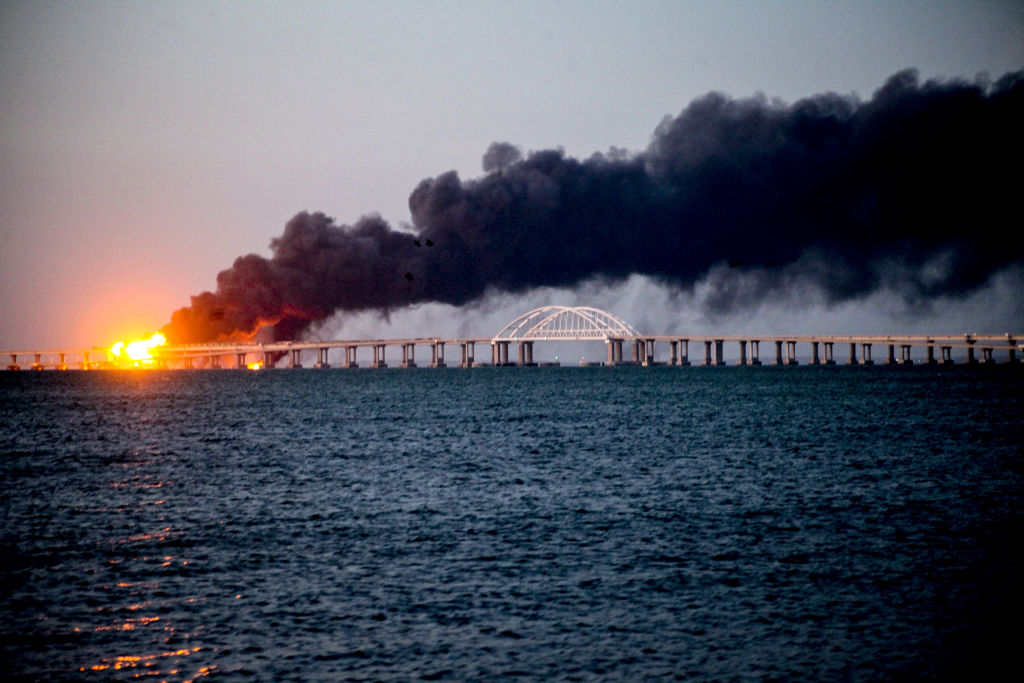
The Ukraine grain export deal, which Turkey helped mediate over the summer, was saved last week to much fanfare; but the central unaddressed issue remains lifting Russia’s illegal blockade of Ukrainian ports, so Ukraine can freely trade with the world.
As liquidity problems worsen, Turkey turns to capital controls and informal FX flows
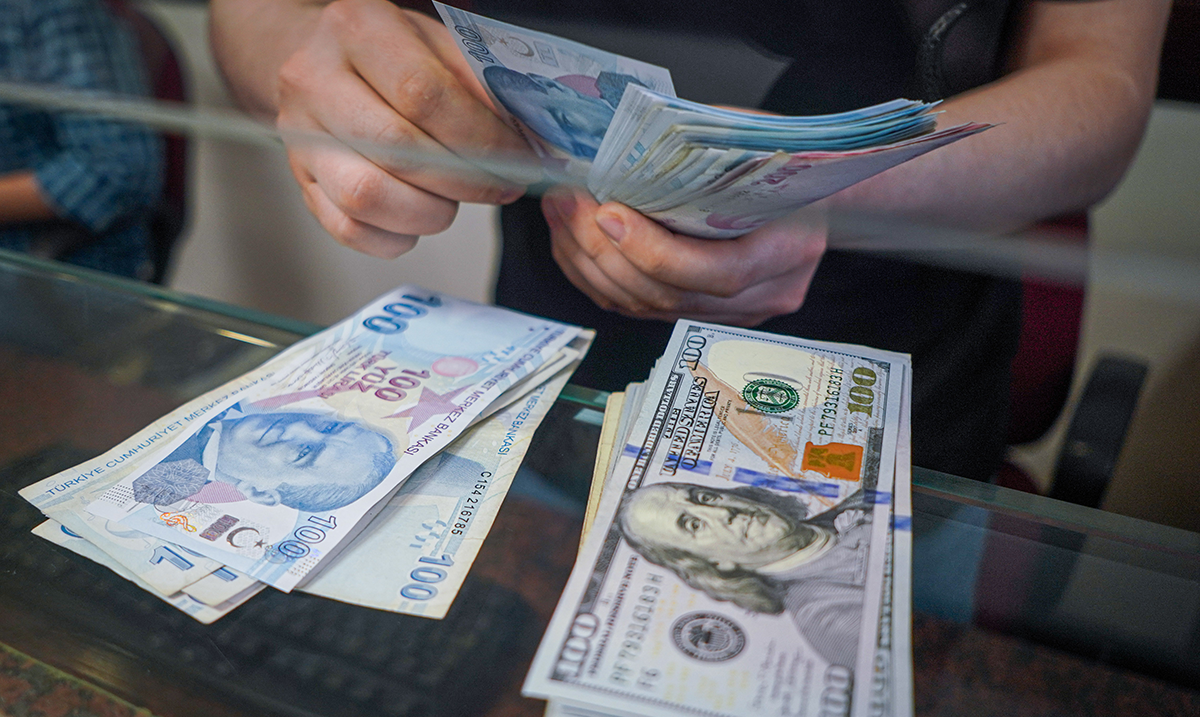
The Turkish economy’s foreign exchange liquidity problem is getting worse. The current account balance has been in the red this year with a monthly deficit of around $5 billion. The government has so far managed to avoid a repeat of the December 2021 currency shock by restricting capital mobility, further tightening regulations in October 2022.
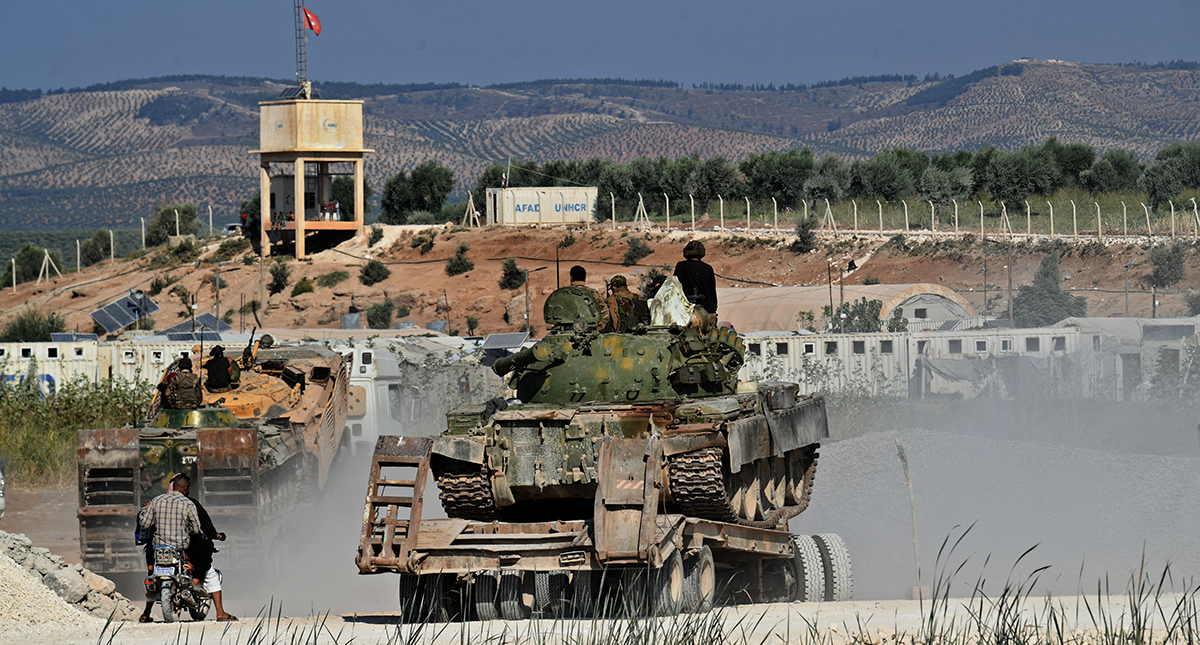
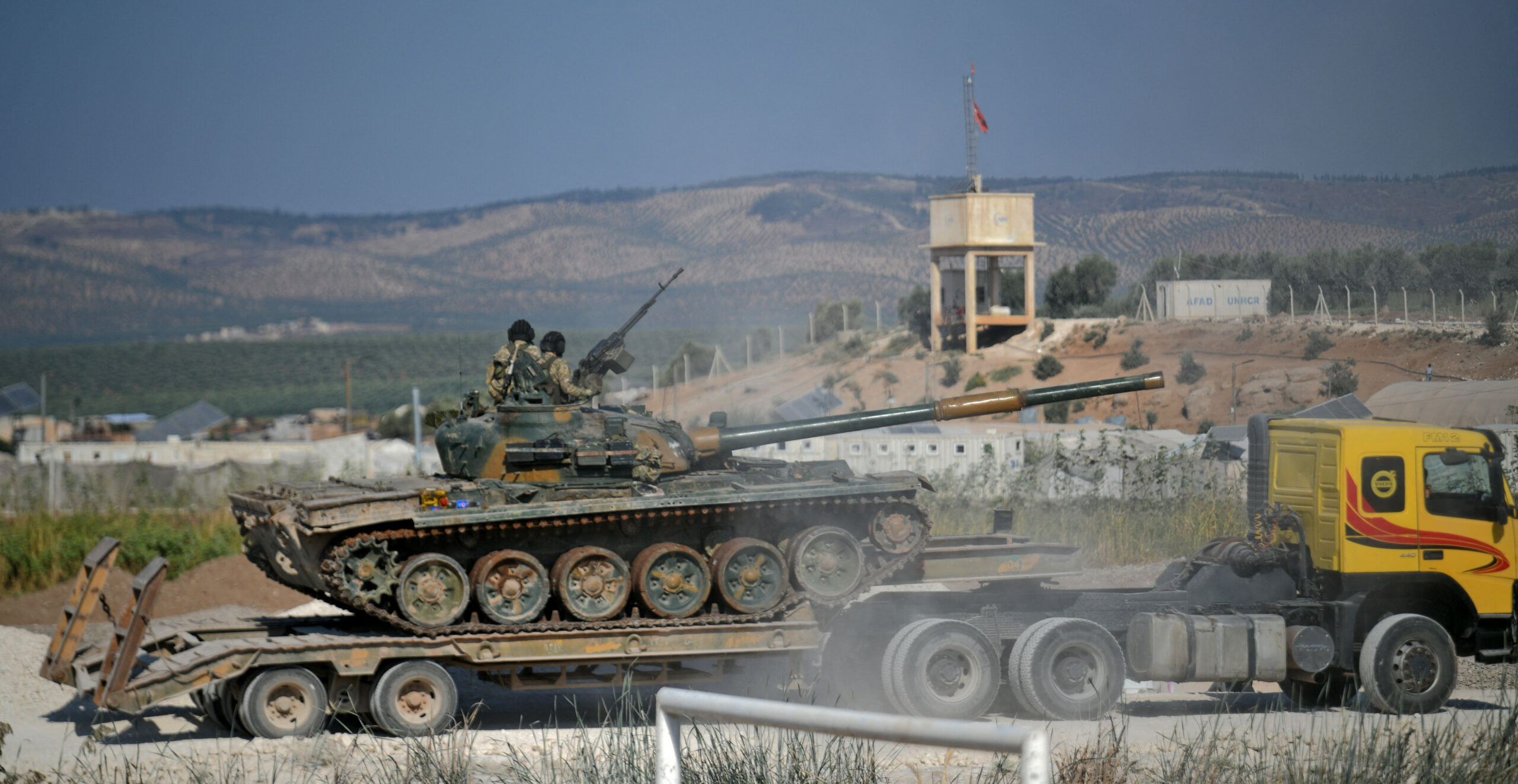
During the second week of October, unprecedented full-fledged military confrontations broke out in northern Syria between factions of the Turkish-backed Syrian National Army (SNA), with Hay’at Tahrir al-Sham (HTS) subsequently intervening in support of some factions over others. Tukey’s weariness about the constantly deteriorating state of security in the north, resulting mainly from infighting among the SNA forces it backs, and its willingness to impose order on them, could explain its silence on HTS’s military aggression. For HTS, however, expanding its rule and settling scores with some SNA factions may be the main drivers behind its recent attacks.
Egyptian “national dialogue” will kick off amid difficult domestic situation
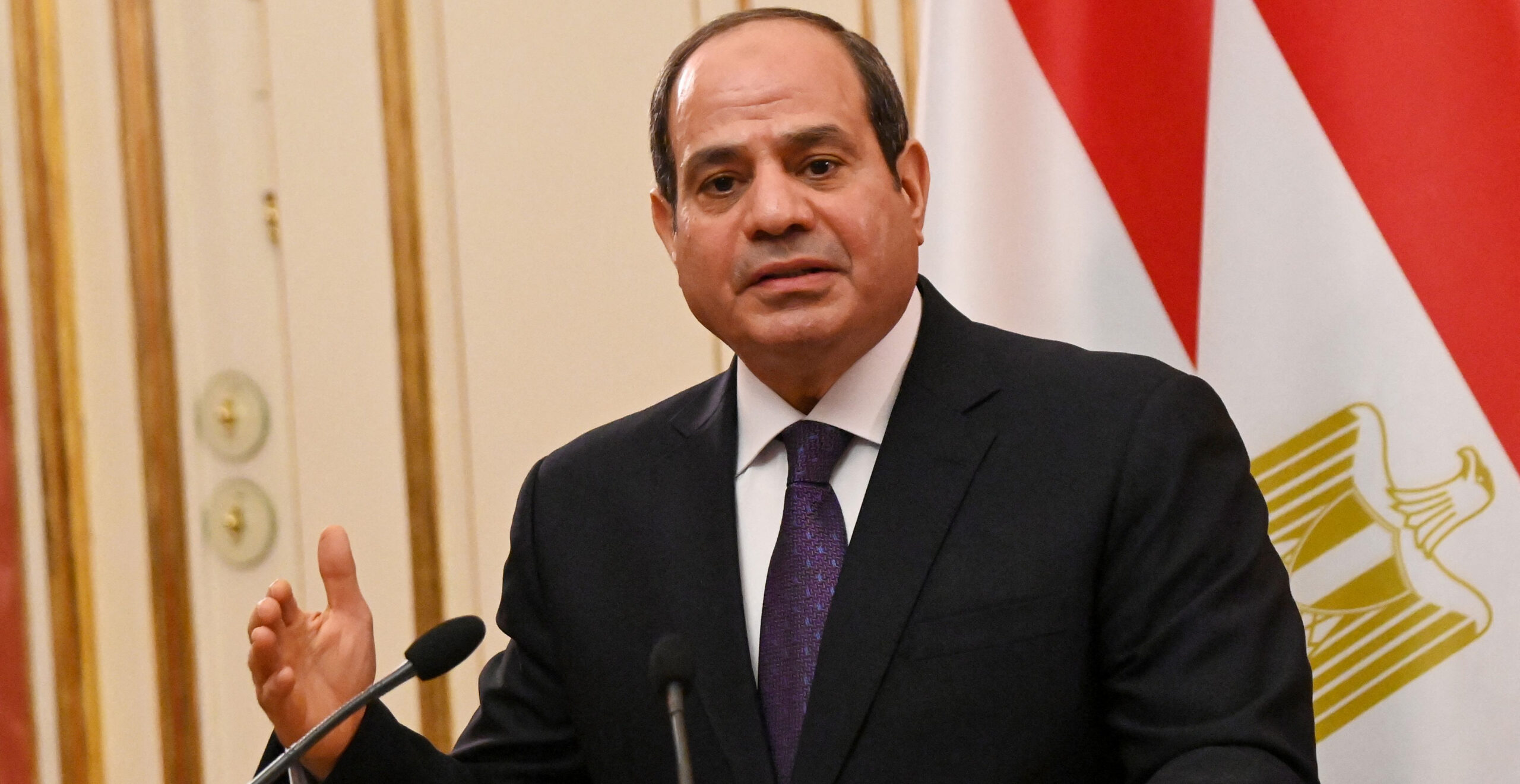
The “national dialogue” that Egyptian President Abdel-Fattah el-Sisi called for more than five months ago has nearly concluded its lengthy preparatory stage, though the official launch has repeatedly been pushed back. It will be a rare chance for opposition parties to present alternative policies to those of the president. But whether the dialogue marks a genuine change in the regime’s authoritarian policies remains to be seen.
As protesters’ slogans and chants have made clear, the current protests are definitely not about the economy, but about opposition to the regime more broadly and its political and social oppression. Yet Iran’s economic problems have created an atmosphere that encouraged and fueled protesters’ anger and have done nothing to help the regime.
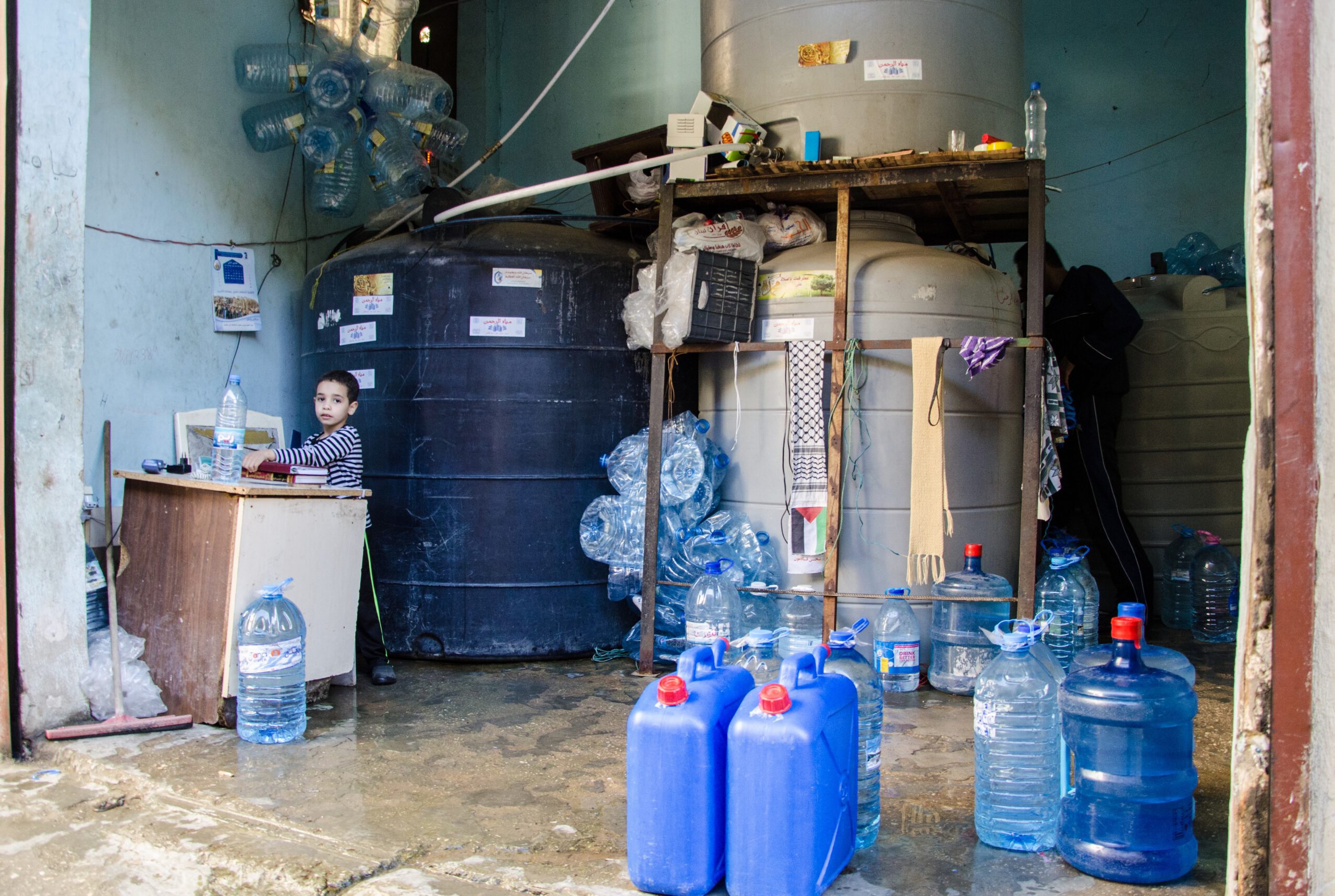
Amid Lebanon’s perfect storm of crises, water demands attention
Lebanese crises have repeatedly made international news since October 2019, when the country witnessed the start of a popular revolution against a stagnant and corrupt political elite. Much less discussed but no less critical is the issue of water. The problem has been slumbering for years but has recently come to light along with other failings of the Lebanese government.
Pragmatic jihadist or opportunistic warlord? HTS’s Jolani expands his rule in northern Syria
The jihadist group Hayat Tahrir al-Sham (HTS) in Syria has dispatched its fighters from greater Idlib eastward, taking full control of Afrin city and at least 26 towns and villages to its southwest, most without a fight. This has placed many of its jihadist opponents back under HTS’s control. The dynamics of northwestern Syria are shifting, and the consequences look likely to be extremely significant.
Over the past decade, Turkey has been on a steadily downward economic trajectory. Throughout this long period of turmoil the government has pursued a range of different economic policies, most of which were inconsistent with one another. The transition to a presidential system under Erdoğan has had a disastrous impact on Turkey’s economic institutions and administration. This paper explores the impact of the presidential system on the Turkish economy, the country’s economic outlook, and potential solutions to the current crisis, as well as the opposition’s role and ability to implement them, with an eye to the June 2023 elections.
Since seizing the capital of Sana’a in September 2014, the Houthis have been transforming the portions of Yemen under their control in line with a radical political and religious ideology. The Houthis’ war is complicated and may not be resolved quickly. But for now, the main obstacles to peace are ones that only Yemenis can resolve, which are rooted in rival concerns over the distribution of political power and equitable delivery of public services.
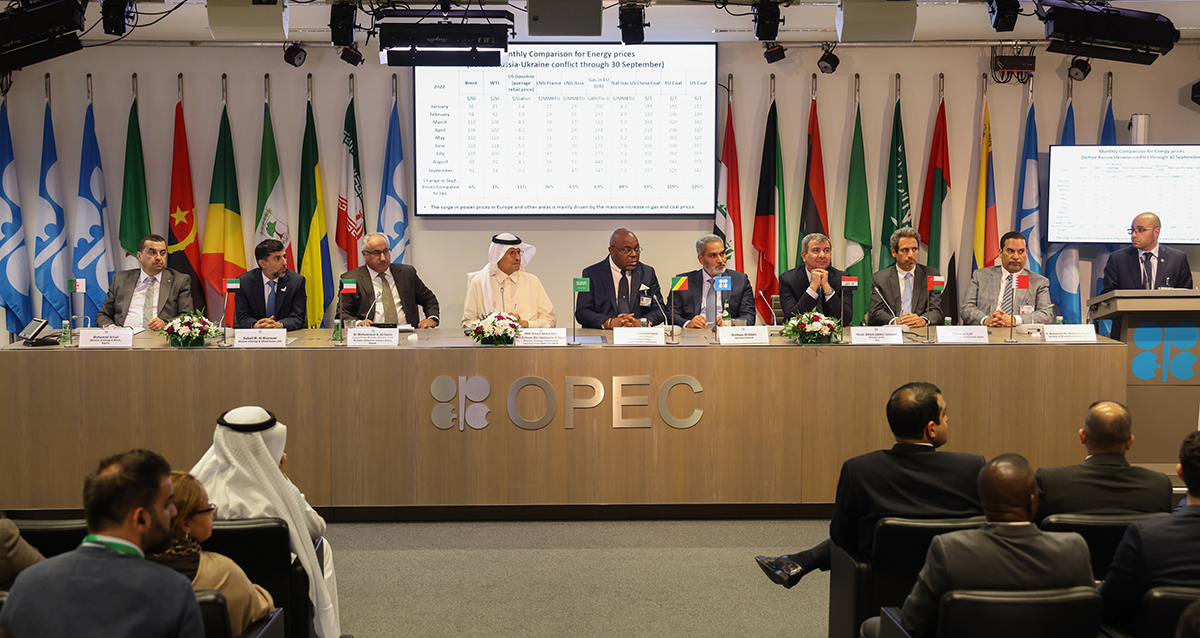
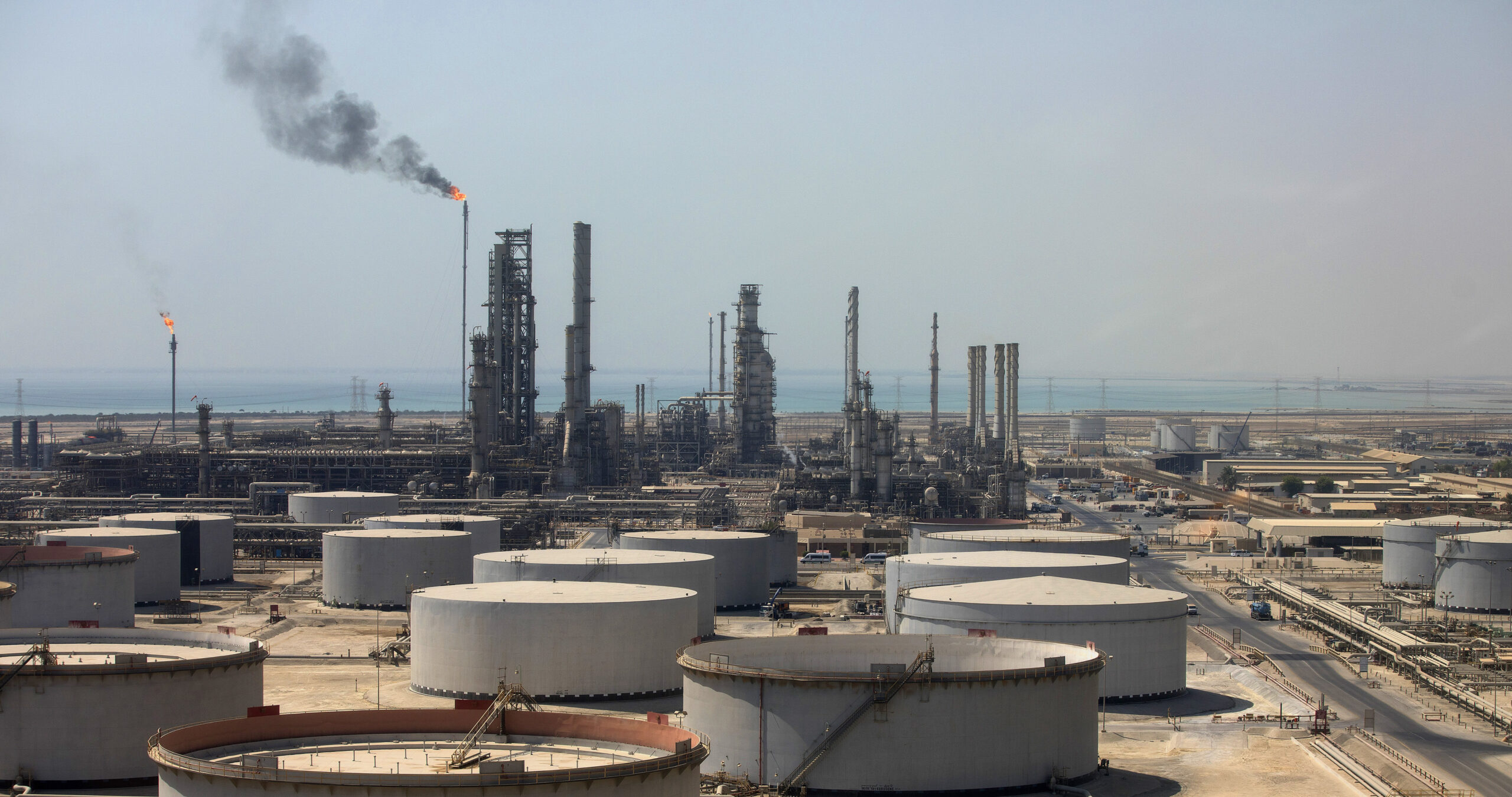
Under current, highly unpredictable market conditions, it is unreasonable for OPEC to make sharp movements to saturate the oil market or withdraw a significant number of barrels from it to meet divergent Western interests of lowering prices and punishing Russia.
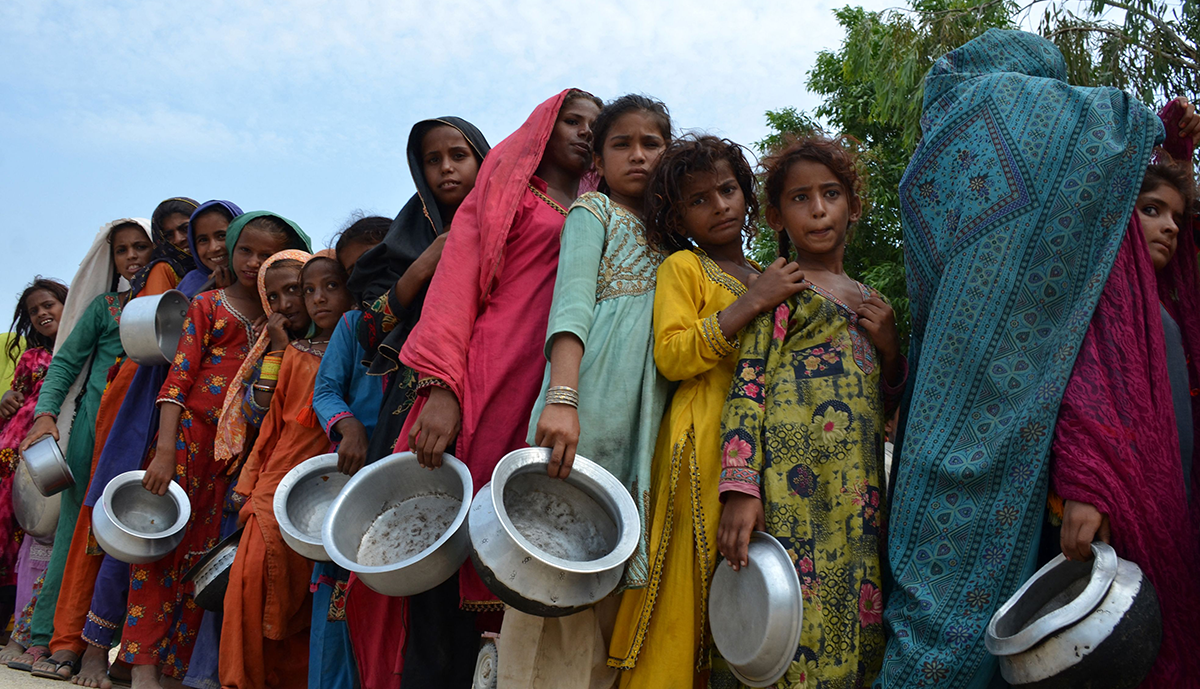
Catastrophic floods: Understanding the gravity of Pakistan’s health and food crises
Pakistani Prime Minister Shehbaz Sharif recently warned that his country needs “an infinite amount of funding” to support flood relief efforts. Torrential rains and heavy flooding have killed more than 1,550 people and displaced millions. Compounding the challenge are Pakistan’s intensifying food and health crises, as flood-borne diseases surge and nearly two-thirds of the country’s food basket has been destroyed.