It’s not about Assad
Saying that Moscow is having a change of heart at this very moment, let alone is willing to publicly broadcast this to Damascus, may be a bit premature.
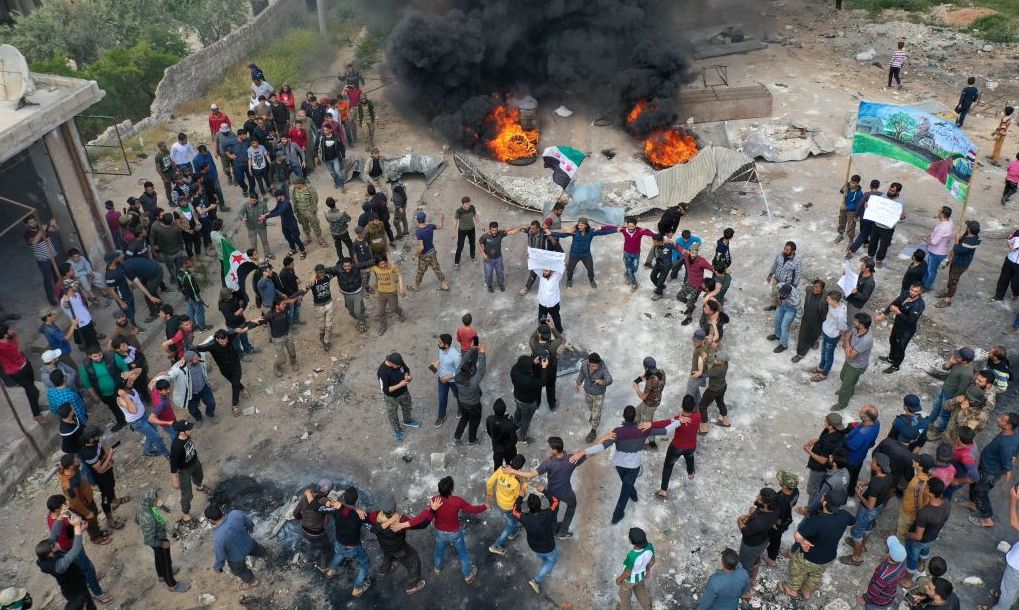
With its territory under increasing pressure, its finances dwindling, and manpower more challenged than ever, HTS’s ability to balance its extremism with controlled uses of pragmatism is under strain. Internally, its leadership is bitterly divided over decisions of the past, present, and future and externally, its rivals and enemies all appear to be conspiring against it. In an attempt to protect internal cohesion, HTS has become determinedly self-assertive in recent weeks, pursuing unpopular policies such as trading with the regime and lashing out at those brave enough to express their dissatisfaction. In response to HTS aggressions, a wider array of opposition voices — both moderate and Islamist — are declaring loudly that HTS now represents a threat to their revolution.
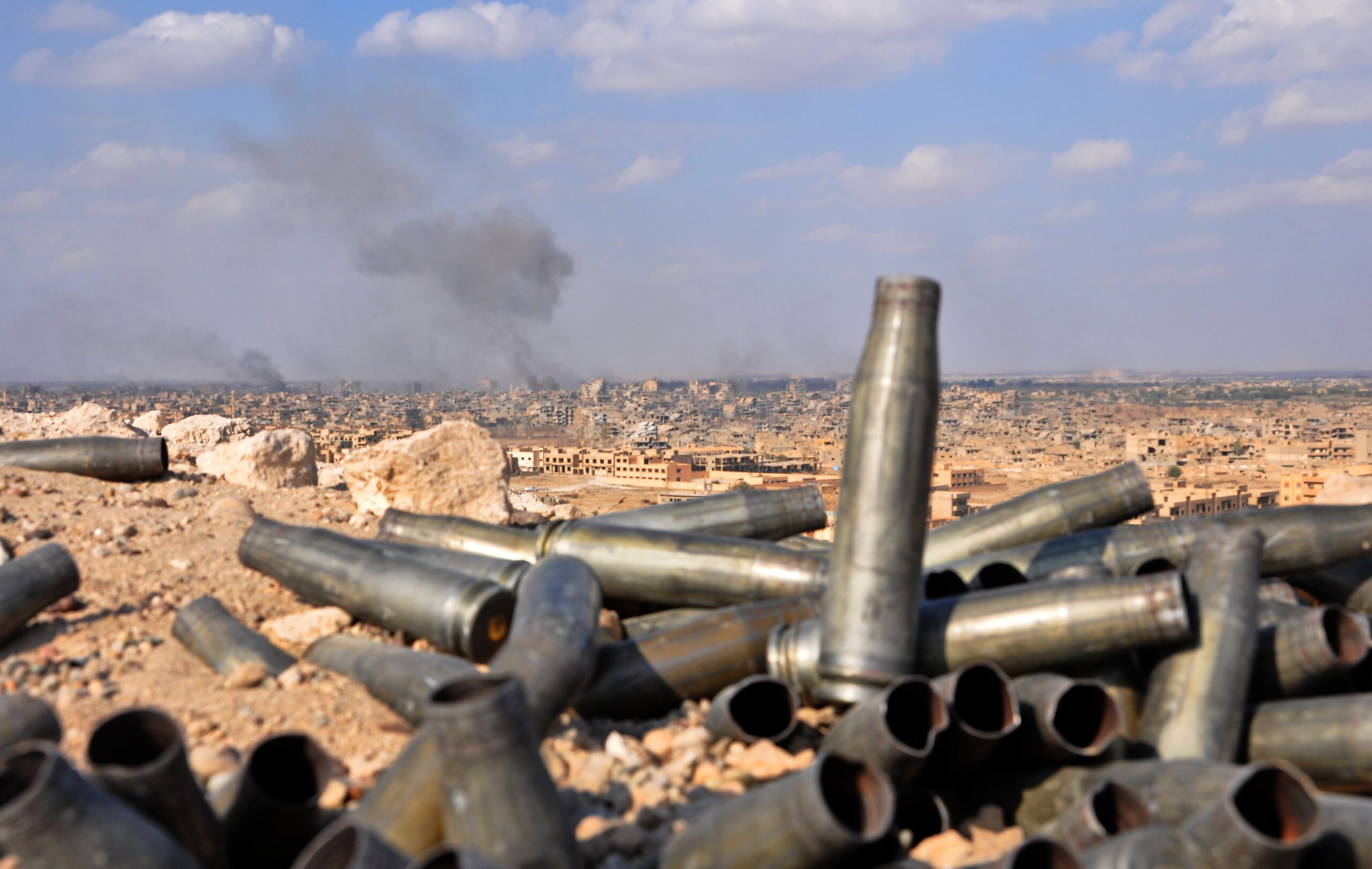
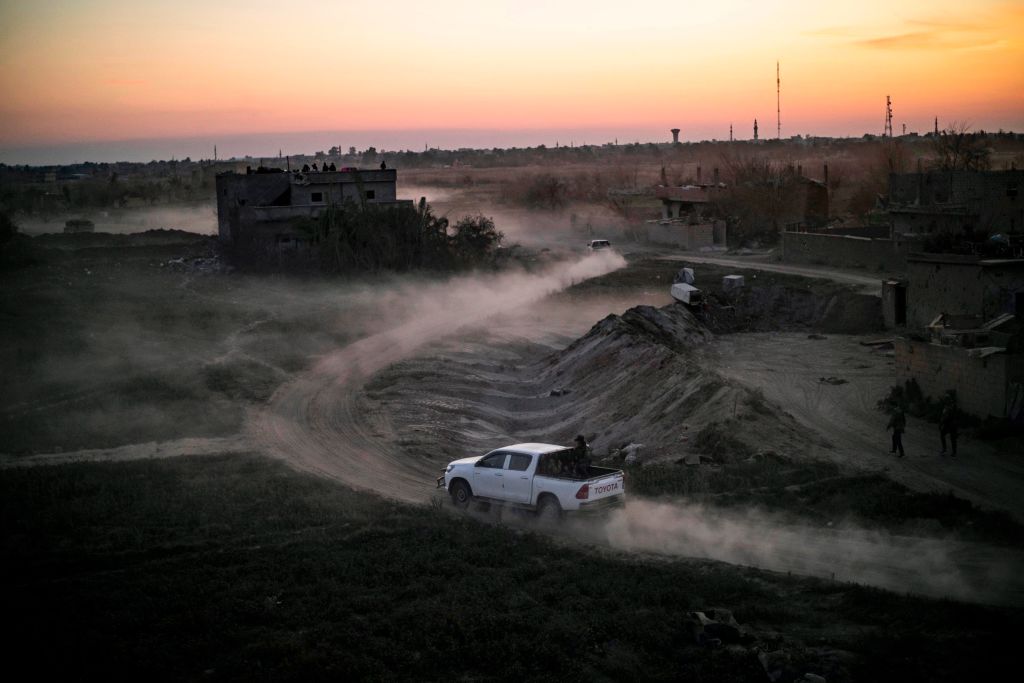
When the American-backed Syrian Democratic Forces (SDF) captured the village of al-Baghouz in late
March 2019, ISIS’s self-proclaimed “caliphate” came to an end. The largest multinational military
coalition in modern history spent four-and-a-half years methodically rolling back ISIS’s control of an
expanse of territory the size of Britain, stretching across Syria and Iraq.
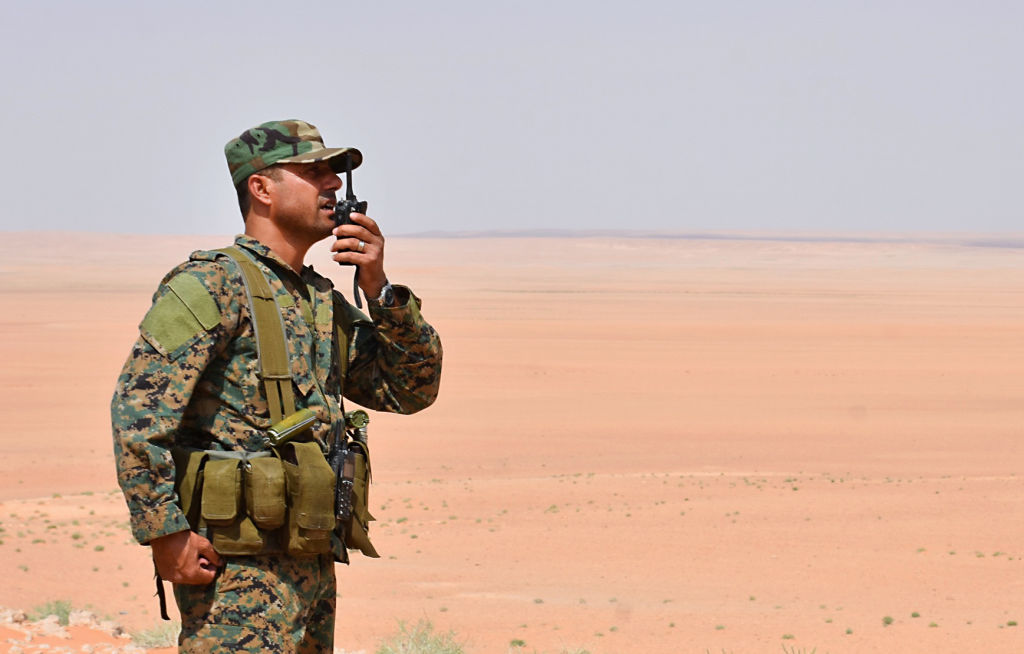
Immediately after the Syrian regime and its allies captured central Syria in late 2017, ISIS began waging an effective and deadly insurgency in the area. It first targeted urban centers along the western Euphrates before shifting focus in spring 2018 to the transport lines and mountains running along the M20 from Khunayfis to Shoula. These wide-ranging operations have killed a minimum of 860 pro-regime fighters of all ranks, units, and types. This report tracks self-reported regime losses in the region, as indicated on loyalist Facebook pages, community pages, and unit pages, from Nov. 10, 2017 through March 31, 2020.
The ingredients that fueled ISIS’s explosive expansion in Syria in 2013-14 are not only still present today, they are worse.
In active threat zones, the capacity to launch major operations will likely be constrained for at least several months once the virus begins its inevitable surge.
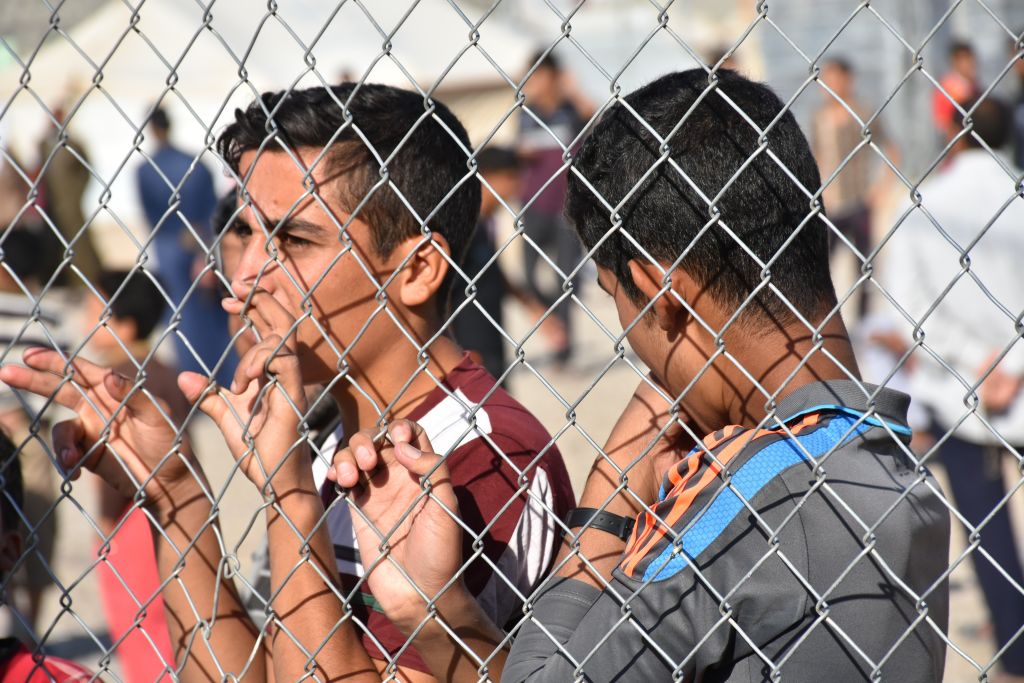
The story from Iraq since last October has been mainly one of uplifting hope, as mass protests sweep across the country in a fight against corruption, nepotism, and bad governance. But what of the places left behind and ignored? For most of its modern history, Iraq has been embroiled in sectarianism and conflict, most recently with the rise of ISIS. The country has celebrated its ability to fight ISIS and take back the areas the group controlled between 2013 and 2017, but for those that remain in the most vulnerable liberated areas, life is precarious and dangerous, with underserviced communities living in the most dire of conditions.
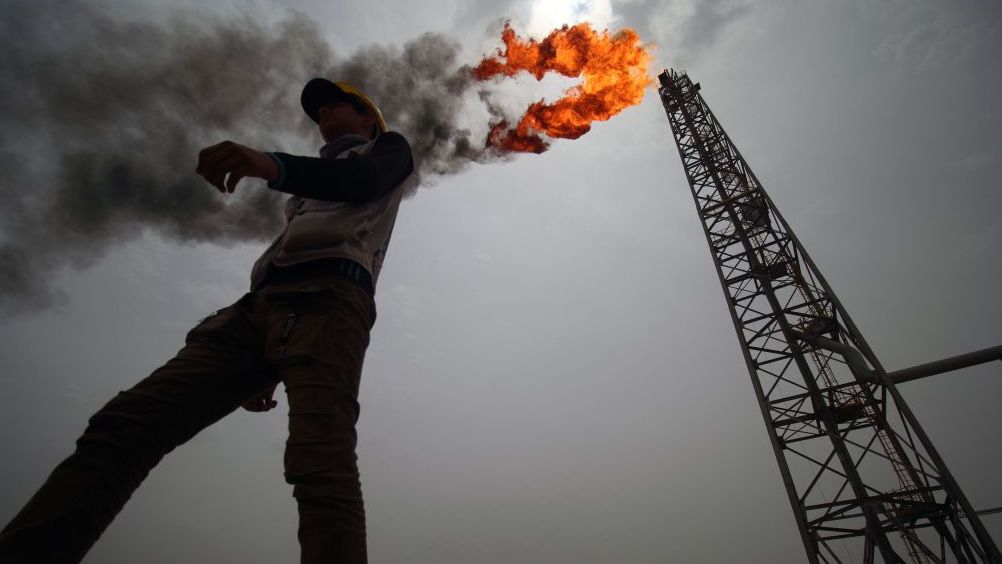
Washington’s foreign relations in the Middle East are often characterized by ebb and flow, tracking the region’s dynamic politics. But when it comes to Iraq, this ebb and flow is especially turbulent, and the country’s energy sector has been thrown under the spotlight as Washington presses Baghdad to take swift action to ensure its “energy independence” from Iran.
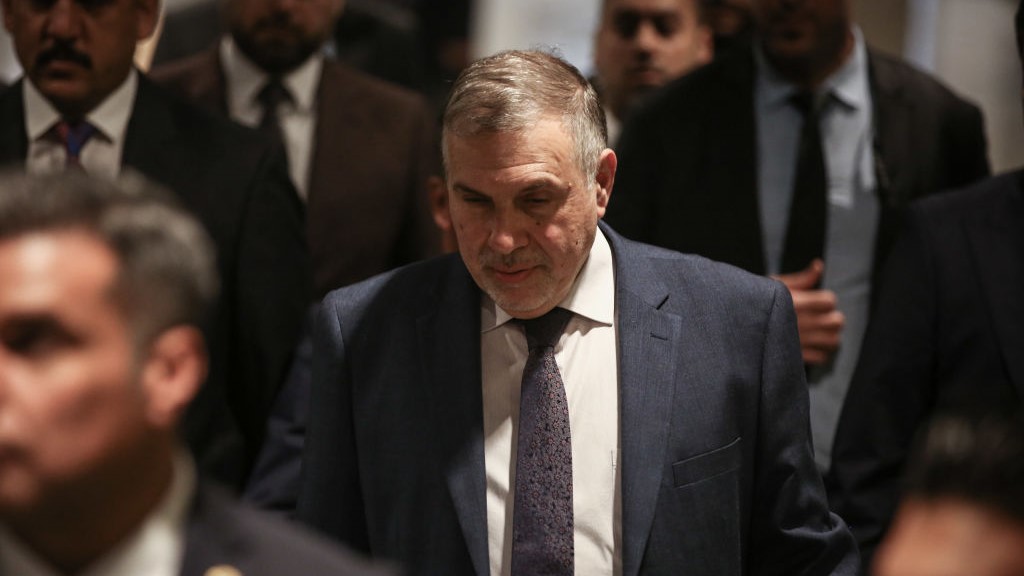
On March 1, Iraqi PM designate Mohammed Tawfiq Allawi announced that he had failed to form a new government to replace the current caretaker one headed by PM Adel Abdul-Mahdi. In the post-Saddam era, government formation in Iraq has always been a complicated process, but this is the first time since 2003 that a PM designate failed to form a government and the episode has revealed fundamental deficiencies in the Iraqi political process.
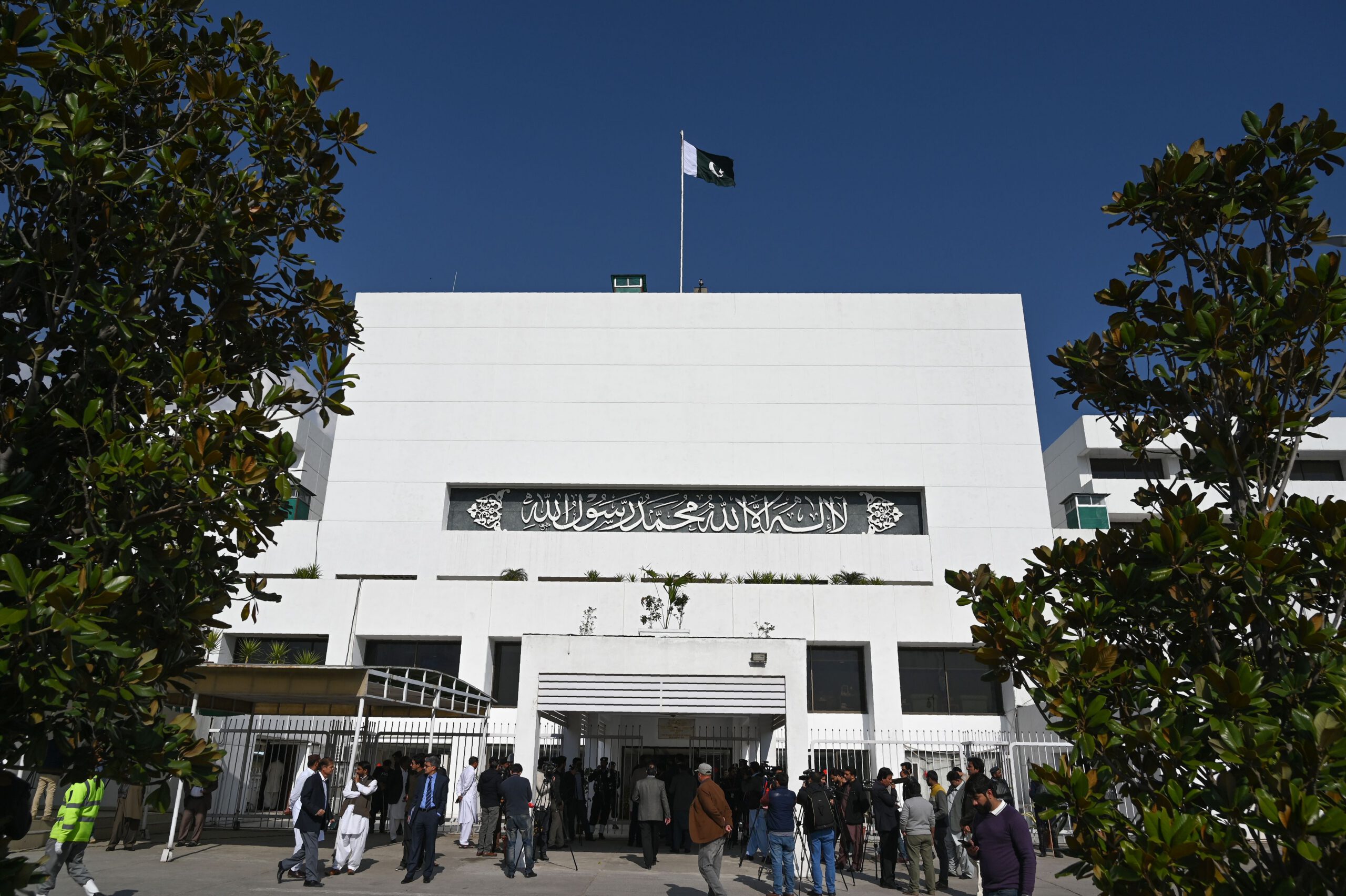
It is a near truism that U.S. relations with Pakistan have been historically unstable, waxing and waning, climbing to heights of interdependence and sinking to mutual recrimination. Yet this is presently a period unmarked by either high promise or driven by crisis. Rather than a reason, however, for leaving the relationship untouched and unexamined, this can be a time of unusual opportunity to create a more deliberative approach to thinking about the bilateral relationship and for shaping fresh initiatives.
An airstrike last Thursday, which killed 33 Turkish soldiers and wounded 60 more, was a game-changing development in the Syrian conflict. In the days since, Turkey has unleashed a major military response, carrying out scores of drone attacks on Syrian Army units and facilities. All of this is taking place against the backdrop of a massive and growing humanitarian crisis, with nearly a million people fleeing toward the Turkish border. Charles Lister and Sasha Ghost-Siminoff join host Alistair Taylor to discuss how events are unfolding.
The country’s political parties now move to a new stage of repeating the crisis of the last few months, to nominate a new PM-designate.
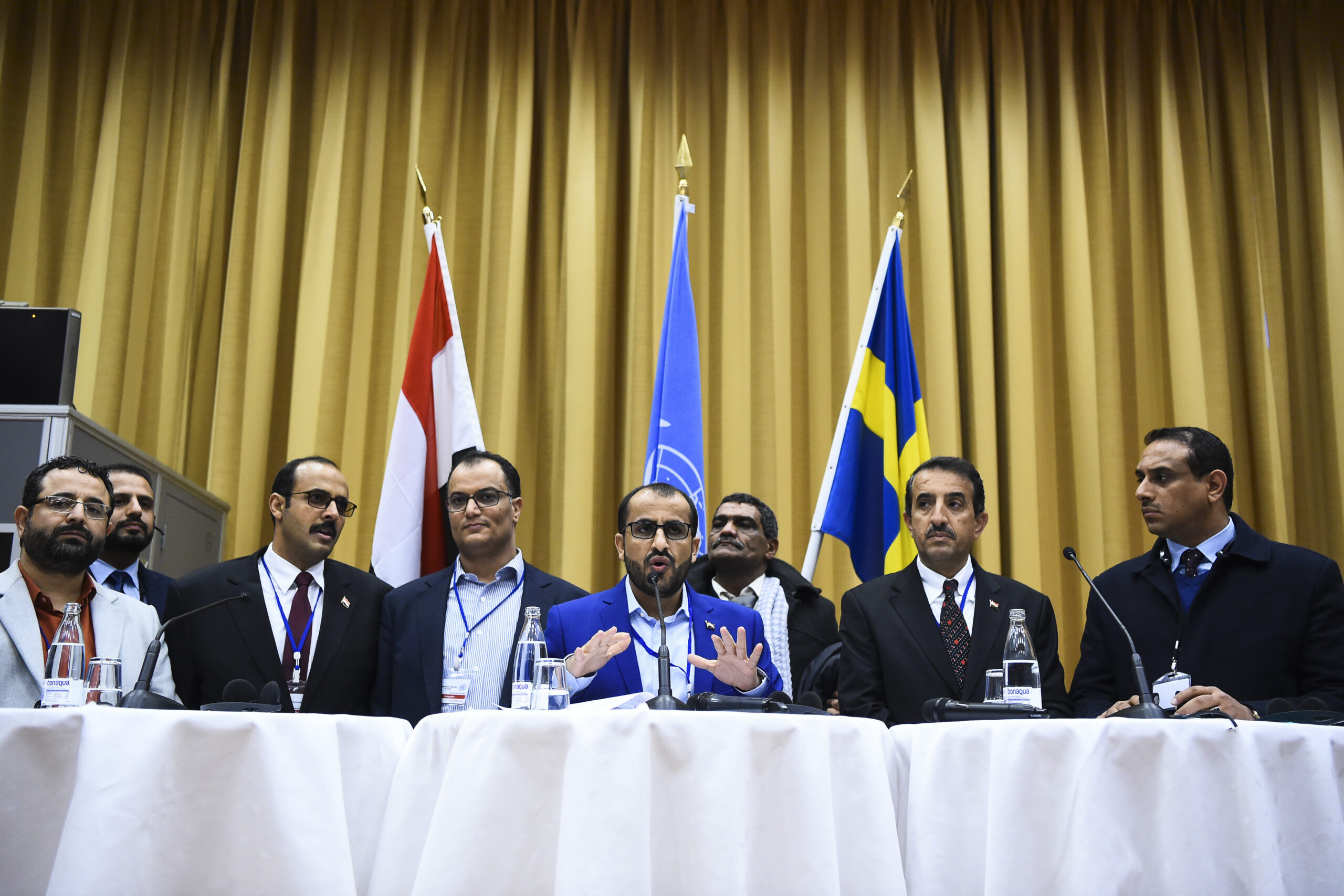
Over the past 14 months, there have been moments when it seemed like progress was being made toward de-escalation in Yemen, but there have also been significant setbacks as well. Peace efforts thus far have been largely fragmented and frail, and two primary lessons from the past failures have become clear.
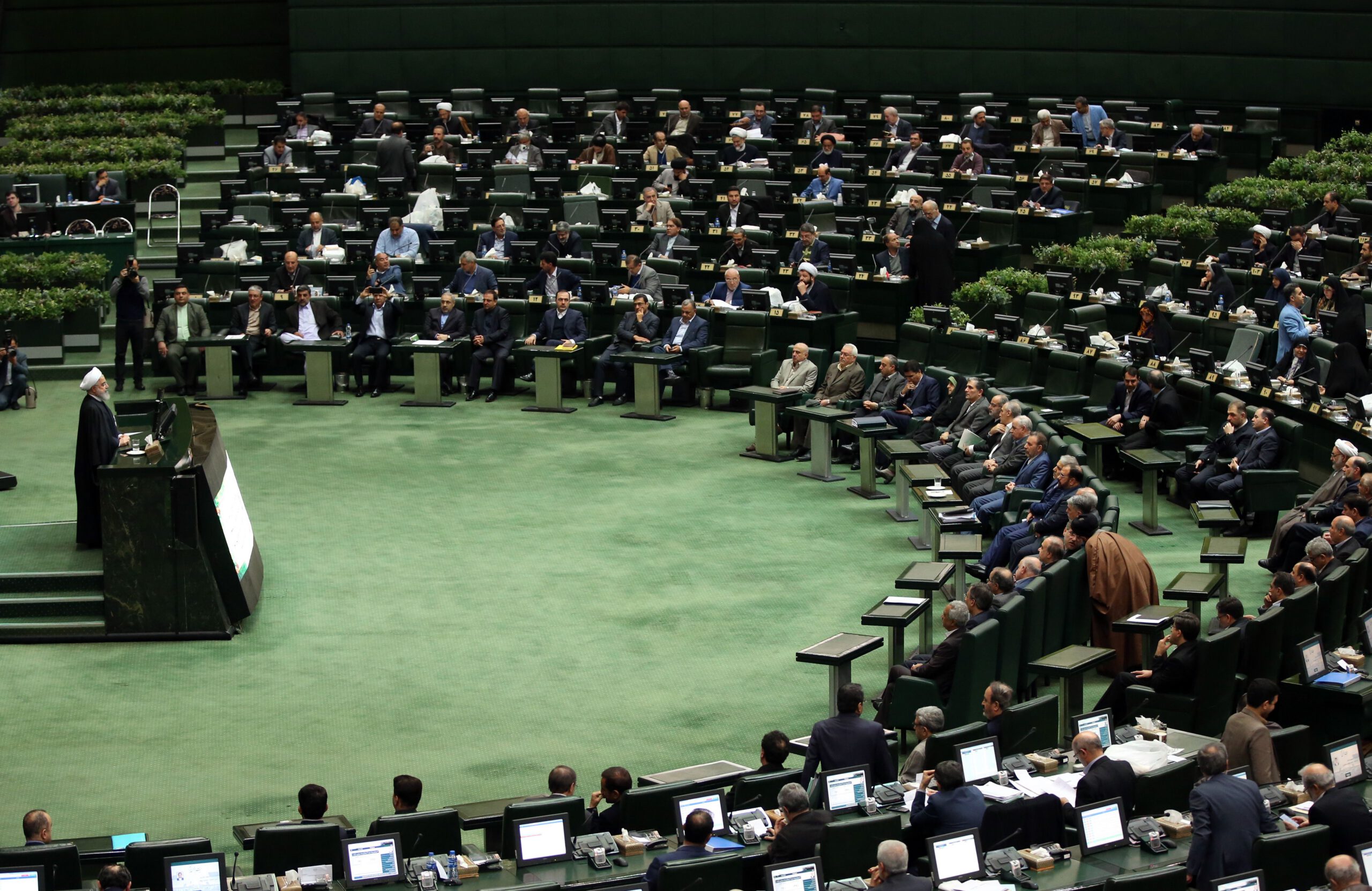
On Feb. 21, Iranians will be voting to elect a new Majlis, the country’s unicameral Parliament. Viewed from the outside, participating in the electoral system might seem futile. While the Iranian constitution recognizes popular will, as represented by an elected president and Parliament, the whole political system operates under the supreme leader, who, although appointed by an elected clerical body (the Assembly of Experts), is, in effect, answerable to no one. The Majlis does, however, have the power to remove the president — a fate that could potentially await President Hassan Rouhani if the conservatives win a majority in the upcoming elections.
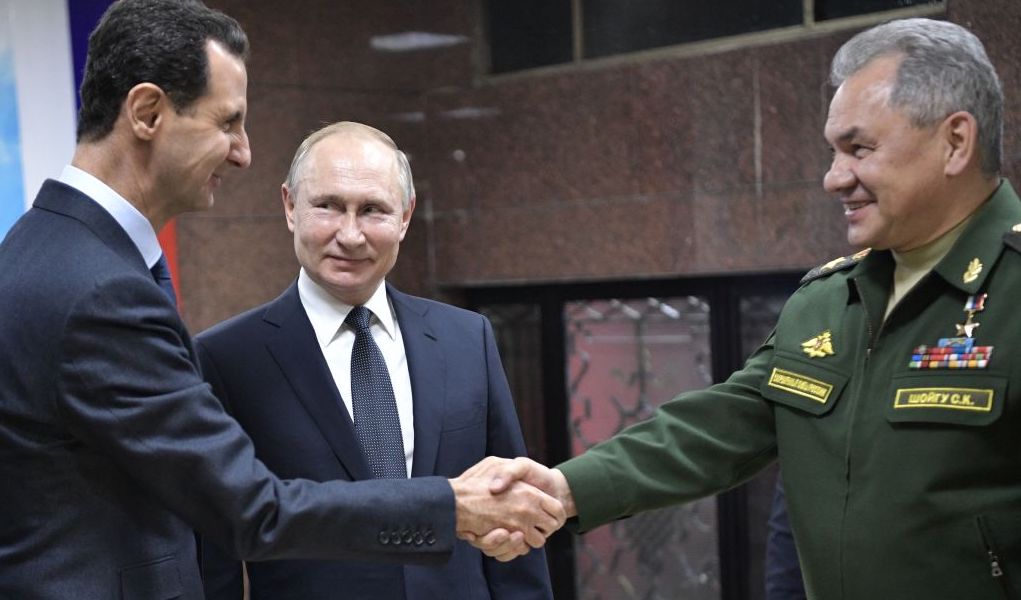
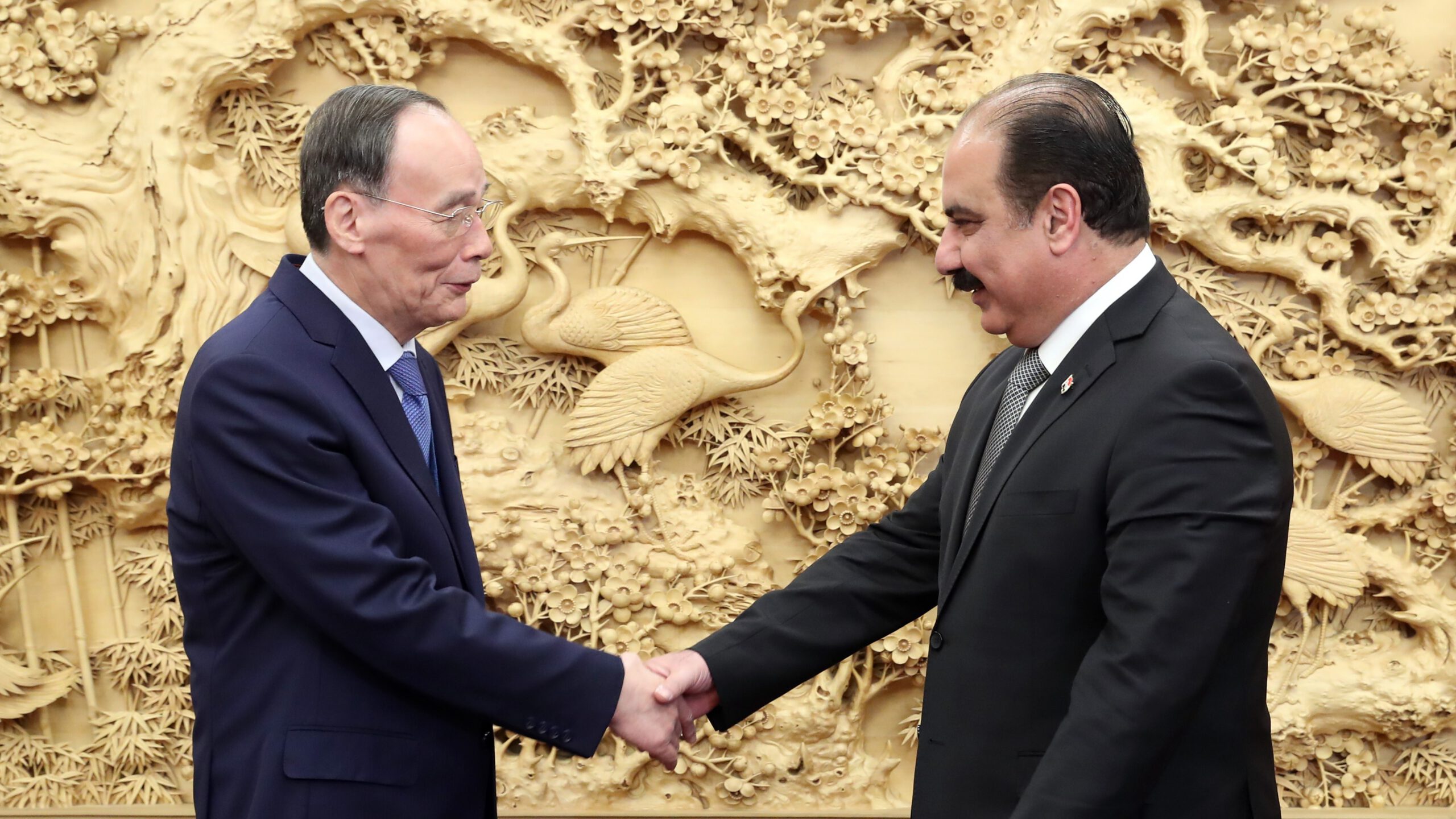
Since the beginning of the Syrian civil war in 2011, many analysts have examined the role played by a handful of key outside actors, such as Russia, Iran, Turkey, and the member states of the Gulf Cooperation Council (GCC). Yet China has received comparatively little attention in most discussions about the Syrian crisis. A deeper look at Sino-Syrian relations and Beijing’s policies vis-à-vis Syria is long overdue as this bilateral relationship is set to become increasingly important to both China’s ambitious foreign policy as well as the Syrian government’s vision for reconstruction and redevelopment.