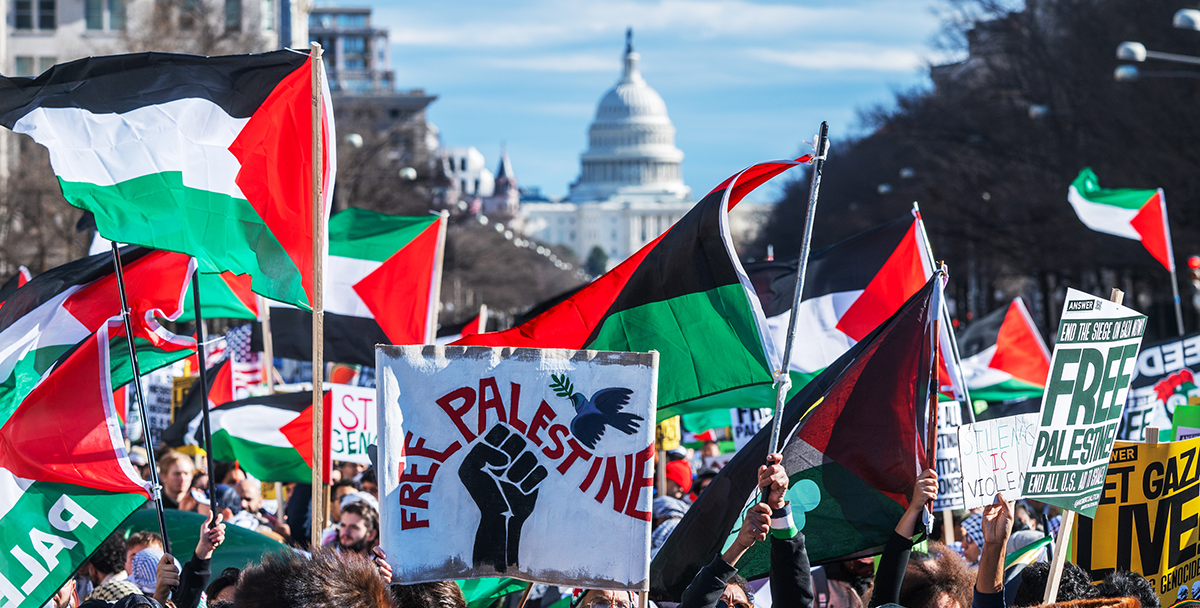
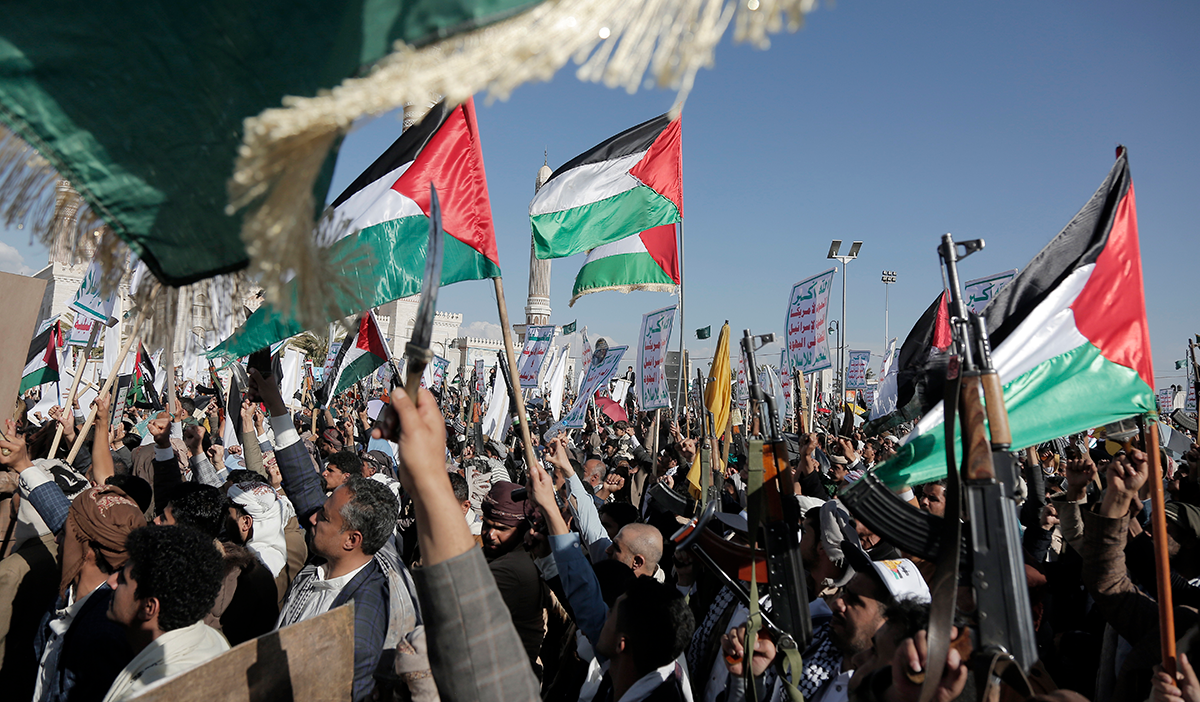
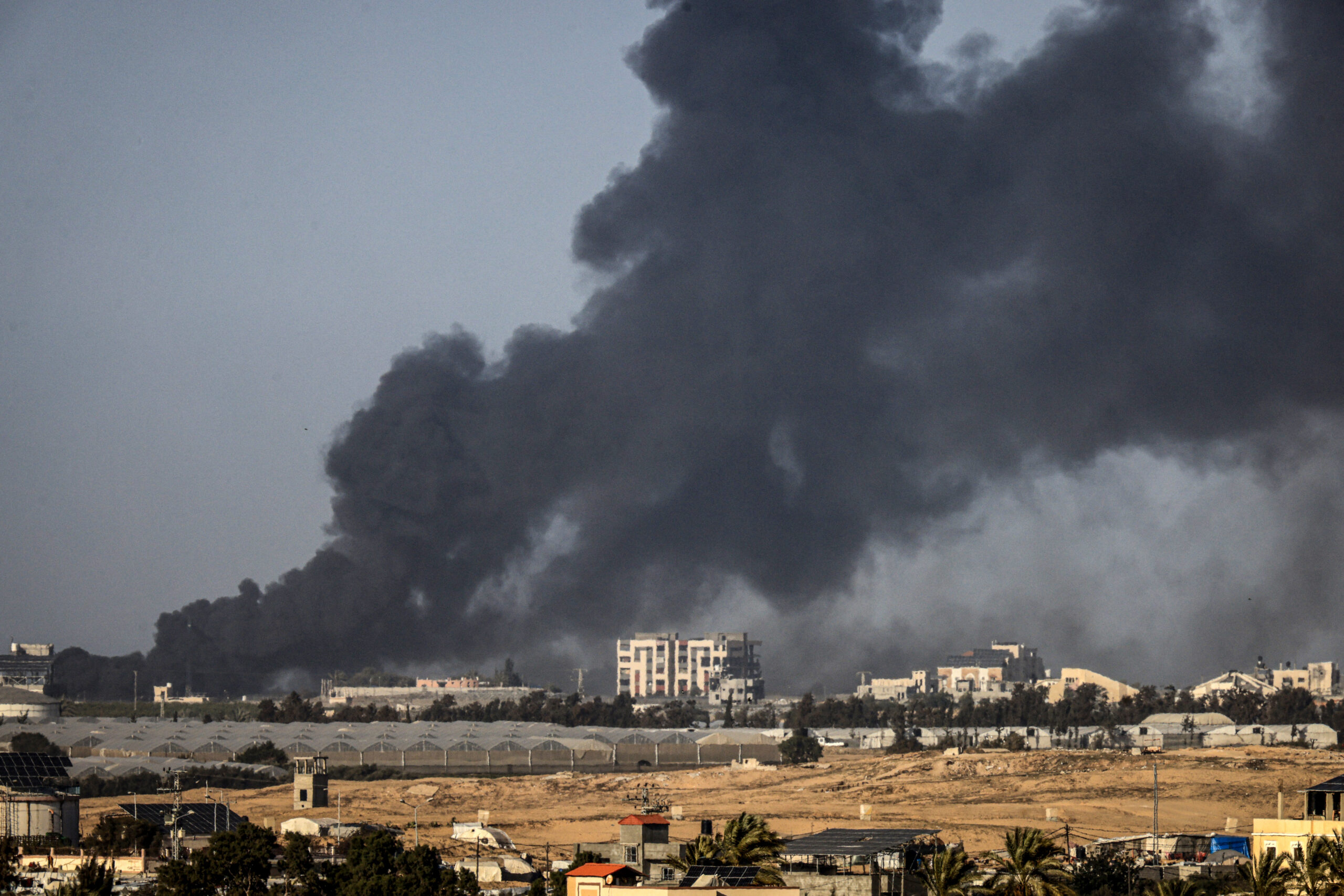
The ongoing catastrophe in Gaza is driving a surge in sympathy for Palestinians in the Western world that could mark a turning point in how the Israeli-Palestinian conflict is engaged with moving forward. Changing attitudes among younger generations are primarily responsible for this shift, driven in part by a post-Black Lives Matter outlook and narrative that has simplified and distilled the conflict.
Expelling MK Cassif: A warning sign for Palestinian representation in the Knesset
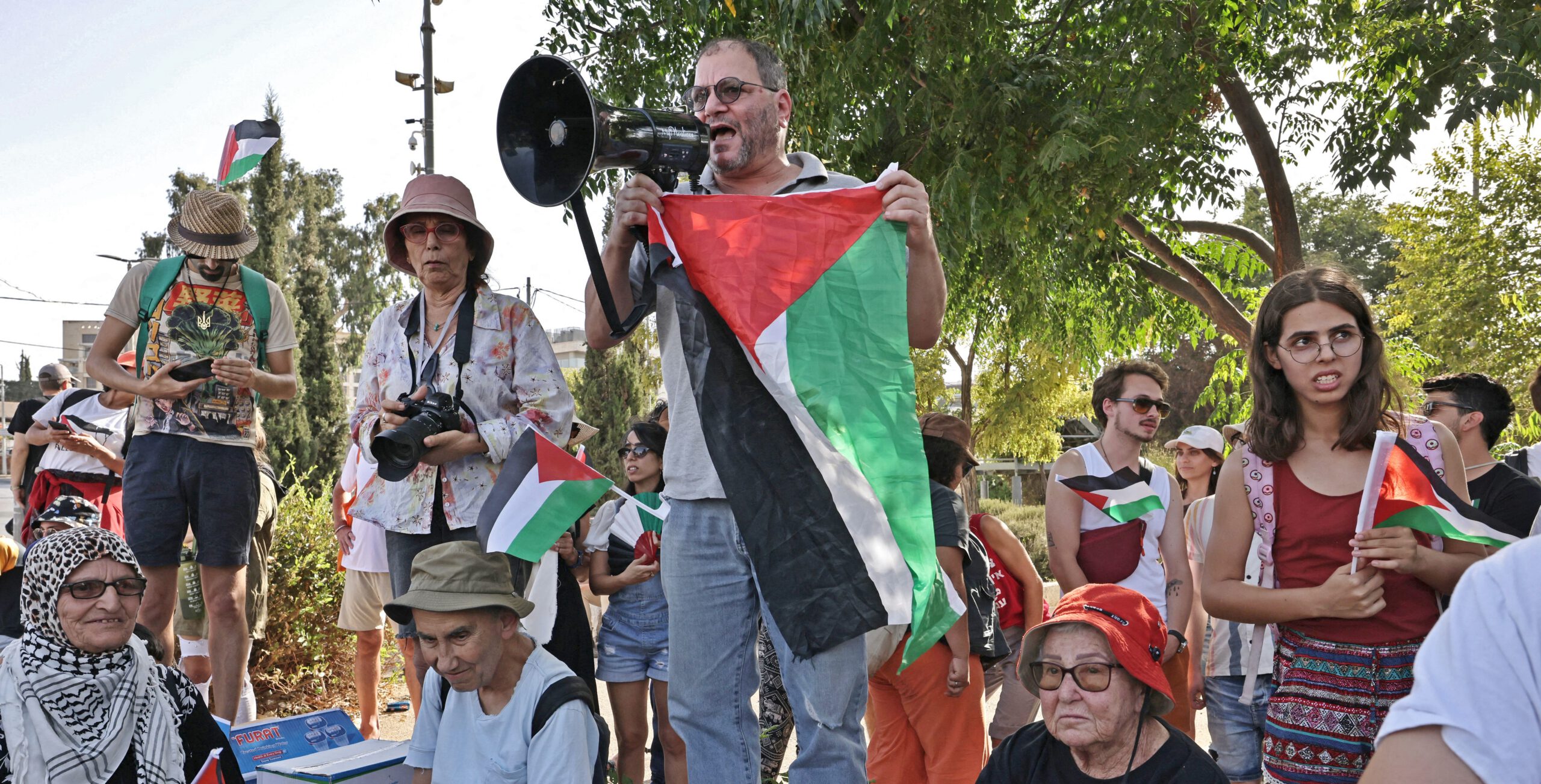
If the Knesset expels lawmaker Ofer Cassif, it will represent the national legislature’s first use of the Suspension Law and signal a sharp curtailing of legal space for non-Zionist players in Israeli politics.
From Yemen to Palestine: The strategic depth of the Houthi-Iranian alliance
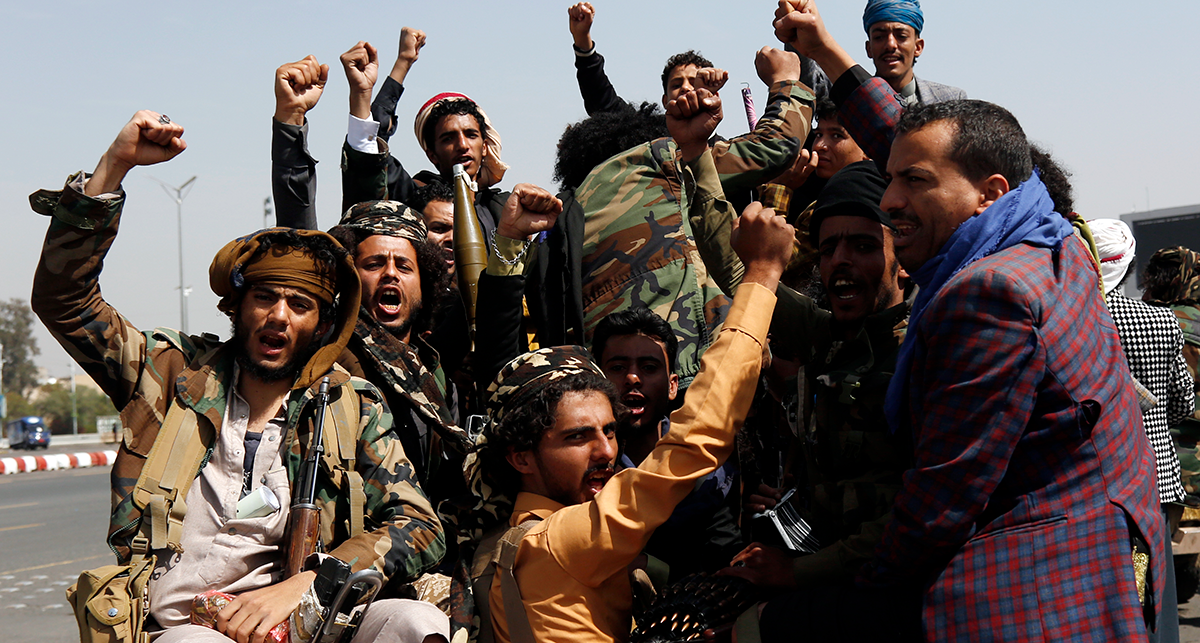
Houthi rhetoric focusing on Palestine underscores the militia’s strategic alliance with Tehran as part of the “Axis of Resistance.” This relationship, central to understanding the Houthi movement’s actions and narratives, frames its position within the larger geopolitical contest in the Middle East.
Suspending UNRWA funding is collective punishment for Palestinians
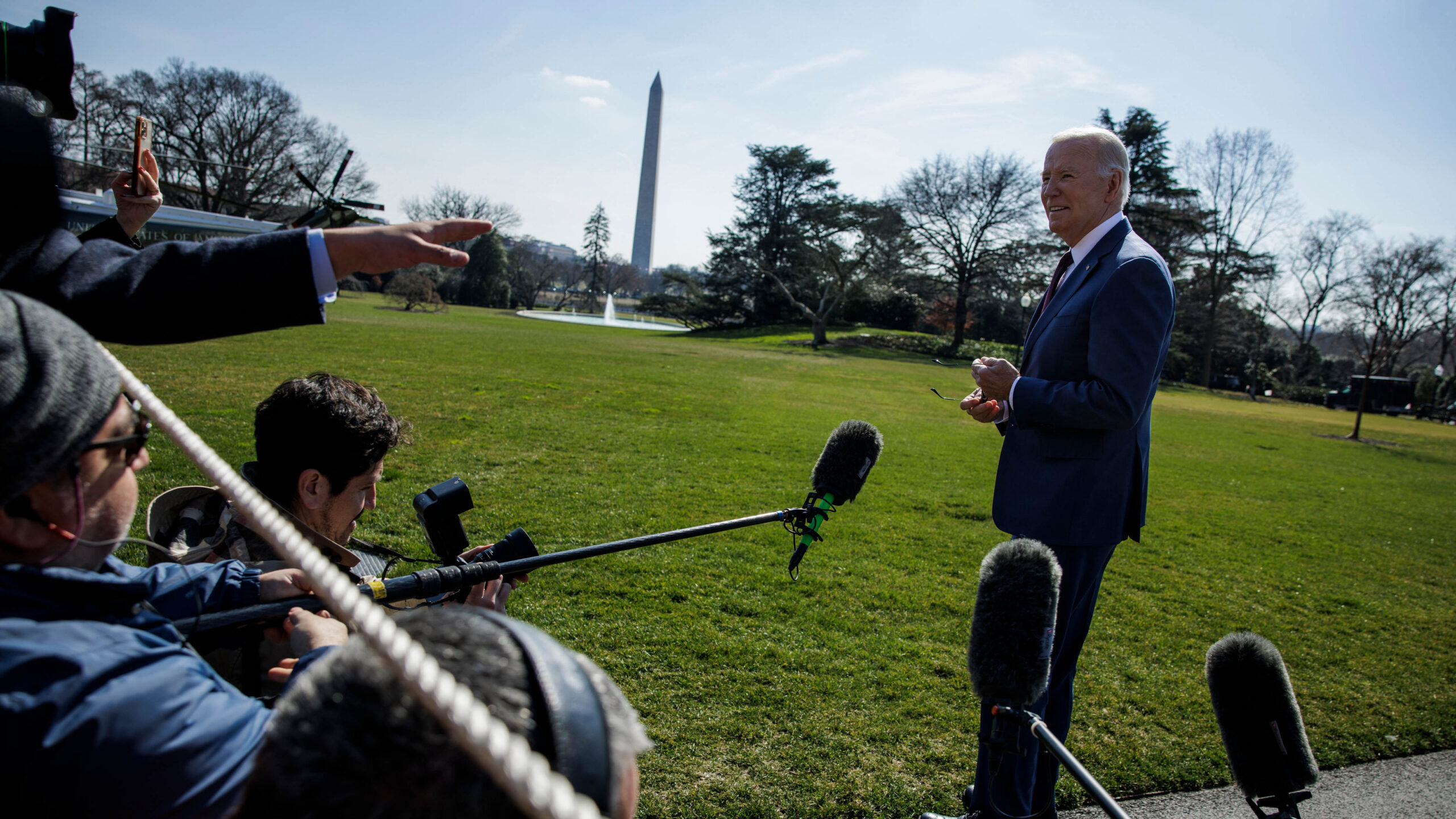
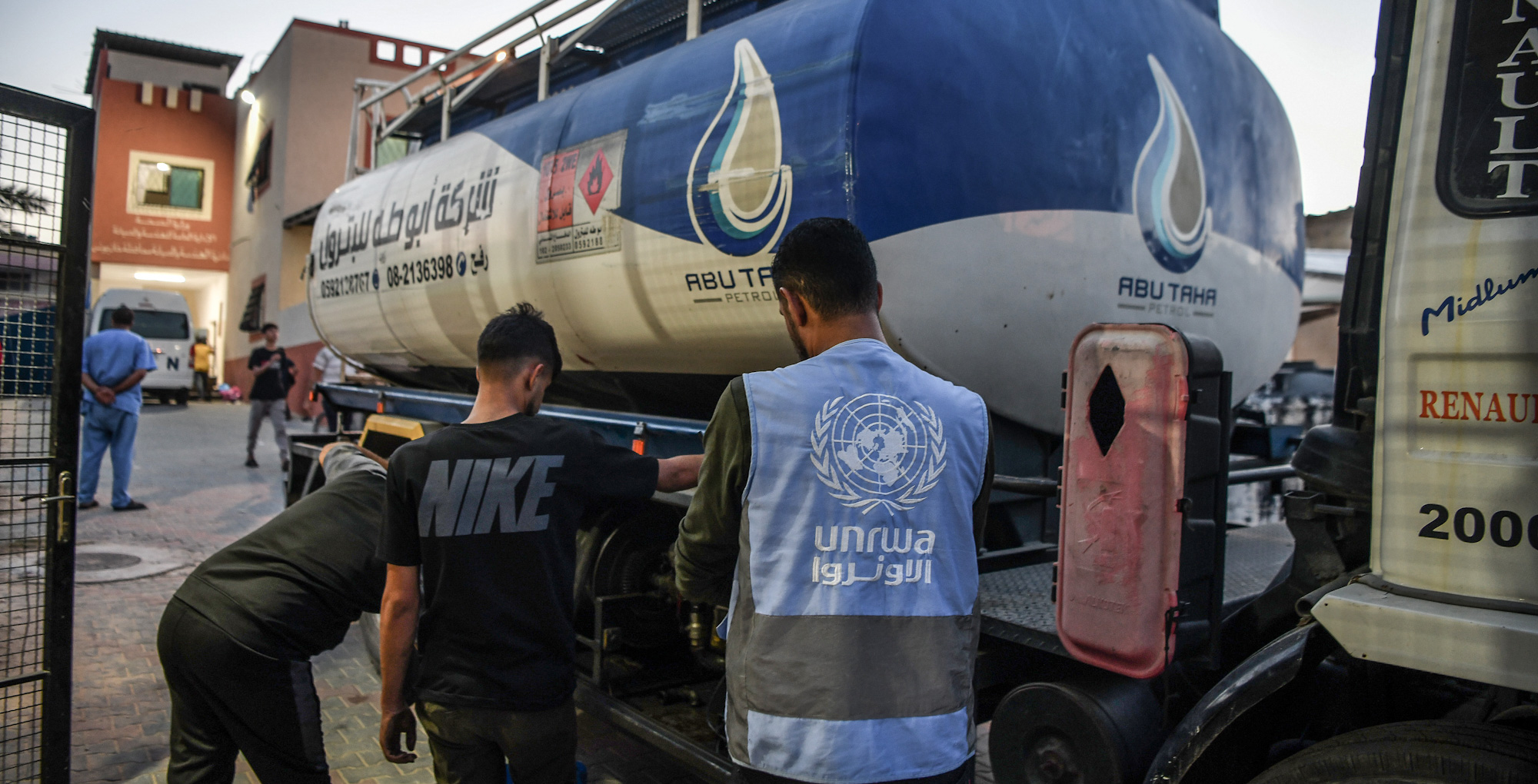
The decision by the United States and other donor countries to suspend financial assistance to UNRWA will have far-reaching and likely devastating consequences for the civilian populations that rely on its services, particularly in the Gaza Strip. Donor countries must realize that the consequences will hinder the humanitarian response to the Israeli war on Gaza, incurring a heavy cost in human lives.
The implications of Red Sea instability on the global LNG market
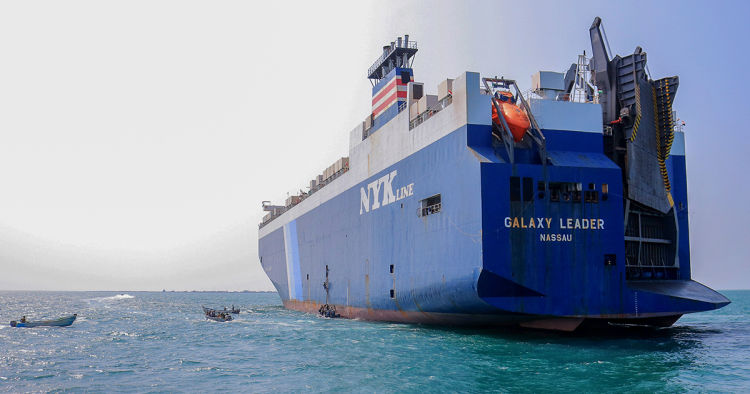
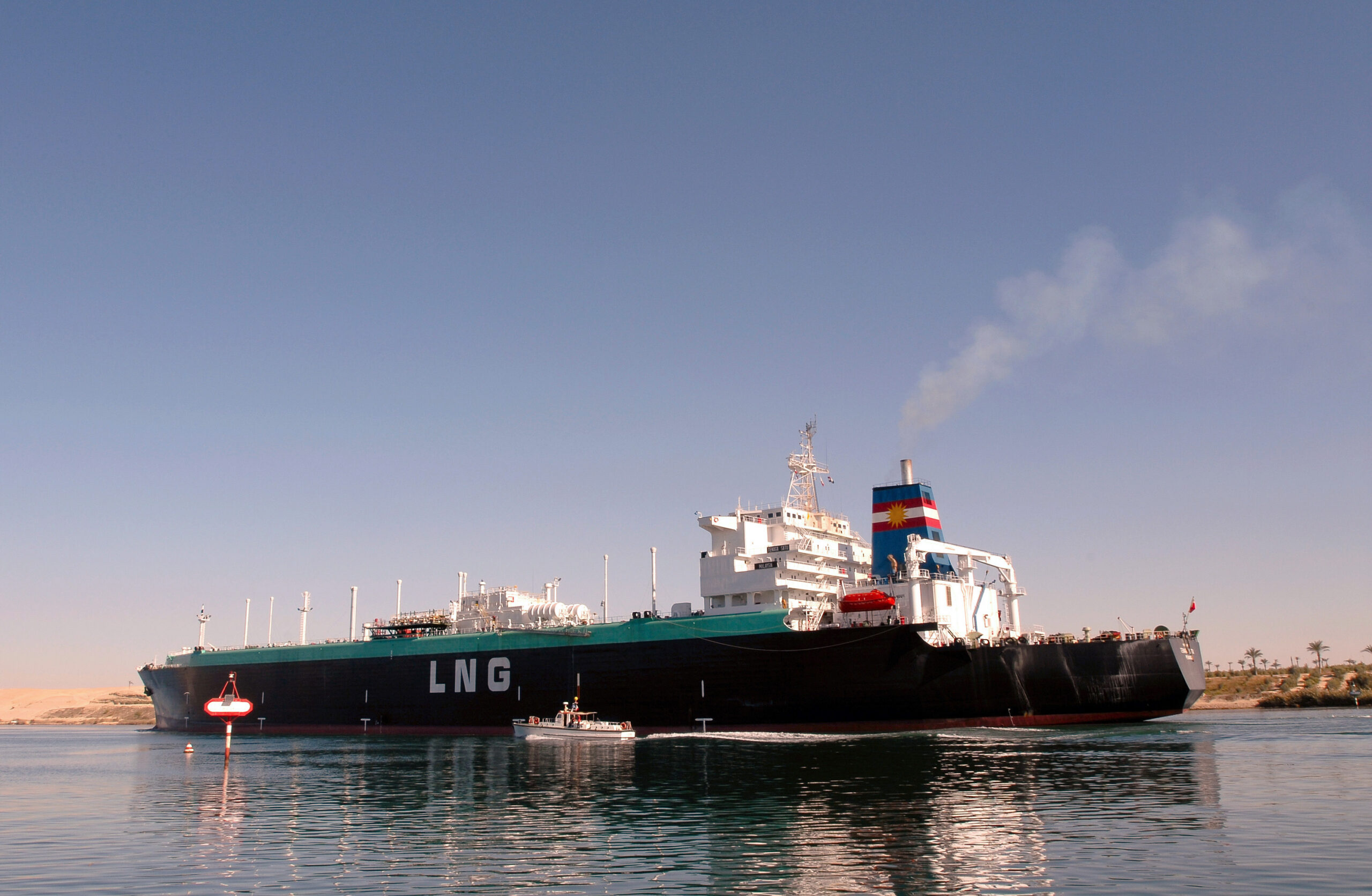
Well over 30 attacks against commercial shipping in the Red Sea have been reported since mid-November 2023, although none have targeted crude oil or liquefied natural gas (LNG) carriers to date. But that is not to say that global energy flows through this critical maritime chokepoint are invulnerable; any harm that came to hydrocarbon carriers traveling into or out of the Red Sea via the Bab el-Mandeb would have far-reaching consequences for international markets.
ما الذي تريد إسرائيل أن تراه نتيجة لجهود الوساطة الأمريكية بين إسرائيل ولبنان؟
الأسابيع المقبلة حاسمة بالنسبة لإسرائيل ولبنان، ومن المرجح أن تحدد ما إذا كان من الممكن تجنب مواجهة أوسع بين إسرائيل وحزب الله دبلوماسياً أم أن ذلك أمر لا مفر منه. وقد دعا المسؤولون الإسرائيليون لبنان والعالم إلى التوصل إلى حل؛ لكن في الواقع، تتجه أنظار إسرائيل إلى واشنطن العاصمة.
The ideological underpinnings of the Houthis’ Red Sea attacks
The Houthis’ attacks in the Red Sea are a manifestation of their ideology, rooted in Islamic fundamentalism. Today, aligned with Iran’s “Axis of Resistance,” this ideology aims to expel the US from the Middle East, destroy Israel, and institute a worldwide Islamic Caliphate with Jerusalem at its core. The following analysis delves into the ideological framework that propels the Houthis’ actions in the Red Sea and its broader implications.
What it means when nine nations bomb in the Middle East in two weeks
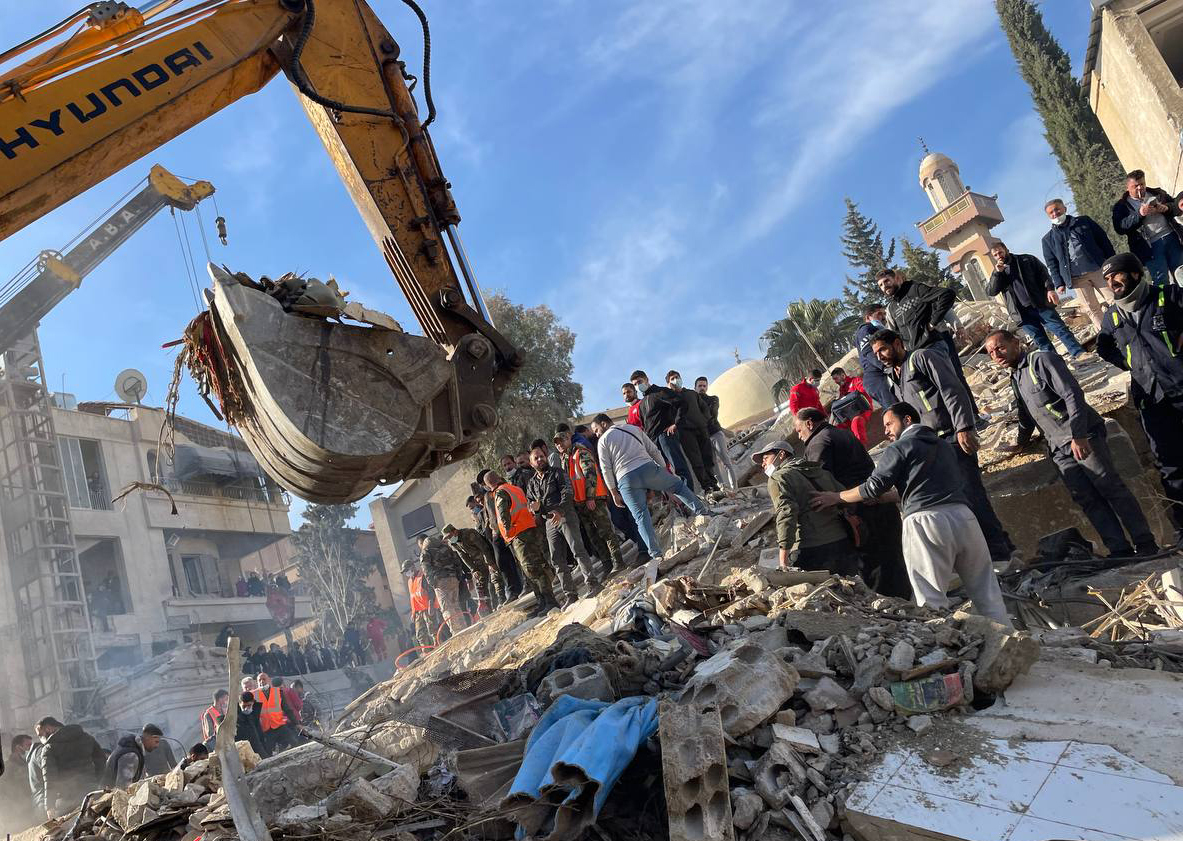
Nine nations, including terrorist groups that are de facto governments, have attacked other countries in the region over the course of about two weeks. Numerous commentators have drawn the conclusion that a regional war is already underway or soon will be.
Dutch support for allied anti-Houthi airstrikes: Shared objectives with a pinch of opportunism
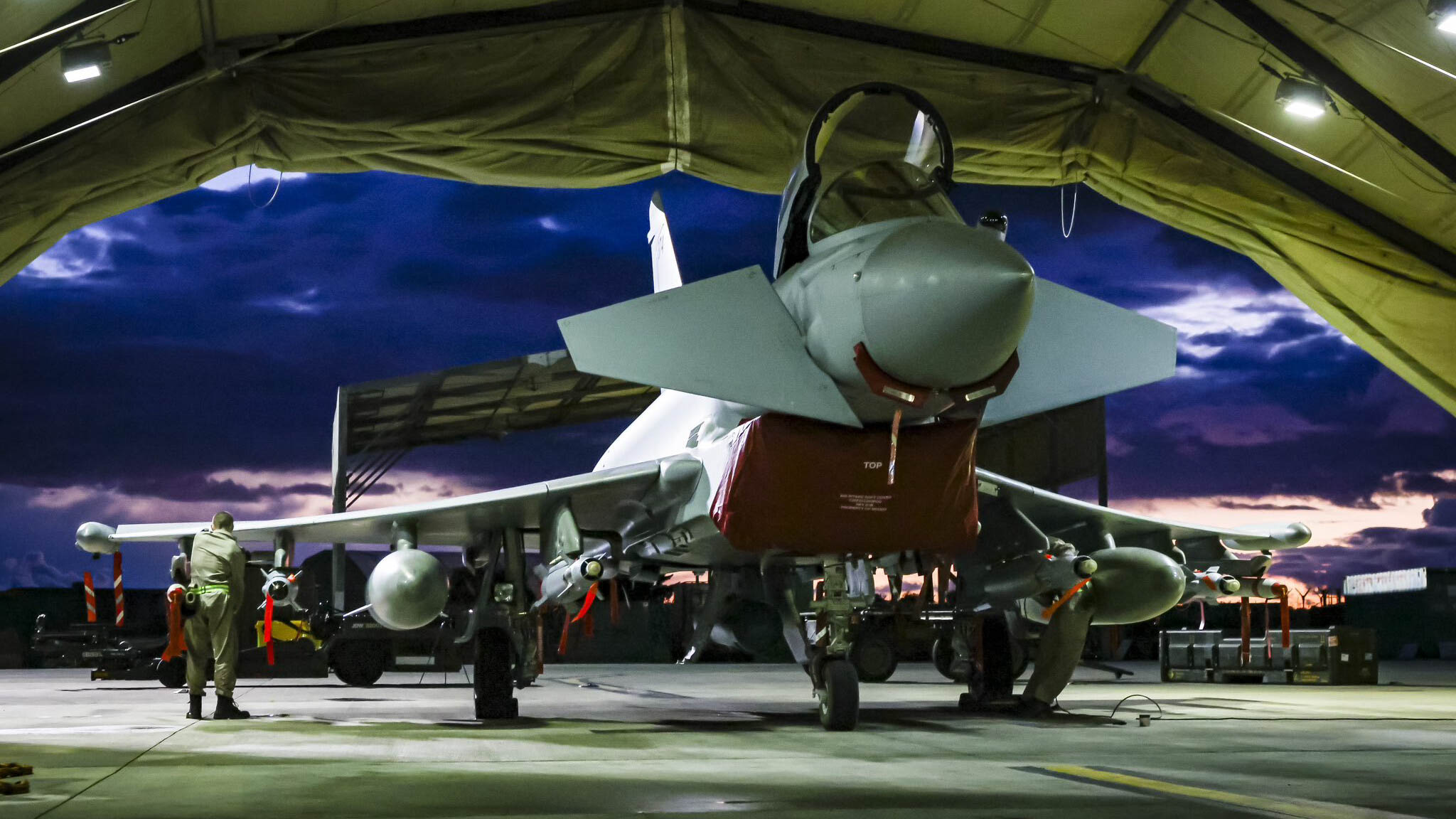
When the United States and the United Kingdom decided to strike Houthi targets inside Yemen to stop the group from launching attacks on commercial shipping in the Red Sea, most European allies did not want to get involved in the operation. The sole exception was the Netherlands, which grabbed the opportunity to step forward and show its willingness to provide not only political but also military support, albeit largely symbolic.