Yemeni Factions, Saudi Arabia Escalate Aimless War
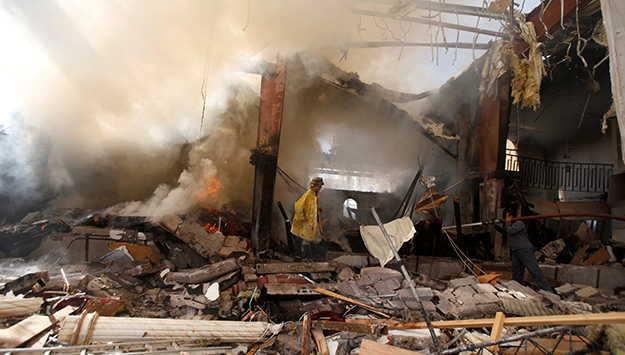
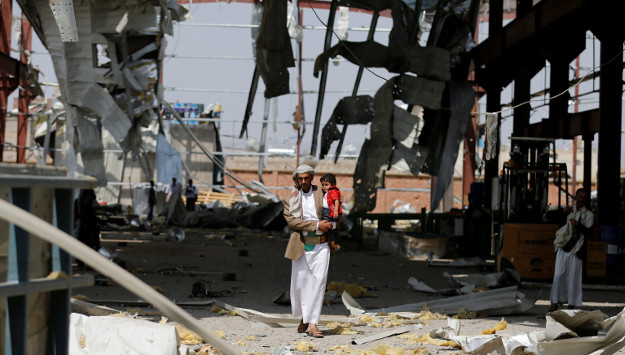
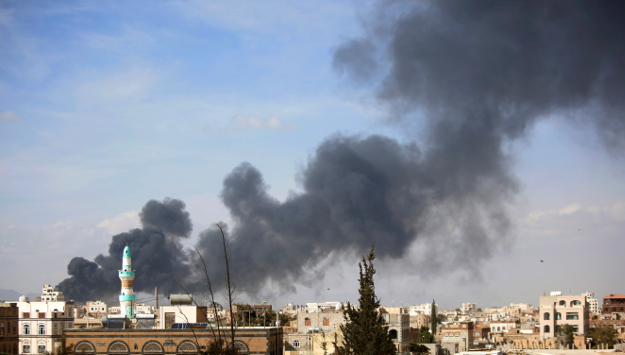
The parties to the intractable Yemen war appear further entrenched in their enmity than ever before, despite U.S. and British efforts to push Yemeni leaders toward new negotiations.
In the face of economic challenges and geopolitical shifts, Oman is investing in its strategic partnership with India to diversify Muscat’s web of international allies. This relationship—which dates back to the Indus Valley Civilization when the Arabian Sea’s monsoon winds began facilitating 5,000 years of maritime trade between the two countries—has matured substantially in recent years.[1]
Monday Briefing: This Week's OPEC Meeting, and the Latest on Aleppo and Yemen
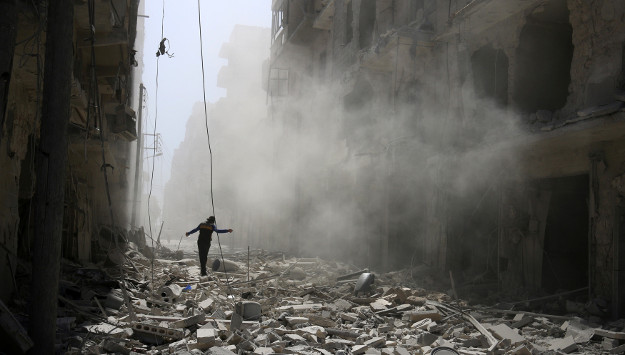
In this week’s Monday Briefing, MEI experts Ruba Husari, Charles Lister, and Charles Schmitz provide analysis on events including OPEC’s upcoming meeting to discuss production rates and a potentil freeze, Russia’s bombardment of Aleppo following the collapse of the latest cease-fire, and the worsening humanitarian disaster in Yemen.
The War in Yemen: Political Impasse and Humanitarian Crisis
September 14, 2016 – Charles Schmitz, MEI scholar and professor of geography at Towson University, sits with Paul Salem to discuss the state of play in Yemen, where more than a year of war has led to thousands of civilian casualties and compounded a long-standing humanitarian crisis.
G.C.C., Iran Look to Sea Trade to Reduce Dependence on Oil
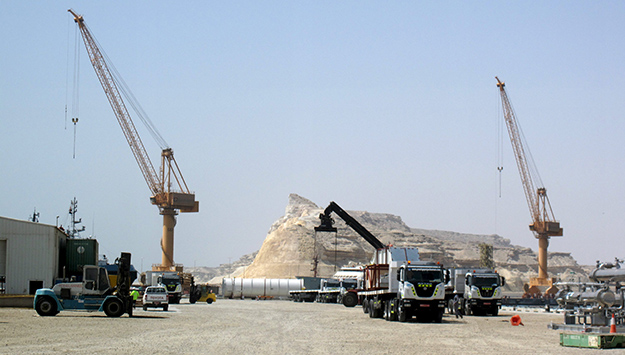
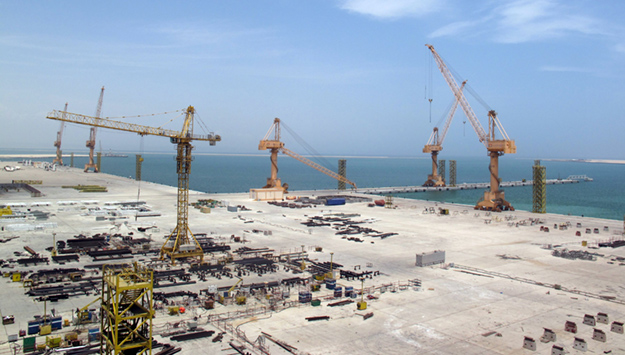
Continuing low oil prices have prompted Persian Gulf states to diversify their heavily petro-dependent economies. This issue is forcing the oil-rich states to invest and expand their potential as international trade hubs as a pathway away from the time bomb of single commodity exports. As many Gulf states have outlined in economic plans, as well as developed on the ground, maritime trade is an increasingly essential link connecting the Middle East to the global economy.
Monday Briefing: Turkey's Iran Outreach and Regional Diplomatic Strategy
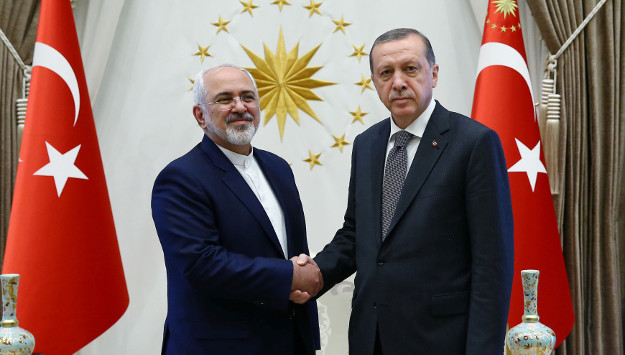
In this week’s Monday Briefing, MEI experts Gonul Tol, Alex Vatanka, Charles Schmitz, and Robert S. Ford provide analysis on current issues including Turkey’s regional diplomacy as President Erdogan is set to visit Tehran, the Iranian perspective on Turkey’s role in the region, Secretary Kerry’s visit to Saudi Arabia amid renewed fighting in Yemen, and ongoing attempts to broker a cease-fire deal in Syria.
Monday Briefing: Manbij Offensive, Yemen Talks, Turkey-Israel, Tunisia Unity Government
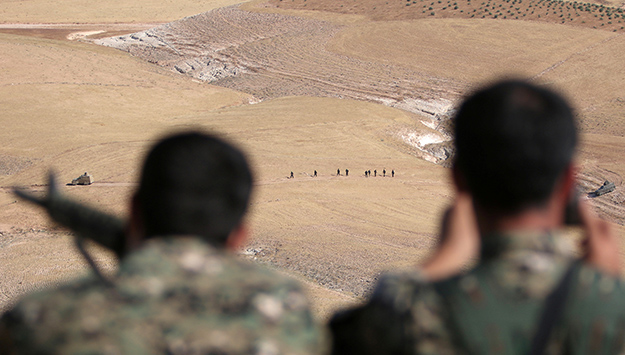
In this week’s Monday Briefing, MEI experts Robert S. Ford, Charles Schmitz, Gonul Tol, and Mabrouka M’Barek provide analysis on recent events including Manbij offensive, Yemen talks, Israel-Turkey rapprochement, and Tunisia national unity government.
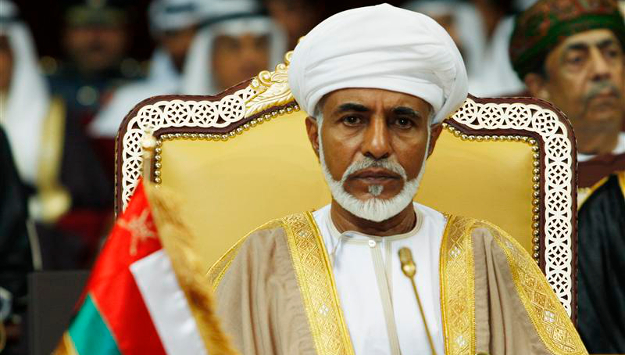
As political and humanitarian crises destabilize many Arab states, the Sultanate of Oman is a beacon of tranquility in a tumultuous region. The nation’s unique cohesion and stability is largely attributable to the legitimacy of Sultan Qaboos bin Said Al Busaidi, the longest serving Arab ruler still in power. Since ascending to the throne in 1970, Qaboos has transformed Oman from an impoverished state into a wealthy country with first-world infrastructure, a vibrant tourism industry and a military alliance with the United States and Britain.
Monday Briefing: Syria Cease-fire, Yemen Talks, and Iran Elections
In this week’s Monday Briefing, MEI experts Charles Lister, Charles Schmitz, and Alex Vatanka provide analysis on recent events including the Syrian cease-fire, Al-Qaeda losses in Yemen, and Iran’s parliamentary elections.
Monday Briefing: Syrian Peace Talks, Yemen's Cease-fire, and Saudi Regional Diplomacy
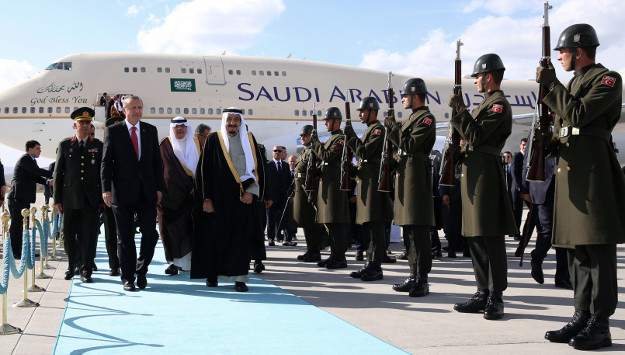
In this week’s Monday Briefing, MEI experts Randa Slim, Charles Schmitz, and Paul Salem provide analysis on recent and upcoming events including the next round of Syrian peace talks, the cease-fire in Yemen and the negotiations ahead, and Saudi King Salman’s visits to Egypt and Turkey.
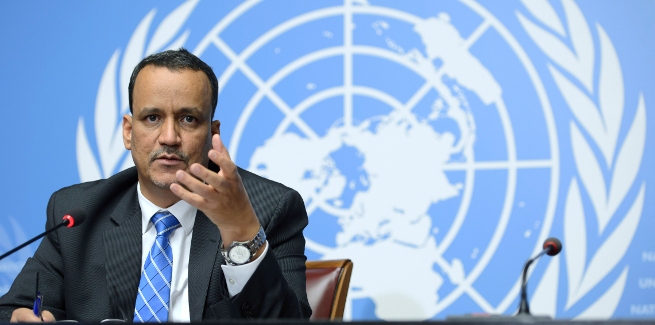
Just days before the first anniversary of the Saudi air campaign in Yemen on March 26, the U.N. special rapporteur to Yemen, Ould Cheikh, announced a cease-fire to begin April 10 followed by a third round of talks between the warring Yemeni factions on April 18. These talks have a better chance of success than previous attempts. The Houthi-Saleh alliance has long insisted that a complete and final cease-fire proceed any talks, and in previous attempts at negotiation, announced cease-fires never took hold and talks went nowhere.
A Look at Oman and South Korea’s Strategic Partnership
Since Oman and South Korea established official diplomatic ties in 1974, trade has largely defined the Muscat-Seoul relationship. Oman’s oil and liquefied natural gas (L.N.G.) and South Korea’s automobiles, electronics, and large vessels have dominated bilateral trade. Yet as Seoul stakes out increasingly vital national interests in the volatile Middle East, a host of geopolitical and security trends will more meaningfully influence the future of Omani-Korean relations.
U.N. mediator to Yemen, Walid Sheikh, recently succeeded in negotiating the release of a number of political prisoners held by Houthi rebels, including a government minister, as a confidence-building measure. Despite this small success, the third round of negotiations in the Yemeni conflict appear to be floundering without a start date.
Gulf Decisionmakers' Perceptions of Security Ties with China
The essays featured here are the products of a workshop series analyzing China’s position in the context of Gulf security, organized by the Department of International Affairs and the Center for Humanities and Social Sciences of Qatar University under the direction of Dr. Imad Mansour.