The inaction trap: Paralysis and denial in Lebanese politics
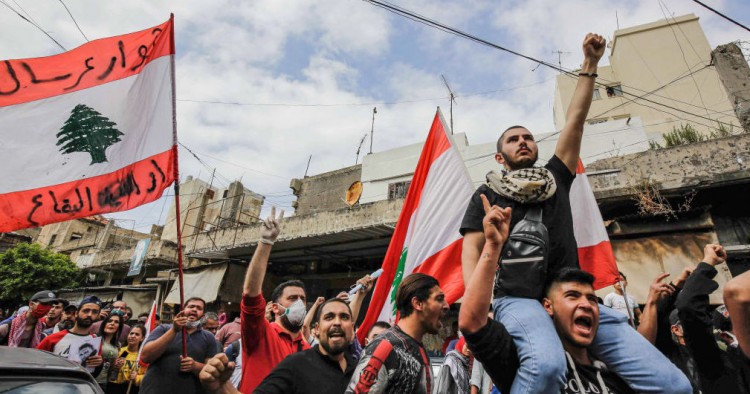
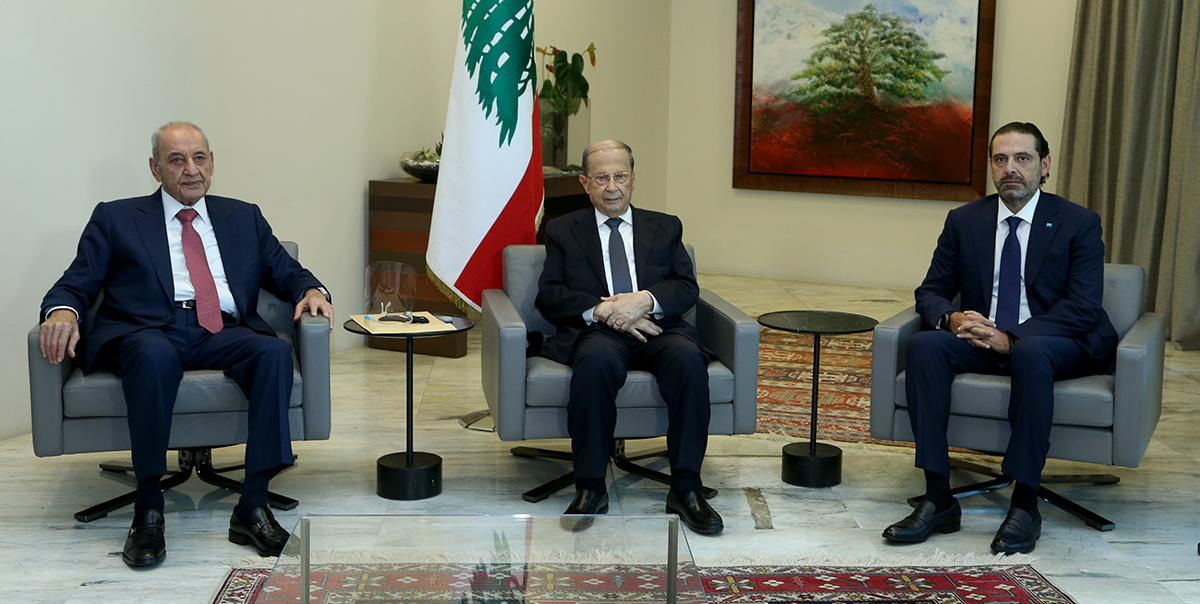
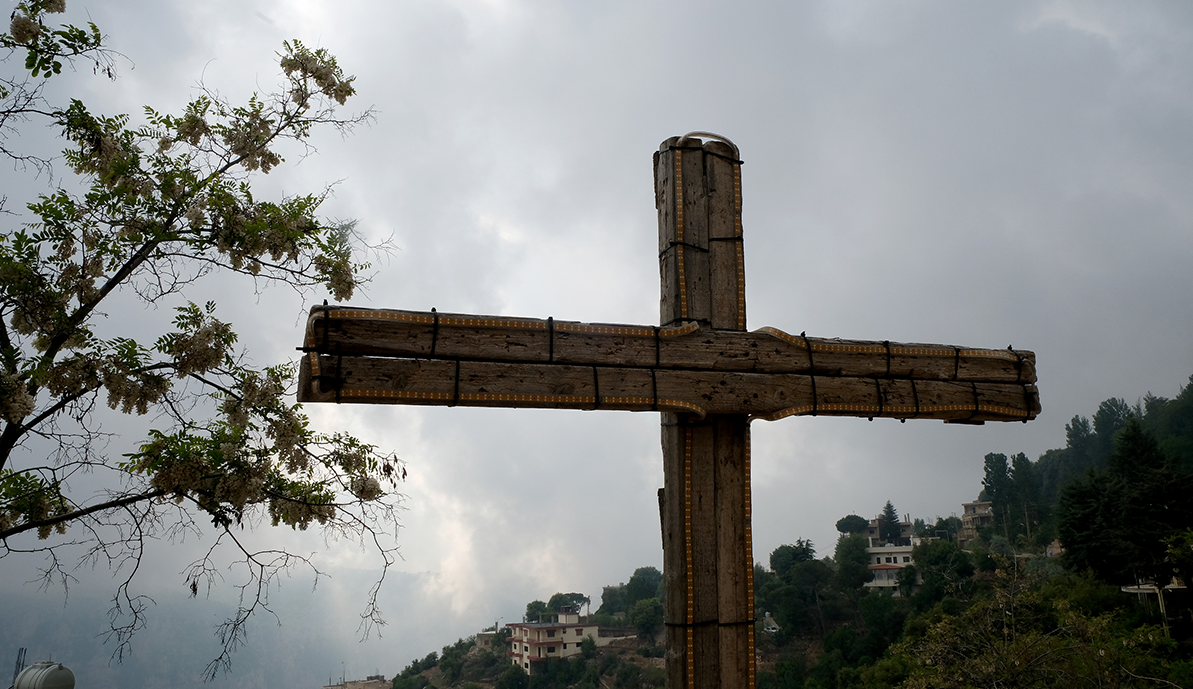
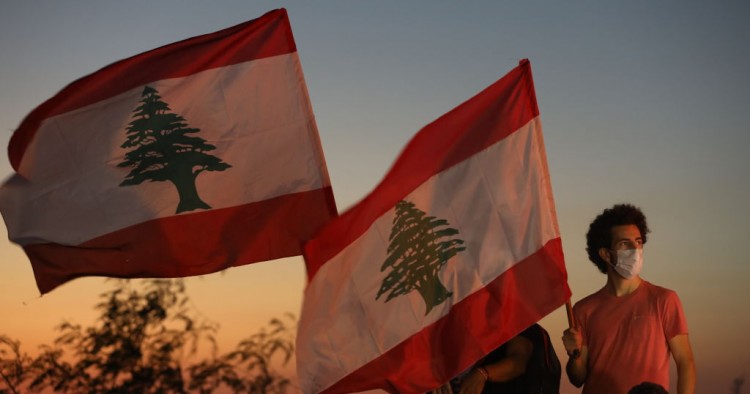
Saturday marks the 100th day since Prime Minister-designate Saad Hariri secured a razor-thin majority nomination to form a new cabinet — his fourth in 11 years. In October 2019, street protests had forced his “national unity” government to resign. His comeback a year later was a cause for disillusionment among protesters and a signal that politics as usual, in its collusive and inefficient nature, was there to stay. The absurdity of the Lebanese debacle lies in how easy and acceptable it was — and still is — for the established political class to shy away from crucial and courageous decisions when the country needed them most.
The Challenge of Foreign Fighters: Repatriating and Prosecuting ISIS Detainees
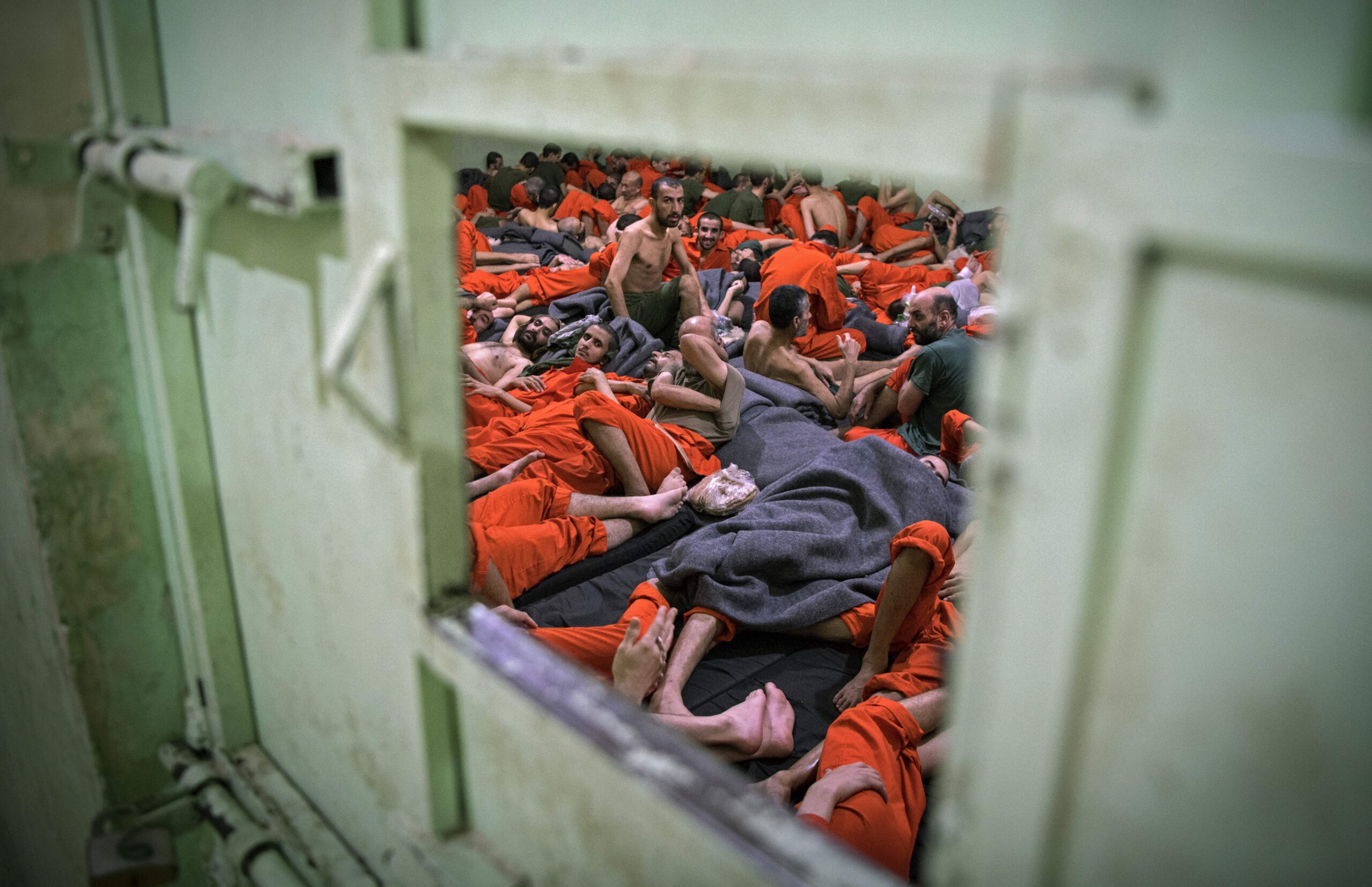
From the U.S. and the U.K. to Iraq and Syria, the way countries are handling the repatriation and prosecution of accused ISIS members echoes the policies that drove their citizens to seek a utopian Islamic State in the first place. Not only are the policies that pushed people to start joining the group in 2013 continuing, but in many cases they have increased in both scale and scope. While the current repatriation and prosecution policies are arguably counterproductive, they may also be fueling future terrorist activity and support for radical anti-government groups. To reduce the chances of such negative consequences, foreign governments must switch gears and adopt an entirely different approach before it is too late.
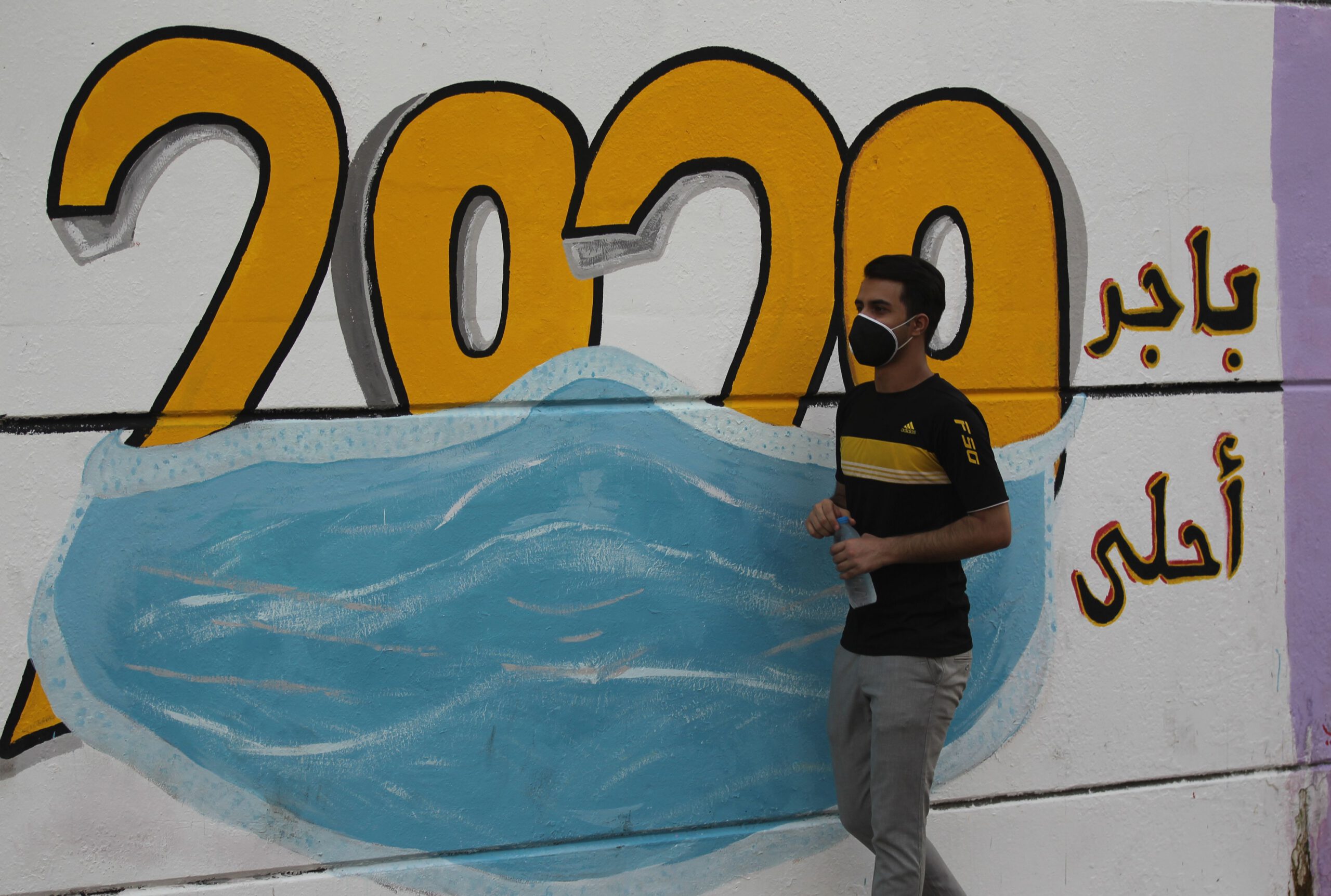
فرضت الحكومة اللبنانية حالة إغلاق صارمة عقب تسجيل أكبر حصيلة إصابات يومية الأسبوع الماضي منذ أن بدأت الجائحة. وتحصد الحكومة اللبنانية الآن ما زرعته بعدما أرخت القيود الصحية العامة خلال فترة العطلات.
A Shift Among the Shi'a: Will a Marj'a Emerge from the Arabian Peninsula?
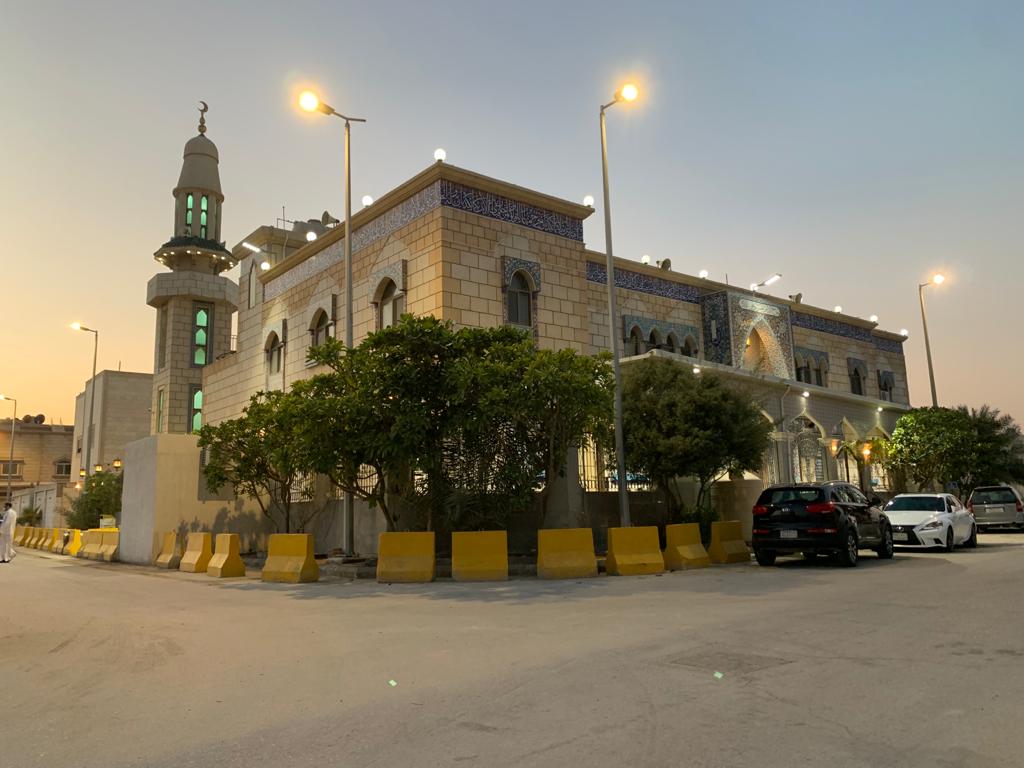
This paper looks at the political implications of the relationship between Shi’a in the Gulf states and Iranian marj‘as, the historical background to these ties, and Gulf states’ concerns surrounding the outflow to Iran of religious taxes. In some Gulf countries, these issues are tied to concerns about the loyalty of Shi’a to the nation. The authors argue that the emergence of a marj‘a who would be based in one of the Gulf states could quell these concerns.The authors identify potential marj‘as from the region and steps that Gulf states must take so that their Shi’a citizens will shift their allegiance from foreign-based marj‘as to domestically based ones.
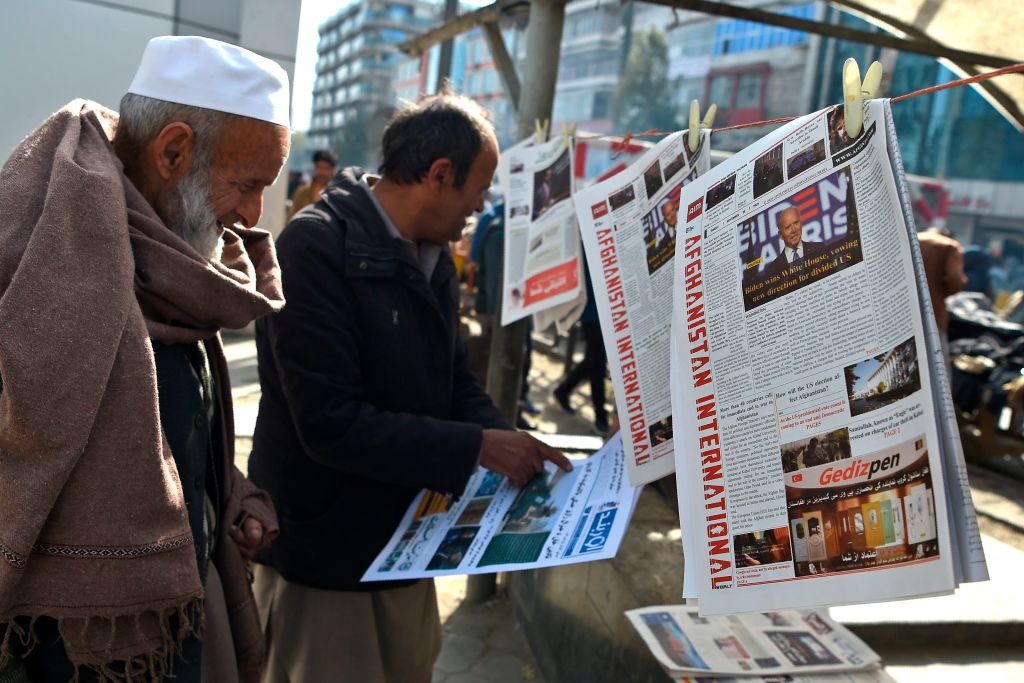
In our final episode of the year, host Alistair Taylor interviews several MEI scholars on the key events that transpired across the Middle East in 2020 including in Iraq, Iran, and Afghanistan, and they discuss US defense and diplomatic strategy in region as the as the transition to the Biden administration gets underway. Guests include Paul Salem, Bilal Saab, Randa Slim, and Marvin Weinbaum.
A look back at the year’s most important developments with analysis from Paul Salem, Alex Vatanka, Randa Slim, Gerald Feierstein, Gonul Tol, Jonathan M. Winer, Khaled Elgindy, Marvin G. Weinbaum, Mirette F. Mabrouk, Grace Wermenbol, Syed Mohammad Ali, Robert S. Ford, and Khaldoun Khelil.
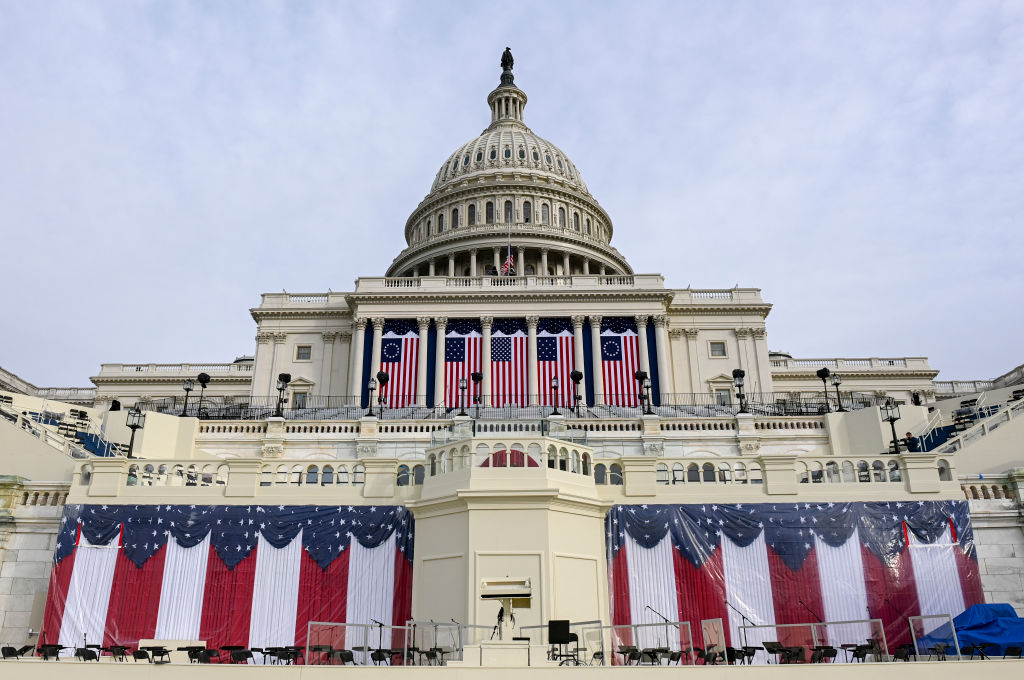
The Middle East and American Democracy’s Near-Death Experience
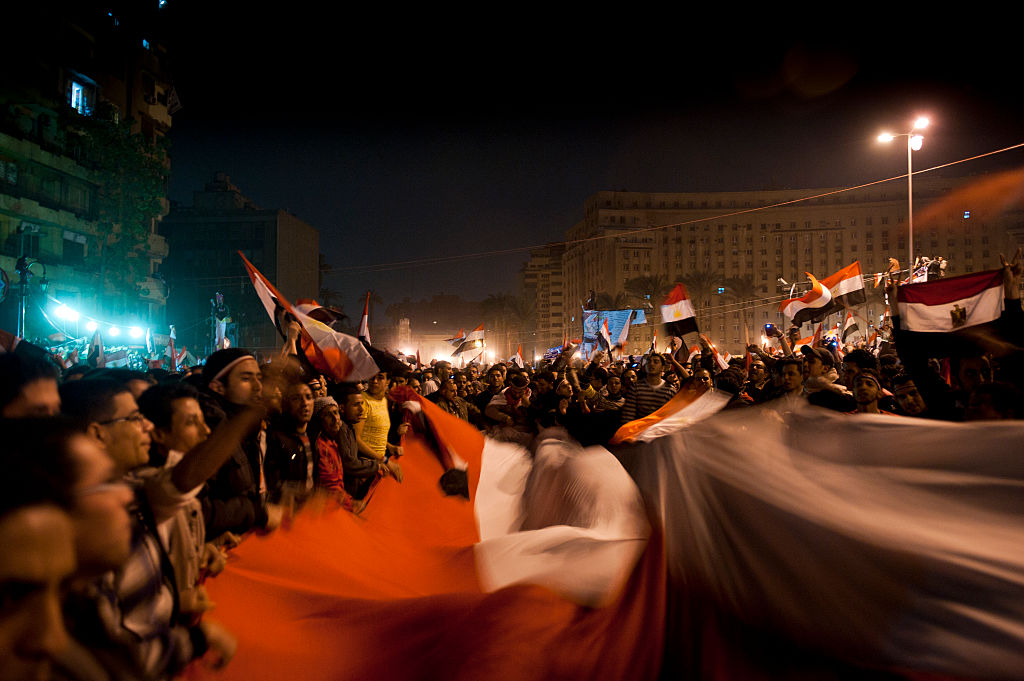
The fascination with the peaceful removal of leaders by a simple vote in the United States has always contrasted painfully with the inability of most Middle Eastern populations to do the same.
Iraqi authorities have taken a series of preventative and remedial measures to deal with the pandemic and its second order effects. However, since early June, the number of positive COVID cases has soared, while job losses and rising prices have caused the national poverty rate to climb. Three overlapping segments of the Iraqi population — the forcibly displaced, women, and children — have been hit especially hard by the public health and socioeconomic impacts of COVID-19.
Special Briefing: The Trump administration’s potential last-minute Middle East policy moves
From Israel/Palestine and Lebanon to Iran and Afghanistan, there are a number of areas where the Trump administration may make policy moves before leaving office on Jan. 20. Experts from across MEI weigh in with their thoughts on what to watch out for over the next seven weeks.