With Lokman Slim’s assassination, Hezbollah consolidates its power over Lebanon
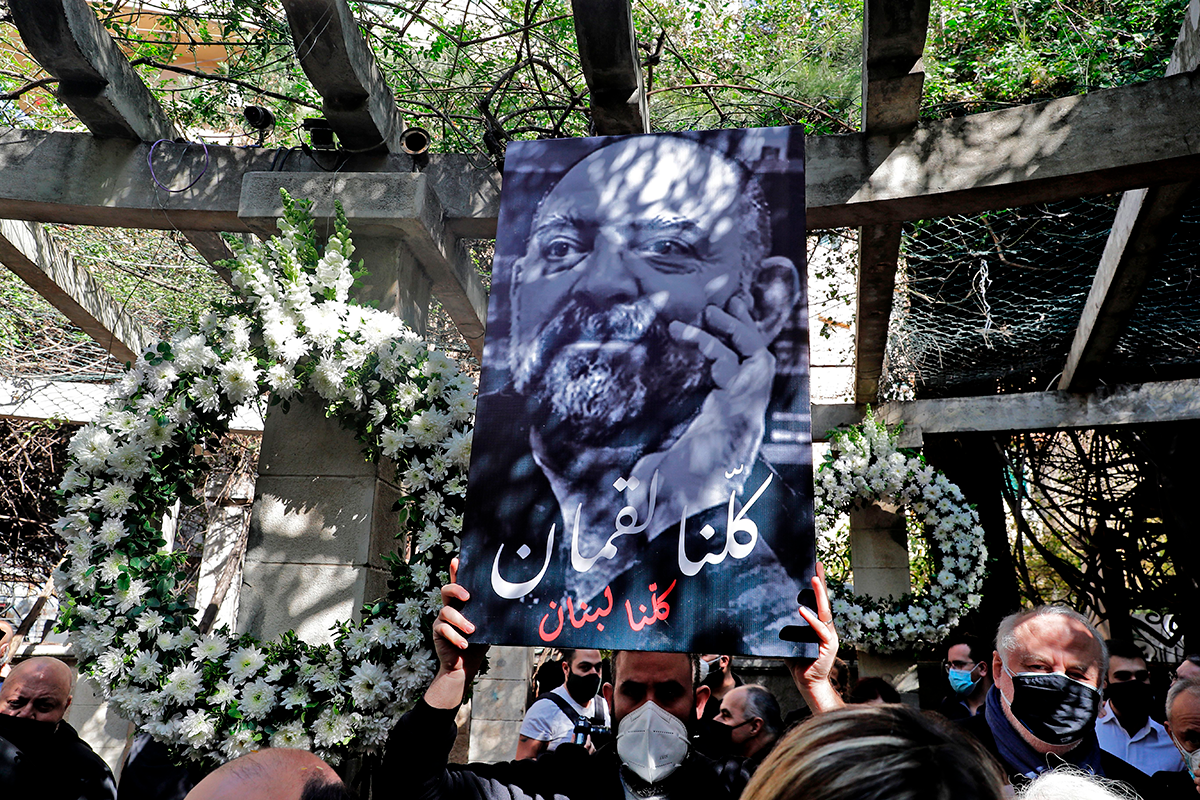
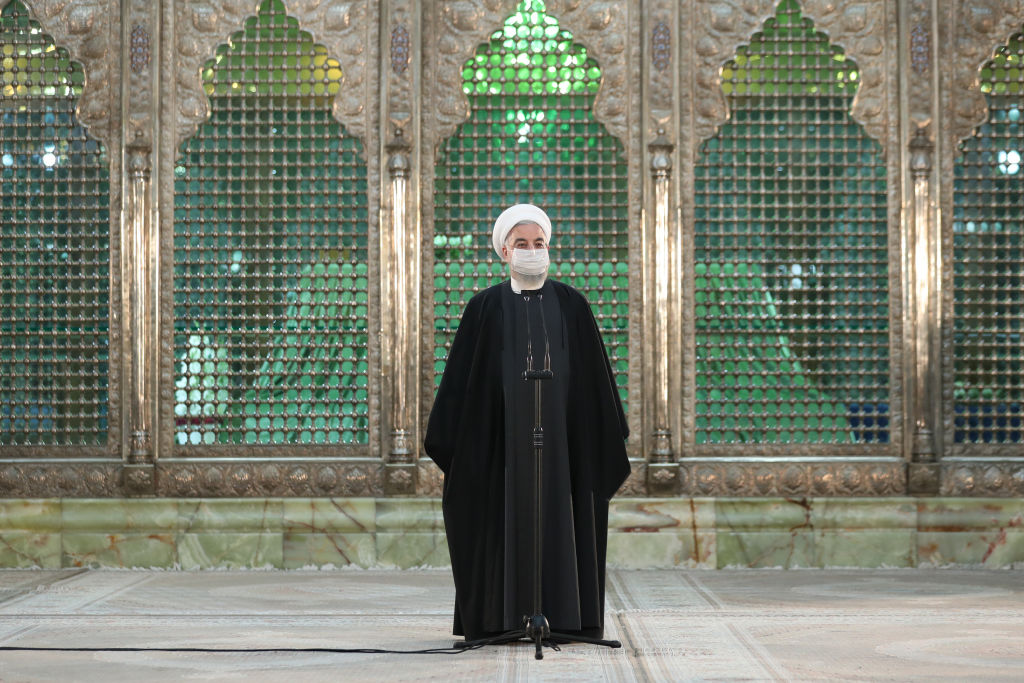
The cold-blooded assassination of Hezbollah critic and Lebanese activist Lokman Slim on Feb. 4 is yet another manifestation of Iran’s growing boldness in the country. Hoping it can once again get away with murder, Iran is mobilizing its repressive proxy in Lebanon and across the region. The question of Hezbollah’s future is key for regional stability and for the U.S. and its partners. As the U.S. prepares to renegotiate a nuclear deal with Iran, curbing the country’s regional ambitions — including its provision of military and political assistance to Hezbollah — needs to be an integral part of any new deal.
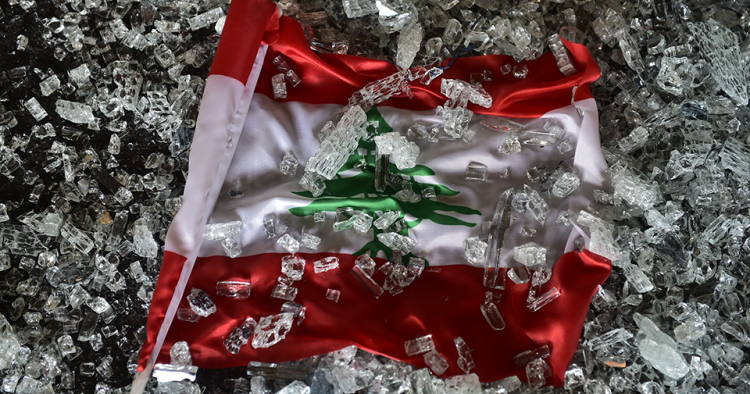
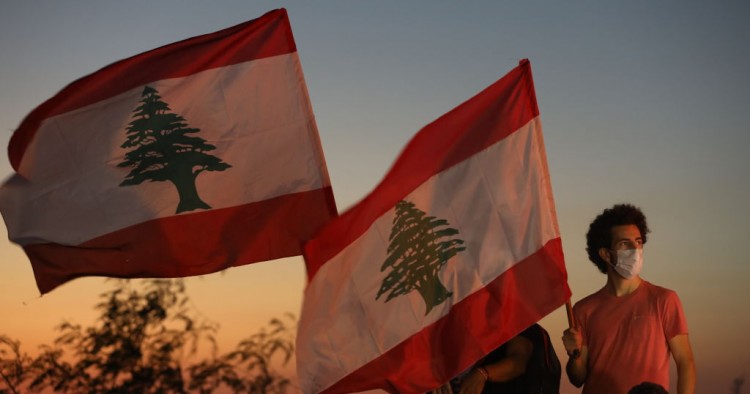
Lebanon and its citizens have endured many hardships in recent years. Two dimensions of Lebanon’s condition today are especially striking, however, and augur more difficult times ahead. First, Lebanon has become just another pauperized and increasingly militarized Arab country whose citizens rebel against state authorities. Simultaneously, the regional and international powers that once engaged in it for their own purposes seem less interested in saving it from its self-inflicted decline.
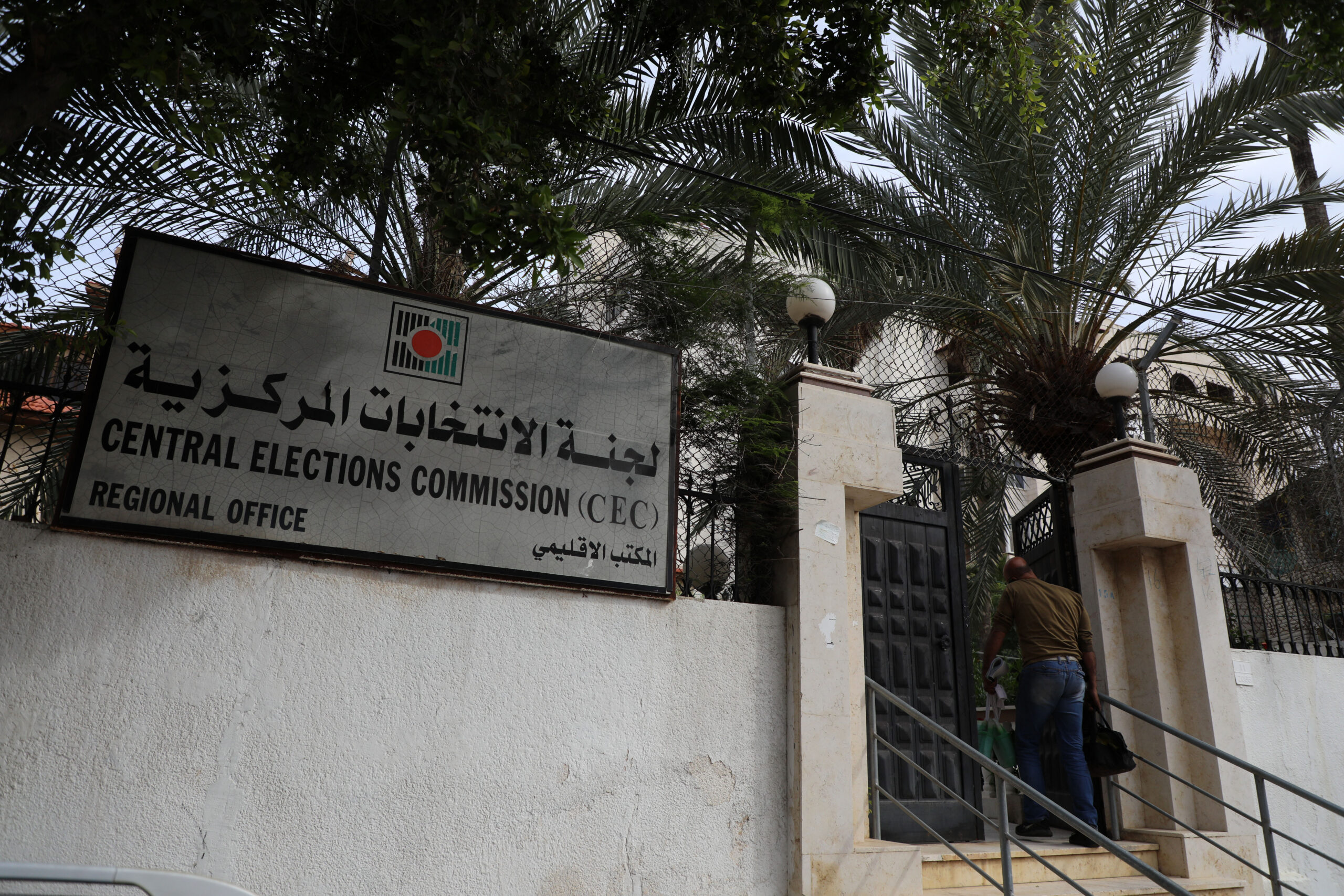
For years pundits have argued that Palestinian elections cannot take place in the occupied territories until there is reconciliation between the warring factions of Fatah and Hamas. The conflict between them led to the creation of two parallel governments, with Fatah controlling the West Bank and Hamas in charge of Gaza. This situation produced parallel laws and, most importantly, parallel security forces. While these differences remain unresolved, elections, which were once considered impossible without reconciliation, are now being used to achieve reconciliation. On January 11, a Palestinian presidential decree announced legislative elections for May 22 to be followed by presidential elections on July 31.
The inaction trap: Paralysis and denial in Lebanese politics
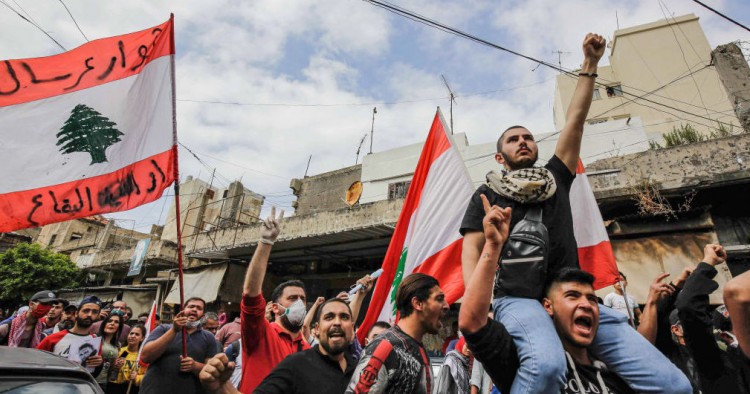
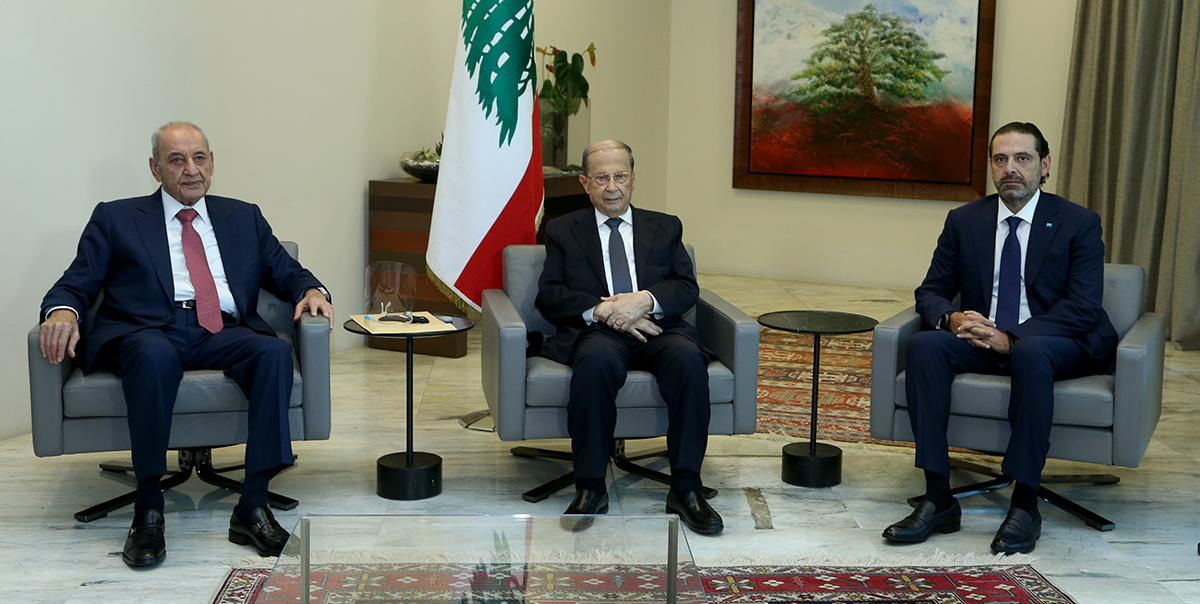
Saturday marks the 100th day since Prime Minister-designate Saad Hariri secured a razor-thin majority nomination to form a new cabinet — his fourth in 11 years. In October 2019, street protests had forced his “national unity” government to resign. His comeback a year later was a cause for disillusionment among protesters and a signal that politics as usual, in its collusive and inefficient nature, was there to stay. The absurdity of the Lebanese debacle lies in how easy and acceptable it was — and still is — for the established political class to shy away from crucial and courageous decisions when the country needed them most.
فرضت الحكومة اللبنانية حالة إغلاق صارمة عقب تسجيل أكبر حصيلة إصابات يومية الأسبوع الماضي منذ أن بدأت الجائحة. وتحصد الحكومة اللبنانية الآن ما زرعته بعدما أرخت القيود الصحية العامة خلال فترة العطلات.
This calendar lists key dates in the MENA region in 2021, broken down by month. It is subject to change and will be updated over the course of the year.
The Fakhrizadeh assassination: A major failure for Iranian intelligence
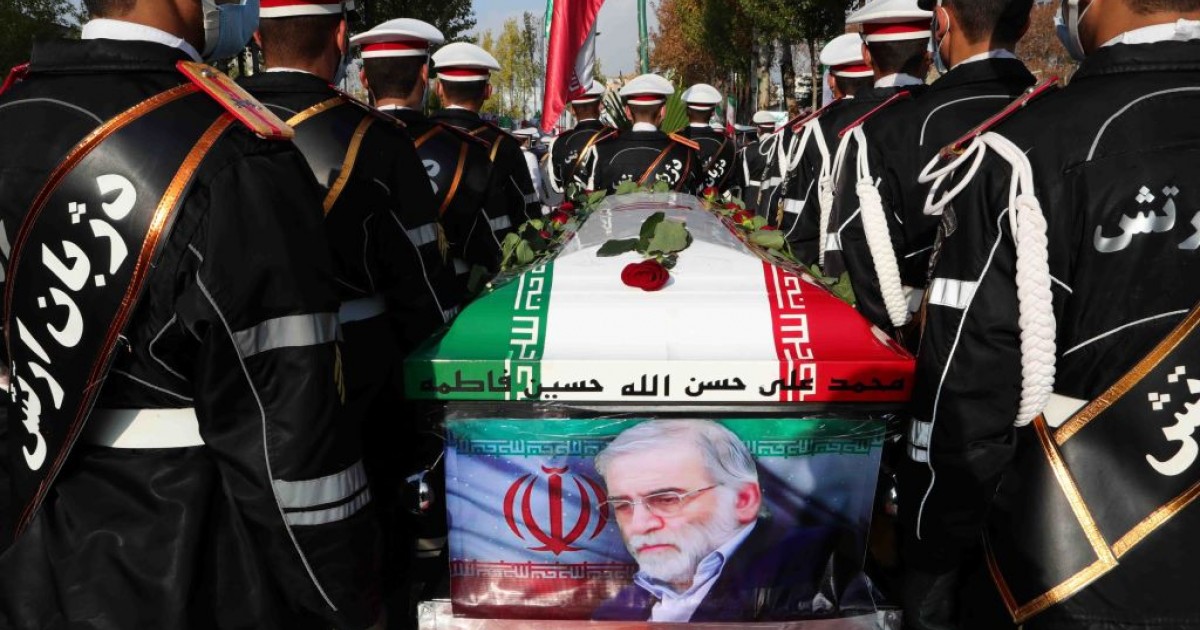
The assassination of Mohsen Fakhrizadeh, the most important figure in Iran’s nuclear program, in late November 2020 is a major failure for Iran’s intelligence services. Despite all the secrecy and the emphasis on protecting Fakhrizadeh, however, he was still assassinated in the Absard area, about 70 km from Tehran, on Nov. 27. Why was he killed despite such a high level of protection, and what effect will his death have on the Iranian regime’s intelligence and security structures?
On Dec. 3, MEI’s Program on Palestine and Palestinian-Israeli Affairs convened a webinar on the future of Palestinian refugees and their place in the policy discourse following the election of President-elect Joe Biden and the departure of the Trump administration. Below is a summary of the major takeaways from the event, organized by topic.
Weighing the scales of violence in northwest Syria
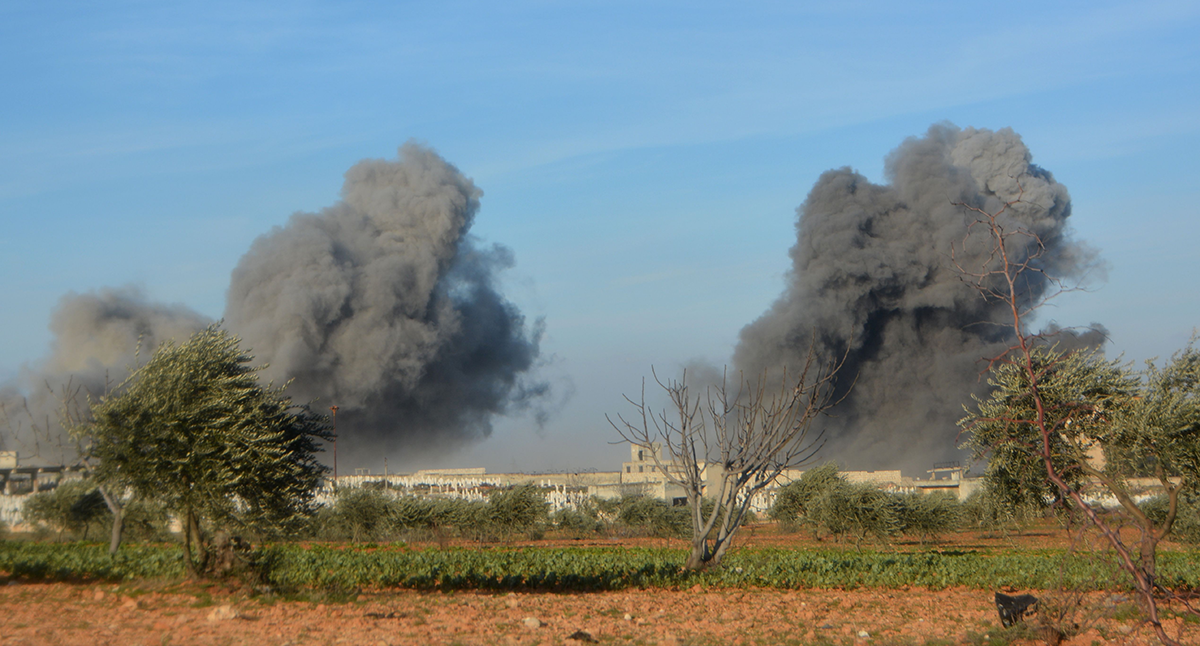
When looking at a map of all artillery and airstrikes in the period from November 2019 through November 2020, first, it is quite clear that the majority of attack are carried out by either Syrian, Russia, or pro-government forces across the northwest of the country, save for northern Aleppo, where the Turkish military is more active.
Syrian opinion split on decentralizing power in new constitution
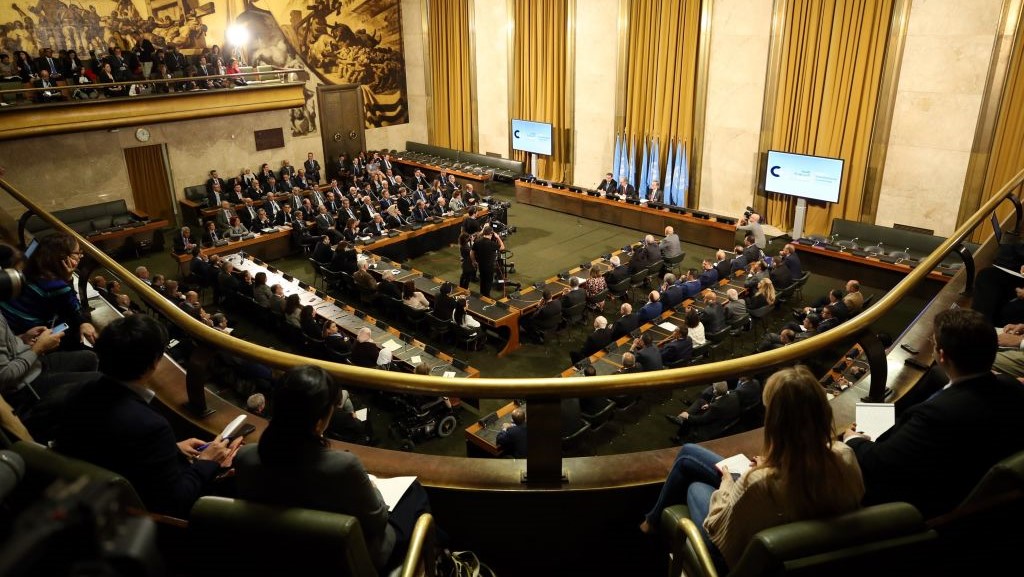
Under U.N. Security Council Resolution 2254, a critical step toward a political solution to the Syrian crisis is the drafting of a new Syrian constitution. To that end, the Constitutional Committee in Geneva has conducted three rounds of discussions, with little to show for it. One of the key components of the new constitution is the decentralization of power. The issue is hard for Syrians to approach objectively, however, because — depending on their class, ethnicity, and religion — they have been impacted by the highly centralized system of governance in vastly different ways. In order to understand the different views of Syrians on the issue of decentralization in a new constitution, The Day After (TDA), a Syrian organization that works toward empowering civil society, democratic transition, and justice in Syria, conducted a survey of 2,966 persons between June and July 2020, including Syrians within the country as well as in the diaspora. In general, support for a decentralized political system is on the rise. Compared to a survey conducted by TDA two years earlier, there was an increase of over 20 percentage points among all respondents for a decentralized system in Syria.