تمت ترجمة هذا النص بواسطة الذكاء الاصطناعي وقد يحتوي على أخطاء.
تخطي إلى المحتوى

Research & Commentary Results

تصفية حسب
447 Results
At least they’re talking: Turkey and Greece resume negotiations, but don’t hold your breath on a breakthrough
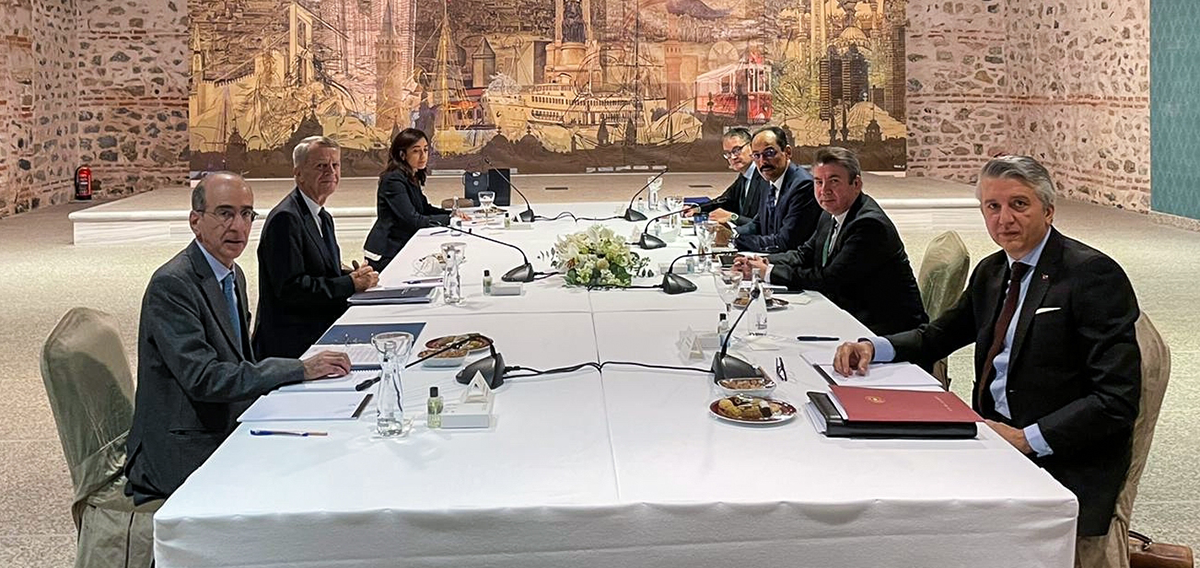
Photo by Turkish Foreign Ministry/Handout/Anadolu Agency via Getty Images
  • التحليل
  • At least they’re talking: Turkey and Greece resume negotiations, but don’t hold your breath on a breakthrough

    Turkey’s efforts to strike a different tone were apparent on Jan. 25 in Istanbul, when Greek and Turkish officials resumed talks after a five-year gap to calm tensions in the Aegean and Mediterranean. The fact that the parties met is welcome news after the two came to the brink of war recently over offshore energy exploitation rights, but no one expected a breakthrough. The tensions between the two countries have a long history and the issues dividing Athens and Ankara are too deep to bridge.

    Let justice be done: Respect for female land rights in the Middle East and North Africa
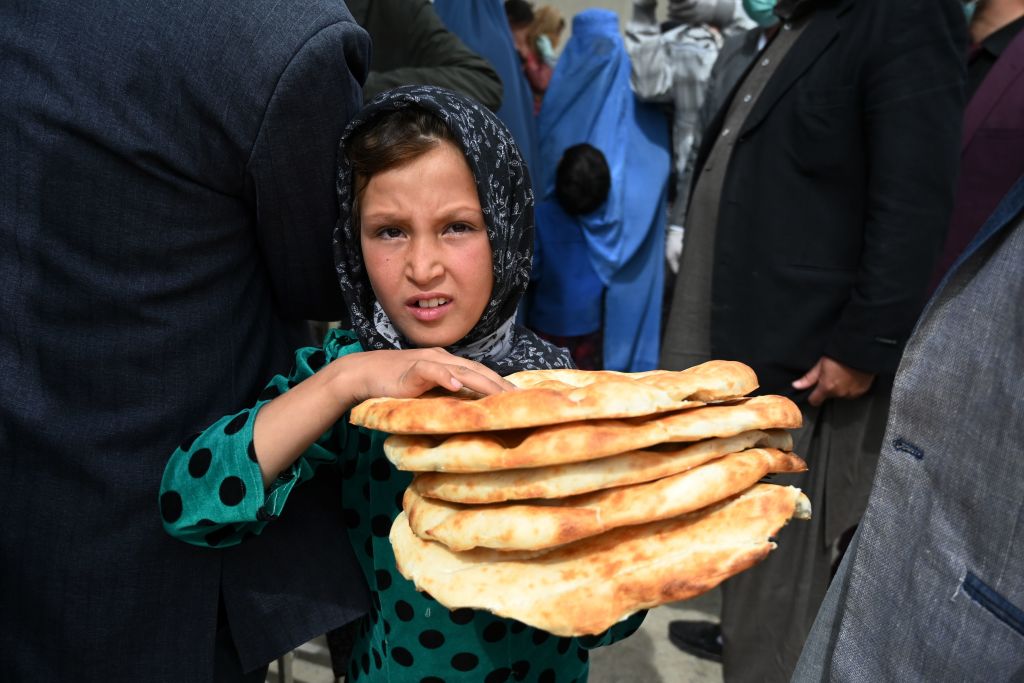
    Young Afghan girl holding bread.
  • التحليل
  • Let justice be done: Respect for female land rights in the Middle East and North Africa

    Ownership of economic resources is integral to exercising agency and to assuring the human security needed to live free from fear, want, and indignity. In agrarian societies, land and its natural resources are instrumental to financial, physical, and psychological wellbeing. Yet in half the world, secure land ownership is out of reach for most females. In the Middle East and North Africa (MENA), there is a huge gender-based gap in holding agricultural land, including where agriculture is a vital source of livelihood. In Egypt, Morocco, Sudan, Tunisia, and Jordan, most females, regardless of their education or socio-economic status are landless. Gender-based inequalities are often rooted in cultural norms that permit and exacerbate patterns of discrimination against females within the family and in economic transactions. These discriminatory attitudes trump humanistic and moral considerations, creating and reinforcing inequality. Discrimination against females in resource ownership has far-reaching implications for their lives, their families, and society. It is imperative to combat this regressive practice to ensure a dignified life for all.
    December 28, 2020

    What could environmental cooperation between Iran and the GCC look like?
  • التحليل
  • What could environmental cooperation between Iran and the GCC look like?

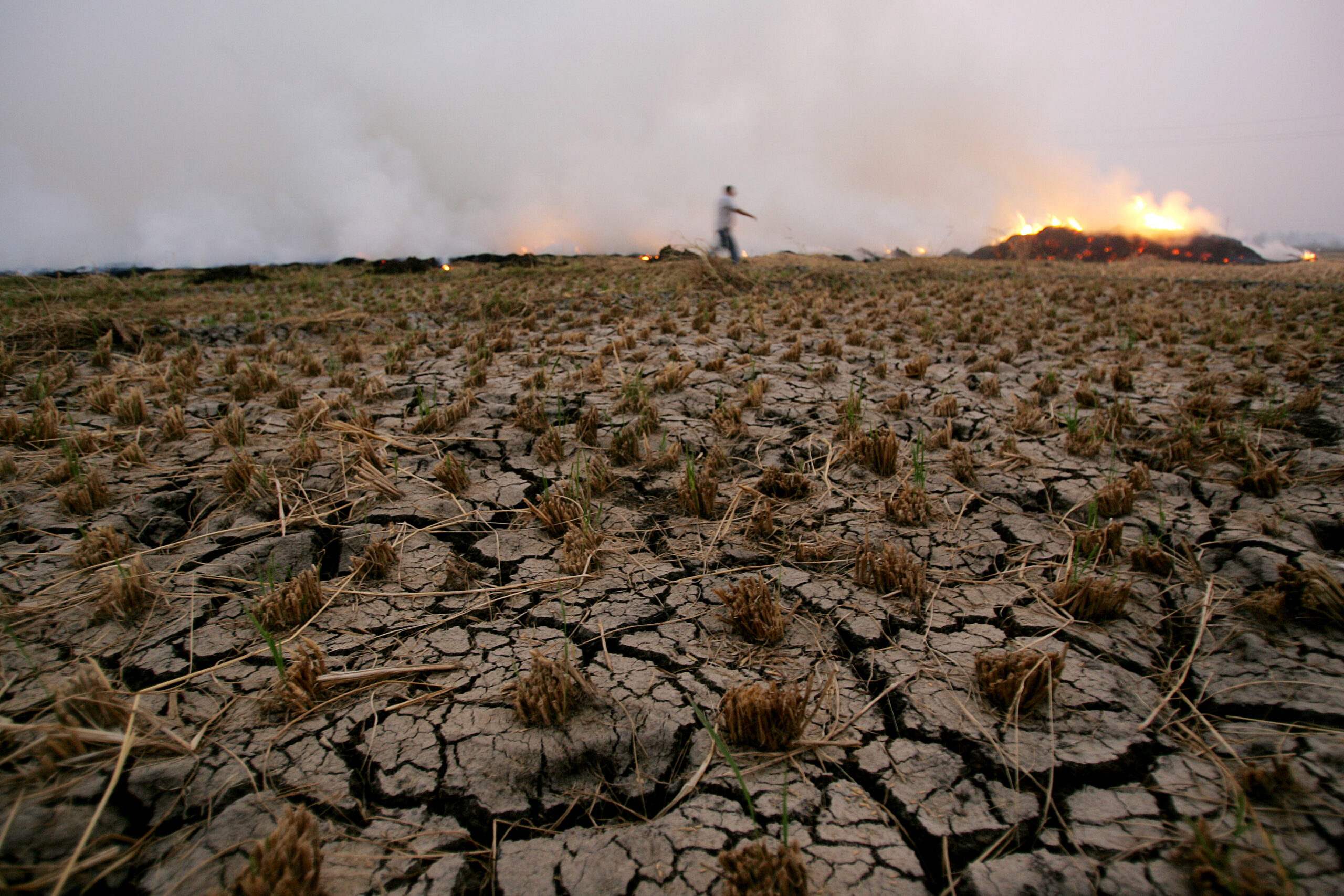
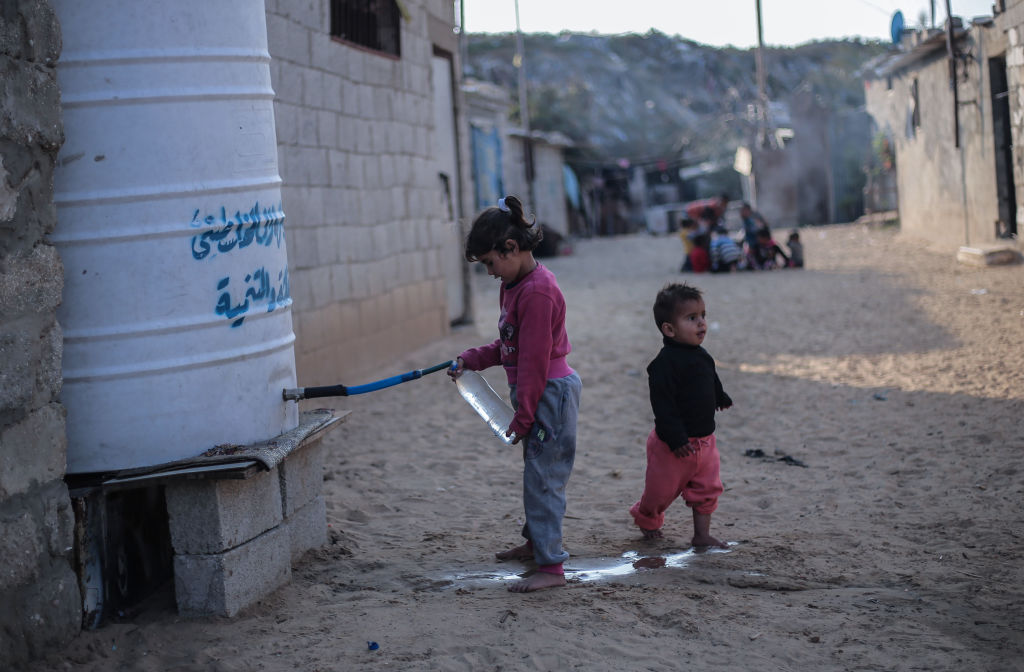
    The Persian Gulf states are among the most vulnerable on earth to the effects of climate change, which makes environmental cooperation necessary for their survival. Located in one of the hottest and driest parts of the planet, the region is vulnerable to extreme heat waves, dust storms, and water scarcity. All of these will increase in frequency and severity with further climate change. Protecting the natural environment of the region is not just an ecological concern, but a security one as well. Unmitagated climate change could spur conflict over limited resources and produce waves of migrants. While the future may seem bleak, environmental cooperation also presents a unique opportunity for improving the relationship between the Gulf Cooperation Council (GCC) states and Iran. Successes from cooperation on essential environmental issues could be the start of a more general rapprochement.

    December 10, 2020

    A Sea Change?: China's Role in the Black Sea
  • التحليل
  • A Sea Change?: China's Role in the Black Sea

    Through its Belt and Road Initiative, China seeks to play a larger role in the Black Sea region. China has been wooing littoral states in hopes of securing new markets for its goods and investing in infrastructure projects. But some worry that there is more to Chinese actions in the region than meets the eye. The worry is that China will increase its political and diplomatic clout in a region that is considered vital for Russian interests and create tension between Moscow and Washington. Despite the uneasiness in the West about China’s increasing presence in the Black Sea, there is not enough focus on the issue in the scholarly debates in Western capitals. The MEI’s Frontier Europe Initiative aims to contribute to the debate on the role of China in the Black Sea. We hope the articles in this report will help to address several important unaddressed questions.

    November 18, 2020

    Lebanese maritime security: Navigating rough seas with good policy
  • التحليل
  • Lebanese maritime security: Navigating rough seas with good policy

    Lebanon has a coastline of 120 nautical miles (NM) along the eastern Mediterranean and an exclusive economic zone (EEZ) that encompasses an area of 5000 square nautical miles (SNM). While this wide expanse presents many opportunities, it also represents a pressing security challenge for the Lebanese Navy and the region in general.

    November 16, 2020

    Algeria charts a path for renewable energy sector development
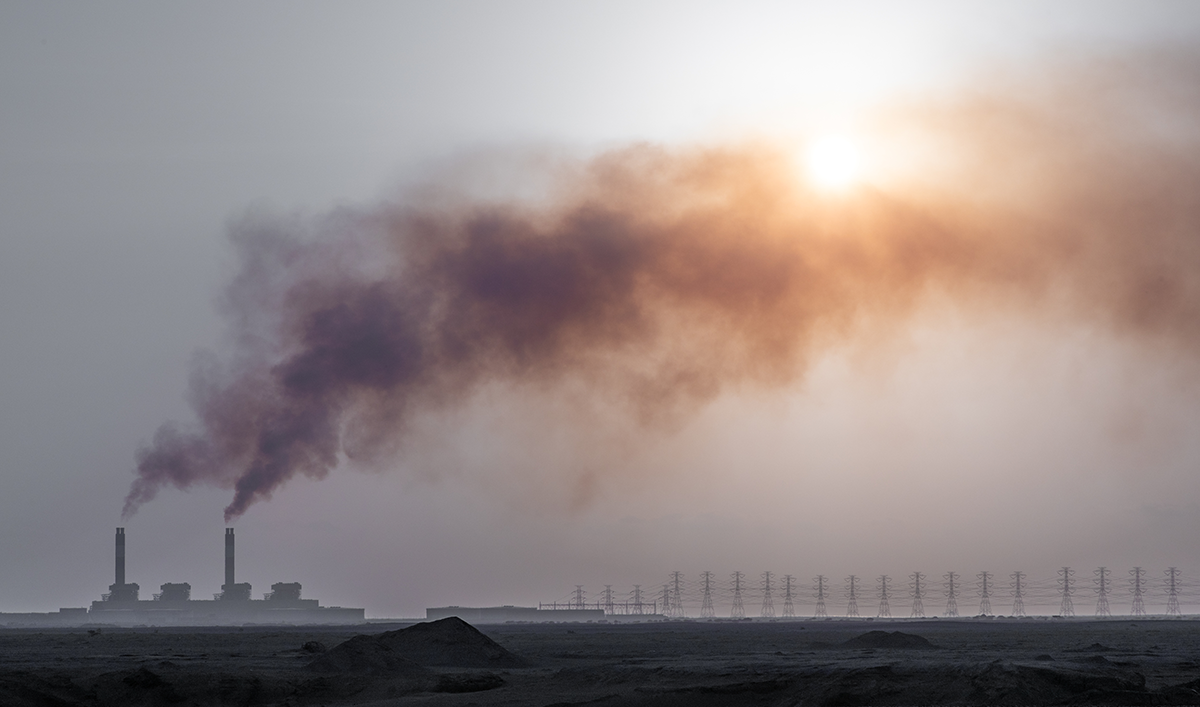
    Pylons near Touggourt, Sahara Desert, Algeria
  • التحليل
  • Algeria charts a path for renewable energy sector development

    Algeria is at a critical stage in its energy sector development. The nation has both the potential and the incentive to maximize its natural resources and become a renewable energy leader. In addition to its status as the second-most-populous country in North Africa, Algeria is noteworthy for its relative size, wealth, location, gas reserves, renewable energy potential, and greenhouse gas emissions. Recent oil and gas price volatility and increasing domestic electricity demand provide impetus for Algeria to prioritize clean energy investment.

    October 20, 2020

    Will the lights stay on in Egypt?
    Photo by Oliver Weiken/picture alliance via Getty Images
  • التحليل
  • Will the lights stay on in Egypt?

    With its successful turnaround, strategic location, and extensive infrastructure, Egypt is repositioning itself as a regional energy hub for not only Europe and the Middle East, but also for Africa. It is useful to reflect on the successful transformation of Egypt’s energy sector while also evaluating where the sector stands today and how it will react to the twin challenges of the COVID-19 global pandemic and the oil price shock.

    October 7, 2020

    Ideology, and not just energy, explains Turkey's Mediterranean disruptions
    Photo by BULENT KILIC/AFP via Getty Images
  • تعليق
  • Ideology, and not just energy, explains Turkey's Mediterranean disruptions

    Over the next few days, European Union leaders will meet to discuss potential sanctions against Turkey based on Ankara’s aggressive energy claims against EU members Greece and Cyprus. Conflicting interests within the EU itself will likely preclude the bloc from actually imposing sanctions. But at the core of the recent crisis between Greece and Turkey lies a dangerous ideological model—not a mere dispute over energy resources.

    September 22, 2020

    Election 2020: Challenges and Opportunities for US Policy in the Middle East
  • التحليل
  • Election 2020: Challenges and Opportunities for US Policy in the Middle East

    In a new briefing book released ahead of the U.S. elections in November, entitled Election 2020: Challenges and Opportunities for US Policy in the Middle East, MEI scholars lay out key issues across the region, highlight the U.S. interests at stake, and provide policy insights and recommendations for the path forward. 

    Erdogan pulls a rabbit out of his hat with Black Sea gas find, but is it all it seems?
    Photo by Mustafa Kamaci/Anadolu Agency via Getty Images
  • التحليل
  • Erdogan pulls a rabbit out of his hat with Black Sea gas find, but is it all it seems?

    “God has opened the door to unprecedented wealth for us,” said an enthusiastic Recep Tayyip Erdogan as he announced that Turkey had made its biggest-ever discovery of natural gas on Aug. 21. He promised that gas from the 320-billion-cubic-meter deep-sea find would reach consumers in 2023, but industry experts are skeptical and have raised questions about the feasibility of the discovery.

    Fixing Iraq’s power sector
    Photo by HUSSEIN FALEH/AFP via Getty Images
  • التحليل
  • Fixing Iraq’s power sector

    Iraq’s long-running electricity dilemma is now a daily source of public misery. The struggle of the power generation and distribution system to keep up with relentless demand caused by almost free electricity, especially as temperatures soar to record levels of over 120 degrees, is likely to get worse without reforms.

    August 10, 2020

    The Paris Agreement in the Black Sea Region
  • التحليل
  • The Paris Agreement in the Black Sea Region

    The annual Conference of the Parties (COP) was initiated by the United Nations Framework Convention on Climate Change (UNFCCC) in 1995 to assess progress made by UN members in dealing with climate change. Some meetings have had practical and measurable outcomes, such as the Kyoto Protocol of 1997. But arguably the most well-known meeting is the 2015 COP21 in Paris, also known as the Paris Agreement.

    August 7, 2020

    The GERD Dispute and the Horn of Africa
    معهد الشرق الأوسط
  • Podcast
  • The GERD Dispute and the Horn of Africa

    MEI’s Mirette Mabrouk and Guled Ahmed join host Alistair Taylor to discuss the ongoing dispute between Egypt, Sudan, and Ethiopia over the Grand Ethiopian Renaissance Dam (GERD), recent developments in Somaliland, and changing dynamics in the Horn of Africa.

    July 30, 2020