The great financing gap: The state of climate funding in MENA
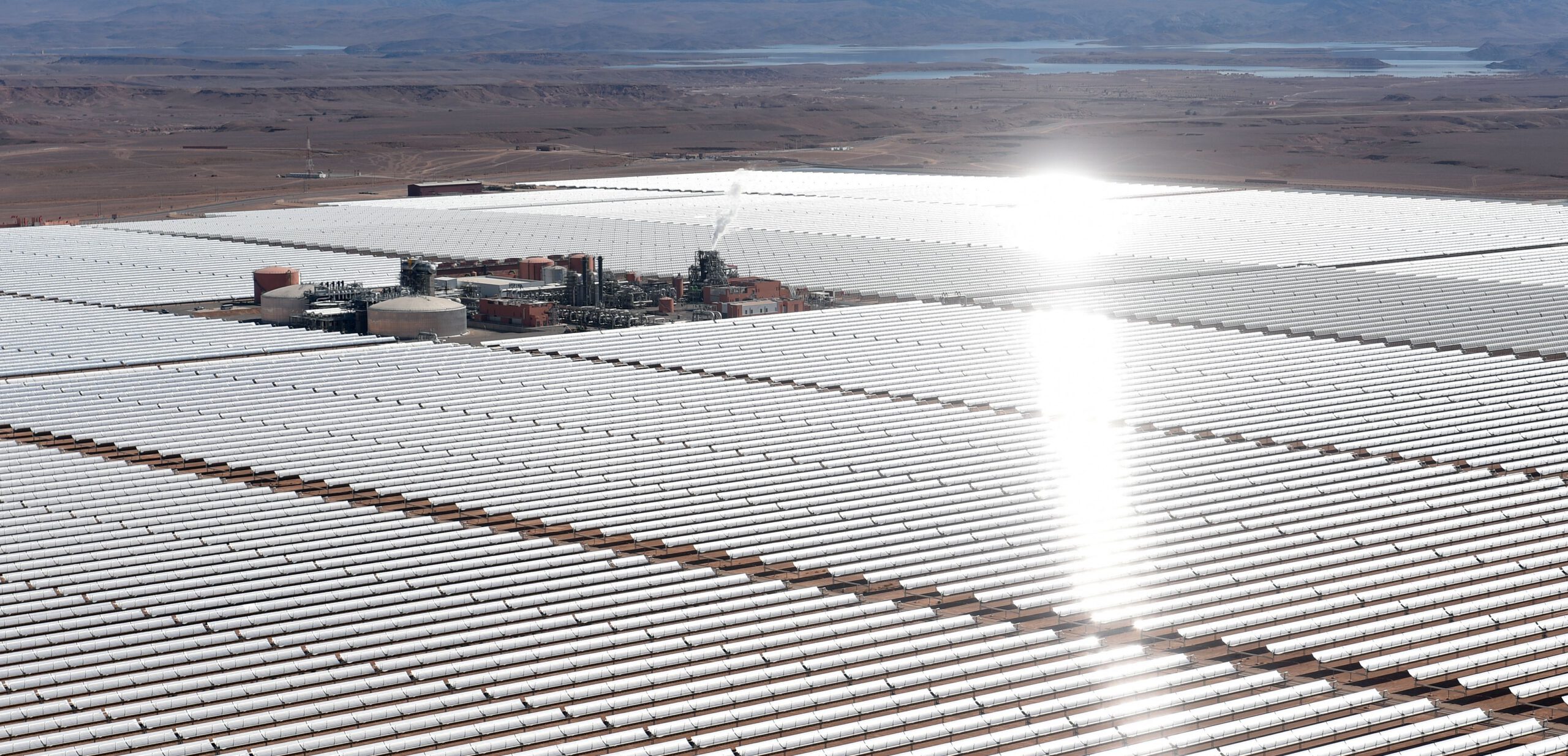
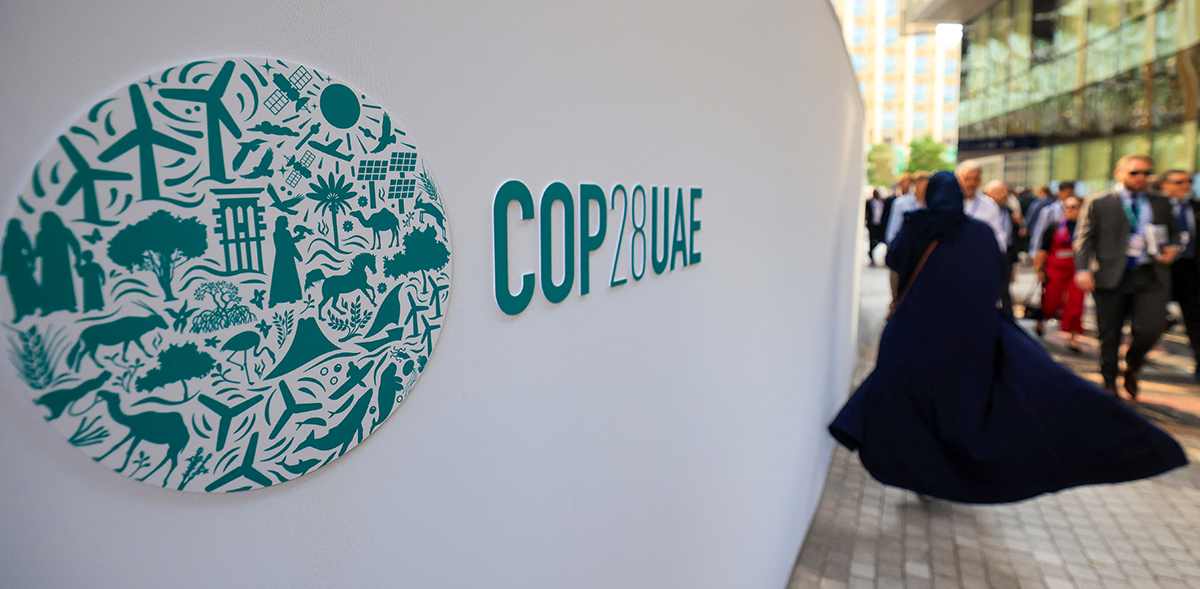
The Middle East and North Africa region is one of the lowest recipients of climate finance compared to other areas of the globe, such as East Asia and the Pacific Islands, despite MENA’s exposure to extreme climate risks. The MENA region’s share of climate financing from the big three global climate funds — the Green Climate Fund (GCF), the Climate Investment Funds (CIF), and the Global Environment Facility (GEF) — and their sub-funds made up only 6.6% of their cumulative global financing through 2023.
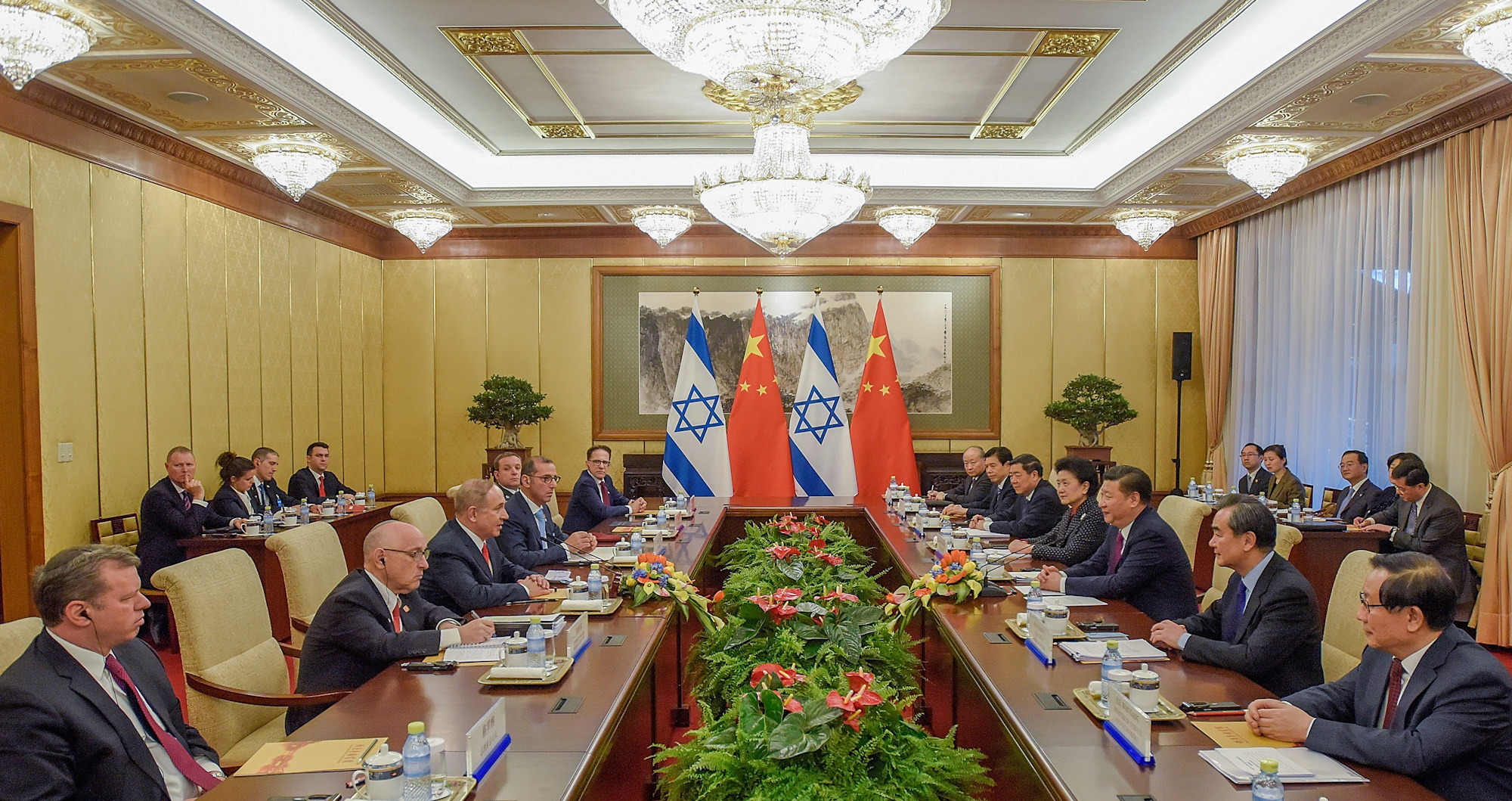
Over the past two decades, relations between Israel and China expanded significantly. Since then, however, there have been indications that the growth prospects for the bilateral relationship have diminished. China’s stance on the Oct. 7, 2023, Hamas attack and on Israel’s conduct during the ensuing war in Gaza, in particular, has further cast doubt on the future trajectory of the relationship.
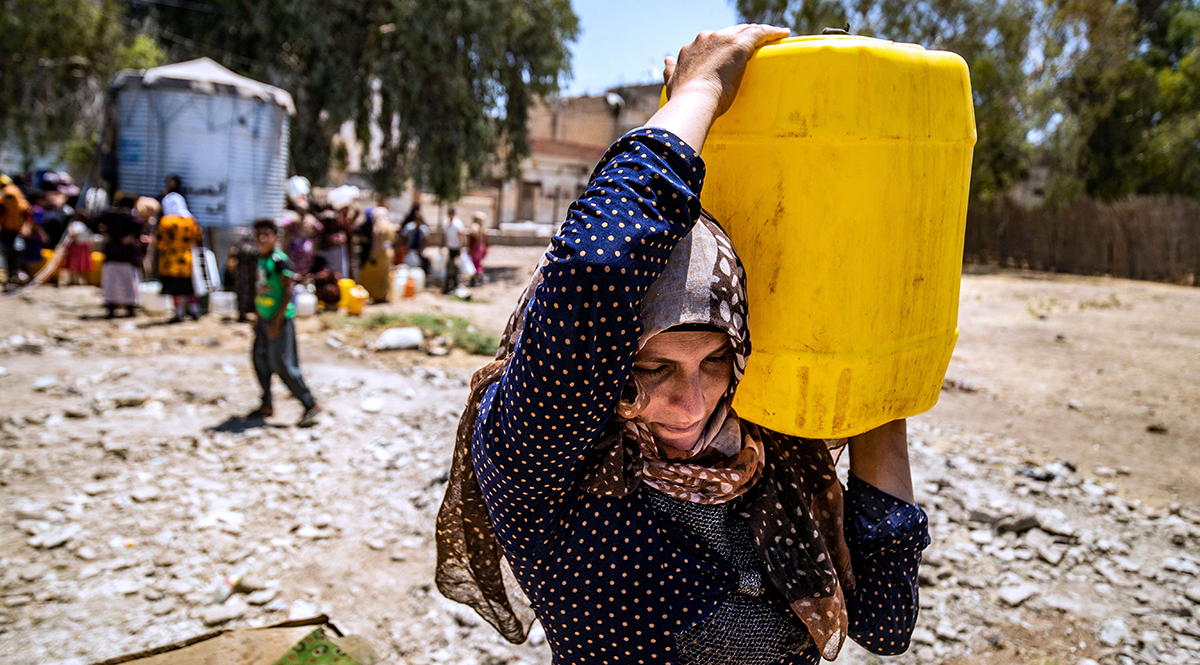
The devastating impact of Gaza’s acute and prolonged water crisis
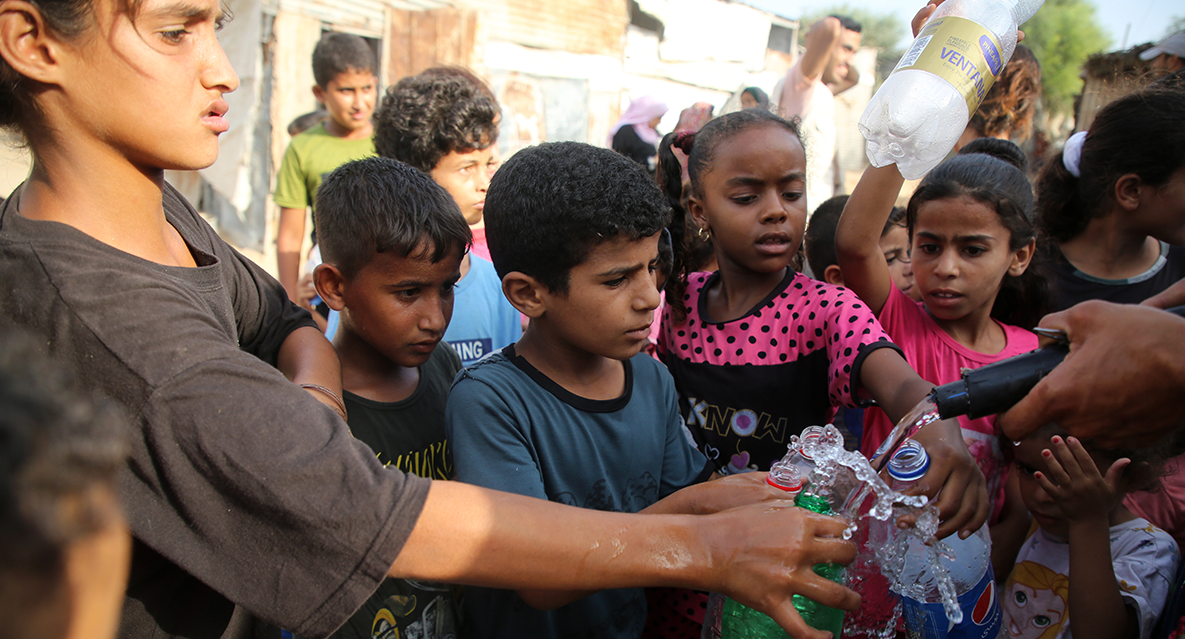
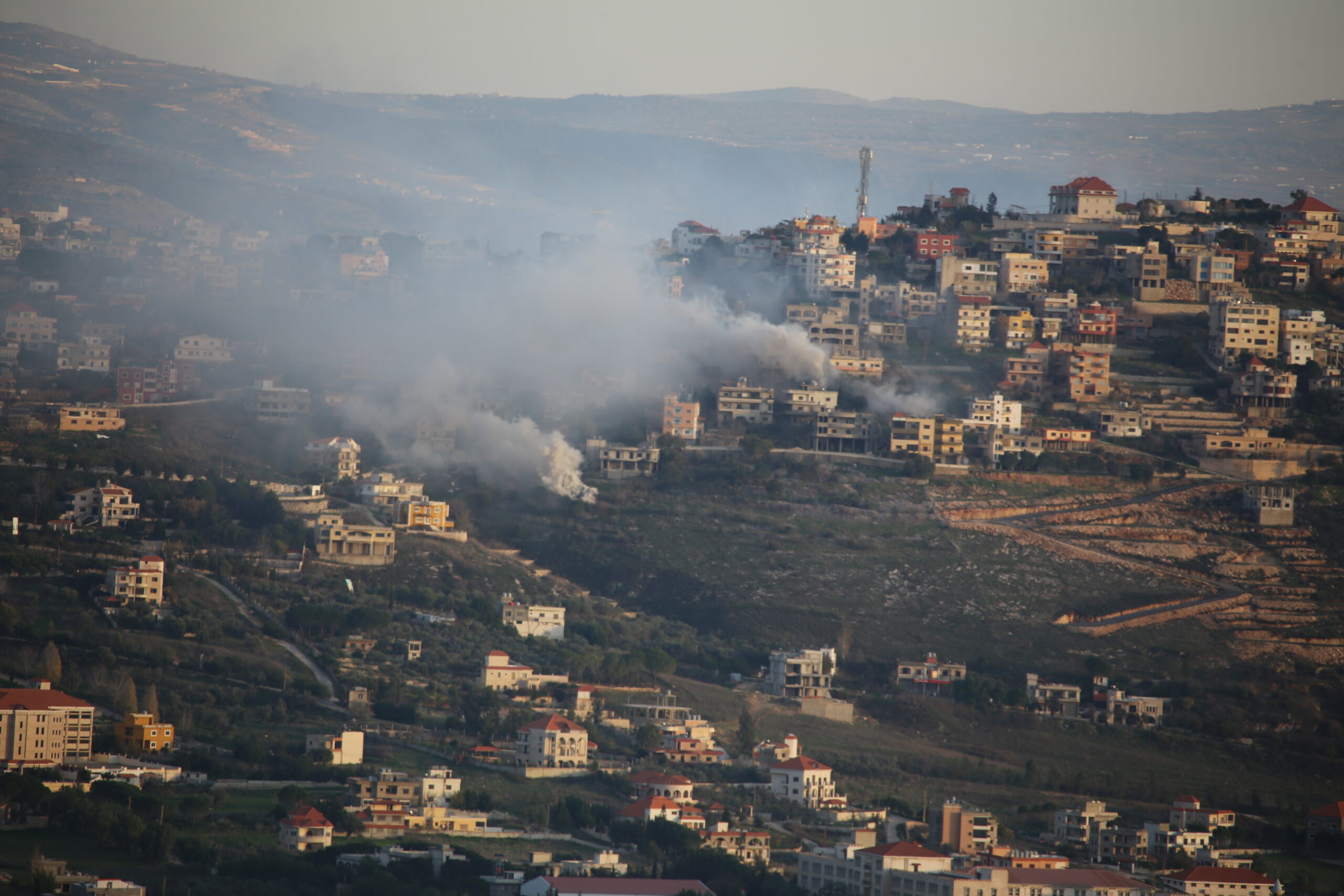
The Gaza Strip faces a severe and worsening water crisis. With the death toll now above 31,000 and a catastrophic humanitarian crisis plaguing the strip, one of the most urgent challenges facing its residents is access to water.
Women and climate change in MENA: Turning adversity into opportunity
The MENA region is both a climate change hotspot and one of the world’s most gender unequal regions. As a result of gender inequality, women face disproportionate risks from climate change, but there are ways to transform these threats and turn them into opportunities.
On this week’s episode, President and CEO of the Middle East Institute Paul Salem and Director of MEI’s Conflict Resolution and Track II Dialogues Program Randa Slim speak to MEI’s Editor-in-Chief Alistair Taylor about growing concerns over the potential for large-scale regional escalation as the Gaza war continues.
*Note: This episode was recorded before drone attacks that killed US soldiers in Jordan on 1/28.*
War delays but likely will not fully derail IMEC plans
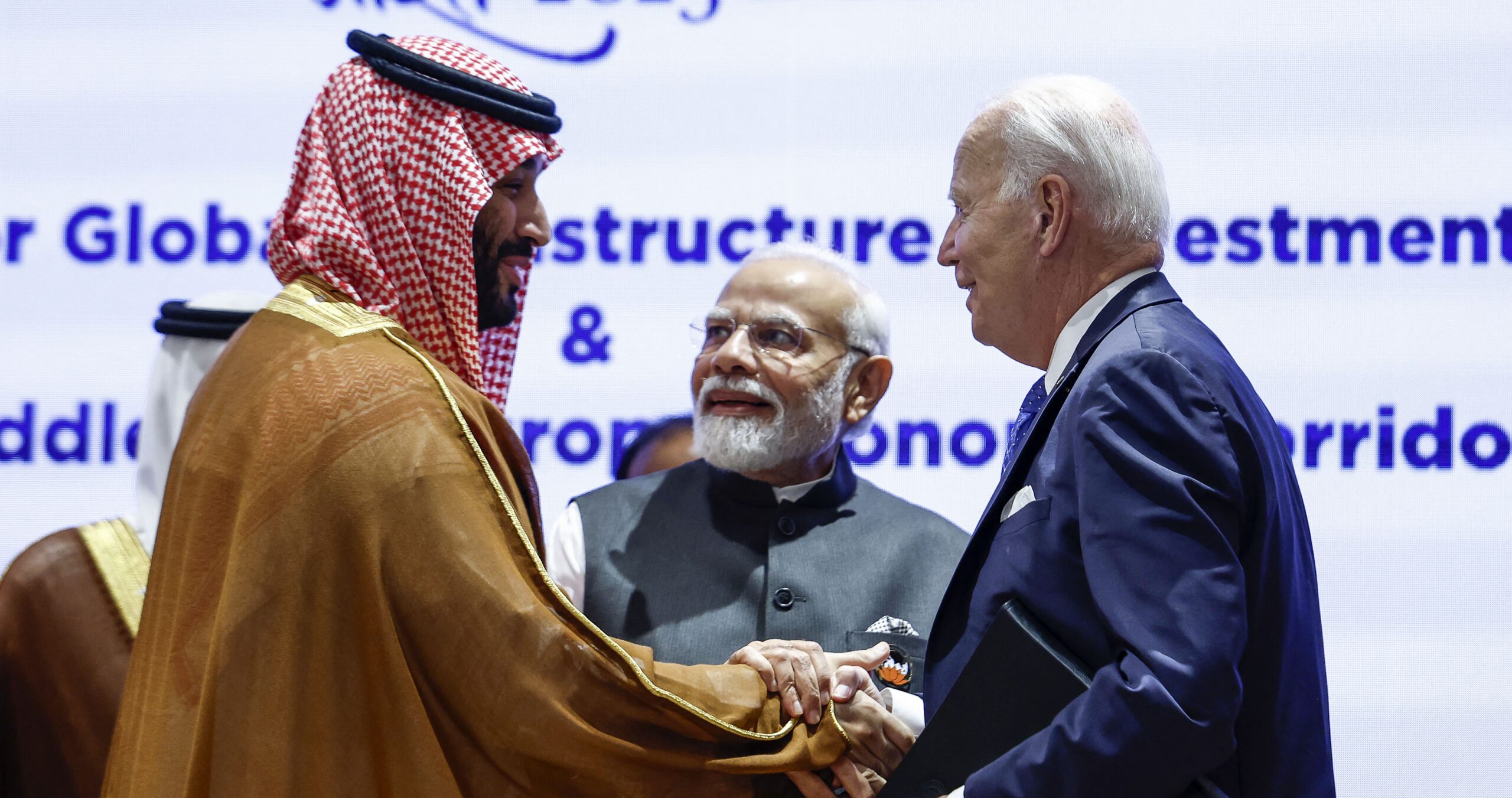
The Oct. 7 Hamas attack against Israel and the latter’s ongoing military operation in Gaza have stalled progress in the development of the India-Middle East-Europe Economic Corridor and raised questions about its prospects for eventual completion. The IMEC faces multiple viability challenges, but none of them are insurmountable; thus, its participants are unlikely to abandon it.