The end is not near: Sleepwalking through human and military security crises in MENA
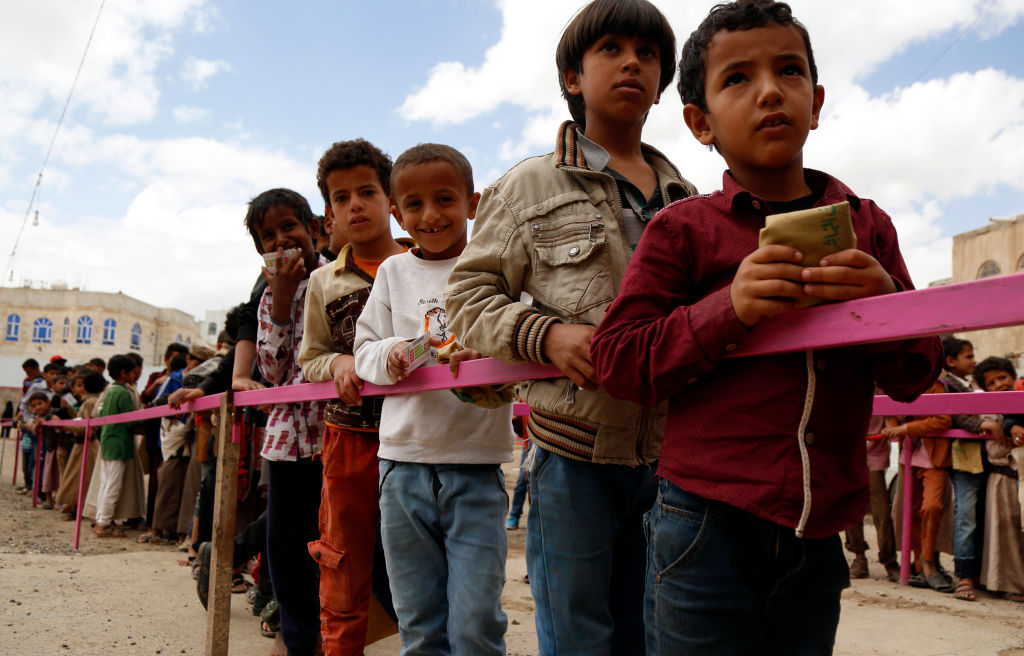
The Middle East and North Africa (MENA) is shouldering the world’s largest humanitarian caseload and most severe crises of undernourishment since World War II. Tens of millions of people in five MENA countries are struggling with chronic hunger, and millions of them are on the brink of famine. MENA has also been grappling with the world’s longest chain of consecutive regional wars every decade since the mid-20th century, now spanning nearly 75 years.
Monday Briefing: A mixed record for PM Khan’s first year in office
This week’s briefing on recent news and upcoming events in the region featuring Arif Rafiq, Ibrahim Jalal, Michael Sexton and Eliza Campbell, and Alex Vatanka.
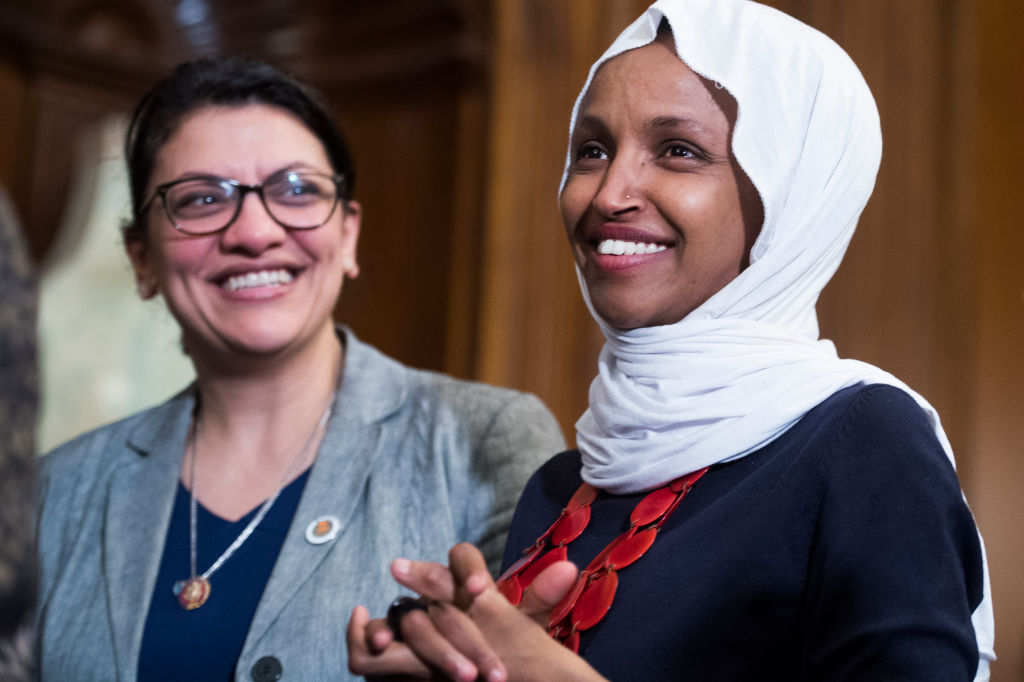
The current Rashida Tlaib/Ilhan Omar debacle has received more attention from every quarter than virtually anything other than a war. All the usual suspects have weighed in with (mostly) predictable comments, generally in the context of the long-running “special relationship” between Israel and the U.S. The two domestic political contexts are often mentioned only in passing. With all respect to those who have tried to take a longer or strategic view, I would suggest that it really boils down to the political calculations of just two men, President Donald Trump and Prime Minister Benjamin Netanyahu.
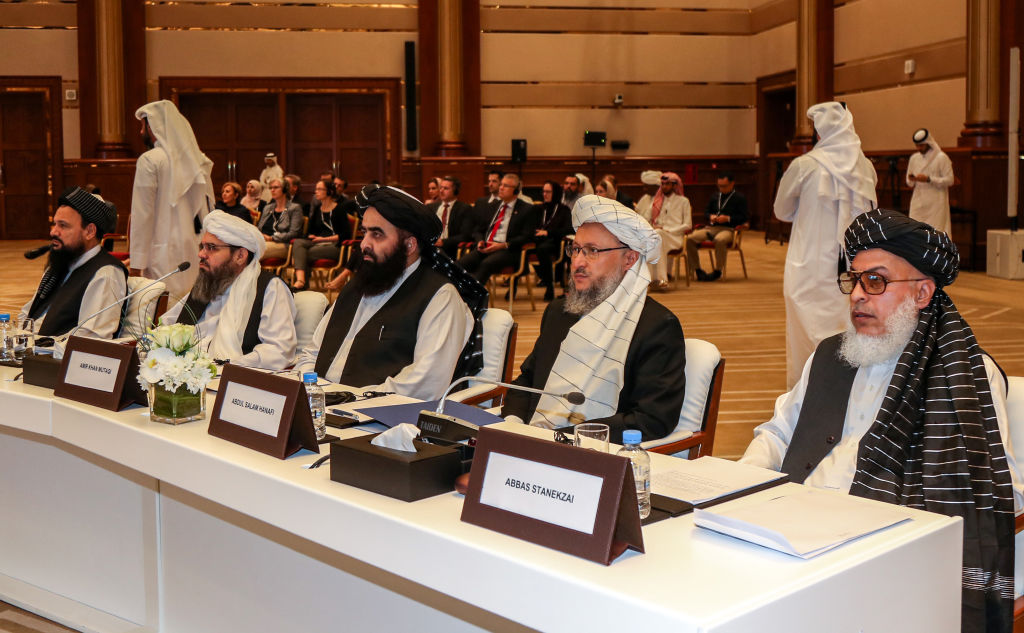
Much has been written about the ongoing direct peace talks between U.S. Special Representative Zalmay Khalilzad and an Afghan Taliban delegation headed by Mullah Sher Mohammad Abbas Stanikzai in Doha, Qatar. This article takes a closer look at the challenges to negotiating with the Afghan Taliban and lays out six reasons why the prospects for peace in Afghanistan still seem bleak.
The uneasy triangle between Turkey, the US, and the YPG
Turkey and the US recently announced an agreement for establishing a safe zone in northern Syria to serve as a buffer between Turkey and the YPG, which is seen by Ankara as a terrorist group and by Washington as a partner in the fight against ISIS. MEI’s Gonul Tol and Charles Lister join host Alistair Taylor to discuss how this policy may impact dynamics on the ground.
Ambassador Friedman: Palestinians already have autonomy
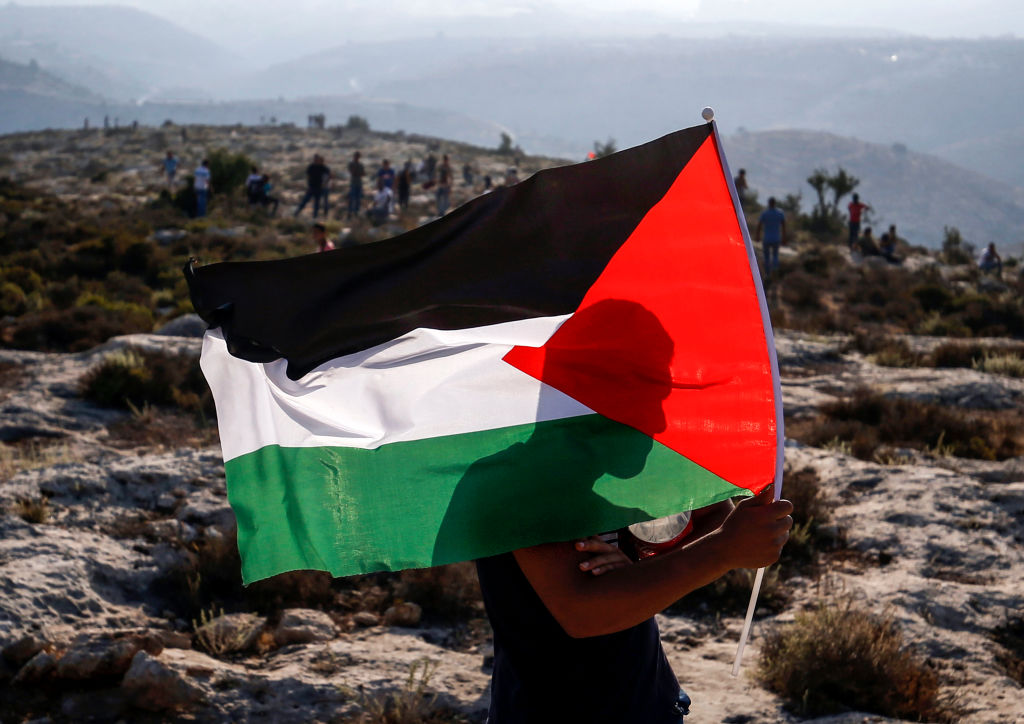
Autonomy is normally given to a specific cultural or national group as part of a political agreement. For Palestinians, the idea that autonomy is the goal of talks is unhelpful because they already have autonomy.
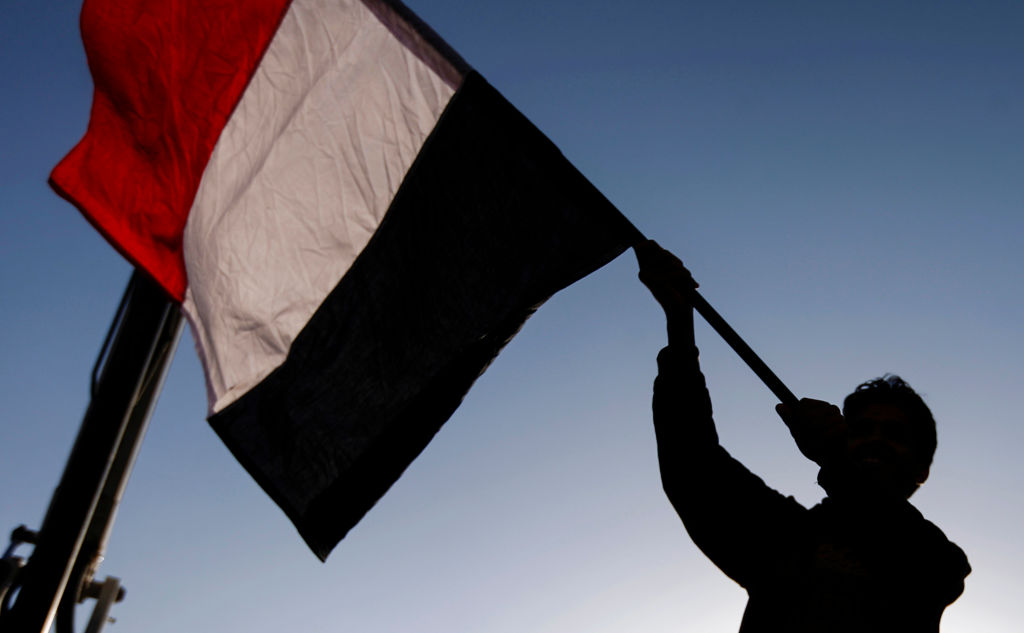
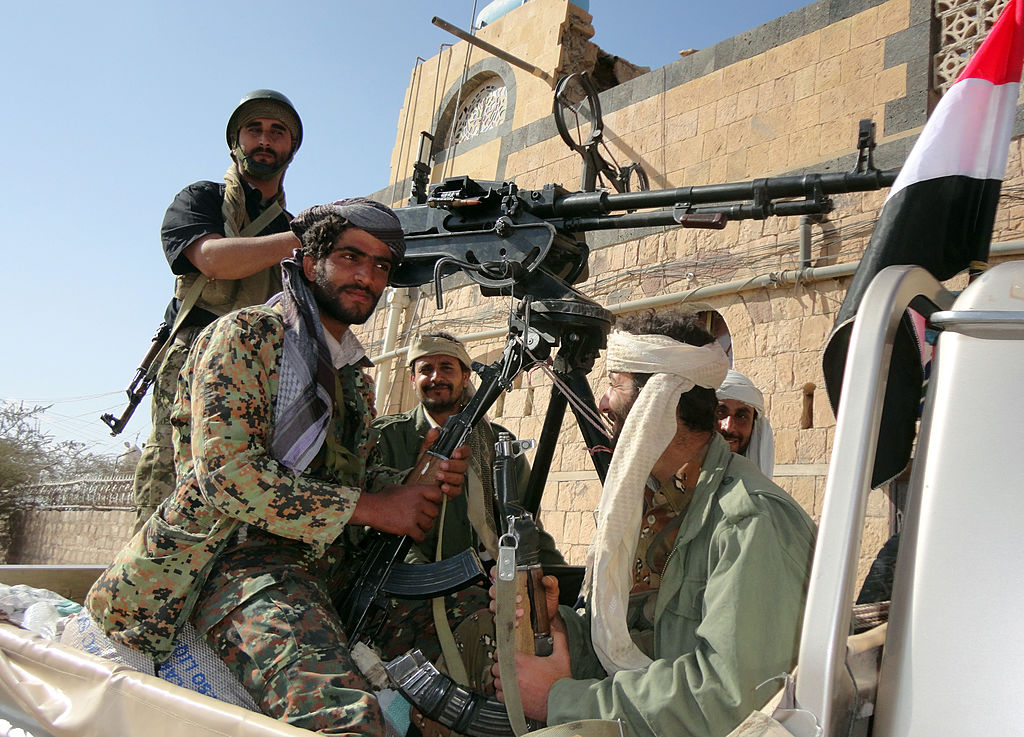
After more than four years of fighting, the war in Yemen continues to drag on. Although the rival parties came to a deal at the end of 2018 in Stockholm, they have failed to fully abide by its terms due to ambiguity about the future Yemeni state. Currently, there are multiple, rival authorities in different regions of the country, and the individuals in power disagree whether there should be one state, two states, or multiple states. They also disagree whether the future states of Yemen should be independent or linked through a federal or confederal system of government. Profound questions about the country’s future remain unanswered, and before negotiations can move forward the parties will likely need to address the elephant in the room: the future structure of Yemen as a state.
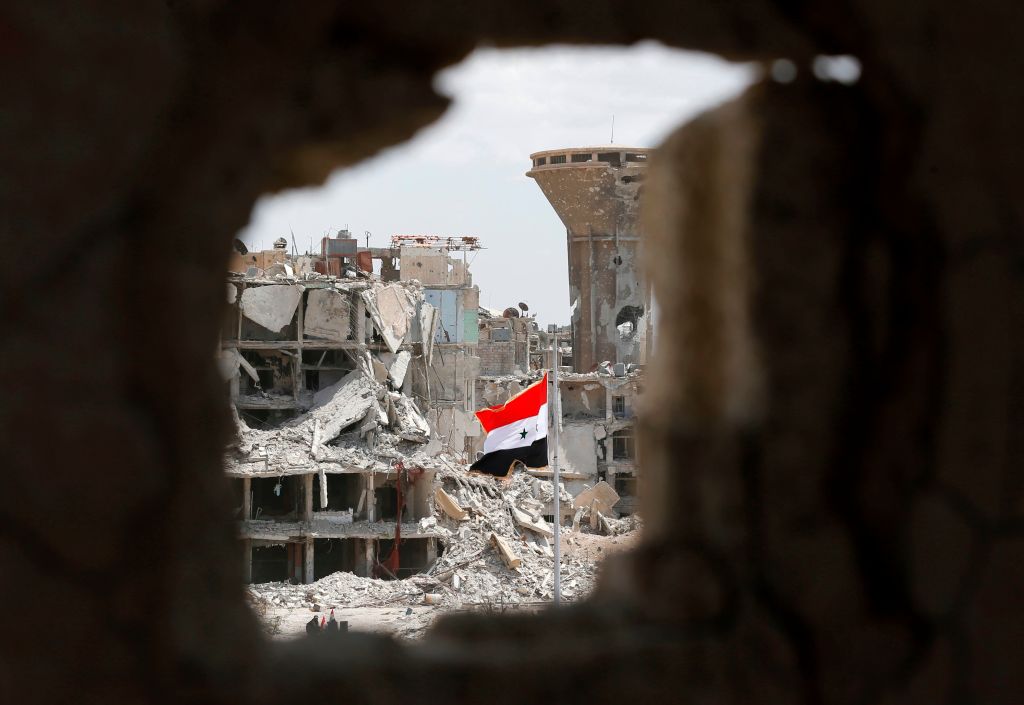
Leaving Syria won’t make things any better — for the US or Syria
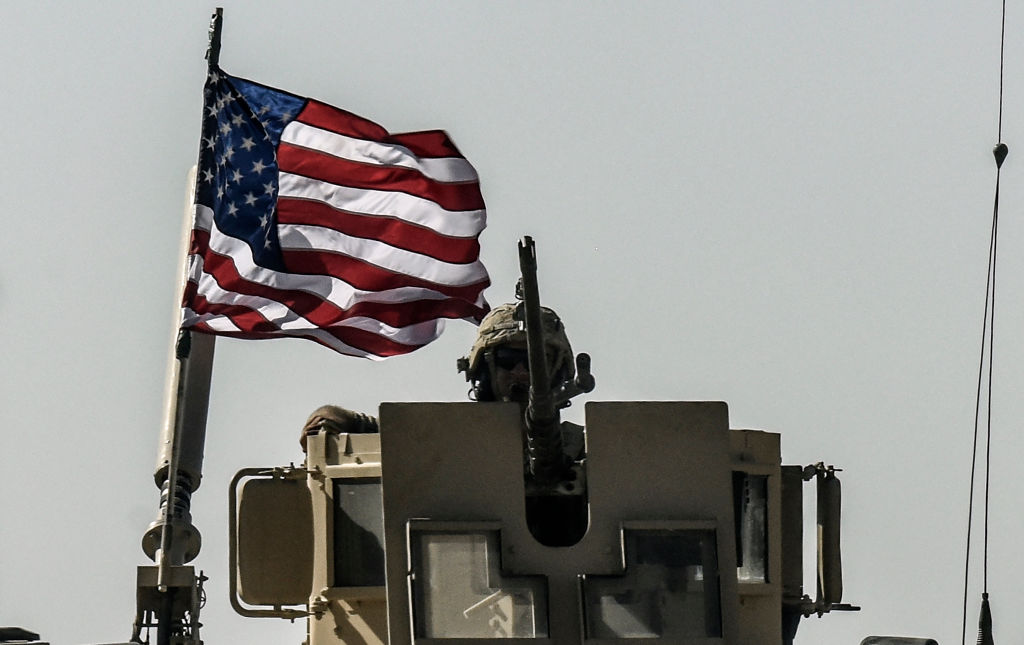
Responding to Daniel Serwer’s “not so progressive case for withdrawing from Syria,” Charles Lister makes the case that the U.S. should remain in Syria — at the very least for long enough to secure conditions in which a realistic set of objectives could be achieved, including the existing counter-ISIS mission.
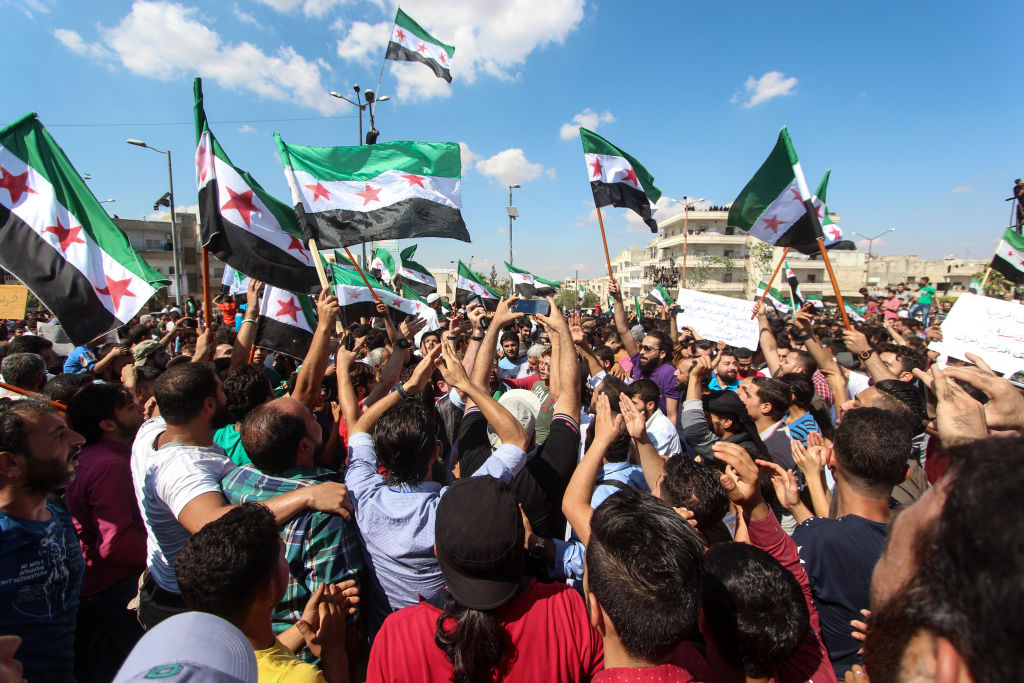
Over eight years ago, Syrian men, women, and children took to the streets, often holding hands or clutching roses, calling for political reform. Wahed, Wahed, Wahed, al-Shaab al-Suri Wahed, they chanted — “One, One, One, the Syrian People are One!” But the regime did not listen; instead, we were shot at, gassed, and later bombed. As regime violence escalated, the uprising gradually militarized and what had been a local movement driven by society soon became a vicious conflict driven in large part by foreign governments. Then came al-Qaeda, ISIS, and Hezbollah and soon enough, the lives, thoughts, and desires of ordinary Syrians mattered little.
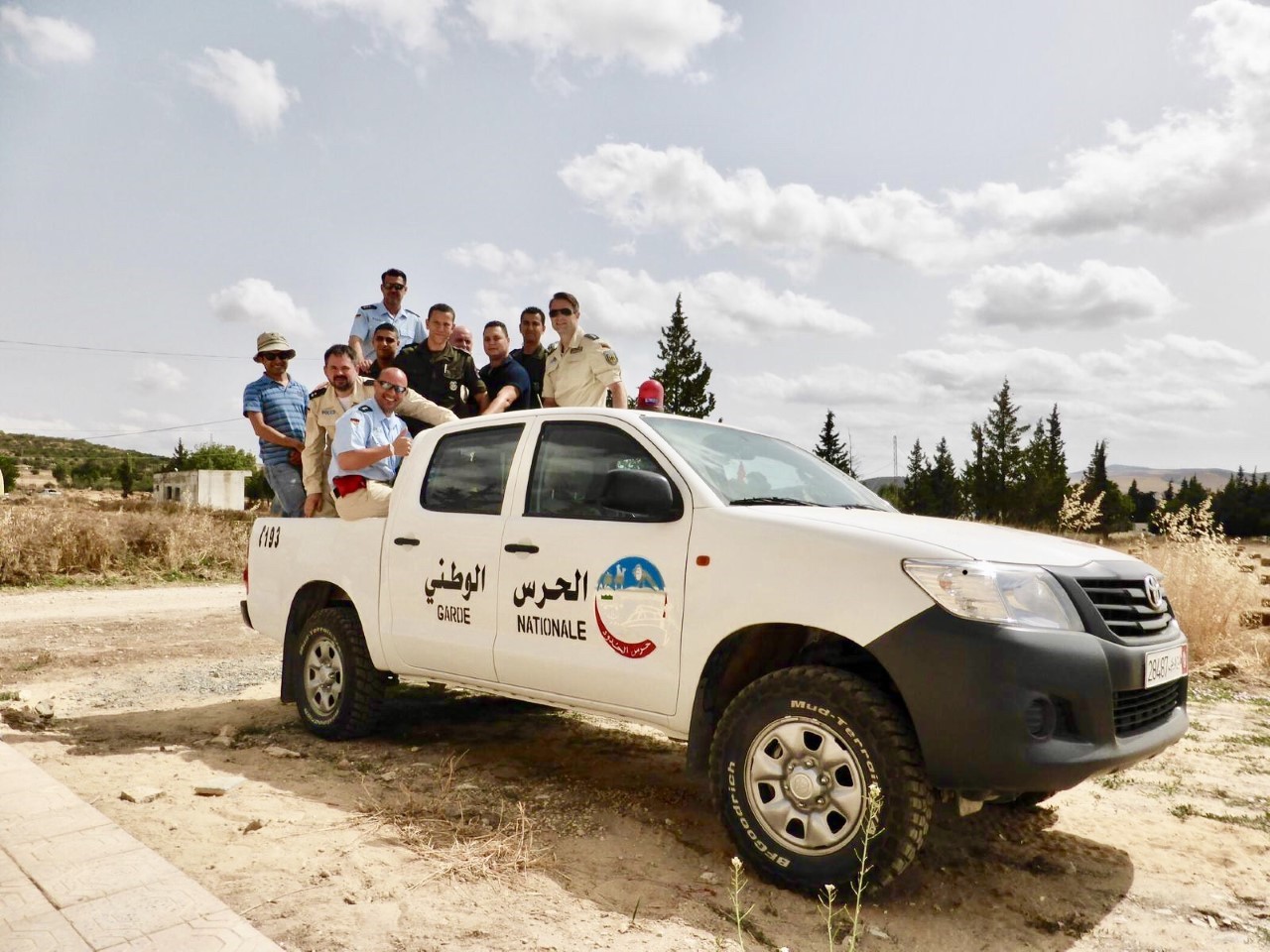
What is Germany Bringing to Tunisia’s Security Sector?
Tunisia is an important security partner for Germany, and a key part of the Federal Republic’s enhanced security involvement in the MENA region. Germany is due to release a new strategy for working on security sector assistance and reform abroad, which will give direction to work in Tunisia and elsewhere. Examining how Germany has performed according its own stated principles in Tunisia highlights policy points for this new strategy, covering greater commitment to governance, gendered security and transparency. With German security spending on the rise, there is a lot to play for.
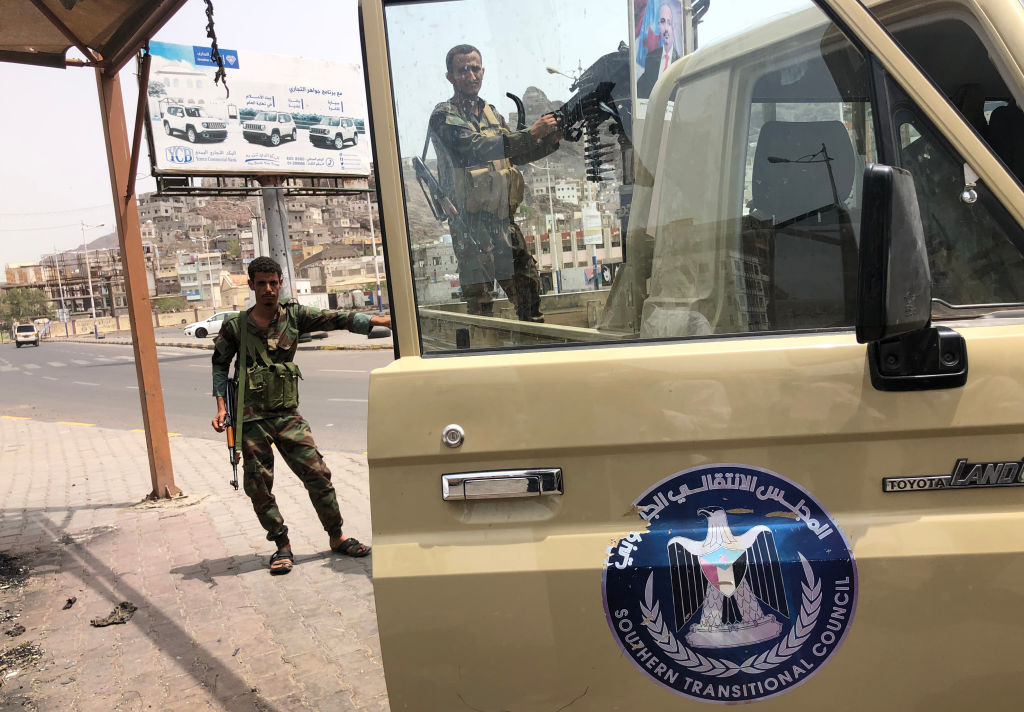
Monday Briefing: Fighting flares up in southern Yemen
This week’s briefing on recent news and upcoming events in the region featuring Fatima Abo Alasrar, Gonul Tol, Marvin G. Weinbaum, Randa Slim, and Michael Sexton and Eliza Campbell.
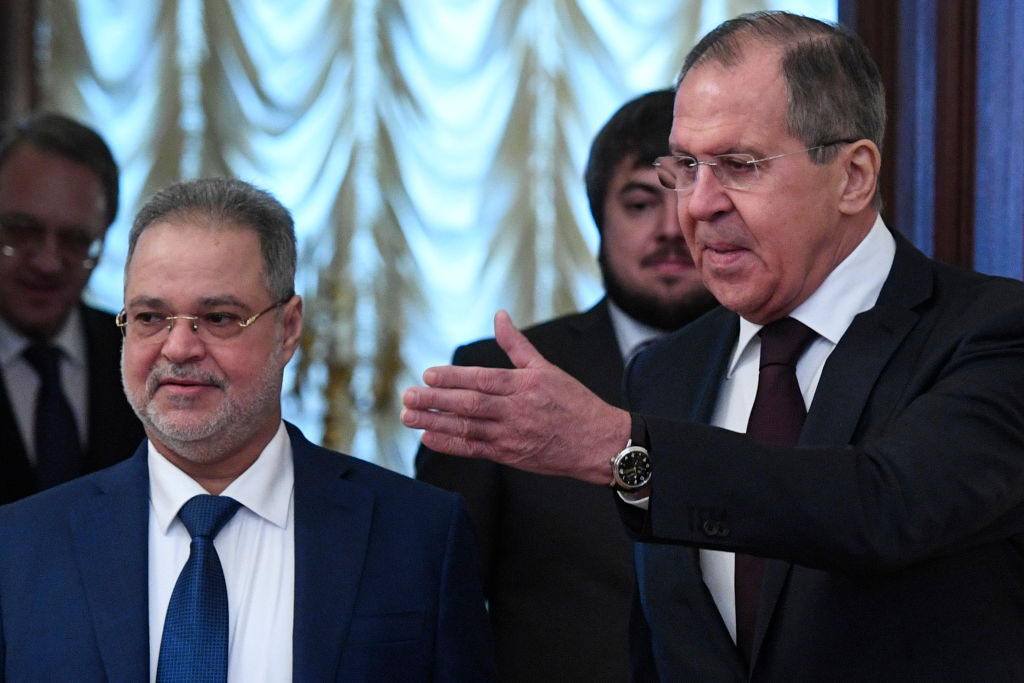
Can Russia play a role in ending the Yemeni civil war?
In late July, Russian officials met with Yemen’s Prime Minister Maeen Abdulmalik and representatives of the Houthi Supreme Political Council to discuss the resolution of the Yemeni civil war. These meetings underscored Russia’s ability to balance favorable relations with Yemen’s internationally recognized government and the Houthis: Moscow supported Abdulmalik’s vision for a political solution to the Yemeni civil war and concurred five days later with Houthi criticisms of U.S. military deployments to the Persian Gulf.
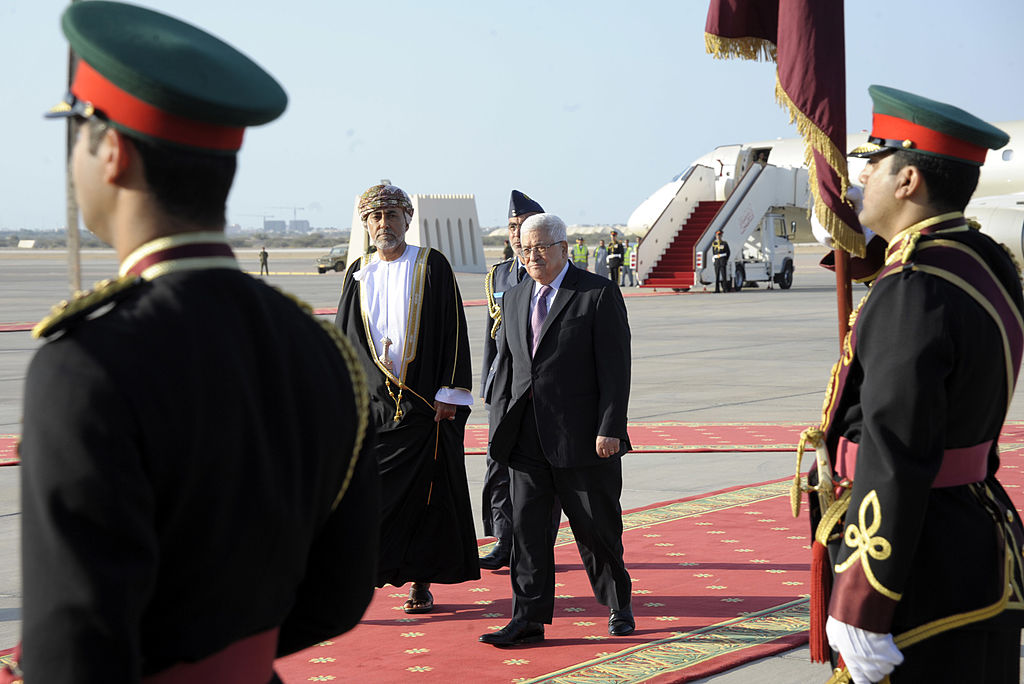
The news came eight months after Israeli Prime Minister Benjamin Netanyahu paid a visit to the Omani capital for surprise talks with Sultan Qaboos in October 2018, and four months after Minister Responsible for Foreign Affairs Yusuf bin Alawi bin Abdullah met with Netanyahu in Poland during the Trump administration’s “Peace and Security in the Middle East” summit.
What’s next for al-Qaeda after the death of Hamza bin Laden
According to American intelligence officials, Osama bin Laden’s favorite son, Hamza, has been killed. Ever since his emergence in August 2015, Hamza bin Laden was perceived by many as being positioned to take over as al-Qaeda’s next global leader. While the group’s next steps in light of his death are unclear, for now al-Qaeda continues to move toward greater decentralization and “localism,” creating new challenges for governments seeking to confront it.