Power sector reforms are new Lebanese governments’ ultimate test
The formation of a new government in Lebanon — after more than a year of political deadlock and amid an economic crisis of dizzying severity — is a positive development. The scale of Lebanon’s economic challenges, however, requires a new government capable of breaking with its predecessors’ deliberate inaction. It necessitates strong and genuine political leadership, will, and action to tackle the country’s many pressing challenges, especially in its dysfunctional energy sector.
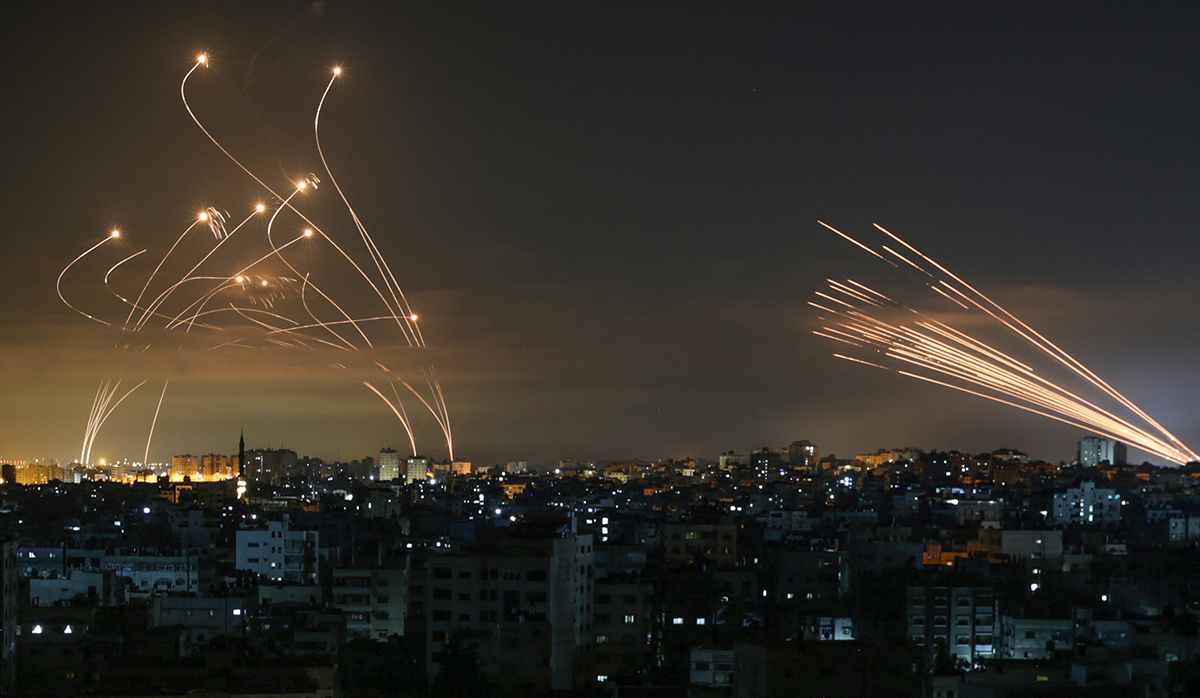
While much of the discourse surrounding the Iron Dome controversy is mired in hysterics and hyperbole, some have put forward a more rational case for providing additional funding for it. One of the standard arguments advanced in recent days is that Iron Dome is crucial not only for saving Israeli lives but is equally important (perhaps even more so) for saving Palestinian lives. This claim has been echoed by numerous American and Israeli analysts and even Members of Congress, and seems to have been accepted by a number of journalists as well. But is it actually true?
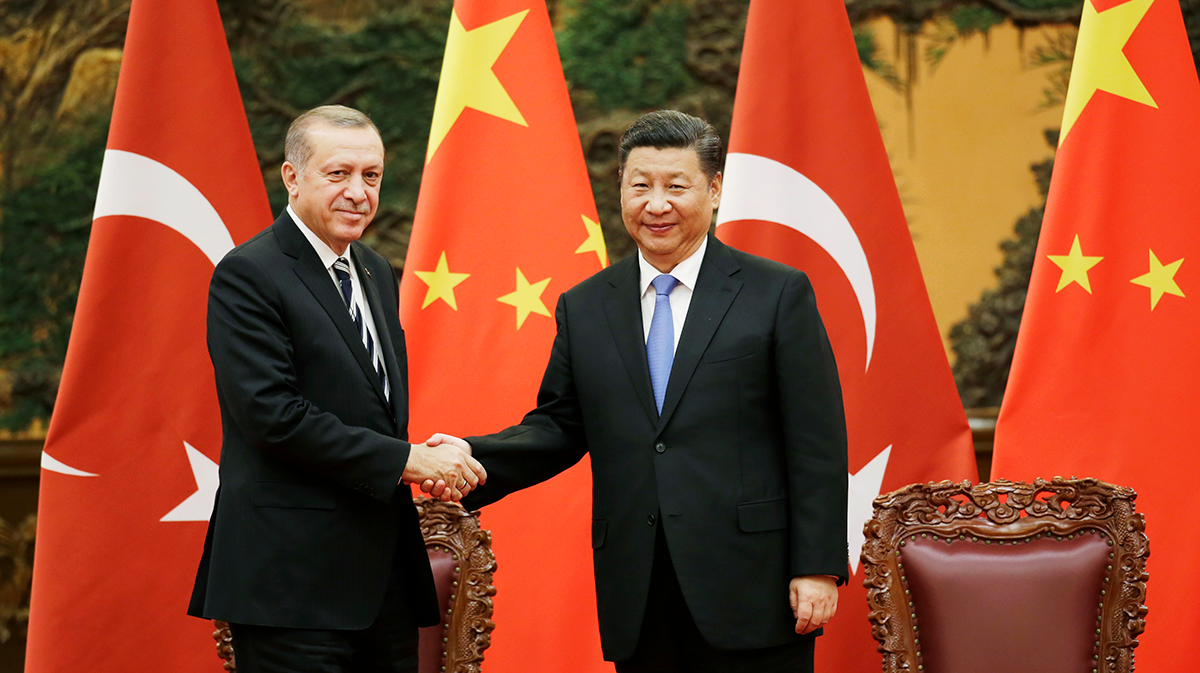
Courting danger, Erdoğan ramps up reliance on China
China’s recent multi-sectoral engagements in Turkey suggest that the Black Sea region’s significance is on the rise in Beijing, and under President Erdoğan, Turkey has consistently sought its favor and investment.
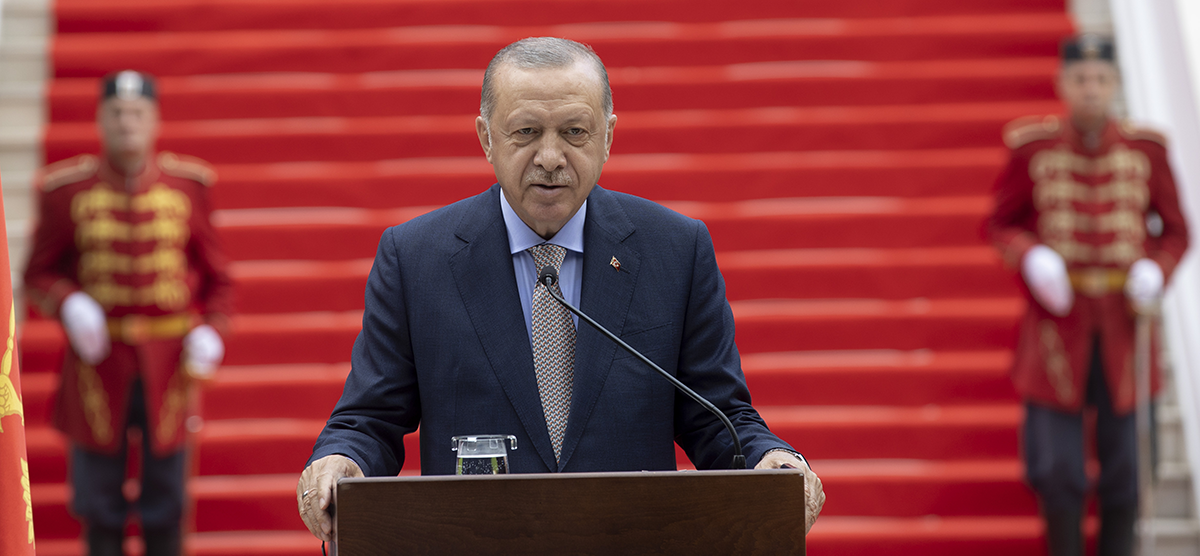
Just before visiting Turkish-occupied Northern Cyprus in late July, Turkish President Recep Tayyip Erdoğan gave Serbia an unpleasant surprise. He announced that Turkey would lobby to increase the number of countries that recognized independent Kosovo. Erdoğan stated on July 19, “Now 114 countries recognize Kosovo, and we want that number to increase. We hope that this year at the United Nations General Assembly, at the meeting I will have with [U.S. President Joe] Biden, we will discuss this topic again, that we will work together on the recognition of Kosovo.”
Building a Closer Black Sea: Promoting Trade and Economic Interdependence
While the Black Sea has historically been an area of significant geostrategic importance, this has not made it a vibrant zone of commerce, transport, energy, tourism, or cultural exchange. Rather, it has become a theater of struggle for dominance and competing geopolitical and geo-economic interests. This situation has been exacerbated by conflict between Russia and countries in the region, like Ukraine and Georgia, that have sought closer ties with the West and aspire to NATO membership and EU integration. These developments have dire consequences for regional security and stability, disrupting political and economic ties in the area and beyond. A long-term solution to the region’s security issues could be based on intensifying trade relations and increasing economic interdependence between the states. This paper identifies major barriers to closer regional trade and economic cooperation and outlines ways to overcome them.
Preparing for advancements in Russian warfare in the Black Sea region
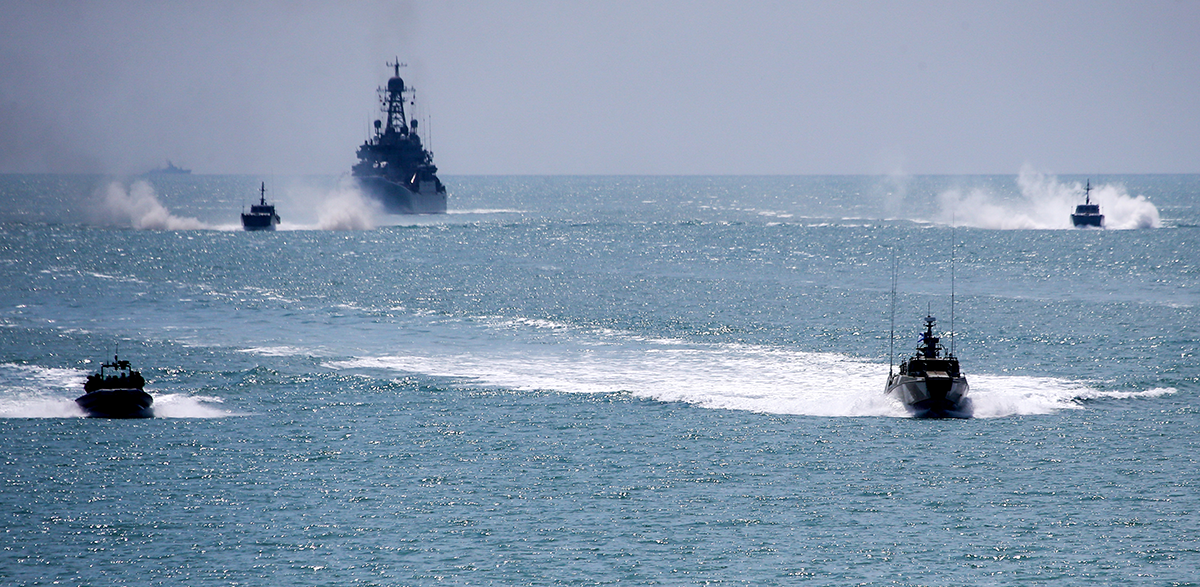
Suddenly and seemingly without warning, Russian forces amassed in Crimea and near the Ukrainian border in April 2021. Heavy armor, long-range missiles and artillery, modern air forces, and elite airborne infantry units deployed into positions that raised alarm in Ukraine and throughout Europe. The situation today appears stable, but reports of new and upgraded hardware, including unmanned vehicles, demand a fresh evaluation of the Russian way of war.
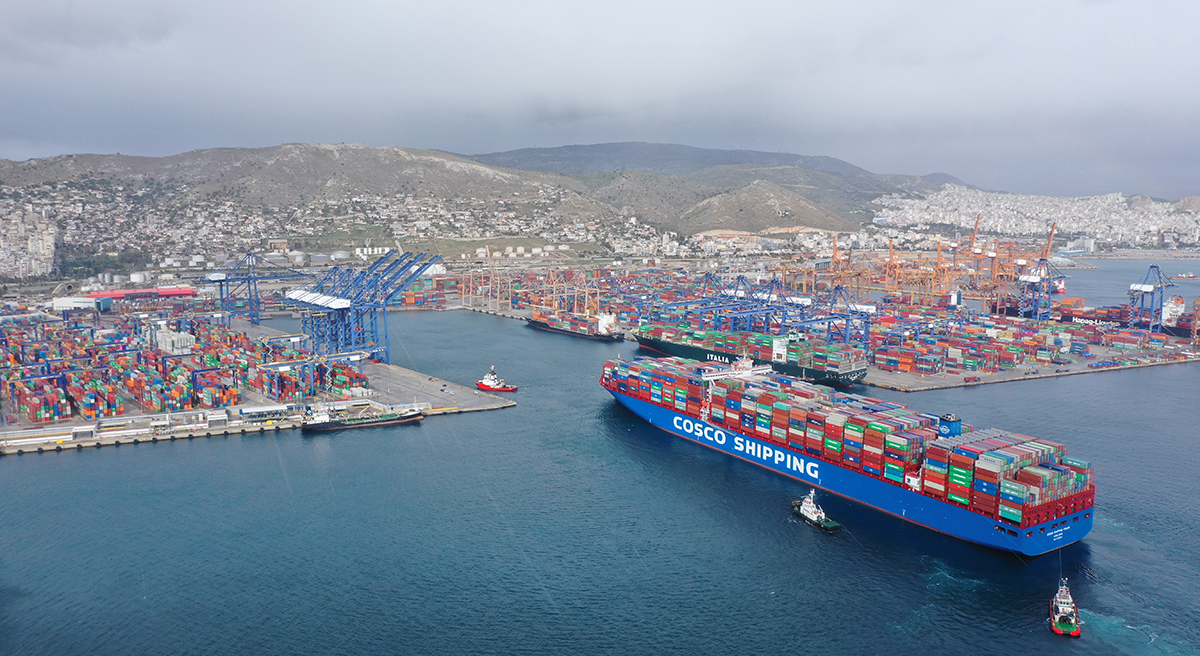
One of the most consequential changes in the Middle East’s geopolitical map is happening at the water’s edge. Along the entire eastern rim of the Mediterranean basin, global and regional actors are engaging in a spate of port capacity expansions, new private port construction, and the sell-off of major state-owned ports that will determine who sits atop the region’s global trade flows for decades to come. The international competition to rebuild Beirut’s port is one key puzzle piece in this larger process that is reconfiguring the Levant’s maritime commercial architecture and, as a consequence, the geopolitical contours of the Middle East.
The possibility that the Lebanese government could opt for China to reconstruct Beirut’s port has raised alarm in Washington and European capitals given China’s already outsized commercial port presence in Egypt, Israel, and Greece. Increased Chinese involvement in Lebanon’s port operations could consolidate Beijing’s hold over the commercial connectivity architecture of the Levant. Re-orienting global commercial flows between Europe, the Middle East, and Asia according to Beijing’s priorities would make China’s Belt and Road Initiative a dominant organizing principle in the international relations of the Middle East. The most effective way to offset China’s ambition may be to facilitate Mediterranean rivals France and Turkey to jointly rebuild Beirut’s port.
Hezbollah’s Regional Activities in Support of Iran’s Proxy Networks
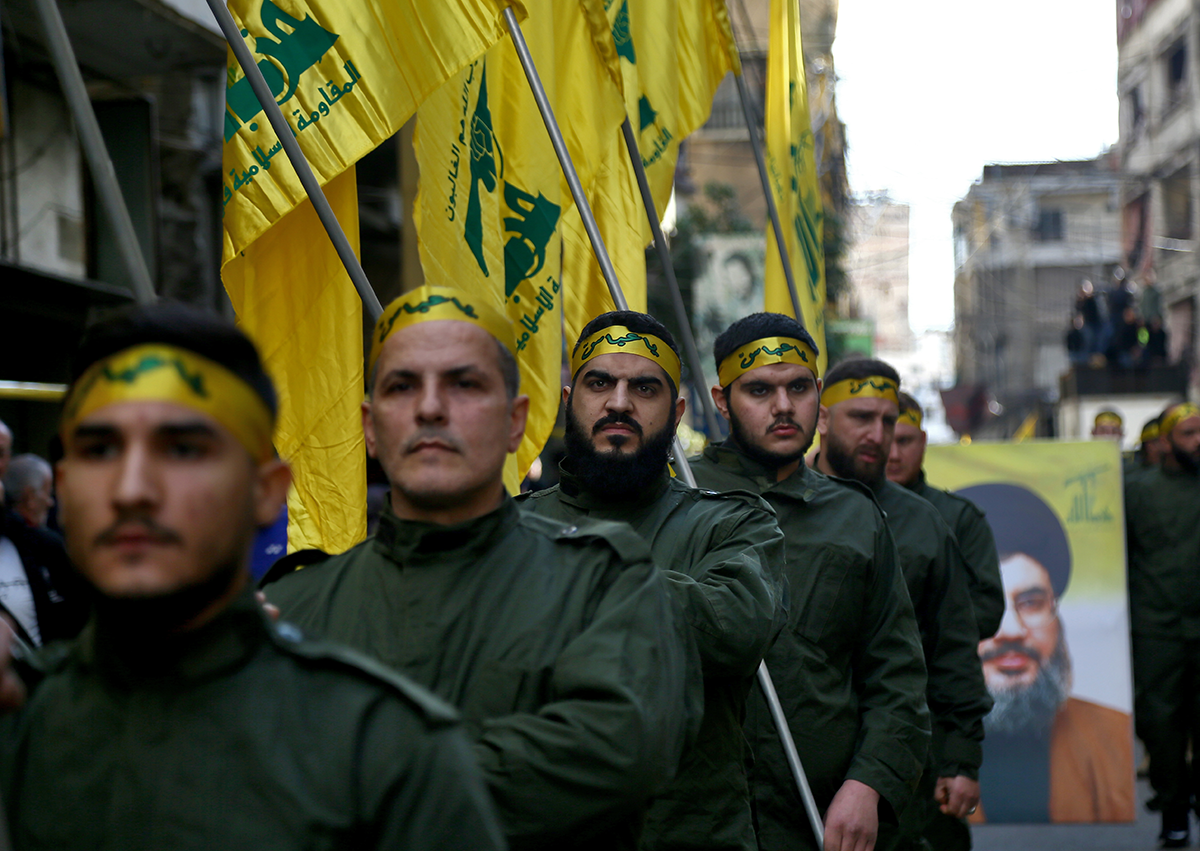
As a Lebanese actor ideologically tied to Iran, Hezbollah has multiple allegiances and objectives that do not always align symmetrically. Hezbollah’s regional activities are a reflection of the group’s increasingly close alignment with Iran, rather than the interests of the Lebanese state or citizenry. Today, Hezbollah’s regional adventurism is most pronounced in its expeditionary forces deployed in Syria and elsewhere in the region, but no less important are the group’s advanced training regimen for other Shi’a militias aligned with Iran, its expansive illicit financing activities across the region, and its procurement, intelligence, cyber, and disinformation activities. Together, these underscore the scale and scope of the group’s all-in approach to transforming from one of several Lebanese militias into a regional player acting at Iran’s behest.
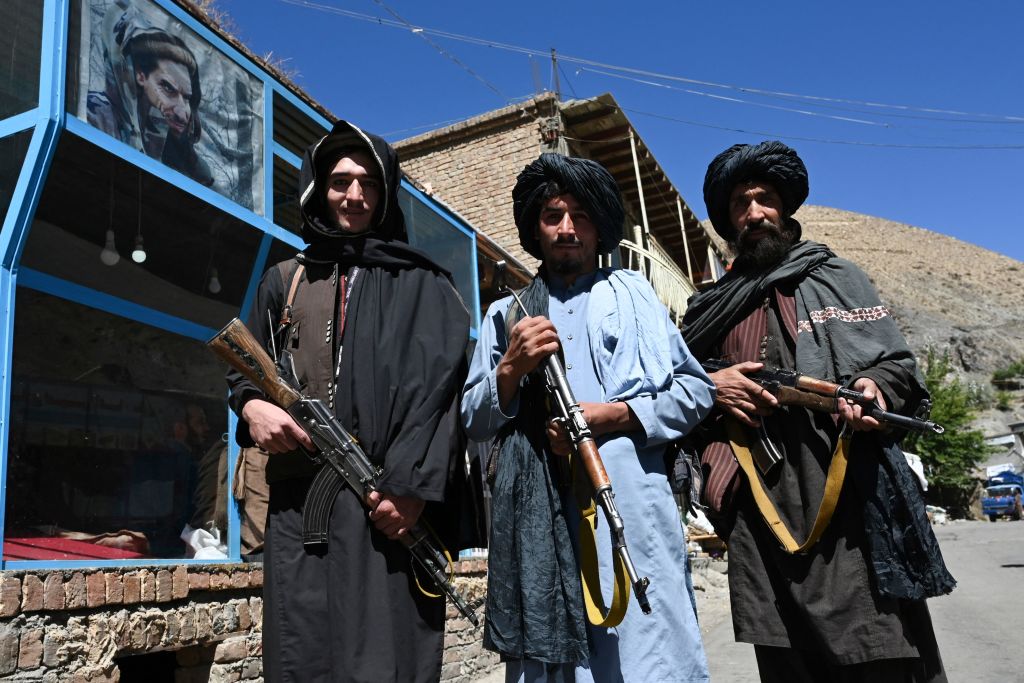
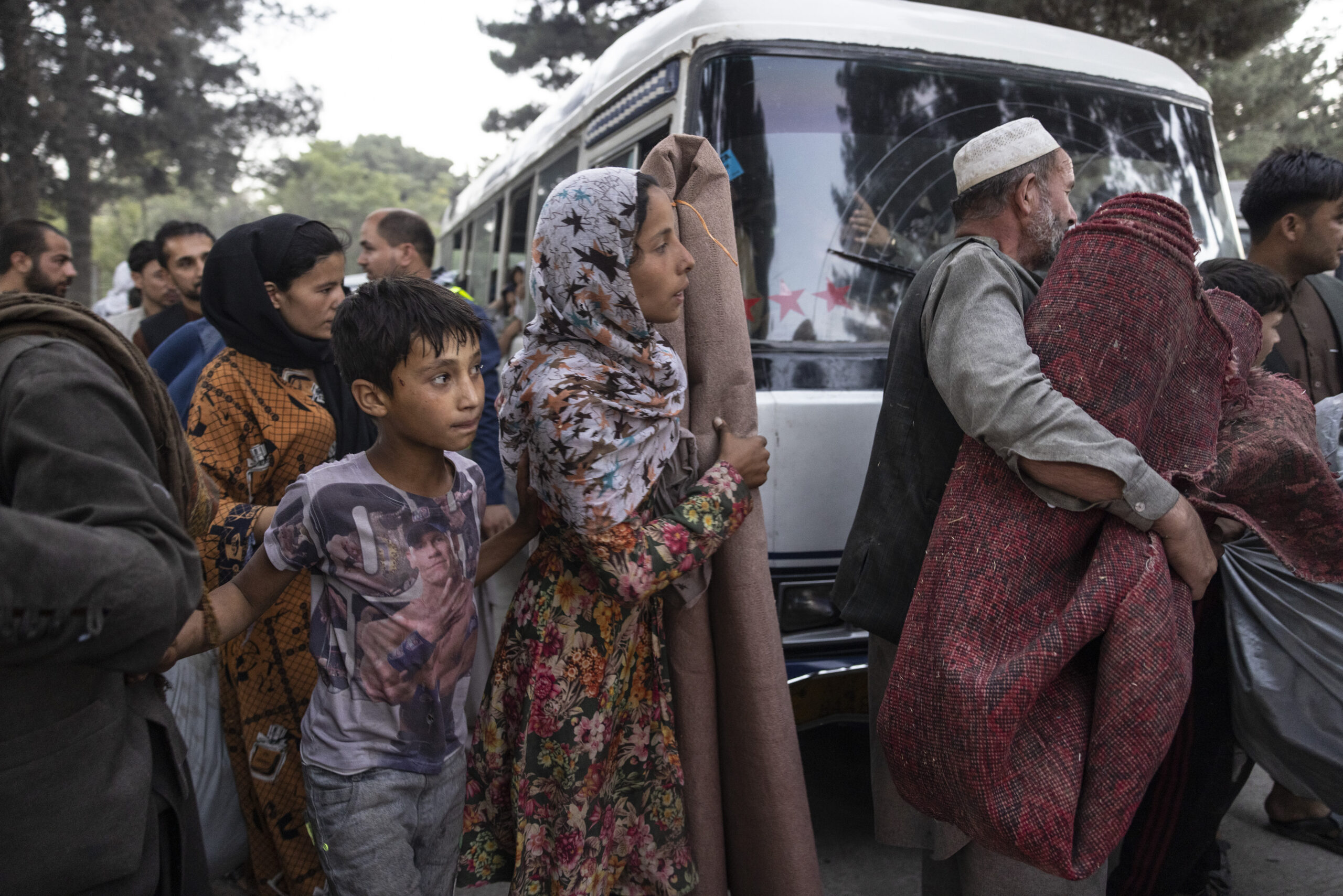
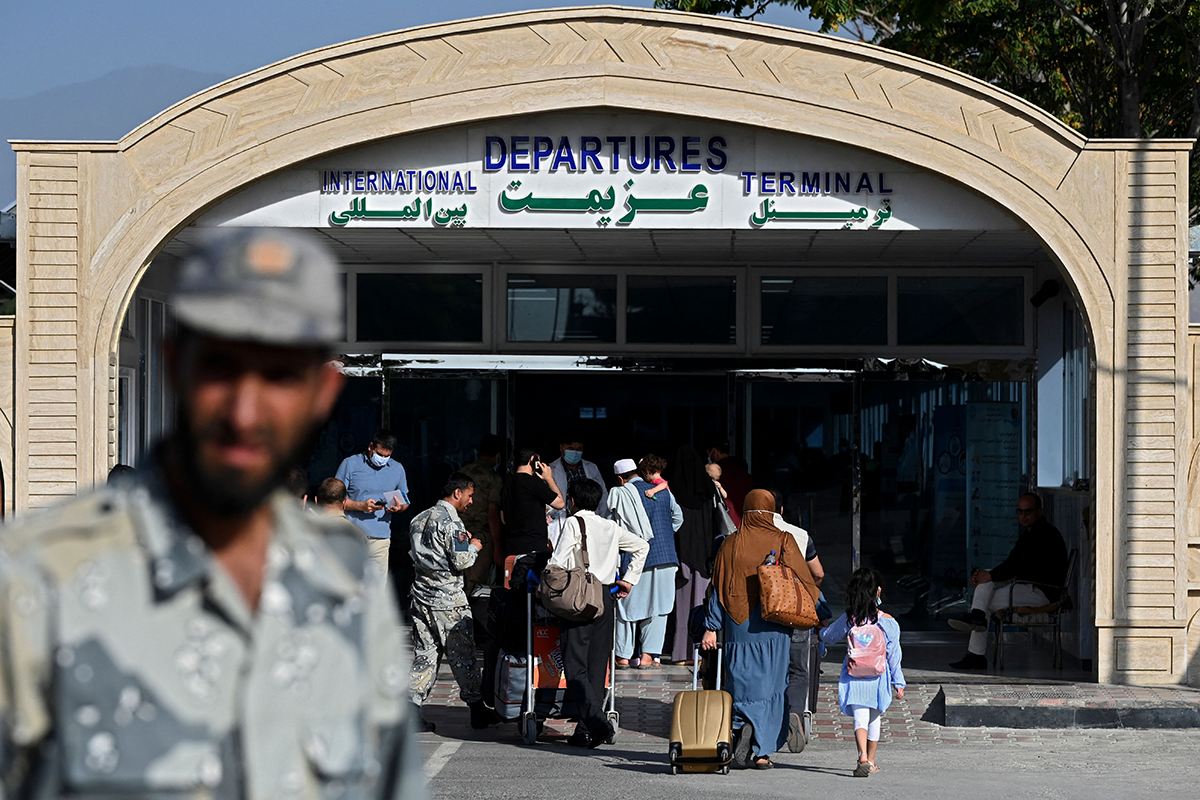
In a politically significant statement, Turkish President Recep Tayyip Erdoğan has asked the Afghan Taliban to “end the occupation of their brothers’ soil.” This follows a Taliban warning of severe consequences if Turkey were to remain in charge of security at Kabul Airport after the exit of American troops. Erdoğan’s message is likely to be interpreted differently by different stakeholders in the unfolding Afghan tragedy, a situation characterized by escalating violence, political uncertainty, and regional chaos.
الملك عبد الله يصل إلى واشنطن ليبحث عن إعادة توجيه العلاقات مع أمريكا
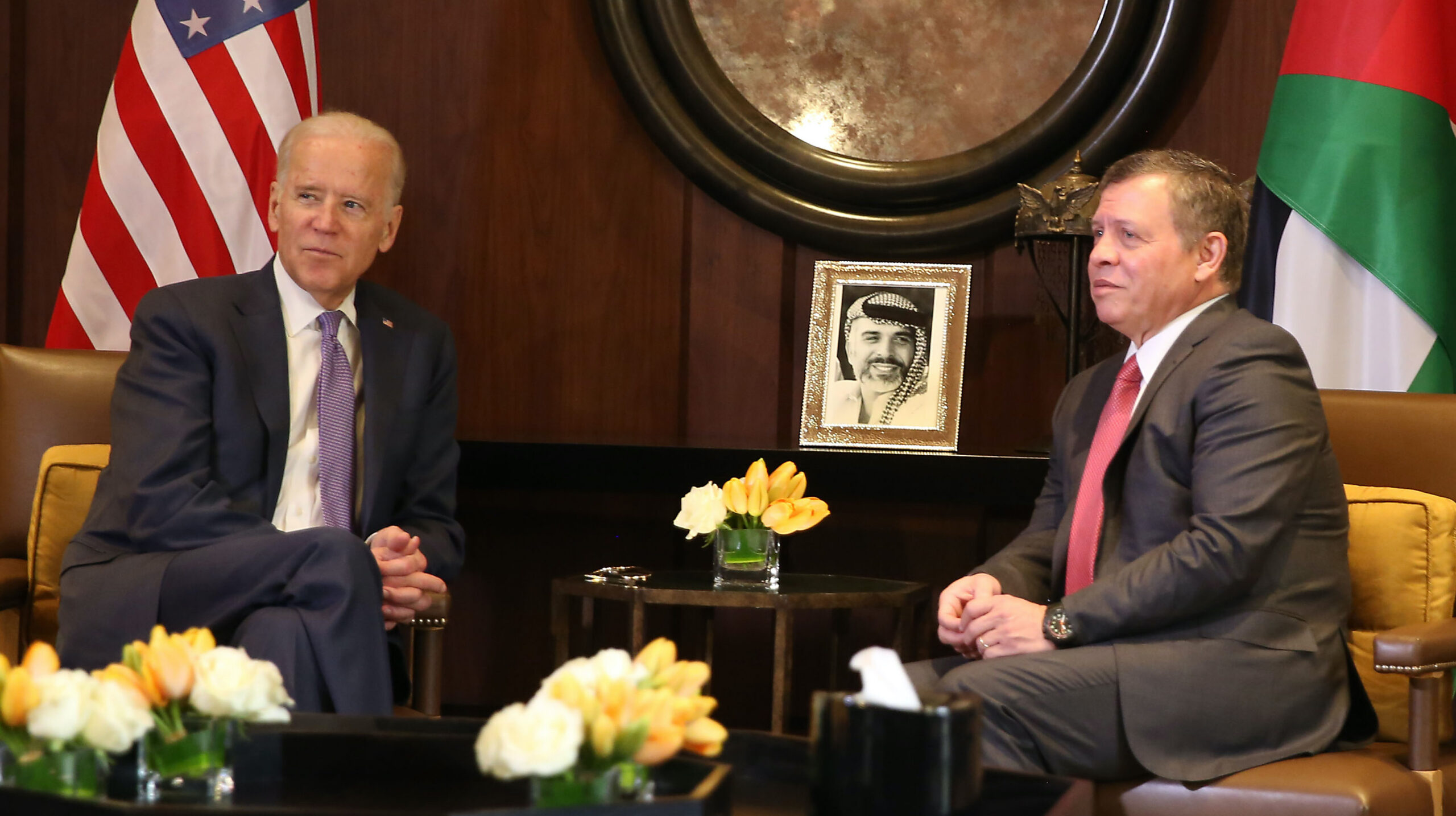
التقى العاهل الأردني الملك عبد الله الاثنين بالرئيس جو بايدن، ليكون بذلك أول زعيم من منطقة الشرق الأوسط يقوم بهذه الزيارة، متطلعًا إلى إصلاح جوانب العلاقات الثنائية التي تأزمت خلال السنوات الأربع الماضية. وهو سيجد في الإدارة الجديدة فريقًا أكثر ميلًا لوجهة نظره بشأن القضايا الإقليمية عما كان عليه الحال في علاقته مع الإدارة الأمريكية السابقة.
The promise and the pitfalls of Iraq’s tripartite New Mashreq
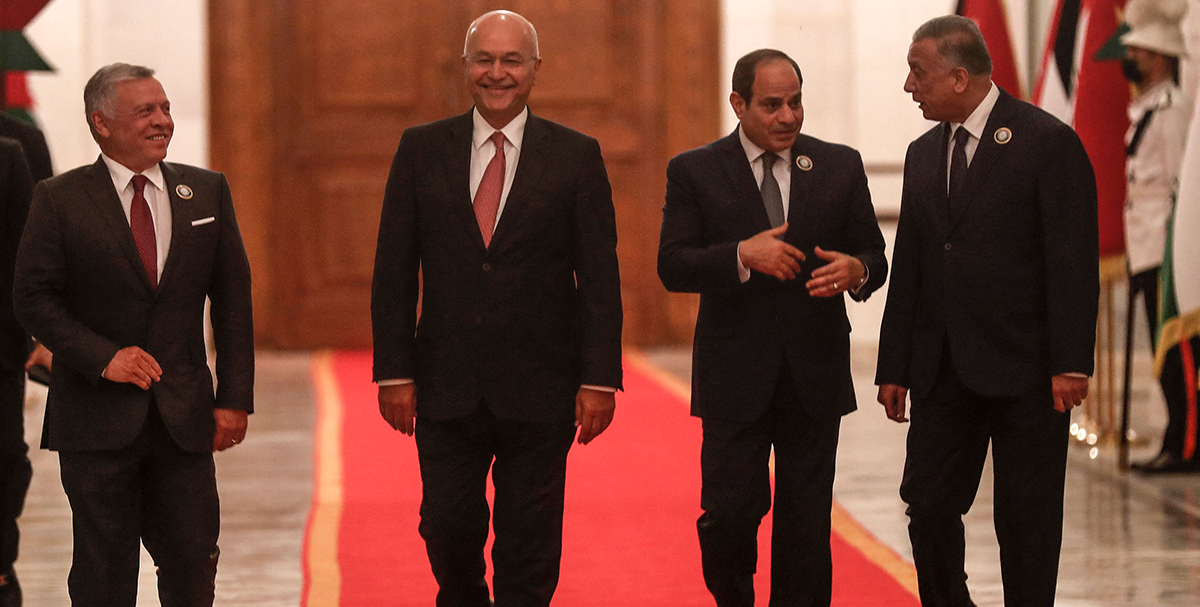
Sunday was a festive day in Baghdad. The last time Iraqis had received an Egyptian president 30 years ago, the region was gearing up for war and uncertainty as the late President Hosni Mubarak shuttled between Baghdad and Gulf capitals prior to Saddam Hussein’s invasion of Kuwait in 1990. The circumstances were quite different on June 27, when Egyptian President Abdel-Fattah el-Sisi and King Abdullah II of Jordan were given the red-carpet treatment at a tripartite summit marking the fourth meeting between the leaders of the three countries aiming to form a new regional alliance.