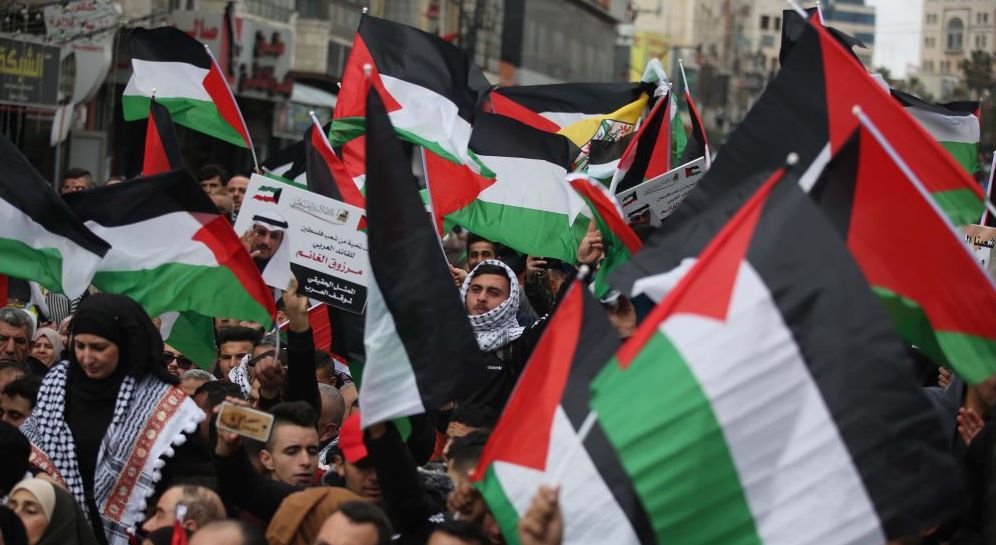
While there is no shortage of rhetorical opposition to Israeli annexation from all corners, the question now is whether any of them intend to follow up their strong words with concrete actions.
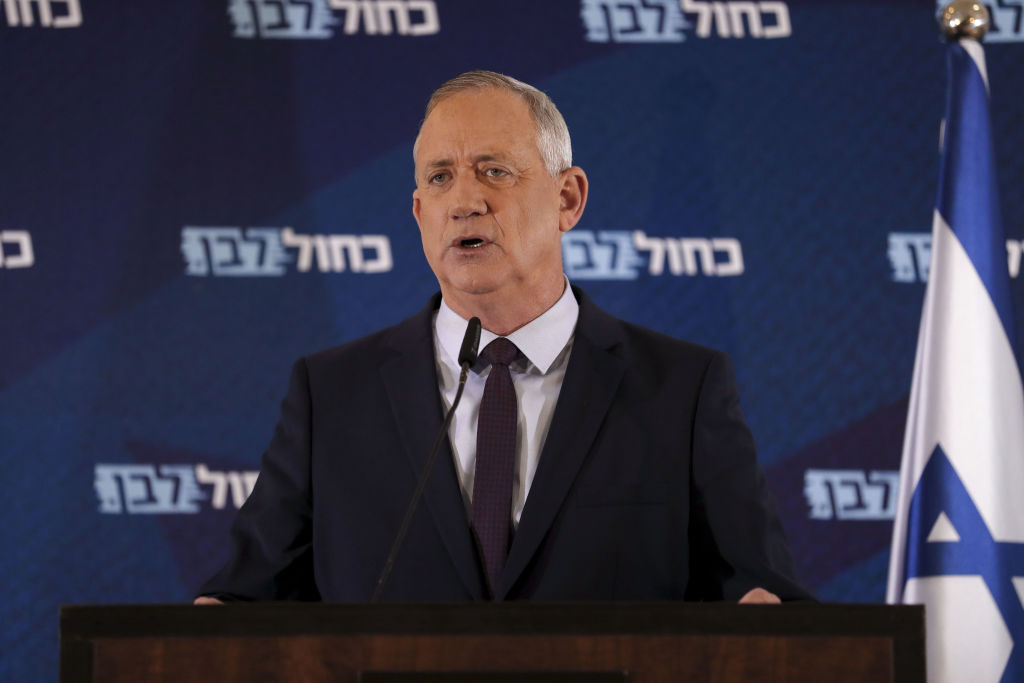
Gantz leaves the door open for Arab states to counter annexation
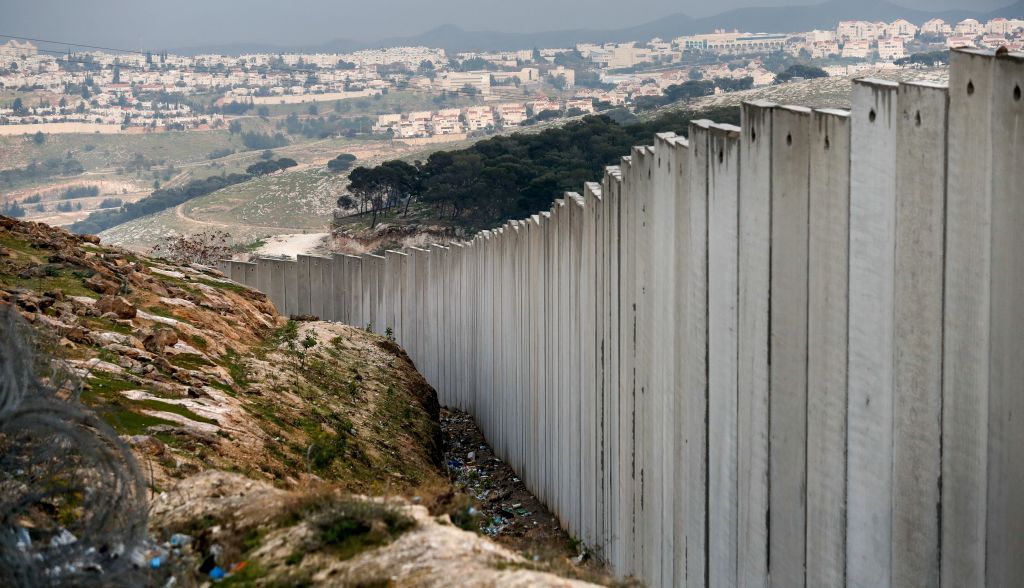
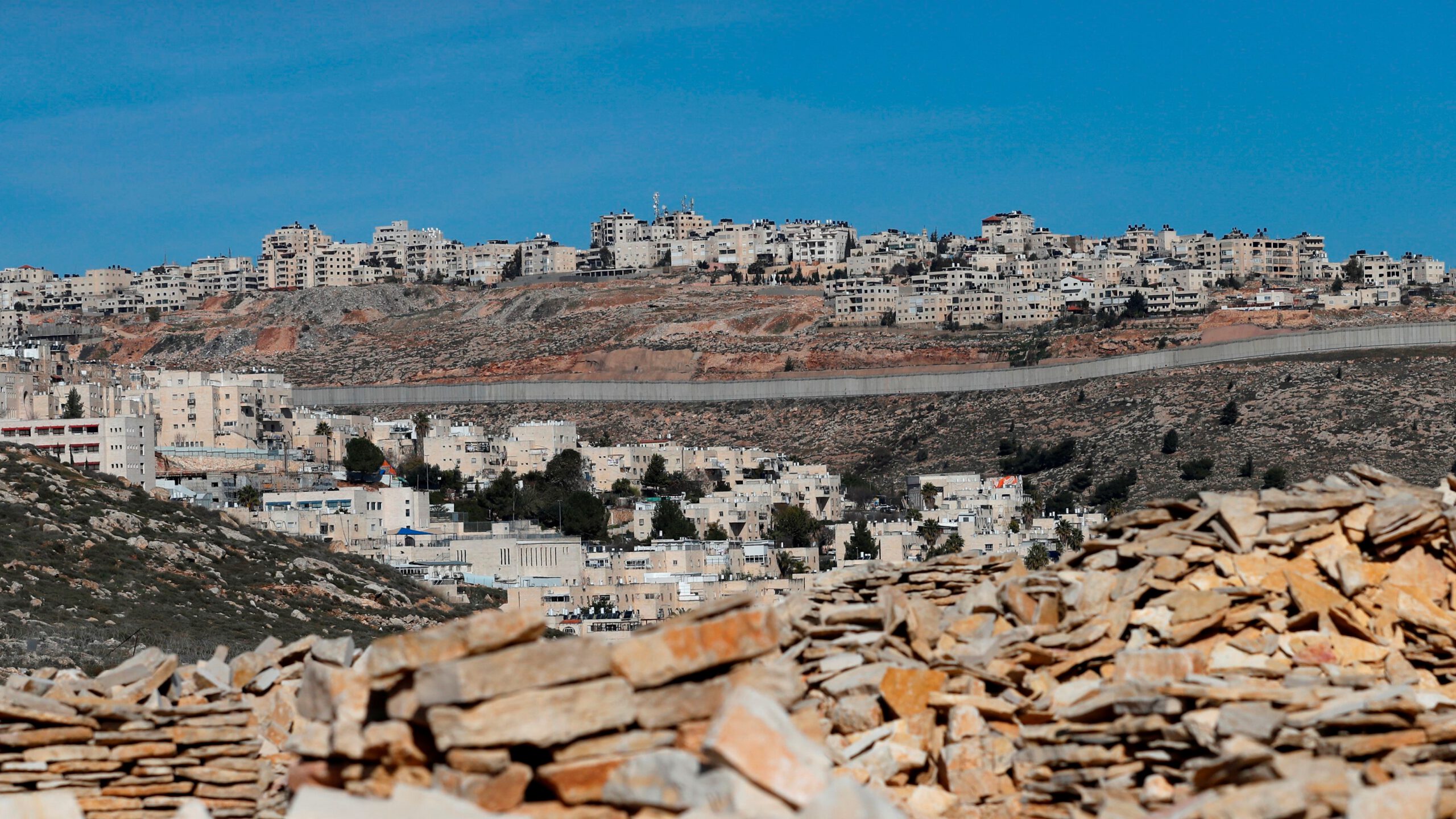
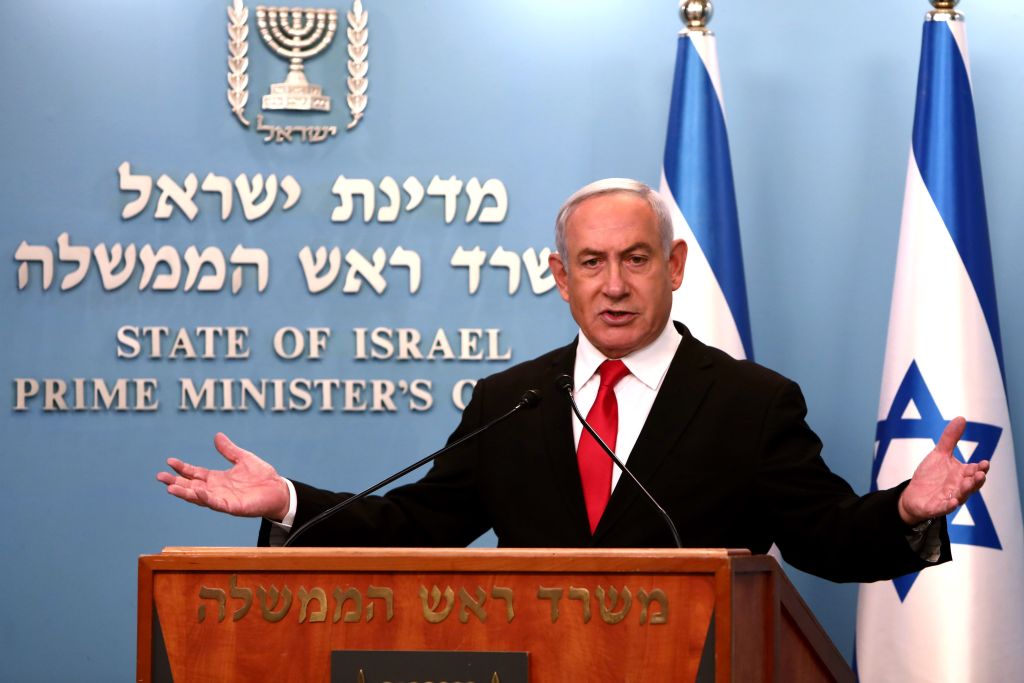
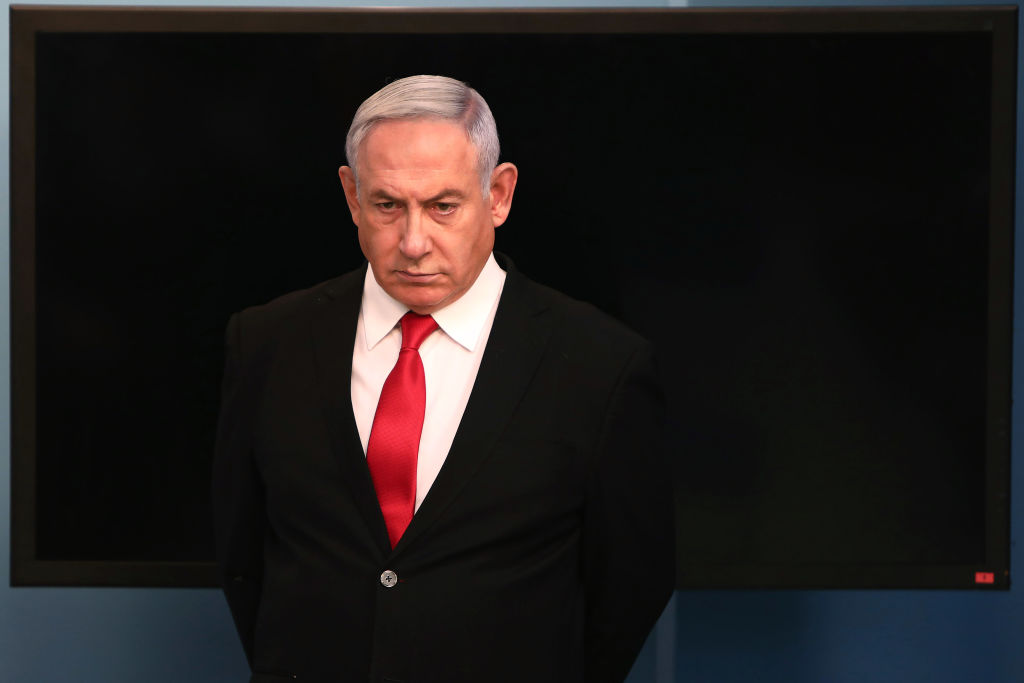
The April 20 Netanyahu-Gantz agreement legitimized the possibility of an Israeli law that will act as a unilateral annexation of parts of the West Bank to start as early as July 1, based on the controversial Trump Middle East plan. Articles 28 and 29 of the deal condition such annexation on the “consent of the Trump administration” and note that such a move would only be possible if the annexation preserves “the security and strategic interests of the state of Israel including the need to keep regional stability, keep existing peace agreements, and pursue future peace agreements.”
With the coronavirus sucking almost all of the oxygen out of the world’s news, it’s no wonder that Israel’s ongoing political crisis hasn’t received more coverage. But while the outside world is otherwise occupied, Israel, besides battling corona itself, is serving as a poster child for dysfunctional (yet democratic) government.
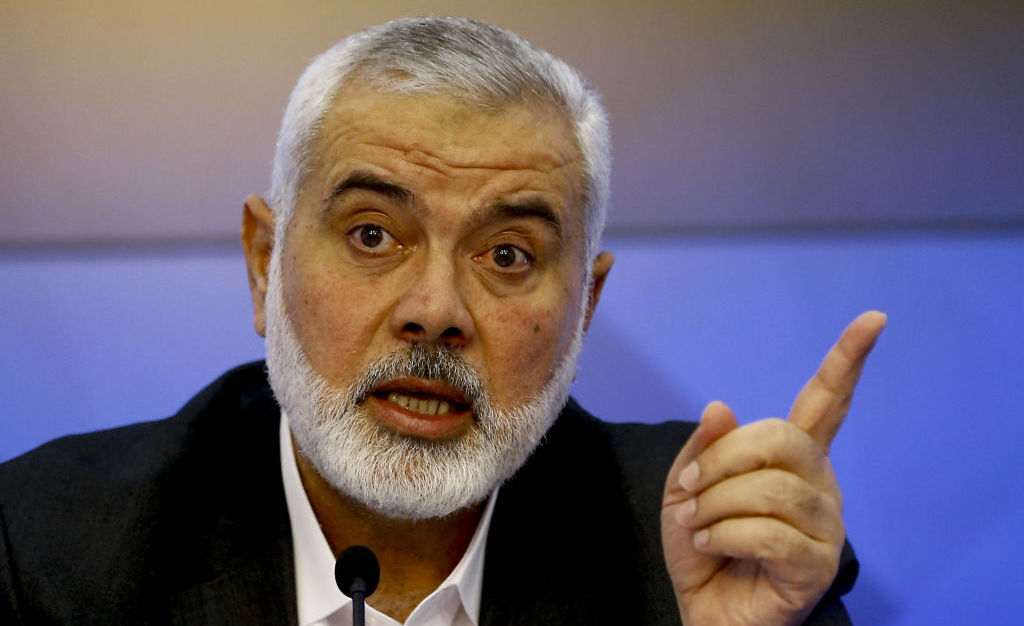
While much of the focus on Russia’s foreign policy toward the MENA region is on Syria and Libya, the dire situation in Gaza is another area where Moscow seeks to play a growing role. From Putin’s perspective, Moscow must involve itself in the Palestinian cause in order to further facilitate Russia’s “return” to the region. In practice, this has entailed Moscow and Hamas improving their relations, underscored by numerous visits and communications between high-ranking Russian government officials and Hamas representatives in recent years.
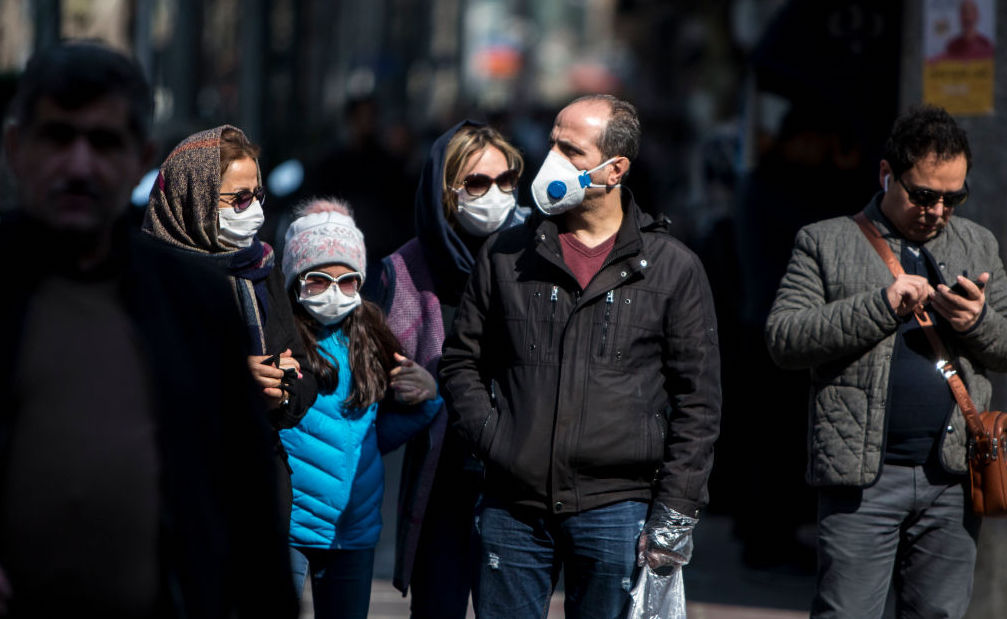
How the coronavirus exposed Israeli occupation's green line
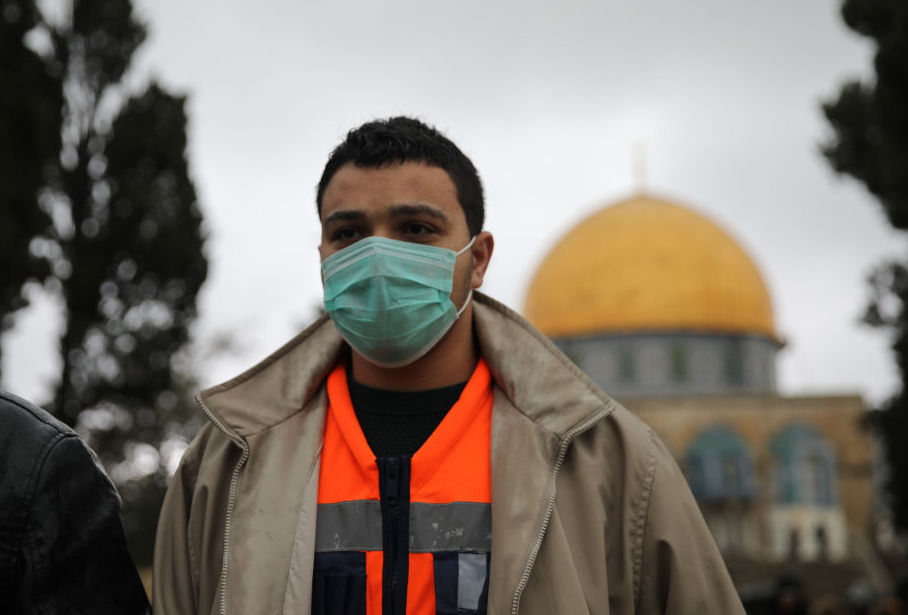
Less than a year after the U.S. State Department removed the term “occupation” from its 2019 human rights report, and just a few weeks after it stopped referring to the residents of East Jerusalem as Palestinians, the coronavirus has exposed the reality of Israel’s occupation of the Palestinian territories like never before.
MEI’s Paul Salem, Khaled Elgindy, and Fatima Abo Alasrar join host Alistair Taylor to discuss the coronavirus pandemic’s impact on the Middle East as nations scramble to contain the spread of COVID-19 and the massive humanitarian and economic toll it could take on already vulnerable populations.
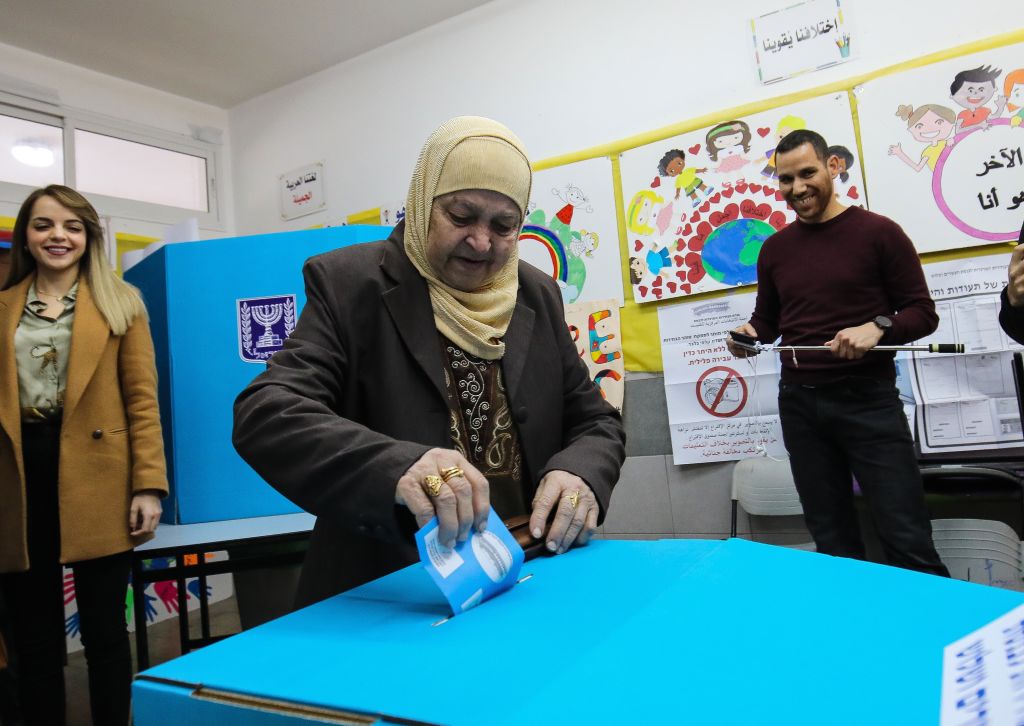
Can Palestinian citizens of Israel teach other Arabs a lesson in democracy?
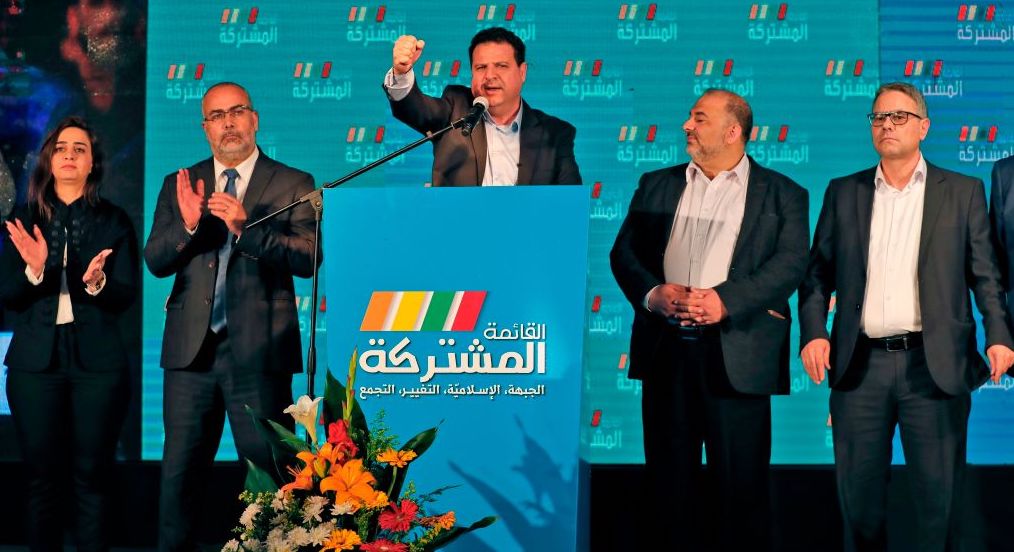
While attention in the third Israeli general elections in a year has focused on the performance of the caretaker prime minister Binyamin Netanyahu, a powerful light must be shed as well on the successful performance of Israel’s Palestinian citizens, who again increased their representation in Israel’s parliament.
And now what? A realistic approach to the Israeli-Palestinian impasse
The announcement of Donald Trump’s “deal of the century” was a rude shock, roundly condemned by almost everyone concerned with peace and justice between Israelis and Palestinians. But it also presents an urgent challenge for all those who reject it because they realize the dire implications of what it portends for the future of any peaceful negotiated solution. If a genuine two-state solution is truly dead, and an equitable one-state solution is even harder to achieve, then where does that leave us? What is, or should be, the agenda for the foreseeable future for those concerned with the Israeli-Palestinian issue.