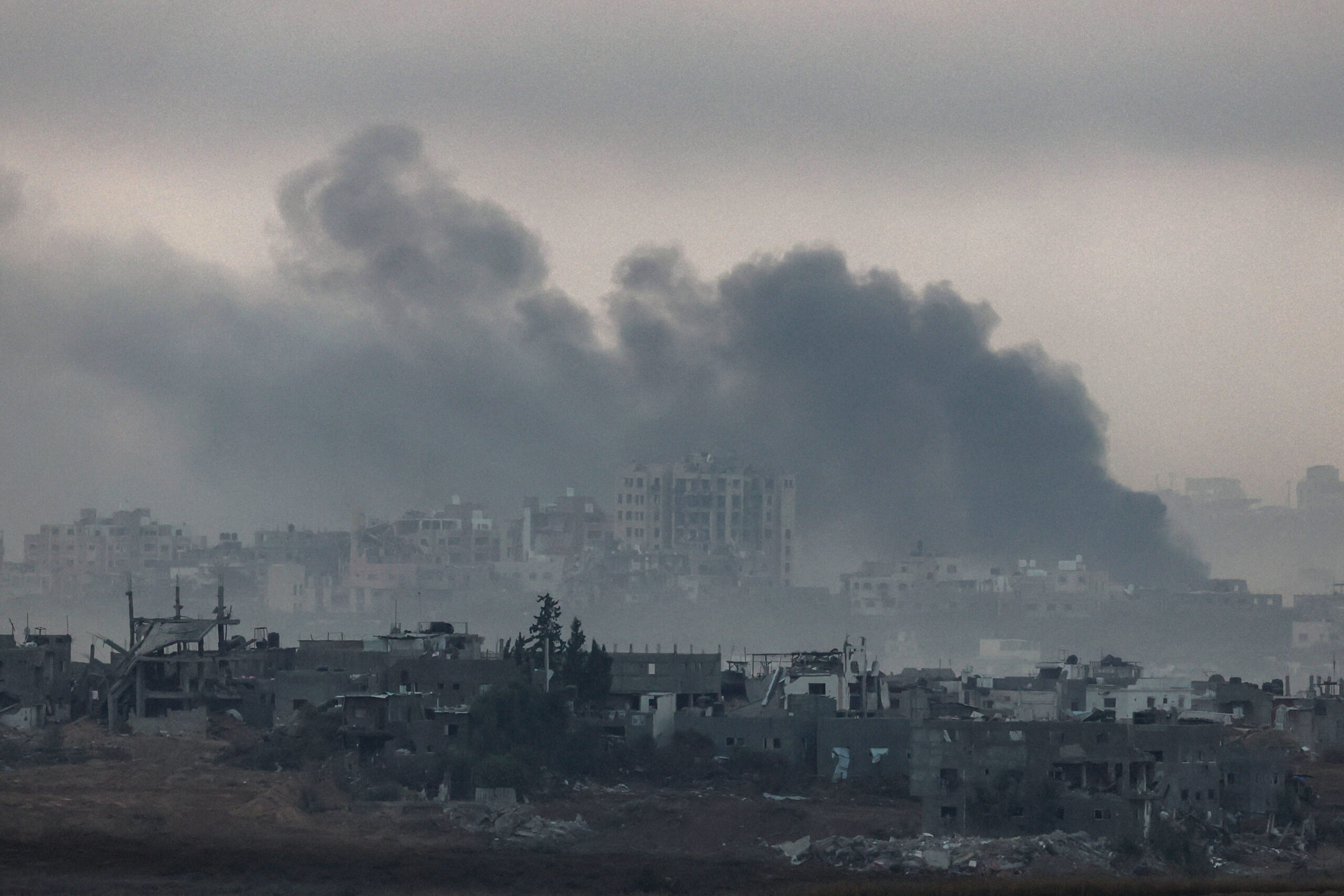
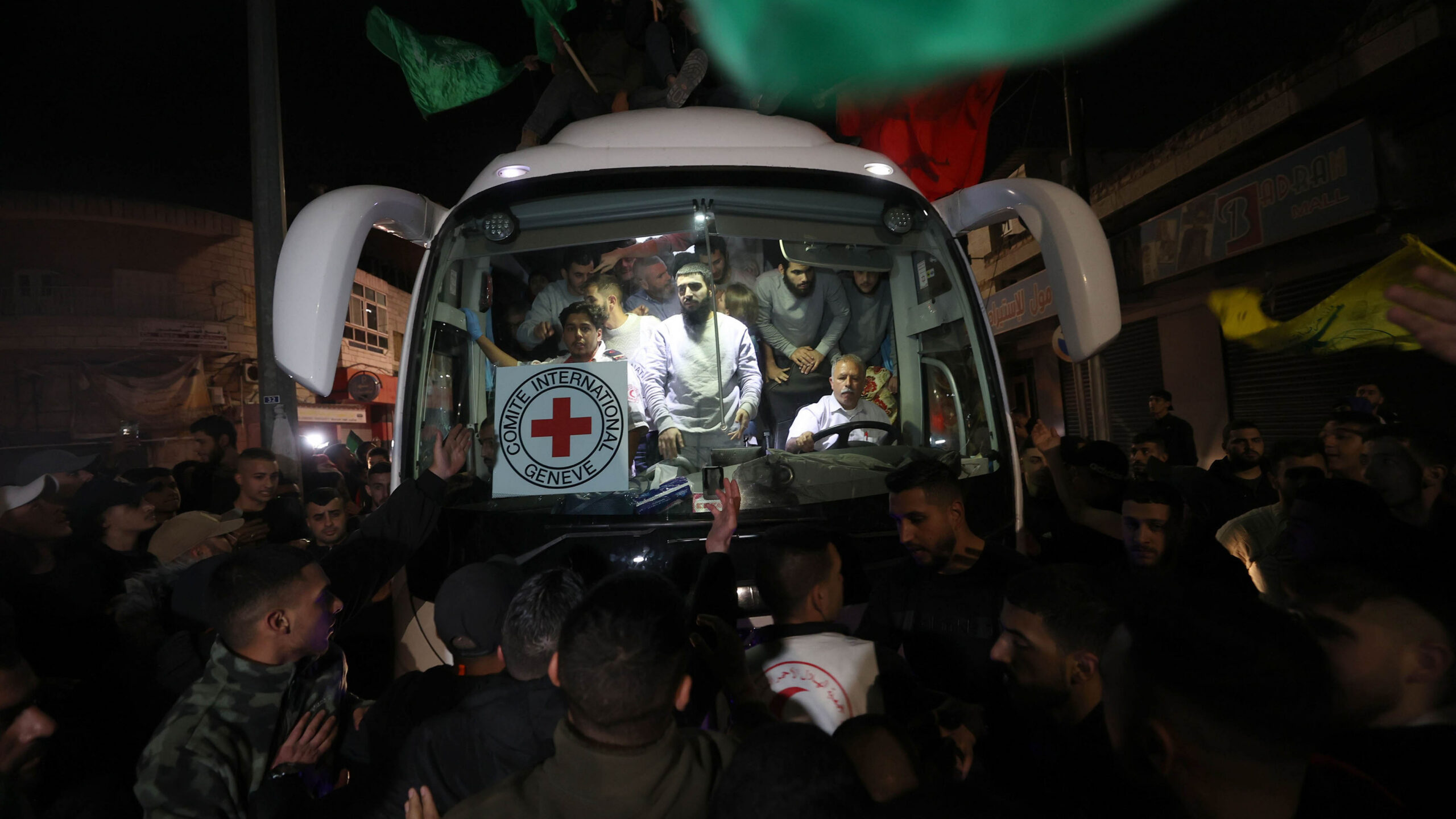
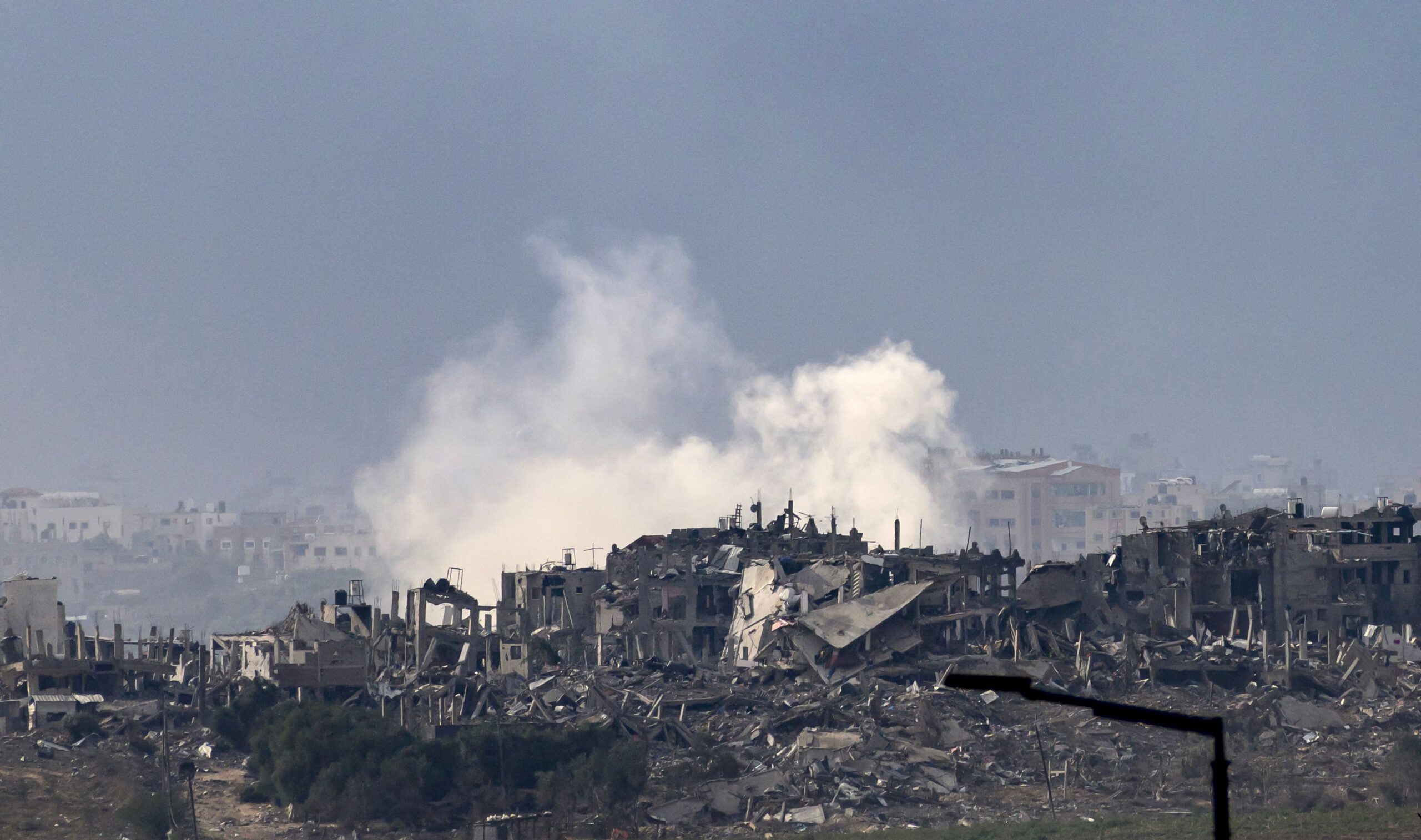
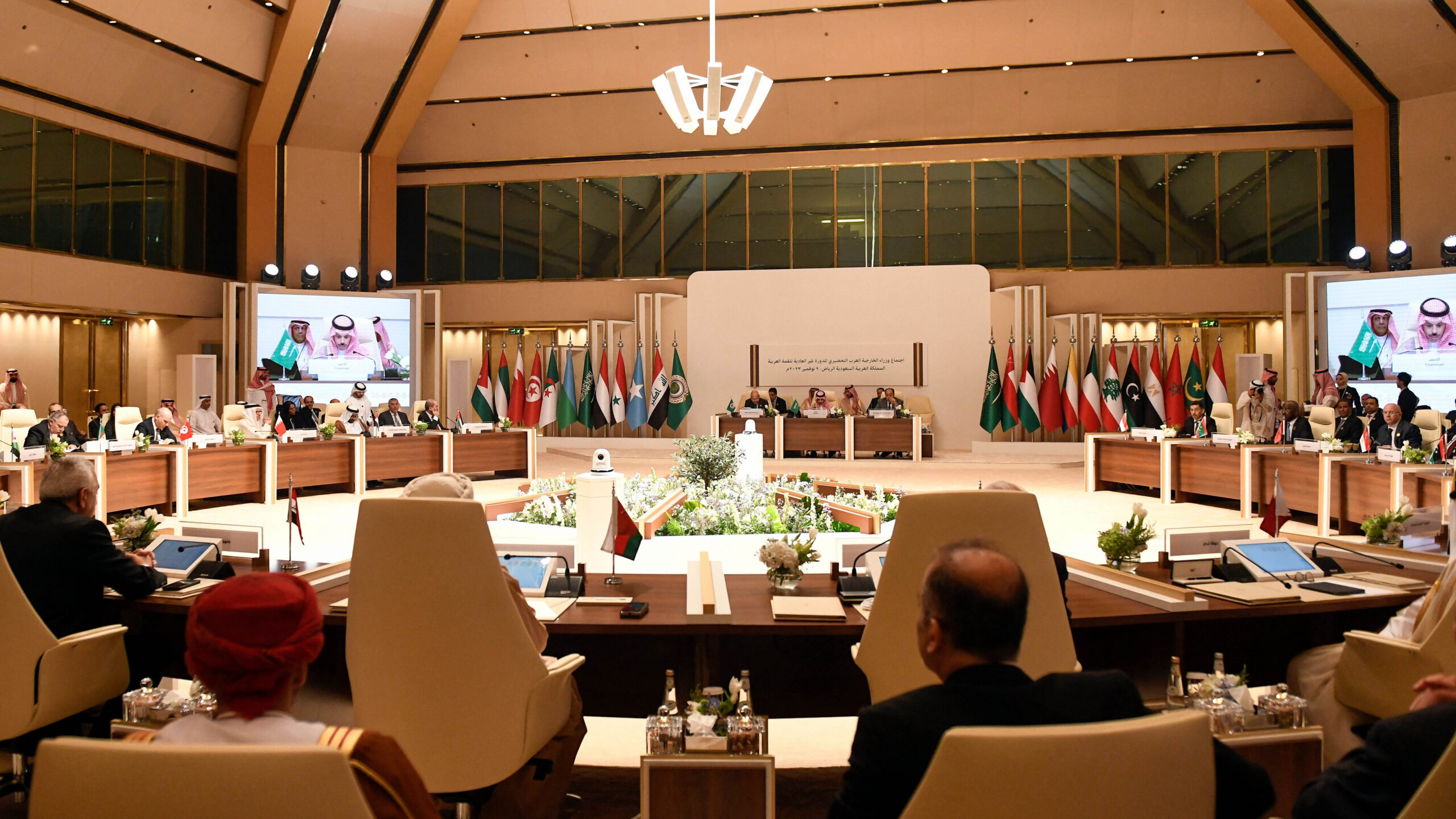
On this week’s episode, President and CEO of the Middle East Institute Paul Salem and Director of MEI’s Conflict Resolution and Track II Dialogues Program Randa Slim speak to MEI’s Editor-in-Chief Alistair Taylor about growing concerns over the potential for large-scale regional escalation as the Gaza war continues.
*Note: This episode was recorded before drone attacks that killed US soldiers in Jordan on 1/28.*
طموحات الأردن وأموال السعودية: نظرة على الاستثمارات السعودية في الأردن
في عام 2017، أنشأ صندوق الاستثمارات العامة السعودي وعدد من البنوك الأردنية صندوق الاستثمار السعودي الأردني لتوجيه 3 مليارات دولار إلى الاقتصاد الأردني. ويقدم مشروعان من مشاريع صندوق الاستثمار السعودي الأردني دراسات حالة ذات صلة بالتحديات التي تواجه الجهود الأردنية الأوسع نطاقاً لجذب المزيد من الاستثمار الأجنبي المباشر ودفع عجلة التنمية الاقتصادية.
كل ما تحتاج معرفته عن الممر الاقتصادي بين الهند والشرق الأوسط وأوروبا
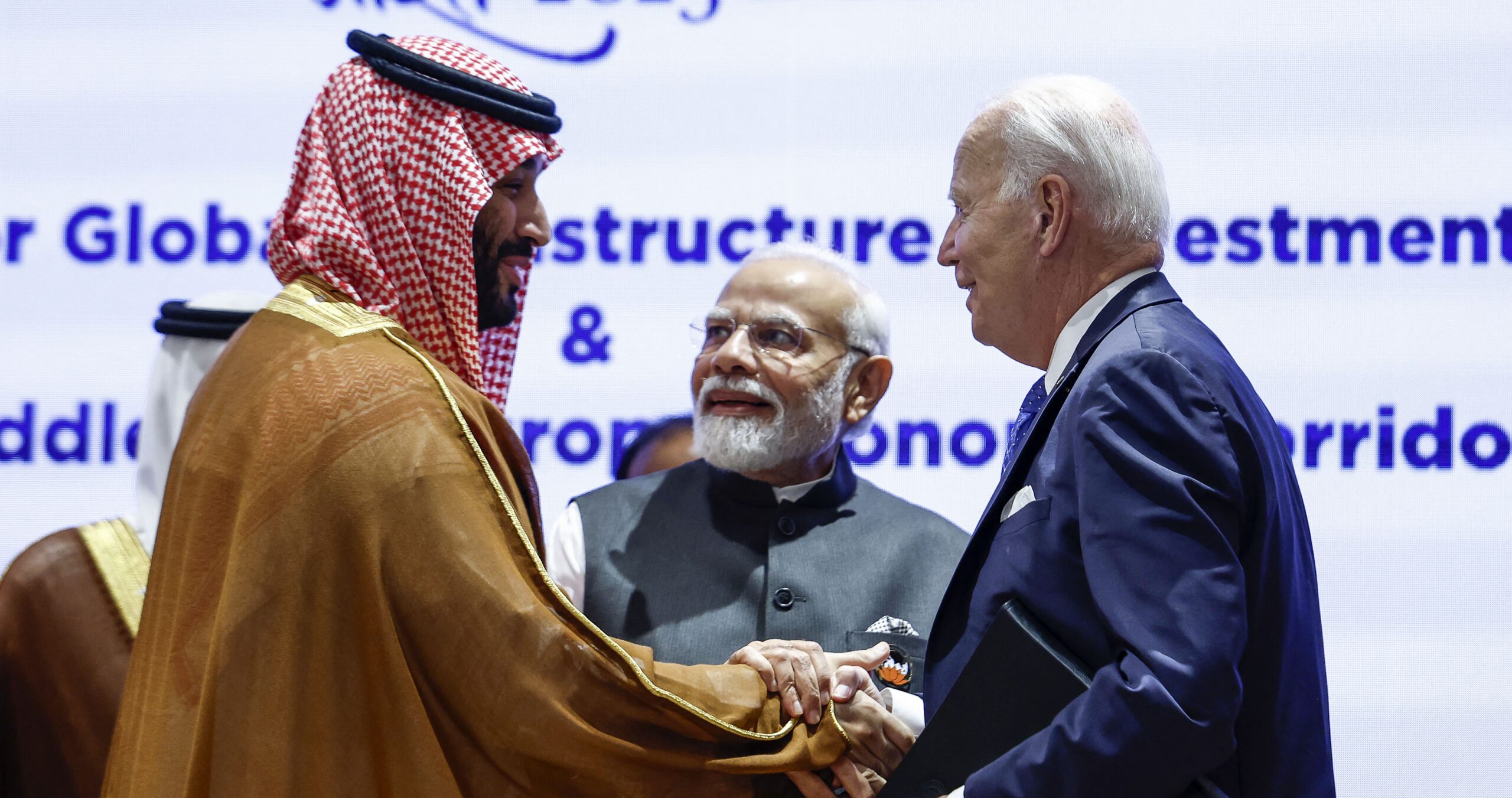
في اجتماع مجموعة العشرين الذي عقد في سبتمبر، وقعت الهند، البلد المضيف، إلى جانب الولايات المتحدة والاتحاد الأوروبي وفرنسا وألمانيا وإيطاليا والمملكة العربية السعودية والإمارات العربية المتحدة، مذكرة تفاهم، وهي التزام غير ملزم بالعمل على بناء "ممرين" منفصلين، يتصوران أساسًا خطًا سياسيًا يربط بين بعض البنى التحتية المادية الجديدة وبعضها القائم أو قيد الإنشاء.
War delays but likely will not fully derail IMEC plans
The Oct. 7 Hamas attack against Israel and the latter’s ongoing military operation in Gaza have stalled progress in the development of the India-Middle East-Europe Economic Corridor and raised questions about its prospects for eventual completion. The IMEC faces multiple viability challenges, but none of them are insurmountable; thus, its participants are unlikely to abandon it.
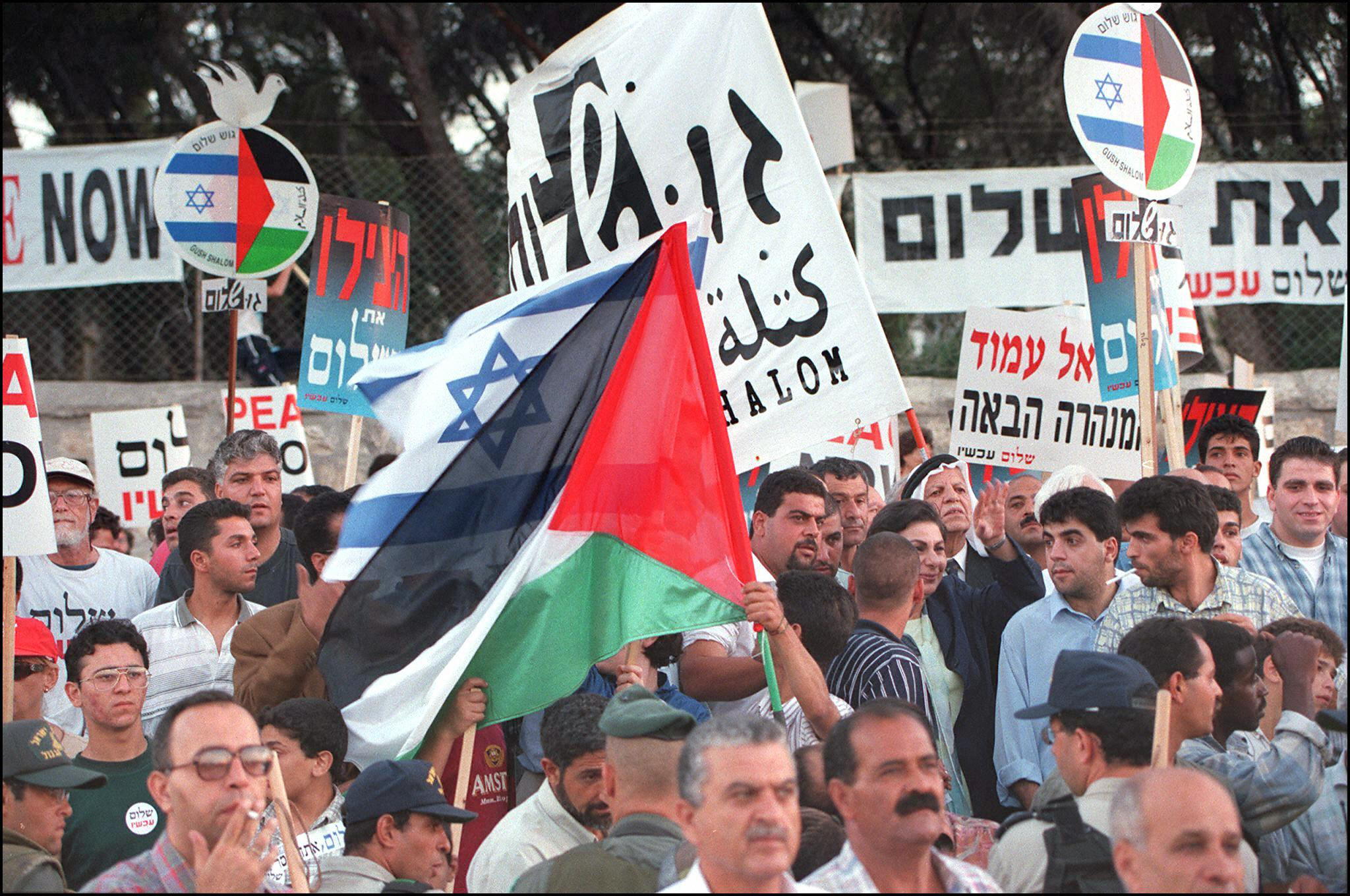
Expert Views: How do we restart the Middle East peace process?
What would it take to start a new Israeli-Palestinian peace process that could actually have the prospect for enduring success? MEI has asked a group of regional and U.S. experts to weigh in.
Essential questions about the Russia-Hamas link: The evidence and its implications
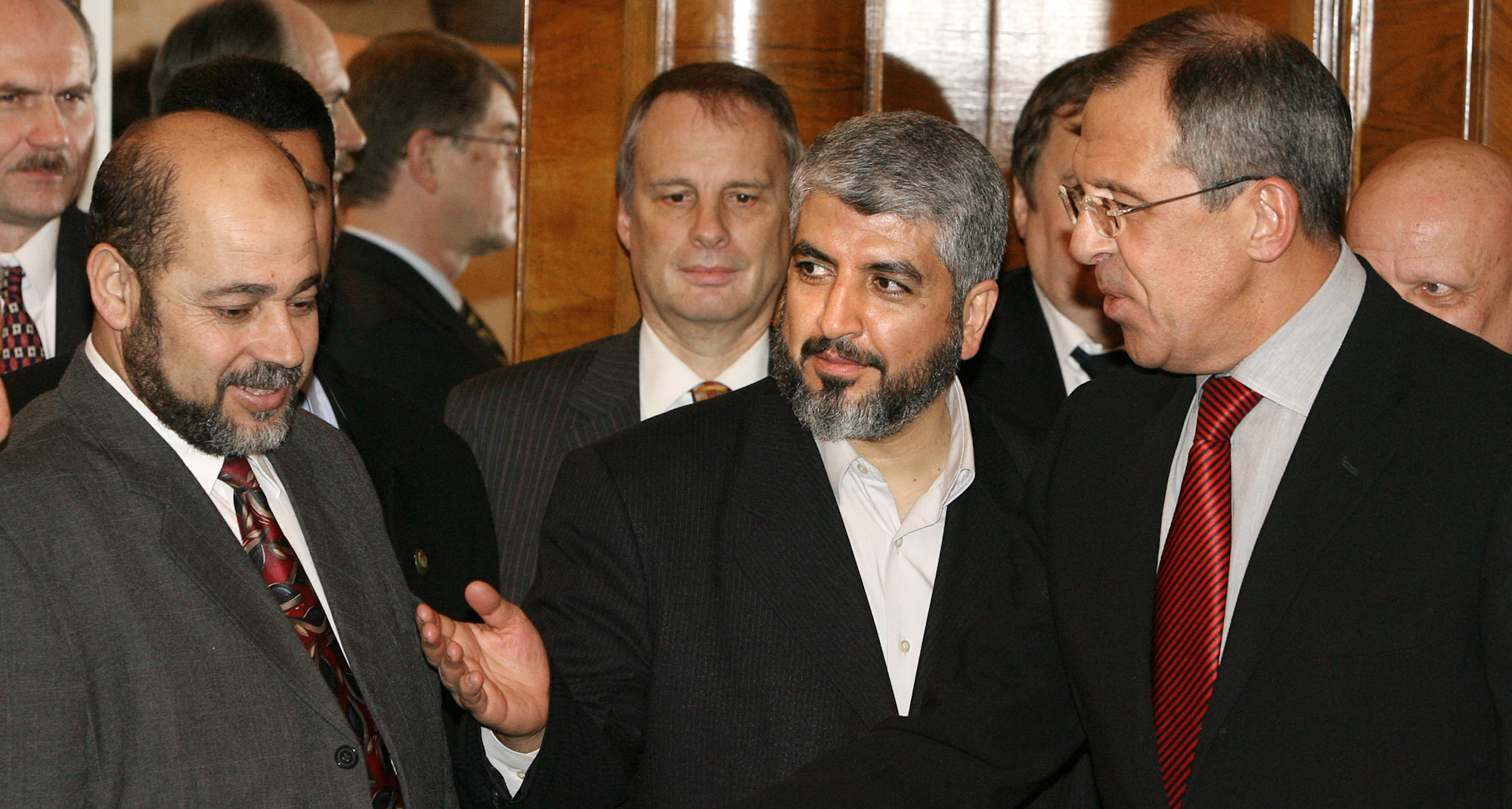
As the war in Gaza continues to unfold, essential questions about Russian and Iranian support for Hamas remain. They include whether Russia played any role in providing support to Hamas ahead of its Oct. 7 attack on Israel. Evidence available from foreign-language publications in Russian, Persian, Arabic, and Hebrew, as well as those in English, provides provocative leads, which, if accurate, have serious potential implications.
Climate casualties: How the Gaza war threatens Mideast climate action
The renewed violence in Gaza could not have come at a less opportune time for the climate agenda in the Middle East. From energy economics to environmental degradation, the ripple effects of conflict will complicate the path ahead.
The EU and the Israel-Hamas war: A narrow but important niche
Much has been written about the European Union’s confused and cacophonic response to the heinous Oct. 7 Hamas terrorist attack that has plunged the Middle East into one of the most violent crises the region has known since World War II. While the condemnation of Hamas’ atrocities was unanimous, not much else was.