Why aren’t mainstream Israelis and American Jews supporting Palestinians?
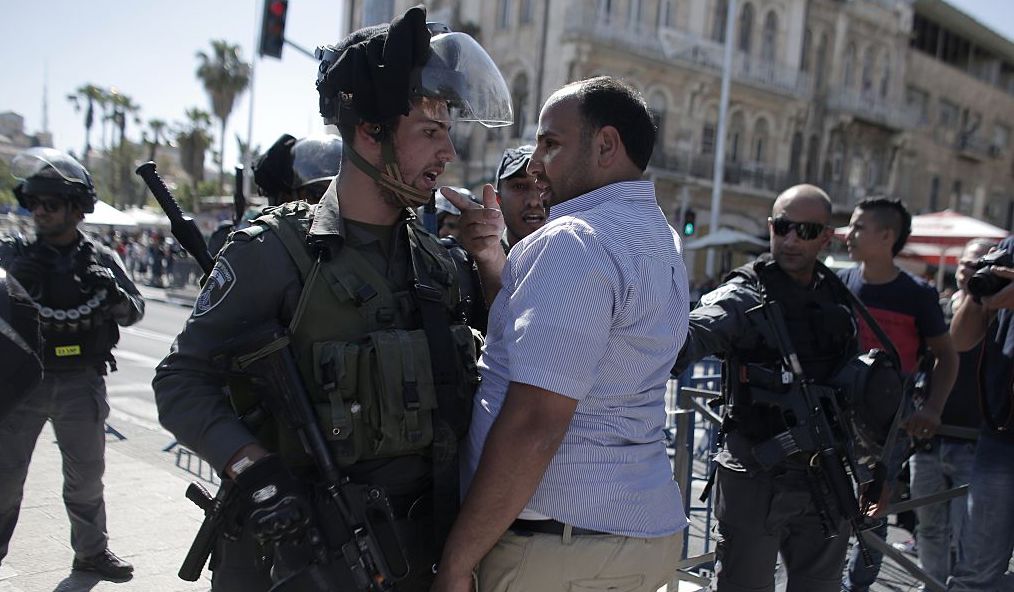
When the video emerged of a Minneapolis policeman pressing his knee on the neck of George Floyd as he lay on the ground, Palestinians were surprised by the image — the technique was all too familiar. But while hundreds of thousands of people have taken to the streets to protest the killing of George Floyd, an African-American male, by police across the U.S. and around the world, the response among Israelis and American Jews to violence against Palestinians is quite different. Many liberal Jewish leaders and thinkers who have spoken out forcefully against the killing of Floyd are silent when it comes to the atrocities committed by Israeli soldiers.
It has been more than a year since the fall of Baghouz. Eleven Malaysians have returned from Syria under the Malaysian government’s offer, conditional upon compliance with checks and enforcement, and a one-month rehabilitation program. Since then, the authorities are optimistic that more will be able to return. However, the anticipation of more returnees raises questions about Malaysia’s readiness to receive incoming batches of Malaysia Islamic State (IS) fighters. Given Malaysia’s lack of experience dealing with battle-hardened terrorists and questions about the efficacy of existing deradicalization efforts, can these structures tackle issues that Malaysia has never faced?
The May 20 announcement is something of a watershed, in which Palestinian decision-makers appear to have chosen to leave behind the professionalism of President Abbas and instead adopt the Fatah revolutionary way of making strategic decisions and then implementing them on an ad hoc basis while making adjustments along the way.
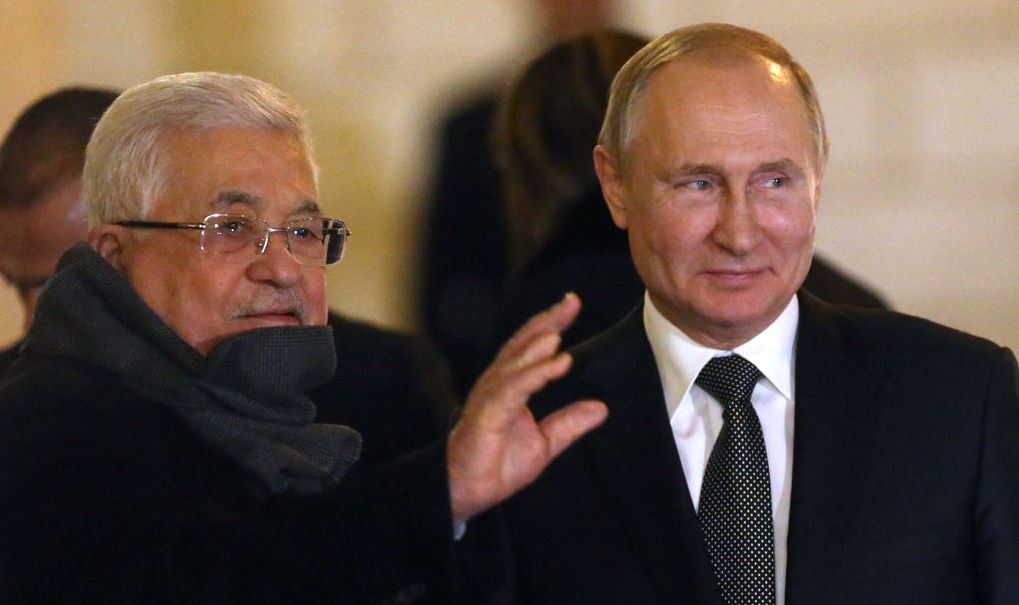
The last few days have seen an unprecedented flurry of Russian activity on the Israeli-Palestinian track. On May 19, Russia’s Deputy Foreign Minister and Vladimir Putin’s Special Envoy for the Middle East and Africa Mikhail Bogdanov spoke on the phone with Assistant to the U.S. President and Special Representative for International Negotiations Avi Berkowitz.
The Abbas declaration: Why this time may be different
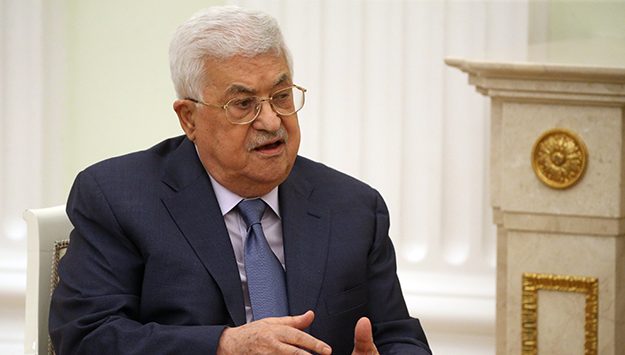
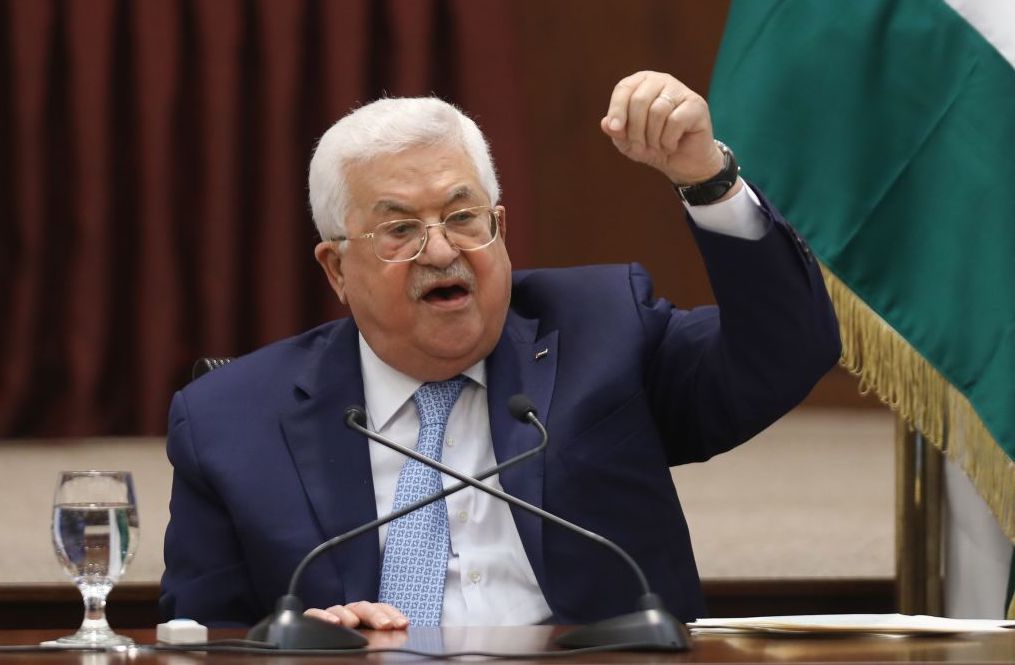
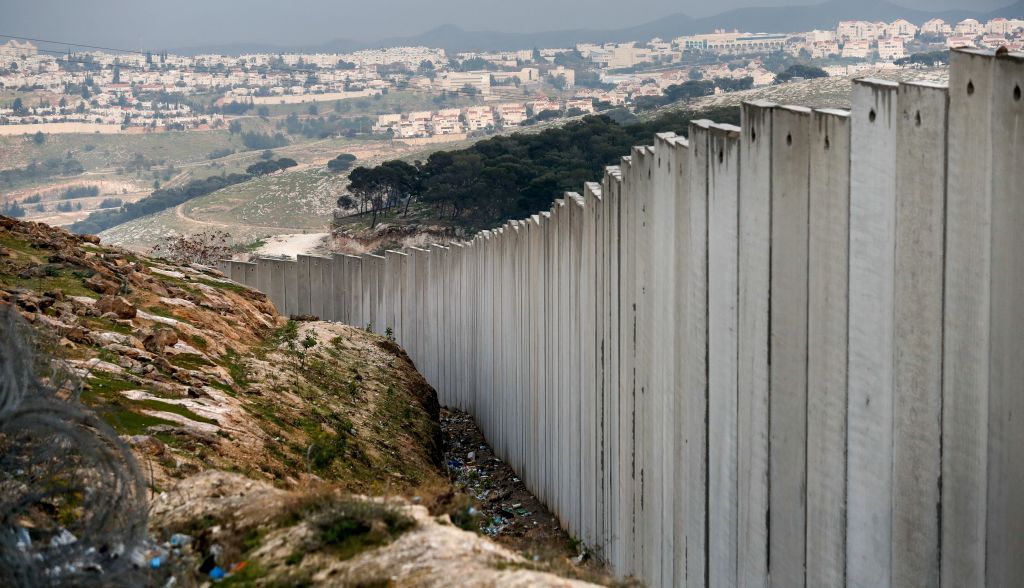
In a dramatic statement delivered yesterday in Ramallah and broadcast on Palestine TV, Palestinian President Mahmoud Abbas declared an end to all agreements signed between the Palestine Liberation Organization (PLO) and both Israel and the United States. In light of the newly sworn in Israeli government’s commitment to the annexation of Palestinian land in the West Bank, declared Abbas, the Palestinian leadership would henceforth be “absolved, as of today, of all the agreements and understandings with the American and Israeli governments and of all the obligations based on these understandings and agreements, including the security ones” — thus implying that the security coordination between the Palestinian Authority (PA) and Israel would come to an end.
Rival Afghan leaders strike a power-sharing deal, but there are plenty of other obstacles on the road to peace
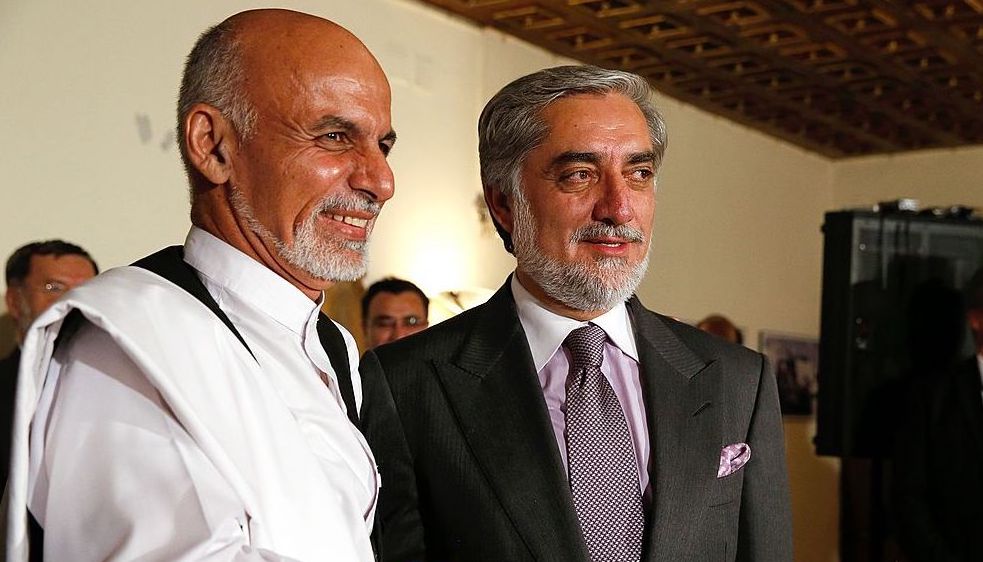
There was no other way to end the political logjam in conflict-ridden Afghanistan than to make current President Ashraf Ghani and the outgoing Chief Executive Abdullah Abdullah agree to share power. The deal announced on May 17 has been widely welcomed by the international community because the political tensions between the two rivals were viewed as one of the major hurdles to the advancement of an intra-Afghan reconciliation process. The political jockeying in Kabul is far from the only impediment to reconciliation though and there are deeper obstacles to the peace process.
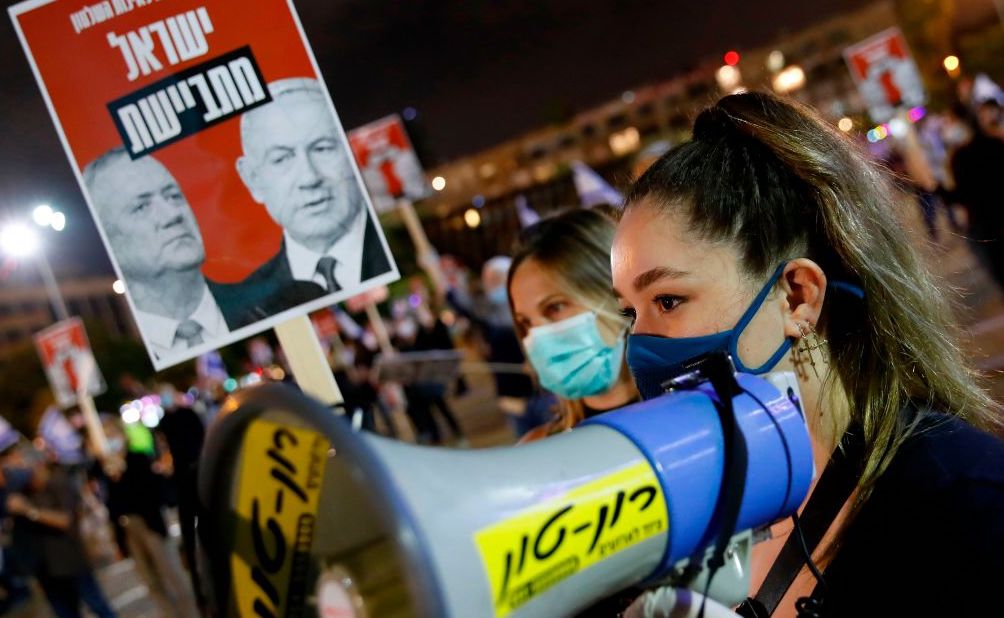
Israel finally has a government, but for how long?
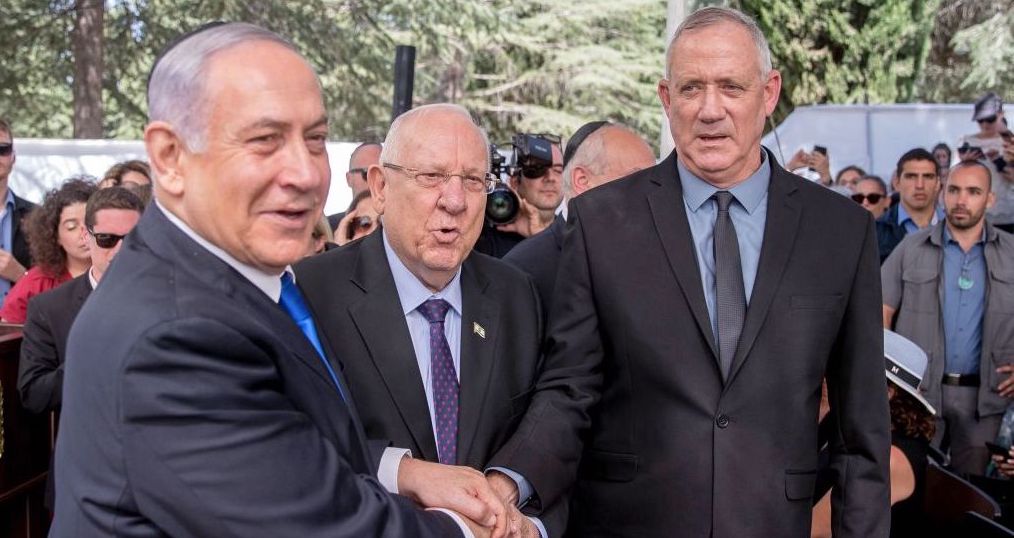
Israel’s 17-month ordeal without a functioning government has mercifully come to an end. An unlikely coalition that agrees on little has given birth to a monstrosity that is the largest government in Israel’s history, with 34 cabinet positions (some reports say 36) plus 16 deputy ministers.
Israeli annexation “is a game-changer for us”: Prime Minister Mohammed Shtayyeh on the annexation threat, economic crisis, and COVID-19 in Palestine
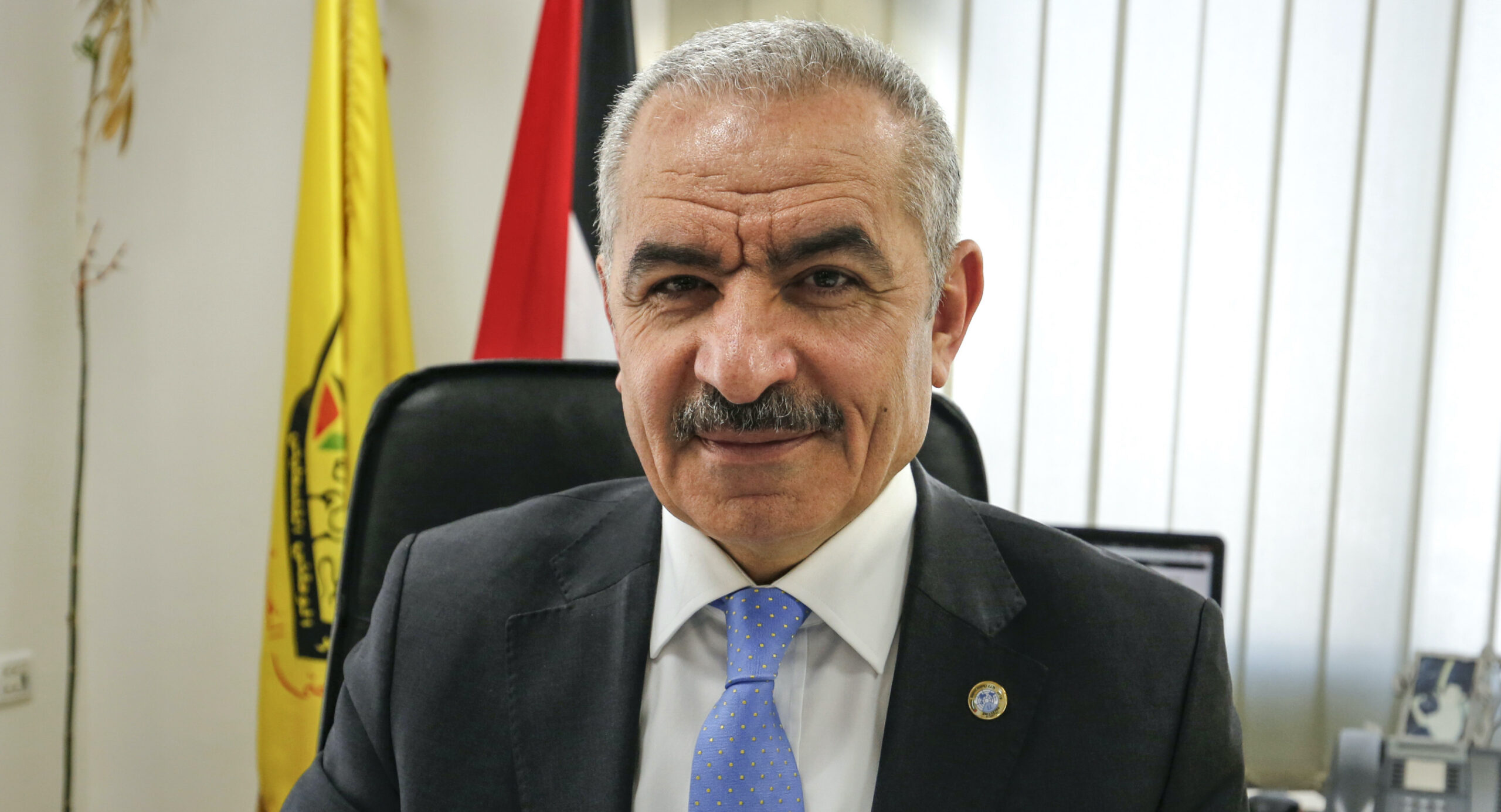
On May 12, 2020, MEI hosted Dr. Mohammed Shtayyeh, Prime Minister of the Palestinian National Authority, for a roundtable discussion on the many crises facing Palestinians and the Palestinian Authority.
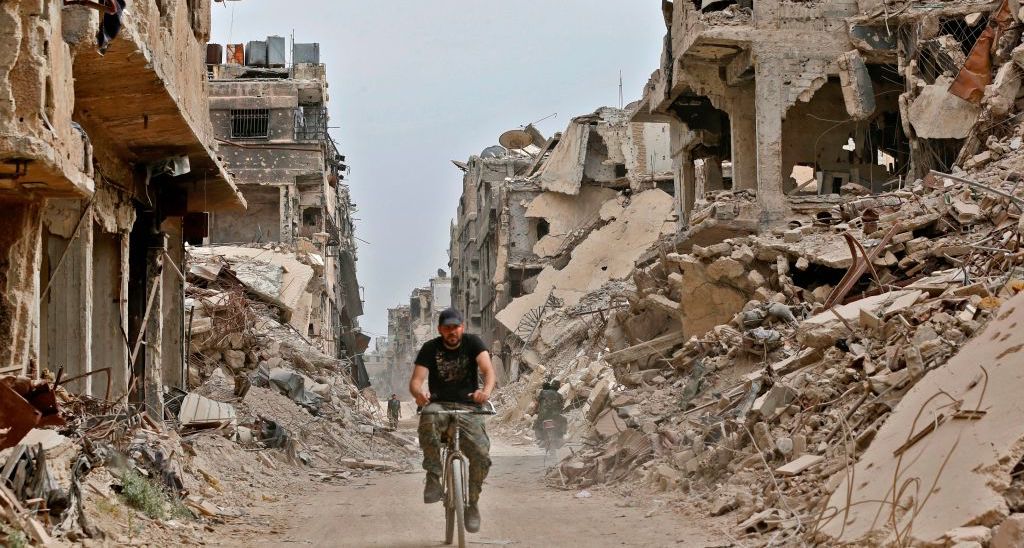
Talking about water pipes: The fraught reconstruction of Syria’s Yarmouk camp
Officials in Damascus say reconstruction plans for what was once Syria’s largest Palestinian refugee community will pave the way for the return of large numbers of displaced residents “as soon as possible.” But with plans beset by delays and vague statements from those same officials, the available evidence suggests otherwise.
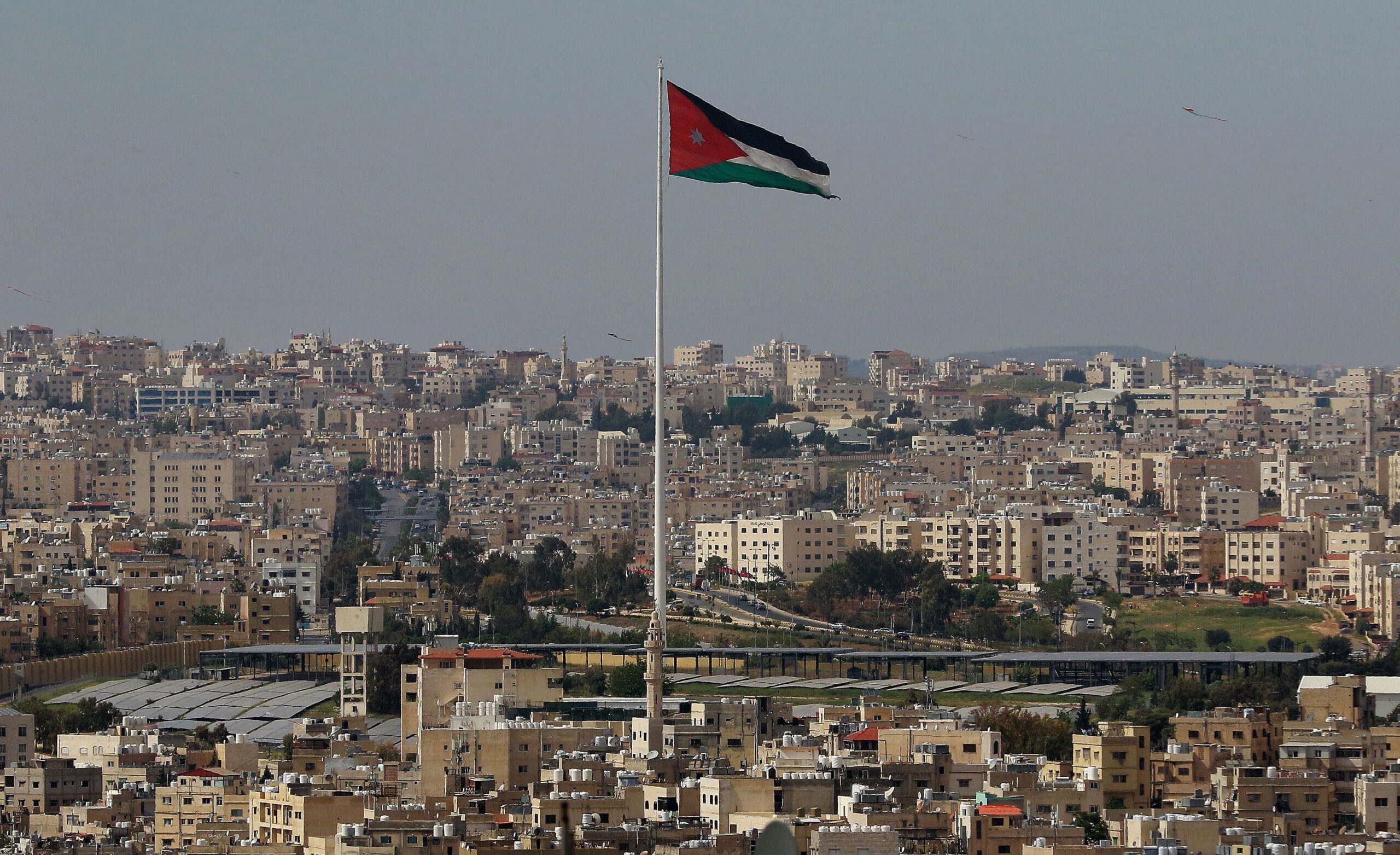
In the wake of COVID-19, Jordan has limited choices if Israel annexes West Bank settlements
For Jordan Israeli annexation of Jewish settlements in the West Bank, as well as the strategically important Jordan Valley, constitutes an existential threat to the kingdom. But now Jordan faces unprecedented economic hardship as a consequence of the coronavirus crisis, and this could limit its scope for action.
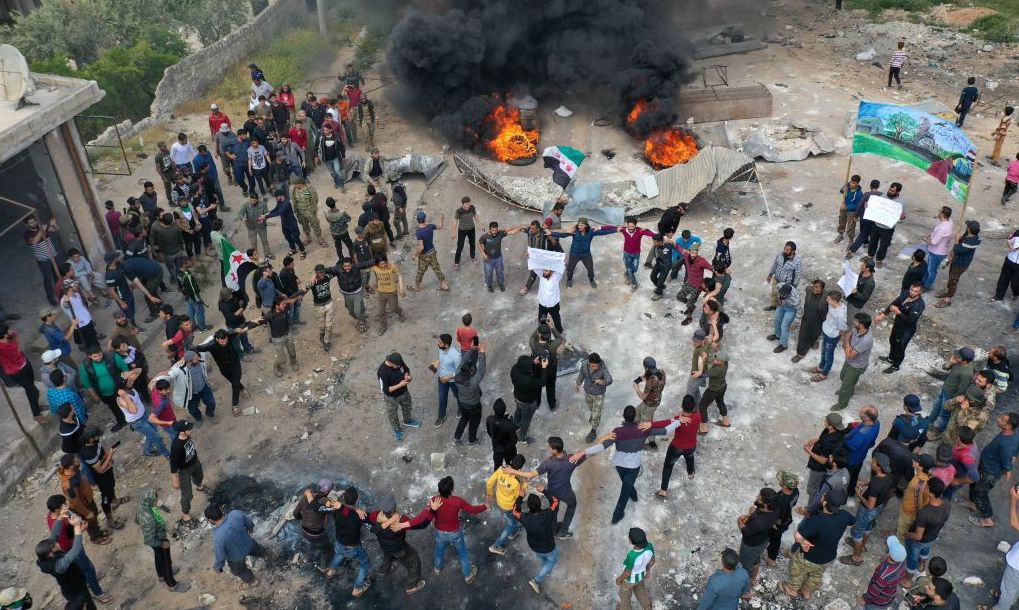
With its territory under increasing pressure, its finances dwindling, and manpower more challenged than ever, HTS’s ability to balance its extremism with controlled uses of pragmatism is under strain. Internally, its leadership is bitterly divided over decisions of the past, present, and future and externally, its rivals and enemies all appear to be conspiring against it. In an attempt to protect internal cohesion, HTS has become determinedly self-assertive in recent weeks, pursuing unpopular policies such as trading with the regime and lashing out at those brave enough to express their dissatisfaction. In response to HTS aggressions, a wider array of opposition voices — both moderate and Islamist — are declaring loudly that HTS now represents a threat to their revolution.
While there is no shortage of rhetorical opposition to Israeli annexation from all corners, the question now is whether any of them intend to follow up their strong words with concrete actions.
Gantz leaves the door open for Arab states to counter annexation
The April 20 Netanyahu-Gantz agreement legitimized the possibility of an Israeli law that will act as a unilateral annexation of parts of the West Bank to start as early as July 1, based on the controversial Trump Middle East plan. Articles 28 and 29 of the deal condition such annexation on the “consent of the Trump administration” and note that such a move would only be possible if the annexation preserves “the security and strategic interests of the state of Israel including the need to keep regional stability, keep existing peace agreements, and pursue future peace agreements.”