Israel-Hamas war: Conflict scenarios, US diplomacy, and shoring up regional stability
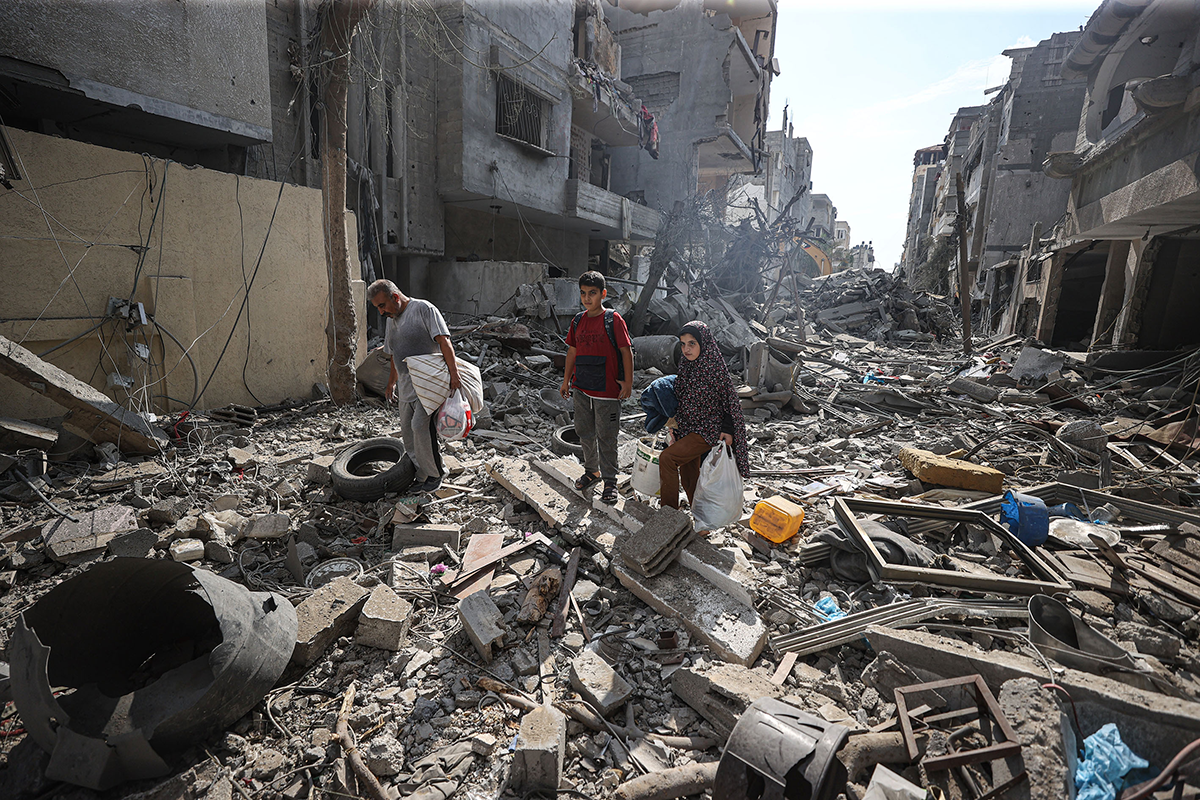
Nine days after the Hamas attack inside Israel, the Israel Defense Forces (IDF) is massing troops for a large-scale ground incursion into Gaza. For now, the outlines and endgame of Israel’s military action are not entirely clear. Meanwhile, escalation is rising along the Israel-Lebanon border and U.S. Secretary of State Antony Blinken is crisscrossing the Middle East communicating both deterrence and diplomacy.
Hamas Has Already Lost. Now, Who Will Win the Peace?
The events that began in Israel on Oct. 7 are a historical hinge. Like 9/11, as has been said, 10/7 will be remembered by most observers as a bright dividing line between “before” and “after.” What’s at stake for Israel—a fight for its survival—has echoes in other battles taking place around the world like Russia’s war against Ukraine and the Iranian regime’s continued repression of its own people. The world keeps moving toward the future, but the past and those retrograde elements that want to move the world backward still want to have a say.
The US Cyber Workforce and Education Strategy: A blueprint for building cyber talent in the Gulf
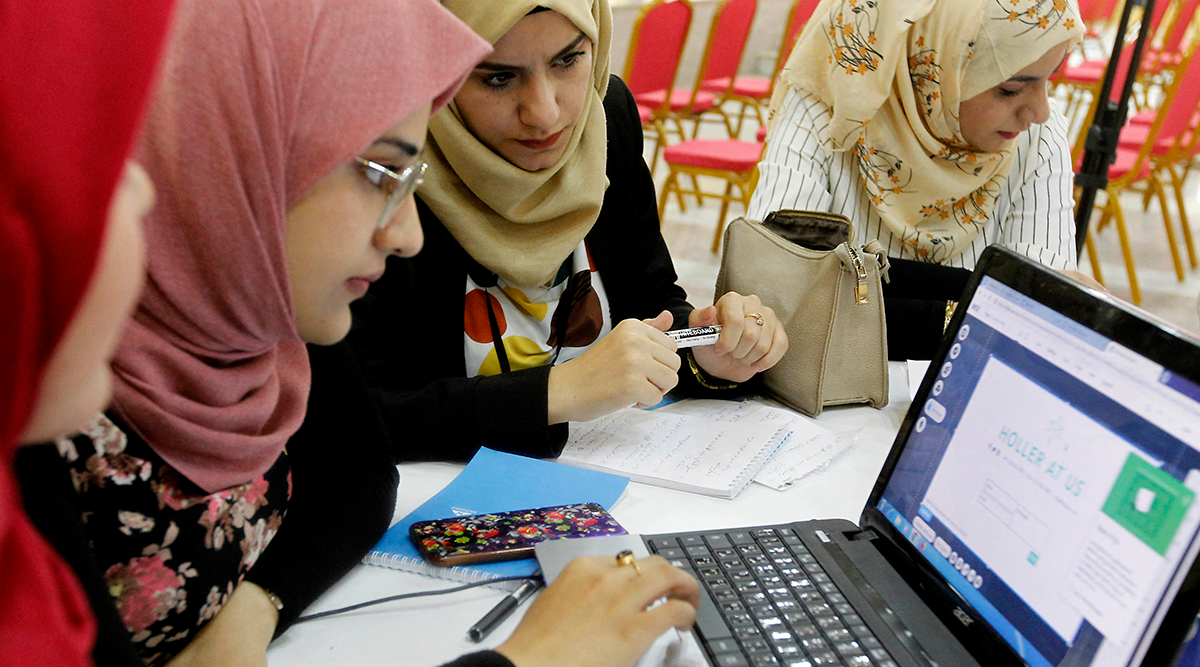
In July 2023, the White House released the National Cyber Workforce and Education Strategy. The strategy is designed to address the cybersecurity workforce shortage by emphasizing skills-based hiring and lifelong learning. It also provides guidance for other nations, particularly in the Gulf region, as they undergo their own digital transformation and work toward gender equality in their workforces.
التحرك بحذر على رمال متحركة: تقييم نهج بايدن في سياسة الشرق الأوسط، 2021-2023
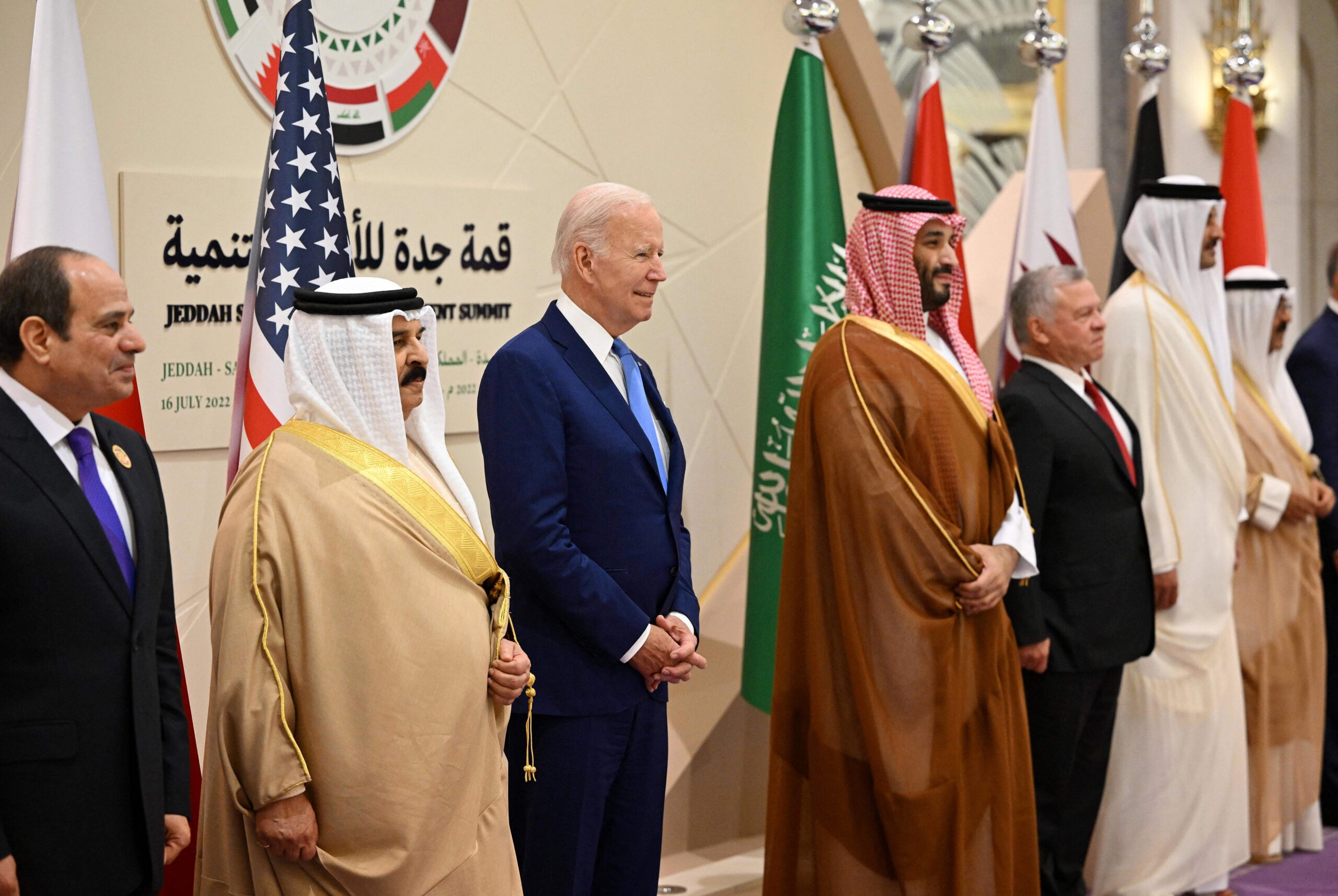
يقدم هذا التقرير تقييماً مؤقتاً لاستراتيجية إدارة بايدن الشاملة تجاه الشرق الأوسط، ويبحث الفرص والمخاطر الاستراتيجية للسياسة الأمريكية في المنطقة بشكل عام.
Enhancing US-EU collaboration in MENA's digital development
Both the U.S. and the EU are increasingly focusing on digital development in the Middle East and North Africa as part of their efforts to support economic growth and tackle the region’s youth unemployment crisis. Deeper transatlantic cooperation in this field would greatly benefit both sides and drive forward digital development in the region.
Just over one year ago, I asked a simple question in The National Interest: What if machine learning—the most famous research paradigm in artificial intelligence (AI) today—is more limited than it seems? I expressed concern that the United States Department of Defense (DoD) could be unprepared for a slowdown or stagnation in AI development (an AI “winter”).
The oncoming Saudi-Israeli normalization: Obstacles, opportunities, and the US role
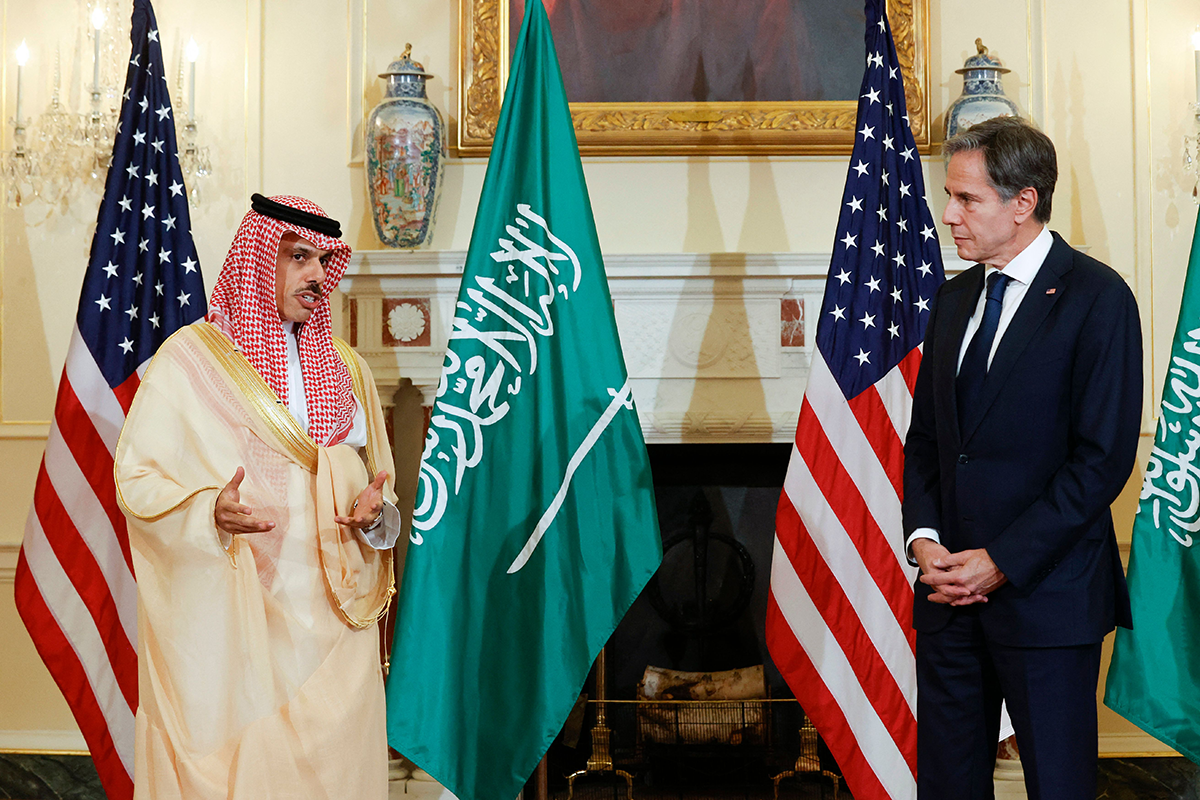
The normalization of relations between Saudi Arabia and Israel is looking increasingly likely, even if it does not take place in the immediate future. For Israel, normalizing relations with as many Arab states as possible — especially if it does not have to give up much in exchange — has always been a strategic goal. For the new Saudi Arabia, those ambitious goals strongly suggest opening up to the Israeli economy.