The Politics of Combating Infectious Diseases in Southeast Asia and the Middle East
This article compares the local responses to the 2012-2018 outbreak of Middle East Respiratory Syndrome (MERS) to that of the Avian Influenza outbreak in Southeast Asia from 2003-2015. How well do countries cope with the spread of new and deadly diseases? Why are some countries better at addressing the problem than others? And, what does this tell us about larger questions concerning states’ abilities to provide public goods (in this case health security) to their citizens and about global systems to prevent pandemics? What this comparison demonstrates is that countries with the ‘strongest’ state capacity to make and implement policy are best able to confront disease outbreaks.
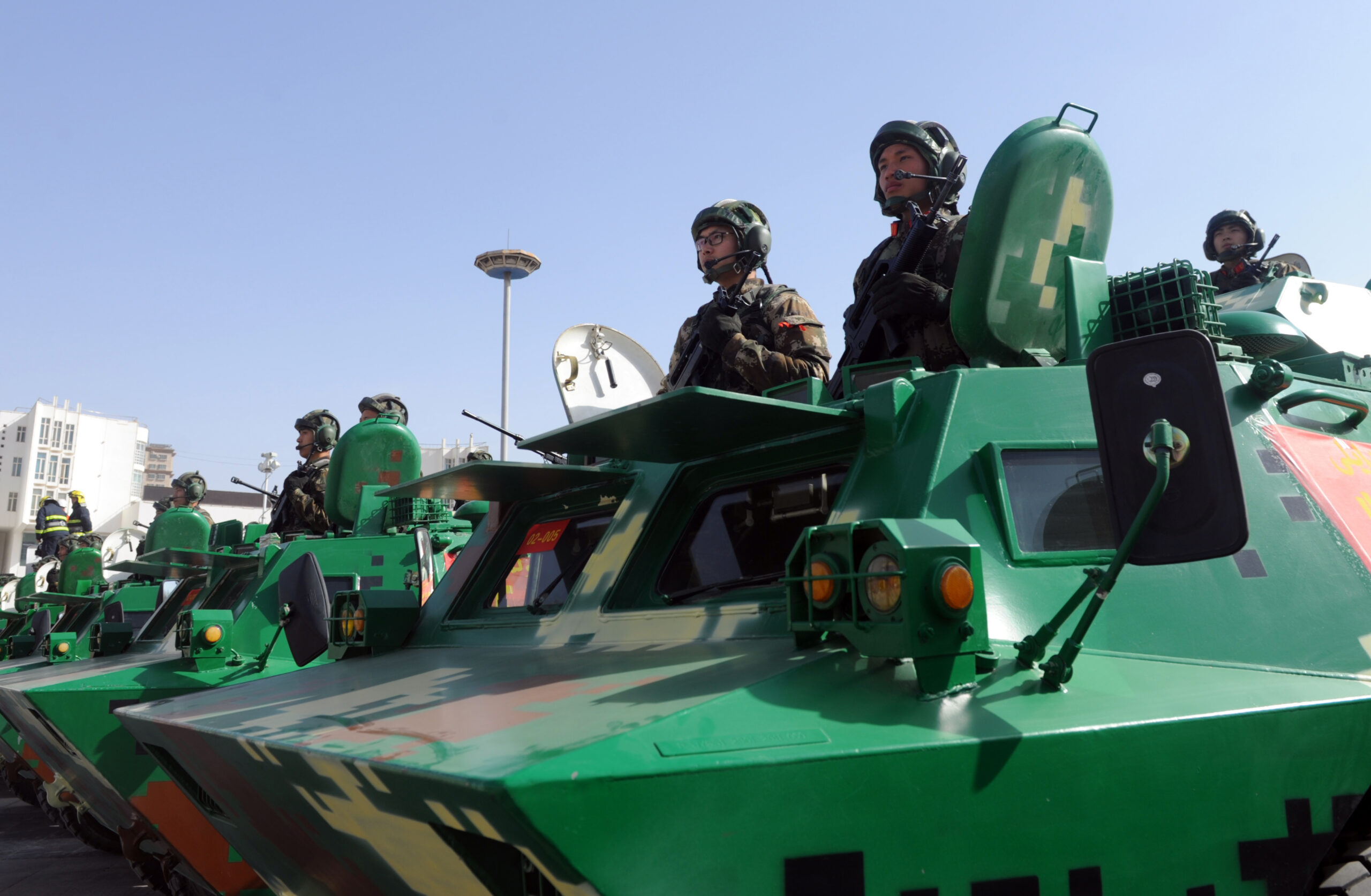
Arab Gulf states silent on China’s Xinjiang crackdown
Unlike other cases of repression against Muslims around the world, such as Myanmar, the Gulf monarchies have been silent about the “cultural cleansing” taking place in China’s Xinjiang Province.
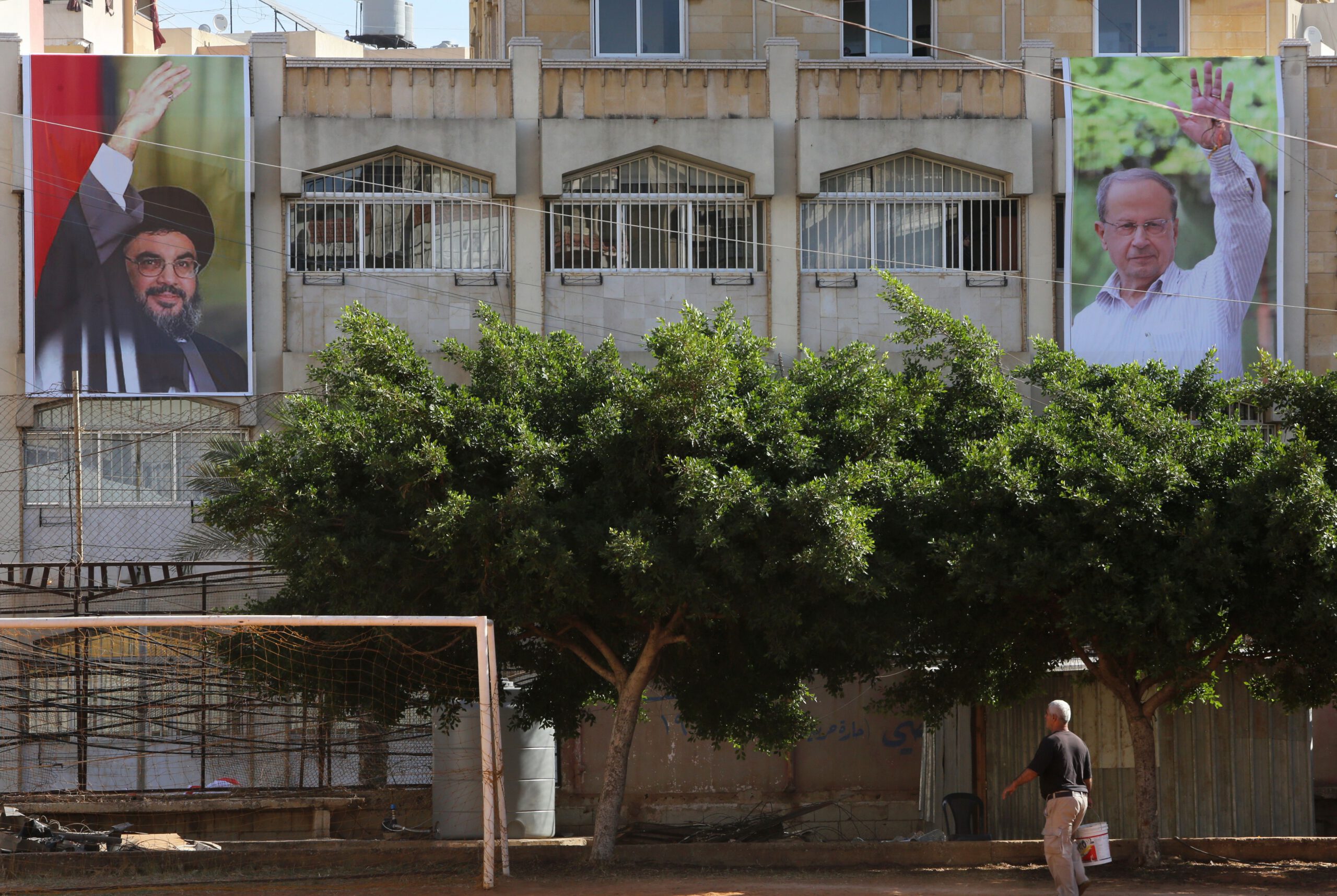
Lebanese President Michel Aoun and Hezbollah remain at loggerheads over the formation of a new government. The dispute has now entered its eighth month and the country is slowly tiptoeing towards a financial crisis.
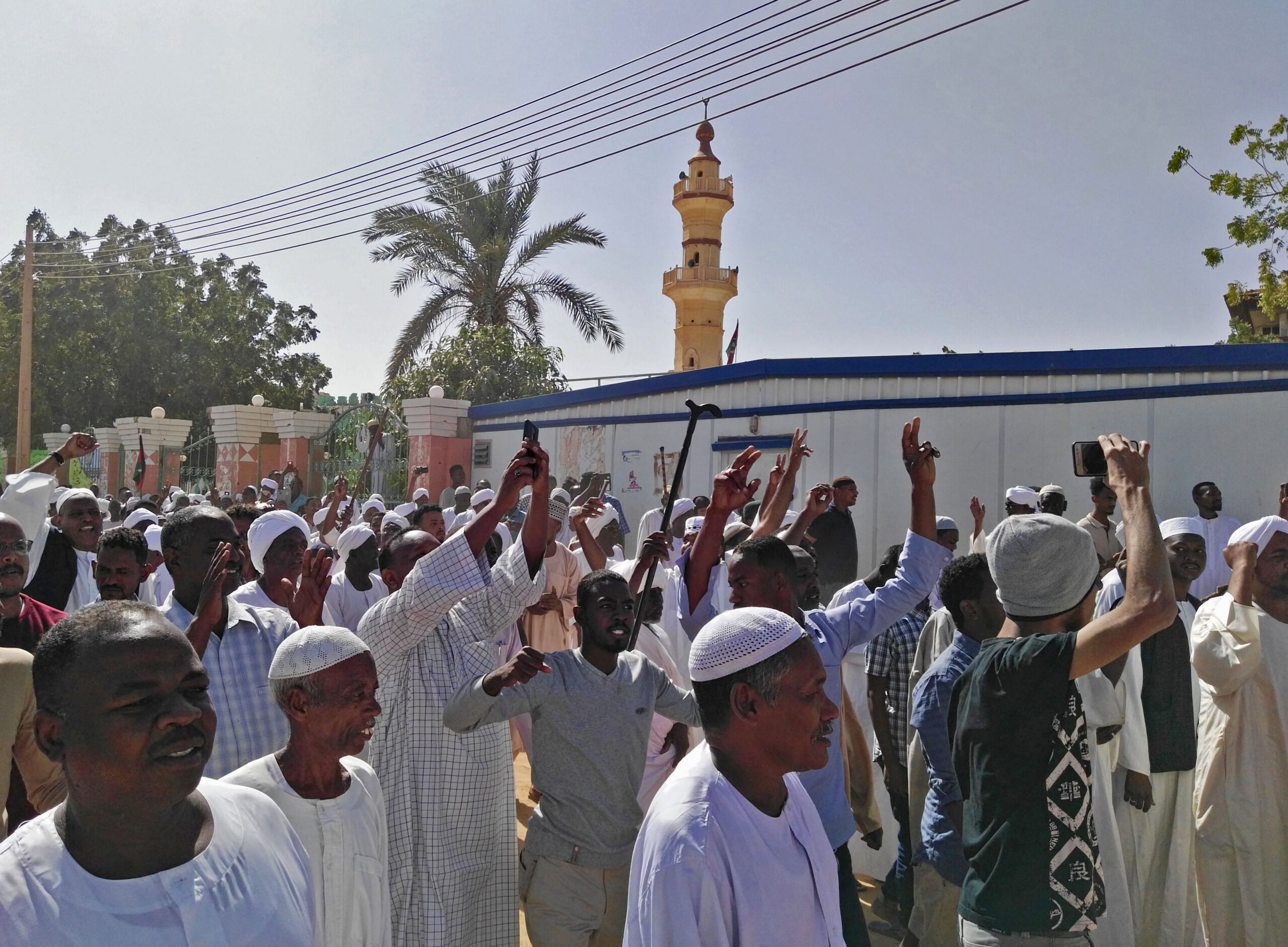
Sudan has faced a wave of protests in recent weeks amid an economic crisis and calls for a change in leadership. Nisrin Elamin, a doctoral candidate in anthropology at Stanford, and Rania Biraq, a Sudanese activist who has been participating in the protests, join host Alistair Taylor to discuss the situation, its parallels to the Arab Spring, and scenarios going forward.
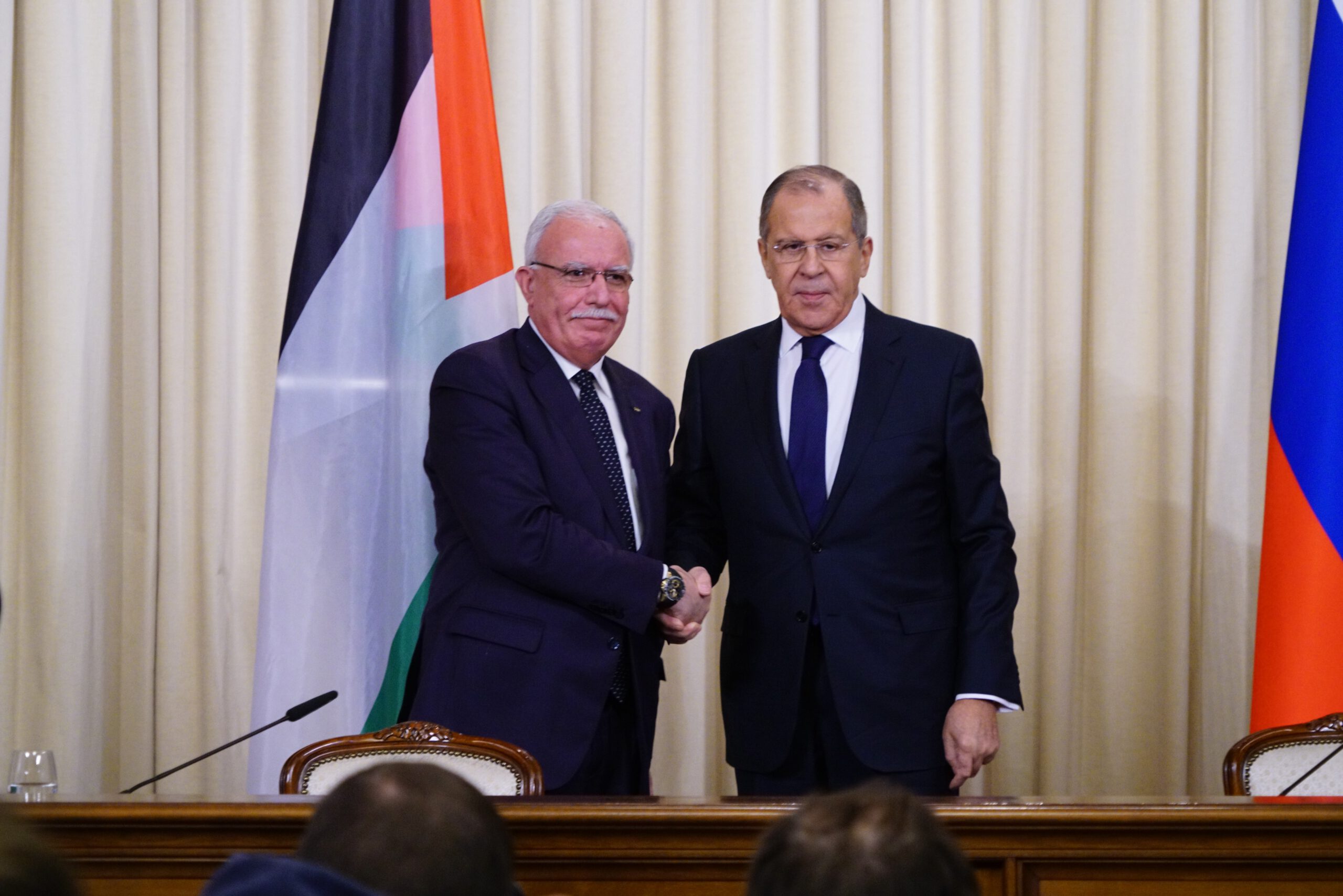
After Syria, Russia vies for influence in the Palestinian sphere
Moscow has renewed its offer to act as an independent, third-party mediator between Israel and the Palestinians as Palestinians grow wary of the Trump administration and question Washington’s traditional role as Mideast peace broker following President Donald Trump’s recognition of Jerusalem as Israel’s capital in December 2017.
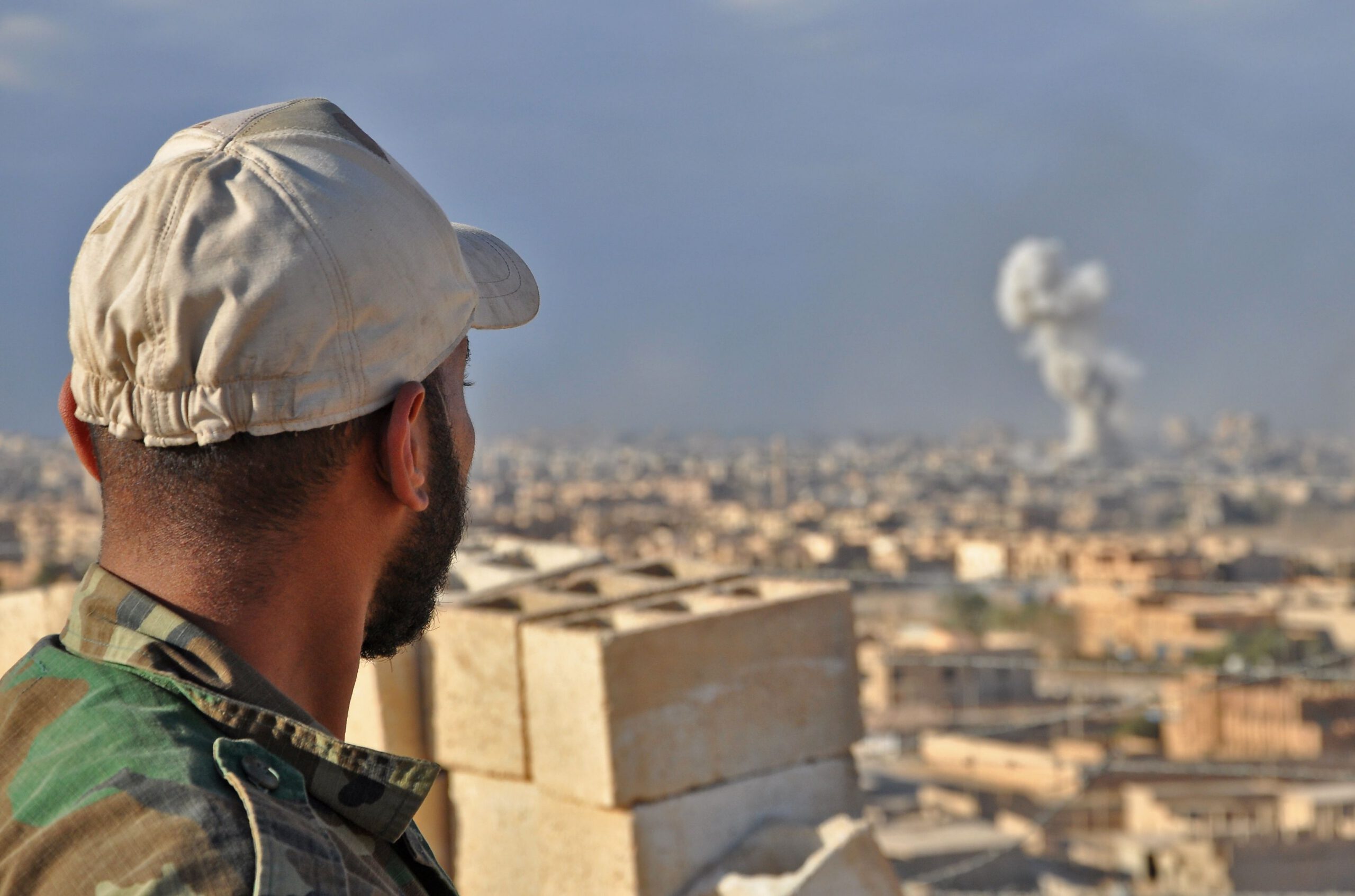
The fight over the spoils of war in Deir ez-Zor heats up
In recent months fighting has repeatedly broken out between Syrian and Iranian-backed militias around Deir ez-Zor, initially over control of taxes and smuggling routes, but increasingly the conflict has taken on a strategic dimension as well.
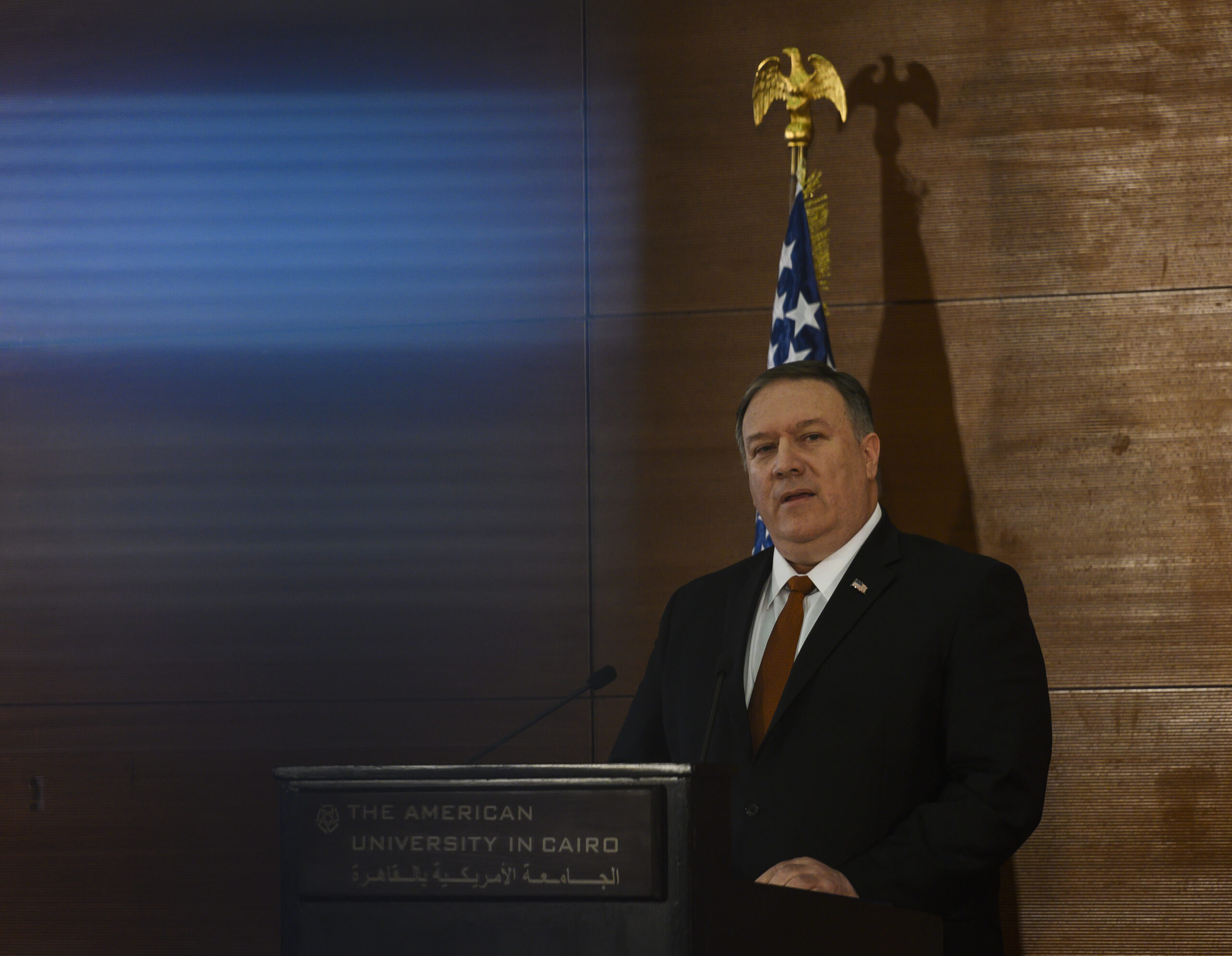
Weekly Briefing: Pompeo’s visit raises more questions than it answers
In this week’s Monday Briefing, MEI experts Gerald Feierstein, Paul Salem, Alex Vatanka, W. Robert Pearson, and Mirette F. Mabrouk provide analysis on recent and upcoming events including Secretary of State Mike Pompeo’s recent visit to the Middle East, recent protests in Sudan, Iranian outreach to Baghdad, President Trump’s discussion with President Erdogan on treatment of the Kurds, and the first meeting of the East Mediterranean Gas Forum.
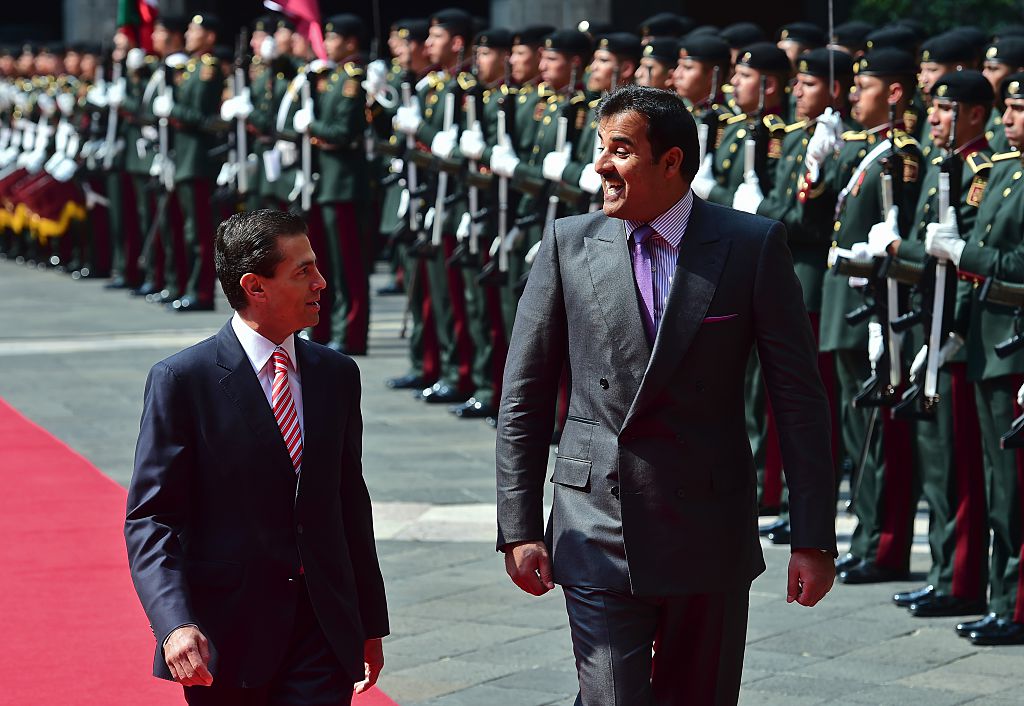
A growing partnership: Gulf crisis fosters Qatar-Mexico ties
Since Sheikh Tamim became emir in 2013, and especially since the diplomatic and economic blockade of Qatar began in mid-2017, Doha and Mexico City have begun to develop an increasingly fruitful partnership.
Extra: Turkey’s domestic and foreign challenges in 2019
MEI’s Gonul Tol and Robert Pearson join host Alistair Taylor for a deeper dive into Turkey’s upcoming local elections in late March, the country’s economic slowdown, and its foreign policy challenges in Syria.
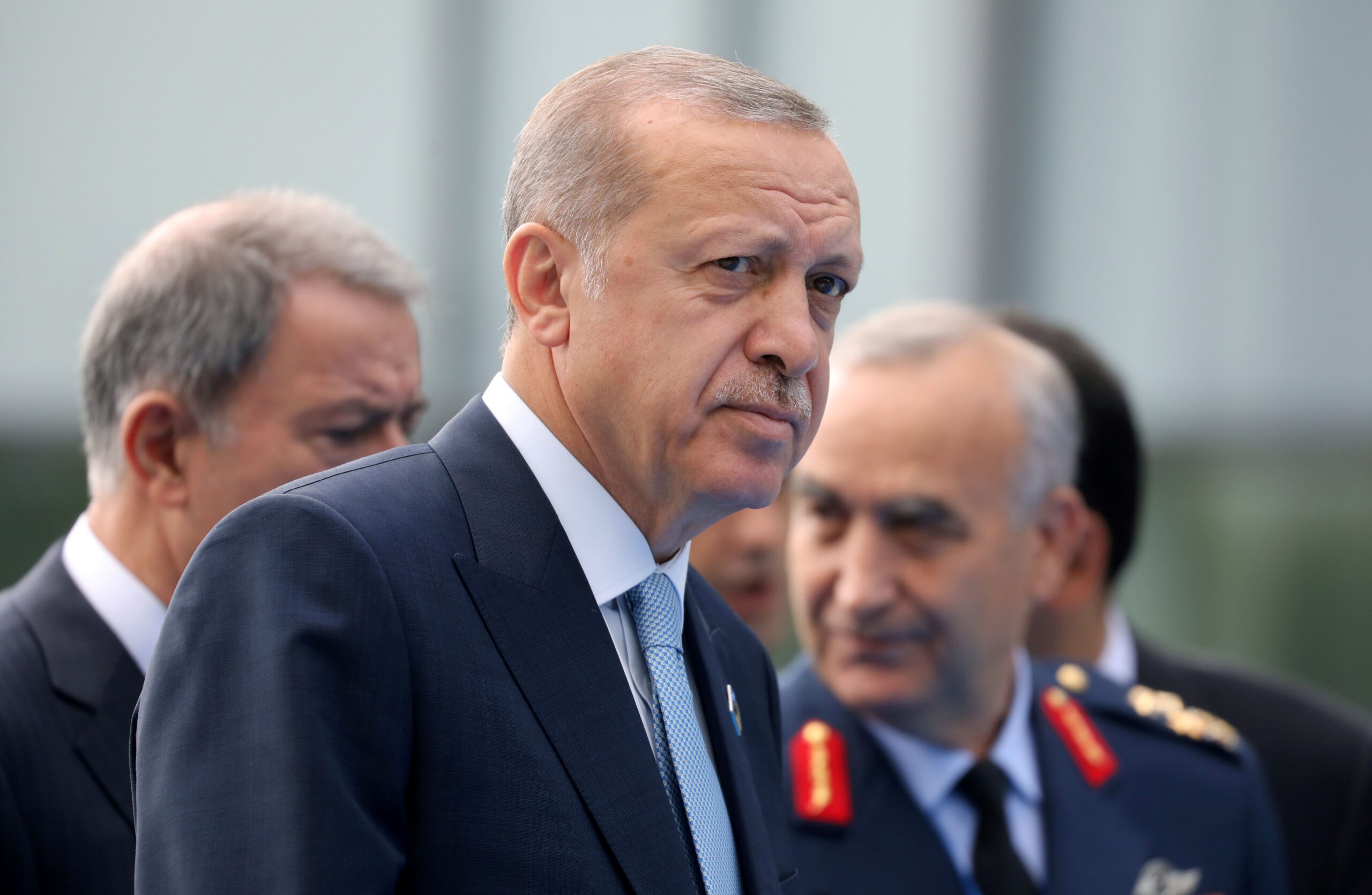
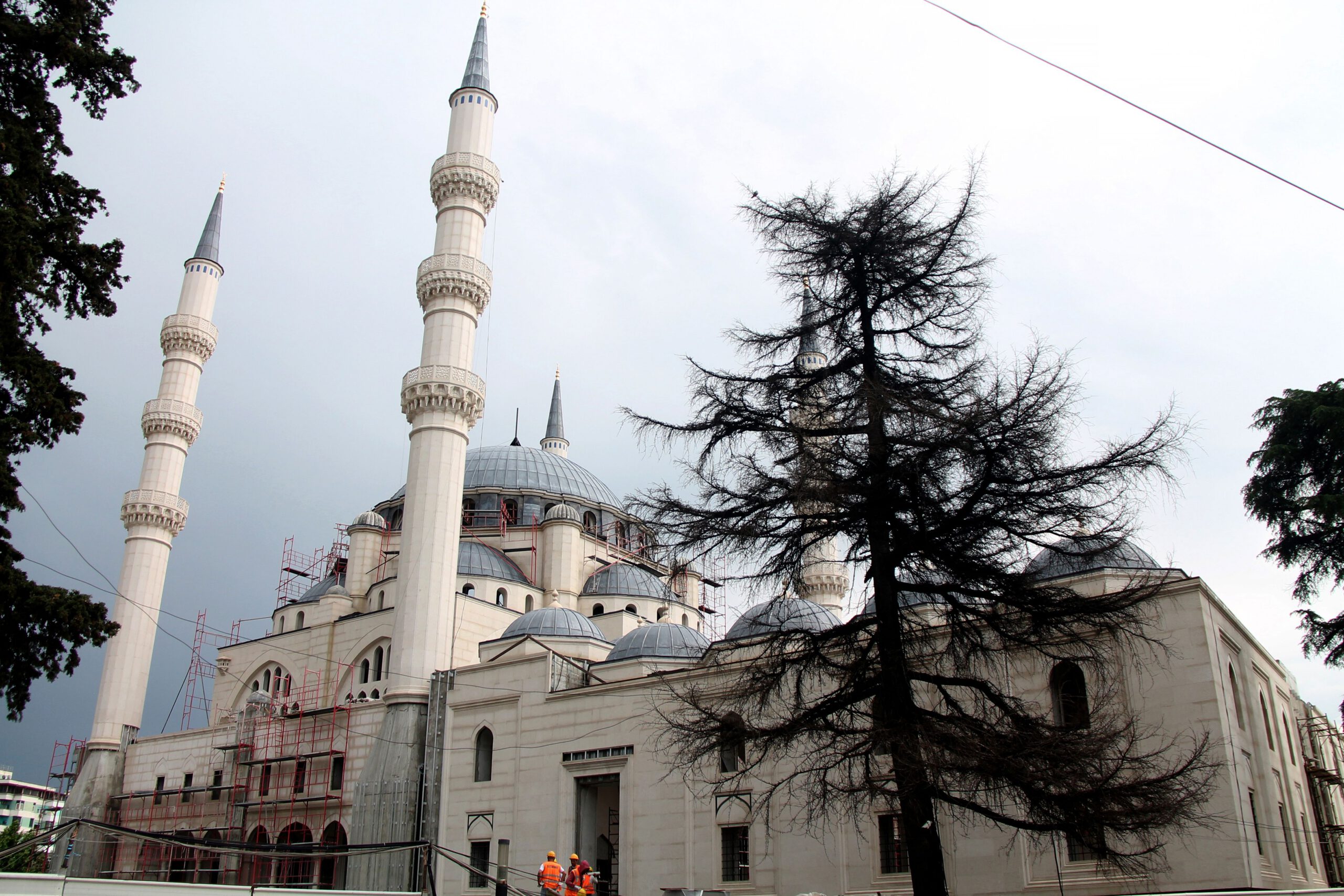
Under the leadership of Turkish President Recep Tayyip Erdogan, whose Justice and Development Party (AKP) has Islamist roots, religion has become a critical instrument of Turkish foreign policy.
Saudi Arabia travels back to the future with King Salman Energy Park
The launch of King Salman Energy Park, a new megaproject intended to reinforce Saudi Arabia’s position as a global energy hub, reflects a more cautious approach to economic development in the kingdom and foreshadows a less ambitious economic agenda in 2019.
In our first episode of 2019, MEI experts Paul Salem, Charles Lister, Ahmad Majidyar, Randa Slim, Gonul Tol, Robert Pearson, and Gerald Feierstein discuss the significant policy developments and announcements of the past few weeks and outline the major issues to watch in the year ahead.
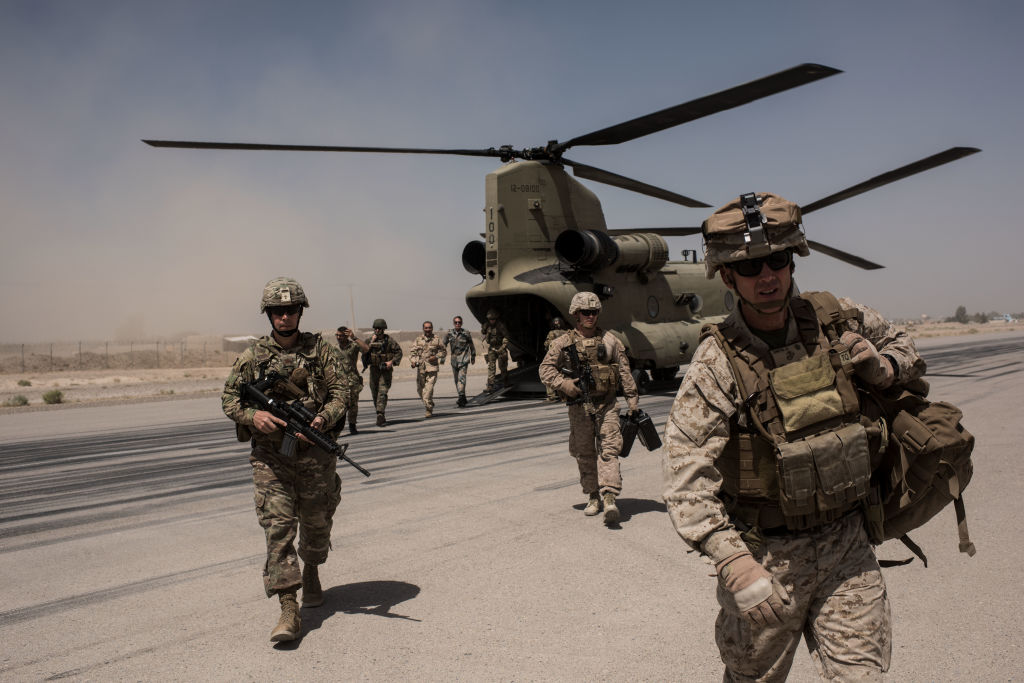
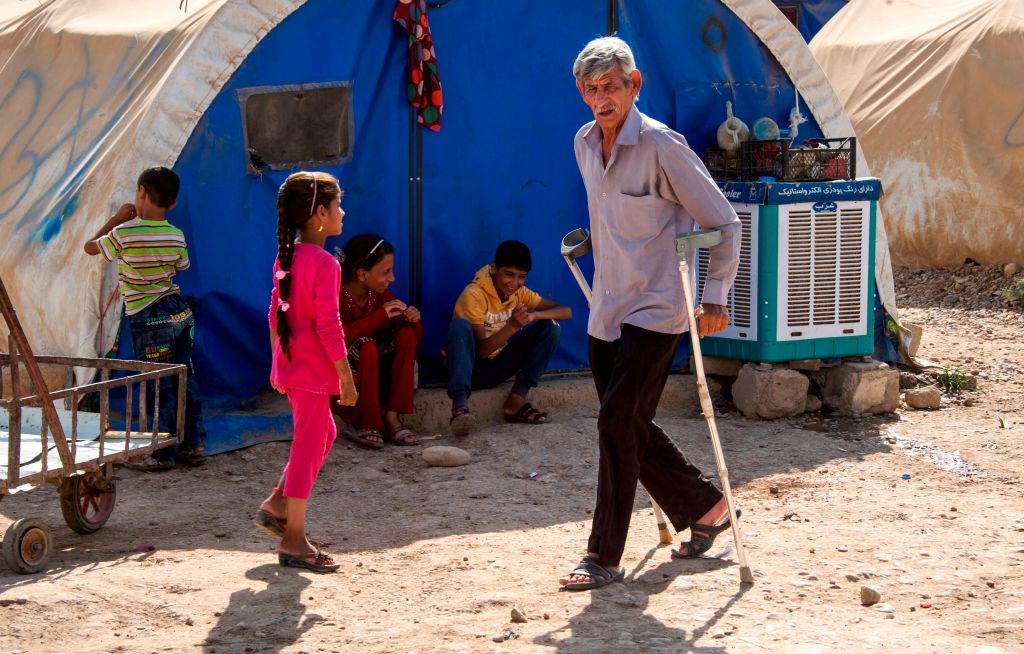
A year after the defeat of ISIS in Iraq, what has changed?
On Dec. 9, 2017, Iraq’s then prime minister, Haider al-Abadi, declared victory over ISIS. However, in the year since then Iraq has continued to face critical challenges, including an internally displaced person crisis and the legitimization of militia groups.