The cross-currents shaping Washington’s Iranian oil policy
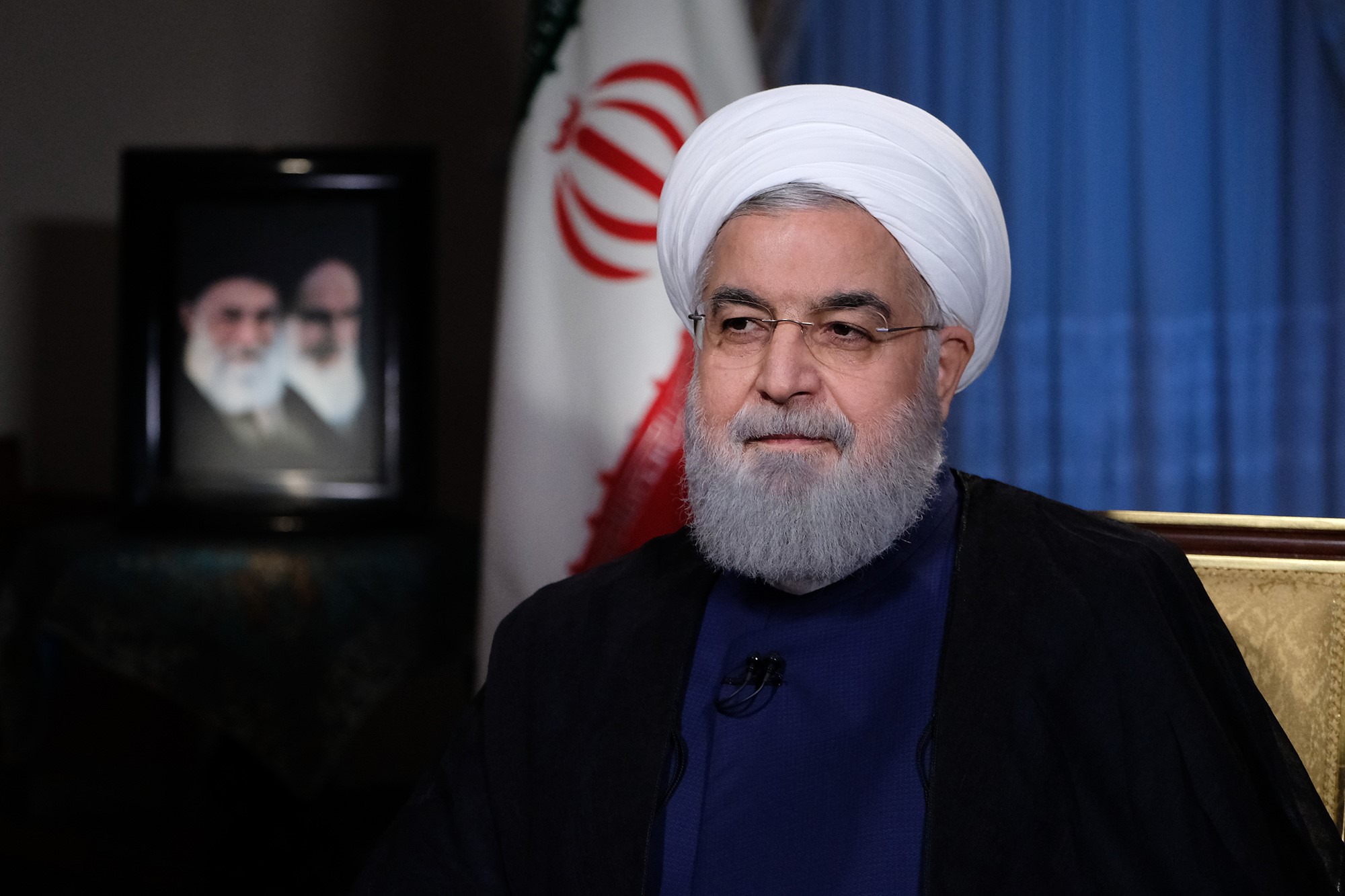
Although the Trump administration has said it will issue temporary waivers to some major importers of Iranian oil, further declines in Iran’s exports are likely after sanctions come into effect on Nov. 4.
MEI’s Alex Vatanka and Jean-Francois Seznec join host Paul Salem to discuss the impact of incoming U.S. sanctions on Iranian energy exports on Iran’s economy, the Gulf, and energy markets in general.
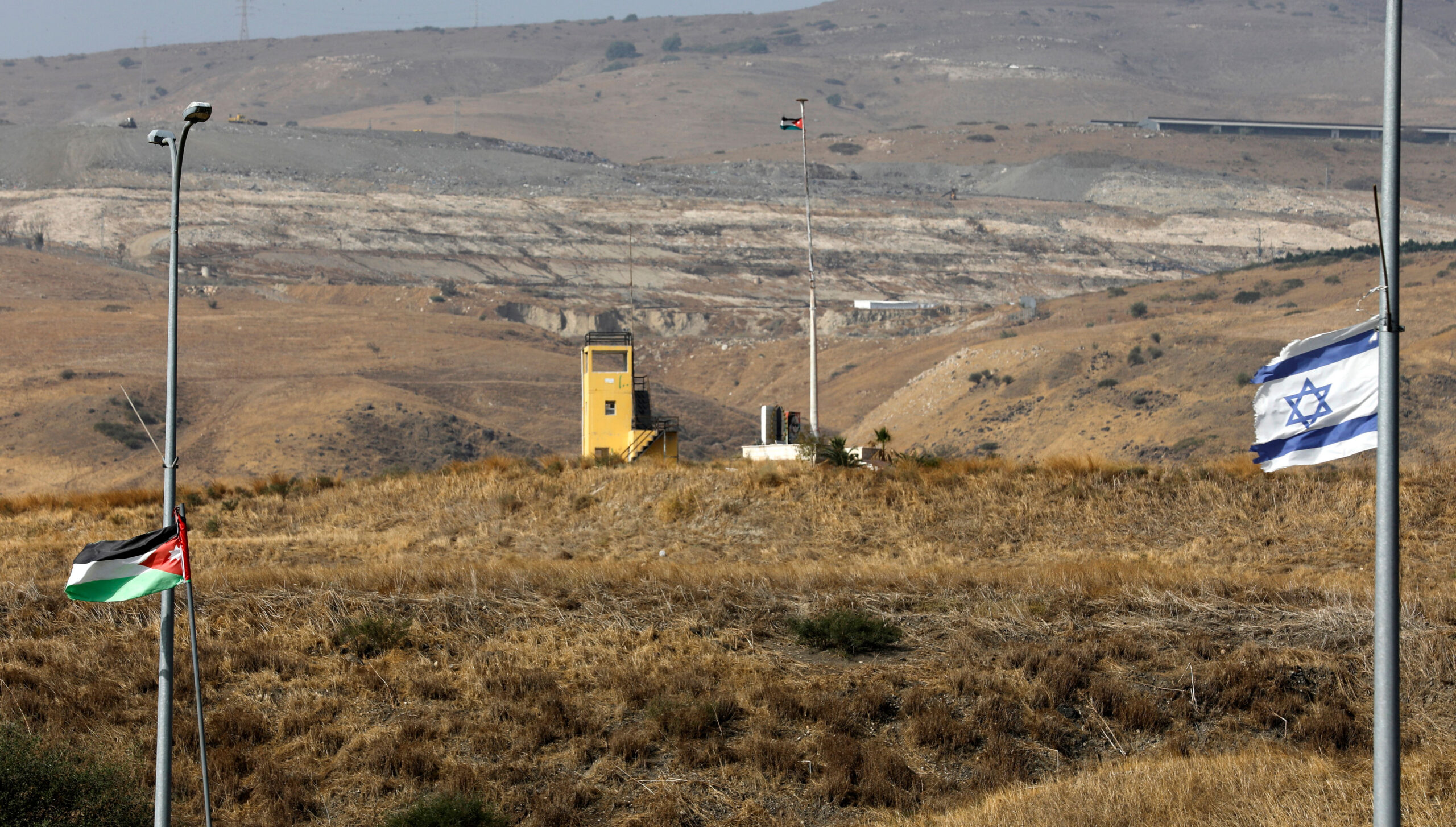
Challenging the cold peace: Jordan’s cancellation of the land lease
King Abdullah’s decision to cancel a 25 year land lease to Israel is likely to exacerbate long-simmering tensions between the two nations and challenge the cold peace that has been in place since 1994.
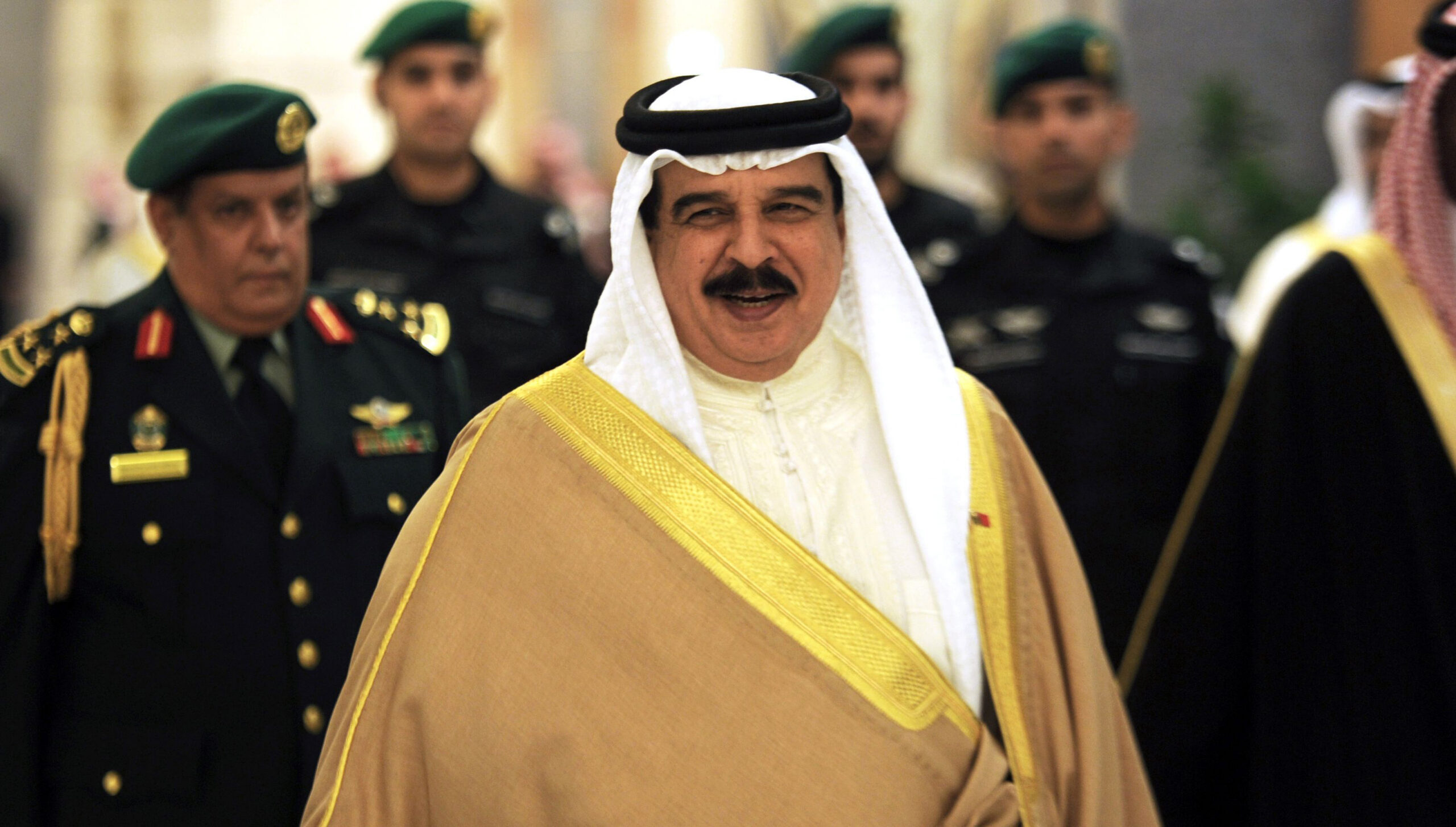
The GCC aid package for Bahrain illustrates how massive capital flows underlie the contentious politics and strategic alliances within the Gulf and broader Middle East.
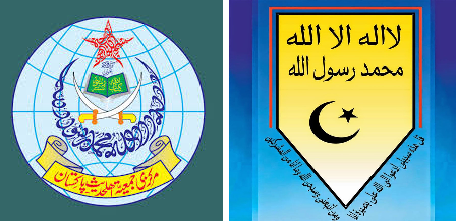
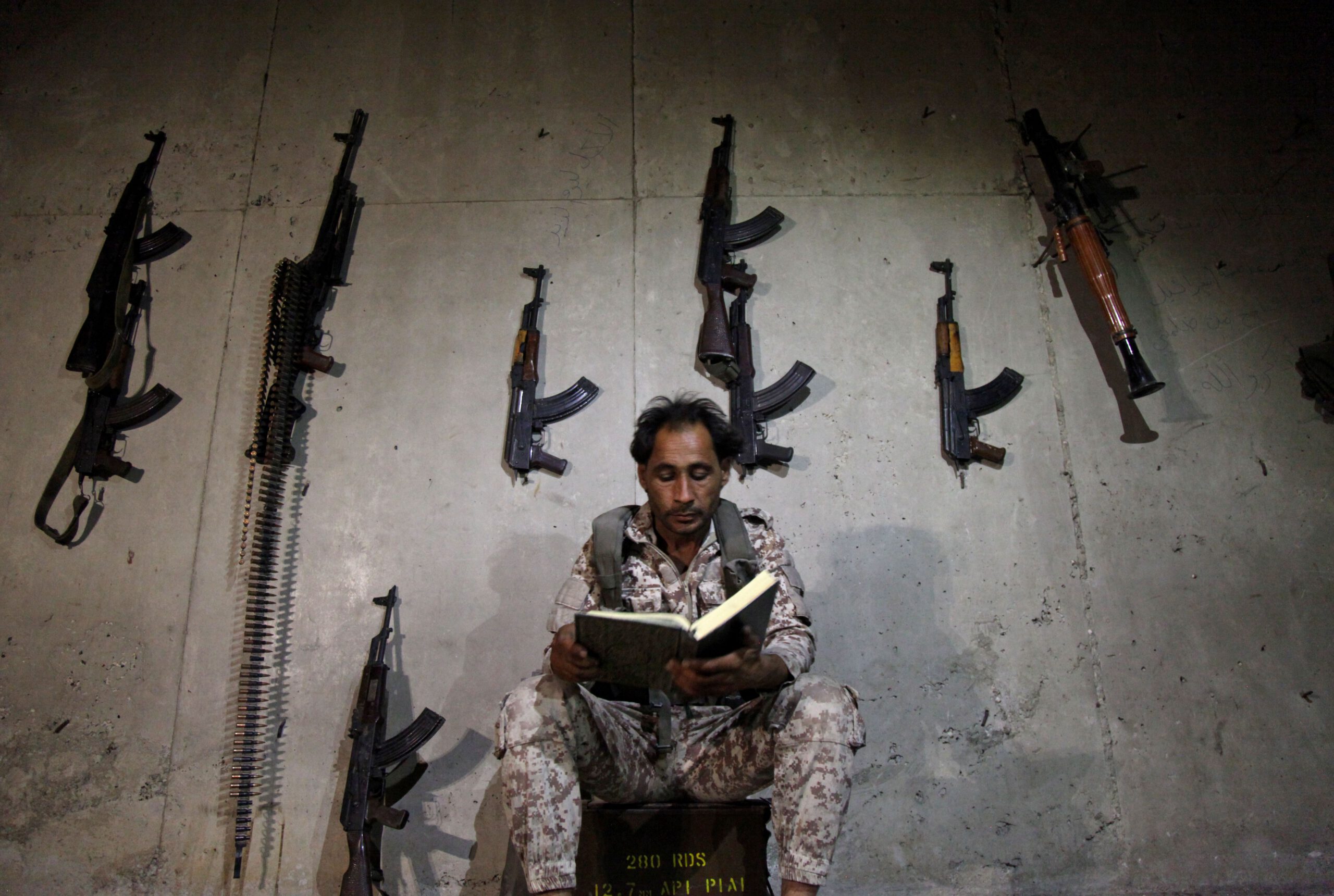
Trajectories of Political Salafism: Insights from the Ahle Hadith Movement in Pakistan and Bangladesh
The recent research on Salafism has focused almost entirely on the Middle East, while neglecting other world regions, such as Asia. However, the region of former British India, and, especially, the Islamic Republic of Pakistan and the People’s Republic of Bangladesh that emerged from the partition of India in 1947 and 1971, respectively, provide highly interesting insights into the trajectories that the development of political Salafism can take. In this region, the Ahle Hadith school of thought, the South Asian variant of Salafism, has a tradition of political activism that predates the emergence of political Salafism in the Middle East.
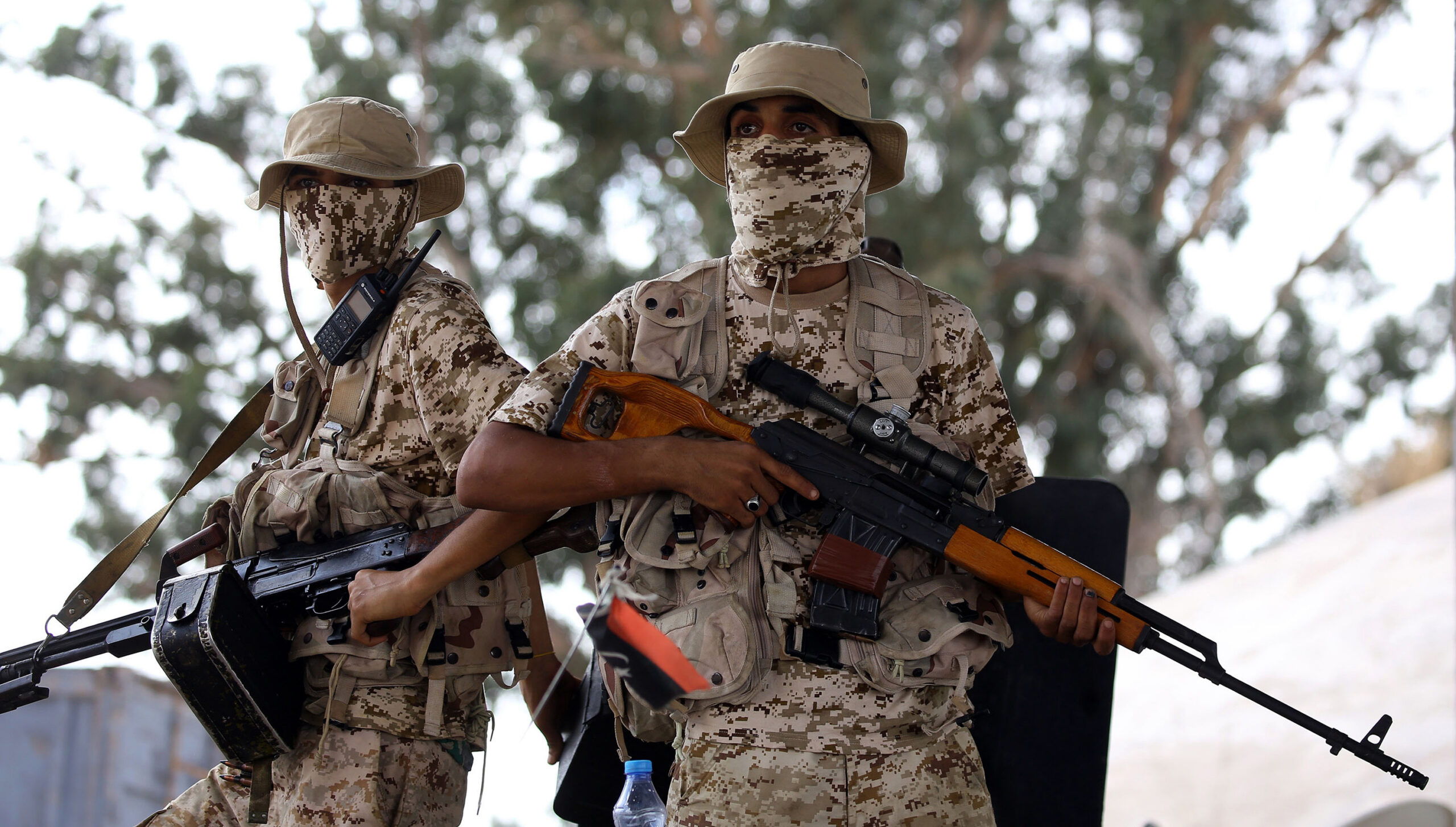
The UN’s “Plan B” for Libya needs a security solution, too
The UN has undertaken a series of steps to push Libya beyond the uneasy stability imposed by the militias. Together with Plan B, an economic-military-political package could provide the means to do so.
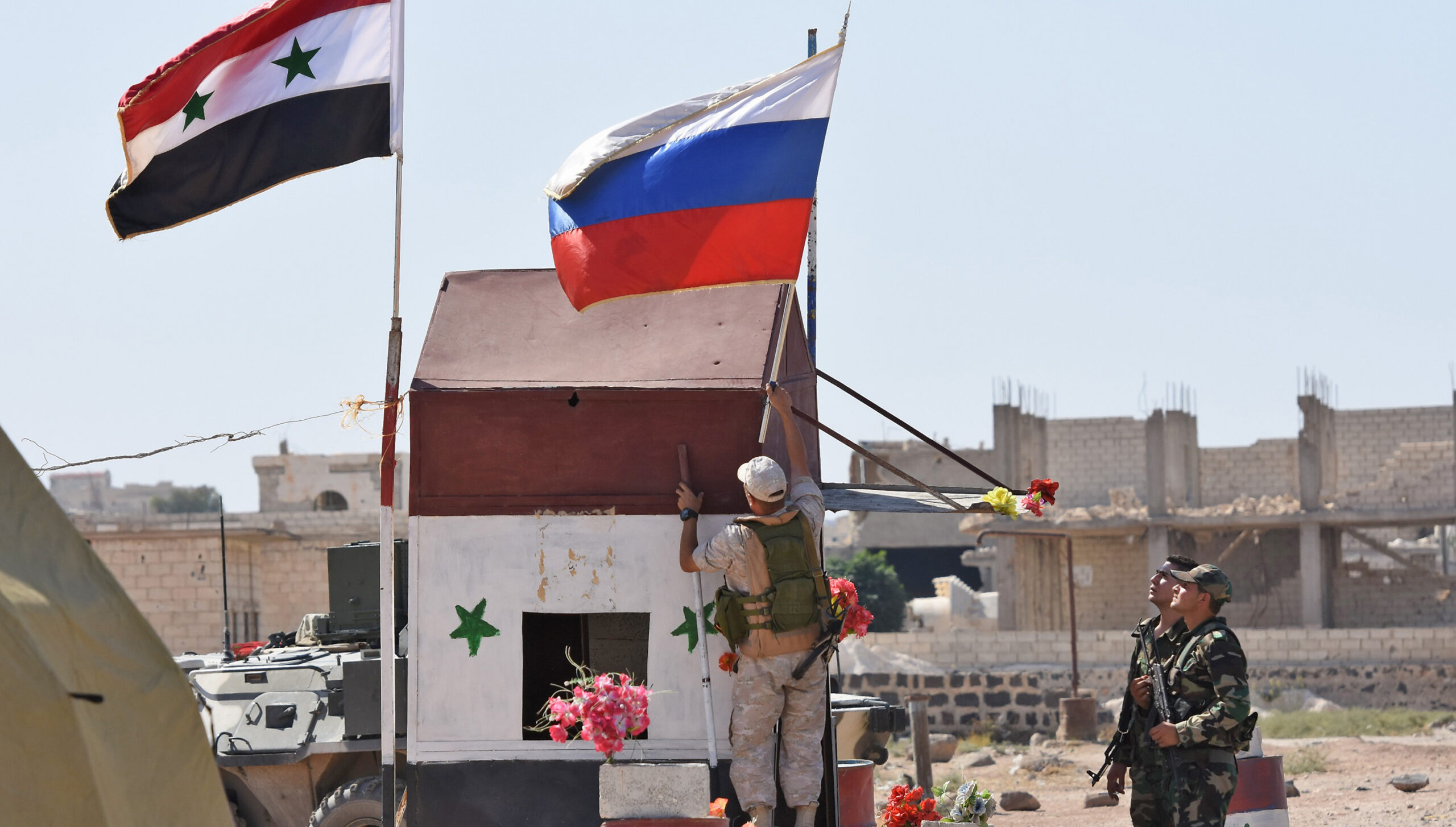
The Tiger Forces: Pro-Assad fighters backed by Russia
The Tiger Forces is a Syrian Air Intelligence-affiliated militia fighting for the Syrian government and backed by Russia. While often described as the Syrian government’s elite fighting force, this research portrays a starkly different picture. The Tiger Forces are the largest single fighting force on the Syrian battlefield, with approximately 24 groups comprised of some 4,000 offensive infantry units as well as a dedicated artillery regiment and armor unit of unknown size. Beyond these fighters are thousands of additional so-called flex units, affiliated militiamen who remain largely garrisoned in their hometowns along the north Hama and Homs borders until called on to join offensives as needed.
In this week’s Monday Briefing, MEI experts Alex Vatanka, Marvin G. Weinbaum, and Charles Lister provide analysis on recent and upcoming events including Iran’s decision to sell its oil in the private sector, the prime minister of Pakistan’s search for foreign aid, and the Syrian summit in Istanbul.
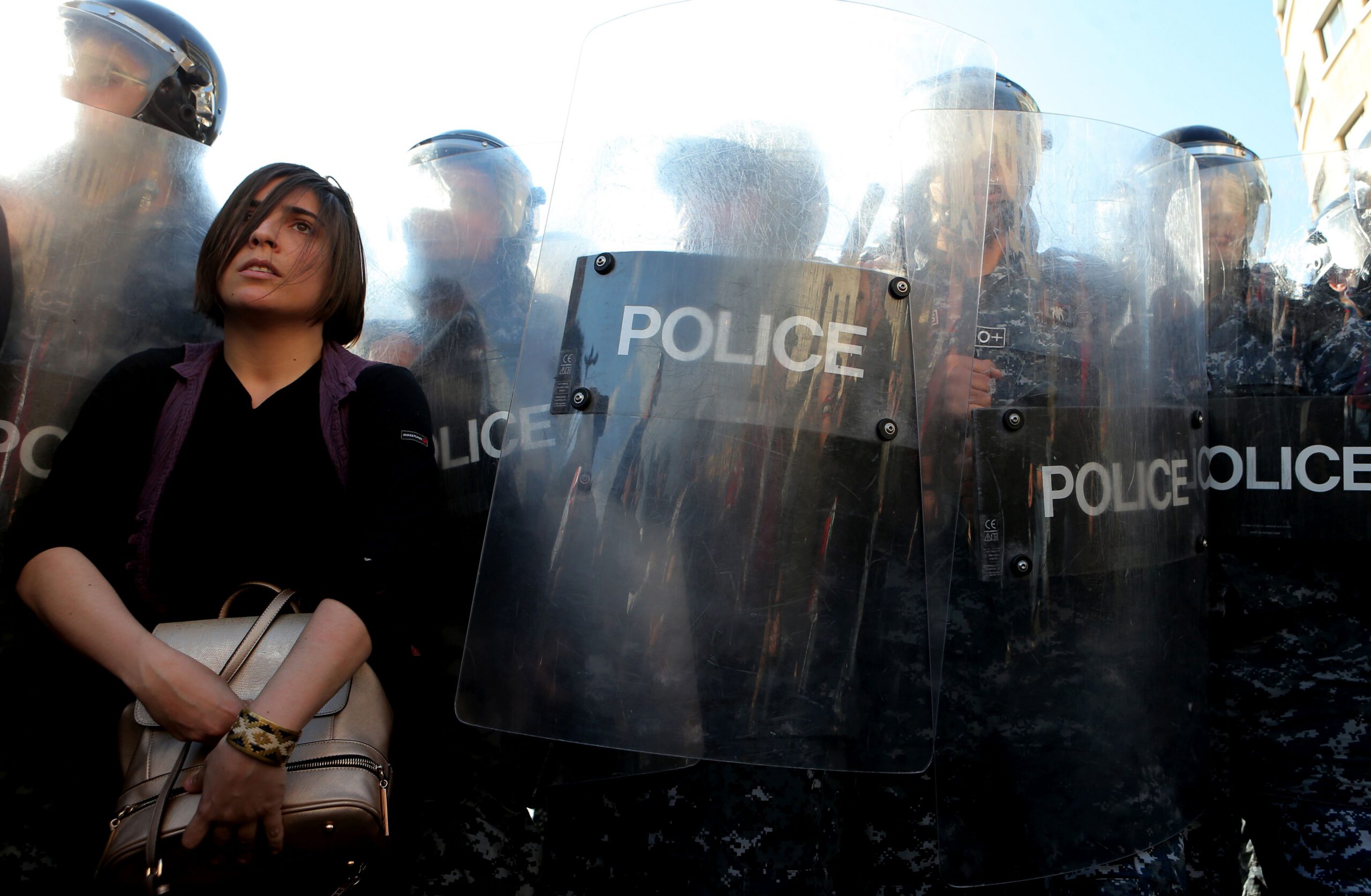
This article discusses the fundamental shortcomings of US and UK-promoted police reform in Lebanon. First, it presents two separate community policing projects implemented in Lebanon supported by the United States and Britain. Then, drawing on recent experiences with community policing in the United States, it argues how, why and to what extent these projects in Lebanon are not contributing to human security, but rather increasing the insecurity of local communities.
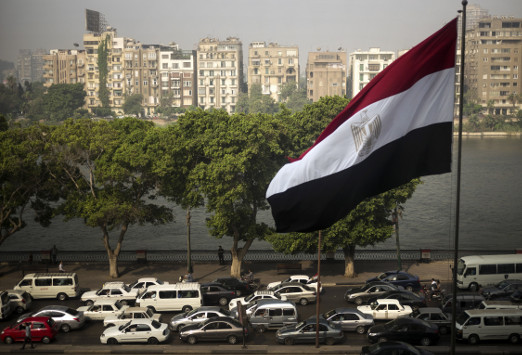
The stakes behind the story: How Egypt’s media covered the Khashoggi case
As the Khashoggi drama became to big to ignore, Egypt’s state-owned and private media coverage of the story confirmed that Egypt could not afford to harm its ties with Saudi Arabia.
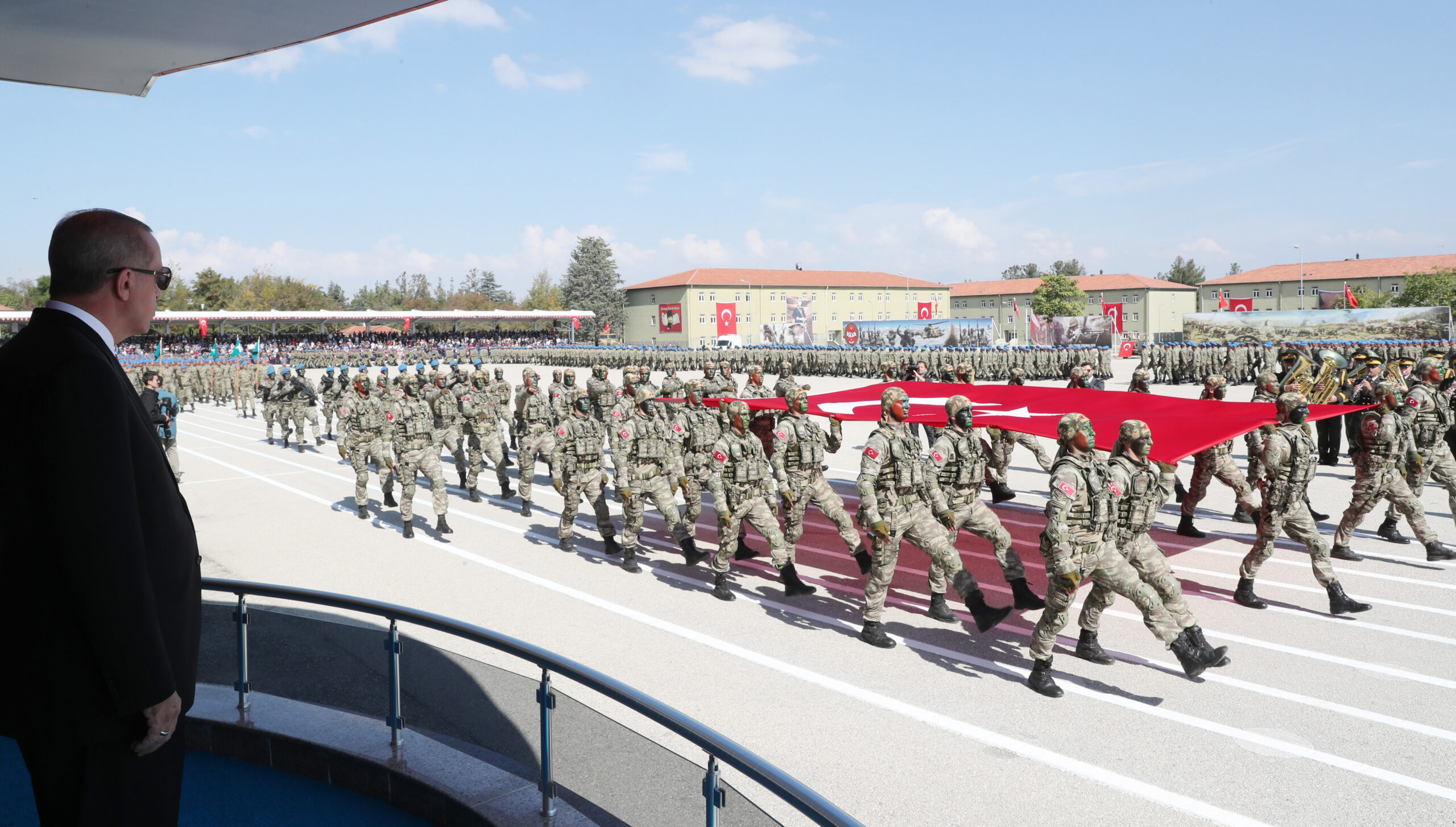
October 25, 2018 – This week, in a highly anticipated speech on the Khashoggi affair, Turkish President Erdogan promised a lot but said little; the “Davos in the Desert” conference opened in Riyadh with an appearance by the Saudi crown prince; and the United States continued to send mixed signals. Karen Young, resident scholar at the American Enterprise Institute, and Gonul Tol, director of MEI’s Turkey program, join host Paul Salem to discuss the latest developments.
The primacy of praxis: Clerical authority in the Syrian conflict
A close look at the competing claims, actors, and movements for authority within the Syrian civil war reveals three distinct periods of political and religious influence: that of Syrian scholars, who were the first to inject religious language into the revolution; that of Salafi scholars predominantly from the Gulf; and lastly, that of jihadi organizations like ISIS and Hay’at Tahrir al-Sham, who were active on the ground.
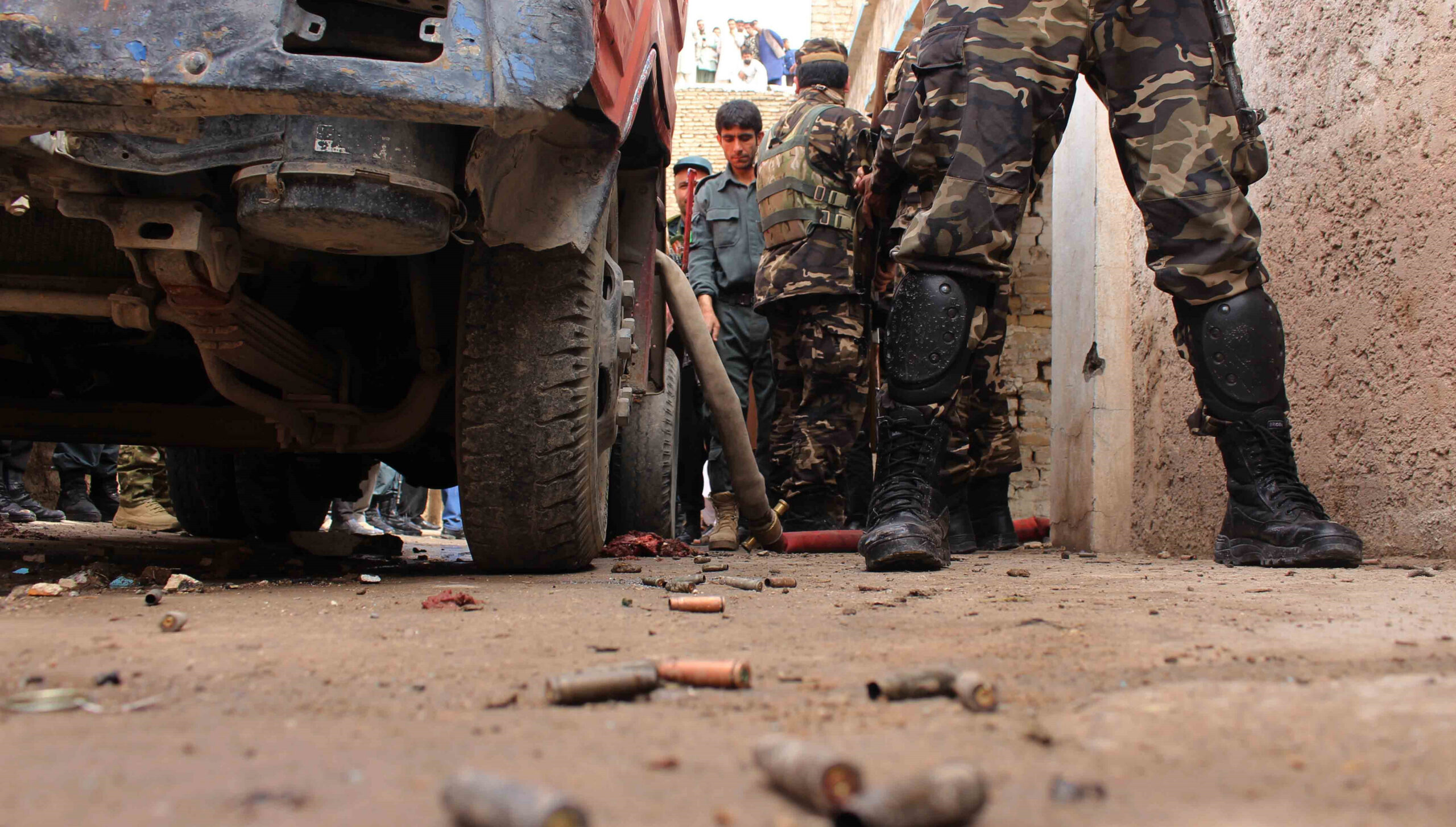
As Khalilzad leads U.S. efforts to bring the Taliban to the negotiating table, he faces immense challenges from geopolitical entanglements and regional rivalries surrounding the Afghan conflict.
Standing up to China on Human Rights: The Case of the Uyghurs
After becoming a significant global player in the world economy and the global geostrategic calculus, China now seeks to redefine the normative framework that determines how states engage with their citizens and with each other. This strategy has considerable implications for the principle of universal human rights. The challenge to human rights universalism is exemplified by China’s crackdown on the country’s Uyghur minority.