Finding a way forward in the Baghdad-Erbil oil dispute
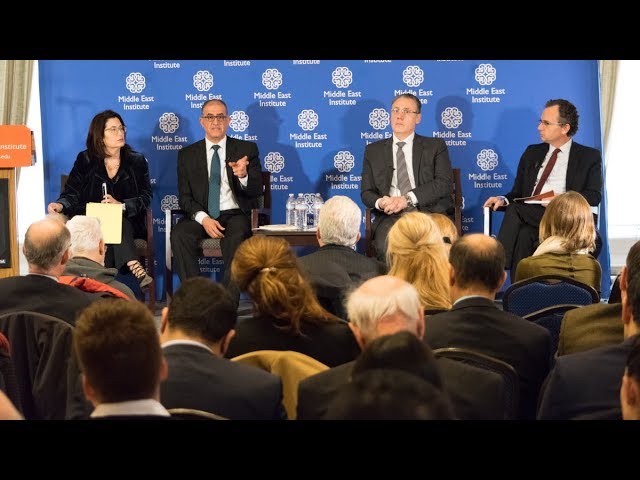
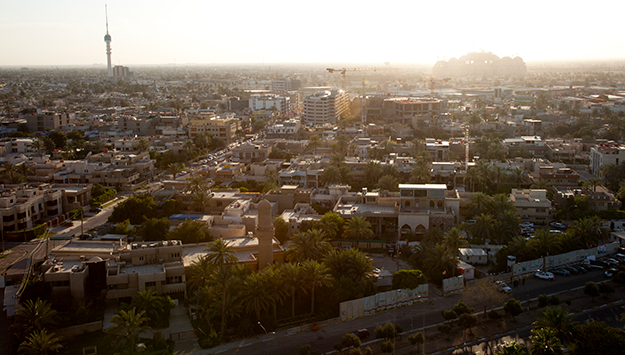
Disagreements between Baghdad and the Kurdistan Regional Government over oil policy have been one of Iraq’s most stubborn problems. Resolving this issue would allow for better development of natural resources, generate more revenue that’s badly needed for reconstruction, and might potentially deflate competing claims to disputed territories.
A year after the defeat of ISIS in Iraq, what has changed?
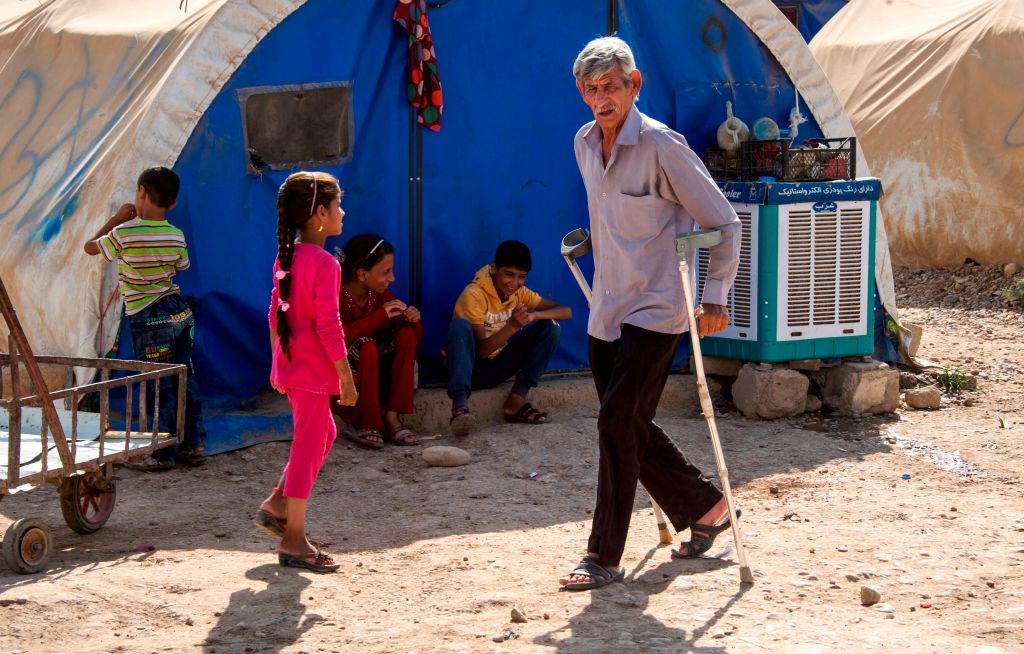
On Dec. 9, 2017, Iraq’s then prime minister, Haider al-Abadi, declared victory over ISIS. However, in the year since then Iraq has continued to face critical challenges, including an internally displaced person crisis and the legitimization of militia groups.
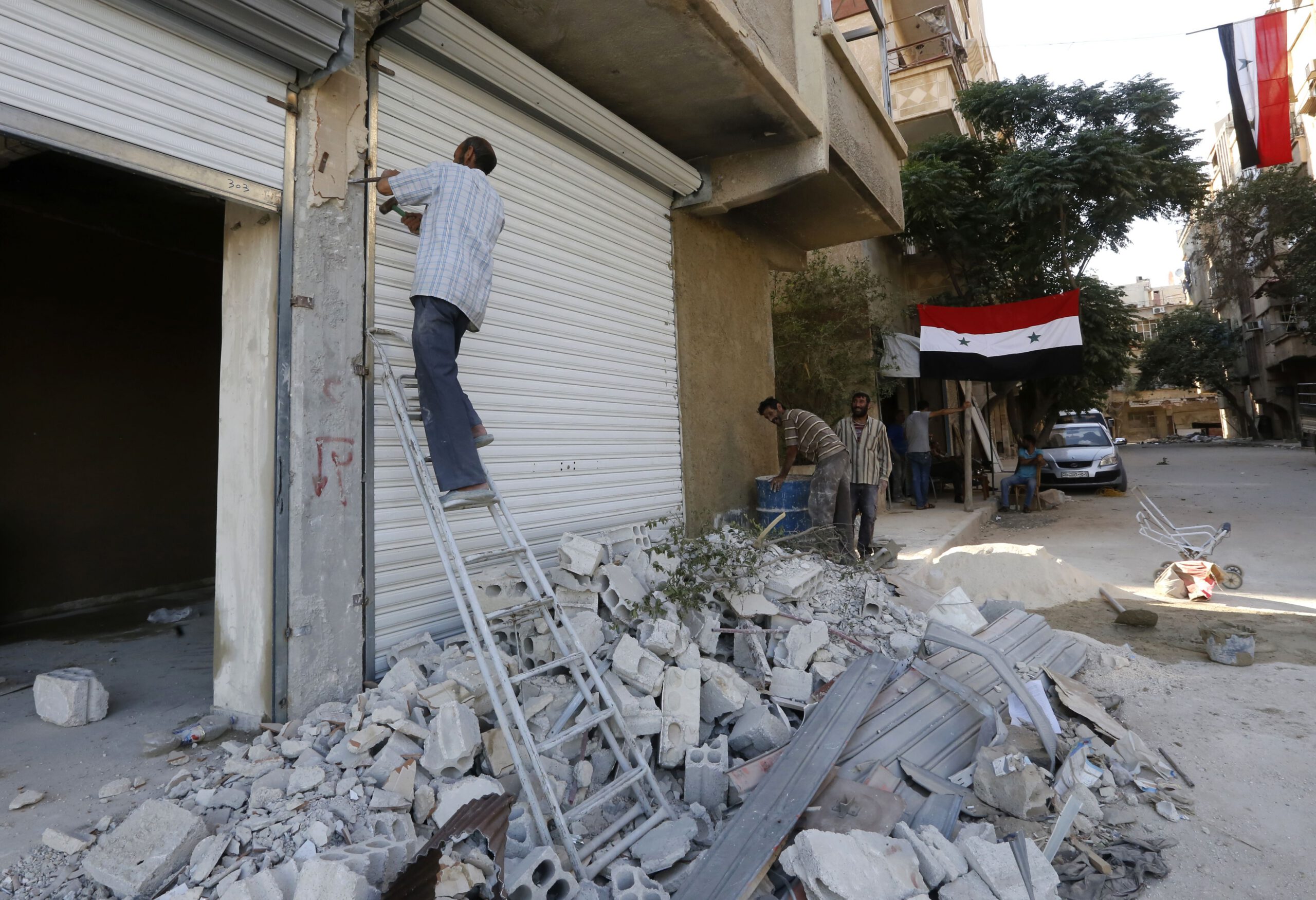
While non-Arab powers have taken the lead in the Syrian crisis so far, Damascus will need to restore political, economic, and diplomatic ties with regional Arab states as it moves into the phase of postwar reconstruction and development.
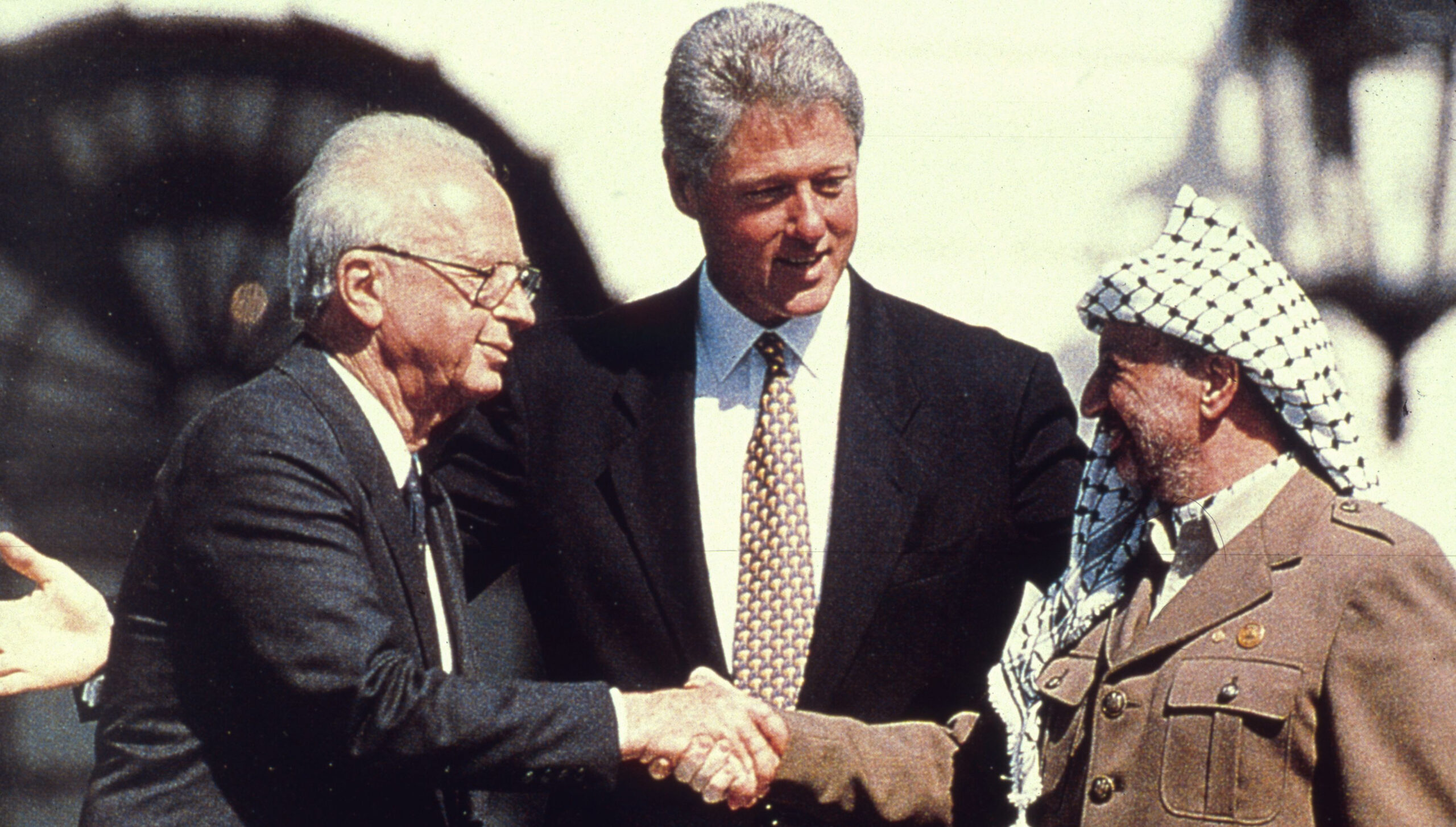
On Sep. 13, 1993, President Bill Clinton presided over one of the most dramatic handshakes in modern history. On the White House lawn, the handshake between Israeli Prime Minister Yitzhak Rabin and the Palestinian Liberation Organization Chairman Yasser Arafat was hailed as a political breakthrough that would constitute the dawn of a new era for the Middle East. Now, 25 years after the announcement of the Declaration of Principles––also known as the Oslo Accords––the prospect of peace appears more elusive than ever.
Three months after Iraq held its latest parliamentary elections the results are still being counted. Meanwhile political parties are jockeying for power and Iraqi citizens are taking to the streets to protest the government’s handling of services and the economy. Dr. Abbas Kadhim, senior fellow at Johns Hopkins SAIS, Omar Al-Nidawi, Iraq director for Gryphon Partners, and Dr. Randa Slim, director of MEI’s Program on Conflict Resolution and Track II Dialogues, join host Paul Salem to discuss the situation.
Helsinki and US-Russian Cooperation in the Middle East
Andrey Kortunov, director general of the Russian International Affairs Council, and Randa Slim, director of MEI’s program on Conflict Resolution and Track II Dialogues, join host Paul Salem to discuss the Helsinki Summit and takeaways from the latest meeting of the US-Russia Middle East Dialogue in Berlin, where participants outlined challenges and opportunities for US-Russian cooperation in Syria and elsewhere in the region.
Amb. Lukman Faily, Iraq’s ambassador to the United States from 2013-2016, and Randa Slim, director of MEI’s program on Conflict Resolution and Track II Dialogues, join host Paul Salem to analyze the results of Iraq’s parliamentary elections and their implications for Iraq, the region, and U.S. policy going forward.
U.S.-Russia Dialogue and Preventing Regional Confrontation
Irina Zvyagelskaya, of the Institute of Oriental Studies of the Russian Academy of Sciences in Moscow and Randa Slim, director of MEI’s Program on Conflict Resolution and Track II Dialogues, join host Paul Salem to discuss U.S. and Russian efforts to find shared interests in the region, from Syria to Yemen, and to avoid confrontation and escalation.
Regional cooperation in the Middle East: the Baghdad Declaration
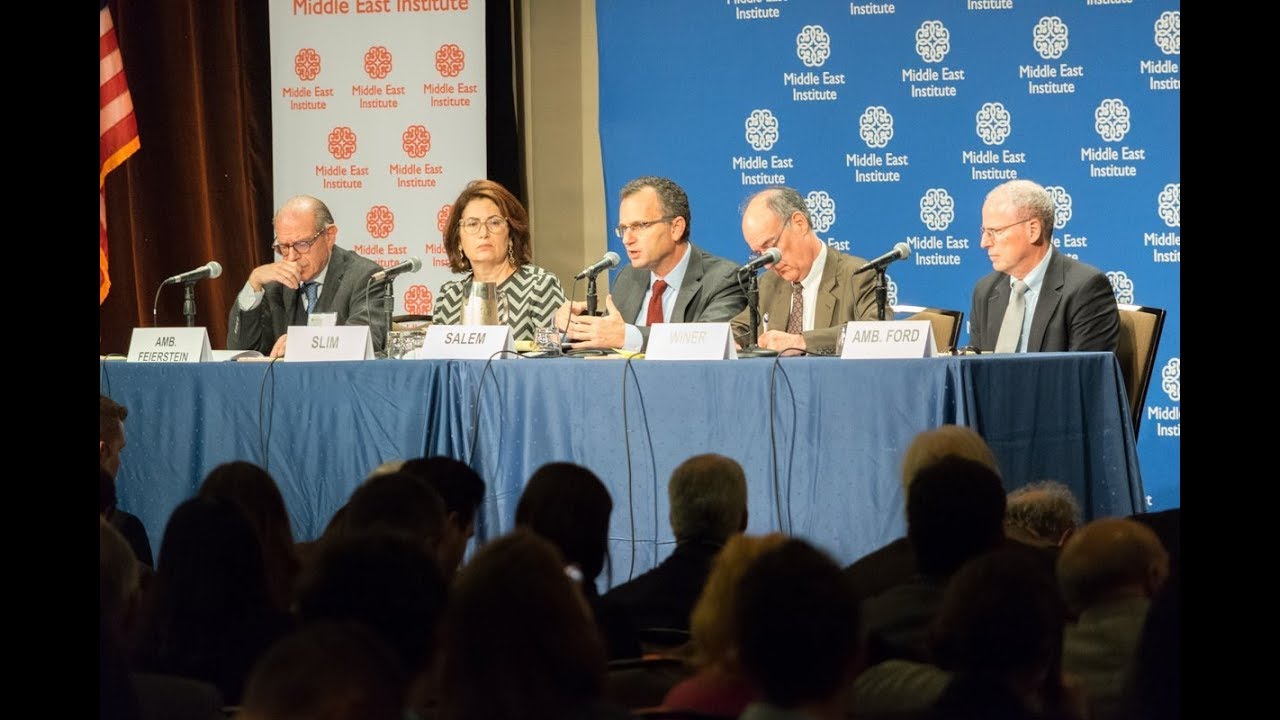
Since 2014, the Middle East Institute (MEI) has convened the Middle East Dialogue, a Track 1.5 initiative involving current and former officials and senior experts from across the Middle East as well as from China, Europe, Russia and the United States. These meetings focus on the conflicts in Syria and Iraq, and on the principles and architecture of a new regional cooperation framework in the Middle East. At the Dialogue’s most recent meeting in Baghdad, the group issued a consensus document outlining Good Neighborhood Principles for the Middle East.
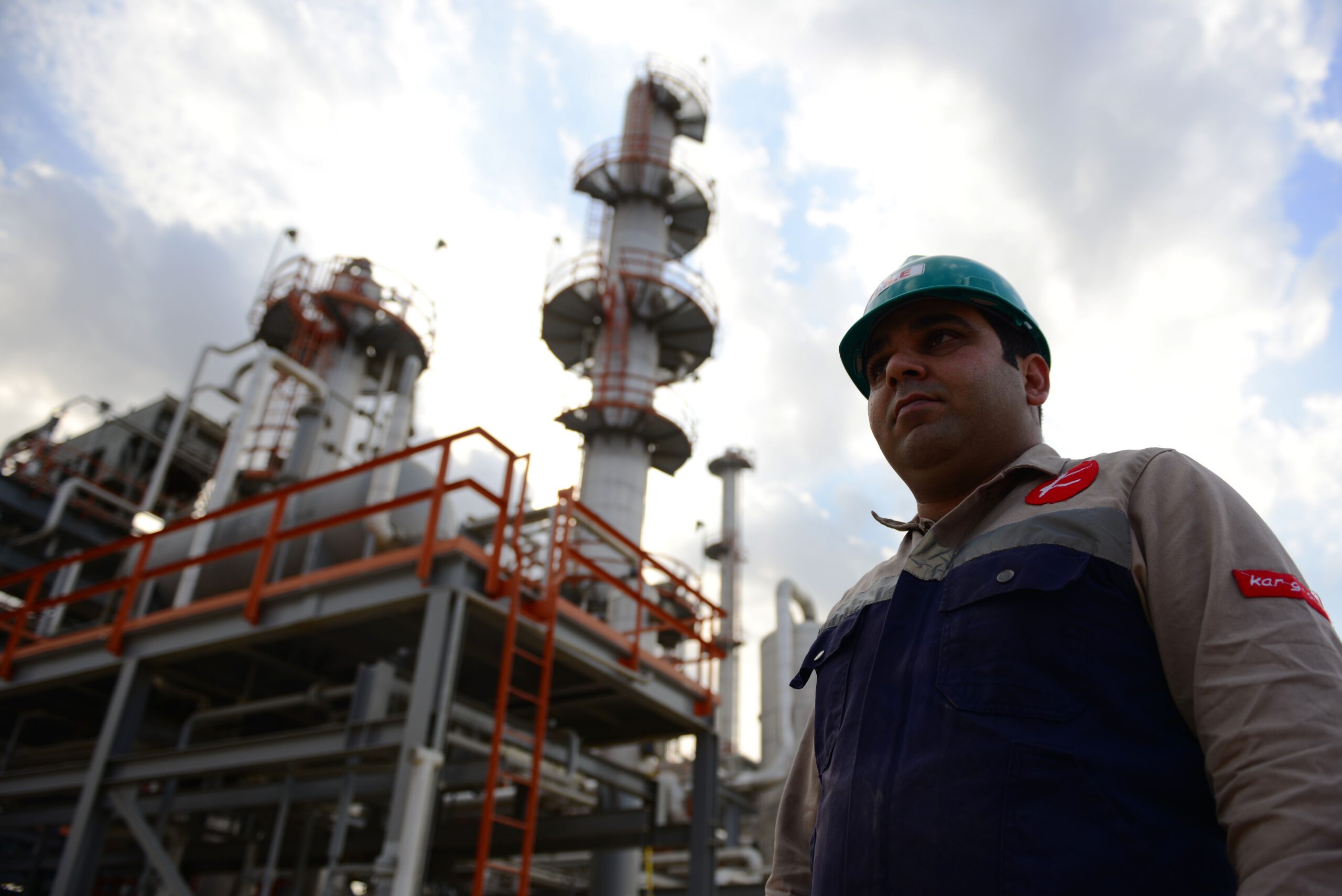
Oil in Iraq: pathways to enabling better governance
Despite setbacks from the war against ISIS, Iraq remains the world’s fourth largest producer of oil, second only to Saudi Arabia among OPEC states. However, the administration of this vital natural resource has been plagued by corruption and disputes over how revenues should be allocated to promote equitable economic growth. The issue has drawn Iraq’s ethnic, sectarian, and political divisions to the surface.
The Baghdad Declaration: good neighborhood principles for the Middle East
Over the course of the last three years, the Middle East Institute convened a regional dialogue involving participants acting in their personal capacities from Egypt, Iraq, Iran, Jordan, Lebanon, Saudi Arabia, Syria, United Arab Emirates and Turkey. The dialogue also involved participants from China, Europe, Russia and the United States. The discussions resulted in the following declaration of good neighborhood principles for the Middle East agreed in Baghdad 15-16 December 2017.
…….
The Middle East dialogue, which began its twice-a-year meetings in October 2012, convened its eleventh meeting in Baghdad 15-16 December. Participants included current and former officials and senior experts from Egypt, Iraq, Iran, Jordan, Lebanon, Saudi Arabia, Syria and United Arab Emirates as well as China, Europe, Russia, and the United States.
With the absence of multilateral diplomatic forums in the Middle East and the Trump administration scaling back on U.S. diplomatic outreach, the role of backdoor diplomatic channels, known as “Track II” dialogues, has seldom been more important. Randa Slim, director of MEI’s program on conflict management and Track II dialogues, and Robert Ford, former US ambassador to Syria, join Paul Salem to discuss the role of these dialogues in addressing issues ranging from the Syrian civil war to the conflict in Yemen and regional tensions between Iran and Saudi Arabia.
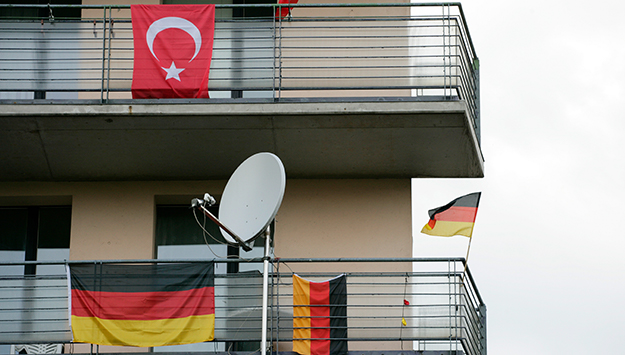
The Real Reasons behind the Current Turkish-German Row
Relations between Turkey and Germany have become increasingly fraught over the past few months. They hit a new low following the August 19 arrest of Turkish-born German writer Dogan Akhanli in Spain. Akhanli, a frequent critic of Turkish President Recep Tayyip Erdogan, was held by Spanish authorities in connection with criminal proceedings in Turkey. Germany’s foreign minister has urged Spanish officials not to extradite the writer.