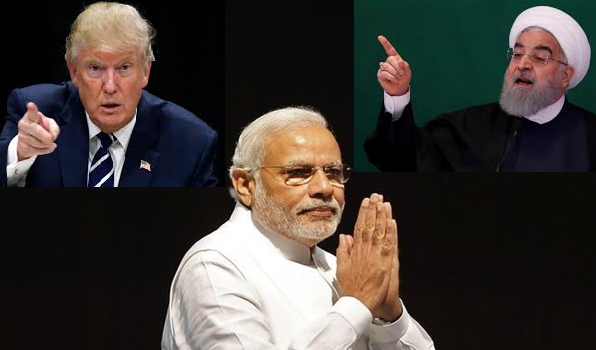
India finds itself in a precarious situation. On one hand, Delhi does not want to antagonize the United States, with which it has developed a strong relationship over the past two decades. On the other hand, India has had a long-standing generally positive relationship with Iran that it is keen to maintain and in fact build upon. This essay examines the economic, domestic political, and international challenges that the Trump administration’s “maximum pressure” approach poses for India.
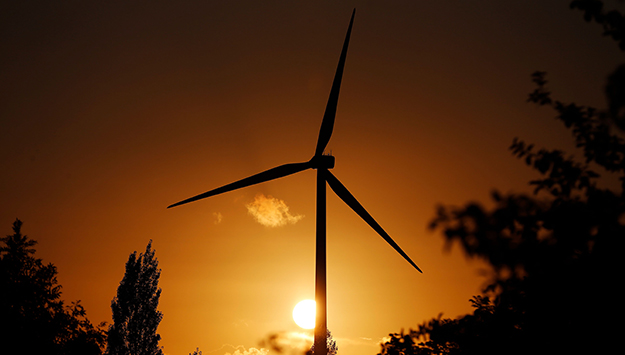
In 2010, Lebanon had published the National Wind Atlas a report undertaken by the U.N. Development Programme that catalogued Lebanon’s extensive wind resources. This report inspired local policy makers in Lebanon to pursue wind generation projects. The mean potential of wind was estimated to be 6.1 gigawatts, a shocking amount given Lebanon’s size.
The Middle East has undergone several geopolitical transformations over the decades since World War II. While these in part were driven by political and economic realities indigenous to the region, the most profound changes have come about through the actions of outside actors, first by the Europeans and later by the United States and the Soviet Union.
Turkey’s damage-control campaign in Idlib | Weekly Briefing
In this week’s briefing, MEI experts Robert S. Ford, Randa Slim, Gerald Feierstein, and Marvin G. Weinbaum provide analysis on recent and upcoming events including Turkey’s attempts to prevent a major escalation in Syria’s Idlib province, ongoing political turmoil in Iraq, the implications of the Trump administration’s decision to cut off U.S. aid to UNRWA, and Sec. Pompeo’s upcoming trip to Pakistan.
Iran and Pakistan vow to bolster ties in defiance of U.S. pressure
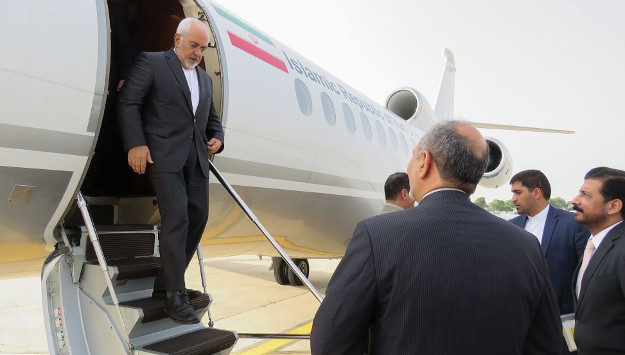
Iranian Foreign Minister Mohammad Javad Zarif today held meetings with Pakistan’s new Prime Minister Imran Khan and his Pakistani counterpart Shah Mehmood Qureshi in Islamabad to discuss ways to boost bilateral relations between the two countries, Iranian and
Is Iran replicating Lebanon model in southern Syria?
Russia announced in early August that it had convinced Iranian forces in Syria to keep away from the Israeli border by about 85 kilometers (53 miles). The Russian mediation came in the backdrop of an escalation in Israeli military strikes against Iranian-led forces in Syria.
UN Special Envoy Martin Griffiths will lead a new round of negotiations next week to attempt to end the long and costly war in Yemen. A new UN report this week that outlines possible war crimes by the parties engaged in the conflict underscores the need to find a resolution. MEI’s Gerald Feierstein, a former U.S. ambassador to Yemen, and Randa Slim, who was a member of the last UN negotiating team on Yemen, join host Paul Salem to assess the prospects for the peace talks.
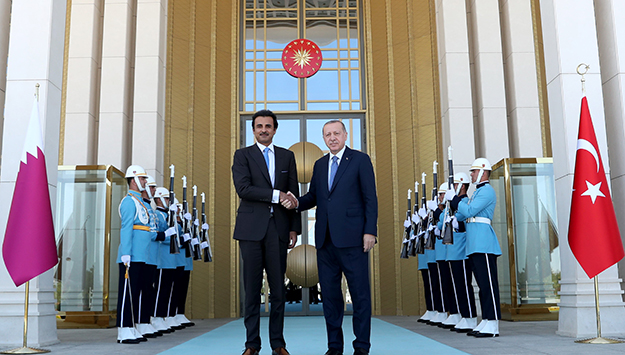
On Aug. 15, Qatari Emir Shaykh Tamim bin Hamad Al Thani pledged to invest $15 billion in Turkey’s economy. The pledge will provided temporary relief to Turkey’s beleaguered banking industry following tense Turkish-U.S. diplomatic relations that most recently led to a precipitous drop in the value of the Turkish lira.
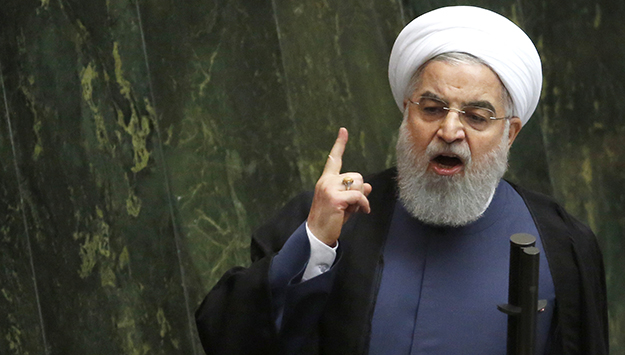
On Tuesday, President Hassan Rouhani appeared in front of Iran’s parliament to defend his government’s economic record. He faced a tough crowd. The body had already removed his economy minister, Masoud Karbasian, on Sunday. And before that, it had canned his labor minister, Ali Rabiei. Both were ousted on charges amounting to incompetence.
Community Leadership and Early Warning Systems in Fragile Disaster Zones
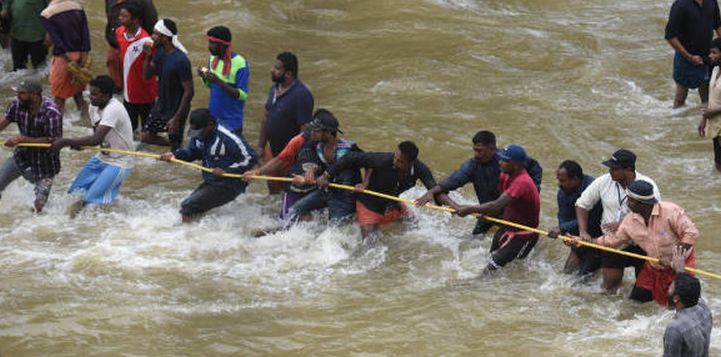
Over the past 25 years, the world has seen a rise in the frequency of natural disasters in rich and poor countries alike. Today, there are more people at risk from natural hazards than ever, with those in developing countries particularly at risk. This essay series explores measures that have been taken, and could be taken, in order to improve responses to the threat or occurrence of natural disasters in the MENA and Indo-Pacific regions.
The bureaucratic battle for Saudi Arabia’s future | Monday Briefing
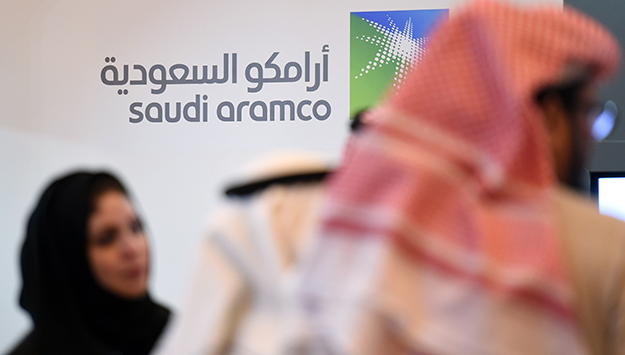
In this week’s Monday Briefing, MEI experts Jean-François Seznec, Randa Slim, and Charles Lister provide analysis on recent and upcoming events including Saudi Aramco’s stalled IPO, the Iraqi Kurds’ evolving role in government formation talks, and ratcheting tensions in Idlib.
US-Taliban talks a momentous shift in Afghan strategy
In August 2017, President Donald Trump gave a speech outlining his Afghanistan policy, a major aim of which was to compel the Taliban to begin peace negotiations with the Kabul government by applying military pressure on the insurgency. Simultaneously, he criticized Pakistan—terming it deceitful—while praising neighboring India for its development work in Afghanistan.
Turkey is under enormous strain as it faces an economic crisis that has caused the lira to lose 40% of its value since the beginning of this year; an ongoing crisis in domestic politics; and an international relations crisis with the United States. Gönül Tol, MEI’s director of Turkish studies, and Ömer Taşpınar, professor at the National War College, join host Paul Salem to explain the causes of these challenges and what lies ahead.