Tehran rejects Putin’s call for troop withdrawal from Syria
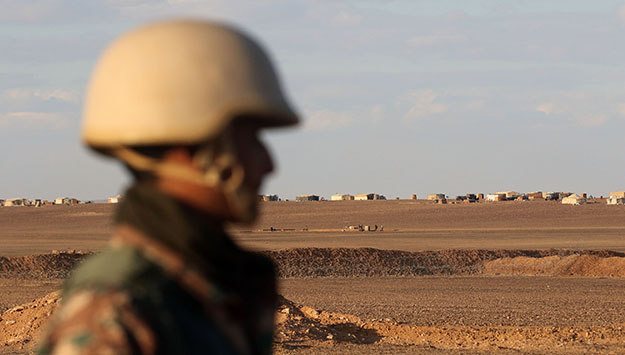
Iran’s Foreign Ministry today rejected a call by Russian President Vladimir Putin that all foreign troops should leave Syria after intra-Syrian peace process begins, the Iranian media reported. No one can force Iran to do anything. Iran is an independent country, which determines its own policies. “Iran’s presence is based on the Syrian government’s invitation, and its objective is to fight terrorism and defend Syria’s territorial integrity,” Foreign Ministry Spokesman Bahram Qassemi said at a press briefing in Tehran.
Resistance at 70: the future of the Palestinian national movement
Seventy years after the Nakba, the Palestinian dispossession and exile that accompanied the establishment of the State of Israel in 1948, Palestinians today remain stateless. Their prospects for securing collective or individual rights are bleaker than they have been for decades. Alongside the international and regional developments that are undermining their quest for self-determination, Palestinians are also on the cusp of a leadership change that could have far reaching implications for their collective future.
While armed nonstate actors and proxy militias have been grabbing most headlines in recent years, the risk of interstate war in the Middle East is rising at an alarming rate. This includes the risk of war between Israel and Iran, Saudi Arabia and Iran, and possibly the United States and Iran, or the United States and Russia. Tensions between Israel and Iran have boiled over several times in recent weeks in Syria, risking a serious escalation between the two countries.
Amb. Lukman Faily, Iraq’s ambassador to the United States from 2013-2016, and Randa Slim, director of MEI’s program on Conflict Resolution and Track II Dialogues, join host Paul Salem to analyze the results of Iraq’s parliamentary elections and their implications for Iraq, the region, and U.S. policy going forward.
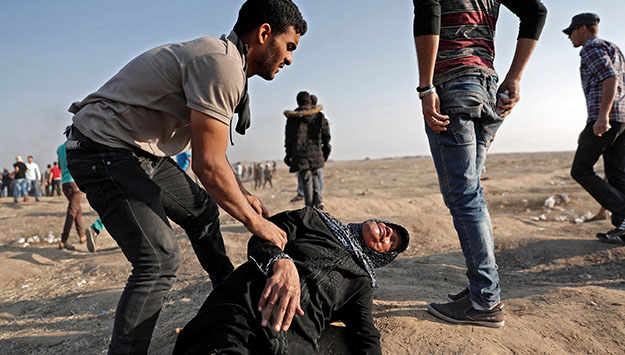
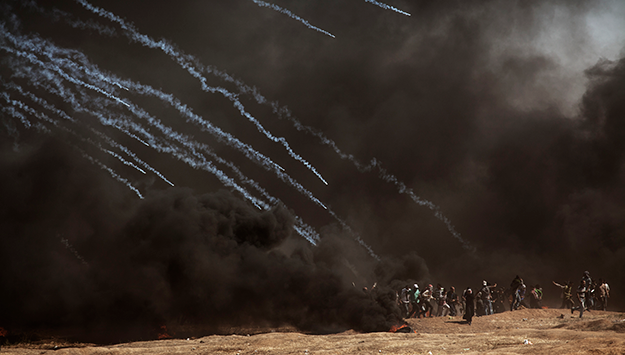
Hamas supports Gaza’s protest movement—and that’s a good thing
My first in-depth conversation on nonviolence with Hamas leader Khaled Meshaal came in the months before the Arab Spring uprisings, when the latter was still chairman of Hamas’s politburo.
Sitting in his Damascus office, Meshaal underscored that Hamas was open to any strategy that would advance Palestinian self-determination, including nonviolence—“if it would work.”
A tale of two elections: recapping the polls in Lebanon and Iraq
As Lebanon holds its first parliamentary elections in nine years and Iraq paves a way forward in the aftermath of the war against ISIS, many questions remain as to what the political future holds for both countries. The parliamentary elections in Lebanon on May 6, and in Iraq on May 12, serve as a barometer for transparency, inclusion, and the political realities in both countries. The polls have raised pressing political and governance issues such as how to overcome sectarianism, corruption, and economic stagnation in order to encourage further openness and plurality.
Sino-Israeli Security Relations: In America’s Shadow
Much has been written about the Sino-Israeli relationship, mainly regarding political and economic ties. However, the security dimension of the relationship has received comparatively less attention. This article discusses Sino-Israeli security relations in an effort to shed light on their roots, substance and prospects despite Israel’s commitment to its relations with the United States.
Two major events in the past few weeks have come into play regarding the future of a de-escalation zone in southern Syria from a Jordanian perspective. The first was the Western coalition’s missile strike on April 13 against Syrian regime positions in retaliation for an alleged chemical attack in the besieged Eastern Ghouta that took place on April 7.
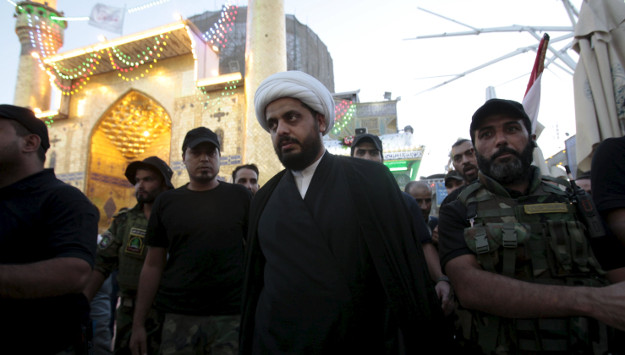
Iran-backed militia leader: “The Iraqis will be the first to enter Jerusalem”
The secretary-general of Asa’ib Ahl al-Haq, an Iranian-supported Iraqi militia group, has threatened that its forces will fight Israel to seize Jerusalem, according to Shafaaq, an Arab outlet.
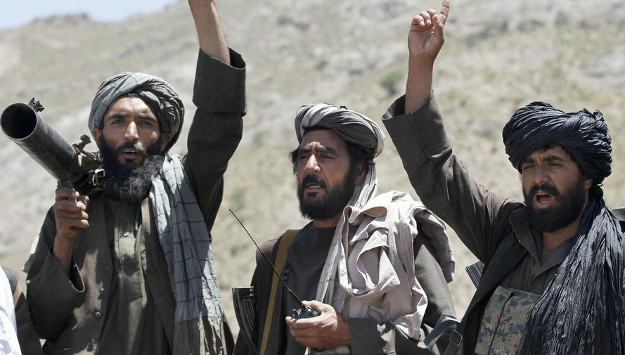
Afghans blame Iran and Pakistan for Taliban’s rapid gains in Farah Province
With Afghanistan’s western Farah Province on the verge of falling to the Taliban, Afghan officials and tribal leaders in the province accuse neighboring Iran and Pakistan of aiding the insurgents for political and economic ends.
Trump’s Jerusalem decision destabilizing West Bank and Gaza | Monday Briefing
In this week’s Monday Briefing, MEI experts Nathan Stock, Alex Vatanka, Ruba Husari, and Gonul Tol provide analysis on recent and upcoming events including the fallout from President Trump’s decision to recognize Jerusalem as Israel’s capital, Iran’s diplomatic efforts with Europe to keep the nuclear deal alive, how Iran’s other trading partners are responding to U.S. warnings of sanctions, and Britain’s efforts to cultivate closer ties with Turkey.
The bombs continue to fall over Syria to the consternation of all concerned. Syrian president Bashar al-Assad warns of a conflict on Syrian soil that will embroil Israel, Iran, and Russia. “Things,” he says, “could spin out of control.”
The escalating violence between Iran and Israel in recent days is clear evidence of a new post-“Assad must go” phase in Syria’s ongoing misery.
Alex Vatanka and Gerald Feierstein join host Paul Salem to discuss reactions in the region and around the world to Trump’s announcement that the United States will withdraw from the Iran nuclear deal and restore sanctions on Iran.
In a region beset with conflicts, Oman has served as a valued intermediary in foreign relations, including as a facilitator in U.S.-Iranian contacts that led to the Iran nuclear deal. How is it managing its delicate diplomatic balancing act as it works to mediate the Yemen civil war and the dispute between Qatar and other GCC states? Sayyid Badr bin Hamad al-Busaidi, secretary general of Oman’s ministry of foreign affairs, joins guest host Gerald Feierstein to discuss.