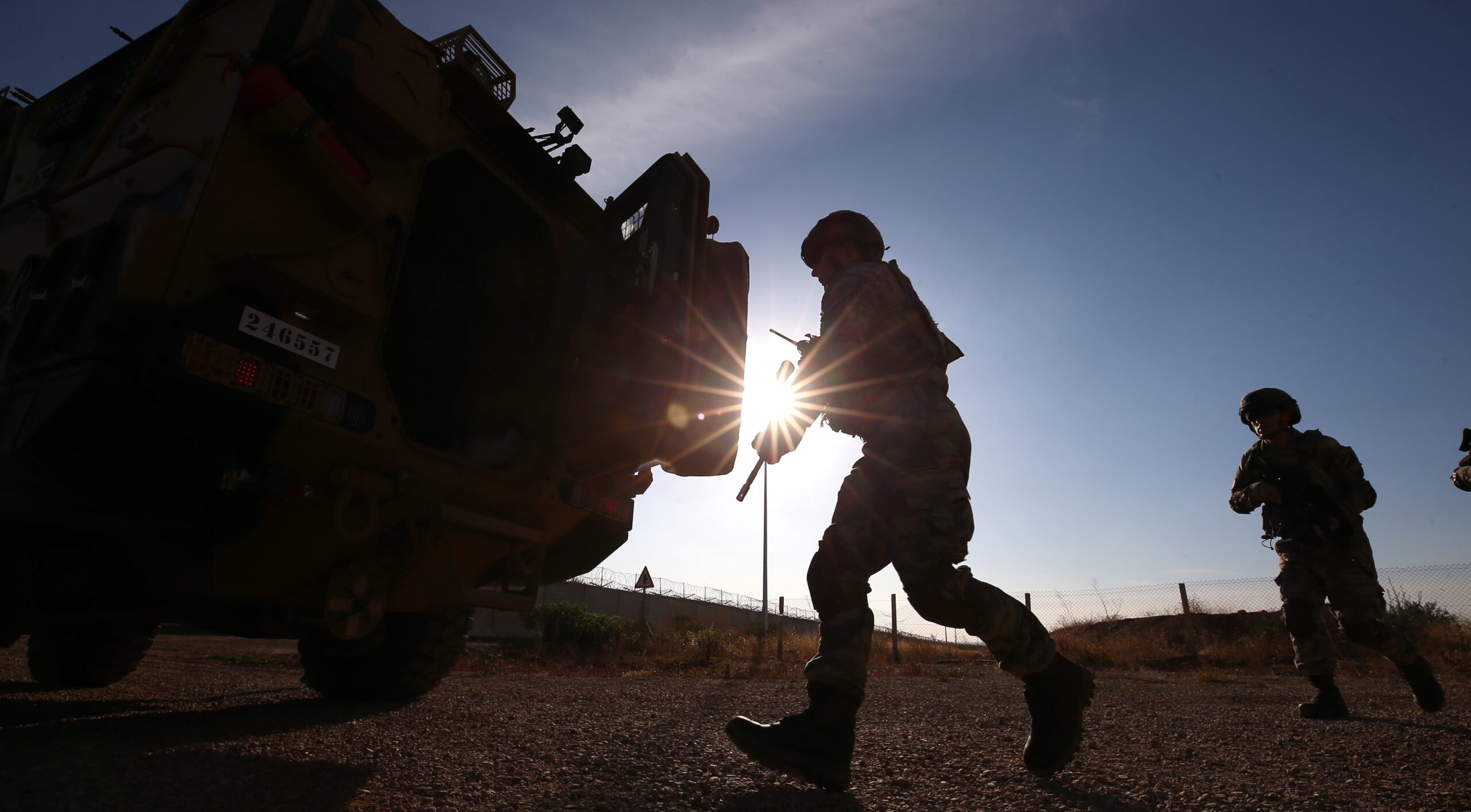
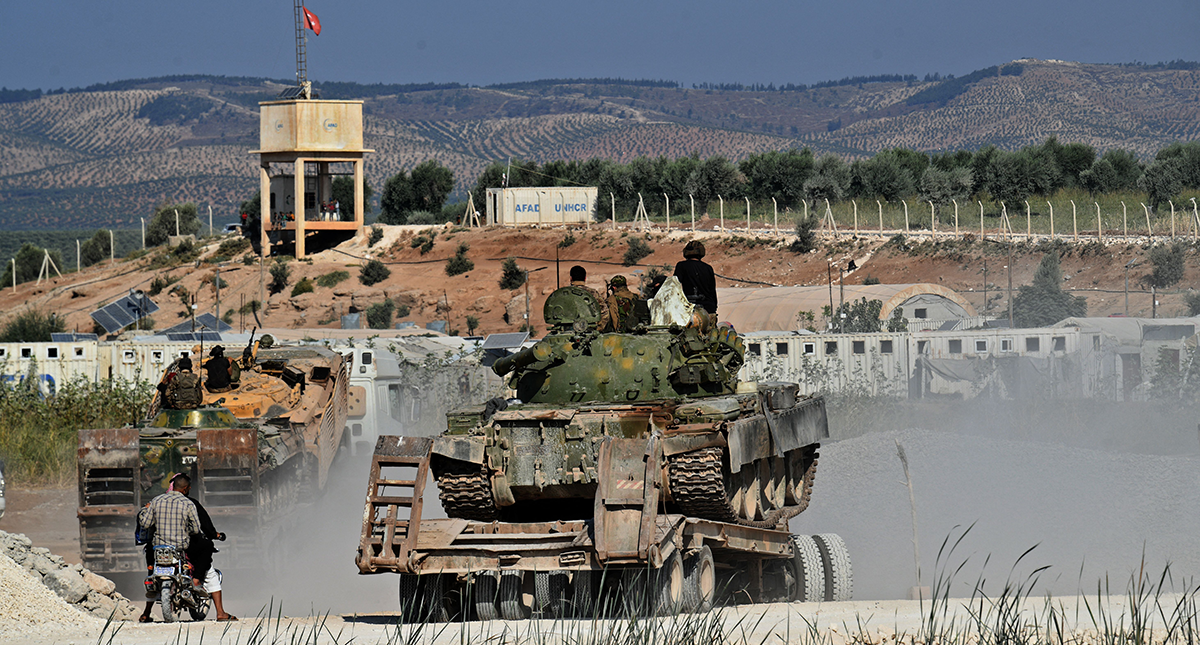
Should the Turkish government make good on its threats to launch yet another military incursion into northern Syria, it would lead to a sharp escalation in violence in a country afflicted by a more-than-decade-long brutal conflict. Not only would Turkey’s military incursion have significant immediate effects on civilians and combatants in Syria, but it could also reverberate further throughout the region and world.
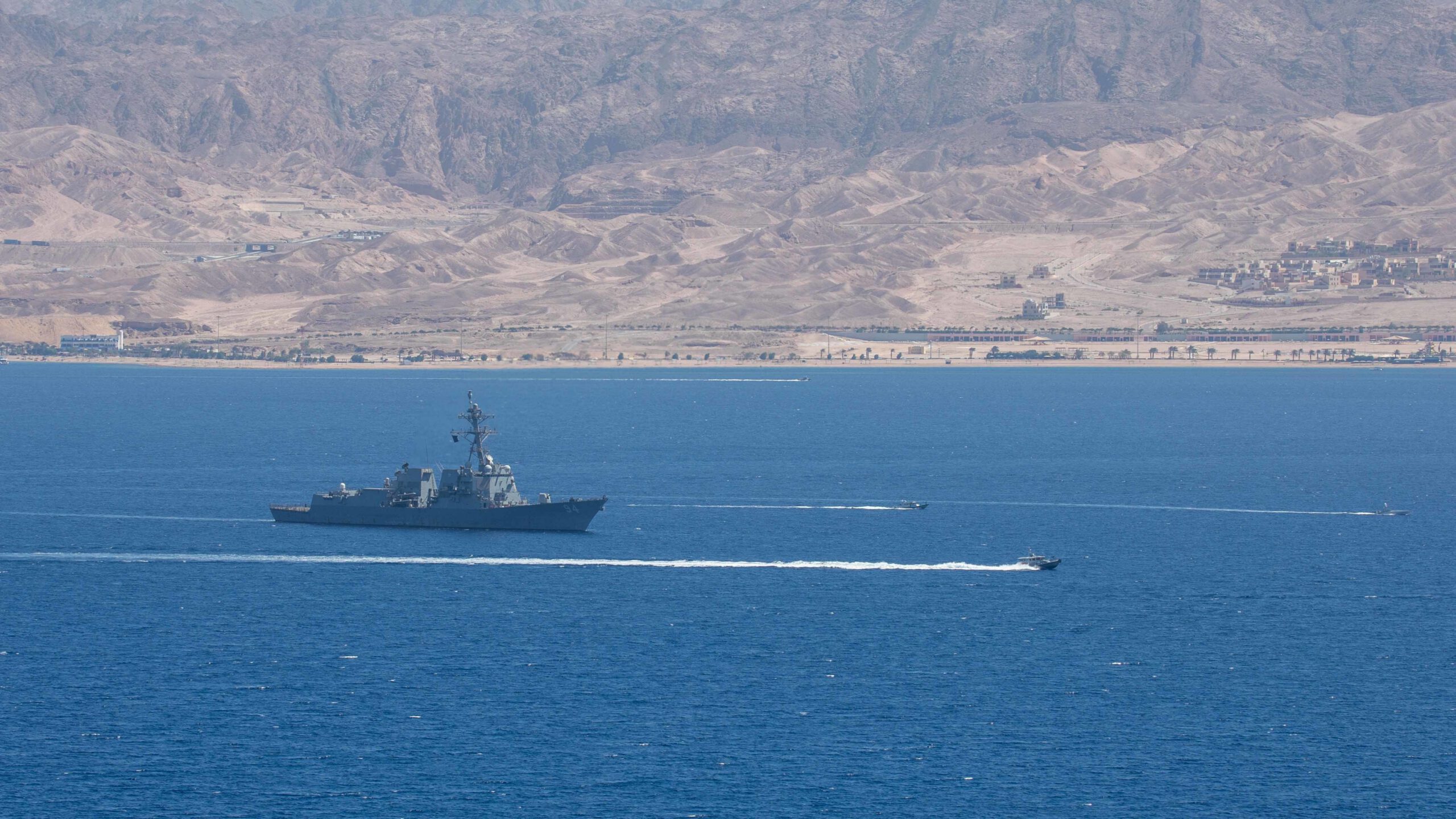
The Future-Seeking, Team-Building 5th Fleet Is Busier Than Ever
In recent years, the United States has stepped up its efforts to promote a Middle East security order in which cooperation is more widely preached and effectively practiced among like-minded nations. Nowhere has this multilateral approach to regional security been more credible and fruitful than in the maritime domain.
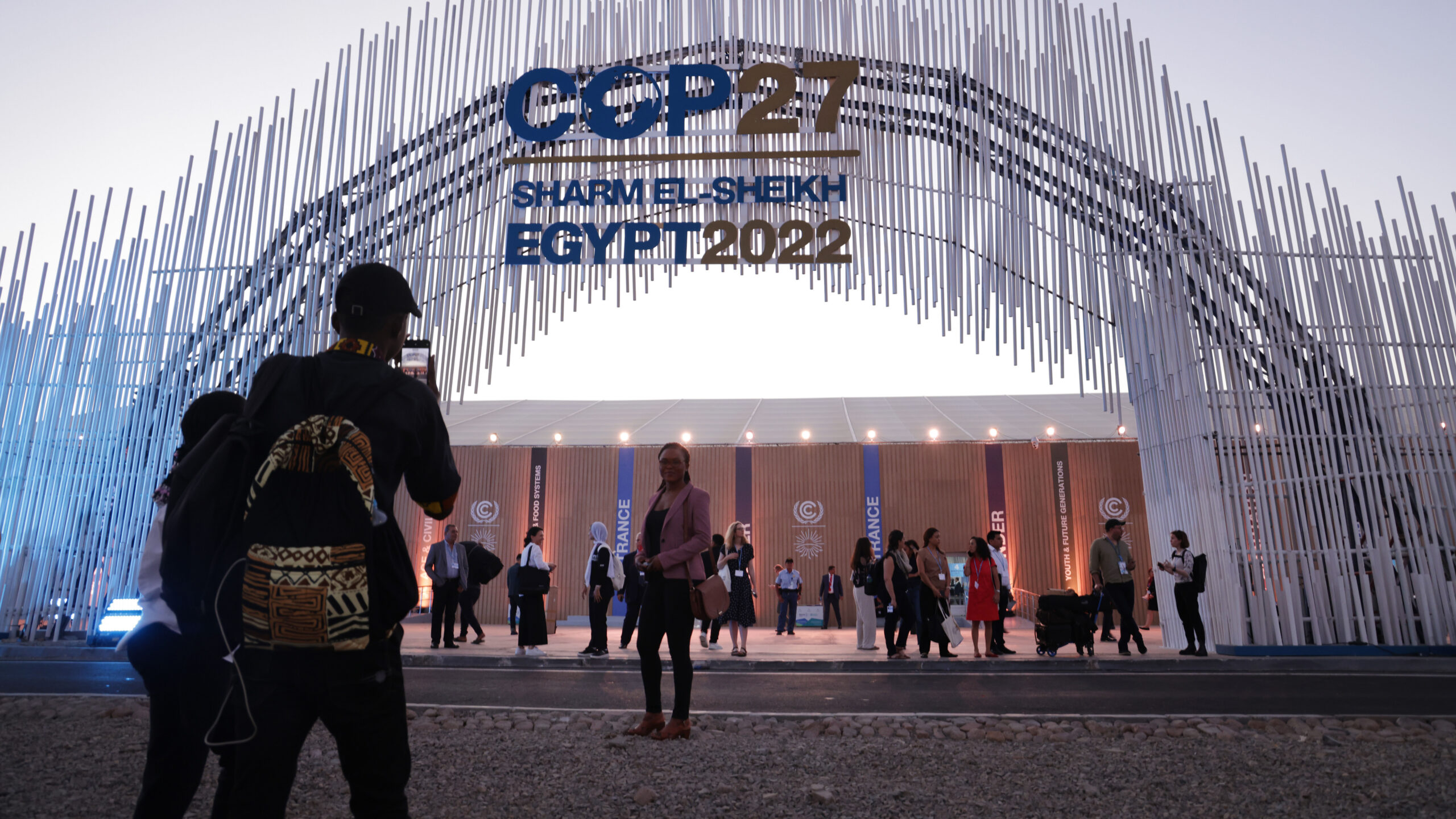
Dispatches from Sharm el-Sheikh: Reviewing COP27 from the MENA perspective
Participating in COP27 provided a unique opportunity to view the proceedings firsthand and evaluate the effectiveness of the meeting in advancing critical climate priorities that can alter the alarming trajectory of future climate change.
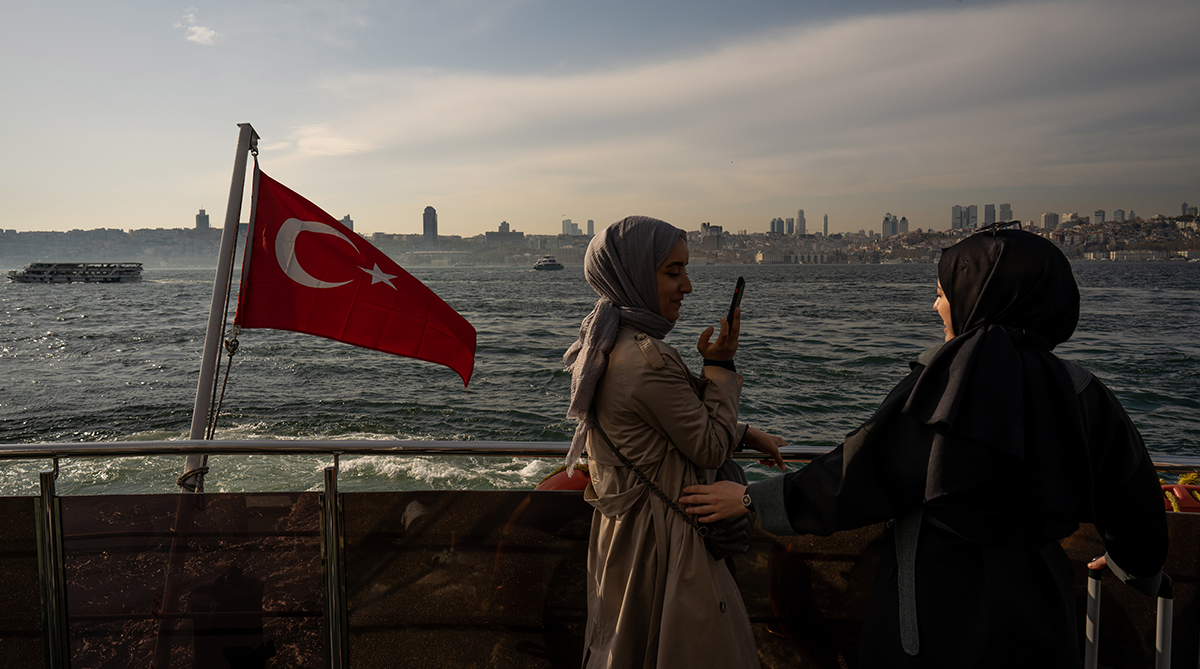
Up for debate again: Politics and the headscarf in Turkey
On Sept. 30, 2013, then Prime Minister Recep Tayyip Erdoğan announced what he termed a “democratization package,” which lifted the decades-old ban on women wearing headscarves in many state institutions. A month later, when four female MPs wearing headscarves walked into the Turkish parliament, many thought the long-running controversy on the issue was finally over. But the headscarf recently returned to the center of the Turkish political debate when the leader of the main secularist opposition party, Kemal Kılıçdaroğlu, announced that he would introduce legislation to protect that right.
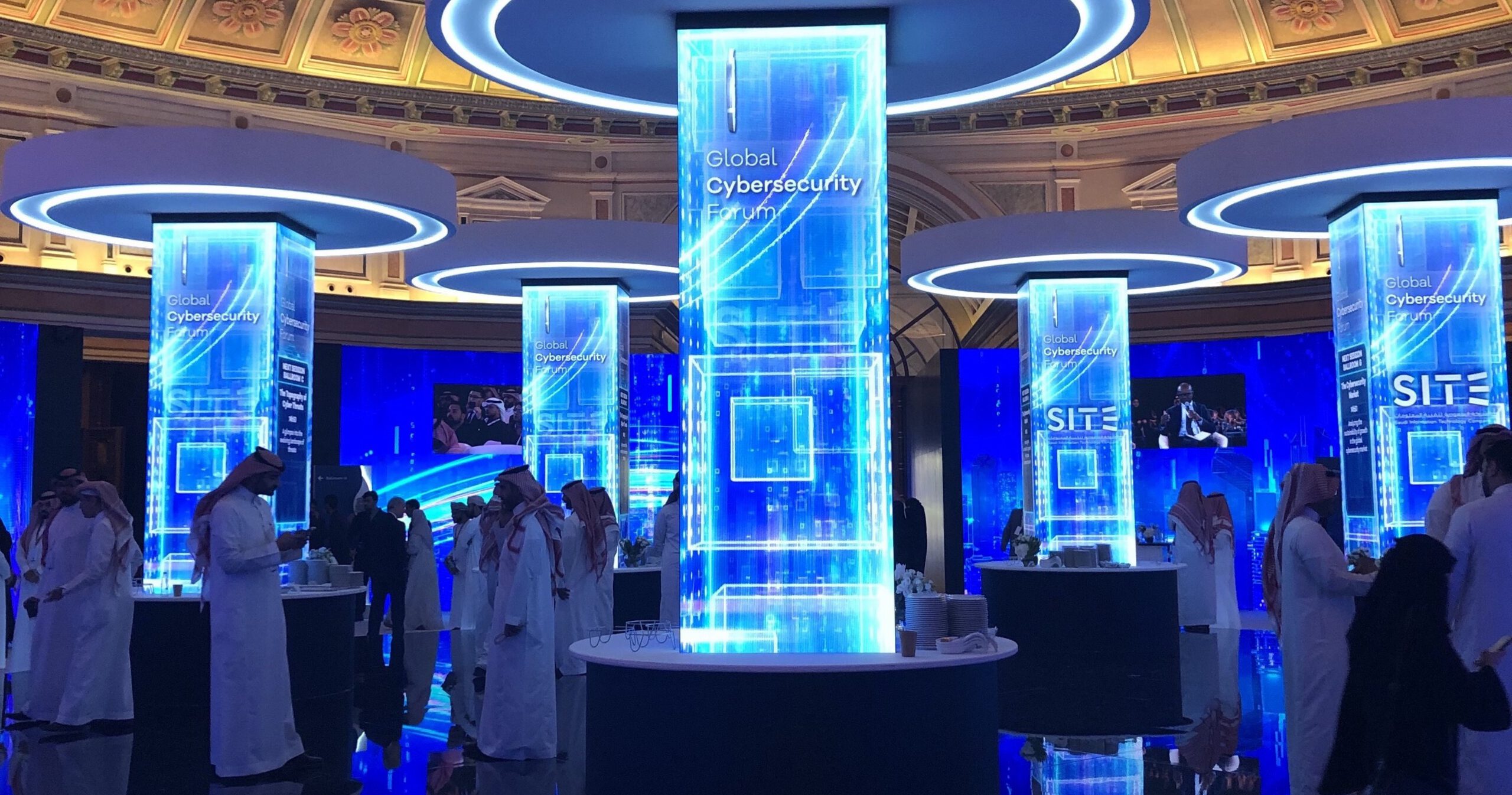
Dispatches from Riyadh: Reflections on the Global Cybersecurity Forum
MEI’s Center for Strategy and Emerging Technology participated in the second annual Global Cybersecurity Forum in Riyadh this past week. Here are our reflections on the conference, the conversations we had there, and the GCF’s overall agenda.
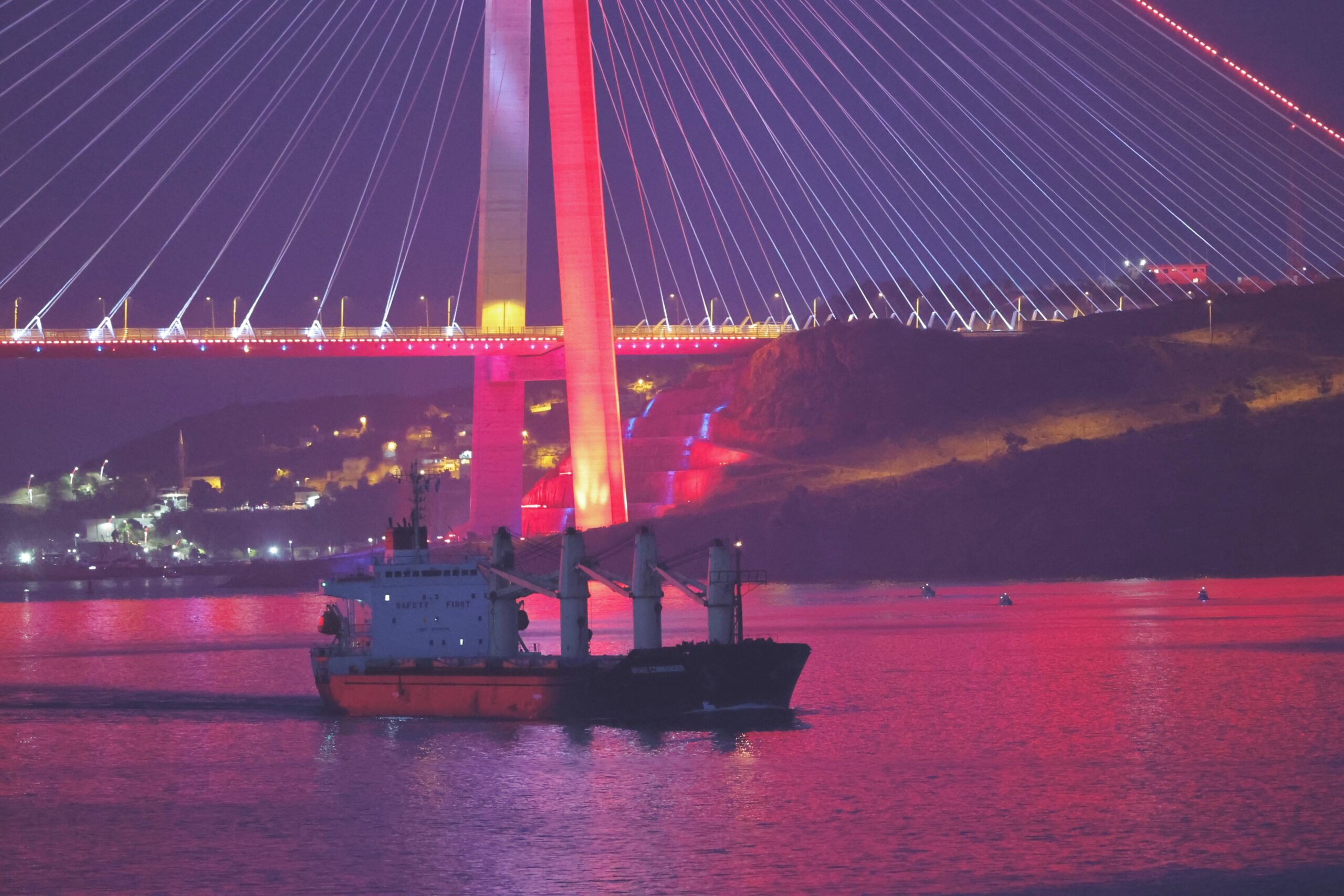
In Turkish-Russian relations, the Ukraine grain deal is not the point
The Ukraine grain export deal, which Turkey helped mediate over the summer, was saved last week to much fanfare; but the central unaddressed issue remains lifting Russia’s illegal blockade of Ukrainian ports, so Ukraine can freely trade with the world.
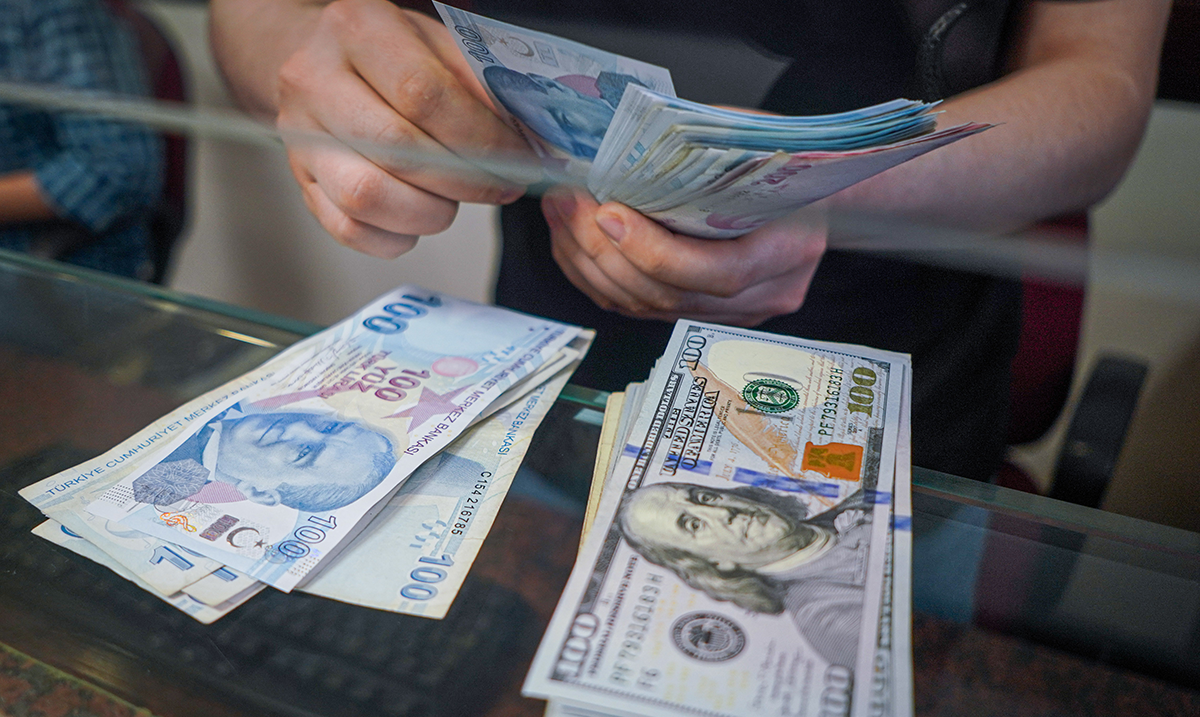
As liquidity problems worsen, Turkey turns to capital controls and informal FX flows
The Turkish economy’s foreign exchange liquidity problem is getting worse. The current account balance has been in the red this year with a monthly deficit of around $5 billion. The government has so far managed to avoid a repeat of the December 2021 currency shock by restricting capital mobility, further tightening regulations in October 2022.
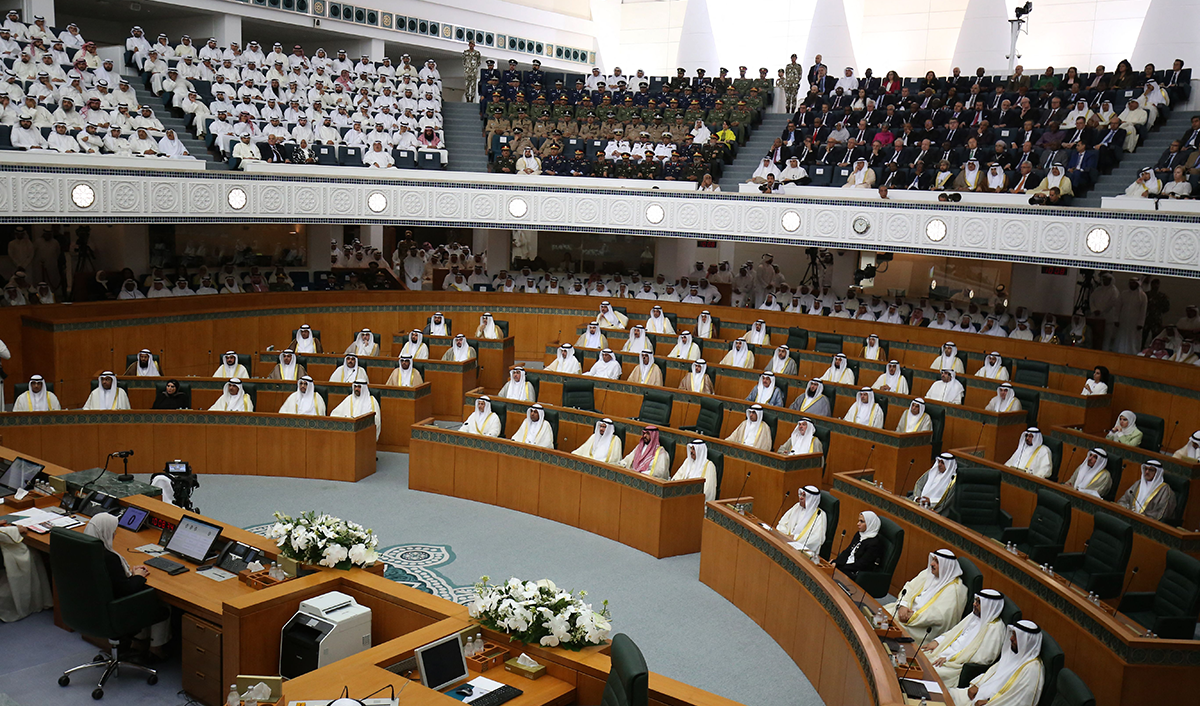
Will Kuwait’s new parliament resolve its political impasse?
Kuwait’s Sept. 29 parliamentary elections were supposed to bring change to the gridlock and governmental churn that had plagued the country in recent years. Kuwaitis initially appeared optimistic about the results, calling on the amir to appoint a strong government to work with the National Assembly. Questions remain, however, as to how well the government and the majority opposition parliament will be able to cooperate to implement the necessary reforms.
The Arab Peace Initiative returns. Will it supplant the Abraham Accords?
Although the Abraham Accords have been the main focus of Arab-Israeli peace-making since they were signed, the Arab Peace Initiative (API), introduced by the late Saudi King Abdullah 20 years ago, remains relevant and may be the better reflection of a path forward for Middle East peace
During the second week of October, unprecedented full-fledged military confrontations broke out in northern Syria between factions of the Turkish-backed Syrian National Army (SNA), with Hay’at Tahrir al-Sham (HTS) subsequently intervening in support of some factions over others. Tukey’s weariness about the constantly deteriorating state of security in the north, resulting mainly from infighting among the SNA forces it backs, and its willingness to impose order on them, could explain its silence on HTS’s military aggression. For HTS, however, expanding its rule and settling scores with some SNA factions may be the main drivers behind its recent attacks.
Since June 2015 and especially after the failed coup attempt in July 2016, the AKP has taken an increasingly nationalist and Eurasianist turn, as Erdoğan worked to consolidate power by satisfying various nationalist elements. The transition to the presidential system in mid-2018 has intensified Turkey’s existing foreign policy problems and given rise to new ones. This paper lays out the evolution of the AKP’s foreign policy, the consequences of the transition to the presidential system, the impact of Erdoğan’s coalition with the nationalists and Eurasianists, and potential pathways forward.