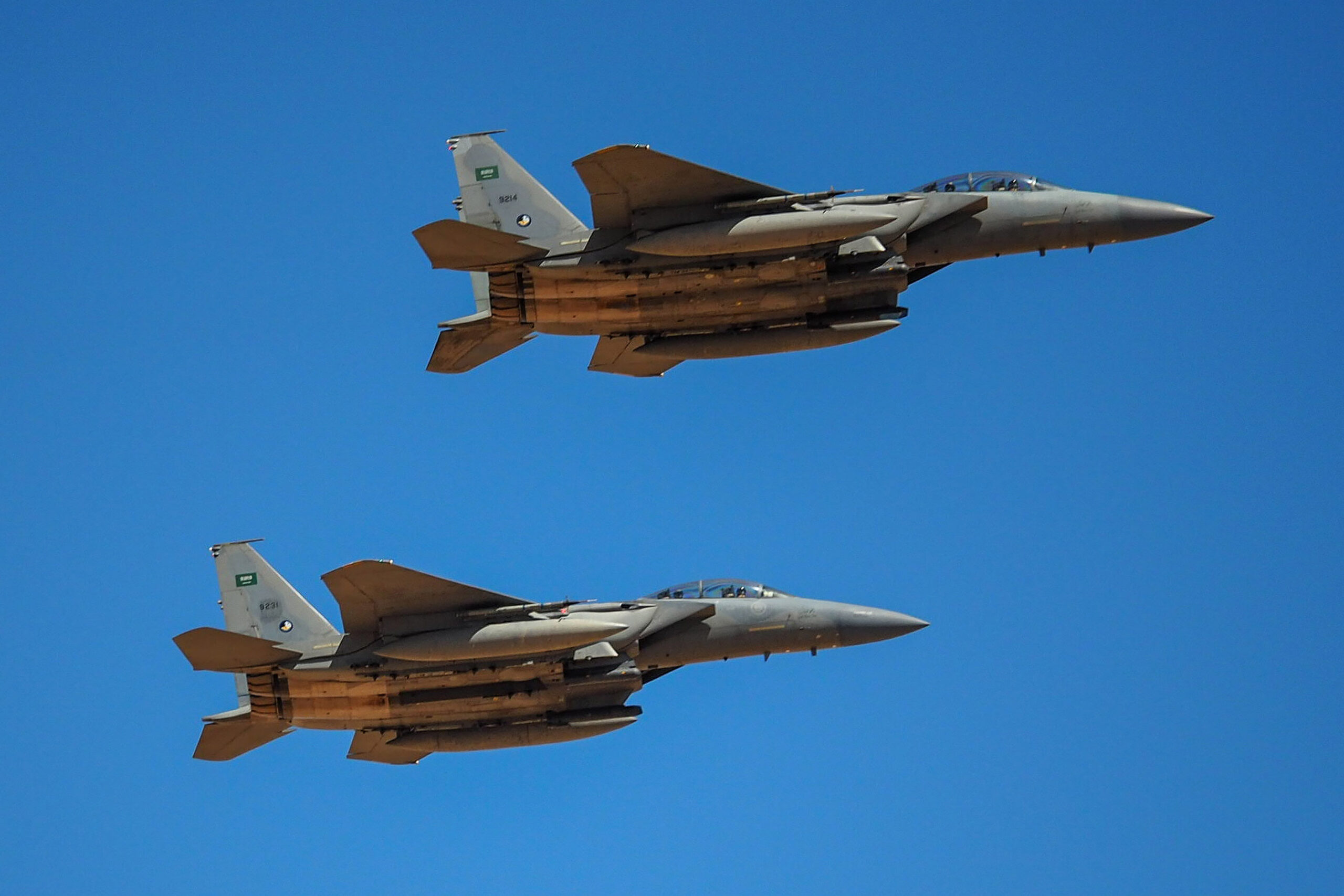
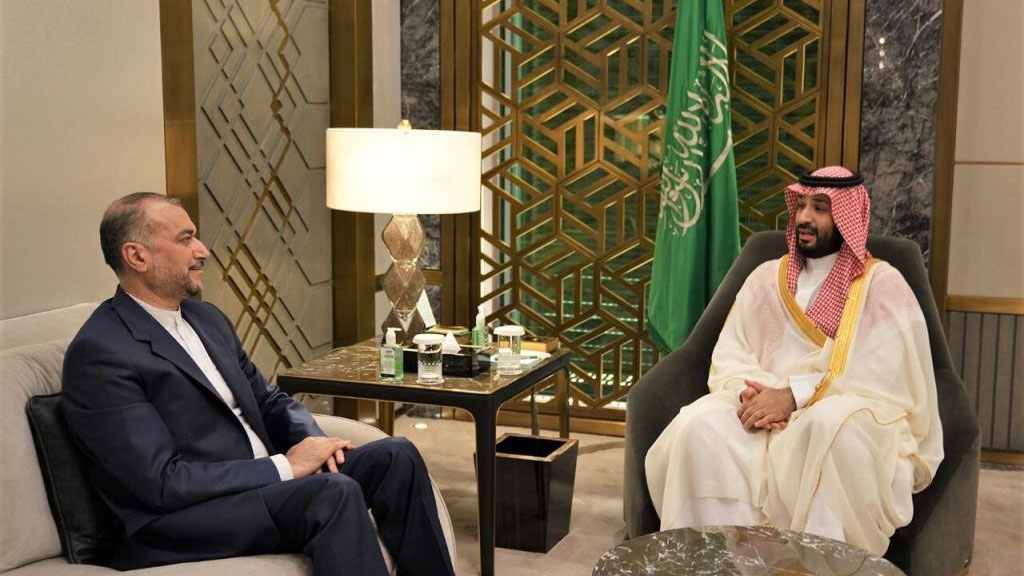
Of all the challenges to Saudi Vision 2030, arguably none is greater than Iran’s threat to Saudi national security. To succeed, Crown Prince Mohammed bin Salman must protect the kingdom, which will require not only fortifying its defenses against further Iranian and Houthi attacks but also establishing a level of deterrence against Tehran.
From oil wells to power cells: How Saudi Arabia and its Gulf neighbors are securing their future through battery technology
As the world shifts toward a more sustainable future, the GCC states are also embracing this profound transition, moving from oil wells to power cells. With their vast resources, strategic location, and commitment to sustainability, the Gulf countries are uniquely positioned to become major players in the global battery supply chain. By embracing the potential of battery technology, these nations are not just preparing for a post-oil future but are actively shaping it.
The dangerous precedent set by Tehran's recent international deals
When discussing the recent deal between Tehran and Washington to release five American prisoners in exchange for Iran gaining access to $6 billion in seized assets in South Korea, Iranian officials use a specific key phrase: “honorable diplomacy.” According to Iranian officials, “honorable diplomacy” means dealing with America and Europe from a position of strength. They claim that, even after the brutal suppression of the 2022 protests, they have successfully used their leverage with foreign adversaries to win unexpected concessions — a claim that, while potentially exaggerated, points to an unprecedented series of developments in recent months.
Making sense of the Taliban’s counterterrorism assurances
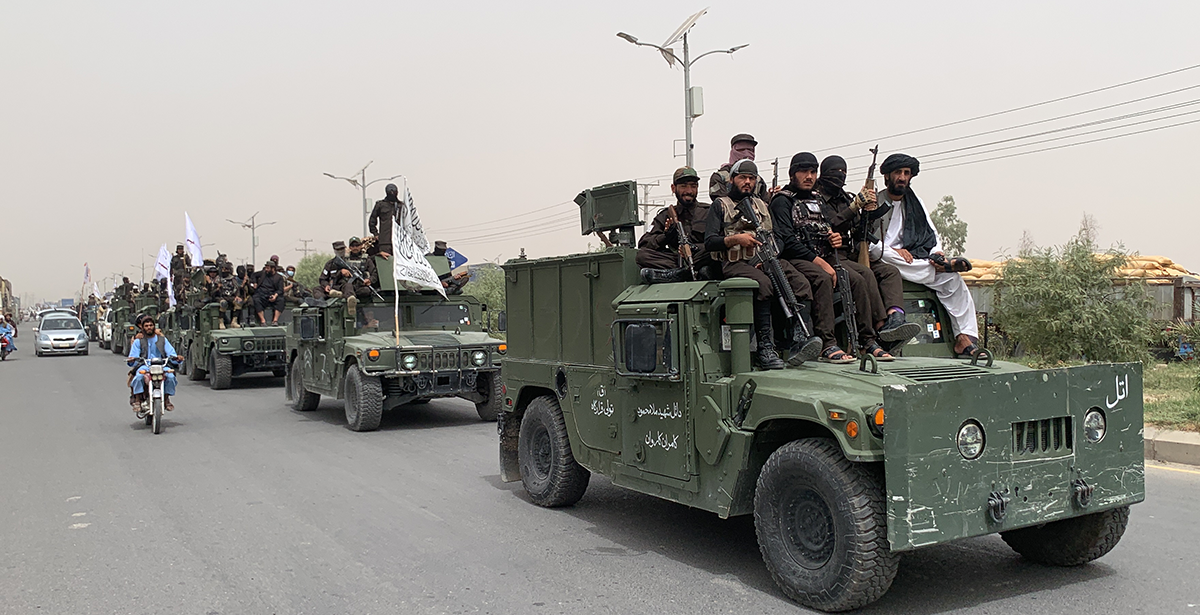
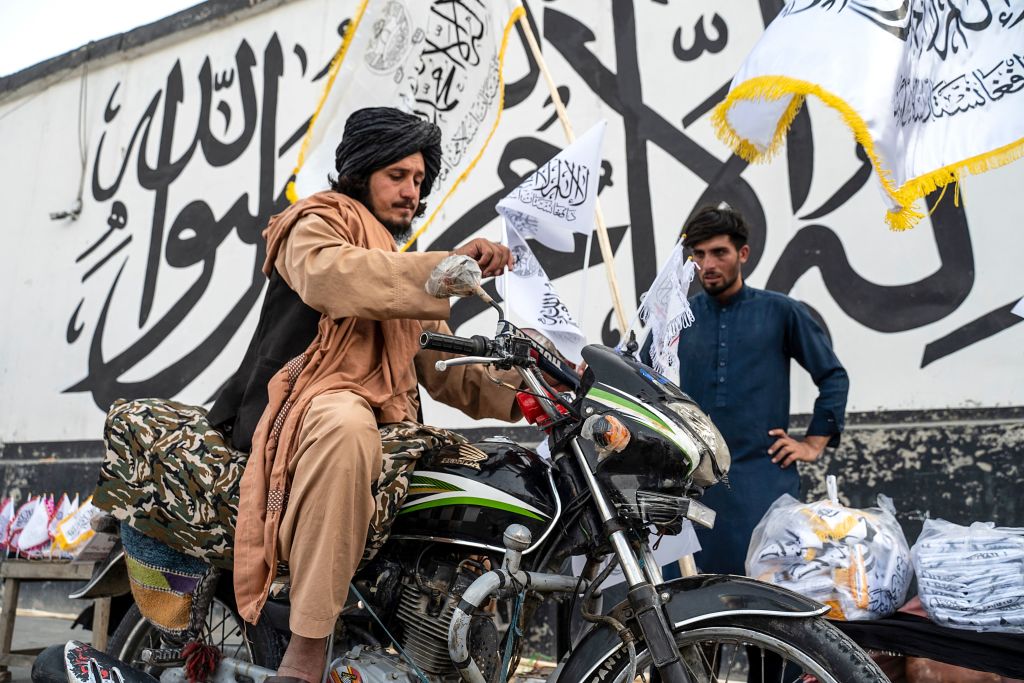
Two years on from the Taliban’s takeover of Kabul, Afghanistan’s neighbors are increasingly concerned that their return to power has emboldened terrorist groups and networks, which are using the hospitable environment to regroup, rearm, and recruit substantially. The main question now for Afghanistan’s neighbors in the region, and the international community more broadly, is just how reliable the Taliban’s counterterrorism assurances to other states really are.
Syria’s economic freefall continues despite Arab League return
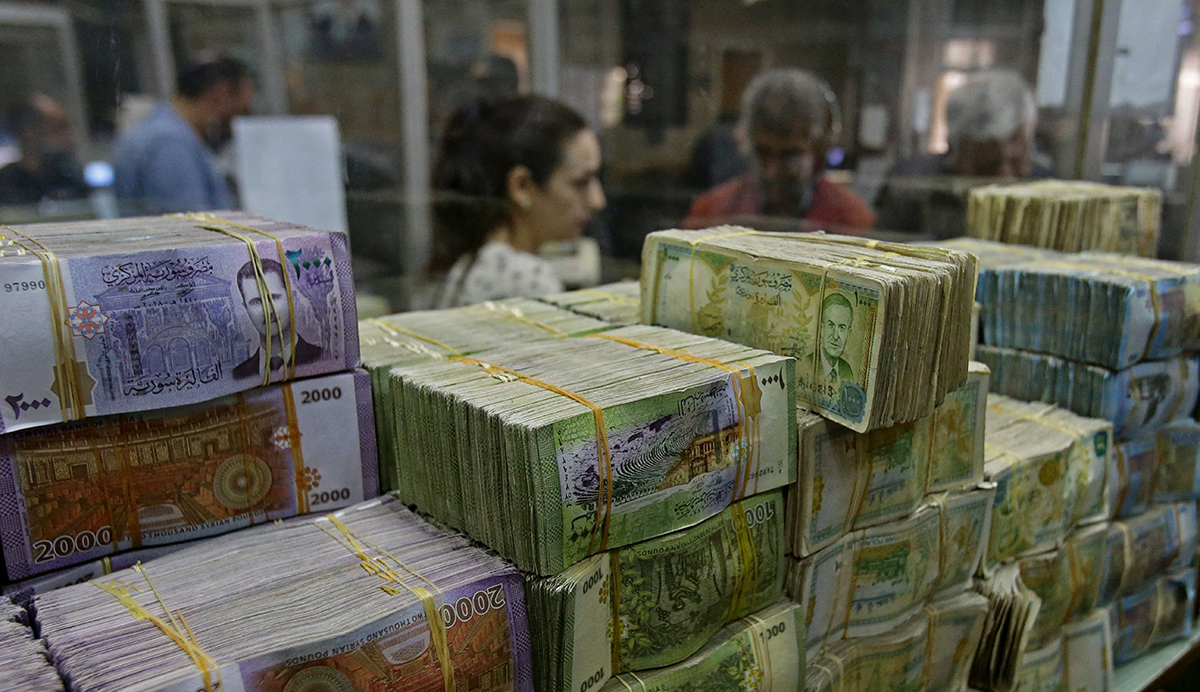
Syria’s dramatic readmission into the Arab League in May was perceived as a turning point for the country’s fortunes. Although Damascus may have come in from the cold diplomatically, there has been little change on the economic front, where the situation remains dire. Since the start of May, the Syrian pound has lost over 70% of its value and shows no sign of stabilizing.
Five factors to watch in US diplomatic efforts on a possible Israel-Saudi deal
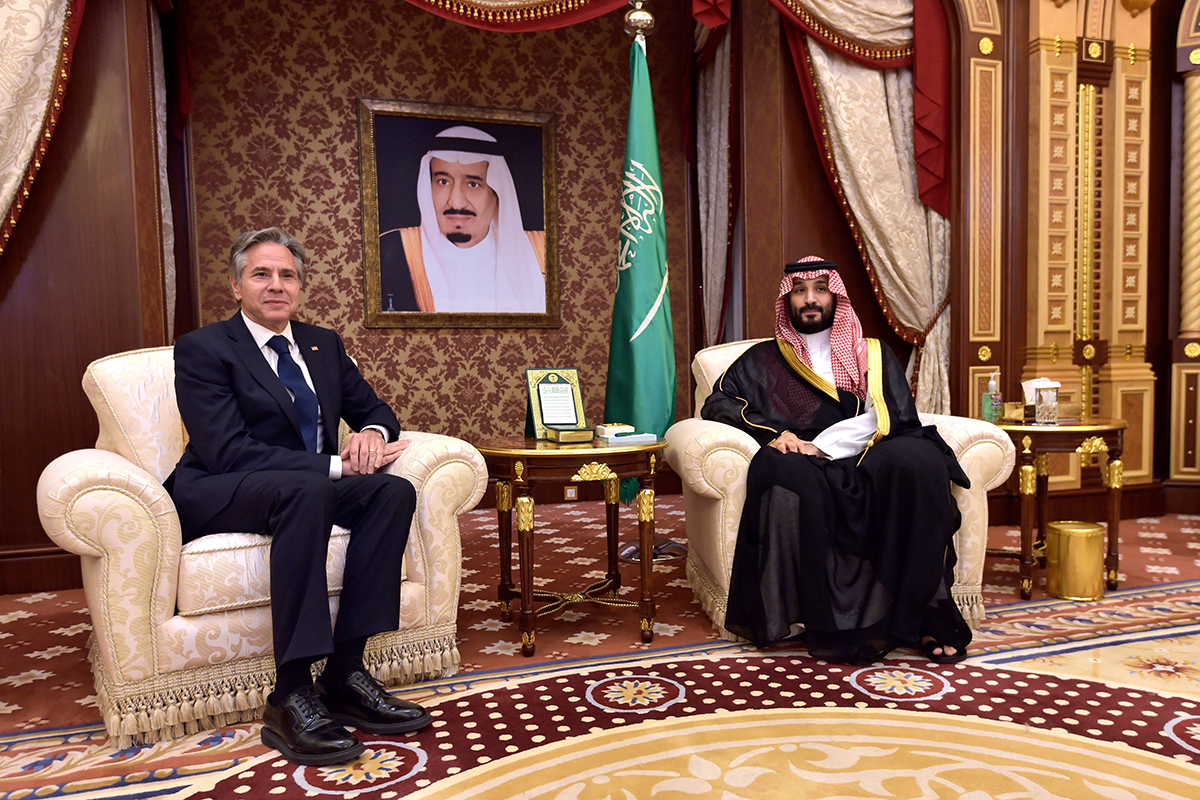
Forging a deal establishing open, normal bilateral ties between Saudi Arabia and Israel would be a major feat with plenty of potential perils along the way — the diplomatic equivalent of climbing Mount Everest. If done right, the result would be historic and transformative for the Middle East with positive geopolitical repercussions. Here are five factors to watch as the Biden administration continues its efforts to produce a major diplomatic breakthrough in the region.
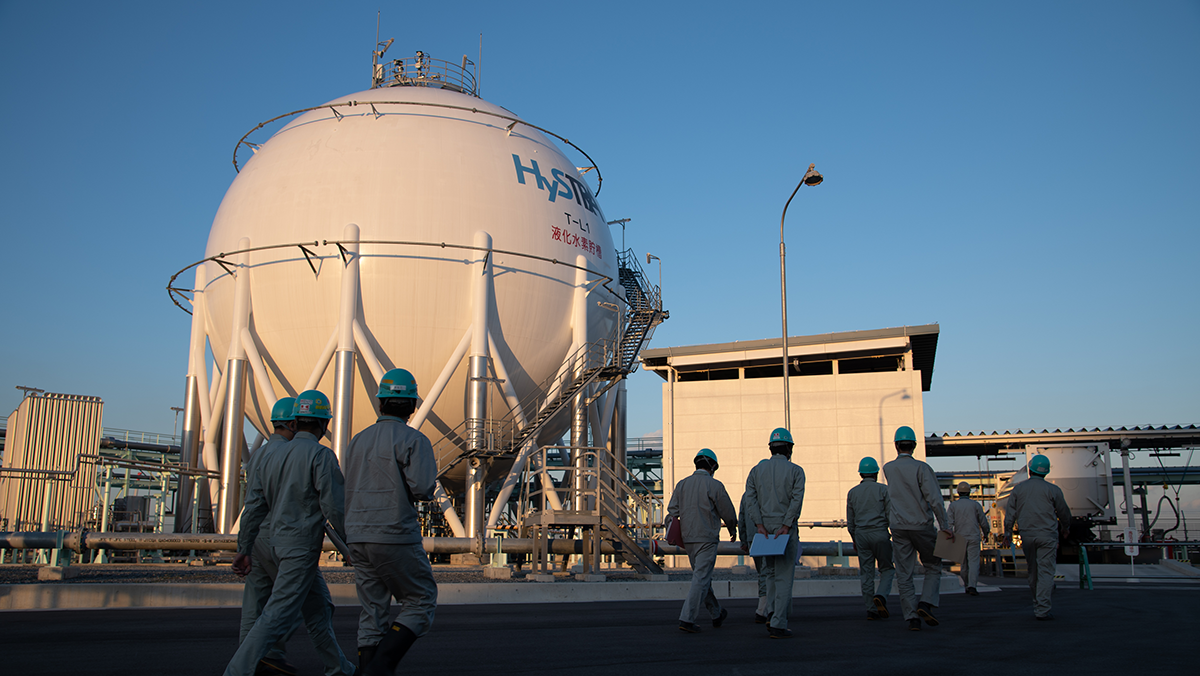
Japan looks to the Gulf as it bets big on hydrogen
As a trailblazer in hydrogen diplomacy, Japan is seeking to develop a new pattern of energy interdependence with its longstanding partners, the Gulf Arab states — countries that are promising production bases for and exporters of green hydrogen and ammonia, and whose leaders have come to regard the development of clean hydrogen as an attractive way to diversify their economies.
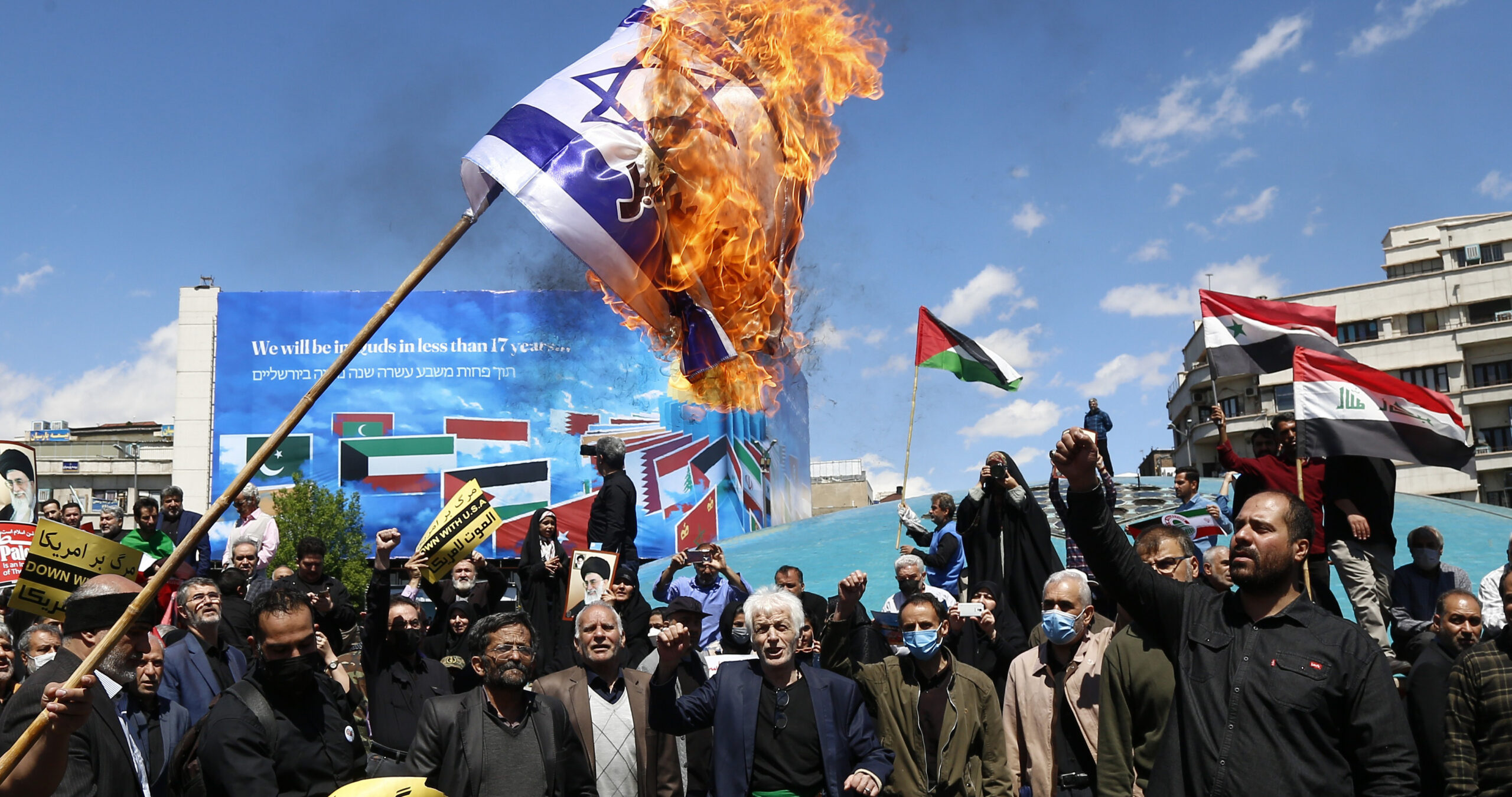
Iran gleefully eyes the protests in Israel, looking for weaknesses to exploit
As Israel grapples with fundamental questions of identity and societal fissures years in the making, Iran and its Axis of Resistance continue to employ their escalation-ready approach of pushing the envelope in multiple geographic theaters, launching cyber operations to foment disunity in Israeli society, and attempting to neutralize the regional gains Israel has made after signing the Abraham Accords with several Arab neighbors in 2020.
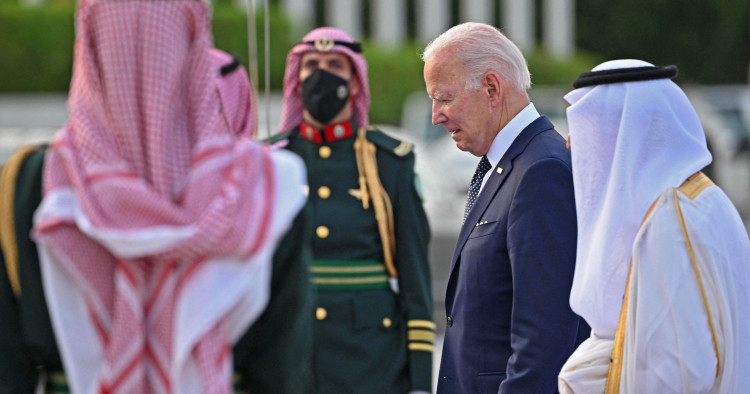
A defense treaty is not how Biden should fix the Saudi relationship
The United States has likely reached a crossroads in its relationship with Saudi Arabia. President Joe Biden can reconcile with Riyadh and use its influence to reshape the Middle East to Washington’s liking and stabilize the global energy markets. Or else the Saudis most probably will tie their fortunes much closer to China, thus complicating America’s top foreign-policy priority.
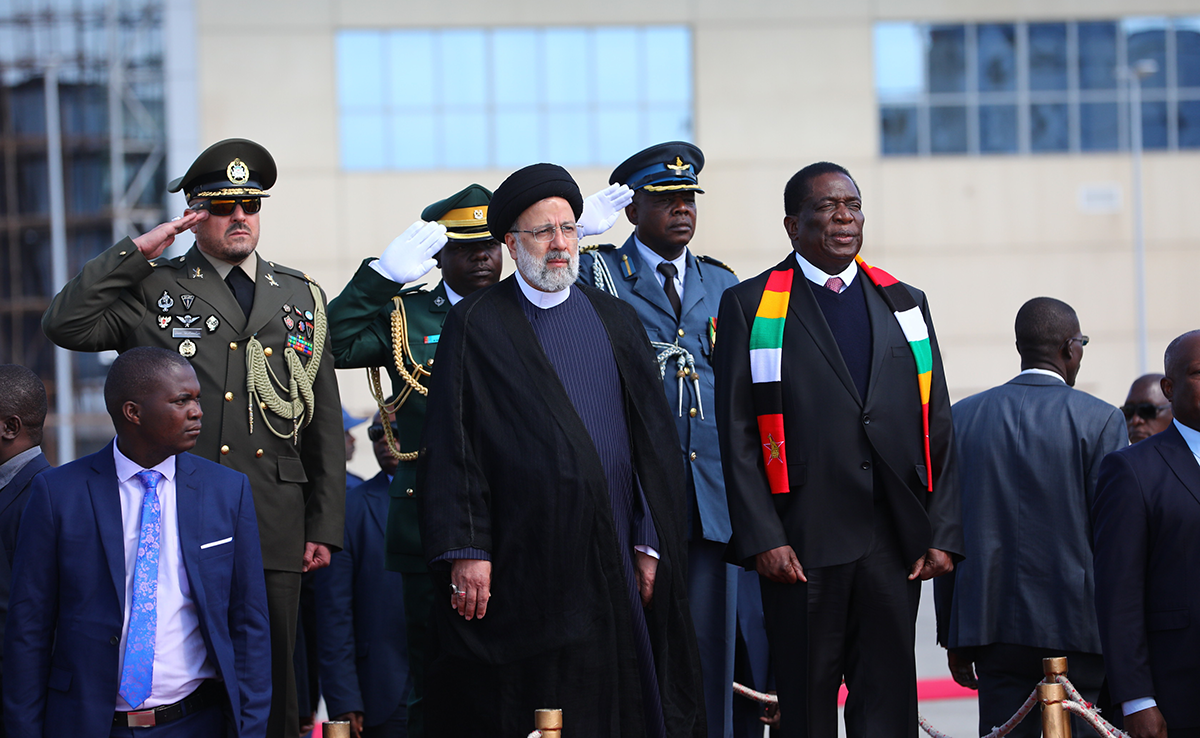
Iran’s renewed Africa policy: Raisi’s ambition and the perception of Western decline
Amin Naeni discusses the revival of Iranian foreign policy with non-Western states, particularly African nations, in light of President Raisi’s recent visit to the continent. Additionally, the piece touches upon how this process has differed between Raisi versus Ahmadinejad, and whether Raisi’s Africa policy will prove any more successful than his predecessor’s.
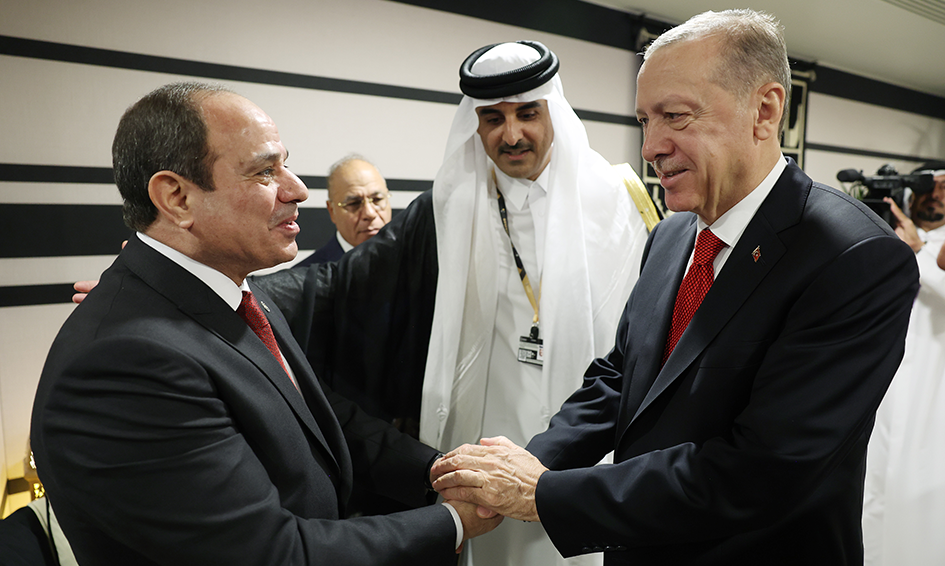
Realigning priorities: Egypt's strategic shift toward Qatar, Turkey, and Iran
While some analysts attribute Egypt’s realignment toward Turkey, Qatar, and Iran to a change in the foreign policies of its influential allies, the UAE and Saudi Arabia, it can be argued that Egypt’s shift is primarily motivated by its domestic dynamics and its unfulfilled foreign policy objectives between 2014 and 2018. Egypt’s realignment, in that sense, seeks to achieve multiple unmet domestic and regional aims.