Searching for the least worst option in Afghanistan
In her March 15 op-ed in The New York Times, “Tell the Truth About Afghanistan”, former National Security Advisor Susan Rice offers three “bad options” for the United States as a solution to the Afghan conflict: a limited engagement focusing on providing training, equipment, and advice for Afghan security forces which she argues would only slow down the Taliban; a complete withdrawal of troops, which would then leave the Afghan government prone to increased insurgency and interference from other i
A rare prospect for peace has come into sight in Afghanistan in the wake of Afghan President Ashraf Ghani’s bold offer to the Taliban. In a sweeping proposal, and for perhaps the first since the U.S.-led invasion of Afghanistan in 2001, Ghani suggested a cease-fire, removal of sanctions, prisoner release, recognition of the Taliban as a political party, fresh elections and a constitutional review. Speaking at the Kabul Process, a two-day Western-backed peace conference, Ghani has demonstrated remarkable boldness and vision.
Russia and Pakistan align their Afghanistan policies
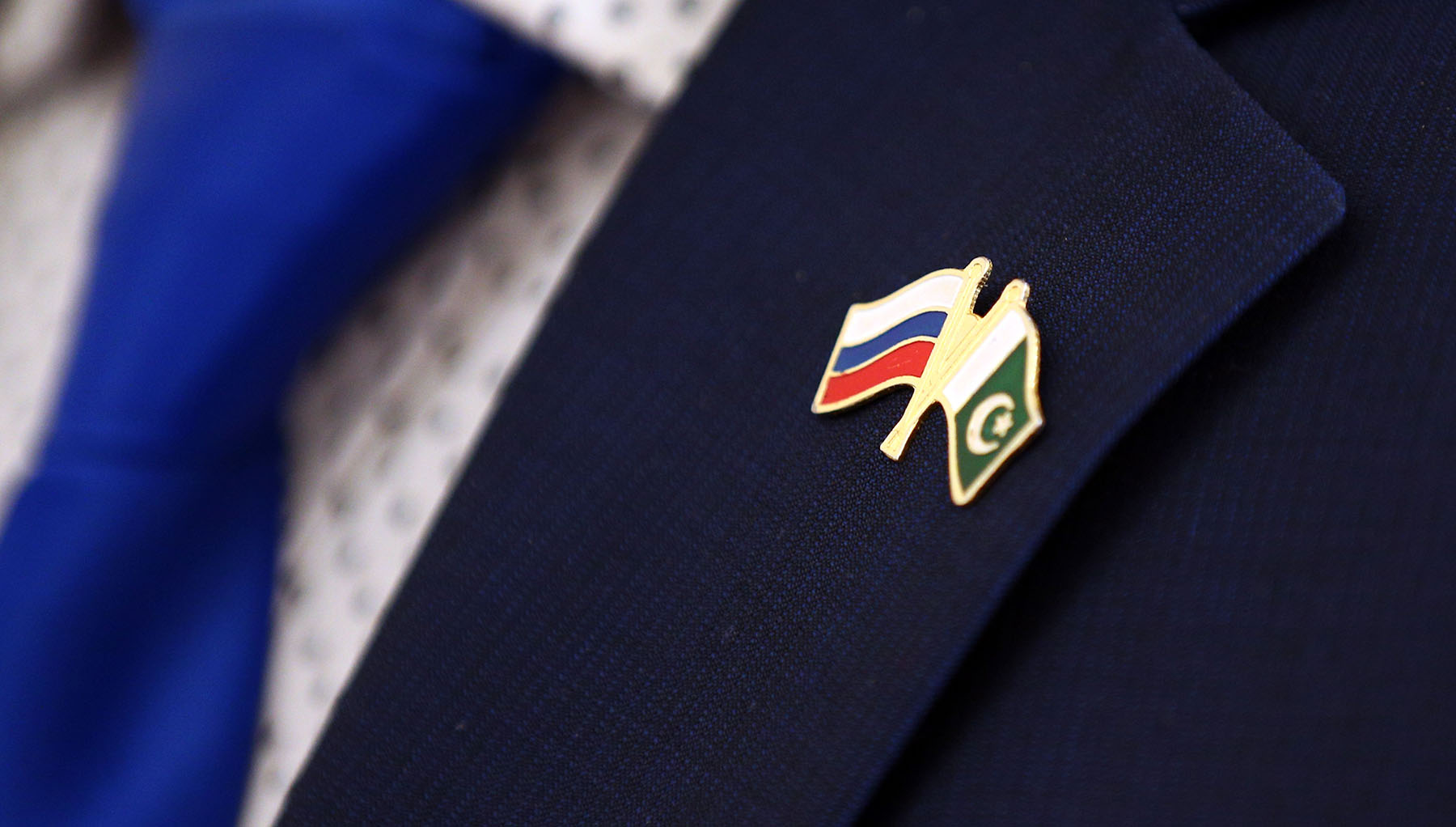
Pakistani foreign minister Khawaja Muhammad Asif’s visit to Russia from Feb. 19 to Feb. 22 was a desperate attempt by Islamabad to woo Moscow into countering mounting American pressure on Pakistan to close safe havens used by the Taliban, most notably the Haqqani network. However, the growing Moscow-Islamabad bonhomie is not good news for Washington’s current Afghan strategy, as it unmistakably signifies changing Russian perceptions and priorities in South Asia.
Monday Briefing: Trump and Netanyahu's ultimate deal
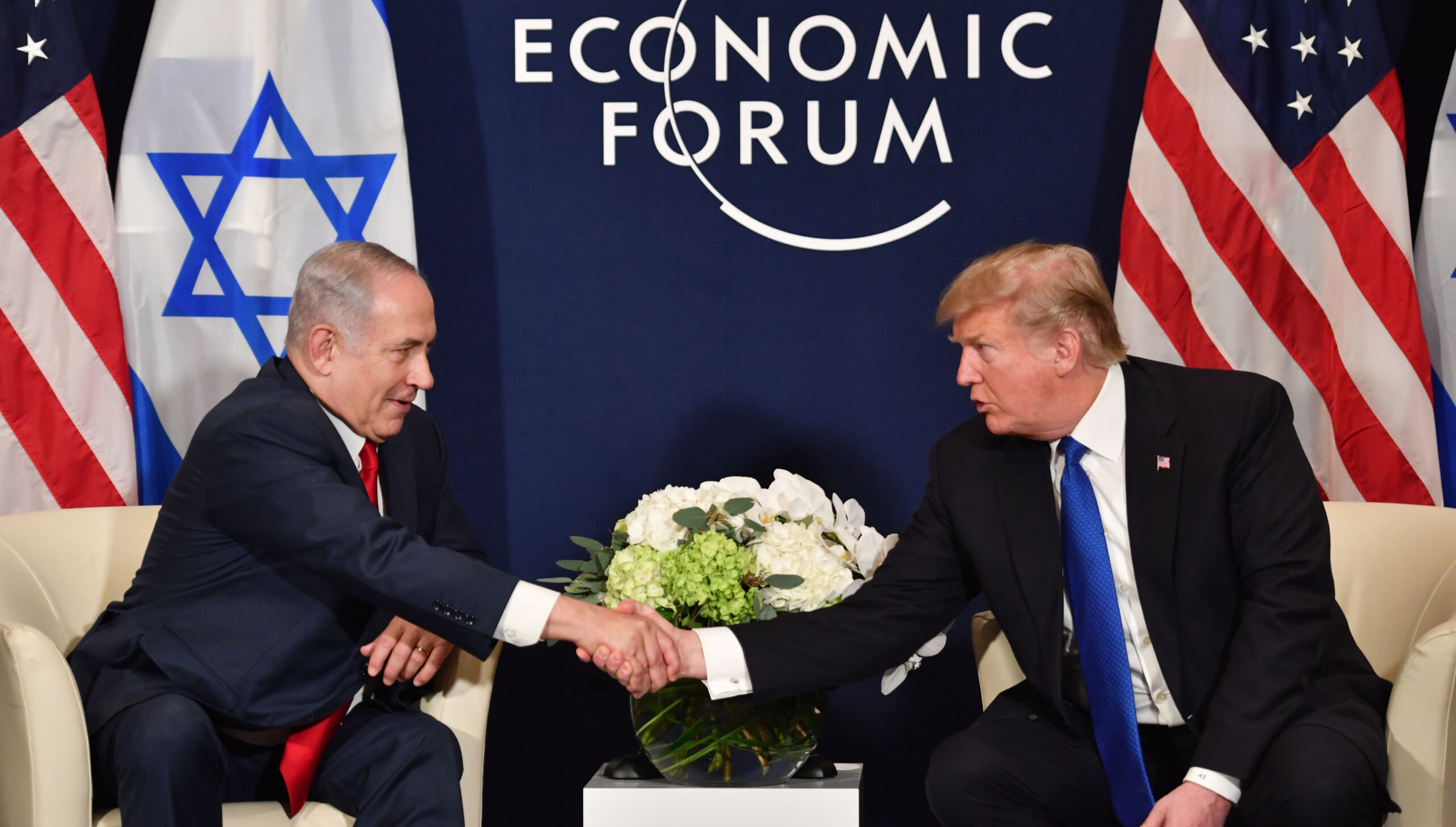
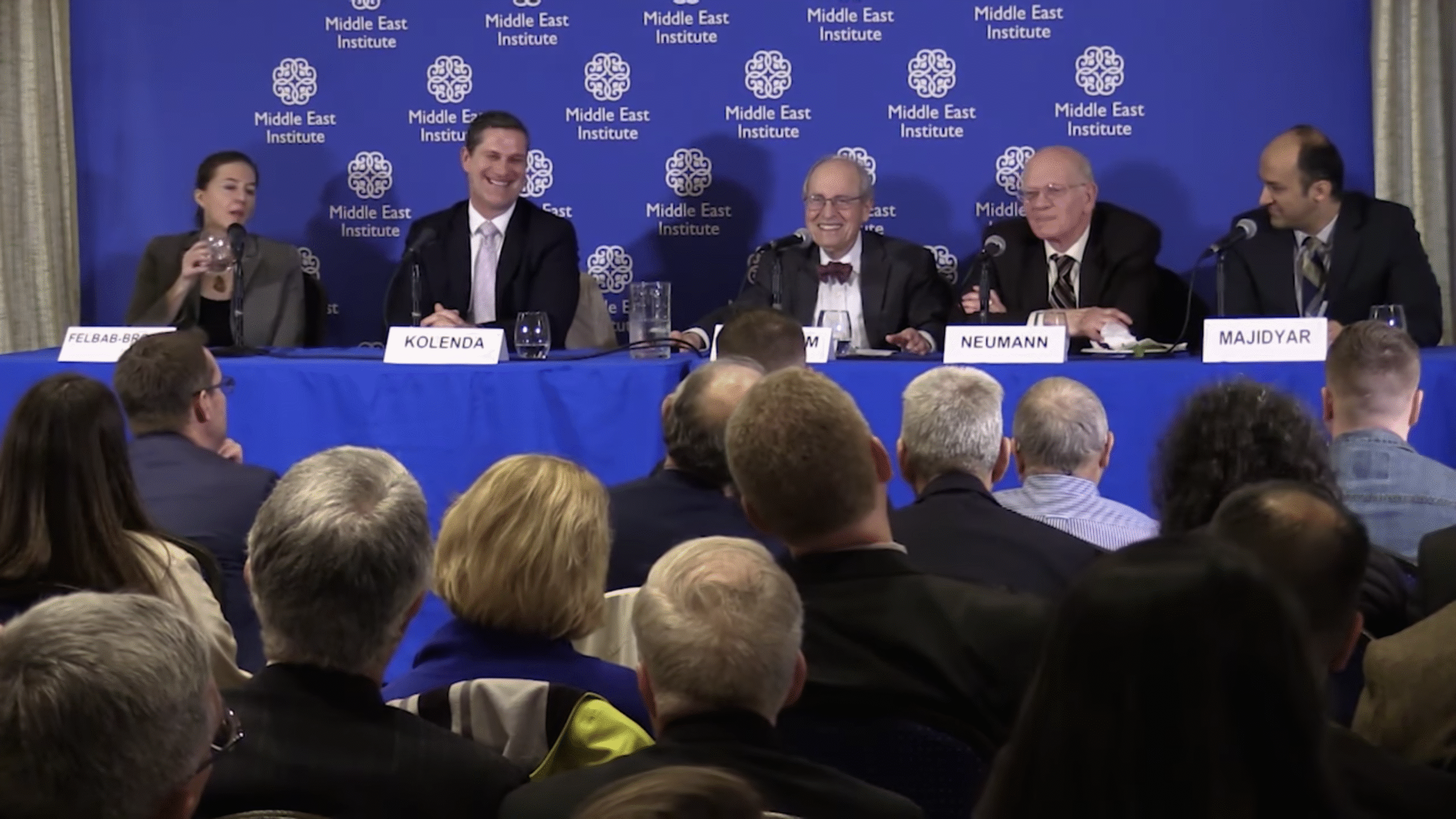
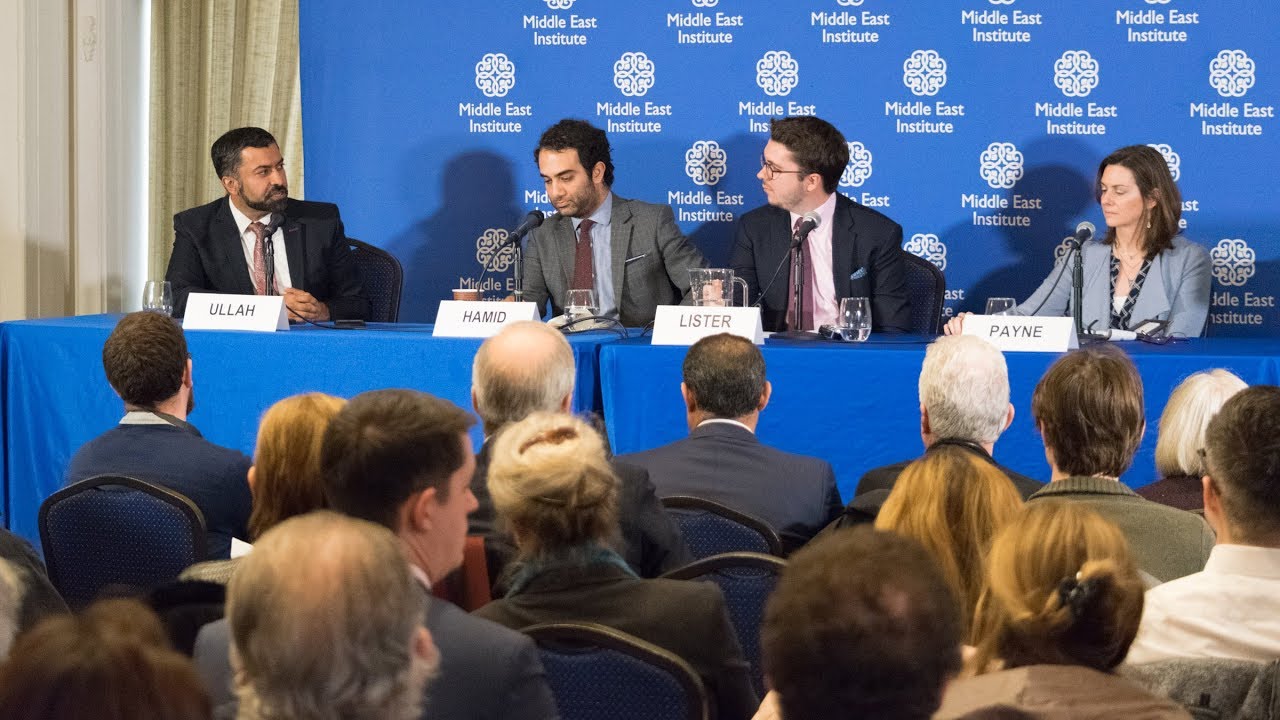
In this week’s Monday Briefing, MEI experts Eran Etzion, Gerald Feierstein, Marvin G. Weinbaum, and Gonul Tol provide analysis on recent and upcoming events including Netanyahu’s meeting with Trump, the Saudi Crown Prince’s first extended travel abroad, the Taliban’s call for peace negotiations with the U.S., and Turkey’s pivot to Africa.
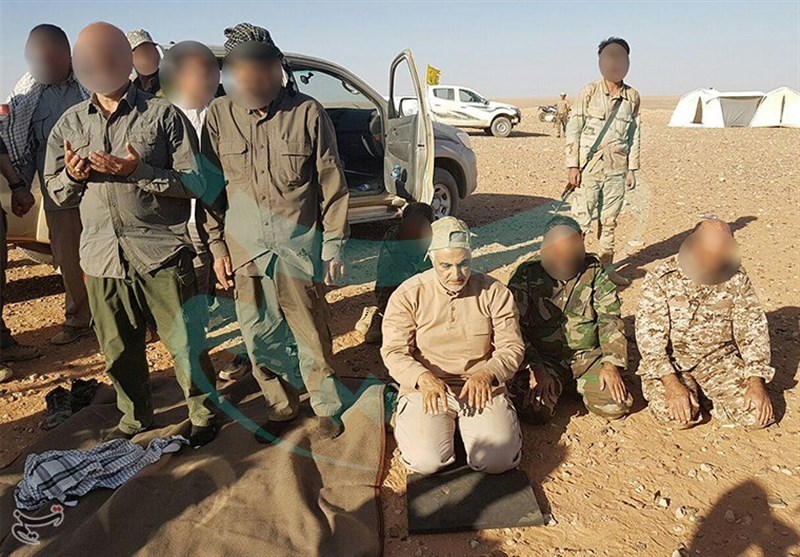
Afghans fear IRGC may deploy Fatemiyoun fighters to Afghanistan
On March 2, Mohammad-Hashem Esmat-Allahi, who served as a senior adviser to former President of Afghanistan Hamid Karzai, praised Afghan Shiite militiamen fighting in Syria.
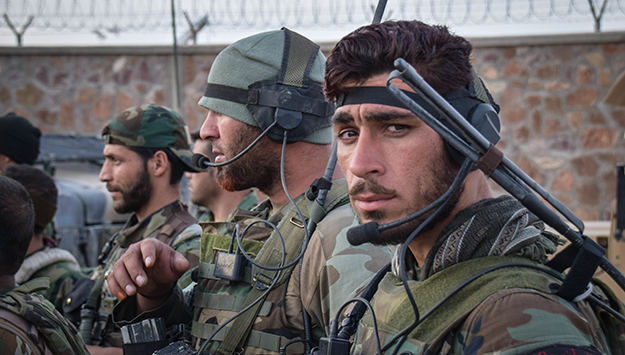
The war in Afghanistan, the longest in U.S. history, shows little sign of winding down. Despite hundreds of billions of dollars in military aid and state support, Afghanistan still struggles with resilient Taliban and Islamic State insurgencies. Recent brazen terrorist attacks and growing disunity among the country’s political leadership raise new doubts about its future.
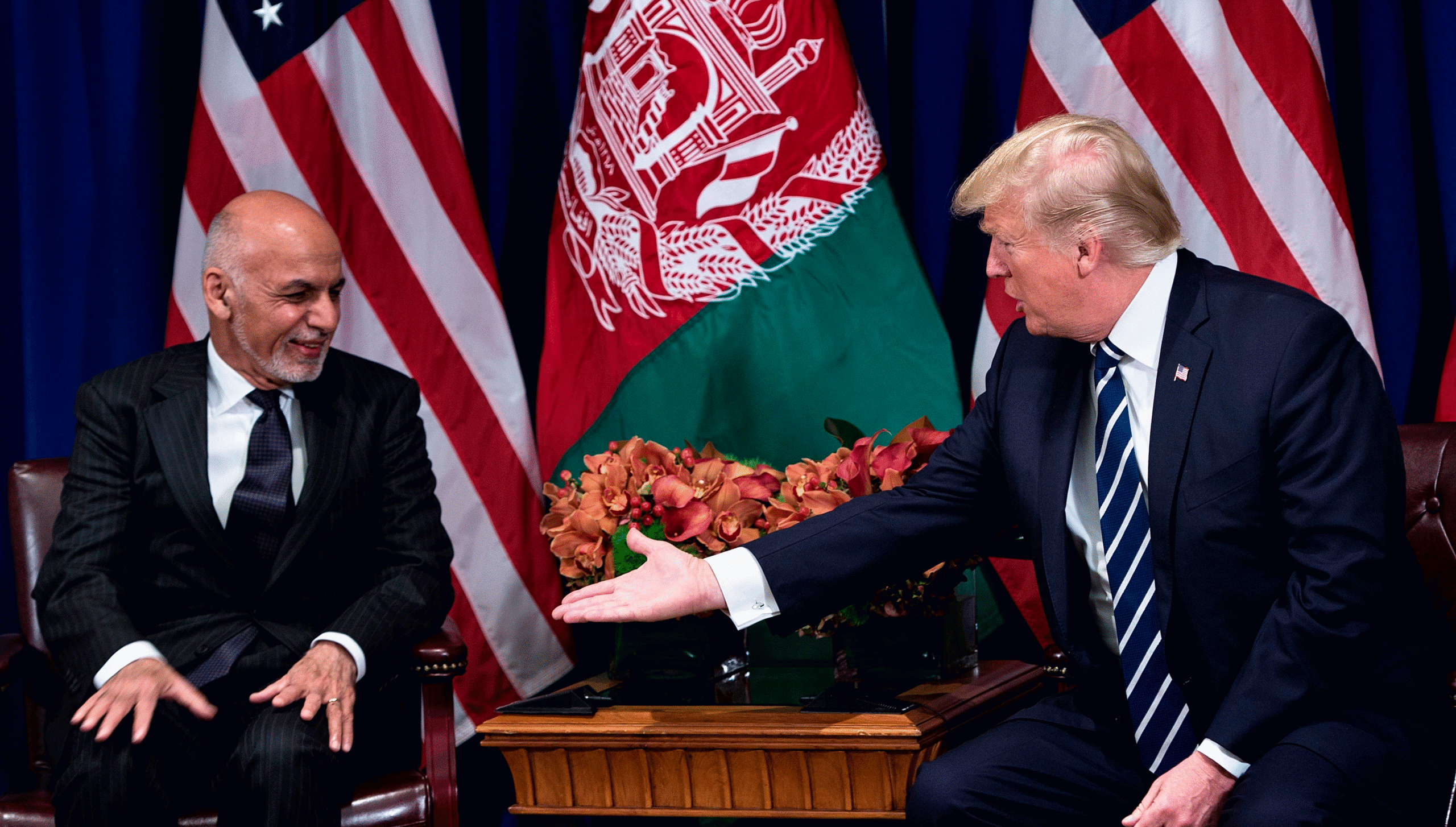
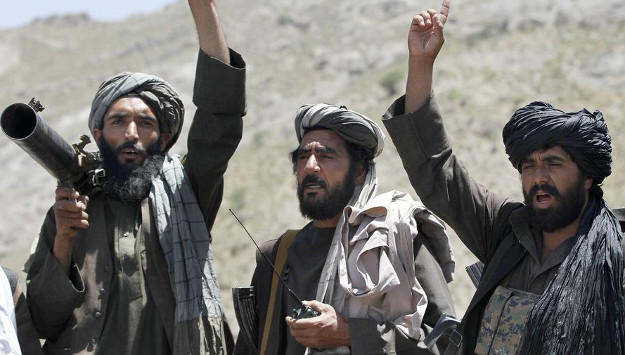
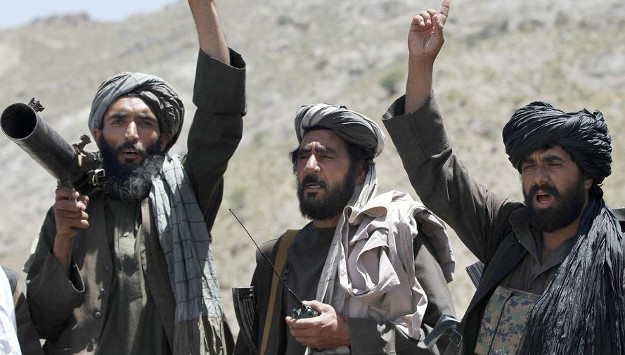
A series of devastating terror attacks orchestrated by the Afghan Taliban and the Haqqani network in the past two weeks have unnerved both the United States and Afghanistan. Visibly upset over the lack of success of his recently announced strategy on Afghanistan, President Donald Trump has declared that “We don’t want to talk to the Taliban.
In this week’s Monday Briefing, MEI experts Charles Lister, Bilal Y. Saab, Marvin G. Weinbaum, and Gonul Tol provide analysis on recent and upcoming events including the unrelenting violence in Syria, President Trump’s “Buy American” plan, the Taliban’s anti-U.S. propaganda, and Erdogan’s meeting with the Vatican.
Afghan intelligence chief warns Iran and Russia against aiding Taliban
The head of Afghanistan National Directorate of Security (NDS) has said that Iran and Russia are in contact with the Taliban and are supporting the militant group in Afghanistan. In an interview with the BBC Persian, Mohammad Masoom Stanekzai pointed out that Tehran and Moscow provide assistance to the Taliban under the pretext of fighting the Islamic State, which has gained a foothold in South Asia in recent years.
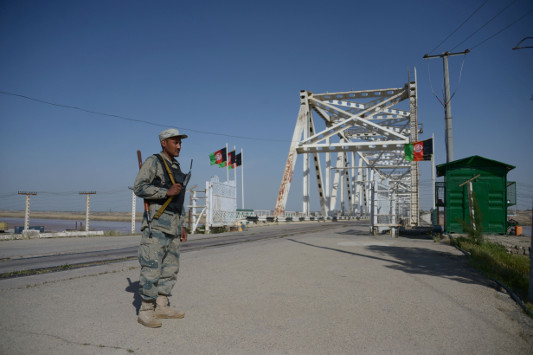
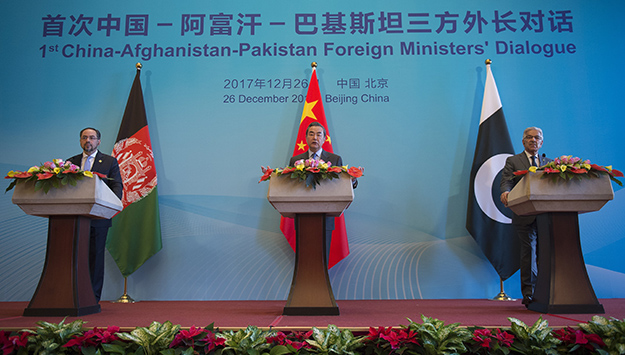
The Afghan conflict is so intractable that it continues to resist any kind of resolution. But Afghanistan’s northern neighbor, Uzbekistan, wants to try its hand. An international ministerial conference titled “Afghanistan–path to a peaceful future” is scheduled in Tashkent for late March 2018.
Afghan politician cautions Tehran against aiding Taliban
A prominent Afghan politician has cautioned that it is not in the interest of Iran to have close relations with the Taliban, Afghan media reported. “As an Afghan, I explicitly state that cultivating close relations – I hope it is a mistake – with an enemy, which has no difference with ISIS in its essence and substance, is harmful not only to the Iranian people but also to the people Afghanistan,” Amrullah Saleh, the head of the Afghan Green Trend and former intelligence chief, said at the Tehran Security Conference.
January 10, 2018 – Mobile technologies for consuming and spreading information are empowering individuals and nonstate actors in politics and in conflicts. Social media activists scrutinize authoritarian and democratic powers alike. Violent extremists such as ISIS have used the web to advance their ideologies, project invincibility, undermine governments, and sow fear and hatred. The information battlefield surrounds all internet users.
Afghanistan remains a key military and diplomatic challenge for the United States, with far-reaching strategic and economic implications. While achieving stability in war-torn Afghanistan is a prerequisite for regional peace, fixing matters there has become hostage to innumerable domestic contradictions as well as deep-rooted strategic mistrust among key regional stakeholders.
Afghan Official in Deep Water after Praising Role of Soleimani and Shiite Militias in Syria
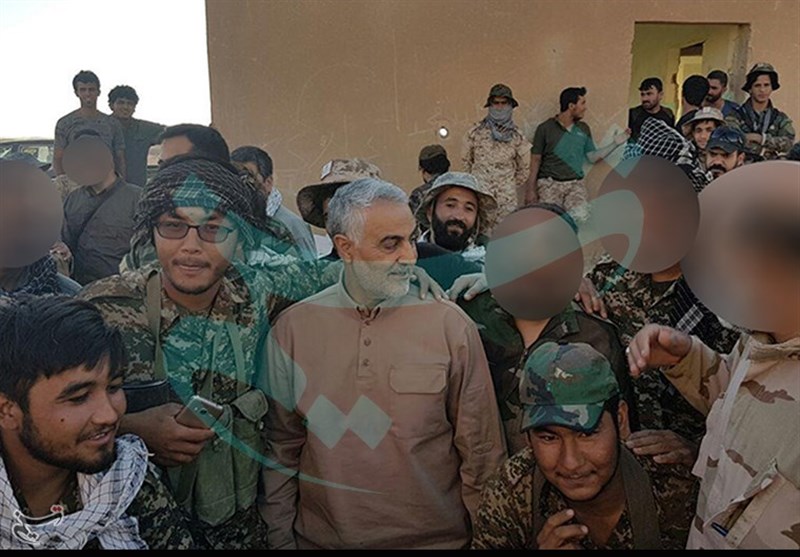
Mohammad Mohaqeq, a deputy chief executive of Afghanistan, has come under fire at home after he praised the role of Iran and its regional proxies in the Syrian conflict. Speaking at a conference in Tehran last week, Mohaqeq congratulated Qassem Soleimani, the commander of Iran’s elite Quds Force, and Hassan Nasrallah, the leader of the Lebanese Hezbollah, for the “victory” against ISIS. But what particularly triggered angry reactions in Afghanistan was Mohaqeq’s praise for Afghan Shiite militias, known as the Fatemiyoun Division, who are fighting in Syria under Soleimani’s leadership.