The Saudi Aramco IPO: Short-term success, long-term loss
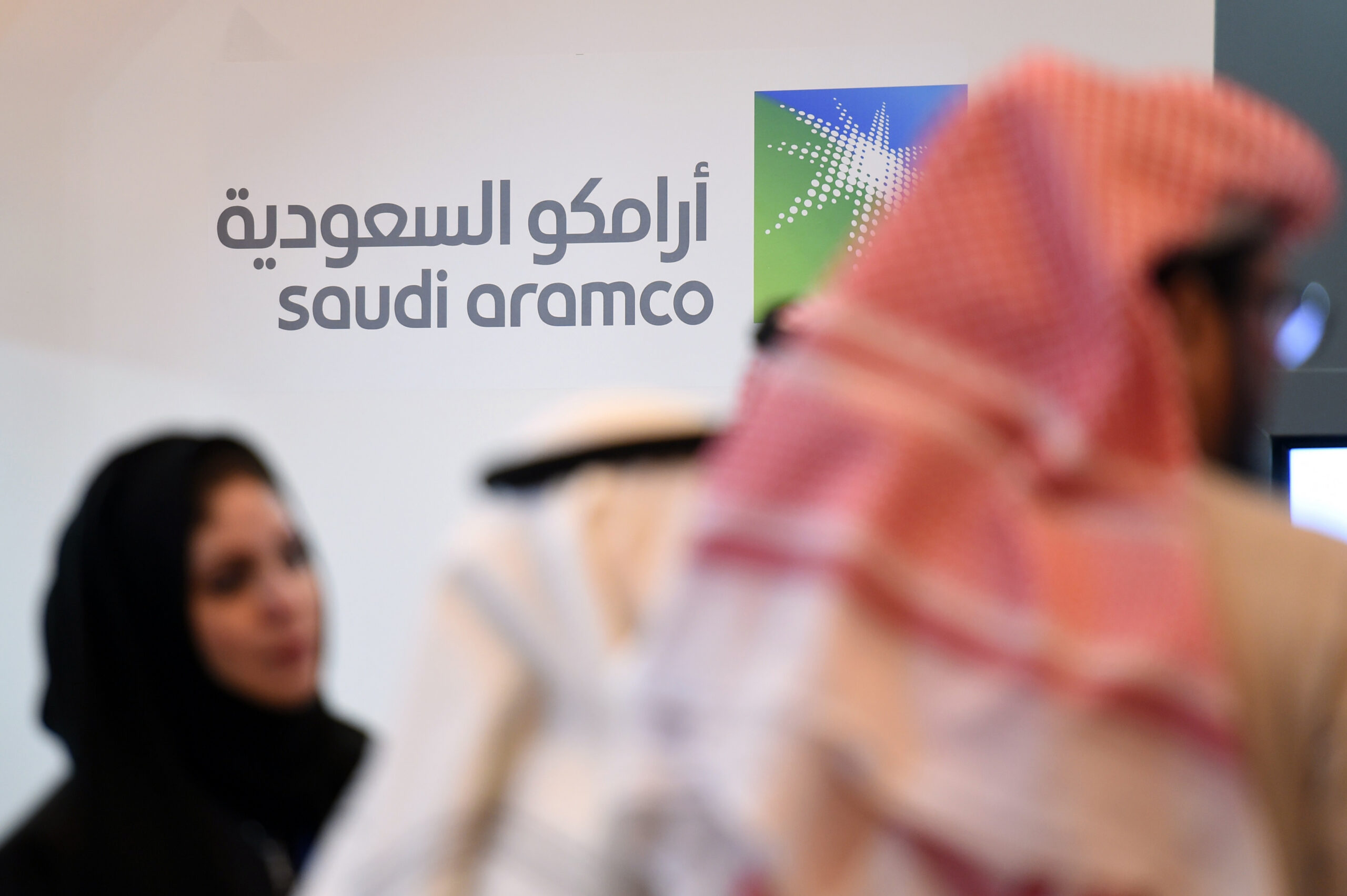
The Saudi Aramco IPO got started this Sunday morning with shares priced at SAR 30-32 ($8-8.50) each, valuing the company at $1.7 trillion, $300 billion below the original estimate. The lower valuation has been expected for some time by most investment banks and many financial analysts. The proceeds are expected to fund the Public Investment Fund’s forays into non-energy-based companies, advanced technologies, and even robot-filled cities.
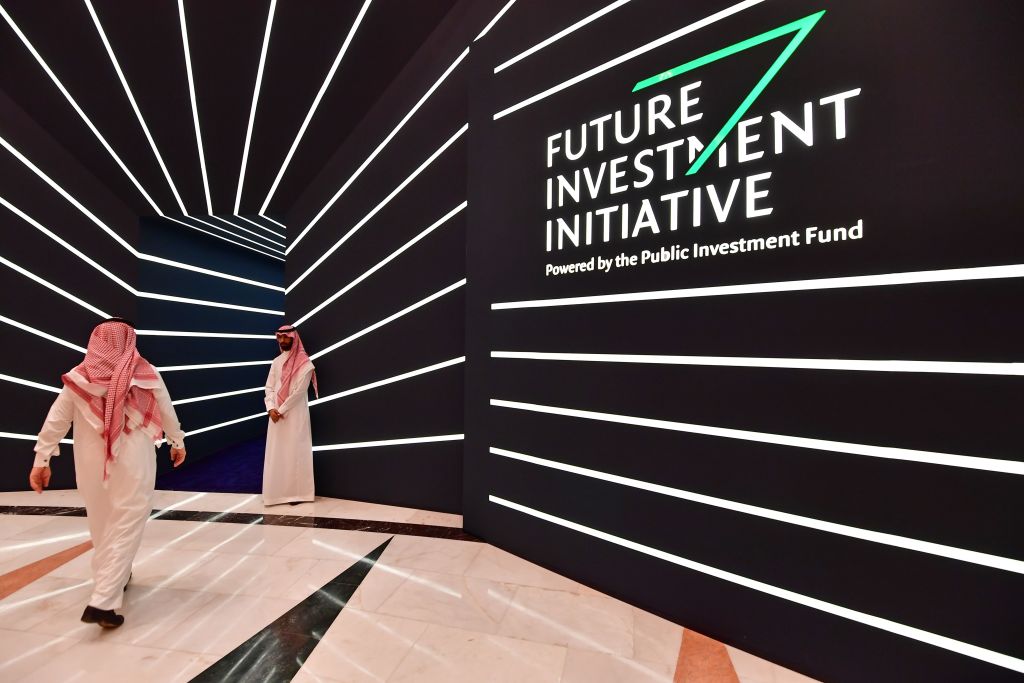
The Future Investment Initiative: A window on the kingdom’s future or a PR stunt?
The FII’s public relations bash is important in that it shows the world that the leadership of the kingdom has an ambitious and real vision to move the country forward.
Resolving the Lebanese-Israeli border dispute: What’s in it for Washington?
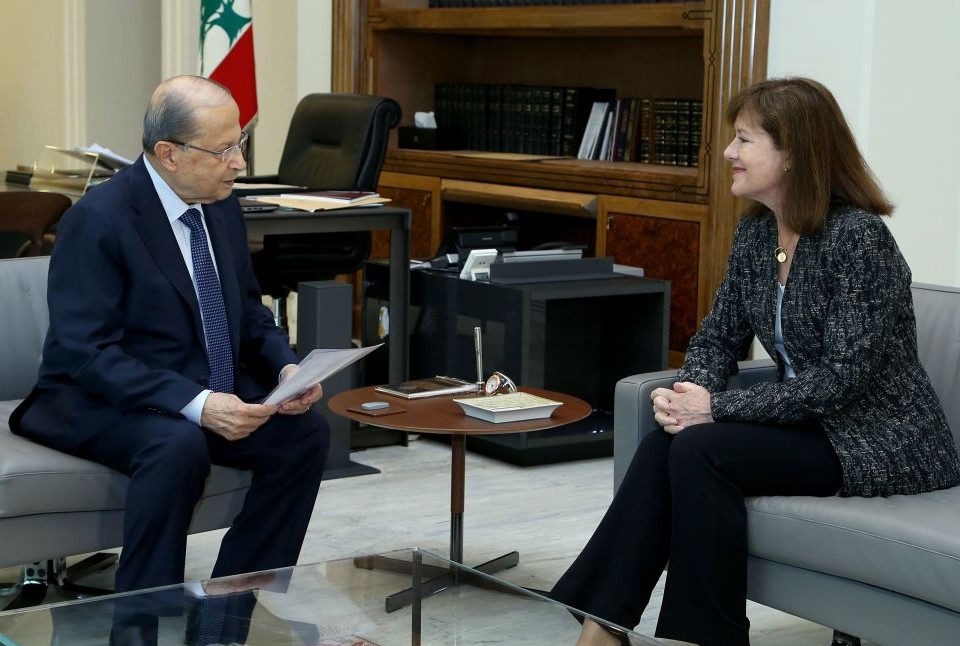
On Sept. 25, Lebanese President Michel Aoun told the UN General Assembly that Lebanon is prepared to welcome any country’s help in demarcating its land and maritime borders. He was referring to Lebanon’s decades-old border dispute with Israel, the resolution of which has become increasingly important as the country inches closer toward its first oil and gas drilling operations later this year.
Putin reaps benefits of Trump’s Middle East policy collapse
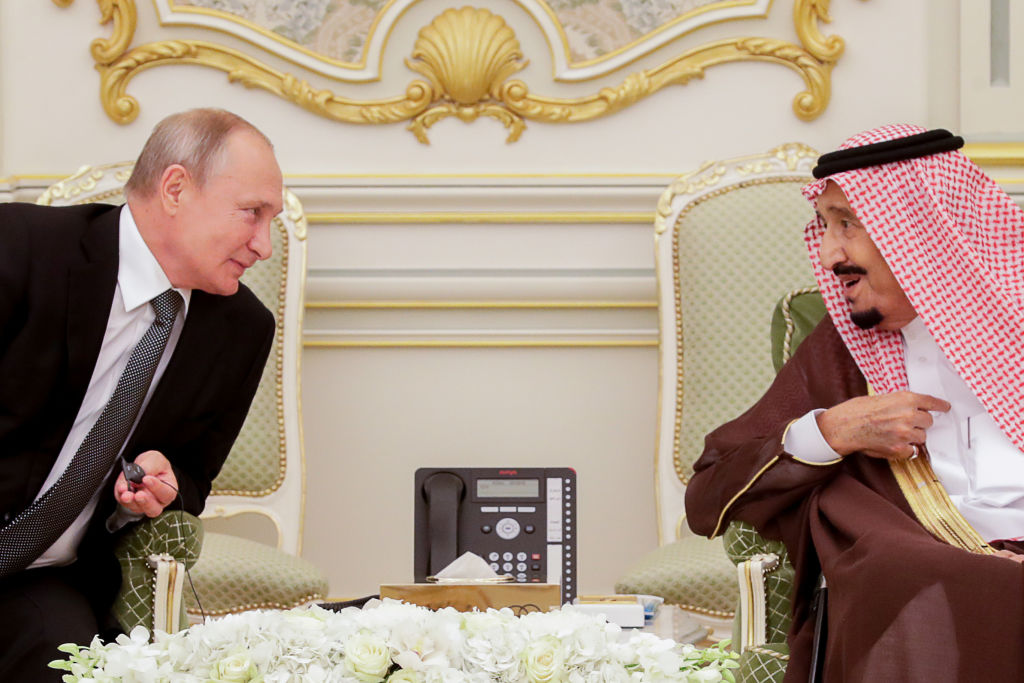
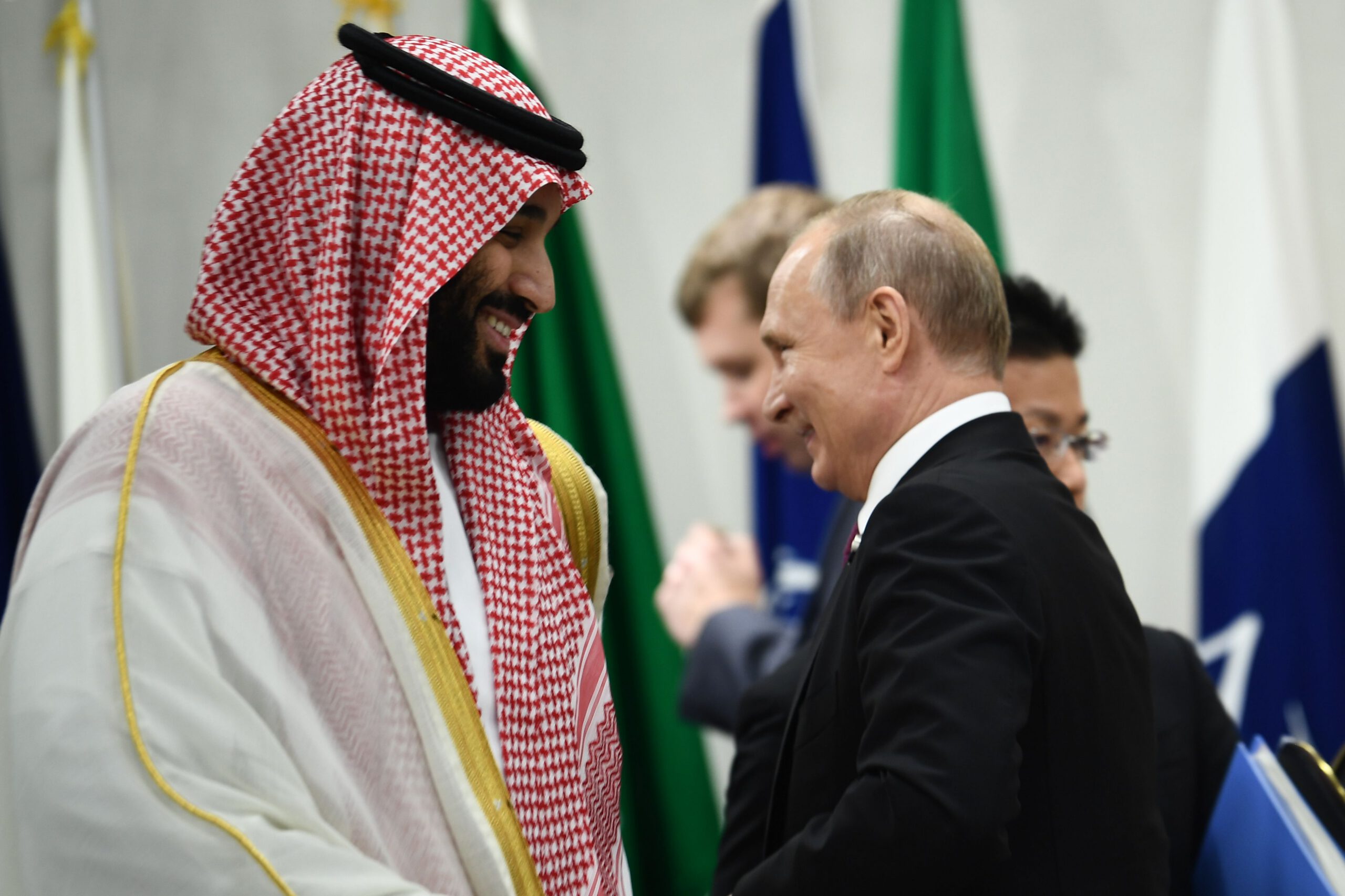
Putin’s visit to Saudi Arabia and the UAE takes place as the U.S. position in the Middle East collapses in the face of a series of misjudgments and “own-goals” by the Trump administration.
Putin’s visit to Riyadh could help shape the next chapter of Russia-Saudi relations
President Vladimir Putin heads to Riyadh to try to pry loose multi-billion-dollar investments that Saudi Arabia has pledged to Russia but failed to deliver on. Putin also hopes to persuade the kingdom to increase two-way trade.
UN Summits Week puts a spotlight on climate change
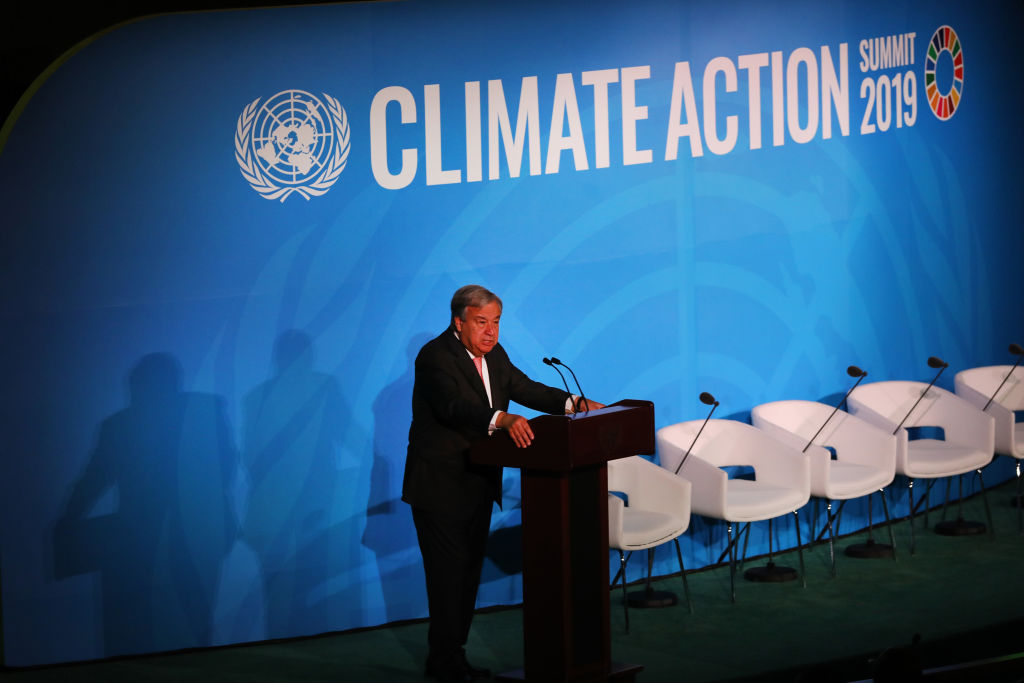
This week heads of state and government are gathered in New York for the UN Summits Week, during which five key summits are taking place to urge action on major challenges that continue to undermine human security globally.
New leadership and new challenges for Saudi Arabia's oil industry
Saudi Arabia surprised the global oil and gas industry earlier this month by reshuffling its top two energy positions. Long-serving technocrat Khalid al-Falih was ousted as chair of Saudi Aramco one day and as head of the Ministry of Energy the next.
The Syrian Oil Crisis: Causes, Possible Responses, and Implications
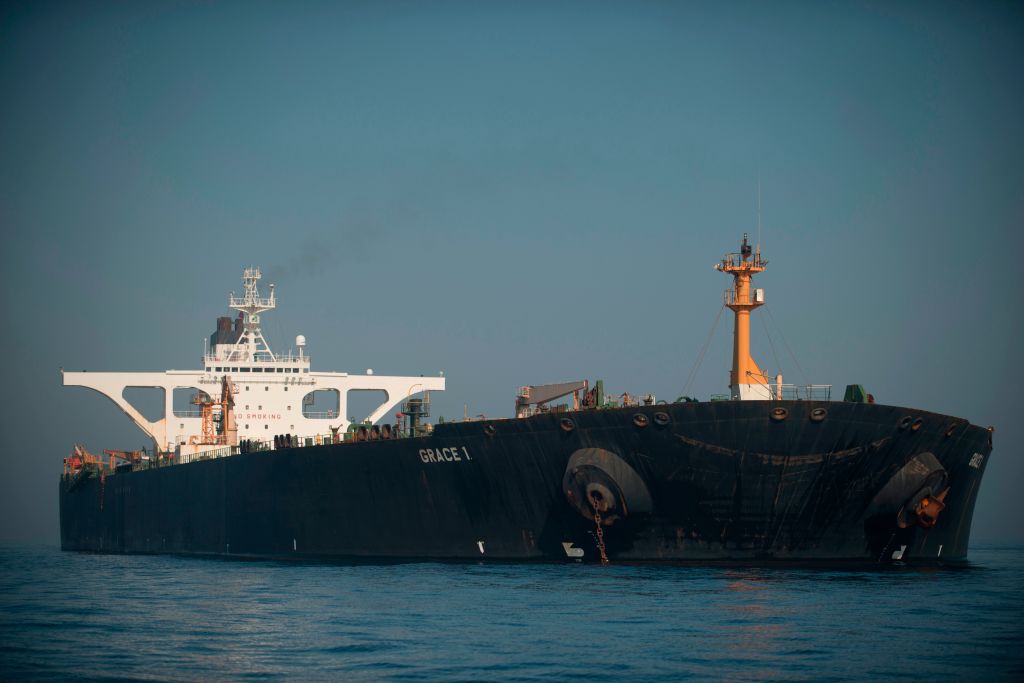
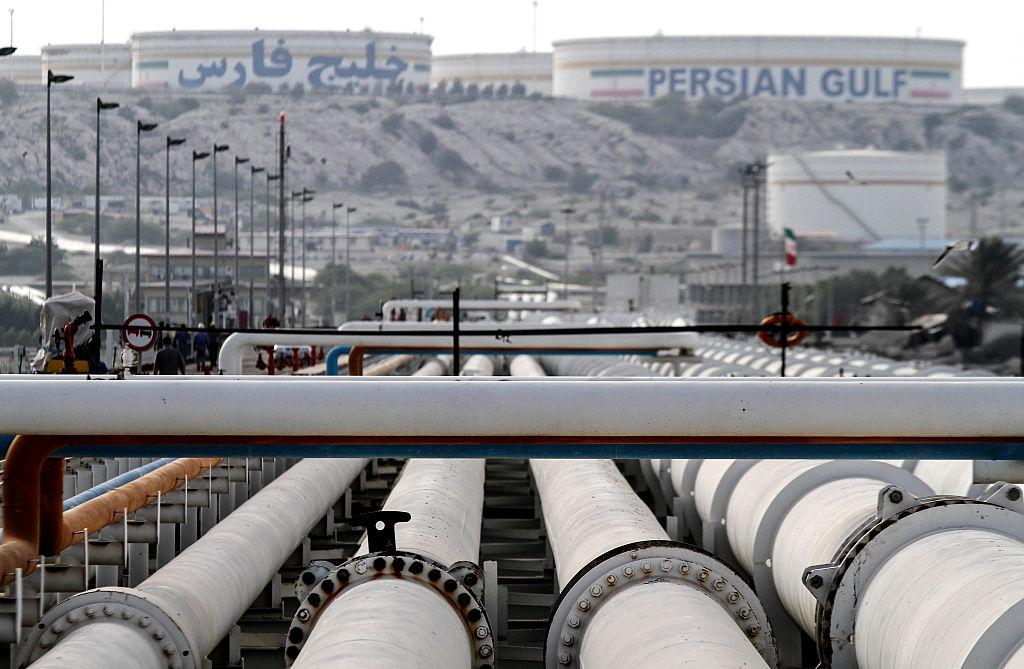
Unlike most other goods, the inflation-adjusted prices of oil and oil derivatives actually became cheaper in the years after the Syrian uprising and the loss of most of the country’s oil fields. Iran stepped in to fill the gap by shipping oil by sea through the Suez Canal. In recent months, however, these shipments seem to have ground to a halt, crippling regime-controlled areas. This paper examines several competing explanations for the slowdown in Iranian oil shipments, explores a range of possible responses for the Assad regime, and takes a closer look at the implications for the regime, its allies, and regular Syrians.
The end is not near: Sleepwalking through human and military security crises in MENA
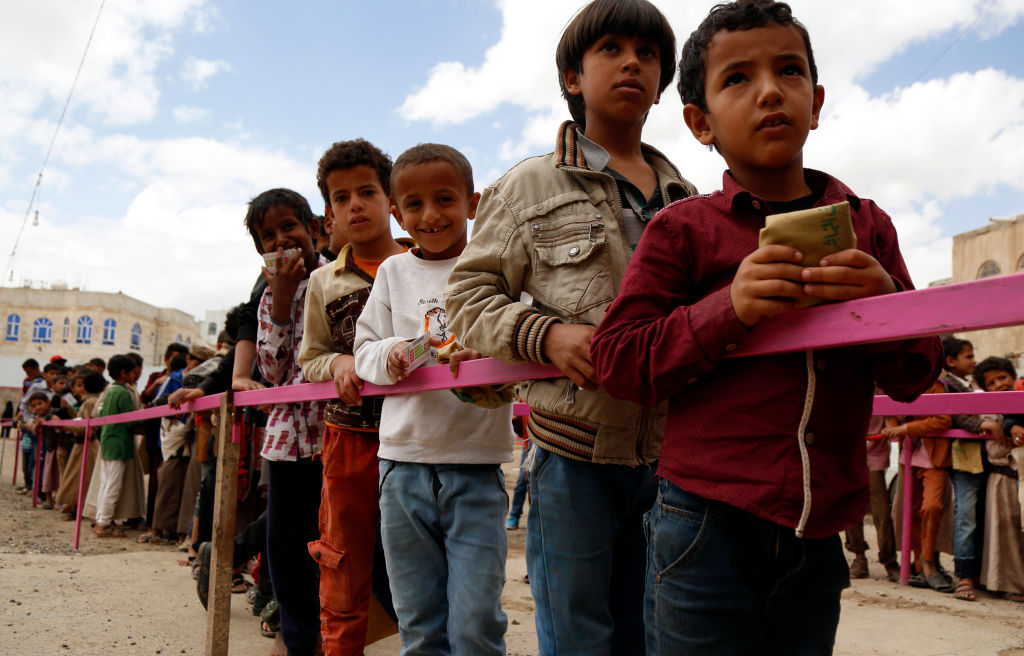
The Middle East and North Africa (MENA) is shouldering the world’s largest humanitarian caseload and most severe crises of undernourishment since World War II. Tens of millions of people in five MENA countries are struggling with chronic hunger, and millions of them are on the brink of famine. MENA has also been grappling with the world’s longest chain of consecutive regional wars every decade since the mid-20th century, now spanning nearly 75 years.
OPEC+ agrees to production-cut extension and new charter amid rising Middle East tensions
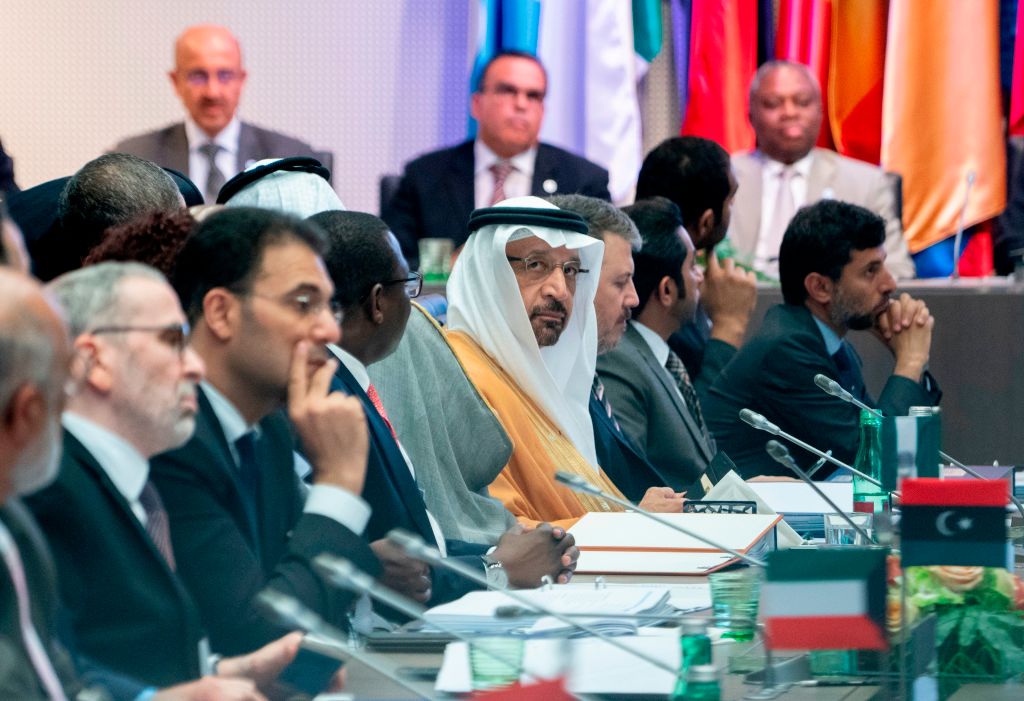
OPEC+ nations have ended speculation about whether they would continue oil production cuts by agreeing to a nine-month extension. Led by the global petroleum powers Saudi Arabia and Russia, the group agreed on July 2 to extend the current level of cuts until the second quarter of 2020.
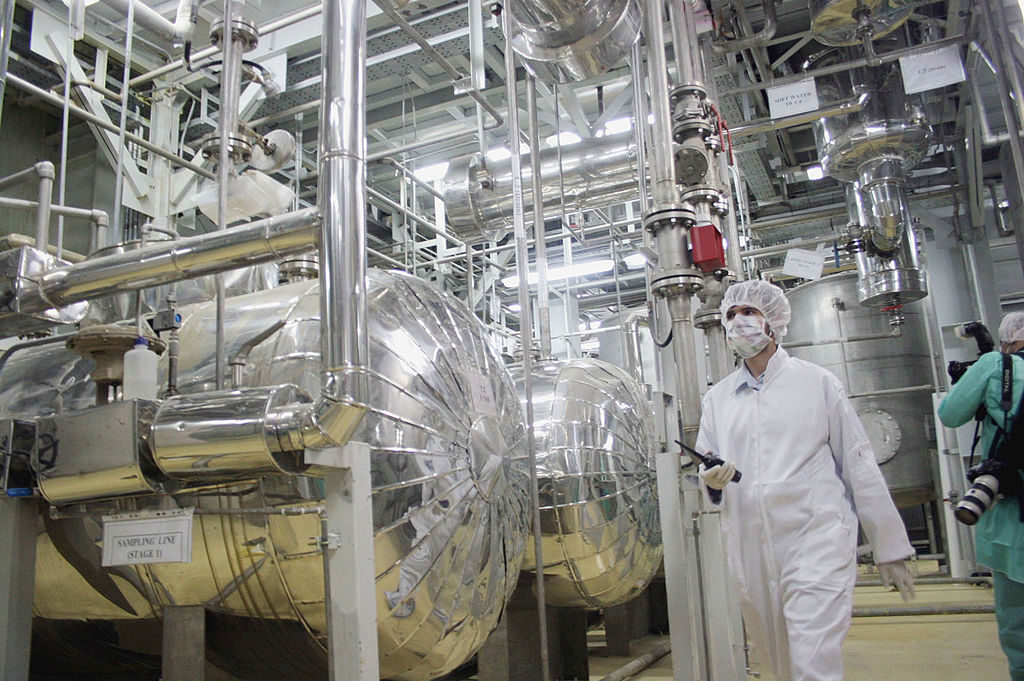
When it was signed four years ago, the Iran nuclear deal was widely perceived as a diplomatic triumph, a move that would help reintegrate Iran into the global economy and restore its relations with the West. Things haven’t quite turned out that way, however.
Shale oil and the illusion of US energy independence
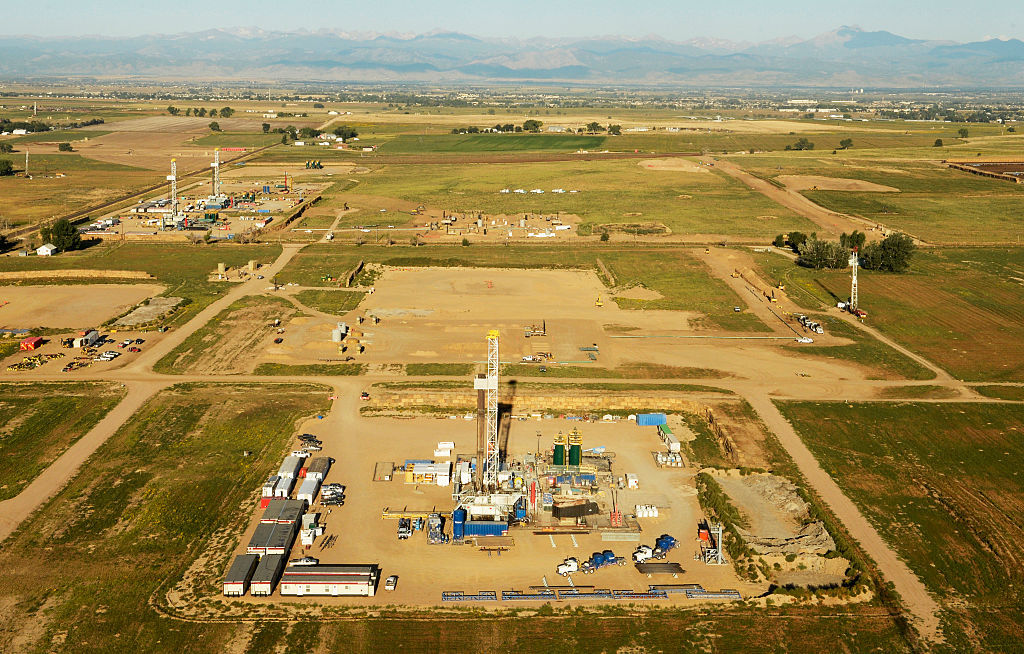
U.S. crude oil and energy product exports surged to an all-time high in the third week of June, making the country a net exporter of oil and products for the third time since November 2018. This change lends credence to American officials’ presumption that amid growing U.S.-Iran tensions in the Persian Gulf, Washington is less compelled to police oil transit routes in the region, especially the Strait of Hormuz, than it was during the 1980s. However, while the U.S. is less reliant on oil imports than in the past, it still remains dependent on Gulf producers, albeit in different ways.
Freshwater Resources in the MENA Region: Risks and Opportunities
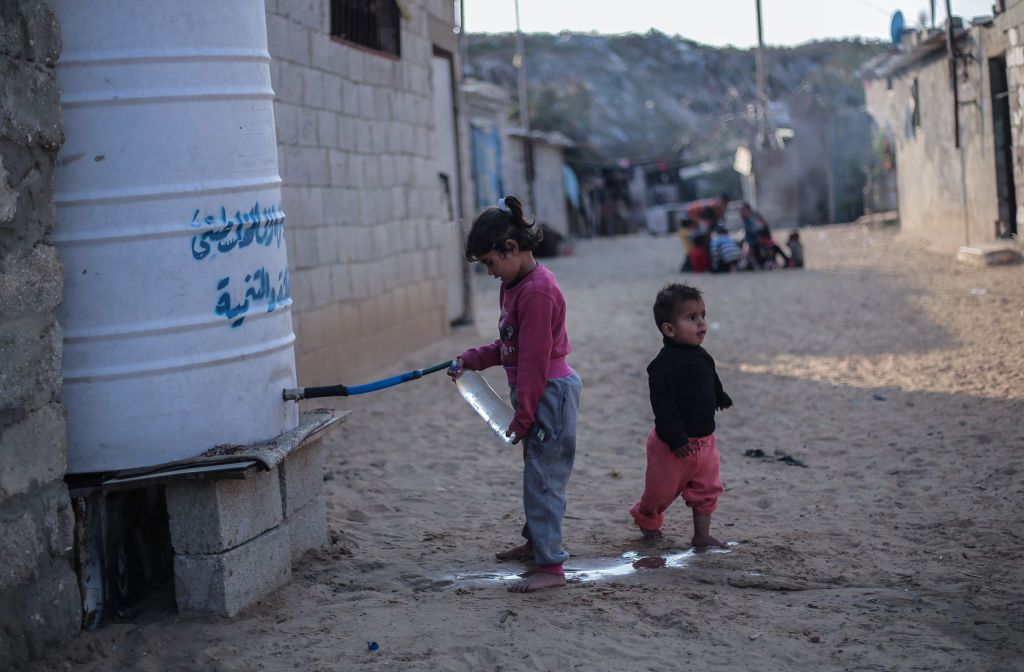
A reliable supply of freshwater is a prerequisite for sustainable socioeconomic development, as well as for sociopolitical stability and human prosperity, especially in semi-arid and arid regions of the world. The Middle East and North Africa’s freshwater resources are under immense pressures and are facing significant risks to their sustainability due to overexploitation, climate change, and interstate competition over their use that extends beyond the region’s boundaries.
Interconnected: Trade, food security, and stability in the GCC and MENA
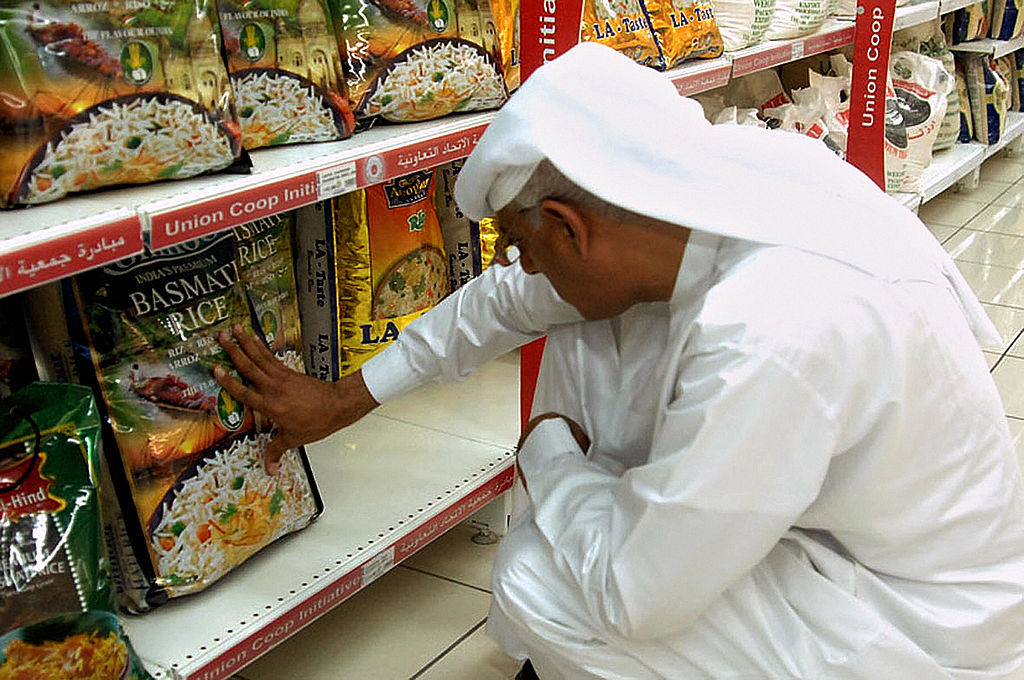
It is easy to overlook the fact that food security could be an issue of concern in the Gulf Cooperation Council. After all, its member states have some of the world’s highest per capita income levels. Food supplies in the Gulf are normally abundant and stable. Were they to be disrupted, however, it could lead to food security challenges and a chain of adverse consequences for human security throughout the region.
In this week’s Monday Briefing, MEI experts Alex Vatanka, Gonul Tol, Gerald Feierstein, Marvin G. Weinbaum, Rauf Mammadov, and Robert S. Ford provide analysis on recent and upcoming events including Iran’s announcement that it has exceeded its enriched uranium limit, Turkey’s purchase of Russia’s S-400s missile defense system over American objections, an Emirati announcement that it will downsize military involvement in Yemen, the resumption of intra-Afghan peace talks, Russia’s continuing embrace of OPEC+ oil production cuts, and the emergence of potential threats to Tunisia’s democracy.