A US security guarantee to Israel should help to advance Israeli-Palestinian peace, not avoid it
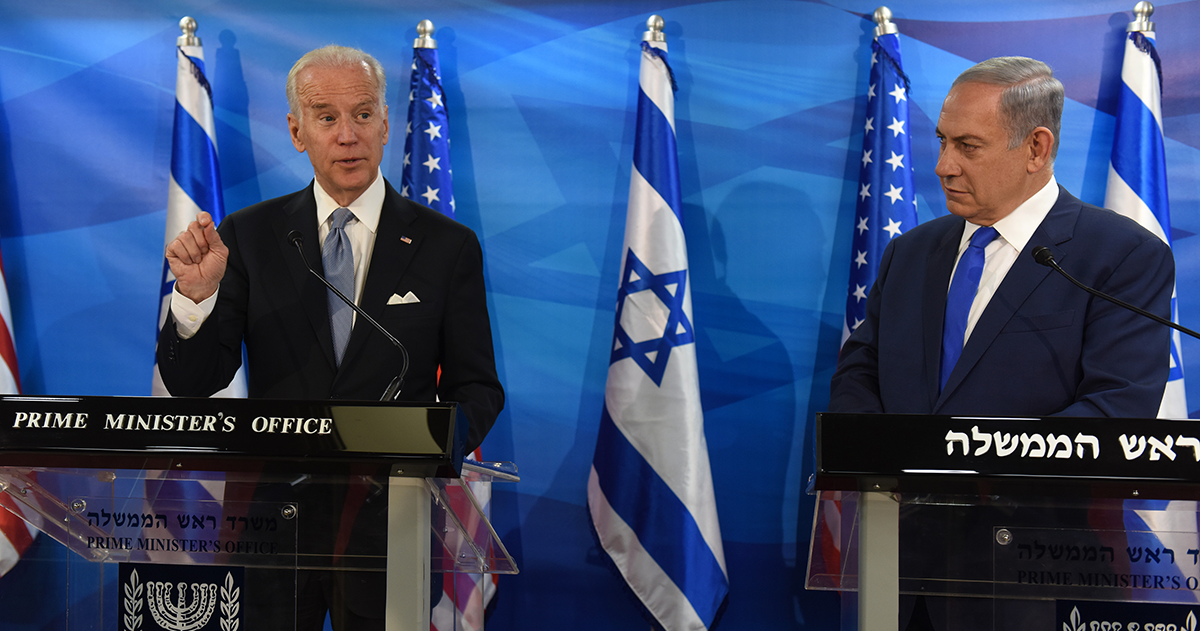
It has been nearly 70 years since Israel first asked the U.S. to sign a bilateral defense treaty. Ever since then, the idea of a formal security agreement has resurfaced from time to time, only to be struck down, due to an understanding that it does not serve the two sides’ actual needs. Prime Minister Netanyahu is currently floating the idea once again, but the U.S. can make use of his interest in a security upgrade to revive a different idea instead: the decade-old security plan for the two-state solution, known as the Allen Plan.
Ben Samuels | 'Taking the Edge Off the Middle East' Ep. 3
Middle East Focus Presents: ‘Taking the Edge Off the Middle East’ with Brian Katulis
A series of casual conversations with leading policy professionals on the most important happenings in the Middle East today – hosted by MEI VP for Policy Brian Katulis.
Ben Samuels – U.S. correspondent for Haaretz – sits down with Brian to discuss how he got into journalism, the state of politics in Israel, and the country’s ongoing judicial overhaul.
Power cuts in Egypt: A political liability for Sisi ahead of the upcoming elections
A brutal heat wave tormenting Egypt since mid-July, resulting in lengthy and repeated power cuts, has turned into a political liability for President Abdel-Fattah el-Sisi ahead of his expected campaign to run for a third, six-year term early next year.
A Saudi-Israel Deal Could Pay Dividends for the Global Economy
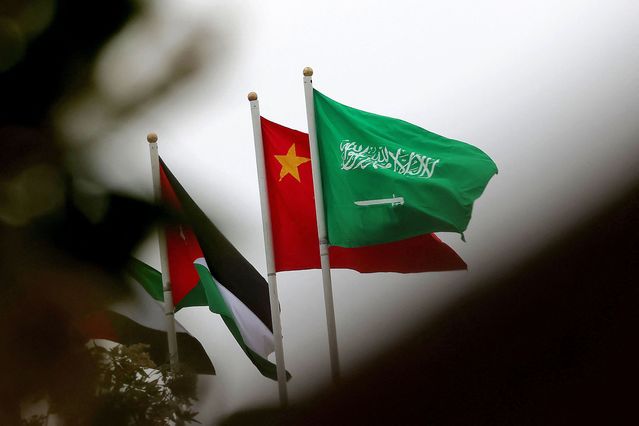
The Biden administration is working on a deal between Israel and Saudi Arabia that could be a game changer for the Middle East. Such an opening would show just how much the tectonic plates in the region are shifting away from regional tensions, civil wars, and threats from terrorism toward a new, more promising phase of greater stability and prosperity.
Five factors to watch in US diplomatic efforts on a possible Israel-Saudi deal
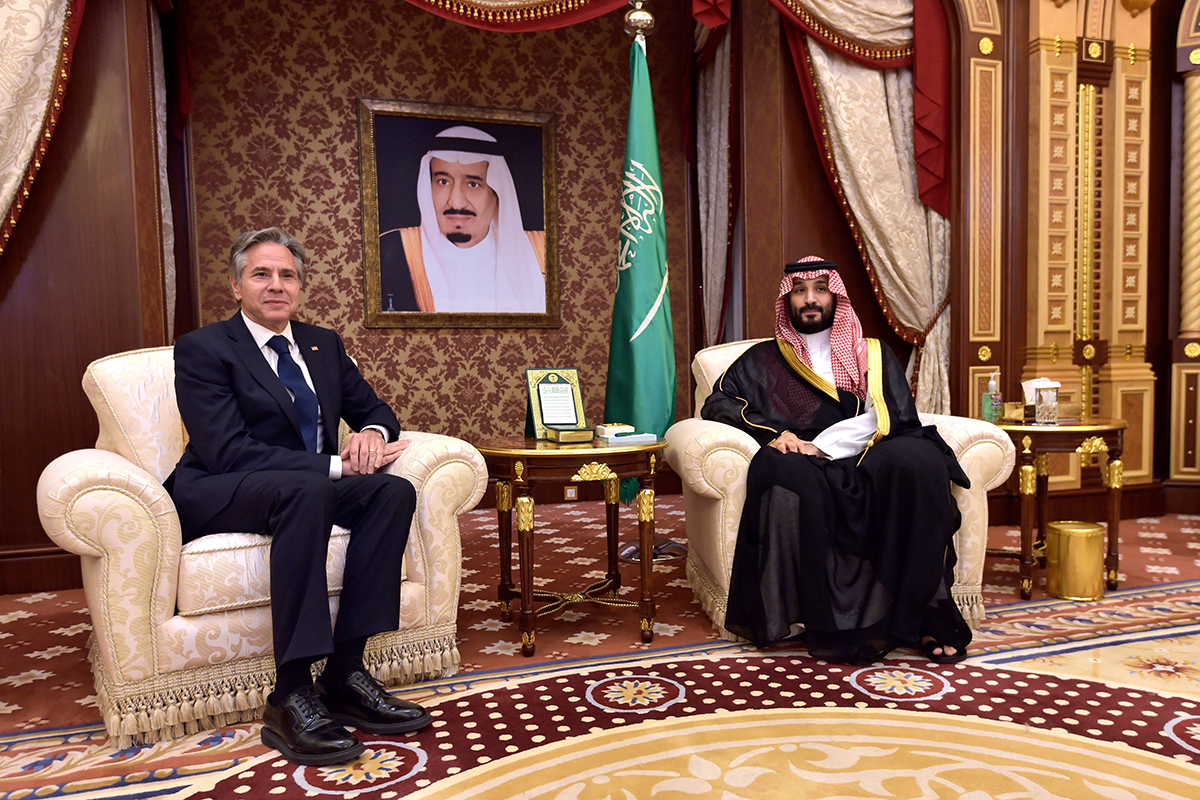
Forging a deal establishing open, normal bilateral ties between Saudi Arabia and Israel would be a major feat with plenty of potential perils along the way — the diplomatic equivalent of climbing Mount Everest. If done right, the result would be historic and transformative for the Middle East with positive geopolitical repercussions. Here are five factors to watch as the Biden administration continues its efforts to produce a major diplomatic breakthrough in the region.
Japan looks to the Gulf as it bets big on hydrogen
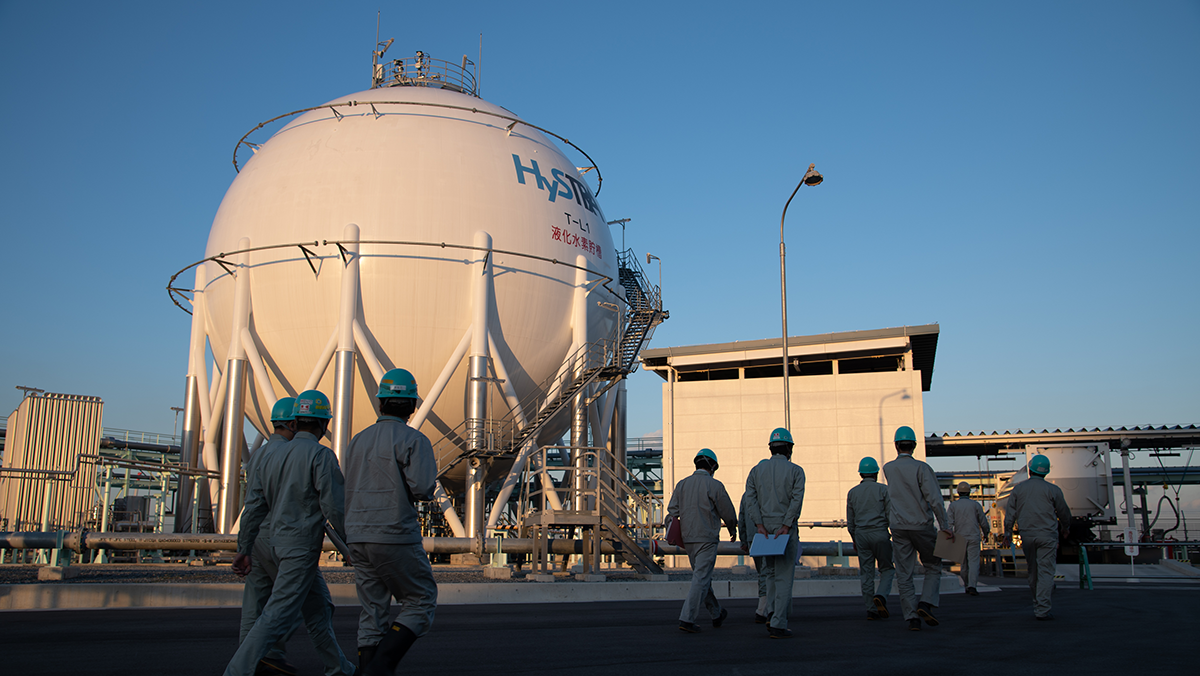
As a trailblazer in hydrogen diplomacy, Japan is seeking to develop a new pattern of energy interdependence with its longstanding partners, the Gulf Arab states — countries that are promising production bases for and exporters of green hydrogen and ammonia, and whose leaders have come to regard the development of clean hydrogen as an attractive way to diversify their economies.
The Russia-Ukraine war forces Egypt to face the need to feed itself: Infrastructure, international partnerships, and agritech can provide the solutions
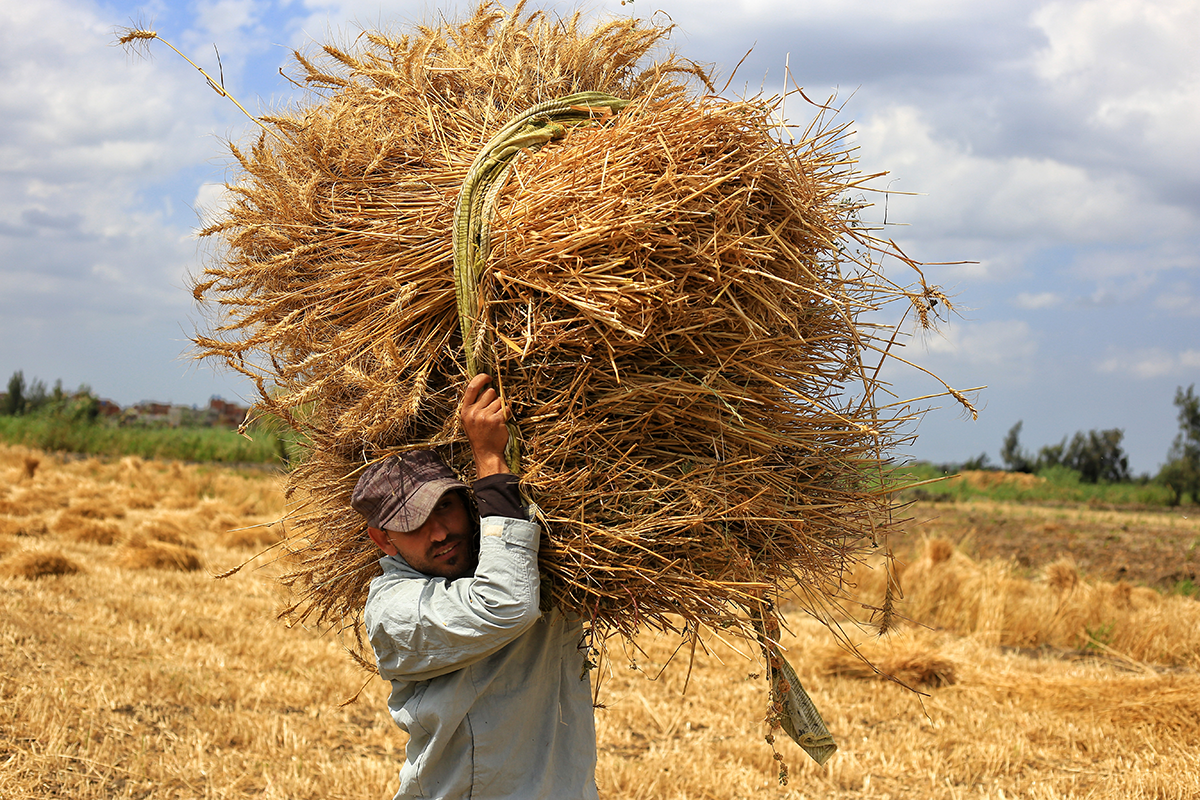
After 500 days of coping with the debilitating impact of Russia’s invasion of Ukraine, Egypt’s economy is faltering. At the core of the crisis is its fragile food security. Now, the Egyptian economy is fast approaching a tipping point and Cairo has no alternative but to boost its domestic agrifood production. In addition to building out its infrastructure, Egypt must also adopt cutting-edge agritech solutions to improve the water-use efficiency of the crops themselves.
Turkey's role after the Black Sea grain deal collapse has become even more critical
During the 500 days since Russia’s invasion of Ukraine, the Middle East avoided a catastrophic food crisis, thanks in part to the Black Sea grain initiative. Russia’s decision to cancel that agreement is raising fears that the return of supply shortages and skyrocketing wheat prices could quickly plunge the most vulnerable countries of the region into crisis.
Climate Change Threatens Turkey’s Role as a Food Supplier to Europe and the Middle East
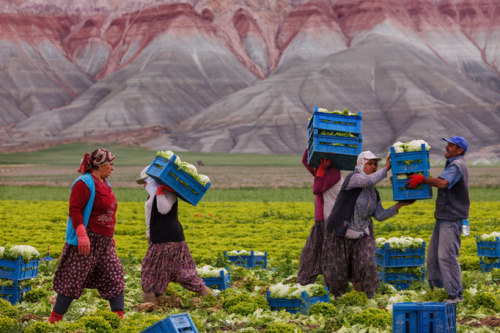
The persistence of high food inflation in Turkey belies a deeper problem. Turkish agrifood production cannot adequately cope with increasing water scarcity due to climate change. Challenging Turkey’s own food security, the growing crisis also threatens Turkey’s role as a food supplier to Europe and the Middle East. Regional food supply chain breakdowns due to a decline in Turkish production would create a debilitating economic impact on both regions.
The new wave of dealmaking by Gulf sovereign wealth funds
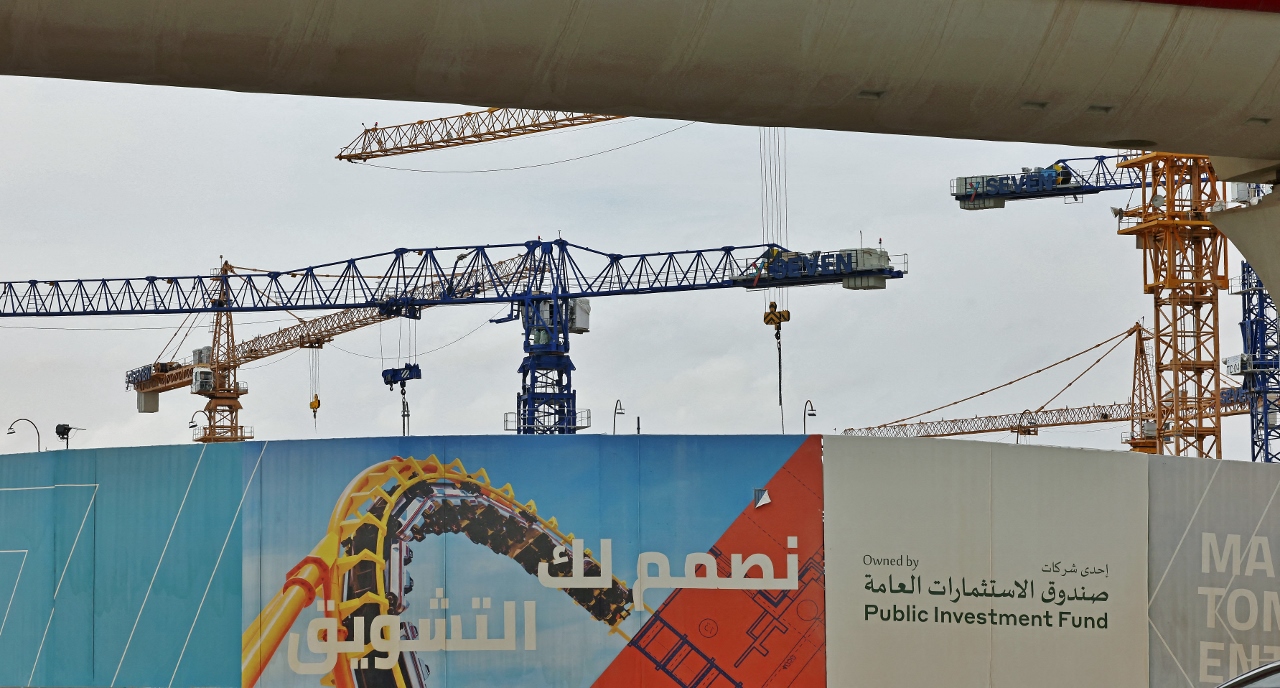
For resource-rich countries such as Gulf oil and natural gas producers, sovereign wealth funds have emerged as promising tools to save for future generations, mitigate the effects of outsized economic shocks, and/or be deployed as reserve investment and strategic development funds to spend on human, natural, social, and physical capital.
مع تحول التحديات البيئية إلى أولوية بالنسبة للدول في منطقة الشرق الأوسط والبحر الأبيض المتوسط، تظهر فرص جديدة للتعاون البيئي الإقليمي، بما في ذلك بين إسرائيل وجيرانها. على الرغم من محدودية نطاقها ومواجهتها لعدة عقبات رئيسية، إلا أن هناك جهود تعاونية إقليمية جارية، بما في ذلك على المستويين الثنائي والمتعدد الأطراف، كما أن هناك جهود جارية للحفاظ عليها وتوسيعها. يتناول هذا التقرير الجديد، الذي تم إعداده تحت رعاية منتدى المناخ الإسرائيلي، أهمية التعاون البيئي الإقليمي في الشرق الأوسط والبحر الأبيض المتوسط، ويدرس نطاق هذا التعاون بين إسرائيل وجيرانها، ويوضح الفرص والعقبات والتوصيات لزيادة التنسيق والعمل المشترك، بما في ذلك الدور الذي يمكن أن تلعبه الولايات المتحدة وأوروبا.
في السنوات القليلة الماضية، تغيرت التوقعات العالمية في مجال الطاقة. فقد أدى صعود السياسات الشعبوية وتزايد الشعور بضرورة اتخاذ إجراءات عاجلة بشأن تغير المناخ إلى إثارة جدل حول سياسات الطاقة في البلدان الغنية، مما أدى إلى ظهور مزيج مربك من السياسات الصناعية الجديدة. وجعلت جائحة كوفيد-19 من الصعب للغاية التنبؤ بأسعار الوقود وأنماط الاستهلاك، وأجبرت العديد من البلدان على مواجهة ارتباطاتها بسلاسل التوريد الهشة التي تشمل عدة دول وبالدول النفطية القديمة.