This essay discusses Saudi Arabia’s Soft Power Strategy in Indonesia. The Saudi strategy of cultural investment in Indonesia — primarily engineered through building Islamic schools, supplying teachers and textbooks, and financing scholarship opportunities — has facilitated a channel of Saudi influence largely impermeable to Indonesia’s political changes over the last 40 years. Saudi-supported Islamic education not only survived but thrived under the oppression of Suharto’s New Order regime from 1966 to 1998. Today, under Indonesia’s often anti-liberal democratic rule, the country’s Saudi-educated Muslim elite have capitalized on opportunities to use increased political freedom to promote religious protectionism and hardline Islamic orthodoxy.
Vibrant art scene inspires cooperation, competition in Gulf
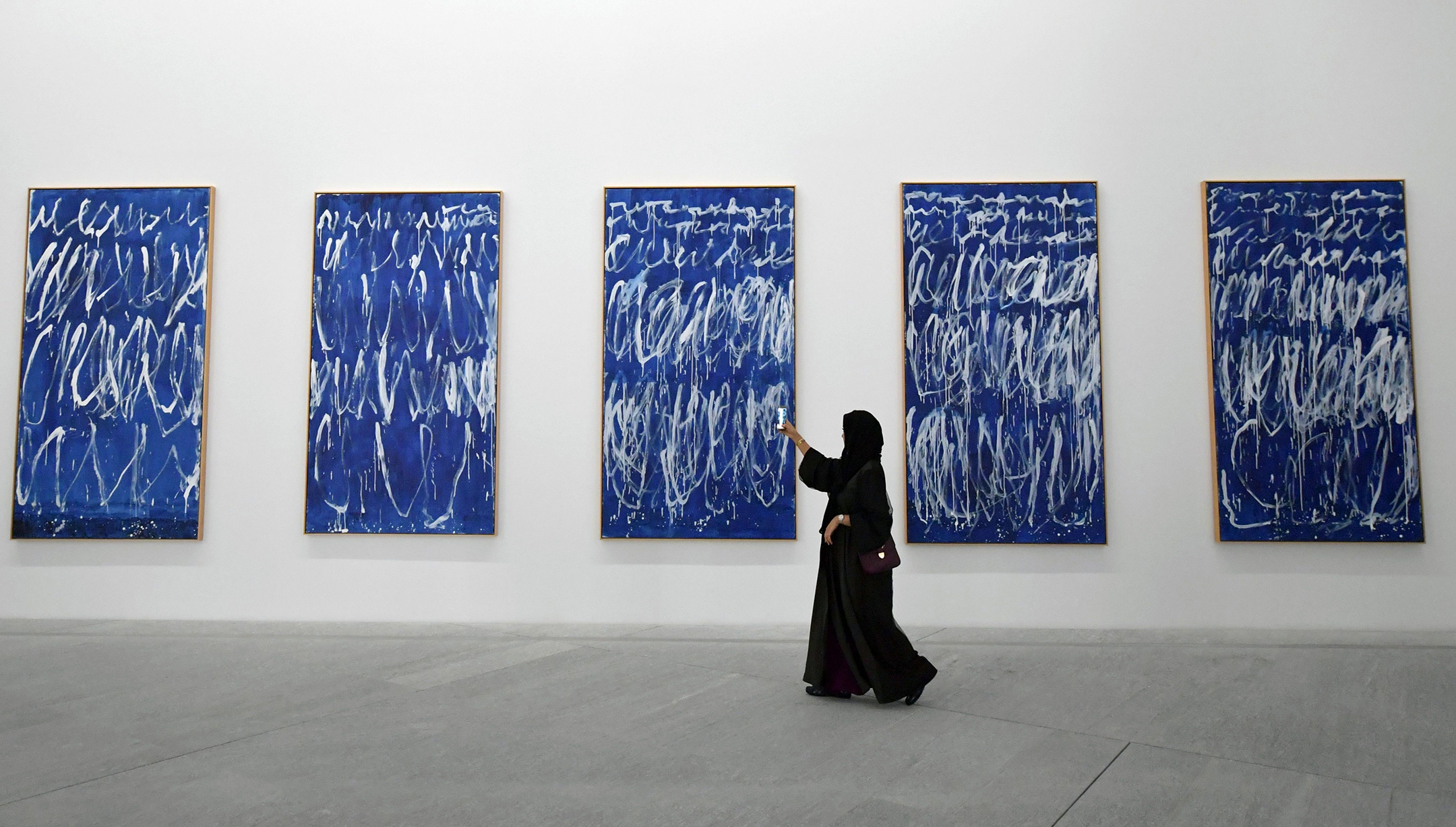
The countries of the Middle East are using art to remodel their national identities. Billions of dollars have been spent on colossal building efforts and massive acquisition programs in an effort to expand the cultural sector in the Middle East, especially in the Gulf. Art acquisition now appears to be part of a geopolitical strategy by Gulf countries to use their hydrocarbon money to purchase cultural clout and establish themselves as international cultural centers.
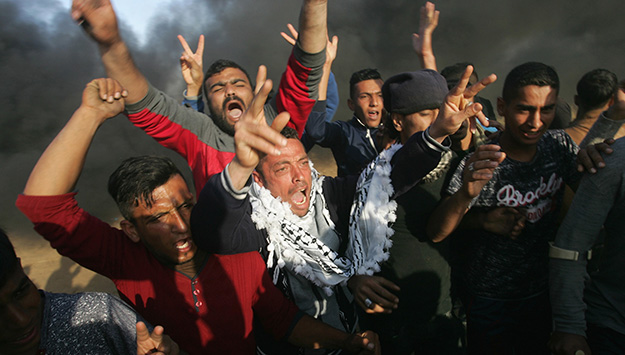
In this week’s Monday Briefing, MEI experts Paul Salem, Bilal Y. Saab, Marvin G. Weinbaum, and Charles Lister provide analysis on recent and upcoming events including the latest violence in Gaza, Gulf Shield-1 military drills, the Taliban’s resistance to peace, and the approaching Syria summit in Ankara.
Tehran views US withdrawal from Syria as victory for “axis of resistance”
President Donald Trump’s Thursday remarks about an imminent withdrawal of US troops has drawn a great deal of attention in the Iranian press. While some state-run outlets and those affiliated with the Revolutionary Guards welcome Trump’s announcement as a victory for Iran and its regional proxies, others remain skeptical about whether Washington will actually press ahead with such a plan.
IRGC targets domestic rivals in anniversary message
Commemorating the 39th anniversary of the March 30, 1979 referendum, which established the Islamic Republic, the Islamic Revolution Guards Corps (IRGC) issued a statement warning against foreign threats against “the track record of the Islamic Republic.” The statement cautioned that “the front of Arroga
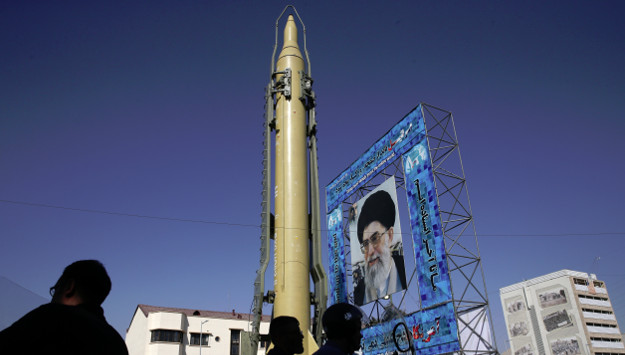
Iranian commander rules out missile negotiation in defiance of Western pressure
A senior Iranian military official said today that Tehran would not negotiate over its missile program with Western powers, Iran’s Mehr News Agency reported.
Searching for the least worst option in Afghanistan
In her March 15 op-ed in The New York Times, “Tell the Truth About Afghanistan”, former National Security Advisor Susan Rice offers three “bad options” for the United States as a solution to the Afghan conflict: a limited engagement focusing on providing training, equipment, and advice for Afghan security forces which she argues would only slow down the Taliban; a complete withdrawal of troops, which would then leave the Afghan government prone to increased insurgency and interference from other i
Trump announces “mission aborted” in Syria – Paul Salem
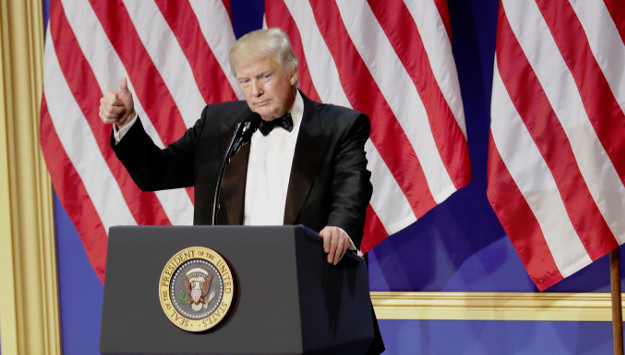
In a speech on Thursday, President Donald Trump reversed his administration’s policy on Syria, declaring “we’re coming out of Syria very soon. Let the other people take care of it now.”
Iranian Arabs stage rallies in Khuzestan to protest state-sanctioned discrimination
Scores of Iranian Arabs staged anti-government protest rallies in western Khuzestan Province after the Islamic Republic of Iran Broadcasting (IRIB) excluded the Arab community’s cultural identity in a New Year TV show that was ironically supposed to showcase Iran’s diversity. The protesters called the program aired on the state-run TV “insulting” and demanded an apology from the IRIB.
Egypt’s elections and what’s ahead in Sisi’s second term
Amb. Nabil Fahmy, dean of the School of Global Affairs and Public Policy at the American University in Cairo, joins host Paul Salem to discuss the political situation in Egypt and the range of issues facing President Abdel Fattah el-Sisi following his reelection this week to a second term in office.
Elections in Tunisia and hope for democratic reform
Leading up to long-awaited municipal elections, Tunisia is at a crossroads. The beginning of 2018 saw widespread protests and social unrest in both cities and rural areas, as economic stagnation and unemployment continue to worsen. However, the vote currently set for May 6 signals an opportunity for Tunisian youth, women, and minorities to make their voices heard.
Limit Iran's missiles? Sure, but first come up with a plan
Critics of the Iran nuclear deal have consistently argued that one of its major flaws is that it didn’t address Tehran’s ballistic missile program. Imposing limits on those weapons of terror, opponents of the deal say, is a primary U.S. objective and should have been part of our negotiating strategy with the Iranians from the beginning.