Energy Prospects in the Gulf: The Oil Price Ascent, in Brief
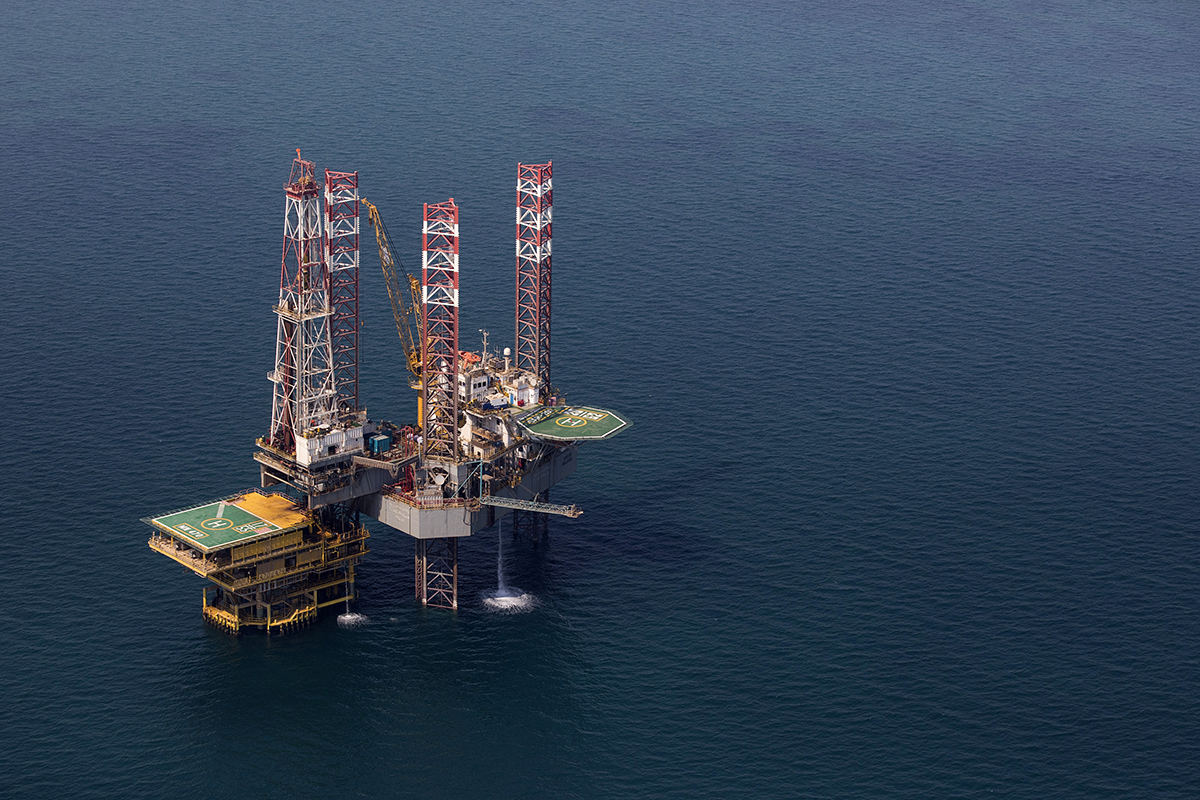
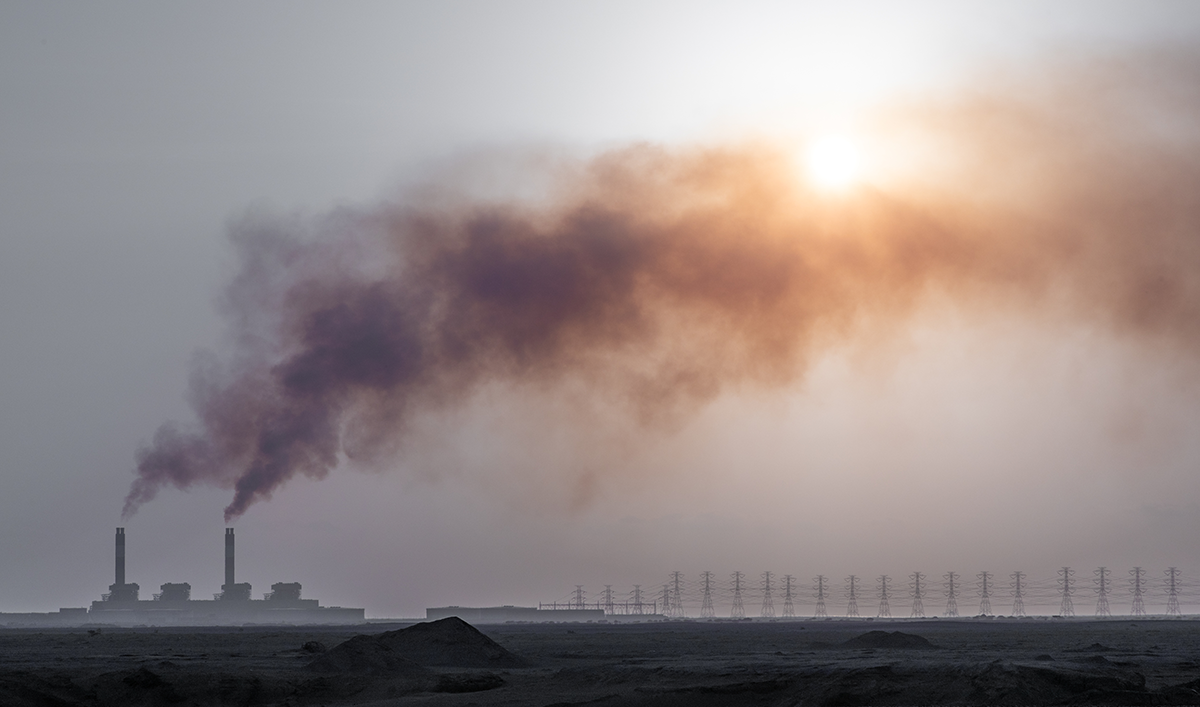
While oil prices have rebounded before soaring since the depths of collapse in the spring of 2020 — with Brent crude prices skyrocketing from $19 per barrel in April 2020 to a three-year high of $86 per barrel in October 2021 — the prospects for a sustained high oil price for Gulf producers is unlikely.
Integrated Air and Missile Defense Will Enhance Security in the Middle East
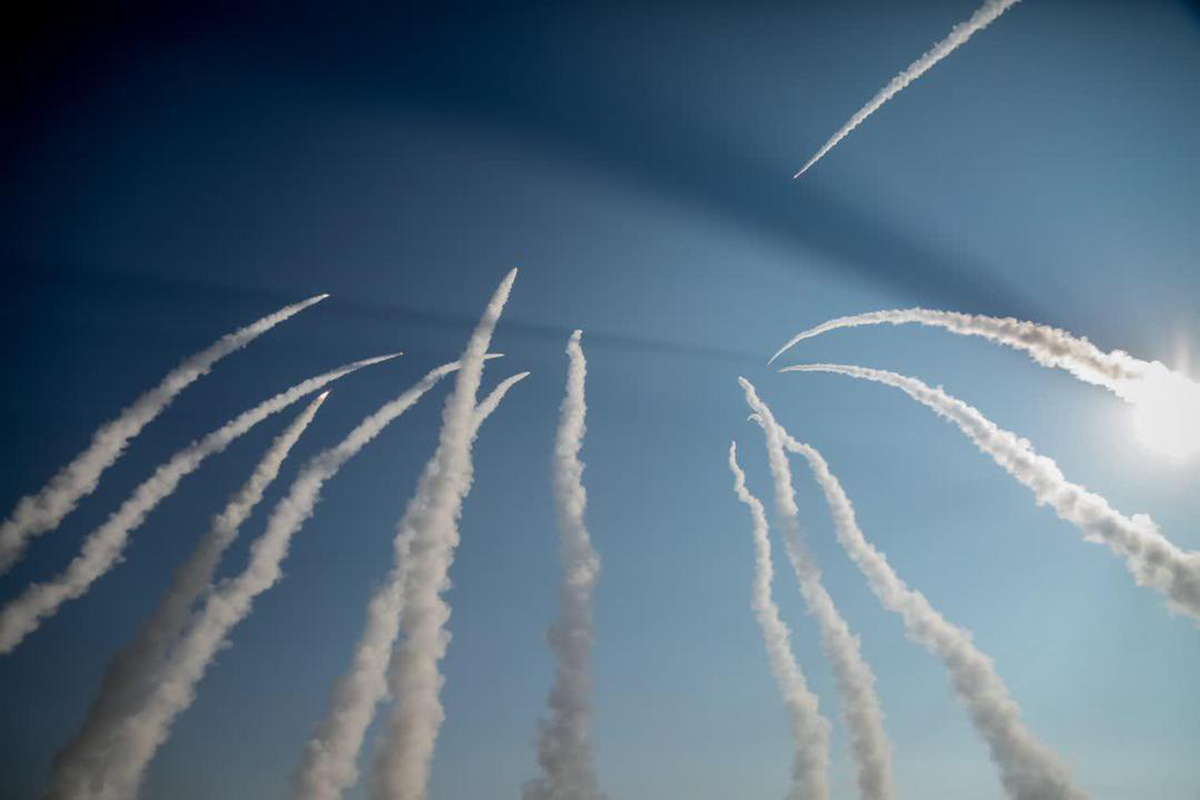
Integrated air and missile defense will make America’s partners in the Persian Gulf safer and bolster America’s policy against Iran. It’s past time to make IAMD a priority.
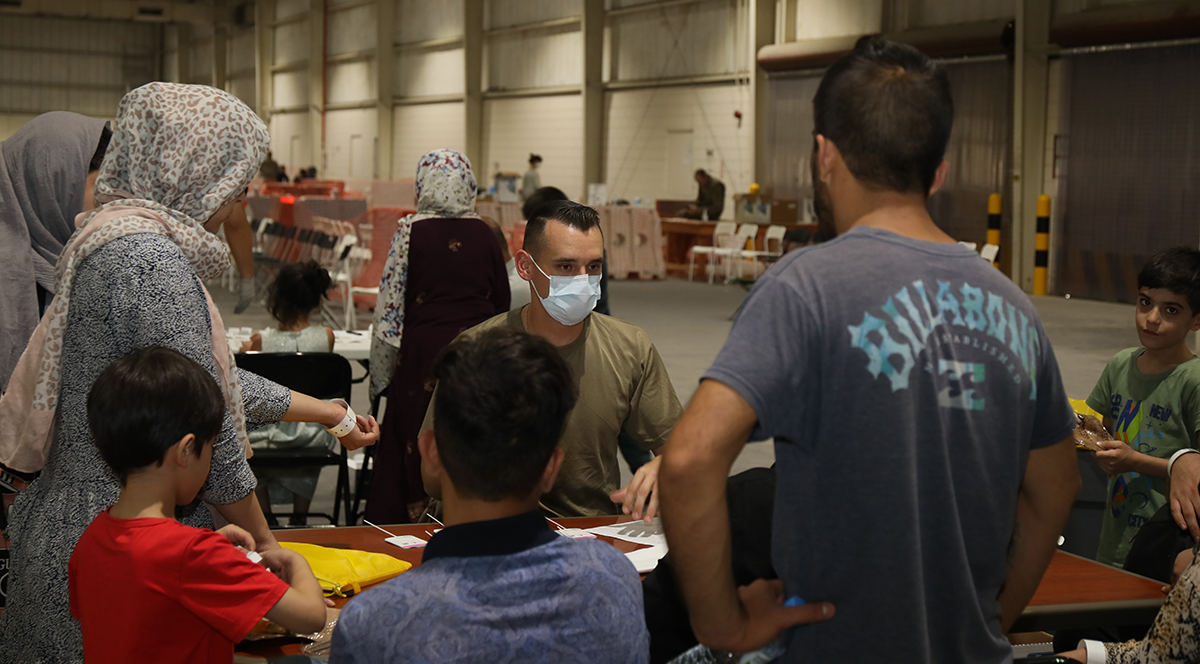
We rarely miss an opportunity to criticize our Gulf Arab partners — sometimes rightly so — for not doing enough to safeguard collective interests. But one must acknowledge that on Afghanistan, and especially our just-completed exit from the country, most of our Gulf Arab partners absolutely shined. They deserve a ton of credit for the role they played in our large, challenging, and deadly evacuation — a role which was nothing short of indispensable.
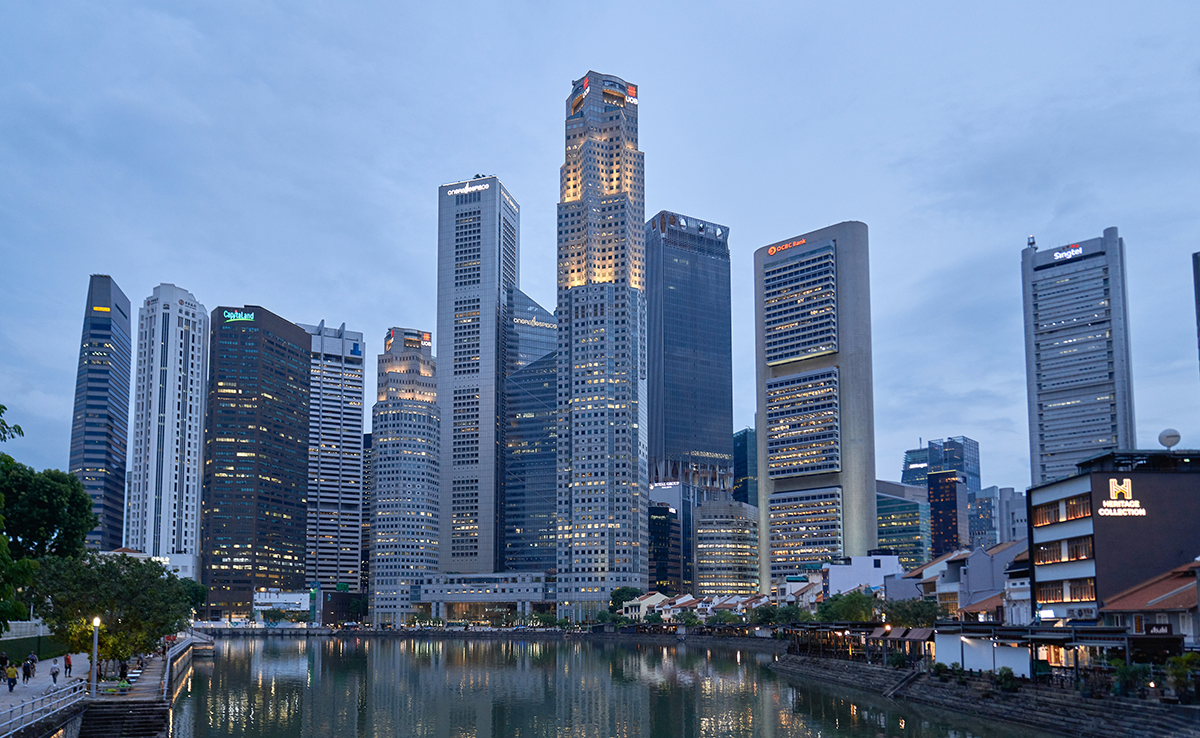
Singapore and the Gulf: Economic engagement beyond hydrocarbons
Oil and gas have long dominated trade and investment flows between Singapore and the Gulf. In the wake of two new projects — one in Singapore and the other in the United Arab Emirates — unveiled last month, this article considers whether Singapore and the Gulf are on the cusp of a new level and type of economic relations.
The coming US-China cold war: The view from the Gulf
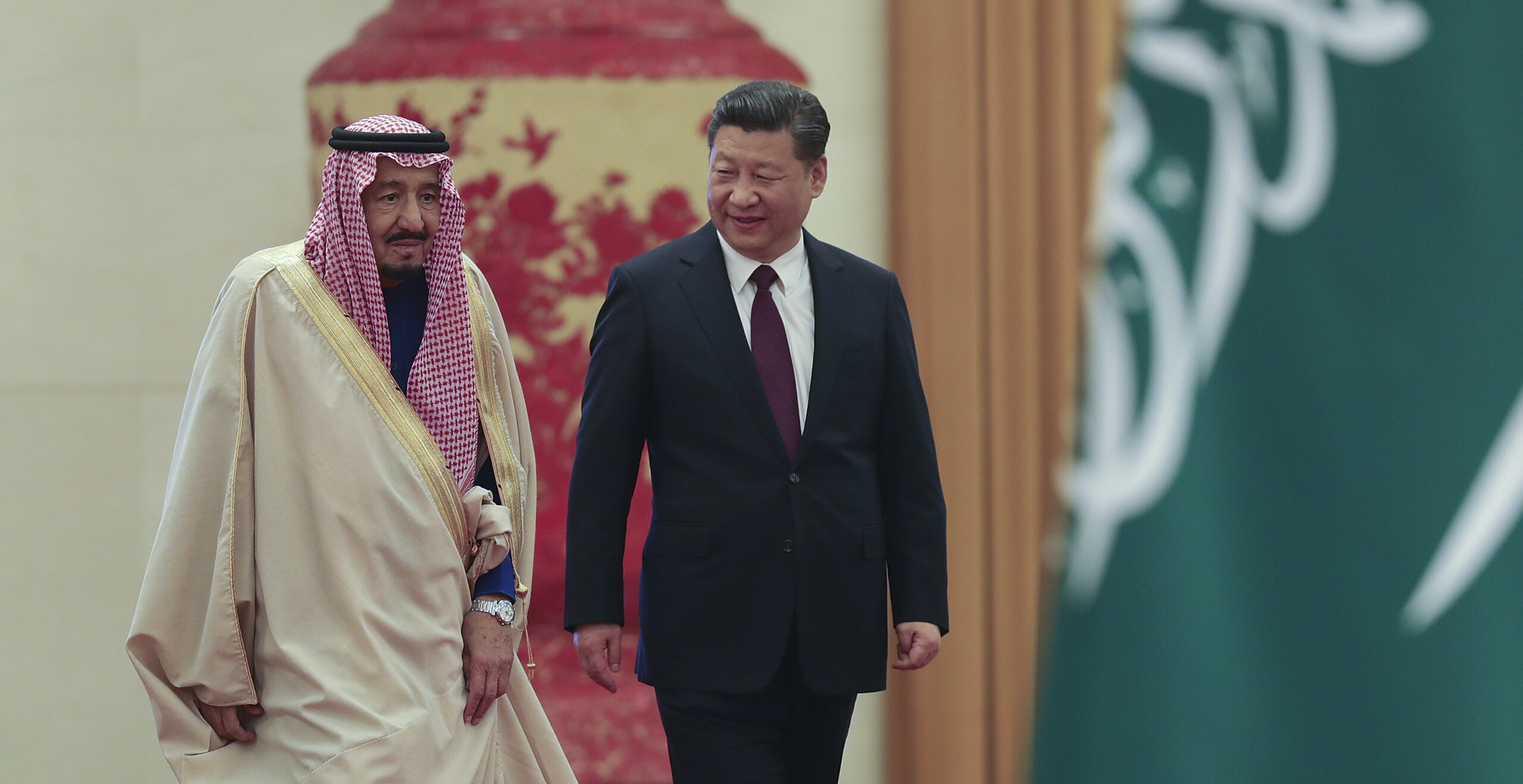
Around the world, leaders are scrambling to define their strategy for dealing with the inevitable U.S.-China cold war to come, and the Gulf is no exception. Considering the different objectives and perspectives that the region has in regard to the two superpowers, any misstep in forming alliances could be detrimental to its future.
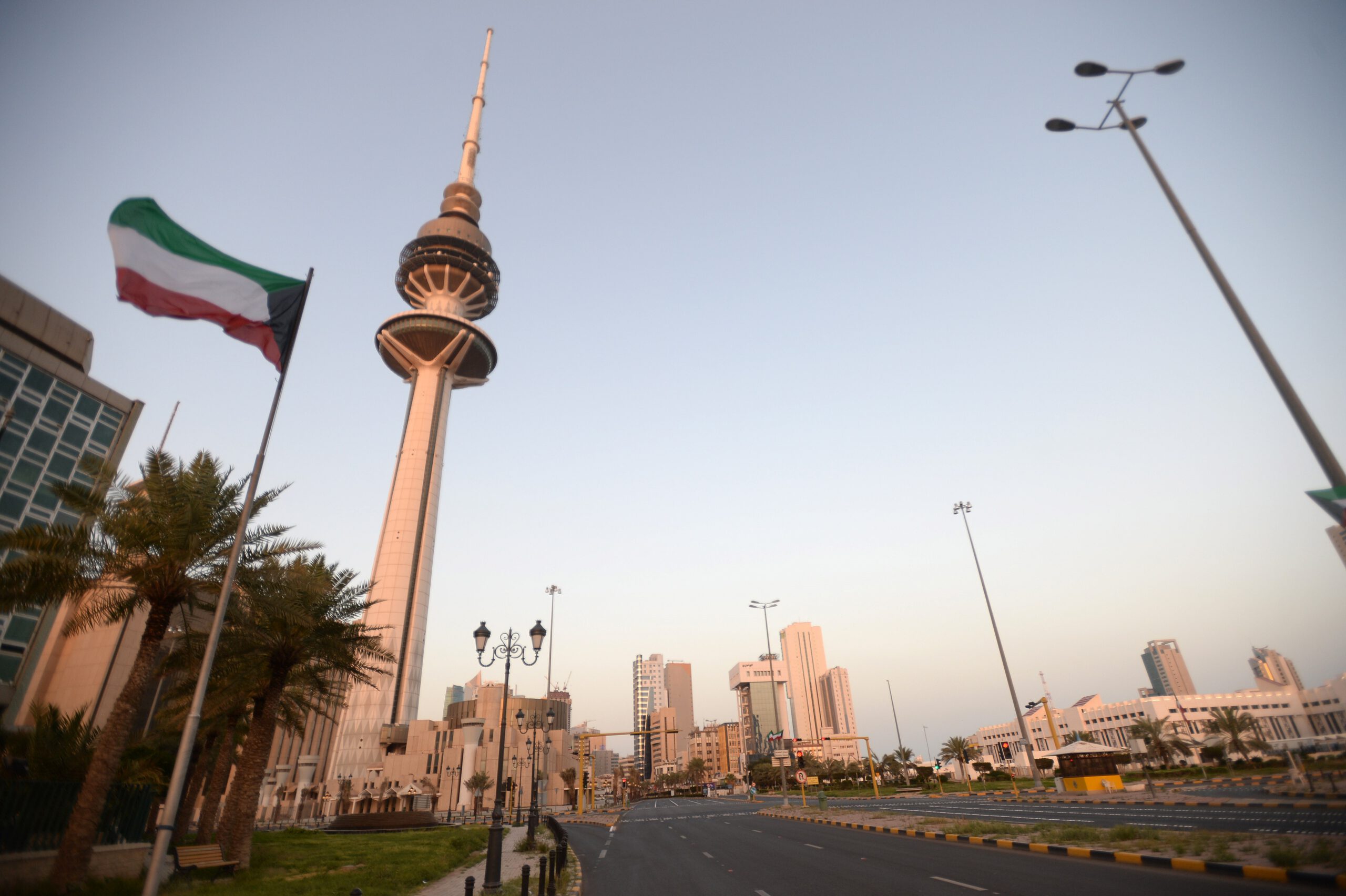
Kuwait is stuck in a major predicament. The government continues to engage in significant deficit spending, even as its readily available funds dwindle, while political gridlock limits the government’s ability to replace those shrinking financial resources.
Finding common ground: Fostering environmental cooperation in the Persian Gulf
When it comes to the Persian Gulf, saving the environment might seem like it would be the last item on the to-do lists of the region’s Iranian and Arab rivals. It is an urgent matter, however — and one that could help turn these foes into friends. The United States can play an important role in this: It has helped the region to resolve conflicts over water in the past, and it could do so again.
A Shift Among the Shi'a: Will a Marj'a Emerge from the Arabian Peninsula?
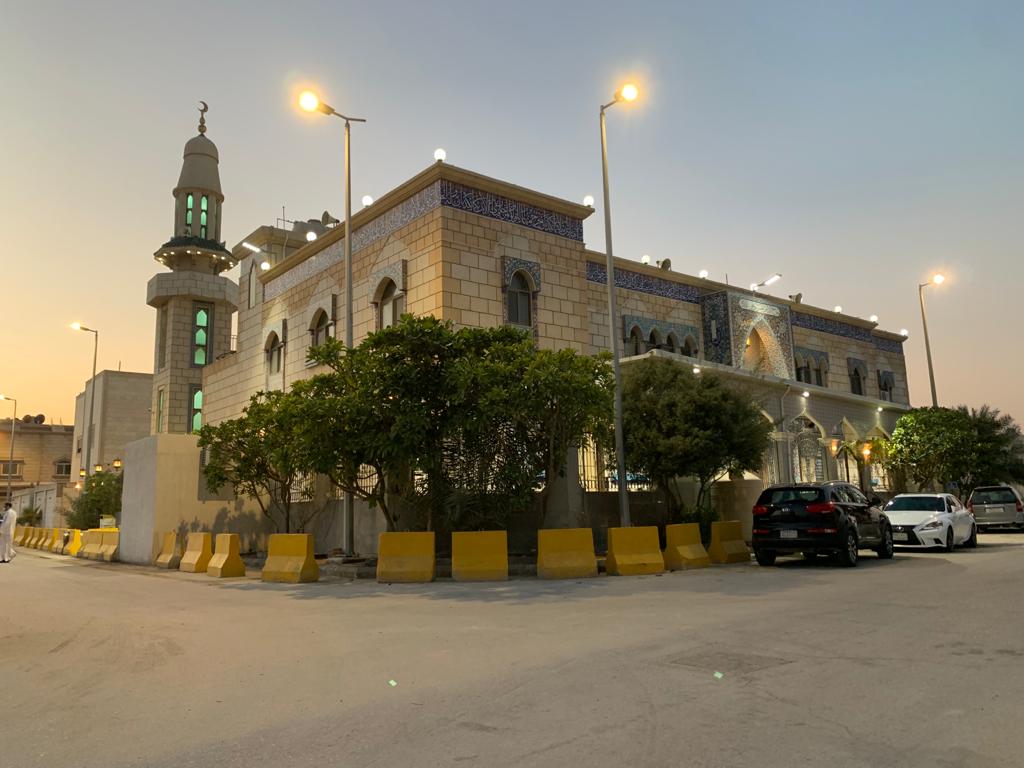
This paper looks at the political implications of the relationship between Shi’a in the Gulf states and Iranian marj‘as, the historical background to these ties, and Gulf states’ concerns surrounding the outflow to Iran of religious taxes. In some Gulf countries, these issues are tied to concerns about the loyalty of Shi’a to the nation. The authors argue that the emergence of a marj‘a who would be based in one of the Gulf states could quell these concerns.The authors identify potential marj‘as from the region and steps that Gulf states must take so that their Shi’a citizens will shift their allegiance from foreign-based marj‘as to domestically based ones.
Threats, Victims or Allies? Migrant Communities in Kuwait's COVID19 Response
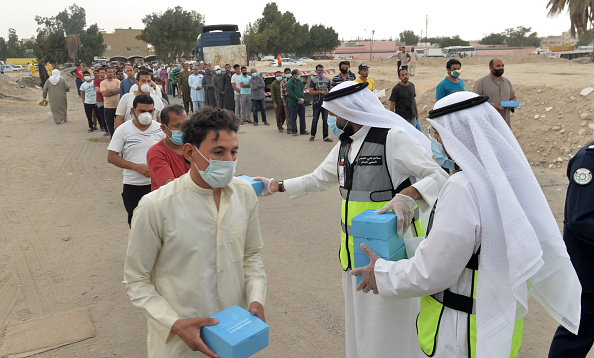
This article discusses Kuwait’s response to COVID-19 against the backdrop of two longstanding conceptions in the country about the role and position of non-citizens, particularly that of low-wage migrant workers. It recounts the efforts of the country’s small but vibrant civil society sector to respond to the pandemic-related needs of blue-collar migrant workers by approaching them as equal partners in solving shared challenges.
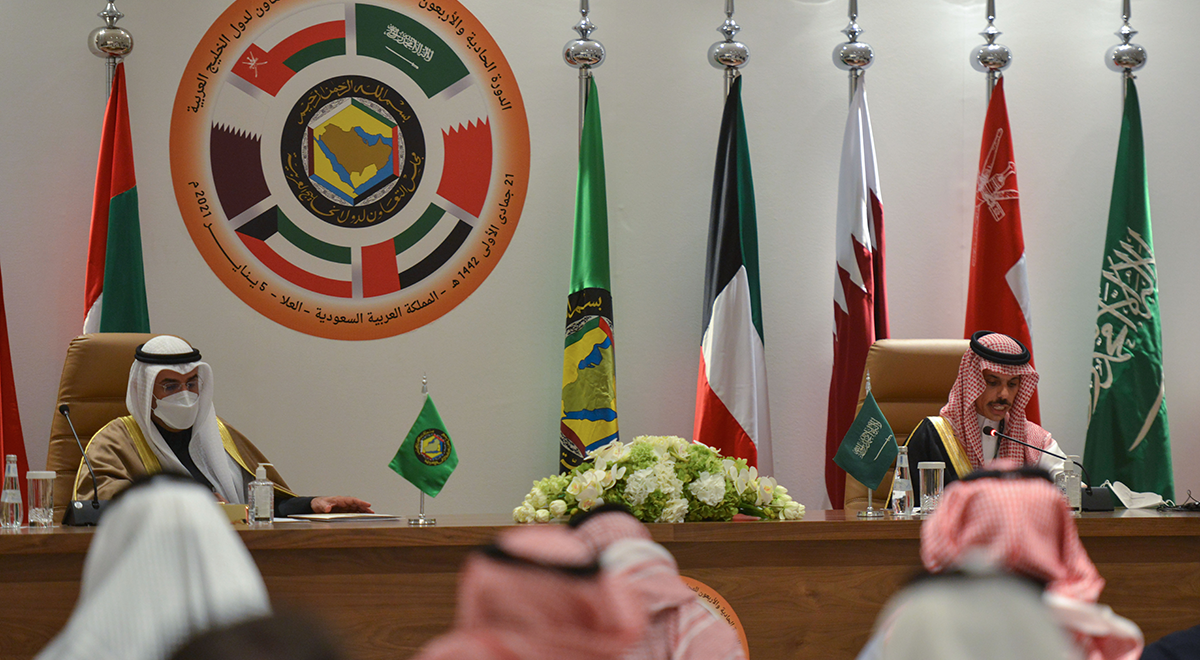
The GCC al-Ula Statement: Perhaps a step, but not a solution
The leaders of the six Gulf Cooperation Council (GCC) member states — Saudi Arabia, the United Arab Emirates, Oman, Kuwait, Bahrain, and Qatar — signed a “solidarity and stability” agreement, dubbed the “al-Ula Statement” after the Saudi city in which it was inked, at their Jan. 5 summit meeting.
The United States and the Gulf: Trapped in transition?
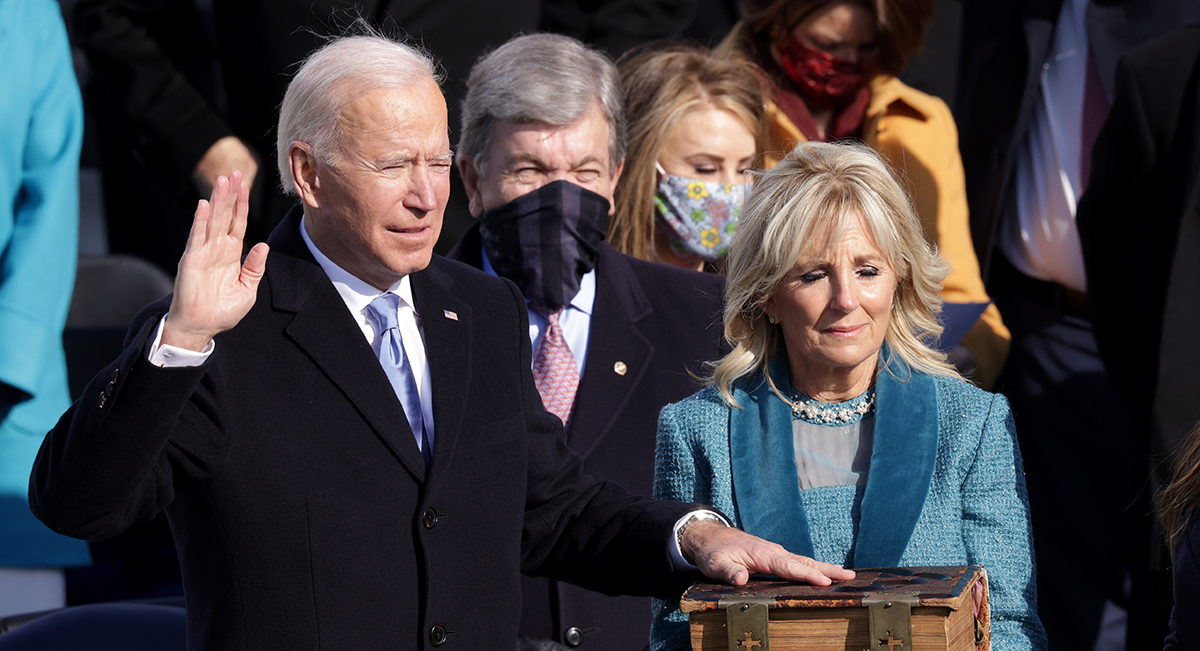
The mixed messages and pendulum swings in U.S. Gulf policy in recent years are rooted in and have further fueled deep questioning and a largely unresolved debate within the United States about America’s role in the region, and indeed in the world. Like the U.S., relations between the GCC and Iran are locked in confrontation. Breaking this impasse requires decisive U.S. reengagement in Gulf affairs led by vigorous, sustained diplomacy that promotes intra-GCC reconciliation and supports efforts aimed at tempering the Saudi-Iran strategic rivalry.
A look back at the year’s most important developments with analysis from Paul Salem, Alex Vatanka, Randa Slim, Gerald Feierstein, Gonul Tol, Jonathan M. Winer, Khaled Elgindy, Marvin G. Weinbaum, Mirette F. Mabrouk, Grace Wermenbol, Syed Mohammad Ali, Robert S. Ford, and Khaldoun Khelil.