Israel and the Axis of Resistance in the wake of the Gaza war
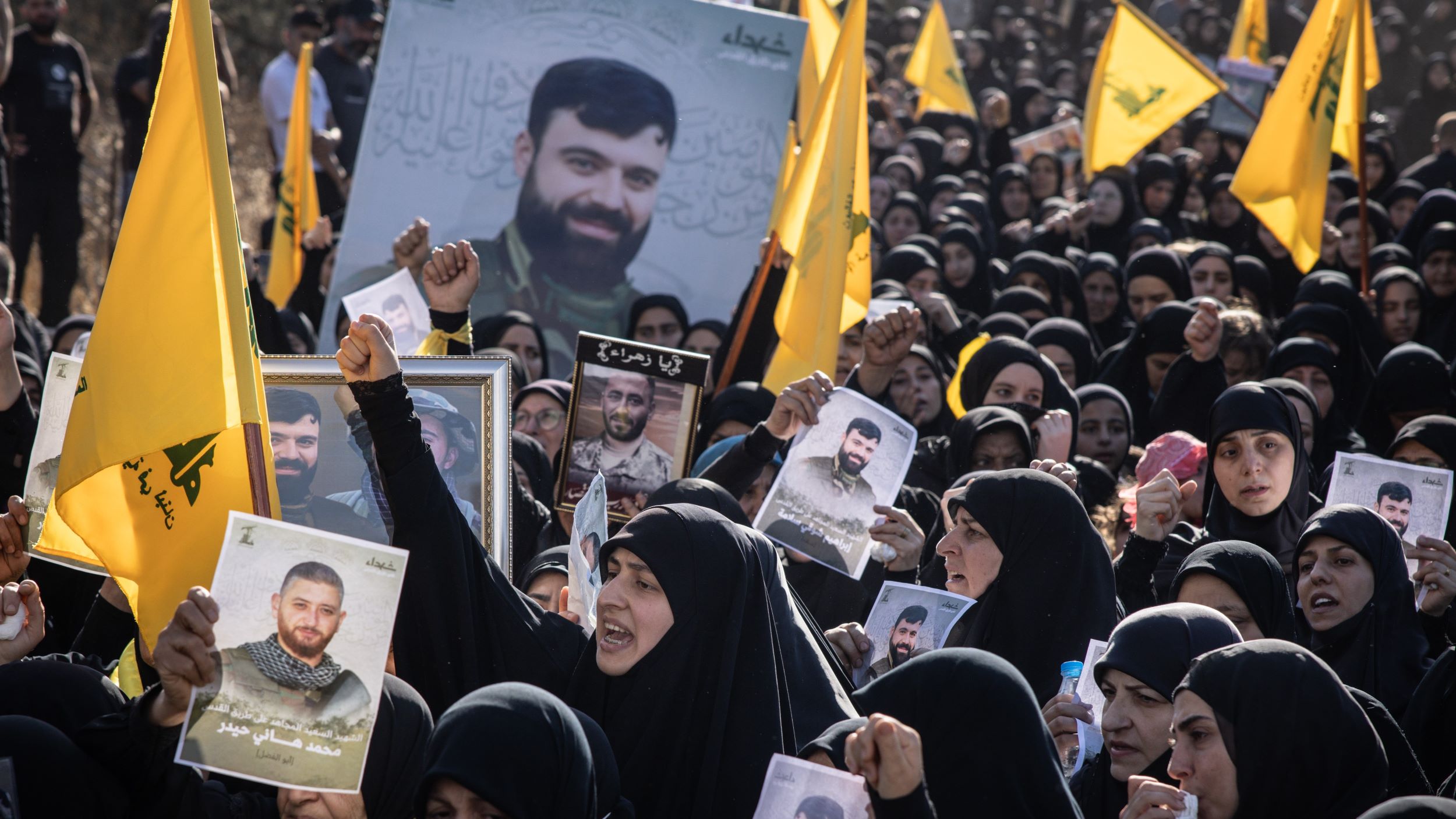
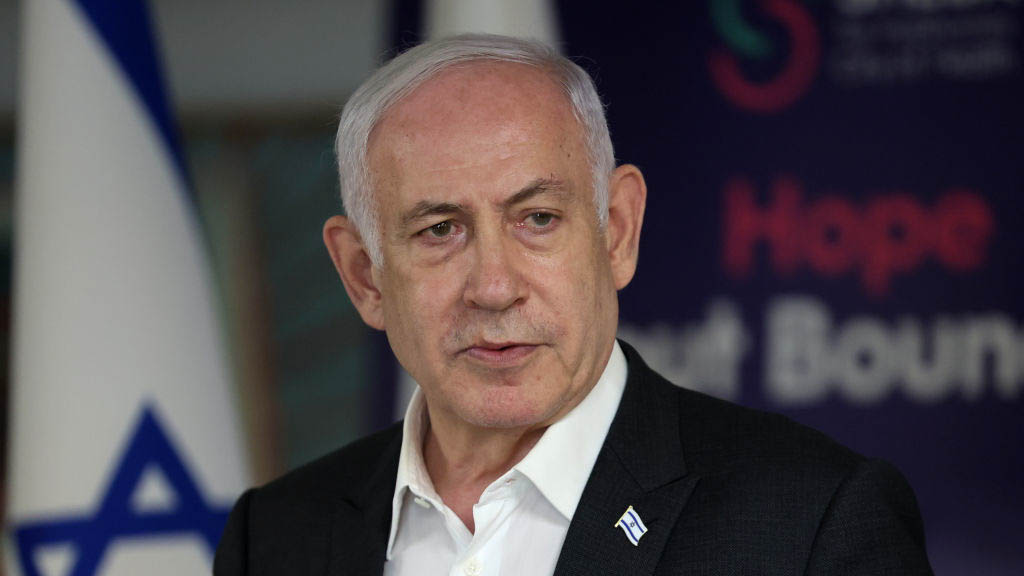
Hamas’ Oct. 7 attack touched off a destructive war with Israel and a limited but fierce regional conflagration between Israel and the Iran-led “Axis of Resistance,” with Lebanese Hezbollah at the forefront. The ongoing conflict has been multi-fronted, multi-faceted, dynamic, and already highly consequential. While a clear bottom line remains elusive, exploring the war’s primary origins and evolution offers useful indicators.
Djibouti dodges scrutiny despite China, Iran, Houthi ties and links to illicit activities
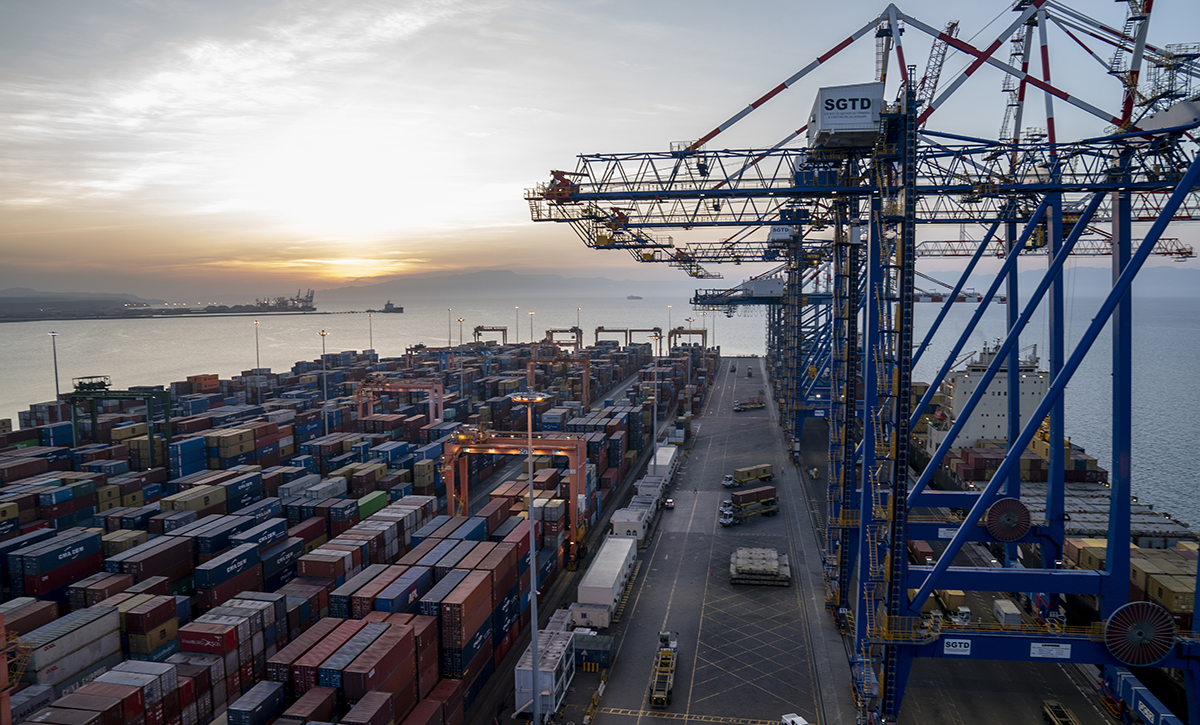
The Bab el-Mandeb Strait, which connects the Indian Ocean and the Red Sea through the Gulf of Aden, is a crucial chokepoint for global maritime commerce. Despite the strait’s importance, the waters around it have long been plied by smugglers of weapons and other illicit goods. Djibouti today is an important player in trade in the Horn of Africa region, but it also serves as a conduit for Chinese influence, has been linked to malign actors like Iran and the Houthis, and has faced allegations of involvement in various grey and black market activities, including money laundering, illicit finance, oil smuggling, and weapons trafficking.
A waiting game as the region teeters on the brink of full-blown war
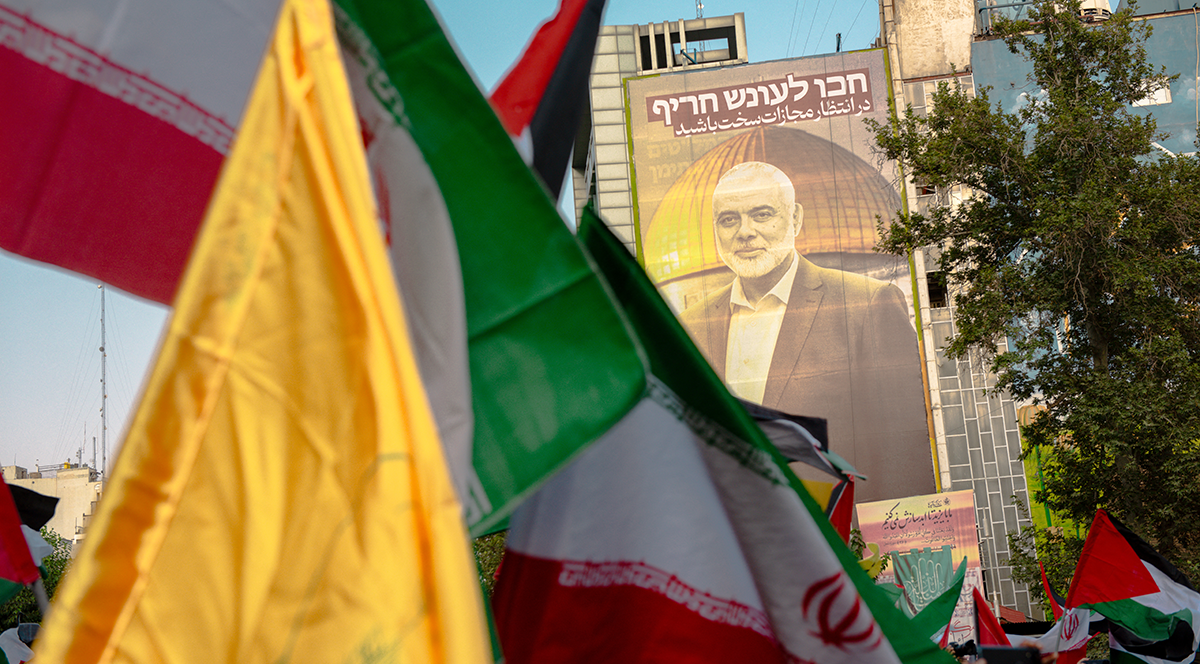
Israel’s targeted killing of Hezbollah military leader Fuad Shukr in Beirut and Hamas political chief Ismail Haniyeh in Tehran are explosive events for the region. Coming within 12 hours of each other, they were also an earthquake within the “Axis of Resistance” — but not one likely to encourage de-escalation. Far from it.
Russia and China’s differing engagements with the Houthis
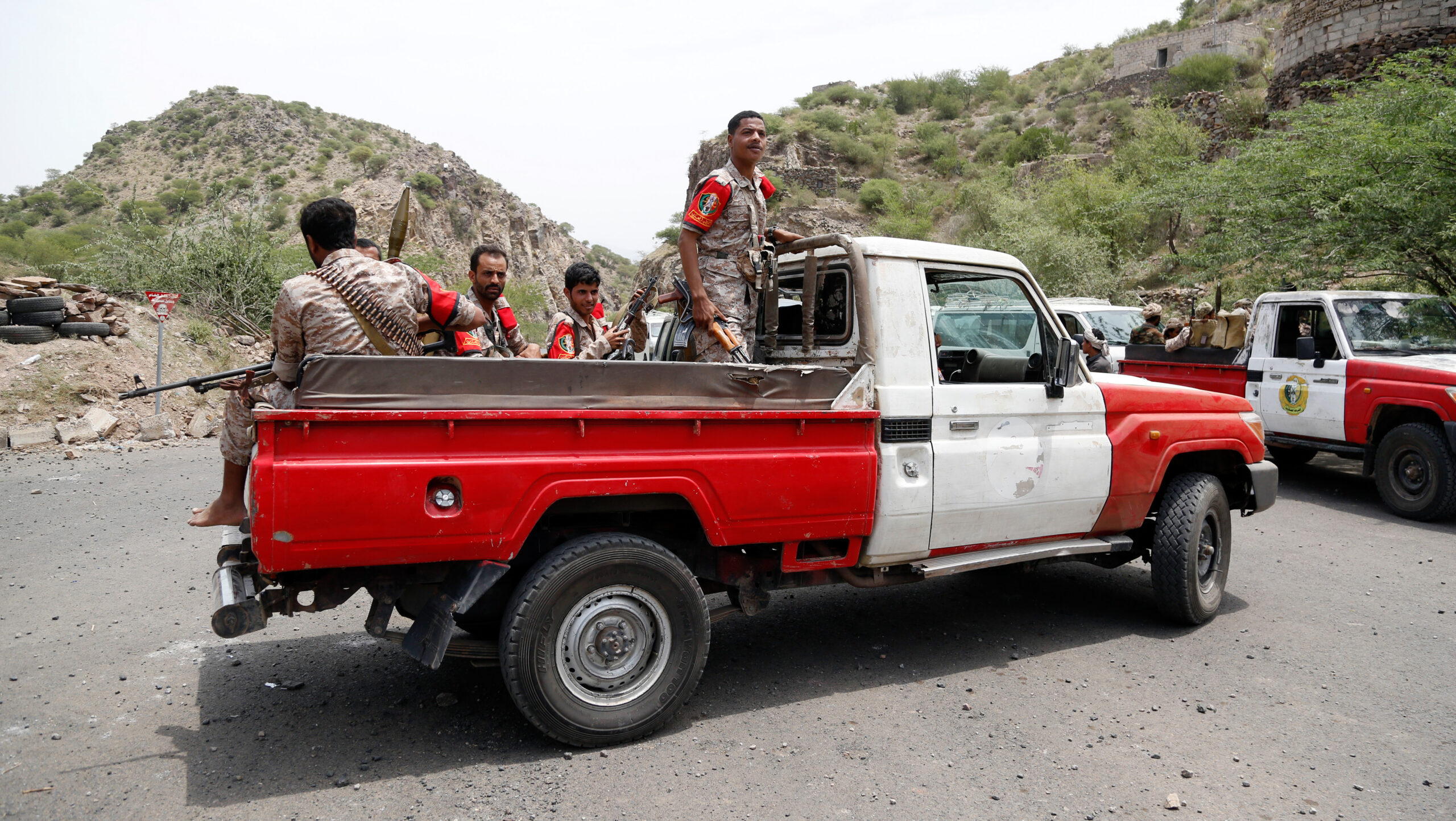
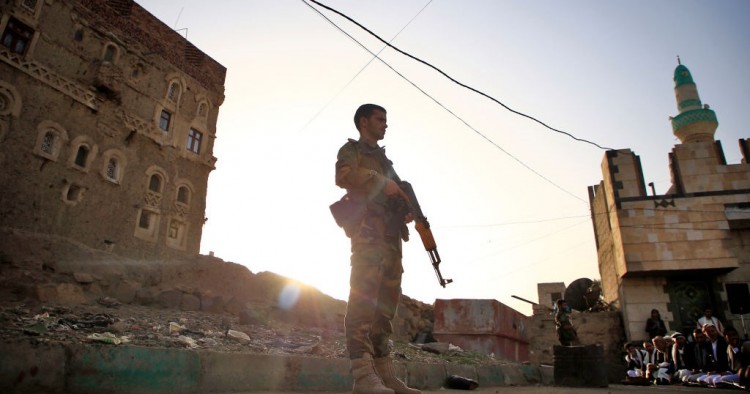
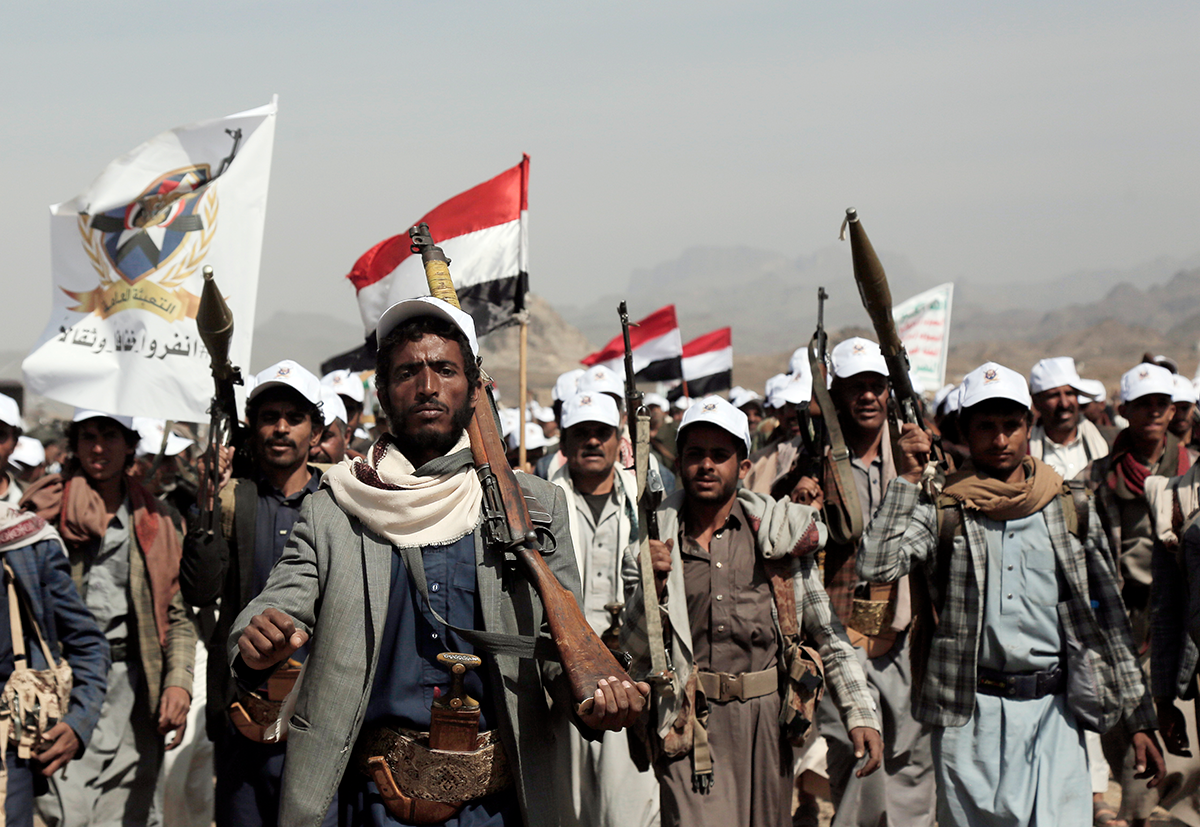
Although Russia and China are in regular dialogue with the Houthis, the motivations that undergird the engagements of both countries differ markedly. The Houthis regard both Russia and China as partners against American unilateralism but have a warmer relationship with Moscow.
Houthi drone strike on Tel Aviv illustrates unstoppable “democratization” of high-technological capabilities
The recent Houthi drone attack on Tel Aviv, which struck an Israeli apartment building near the Embassy of the United States, killing at least one person, should surprise no one. And the fact Israel’s state-of-the-art air defense could not prevent it will probably embolden future attempts.
The geopolitical implications of Houthi attacks and Israeli retaliation
The Houthis’ strategy of escalation has the potential to upset the fragile balance of power in the Middle East and underlines the ability of smaller actors to influence larger geopolitical outcomes through calculated risks and alliances.
The situation in the Red Sea is not getting better
The current situation is not only intolerable – it is unsustainable. It is time to recognize that the Houthis, with strong and persistent support from Iran, are in a position to hold not only the US but virtually the entire global system hostage.
Debunking the role of cloud seeding in the April Arabian Gulf floods
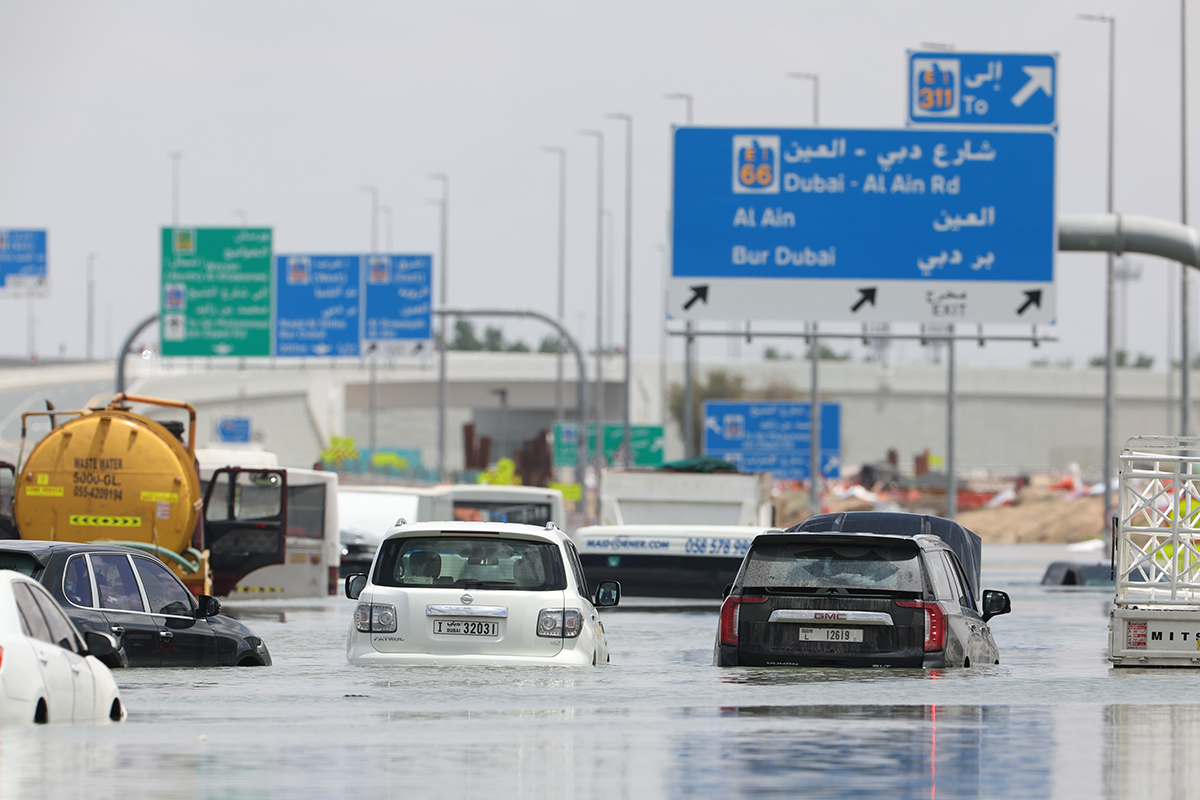
Intense flooding across the Arabian Peninsula caused by a storm in mid-April sparked speculation about the role cloud seeding might have played in the precipitation event, giving rise to conspiracy theories on social media and warnings trumpeting the hazards of human intervention into natural processes. Cloud seeding is not the only climate change-adaptive strategy to have been targeted in this way, and the effort being expended to combat such disinformation (though nascent) is growing.
آراء الخبراء: كيف يجب أن نتعامل مع القواعد الجديدة للعبة في الصراع بين إسرائيل وإيران؟
شهد شهر أبريل سلسلة من التصعيدات غير المسبوقة في الصراع الإيراني-الإسرائيلي الذي طال أمده، حيث شن كلا البلدين هجمات صاروخية وطائرات مسيرة على أراضي بعضهما البعض لأول مرة في التاريخ.
في أعقاب هذه الضربات، ماذا سيكون تأثيرها على الأمن الإقليمي والبيئة السياسية في المستقبل، وما هو المطلوب لتثبيت قواعد اللعبة الجديدة، وكيف يمكن للدبلوماسية الأمريكية أن تساعد في تسهيل هذه العملية؟ طلب معهد الشرق الأوسط (MEI) من خبرائه إبداء آرائهم في هذا الشأن.
The Hadramawt National Council: A strategic move or a tactical reaction?
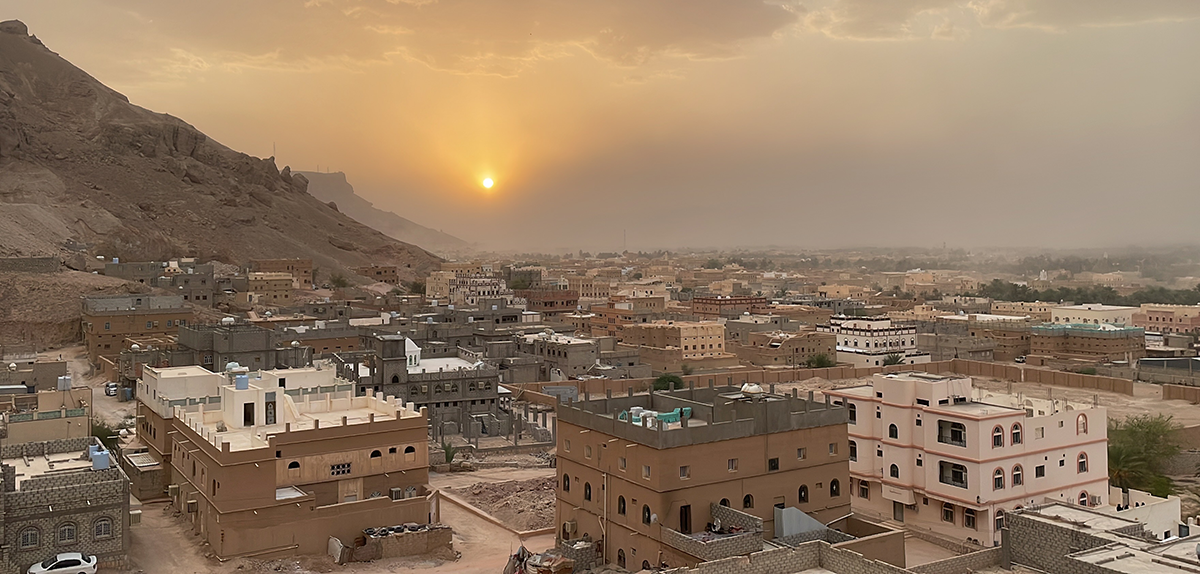
Yemen’s eastern governorate of Hadramawt has long had a distinct regional identity and recent steps, including the signing of a Hadrami Honor Charter and the formation of the Hadramawt National Council (HNC), have underscored Hadramis’ aspirations for greater empowerment and autonomy at a time of growing competition and contestation, both locally and regionally.
Saudi-Houthi Agreement: Four Scenarios and Their Potential Impact
Less than 10 years after seizing power in Yemen, the Iran-backed Houthi militia continues to evolve — and so do the threats emanating from it. After several years of negotiations, it now seems likely that the Houthis and Saudis will reach a peace agreement, and it is worth considering how such a deal could change the group’s trajectory. This report examines a number of possible futures that could develop in Yemen over the next 1-2 years based on shifting capabilities, interests, and alliances.