MENA Energy Recap, Q3-2025: Gulf Giants Abroad, Fragile Deals at Home
The MENA Energy Recap is a quarterly review of key energy developments that took place in the region from July through September of 2025 and what they signal in the months ahead. The Recap views these developments through the lens of policy and strategy, energy security, and markets.
Water and Power: Egypt, Sudan, and Ethiopia at Odds Over Africa’s Largest Dam
In this episode of Middle East Focus, hosts Alistair Taylor and Matthew Czekaj are joined by MEI Senior Fellow Mirette F. Mabrouk to unpack the growing tensions over the recently inaugurated Grand Ethiopian Renaissance Dam (GERD) on the Nile.
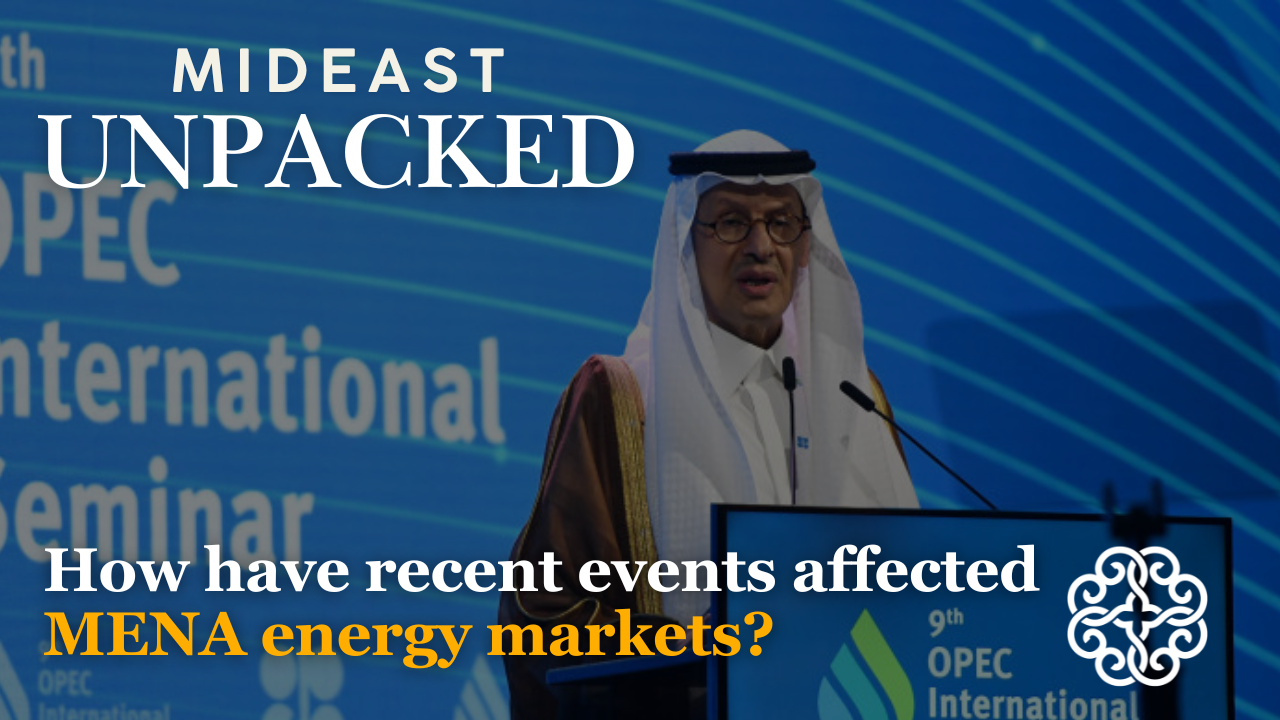
How have recent events affected MENA energy markets?
“The first half of 2025 has been a whirlwind for global energy markets,” says MEI Senior Fellow Colby Connelly. The 12-day war between Israel and Iran this past June briefly sent oil prices into the $80 per barrel range, while growing uncertainty around trade policy under President Trump has greatly complicated Middle Eastern actors’ investment decisions. Connelly breaks down these developments and outlines what to watch in the months ahead.
As the dog days of August approach, we are pleased to share a curated summer reading list featuring some of VP for Policy Ken Pollack’s favorite books on the region. Covering a variety of timely and engaging topics, the list offers recommendations for anyone interested in deepening their understanding of the Middle East.
MENA Energy Recap, Q2-2025: Markets Soften, Resolve Hardens, Investments Grow
The MENA Energy Recap is a quarterly review of key energy developments that took place in the region from April through June of 2025 and what they signal in the months ahead. The Recap views these developments through the lens of policy and strategy, energy security, and markets.
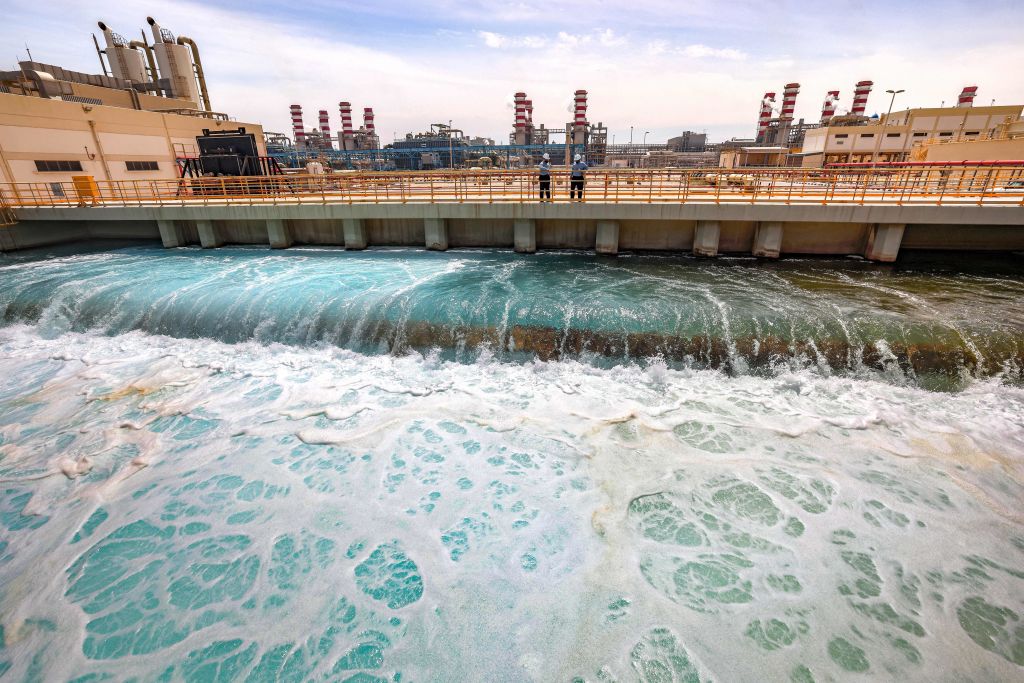
The Gulf’s water crisis: Why cooperation is crucial — and complicated
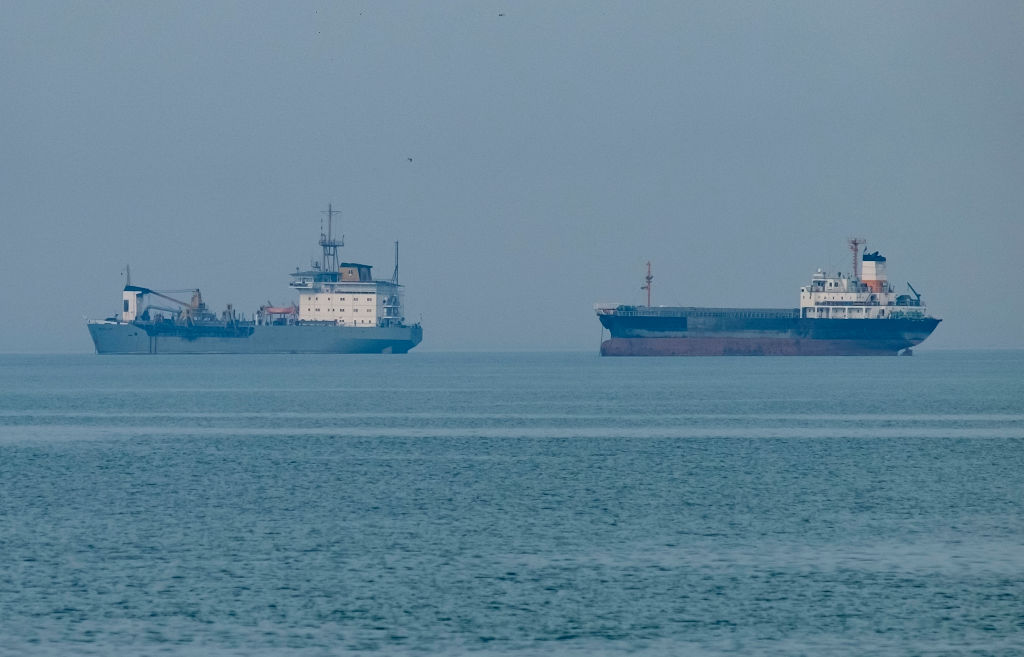
On June 19, false reports of an Israeli strike on Iran’s Bushehr nuclear plant sparked alarm across the Gulf. Though denied by Israeli officials, the claim traces back to a warning from Qatar’s prime minister of a potential catastrophe in the event of nuclear contamination — no water, no food, no life — due to the Gulf’s reliance on desalinated seawater. Gulf governments moved quickly to reassure the public that no radiation had been detected, but the episode underscored the region’s growing sense of vulnerability. A regional approach to water security could help to mitigate such risks.
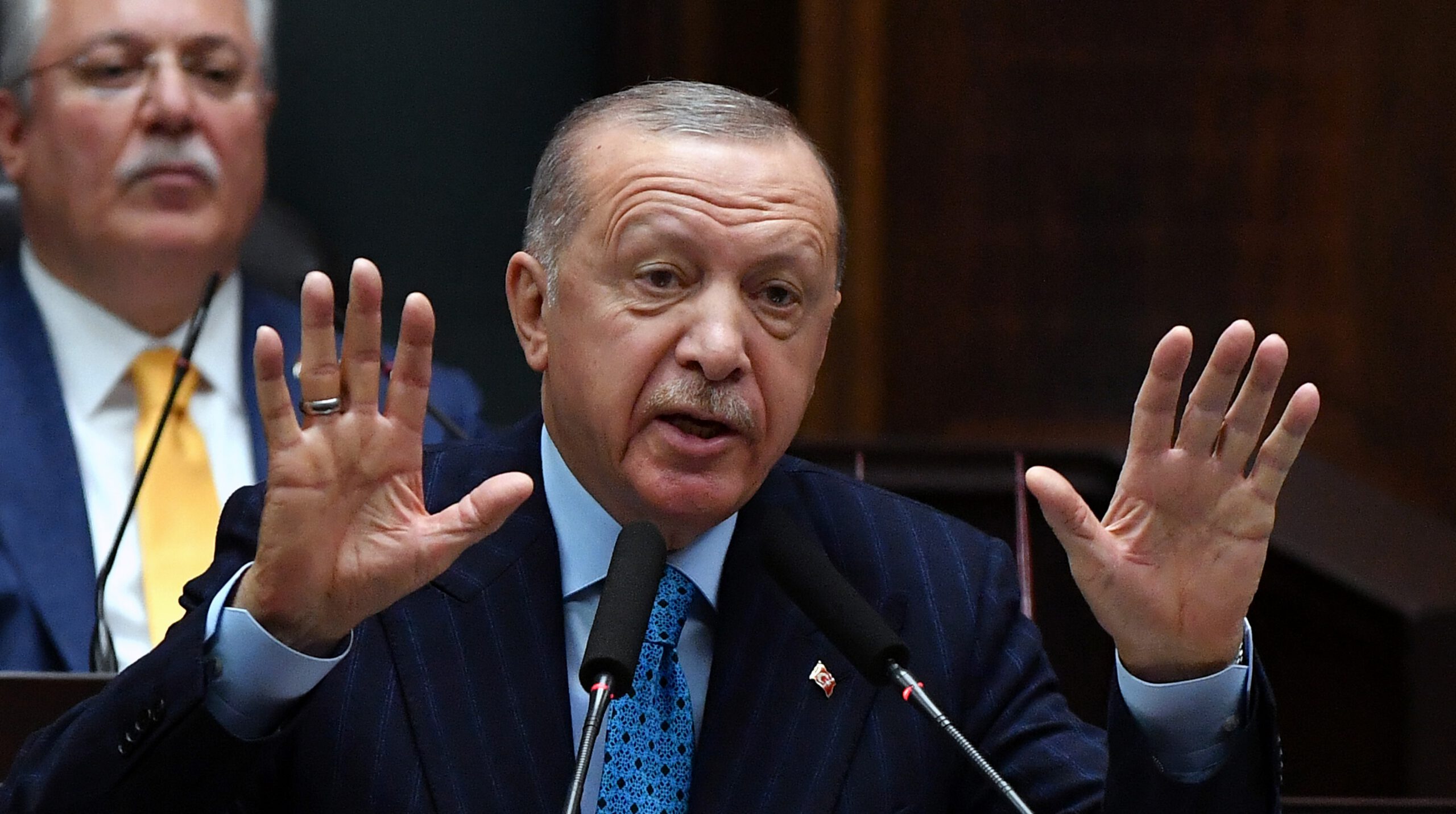
Caught in the crossfire: How the Iran-Israel war undermines Erdoğan’s agenda
Israel’s full-blown war against Iran threatens to upend regional dynamics and Turkey’s careful balancing act. The conflict presents both immediate threats and long-term strategic risks for Turkey.
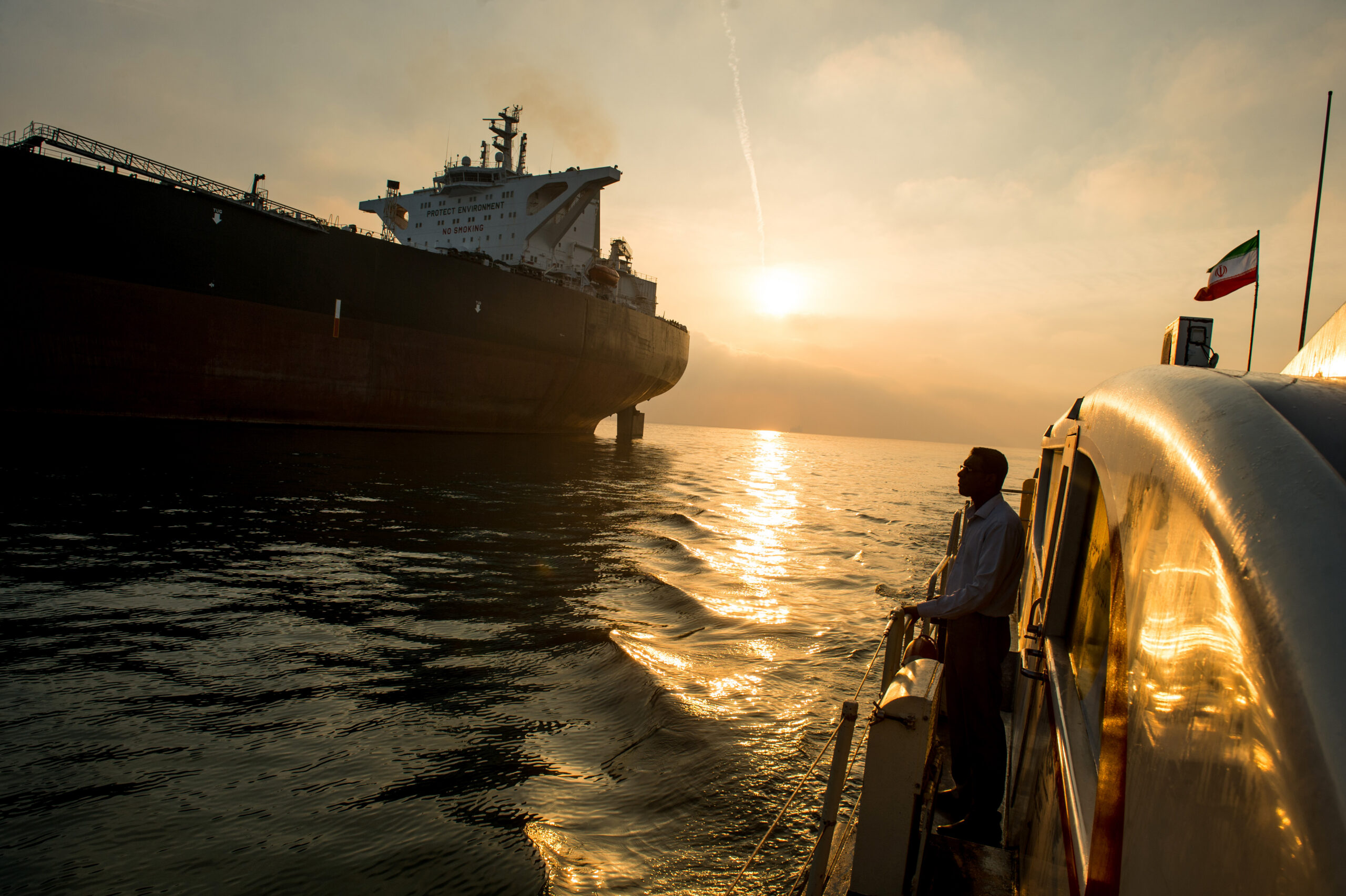
Near-term progress in a renewed nuclear agreement between the United States and Iran could add further downward pressure to a delicate oil market, potentially heralding more fiscal pain for Gulf oil producers and complicating US energy strategy.
Managing Threats to Food Security: Water and Agricultural Resilience in North Africa
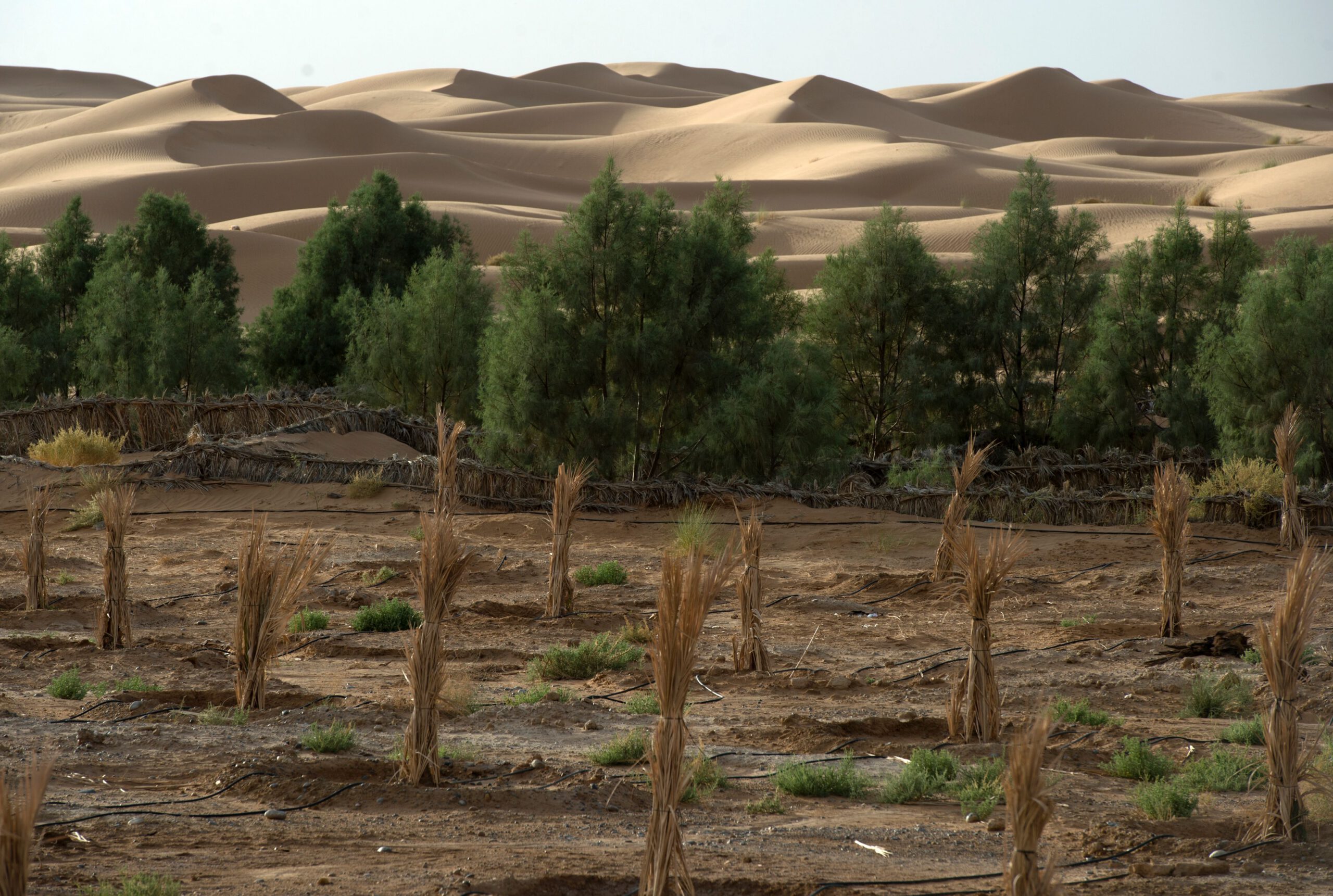
Sustaining food security in North Africa is a complex and evolving challenge, influenced by the region’s arid climate, limited water resources, and sparse arable land. In response, efforts to enhance food security by governments, farmers, and non-governmental organizations have been centered on adopting climate-resilient agricultural practices, efficient irrigation techniques, and sustainable land-management strategies. Despite these efforts, food security in North Africa remains fragile due to systemic pressures on agricultural systems from climate change, water scarcity, and increasing market demands.
MENA Energy Recap, Q1-2025: Tariffs and Sanctions Loom Large as Trump Returns
The MENA Energy Recap is a quarterly review of key energy developments that took place in the Middle East and North Africa region from January to March 2025 and what they signal for the months ahead. The Recap views these developments through the lenses of policy and strategy, energy security, and markets.
The impact of climate variability on Morocco’s agriculture
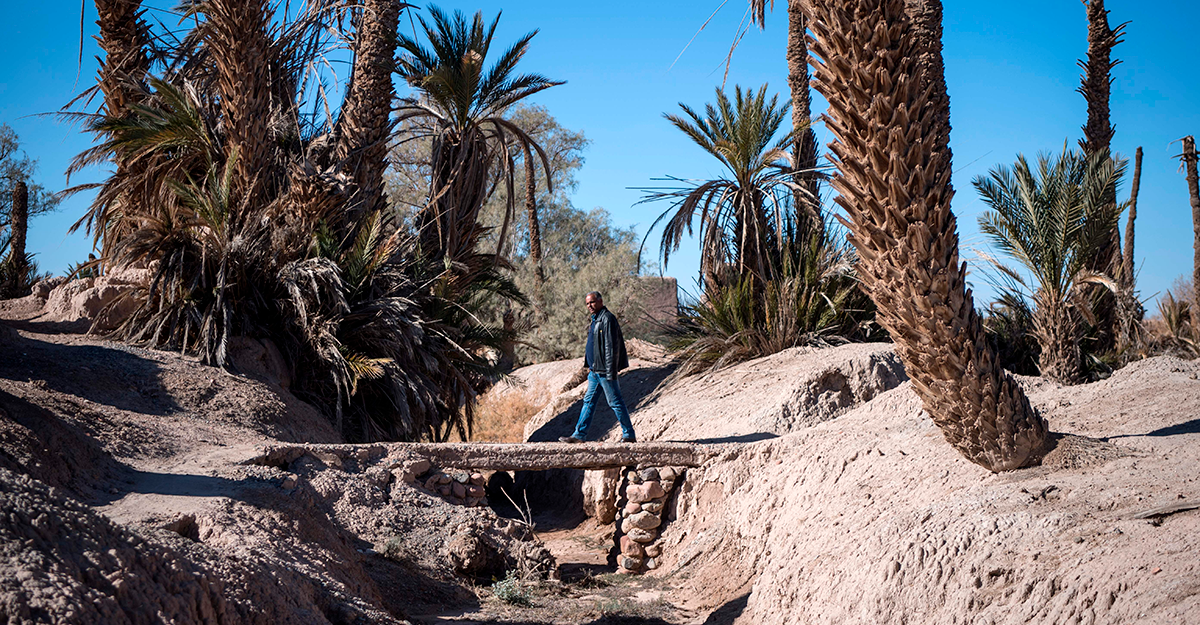
Climate variability is becoming a key factor in shaping economic stability, agricultural productivity, and water security worldwide. Periods of prolonged drought and sudden shifts in precipitation can have far-reaching consequences, particularly for countries that rely heavily on natural water sources for farming and economic growth. As weather patterns become increasingly unpredictable, there is a need to navigate both the immediate impacts of climate change and the long-term strategies needed for climate resilience. Finding the right balance between short-term relief and sustainable adaptation is a fundamental challenge for economies dependent on agriculture and water availability. Nowhere is this more evident than in Morocco.
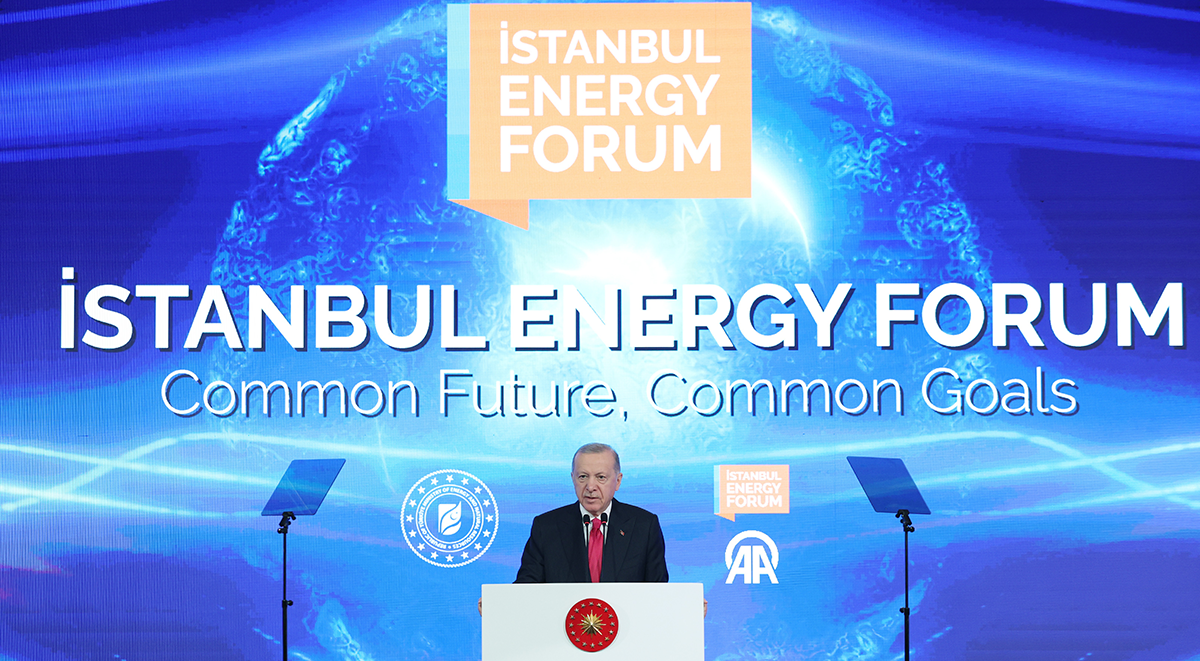
Amid regional upheaval, Turkey looks to energy to secure strategic autonomy
President Recep Tayyip Erdoğan has sought to position Turkey as an energy hub, connecting gas producers to its east and south and markets to the west. Turkey’s geographical position and infrastructure give it an advantage. But becoming an energy center also requires Ankara to dust off a long-abandoned foreign policy approach: “zero problems with neighbors” and the West. Amid changing regional dynamics, Ankara sees an opportunity to achieve that and revive its plans to become an energy hub.
Return to "maximum pressure": Opportunities and challenges
With the signing of a presidential memorandum on Feb. 4, the administration of Donald Trump has returned to a “maximum pressure” campaign against Iran, but circumstances have changed drastically since the policy of intensified sanctions was originally crafted during his first term. Regional geopolitics will present the White House with a new set of variables, while changes in the petroleum markets will affect how the administration approaches sanctions on oil exports.
Impact of the Russo-Ukrainian war on energy flows from the Arab Gulf states
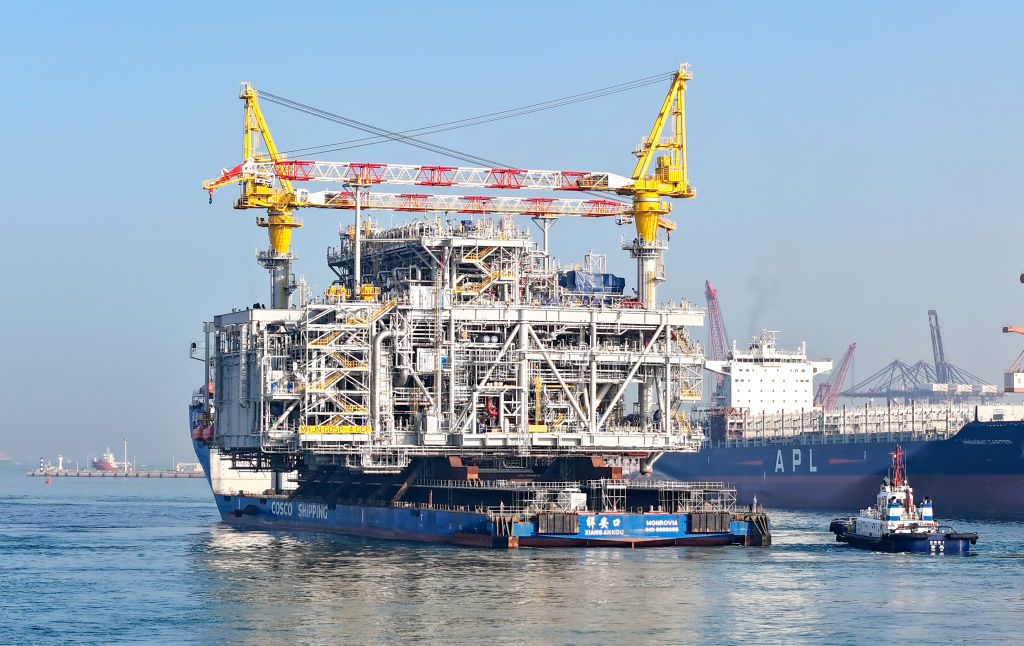
Nearly three years on, Russia’s full-scale invasion of Ukraine in February 2022 has reshaped trade and investment in the energy sector, leading to an increase in Gulf imports of Russian oil and a sharp rise in the region’s hydrocarbon exports to Europe as well as further fueling the growth of Gulf investment in renewable energy projects located in and targeting the continent.
Mapping MENA’s Renewable Energy Supply Chains: The Emergence of Green Energy Ecosystems in the Middle East and North Africa
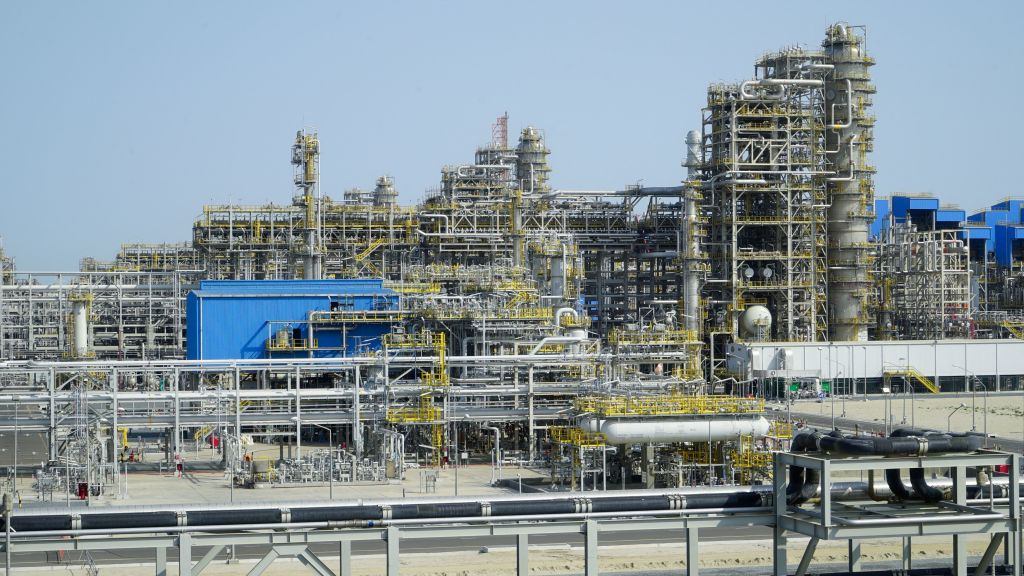
The Middle East and North Africa has the potential to become the world’s largest renewable energy-producing region. Compared to the immense scale of its resources, renewable energy is virtually untapped at present. This study maps the emerging regional trends in renewable energy development and MENA renewable energy supply chains across North Africa, the Arabian Peninsula, and the Levant. The most successful MENA nations in developing their renewable energy resources to date are doing so through the establishment of green energy ecosystems, in which the development of utility-scale renewable energy infrastructure is coordinated with that of robust offtake markets and the establishment of commercially viable storage and transportation mechanisms to service them.