October going on December: Voters are still waiting for results in Afghan elections
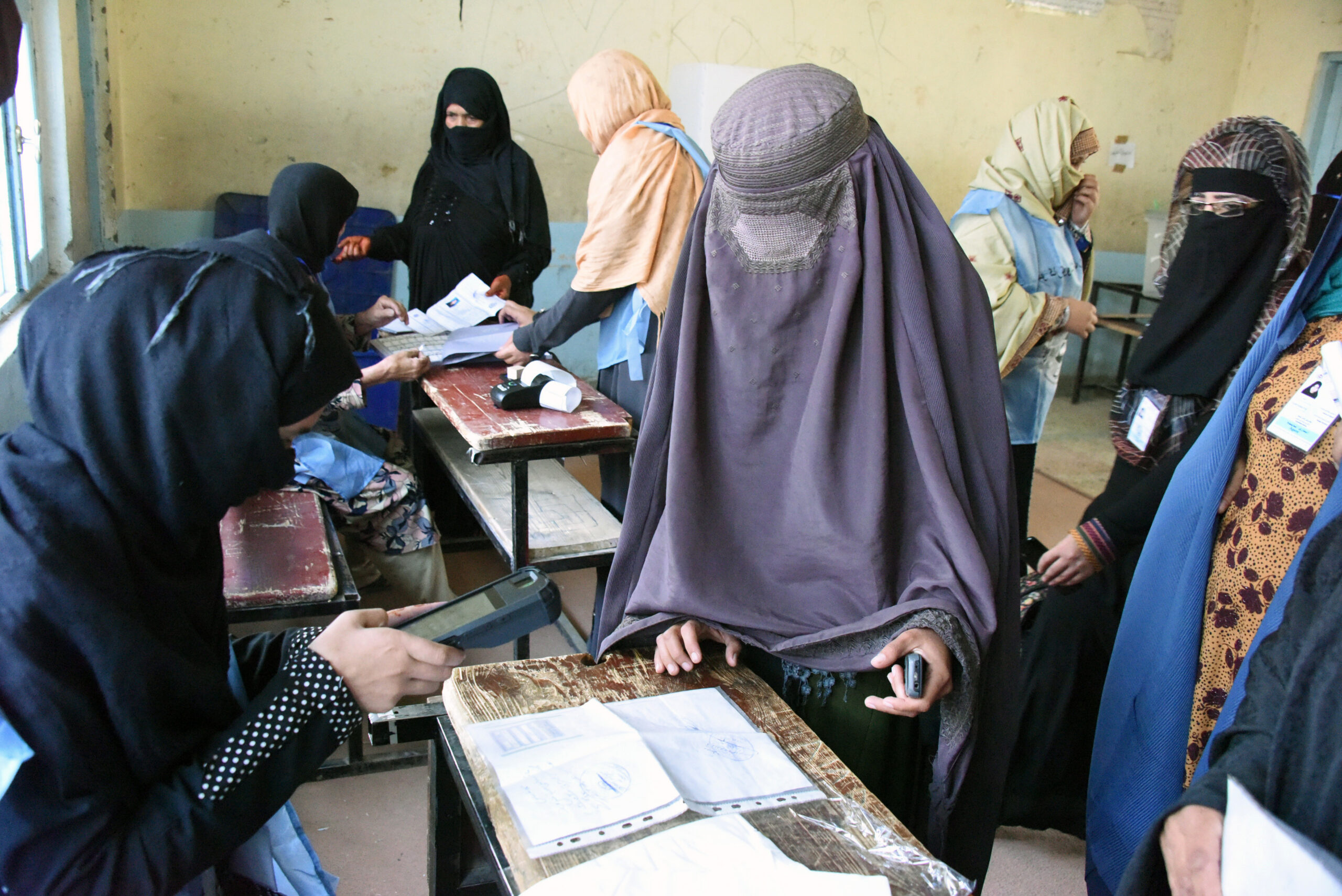
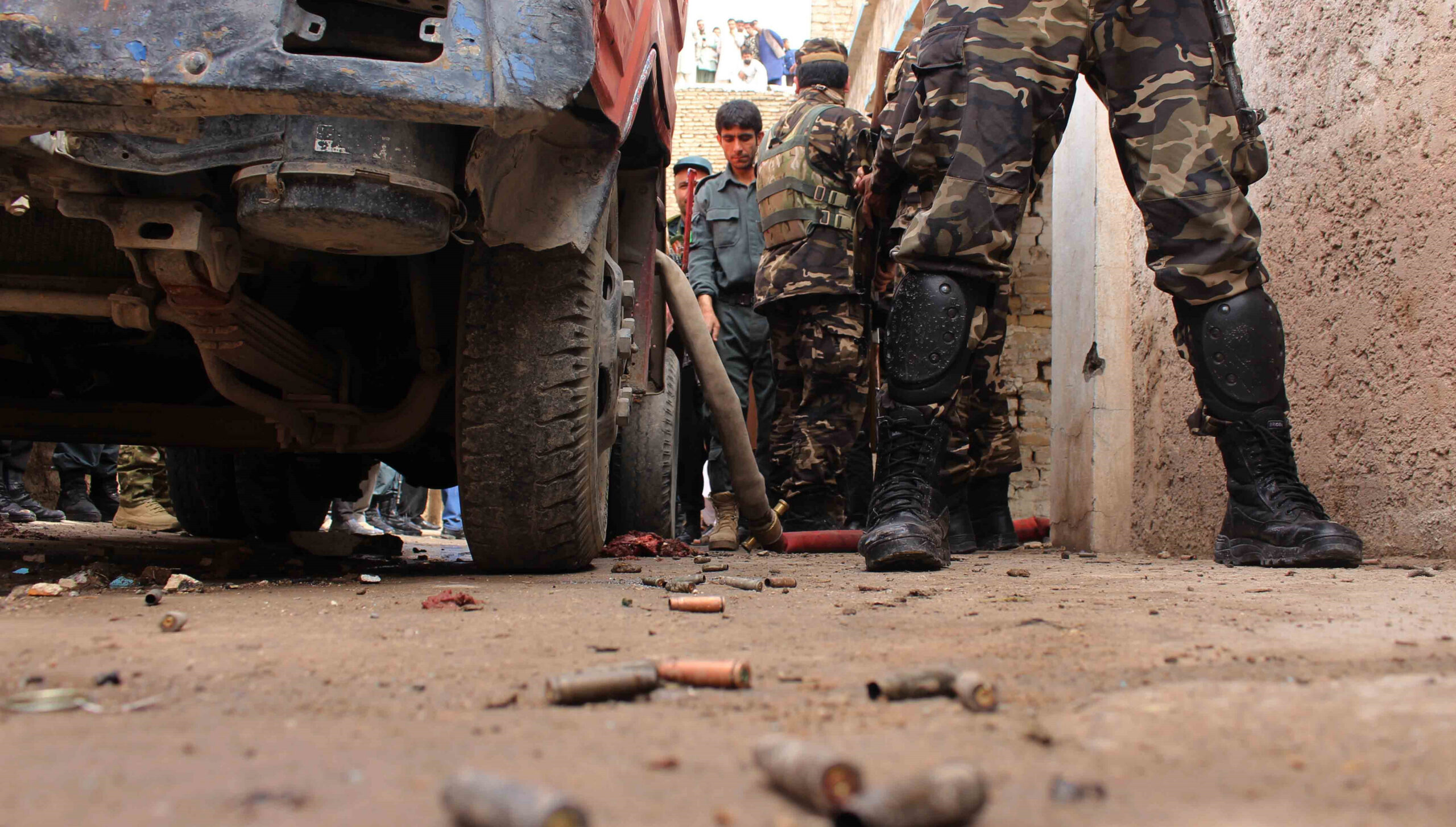
While four million Afghans bravely defied Taliban threats to cast their ballots in parliamentary elections in October, issues with the voting process and the two-month delay in announcing the results are causes for concern, especially with four important elections scheduled for next April.
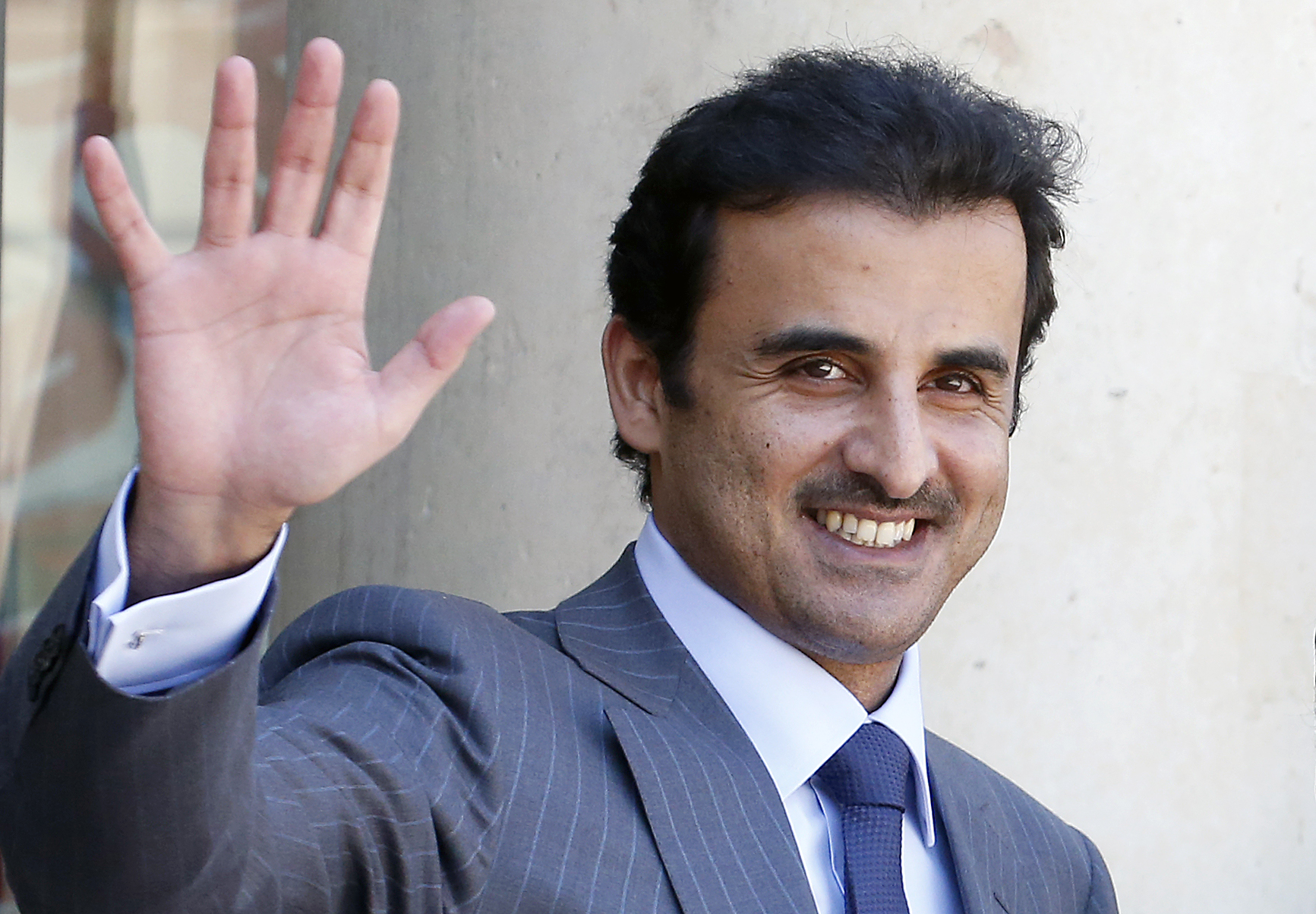
Giorgio Cafiero, CEO and founder of Gulf State Analytics, and F. Gregory Gause, head of the Department of International Affairs at Texas A&M University, join host Jerry Feierstein to discuss the state of GCC relations amid the Qatar dispute and other crises heading into the next GCC Summit.
The GCC Riyadh summit: Beginning of the end of the Qatar crisis?
The upcoming GCC summit in Saudi Arabia offers an opportunity to bring the opposing sides to the table, but it is far from clear what will come out of the meeting
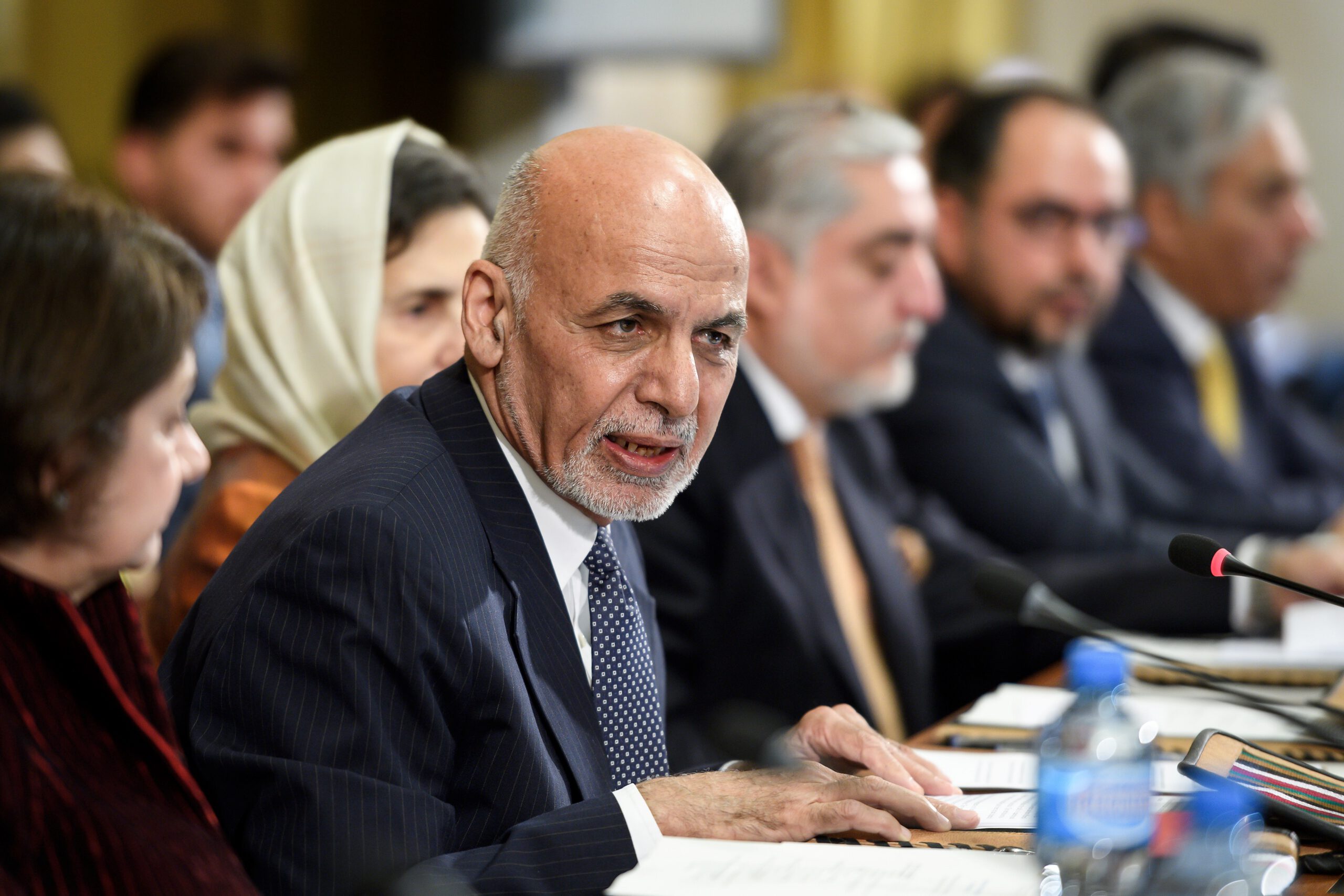
Geneva conference lays out challenges in Afghanistan
Held on Nov. 27-28, the two-day Geneva conference on Afghanistan voiced both challenges and prospects for Afghanistan’s economic and political stability.
Monday Briefing: Russians launch air strikes after alleged gas attack
In this week’s Monday Briefing, MEI experts discuss recent and upcoming events including Russian air strikes in Aleppo, the elections in Bahrain, the growing international interest in Egypt’s offshore energy finds, and the appointment of a new Afghan team of negotiators for peace talks.
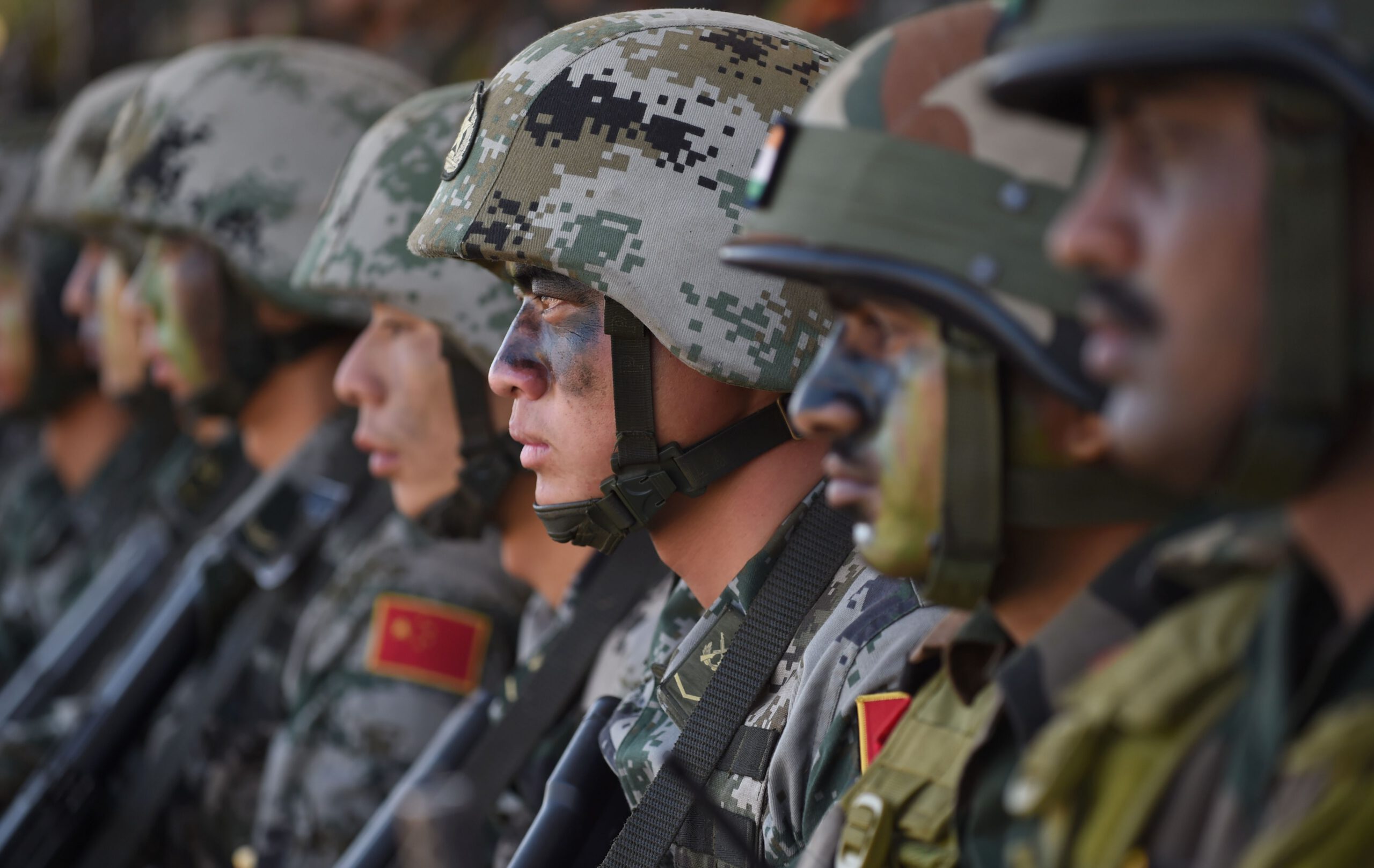
A new approach in Afghanistan: China and India take steps toward cooperation
While there have been promising recent signs of Indian-Chinese cooperation in Afghanistan, Beijing’s “all-weather” friendship with Islamabad and Pakistan’s concerns about Indian involvement in the country remain obstacles to closer ties.
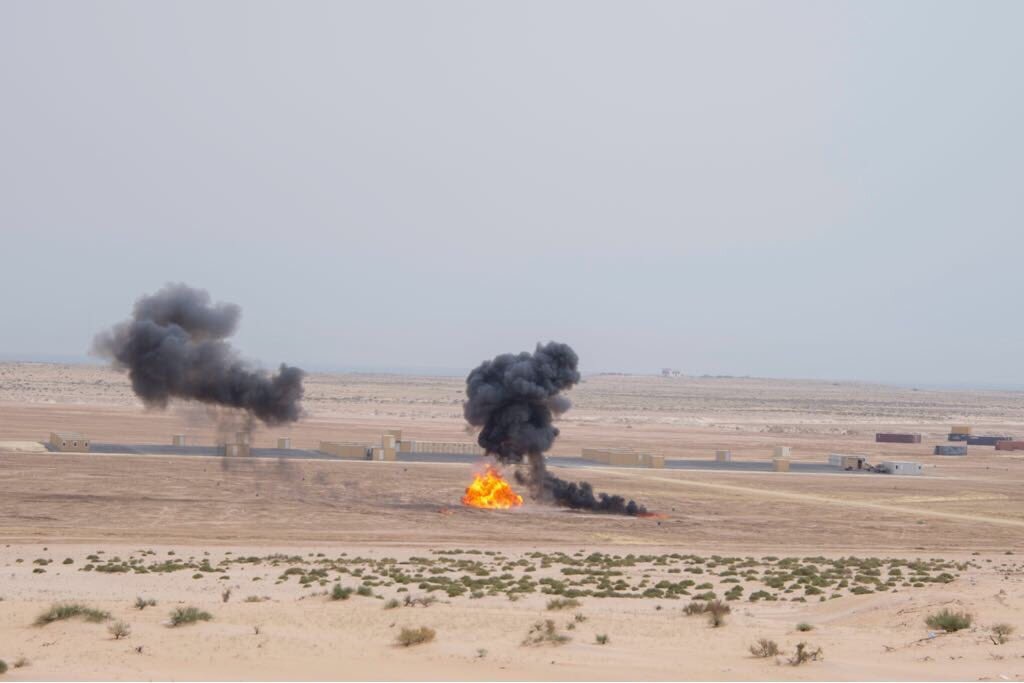
As naval, air, and ground units from Bahrain, Egypt, Jordan, Kuwait, Saudi Arabia, and the UAE conduct war games in western Egypt this month, many speculate that this could represent the birth of the so-called “Arab NATO.”
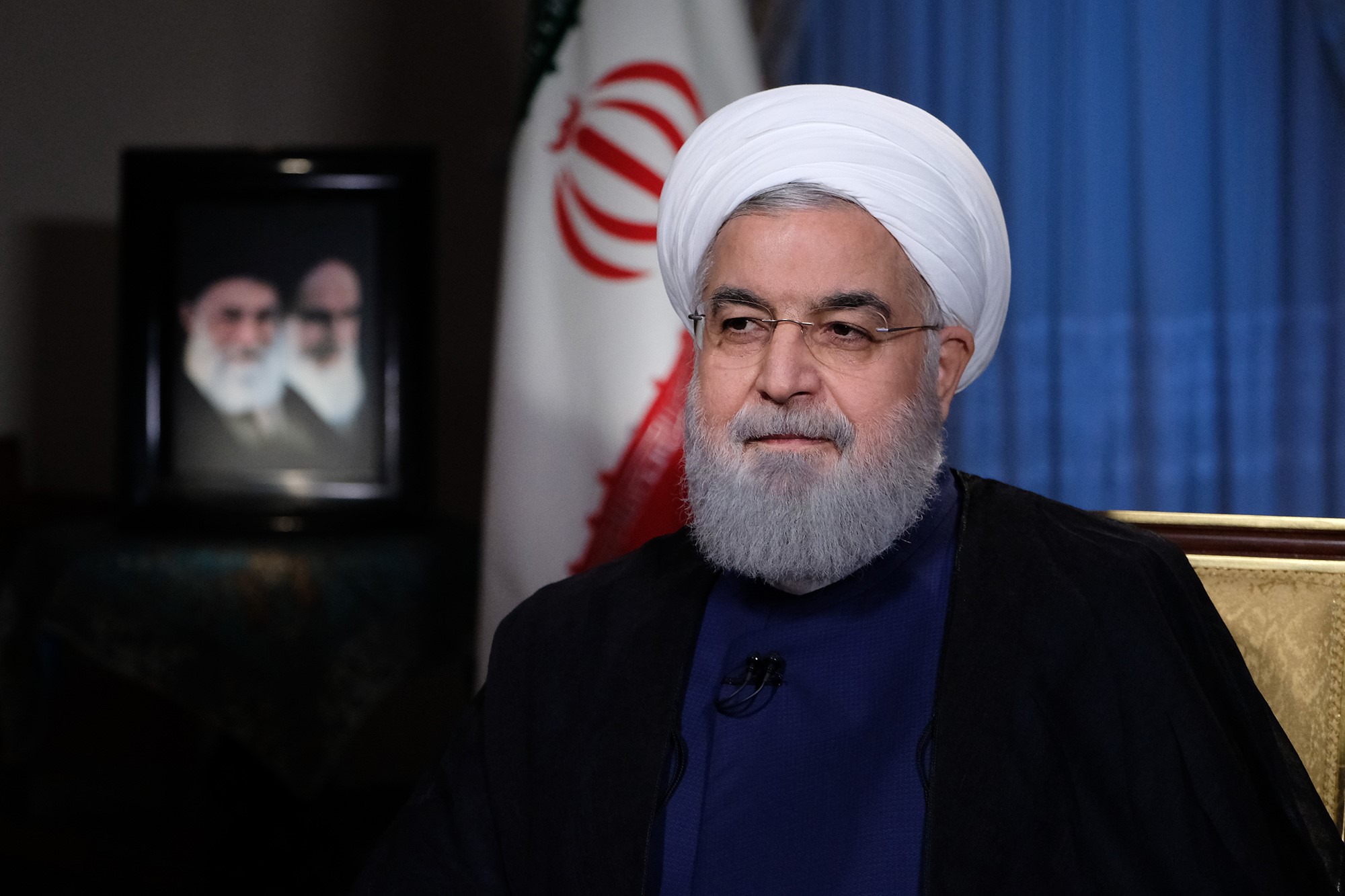
In this week’s Monday Briefing, MEI experts Alex Vatanka, Marvin G. Weinbaum, and Charles Lister provide analysis on recent and upcoming events including Iran’s decision to sell its oil in the private sector, the prime minister of Pakistan’s search for foreign aid, and the Syrian summit in Istanbul.
As Khalilzad leads U.S. efforts to bring the Taliban to the negotiating table, he faces immense challenges from geopolitical entanglements and regional rivalries surrounding the Afghan conflict.
Update on Jamal Khashoggi; Afghan elections preview
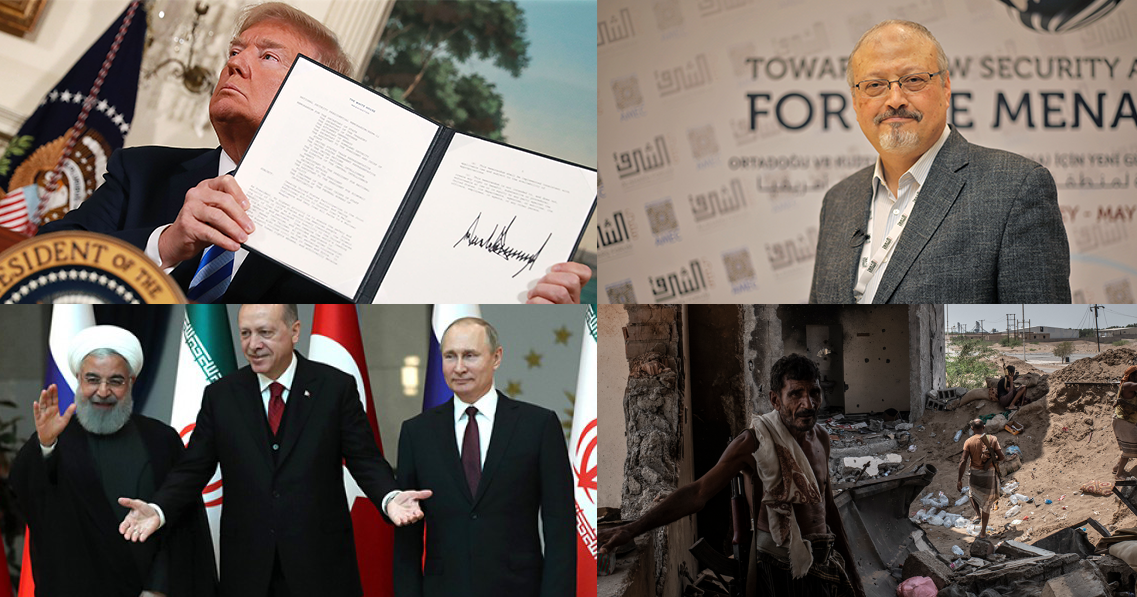
In this episode, MEI’s Gerald Feierstein and Gonul Tol continue last week’s discussion on the tragedy and ongoing foreign relations crisis over Jamal Khashoggi, and Ahmad Majidyar gives a preview of this weekend’s parliamentary elections in Afghanistan.
The U.S.’s troubled relationship with Pakistan continues to be eroded by crisis after crisis. Leave alone the pretense of any strategic convergence, the two countries are finding it difficult to maintain even a transactional relationship. If events surrounding a short visit by U.S. Secretary of State Mike Pompeo to Islamabad are any indicator, it will not be easy to reduce the trust gap in bilateral ties.
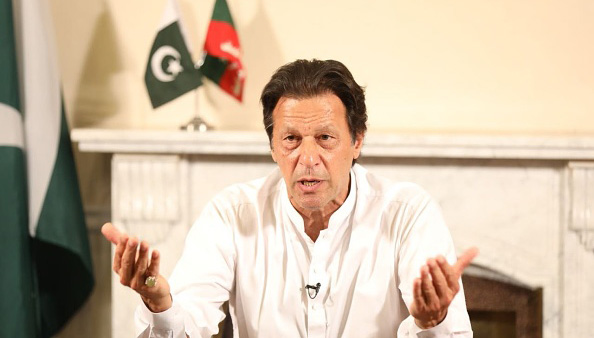
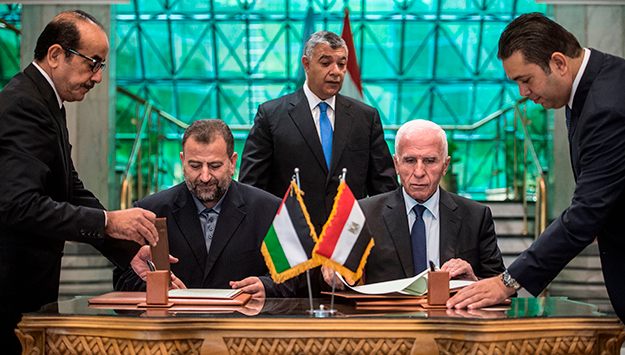
In this week’s Monday Briefing, MEI experts provide analysis on Fatah-Hamas reconciliation talks in Cairo, possible cooperation between the Syrian Democratic Council and the Assad regime, the protests in Iraq, the U.S.’s lifting of restrictions on aid to Egypt, and Imran Khan’s victory in the Pakistani elections.
Anti-India Sentiments in South Asia: Terrorist Recruitment Narratives
India’s strategic choices in South Asia have prompted it to interfere in the domestic affairs of some of its neighbors. As a result, India has become a part of domestic politics of most of its neighboring states where anti-India sentiment is often used to bolster the nationalist credentials of various political formations. Importantly, such sentiments have been leveraged by Jihadist groups — especially those operating in Pakistan and Bangladesh — to shore up support for themselves.
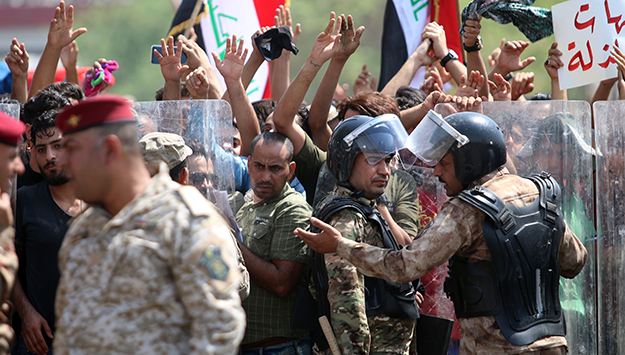
As protests roil Iraq, political elite seeks scapegoat
In this week’s Monday Briefing, MEI experts Randa Slim, Marvin G. Weinbaum, and Charles Lister provide analysis on recent and upcoming events including the ongoing protests in Iraq, the Sharifs’ return to Pakistan and their subsequent imprisonment, and pro-Assad forces’ westward push in Syria.